America’s criminal legal system is unduly harsh. Experts explain how we got here and solutions that will benefit everyone.

Curated by Lauren-Brooke Eisen, J.D.
Director
Brennan Center for Justice
Introduction
America can’t shrink its reliance on mass incarceration until we confront our approach to punishment. These essays by renowned experts in a variety of fields focus on our deep-rooted impulse to punish people in ways that are far beyond what could be considered proportionate. Together, they illustrate how necessary it is to rein in the punitive excess of the criminal legal system, which is inexorably entwined with the legacy of slavery. They also highlight how we have marginalized poor communities and people of color through criminalization and punishment.
Addressing a range of issues — from policing to prosecution to unequal access in bail bond requirements to incarceration to life after prison — the writers highlight how our nation has prioritized excess punishment over more supportive and less traumatic ways of dealing with social harm. The essays explore whether, when, and how we could have made different decisions that would have changed the way these systems of punishment and social control evolved.
Looking ahead, they also ask how we can learn from this failed experiment with mass incarceration and prioritize human dignity over human misery.
We hope this series will spur increased discussion on these vital topics.
L.B. Eisen
Director, Brennan Center Justice Program
The Era of Punitive Excess
By Jeremy Travis and Bruce Western
The criminal justice system is marred by an overreliance on excessive punishment.

Despite a small decline in incarceration rates over the last decade, American criminal justice policy remains at its most punishing point in history. The extent of correctional supervision — including community supervision on probation and parole as well as institutional supervision in prison and jails — expanded steadily from the early 1970s for the next three decades. In 2018, the total correctional population numbered 6.4 million adults, 2.1 million of them incarcerated.
Focusing just on the incarcerated, the 40-year growth in imprisonment rates from the early 1970s has been linked to changes in sentencing policy, particularly the widespread adoption of mandatory minimum sentences, often for drug offenses. And then through the enactment of very long sentences, particularly for those convicted of violence and with long criminal histories.
A full accounting of the harsh realities of the modern system of criminal justice in America extends beyond the vast reach of correctional supervision. Today’s landscape of punishment also includes the extensive criminalization of social problems such as homelessness and mental illness, intrusive policing policies such as stop and frisk, the imposition of fines and fees that exacerbate poverty, the legislatively defined collateral sanctions that close off opportunities for a full life to millions with criminal records, and the new technologies that place the entire public under a form of state surveillance.
We call this new reality the “Era of Punitive Excess.” In its multiple manifestations, damaging impact, political durability, and unbridled reach into all aspects of American life, the modern expression of society’s need to marginalize the poor and people of color through criminalization and punishment has become a stubborn social fact.
The essays in this series — generously curated by Brennan Center for Justice — mark another step in an overdue reckoning with this history. Because the criminal justice system that has emerged over the past half century is so deeply intertwined with the legacy of white supremacy in America, this reckoning necessarily underscores the urgency of recognizing, and repairing, the damage borne by communities of color and marginalized populations. At the most fundamental level, we must ask unsettling questions about the impulse to criminalize and punish, especially as this impulse has been applied selectively throughout American history.
Punishment describes not just what criminal justice institutions do, but also signifies a relationship between the state and its citizens. We define criminal punishment as the infliction of human suffering under the color of law. Criminal punishment describes a coercive relationship between an authority and those subject to its jurisdiction. The unequal distribution of criminal justice supervision across the population is an essential fact about the punishment relationship.
Most of the attention of researchers and policymakers has focused on the disproportionate incarceration of African Americans and Latinos. Throughout the period of rising incarceration, the imprisonment rate for African Americans has been 6 to 8 times higher than the imprisonment rate for whites. Imprisonment rates for Latinos have been 1.5 to 2 times higher than for whites. But similar disparities can be found in every dimension of the punishment landscape, from arrest patterns to pretrial detention to the imposition of fines and fees.
The nature of the punitive relationship lies as much in the qualitative character of who is incarcerated or under justice supervision as in the quantitative extent of the impacted population. The punished are often poor, yes, but they are also vulnerable in a variety of other ways that, in the absence of other social supports, exposes them to contact with police, the courts, and prisons. This is punishment as social policy — a way of responding to the range of social problems (including crime) associated with America’s particularly severe variety of poverty. The burdens of punitive policy have fallen particularly heavily in low-income communities, especially low-income Black communities. Neighborhood segregation concentrates a wide variety of social problems — poverty, unemployment, public disinvestment, unaffordable housing, untreated health problems — that contribute to crime and attract the attention of authorities.
The great injustice of the punitive posture of contemporary criminal justice was to attribute a super-abundance of moral agency to those who, by virtue of economic, demographic, and social disadvantage, often had the fewest choices to make. In this social world, shot through with racism, severe poverty, and their accompanying constraints on action, the moral agency that punishment regulates is distributed unevenly across the population and is in shortest supply among the most disadvantaged. But harsh punishment was at best indifferent to racism and poverty. In this world of punitive excess, poverty, trauma, and ill health were seen as bad choices by bad people who were then punished by the police, courts, and prisons.
To be something other than cruel, the punitive impulse must be directed at those acting with full moral agency. But this full moral agency is not just a matter of philosophical opinion. If empirical analysis shows that where incarceration is pervasive (a 70 percent imprisonment risk for Black men who haven’t finished high school, for example), demography may have as large an impact on punishment as individual culpability. Similarly, if nearly all those serving time in state prison have histories of untreated mental illness, substance use disorders, physical disability, or trauma, punishment is less a response to antisocial choices than a way of using state violence to manage vulnerable people who often have few constructive alternatives.
If punishment is not justice in such a world, then what is? Here, the answer lies in balancing the jurisprudence of individual culpability with the promotion of human capabilities. If the problems of crime, disorderly behavior, and idleness are characteristic of the social conditions of poverty, then justice is found through the abatement of those social conditions rather than punishing those who live in them.
This suggests a fundamental change in the work of those who are publicly charged with responding to violence. First, they would guard against the harms they may inflict on the most disadvantaged. The possibility of undue punishment, and the necessity of safeguards, are pressing because crime and disorder are more prevalent in poor communities, not because of the moral deficiencies of community residents but because of the social conditions of severe poverty. Second, and more ambitiously, the agents of the response to harm might work actively for promoting opportunity, citizenship, and community involvement at the deepest margins of society while recognizing the importance of individual accountability.
In the essays that follow in this series we will hear from champions of justice who are, in different ways, recognizing and combatting the harsh realities of punitive excess. On one level, an all-out mobilization is required to roll back the harmful reach of the state in the operations of a justice system that causes so much injustice. We applaud the efforts of those who tackle these challenges. Yet a clear-eyed realization of how far the country has strayed from the path of true justice requires more than system reform. This history compels the conclusion that we face a democracy deficit. The laws that have brought about the era of punitive excess were all passed by our elected representatives. The prosecutors who enforced these laws and sought long prison terms were all elected, as were many of the sheriffs and judges. Police chiefs were appointed by mayors responsive to the public will. The build-up of police and prison budgets, the starving of public defenders, the continuing atrophy of community supports — all were the product of democratic processes. If our democracy brought us to this point, can we hope that our democracy can carry the banner of fundamental change?
If the past half-century demonstrated the electoral effectiveness of tough-on-crime rhetoric, then reversing the trends we have observed will require a new public discourse about how best to respond to harm. That, in turn, is a tall order as the people adversely affected by these stubborn trends are not politically powerful. Yet in recent years we have seen hopeful signs pointing toward a different future. Prosecutors are being elected on platforms promising deep reform. The uprising following the murder of George Floyd has galvanized a nation to implement policing reforms that had been thought impossible a few years ago. A new national administration is explicitly committed to reversing the most harmful policies of the past.
Beyond these hopes for the future, we must still wrestle with nagging questions brought forcefully to the fore in the era of punitive excess: What is the purpose of punishment? How does a democracy guard against the inappropriate exercise of that state power? How can a society respond to harm while minimizing the imposition of punishment? Even more, can our society respond to harm in ways that respect the human dignity of all involved, do not exacerbate conditions of poverty, provide communities with agency over communal life, and promote healing and racial justice? Answering these questions will allow our country to repudiate the punitive project and undertake an authentic search for justice.
How Punitive Excess Is a Manifestation of Racism in America
By Theodore R. Johnson
The criminal justice system’s past and present is intertwined with its use as a tool against people of color.

There is a widely accepted narrative about incarceration in the United States that goes something like this:
At the dawn of the Reagan era in a nation of 225 million Americans, the incarcerated population was a little more than half a million people with 8 percent behind bars for drug offenses. The “War on Drugs” that raged throughout the 1980s and into the next decade — bringing with it statutory reforms that relied heavily on increased policing, incarceration, and mandatory sentencing — caused the imprisonment rate to more than triple to 695 per capita with 24 percent serving time for drug offenses. As a result, nearly 2.3 million people are locked up in the United States today. And the march toward this mass incarceration occurred with Black Americans squarely underfoot, trampling their communities and imprinting racial disparity onto the nation’s criminal justice system.
That story isn’t wrong, but it is incomplete. In this all-too-common telling, punitive excess, mass incarceration, and racial disparity are comingled — a grim tale of three tragic characters arising together from the carceral policies of the last four decades. It would follow, then, that to address one of them would be to make inroads against them all. But this logic is much too thin, mostly serving to make a long story short.
Instead, the more accurate account of imprisonment in the United States reveals that punitive excess, mass incarceration, and racial disparity are distinct phenomena. One need only catalog the experiences of racial and ethnic minorities to discern that if mass incarceration and punitive excess were abolished tomorrow, racial disparities would still exist in the range of socioeconomic factors that influence one’s life chances and unduly expose people of color to punishment and whatever social penalties take the place of confinement.
This spotlights an ugly truth lurking within the nation’s structures and policies — one that the criminal justice system crystallizes with astonishing clarity: the unwillingness to confront a history of racial oppression and the continued devaluation of people of color make full equality and justice in America unattainable. To establish a fair and unbiased justice system loosened from punitive excess and mass incarceration, we must reckon with the central role race plays in systemic outcomes.
The entrenchment of racial hierarchy in the United States began before the nation came to be and has long endured. The nation’s founding era featured forced displacements, chattel slavery, indentured servitude, outright denials of citizenship, and dehumanization of Native Americans, Black people, and immigrants of different races and ethnicities arriving to the New World. Even a civil war could not straighten out the racial oppression that the nation had wrought.
Though the civil rights movement a century later helped the nation painstakingly move toward becoming a more inclusive democracy race remained a primary social determinant of the measure of justice and citizenship one could access. Racial hierarchy and inequality coursed in the nation’s bloodstream, infecting every aspect of our society and pooling in the criminal justice system.
Its fingerprints are everywhere. White segregationists’ sanctioned vigilantism and terrorism focused its attention on Black people. The federal government forcibly corralled more than 120,000 Japanese Americans into internment camps during World War II while sparing nearly all Americans of German and Italian descent. Today, Latino immigrants and undocumented denizens are caged in detention facilities and separated from their families, and Black Americans are incarcerated at alarmingly high rates and are overrepresented in punitive excesses such as solitary confinement and the death penalty.
This history and the policies it birthed resulted in a conflated ontology of race, social threats, and crime. That is, sociologists and political scientists have found that, in a society with a built-in racial hierarchy, the visual markers of race and ethnicity create boundaries of trust and empathy, leading to civic and social distance between citizens. When certain communities of color are treated like a scourge and caricatured as incompatible with American values, their very presence can create a heightened sense of insecurity in the broader society. The criminal justice system has been fashioned to manage these societal anxieties by exerting control over the population deemed a danger to the American way of life.
The Black American experience at the turn of the twentieth century is an example of this sociology in motion. In the early decades of the Great Migration, when millions of Black Americans left the brutality and economic insecurity of the South to seek opportunities in northern and midwestern states, they encountered communities of white European immigrants who were themselves often discriminated against and treated as second class citizens. The ensuing competition for employment and housing — as well as a desire for their own social advancement — caused many white citizens to set aside nativist resentments toward white European immigrants and unite in opposition to the Black arrivals.
These immigrants were able to secure patronage jobs, particularly in law enforcement, as a buffer between Black Americans and white political and economic elites. Research reveals that the rate of arrest and incarceration of Black Americans in Great Migration destination cities increased as the proportion of white immigrants on local police forces increased. Charges for petty offenses against Black people skyrocketed, turning accusations of crimes like suspicious behavior, disorderly conduct, and public drunkenness into instruments for social control.
As Martin Luther King Jr. said upon remembrance of the work of renowned sociologist and historian W.E.B. DuBois, so long as the devaluation of Black people persisted, “the brutality and criminality of conduct toward the Negro was easy for the conscience to bear. The twisted logic ran: If the black man was inferior, he was not oppressed.”
In the end, we have a system where justice is delivered unevenly and, at times, arbitrarily. It’s as if structural racism compels Lady Justice to lift her blindfold and slant her scales, forcing some of her people at the margins to tumble off the edge beyond her reach.
Any serious attempts at reform and making our justice system truly just will require a direct confrontation with what African American studies scholar Eddie Glaude Jr. calls the value gap. This is the idea that the true plague in American society is that people of color, particularly Black people in a nation where chattel slavery featured so prominently, are simply valued less. As such, no matter what law and policy is implemented with racial justice and equality as its goal, if the value gap is left unaddressed, Glaude argues, “our systems will always produce the same results: racial inequality.”
There is no way around this quandary. It is a product of our history that people of color remain overly exposed to the darkest corners and worst impulses of our criminal justice system, its institutions and practices, and its actors. Reimagining justice in America requires a color-conscious approach to policy, employing measures and taking actions that account for people’s disparate paths and experiences. Perhaps this is why in her initial conception, Lady Justice wore no blindfold — when a system is truly just, it doesn’t need to be blind to be impartial or equitable.
At the same time, policy reforms to end mass incarceration and cease excessive punishment are critically important. Treating the threat of incarceration as a last resort instead of a first response to any social problem is an unassailable good for any fair and just society. Respecting the humanity and dignity of all people by refusing to subject them to cruel and unusual punishments not only helps us live up to our constitutional principles, but it also ushers the United States one step closer to being the more perfect union outlined in its national canon.
That goal, however, remains a distant one — no other people imprison each other more than Americans. And Louisiana embodies this peculiarity in superlative fashion. It has the highest incarceration rate in the country, and Fair Bryant knows this better than anyone. Bryant, a Black man who served time in the state’s infamous prison known as Angola, was sentenced to life upon being convicted of attempting to steal hedge clippers in 1997. His fate was the product of punitive excess hallmarks — habitual offender laws, harsh mandatory sentencing, and forced field labor in an institution that owns the horrific distinction of holding two men in solitary confinement for nearly four decades, the longest period in American history.
For Bryant, like too many others, the criminal justice system has been anything but fair. Bryant’s life is stark reminder that ending mass incarceration and eradicating punitive excess should neither shake us from being clear-eyed about the outsize role race plays in America nor stuff these policy reforms into racial justice frames for political expediency’s sake. We must tell the whole story of incarceration in the United States, complete with its ugly bits and filled with all its details, complexities, and nuances. Only then will we be able to bring our system to justice.
Losing Our Punitive Civic Religion
By Jonathan Simon
Much of the American legal system is based on a set of enduring myths about who are criminals and how they should be treated.

Like the Covid-19 dead, the mass suffering and racial disproportionality of our highly punitive criminal justice system — police, prisons, court supervision, immigration detention — sit heavily on American society today. With prisons second only to long-term care facilities in rates of Covid-19 deaths, we might do well to recognize that they bear the very same burden in some important ways. In both transmissions and punishments, the United States has become infamous globally as the country with a single digit share (5 percent) of the world’s population, and as of February a double-digit share (20–25 percent) of both Covid-19 cases and prisoners.
Accelerated by the parallels between these crises, the United States is experiencing a remarkable wave of interest in reforming our criminal justice system. Serious attention is even being given to the argument that it is past time to abolish (or at least “defund”) such long-standing criminal justice institutions as police and prisons. But neither reform nor abolition will get very far unless we undertake a substantial rethinking of what we want and expect from criminal law and punishment. Centuries of enthusiastic innovation in both (always in the name of reform, and often with abolition of some crueler penalties in mind) have instead left us not with meaningful change, but with a set of powerful punitive myths that have become a genuine American civil religion — one that offers criminal accountability as a kind of sacrament of legal fidelity, and state punishment as a primary source of individual correction and social improvement.
These beliefs have enjoyed extraordinary popularity in our history, helping to make criminal law one of the primary subjects of both popular entertainment and electoral politics, and rendering criminology a form of popular science. To call them myths is contentious, but it is our very lack of interest in testing them empirically that sustains support for everything from library fines to the death penalty. Left largely unchallenged in courts, legislatures, pulpits, newspapers, and universities, these myths make it exceedingly easy for Americans collectively to address criminal law and punishment, when what we require instead is the more demanding work of reforming our democracy and reinventing our forms of social solidarity.
Perhaps the oldest myth in our punitive civic faith, one with roots in medieval theology, has the high-minded label “accountability.” People who commit crimes have to be held accountable; their debt to society must be paid. Left unsaid is why crimes, which generally are complex social events with many causes, should be thought of as creating a “debt, ” and why punishment should be seen as a “repayment.” The appeal of accountability, of paying your debt to society, is supposed to be requalification and reintegration; in reality, it has usually meant the opposite.
The United States is hardly alone in emphasizing accountability as a principle. It can be found in the penal law of all nations and also in modern human rights law, which is particularly insistent that crimes against humanity not be forgiven, even as part of reconciliation in conflict-ridden societies. But America is unique in the degree of our zeal for full payment. We allow thousands to die in prison. We pursue even those who eventually win release with demands for financial repayment of the cost of their punishment. Letting people go without paying their full debt is treated as an anathema on both sides of our political divide, even though many experts agree it will be essential if we are to clear our chronically overcrowded prisons, which were sites of medical suffering even before Covid-19.
Myth two divides the population into the hardworking and the idle, attributing crime to the latter. This myth dates back to the post-revolutionary period, when the disruption of the war, economic transformation, and increased immigration led to the first of many political turns toward criminal law as a means to improve the social order of the new democracy and its concomitant slave society.
The birth of the penitentiary in the Northeast in the early 1800s as a place of forced labor and solitary confinement was perhaps the most famous and influential response. A less visible form of the merger of forced labor and containment was slavery and especially the carceral form of plantation slavery in the Mississippi Delta during the cotton boom. The prison and the plantation were supplemented by forms of organized policing, namely the slave patrol in the South and the “London” model of uniformed municipal police, organized along semi-militarized lines. In both cases idled workers were effectively criminalized (e.g., unaccompanied enslaved persons were prosecuted and imprisoned as “vagrants”).
Today, the almost religious zeal with which 19th century reformers once touted the curative value of forcing the idle to work has slackened somewhat, but in other ways it lingers, especially for the poor. Our prisons still make people work without rights or minimum wage compensation but without imparting meaningful skills that could open employment opportunities on reentry. And young people out of work or school are still the most likely targets of policing and prosecution. In a society that seems to have less paid work for many, this is a formula for more punishment, not less.
Perhaps the most punitive myth of all, one that has been a recurrent source of criminalization and extreme punishment, is only about a century old: the belief that our law enforcement institutions — judges, police, prosecutors, prison officials — are expert at identifying the truly dangerous, whose removal to prison would make society much safer.
This article of civic faith is rooted in the astounding success of the racist pseudoscience of eugenics. The early 20th century movement among eugenicists to control reproduction and immigration and to increase law-enforcement powers promised that crime could virtually be eliminated by removing or incarcerating (or even sterilizing) those with genetically based “criminal traits.” The primary targets were immigrants from eastern and southern Europe, African Americans, and rural whites, all of whom were presumed to be criminally inclined based on heredity and race.
It was after immigration was effectively cut off in 1924 that eugenic theory made Black communities the central focus of punitive enforcement. The scandals associated with sterilization in the United States and eliminationist practices toward the disabled in Nazi Germany ultimately discredited eugenics as science.
But the belief that most serious crime was caused by a dangerous and deviant minority survived. While the search for causes slipped from biology to sociology, the reliance on criminal records guaranteed that the eugenic era’s racialized thinking about crime would continue. Today we are increasingly likely to rely on statistical indicators driven by algorithms to identify the dangerous, but advancing technology erases rather than removes the racist legacies of this approach. We continue to believe that the people we currently jail after arrest, or those we imprison after conviction, were properly selected for their dangerousness. This belief makes serious efforts to end pretrial detention or prolonged imprisonment a bridge too far for contemporary politicians.
By the 1970s, all of these myths were losing their cultural credibility, demonstrated in serious discussions of reducing reliance on imprisonment and reconceiving the concept of public safety. By the end of the decade, however, a new campaign to address social instability through more policing and imprisonment was ascending. A new myth — that cleansing neighborhoods of likely offenders (“Broken Windows”) would save them from a tide of violence and poverty — helped justify the largest increase in prisons and policing in our history.
Our punitive past, however, need not doom us to a punitive future. The ideas that have become our civic faith need to be reinvented in light of our evolving commitment to decency and subjected to the kind of experimentation and testing we demand from other aspects of government. Can accountability be honored in ways other than punishment? Can dignity and security be afforded to people by means other than wage labor? Can risk factors that increase the chances of people becoming involved in criminal conduct be recognized and redressed without labelling the people exposed as “dangerous”? Can the government promote neighborhood efficacy and morale without hounding the unhoused and hungry from our streets and parks? These are questions that are too often treated as if we already knew the answer were “no” — a faith that’s past time to lose.
Crime, the Myth
By Emile DeWeaver
It’s up to society to say what is and isn’t a crime, and it varies more than one might think.

Crime is not real. This assertion flies in the face of common sense and consensus. Of course crime is real, one would be justified in thinking — we see “crime” every day on the news. Charles Manson was, in fact, responsible for nine murders. Dylann Roof did, in fact, enter the Emanuel African Methodist Episcopal Church and kill nine people. Crime rates are, in fact, either up or down or stable on a given day in every city in the United States.
So how could crime be a fiction? The reader and I likely agree that people hurt others and transgress moral boundaries. We may also agree that communities have the job of figuring out how to prevent and remedy such transgressions because a basic precondition for happiness is safety. If, however, we are actually to create a society that is safe for everyone, we’ll profit from challenging our belief in the “reality” of crime.
Begin this challenge by considering race. For hundreds of years, race’s realness was a “fact, ” but today, scientists understand that race is not real. What “real” means is well described by journalist Jenée Desmond-Harris. “By ‘real, ’ I mean based on facts that people can even begin to agree on. Permanent. Scientific. Objective. Logical. Consistent. Able to stand up to scrutiny.” Racism is real, as real as Dylann Roof. Race, however, is a fiction, and the creation of this fiction was a political project aimed at a political end.
It is in this sense that crime is also fiction, and I’ll offer one more example before I come to my point. Consider the difference between a person and a person’s mythology — specifically, consider King Arthur of medieval England. Historians debate whether or not Arthur was a historical person whose accomplishments have been wildly exaggerated (his legend features sorcerers, an unbreakable sword that cuts through anything, and a lady who lives beneath a lake) or whether he is a pure fiction.
As a thought experiment, let’s say he was a historical figure around which a fictional legend arose. You would be justified in saying that King Arthur is real; his mythology is not. What if, however, this distinction isn’t available to you. Would it make sense to say King Arthur is real if we make no distinction between his historical person and a king who killed giants and dragons with a magic sword?
The national conversation about crime engages a similar mythology: prevailing narratives routinely deny us the ability to make the distinction between myth and reality. These narratives are, like racial narratives, political projects aimed at political ends. Given the conflation between myth and reality, it makes as much sense to call crime real as it does to call the legend of King Arthur real. If we want to call crime real, we have to locate the truth of what it is and what it isn’t. We have to dispel the mythologies of crime.
One myth is that we punish people for committing crimes. The truth is we punish people less because of what they do and more because of who they are. If I kill a stranger on the street for disobeying my orders, I’m a murderer. Police officers routinely kill unarmed people for, according to police claims, resisting arrest — arrests, as in the case of George Floyd, where no meaningful “crime” has been committed — but we don’t treat police forces like criminal institutions.
If I steal toilet paper from a convenience store, I’m a thief who deserves incarceration, but when Donald Trump and his “university” steal $25 million from students, he’s merely someone who has to return the money he stole. On January 6, Trump incited an insurgency in nation’s capital that resulted in multiple deaths. If Patrisse Cullors, the cofounder of Black Lives Matter, incited an insurgency in the Capitol, she’d likely be shot to death on the street without a trial.
In these comparisons, there’s no moral difference that justifies criminalizing me or Cullors but not police officers or Trump. Yet popular narratives in the United States have manufactured a moral difference. Such fabricated differences often rest on narratives about how the actions of a “criminal” harm people or society. But when we compare the scale of harm done to society by Trump or Officer Derek Chauvin to the harm done by, say, a 16-year-old drug dealer, crime (or the absence of it) is no longer a function of the harm a person causes — it’s a function of privilege, which necessarily implicates the perpetuation of white supremacy. In other words, the truth beneath the mythology of crime is that many Americans feel justified in punishing people not because of what the people have done but because of their social position relative to the white power structure.
Then there’s a second myth, that crime is an act committed by an individual. Calling an act a crime is instead a choice we make as a society about how we respond to harms committed in our community. I recently experienced how this myth operates while standing in line at a local Walgreens.
I was about to check out at the cash register when I looked up from my phone and noticed a security guard becoming excited, even agitated. He alternated between whispering to a store clerk and positioning himself to track someone in the surveillance mirrors on the store’s ceiling.
The scene awakened trauma in my body. I remembered all the times I’d been caught shoplifting as a child, how quickly and easily our criminal legal system could destroy a young life, family, and community in the name of justice. I began to scan the security mirrors too, thinking please don’t let this be some kid. The security guard ducked into an aisle. I tracked him in the mirrors to determine his target. The person stealing wasn’t a kid.
I sighed with only slight relief because the person’s age was of little consolation. From the state of his hoodie, it seemed likely that he was a homeless person. We’re in the middle of a pandemic, I thought, and he’s struggling to survive. The security guard intercepted him. By then, more and more people — both staff and customers — had realized what was happening. The store grew tense, fearful.
I watched the guard escort the man along the back of the store. When I was 18, I was a security guard; I knew the next step for the guard was to call the police. I was about to pay for the coffee I had bought, so I asked the clerk to ring up the sale and told her I’d be right back. The security guard moved toward the store exit with his charge. I stopped them and addressed the homeless man.
“Hey, man, ” I tried to sound as casually authoritative as I could. “Go back, get whatever you want, and I’ll pay for it.”
Something quite phenomenal happened.
The store’s tense, fearful atmosphere evaporated. A look of deep relief washed over the security guard, and he stepped back without protest. The people standing in line relaxed. A woman working in the photo department left her post to open a third checkout stand specifically to get this homeless man checked out. She smiled and treated him like a human being. It’s true that I had to buy this treatment for him ($30 for toilet paper, food, and a razor), but that did not make the decisions everyone made in that store any less real or less important. All it would have taken is for one person to insist on police involvement, and that homeless man would have been arrested. It took the entire community waiting in that store to save this man.
The homeless man had in one second gone from a criminal whom people feared and even reviled to a member of a community who needed support. Not only did this community — the people in the store — choose to support him, they seemed hungry to do it. They’d just needed to be shown a path and given the opportunity to be the community that the man deserved. The difference between crime and not-crime wasn’t the homeless man’s actions or his intent. It was his community’s response.
Race, Mass Incarceration, and the Disastrous War on Drugs
By Nkechi Taifa
Unravelling decades of racially biased anti-drug policies is a monumental project.
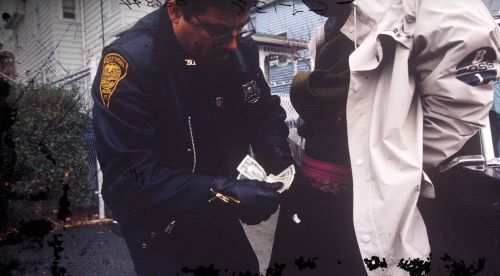
I have a long view of the criminal punishment system, having been in the trenches for nearly 40 years as an activist, lobbyist, legislative counsel, legal scholar, and policy analyst. So I was hardly surprised when Richard Nixon’s domestic policy advisor John Ehrlichman revealed in a 1994 interview that the “War on Drugs” had begun as a racially motivated crusade to criminalize Blacks and the anti-war left.
“We knew we couldn’t make it illegal to be either against the war or blacks, but by getting the public to associate the hippies with marijuana and blacks with heroin and then criminalizing them both heavily, we could disrupt those communities. We could arrest their leaders, raid their homes, break up their meetings, and vilify them night after night in the evening news. Did we know we were lying about the drugs? Of course we did, ” Ehrlichman said.
Before the War on Drugs, explicit discrimination — and for decades, overtly racist lynching — were the primary weapons in the subjugation of Black people. Then mass incarceration, the gradual progeny of a number of congressional bills, made it so much easier. Most notably, the 1984 Comprehensive Crime Control and Safe Streets Act eliminated parole in the federal system, resulting in an upsurge of geriatric prisoners. Then the 1986 Anti-Drug Abuse Act established mandatory minimum sentencing schemes, including the infamous 100-to-1 ratio between crack and powder cocaine sentences. Its expansion in 1988 added an overly broad definition of conspiracy to the mix. These laws flooded the federal system with people convicted of low-level and nonviolent drug offenses.
During the early 1990s, I walked the halls of Congress lobbying against various omnibus crime bills, which culminated in the granddaddy of them all — the Violent Crime Control and Safe Streets Act of 1994. This bill featured the largest expansion of the federal death penalty in modern times, the gutting of habeas corpus, the evisceration of the exclusionary rule, the trying of 13-year-olds as adults, and 100,000 new cops on the streets, which led to an explosion in racial profiling. It also included the elimination of Pell educational grants for prisoners, the implementation of the federal three strikes law, and monetary incentives to states to enact “truth-in-sentencing” laws, which subsidized an astronomical rise in prison construction across the country, lengthened the amount of time to be served, and solidified a mentality of meanness.
The prevailing narrative at the time was “tough on crime.” It was a narrative that caused then-candidate Bill Clinton to leave his presidential campaign trail to oversee the execution of a mentally challenged man in Arkansas. It was the same narrative that brought about the crack–powder cocaine disparity, supported the transfer of youth to adult courts, and popularized the myth of the Black child as “superpredator.”
With the proliferation of mandatory minimum sentences during the height of the War on Drugs, unnecessarily lengthy prison terms were robotically meted out with callous abandon. Shockingly severe sentences for drug offenses — 10, 20, 30 years, even life imprisonment — hardly raised an eyebrow. Traumatizing sentences that snatched parents from children and loved ones, destabilizing families and communities, became commonplace.
Such punishments should offend our society’s standard of decency. Why haven’t they? Most flabbergasting to me was the Supreme Court’s 1991 decision asserting that mandatory life imprisonment for a first-time drug offense was not cruel and unusual punishment. The rationale was ludicrous. The Court actually held that although the punishment was cruel, it was not unusual.
The twisted logic reminded me of another Supreme Court case that had been decided a few years earlier. There, the Court allowed the execution of a man — despite overwhelming evidence of racial bias — because of fear that the floodgates would be opened to racial challenges in other aspects of criminal sentencing as well. Essentially, this ruling found that lengthy sentences in such cases are cruel, but they are usual. In other words, systemic racism exists, but because that is the norm, it is therefore constitutional.
In many instances, laws today are facially neutral and do not appear to discriminate intentionally. But the disparate treatment often built into our legal institutions allows discrimination to occur without the need of overt action. These laws look fair but nevertheless have a racially discriminatory impact that is structurally embedded in many police departments, prosecutor’s offices, and courtrooms.
Since the late 1980s, a combination of federal law enforcement policies, prosecutorial practices, and legislation resulted in Black people being disproportionately arrested, convicted, and imprisoned for possession and distribution of crack cocaine. Five grams of crack cocaine — the weight of a couple packs of sugar — was, for sentencing purposes, deemed the equivalent of 500 grams of powder cocaine; both resulted in the same five-year sentence. Although household surveys from the National Institute for Drug Abuse have revealed larger numbers of documented white crack cocaine users, the overwhelming number of arrests nonetheless came from Black communities who were disproportionately impacted by the facially neutral, yet illogically harsh, crack penalties.
For the system to be just, the public must be confident that at every stage of the process — from the initial investigation of crimes by police to the prosecution and punishment of those crimes — people in like circumstances are treated the same. Today, however, as yesterday, the criminal legal system strays far from that ideal, causing African Americans to often question, is it justice or “just-us?”
Fortunately, the tough-on-crime chorus that arose from the War on Drugs is disappearing and a new narrative is developing. I sensed the beginning of this with the 2008 Second Chance Reentry bill and 2010 Fair Sentencing Act, which reduced the disparity between crack and powder cocaine. I smiled when the 2012 Supreme Court ruling in Miller v. Alabama came out, which held that mandatory life sentences without parole for children violated the Eighth Amendment’s prohibition against cruel and unusual punishment. In 2013, I was delighted when Attorney General Eric Holder announced his Smart on Crime policies, focusing federal prosecutions on large-scale drug traffickers rather than bit players. The following year, I applauded President Obama’s executive clemency initiative to provide relief for many people serving inordinately lengthy mandatory-minimum sentences. Despite its failure to become law, I celebrated the Sentencing Reform and Corrections Act of 2015, a carefully negotiated bipartisan bill passed out of the Senate Judiciary Committee in 2015; a few years later some of its provisions were incorporated as part of the 2018 First Step Act. All of these reforms would have been unthinkable when I first embarked on criminal legal system reform.
But all of this is not enough. We have experienced nearly five decades of destructive mass incarceration. There must be an end to the racist policies and severe sentences the War on Drugs brought us. We must not be content with piecemeal reform and baby-step progress.
Indeed, rather than steps, it is time for leaps and bounds. End all mandatory minimum sentences and invest in a health-centered approach to substance use disorders. Demand a second-look process with the presumption of release for those serving life-without-parole drug sentences. Make sentences retroactive where laws have changed. Support categorical clemencies to rectify past injustices.
It is time for bold action. We must not be satisfied with the norm, but work toward institutionalizing the demand for a standard of decency that values transformative change.
The American ‘Punisher’s Brain’
By Andrew Cohen
U.S. sentencing practices seem especially extreme when compared with countries like Canada, Germany, and the Netherlands.

Our penchant for punitive sentencing goes back beyond the Constitution or the Pilgrims or even British common law. It goes back further than the Magna Carta or the Code of Hammurabi or the Talmud, back to the dawn of human history, when small groups of people adopted concepts of culpability and punishment as a matter of basic survival. Our ancient ancestors shamed and weeded out the rule-breakers among them, sometimes with leniency, usually in harsh ways, to protect the integrity and the unity of their tribe.
All humans may be hardwired to be cruel in a fashion. But as Robert Ferguson argued in his 2014 masterwork, Inferno, the United States has allowed these instincts to dominate criminal justice policy. The result over the past half century has been an unprecedented era of mass incarceration. On any given day, more than 2 million people are locked up in the nation’s 5,000 or so prisons and jails, many serving sentences grossly disproportionate to the nature of their crimes. And that doesn’t even include another 50,000 or so people effectively imprisoned in federal or private immigration detention centers.
A 2016 report by the Brennan Center for Justice concluded that nearly 40 percent of the prison population at the time — nearly 600,000 people, or more than the entire population of Atlanta or Milwaukee — was imprisoned without any legitimate public safety justification. Moreover, as the Sentencing Project recently revealed, there are more people serving life sentences today across the nation — some 206,000 people in federal and state prisons — than there were people in prison altogether in the United States in 1970. In fact, 83 percent of the world’s population of life-without-parole prisoners is living behind American bars.
But if retributive justice is in our DNA, if punishment comes down to us from prehistory, why is American justice so much harsher than it is in other Western democracies? The Netherlands, for example, imprisons its citizens at a per capita rate that is one-tenth the American per capita rate for all sorts of criminal offenses.
One obvious root of this exceptionalism is America’s endless struggle over racial justice. We endured punitive sentencing in the racist “Black Codes” that sprung up in southern states after the Civil War to incarcerate or force newly freed slaves into a form of indentured servitude. We saw it in “convict leasing.” We saw the same in the formation of Jim Crow laws sanctioned by the Supreme Court and in the discriminatory housing and employment practices and policies the law allowed.
Modern punitive sentencing schemes began to take root half a century ago, when the Nixon administration began its “war on drugs,” a futile battle the nation is still waging. These punitive efforts metastasized in the late 1980s and early 1990s, when a nationwide crime wave generated a “tough on crime” response that led to the creation and enforcement of “three-strikes” laws, expanded the scope of mandatory minimum sentences, and fueled “truth in sentencing” measures. All of these, together, vastly expanded the number of people sent to federal and state prisons.
Those policies are largely still with us, three decades later, despite recent reforms and a decades-long decline in violent crime. So, in some jurisdictions, is capital punishment. At the same time, there has been an explosion of excessively punitive sex offender laws, requiring registration on lists, imposing residency restrictions, and even imprisoning people for “treatment” long after their prison terms have been completed.
Roughly 20 such “civil commitment programs” now exist in various states, and many of the people in them may be indefinitely detained. We also see the American “punisher’s brain, ” as Colorado Judge Morris Hoffman once put it, in the often inhumane ways in which the condemned are forced to serve out these sentences in dangerous, dirty prisons bereft of adequate health care. And we see it all even though there still appears to be little compelling evidence justifying excessively punitive sentences. In fact, a growing body of evidence has undermined long-perceived links between public safety and the length of prison sentences.
The rise of habitual offender three-strikes laws is a good example of the excessively punitive dynamic. These sentencing laws, a byproduct of the 1990s “law and order” push, generally require judges to mete out life-without-parole sentences to defendants who commit at least three offenses if the most recent of them is considered a “serious” felony. Judges and legislators in some states have used particularly broad definitions of these triggering offenses. In Washington, for example — the first state to enact a three-strikes law — second degree robbery was for decades a three-strike-triggering offense even though it was statutorily defined as a crime without a weapon and without injury to the victim.
“Truth in sentencing” state laws, also spawned during the 1980s and early 1990s, are another good example of the ways in which American policymakers have imposed particularly harsh sentencing regimes. These laws were enacted to require prisoners to serve a higher proportion of their sentences than had been the practice, with much less “time off” for “good behavior” and much less deference given to the judgments of local parole boards. Once again, Washington was the first state to enact such a measure, in 1984, and today at least 40 states and the District of Columbia have some form of it on the books.
Mandatory minimum sentences are similarly widespread. The last 75 years or so have seen the tide of federal mandatory minimums ebb and flow. From the 1950s to 1970s it expanded. Then it receded. The Comprehensive Drug Abuse Prevention and Control Act of 1970, a progressive law from the Nixon era, abolished mandatory minimum sentences for almost all drug offenses. Then the politics of crime and justice turned again toward harsher punishment and more incarceration, and from the mid 1980s until just a few years ago Congress churned out one new mandatory minimum sentencing scheme after another, even after doubts were raised about their effectiveness.
The harshness of these sentencing regimes is magnified when they are compared to those in other countries. For example, American laws have long granted trial judges the freedom to impose consecutive sentences on separate charges related to the same crime — in many instances effectively lengthening a defendant’s sentence to life without parole, but without saying so. There are U.S. prisoners sitting in their cells with 200-year sentences. By contrast, only within the last decade were Canadian trial judges even allowed to issue consecutive sentences, and only in murder cases, specifically to ensure longer sentences before parole eligibility. European countries are even more enlightened in their sentencing approaches.
Disparities in sentencing are especially stark when compared to practices in such European countries as Germany and the Netherlands. The laws and criminal justice policies of these nations don’t just differ from their American counterparts in the details — they differ in philosophy. The U.S. “punisher’s brain” is absent from European justice models, which emphasize rehabilitation and resocialization. Germany’s Prison Act, for example, specifically states that the very purpose of incarceration is to help prisoners lead lives of “social responsibility free of crime” upon release.
The vast majority of defendants convicted of crimes in Germany and the Netherlands — even what we would consider “crimes of violence” in the United States — never spend any measurable time in prison. Most are diverted into other programs, or forced to pay fines, or given suspended sentences. These practices, and the emphasis on rehabilitation for those prisoners who are kept behind bars, go hand-in-hand with low crime and recidivism rates in those countries.
When it comes to punitive sentencing regimes, Canada sits somewhere in between the American and European models. Only 29 crimes in Canada’s criminal code carry a mandatory minimum sentence, most having to do with firearm-related offenses in a nation that has no Second Amendment. Canada did enact its own “truth in sentencing” law in 2009 — federal legislators wanted to be more punitive — but the measure was struck down five years later by a unanimous Supreme Court of Canada.
American sentencing laws are still harsher than those of counterparts in many other democracies, and we are still by far the world’s incarceration leader, but recent bipartisan justice reforms on both a federal and state level have begun to change the American punishment narrative. Citing evidence-based practices and relying on statistics undermining long-held justifications for many punitive sanctions, justice reformers across the country have convinced policymakers that the costs of excessive sentences don’t just fall on the incarcerated or their families but rather on all of us.
Treating All Kids as Kids
By Kim Taylor-Thompson
Persistent and longstanding racism has fueled harsher treatment of young Black people in the justice system.

America’s mistreatment of Black children is chronic and casual. Sadly, it is an American phenomenon — a handed-down thing — that is deeply rooted in American soil and in the American psyche. Virtually every system that touches Black children in this country — public schools, foster care, immigration — treats them more harshly than white children. Arguably, though, the most acute harm occurs in the criminal justice system, where we routinely exercise the power to designate and derail.
On a daily basis, the system prematurely labels Black children as adults, ignoring the child in the offender. We carelessly discard young Black offenders in a structure never designed for children. There, these young people lose much more than their freedom. They lose the opportunity to develop in a healthier environment. They can expect lifelong challenges associated with less education, increased mental health problems, higher rates of suicide, and greater financial instability. To interrupt this persistent pattern of mistreatment, we need to adopt a bright line rule prohibiting the prosecution of anyone under 21 in the adult criminal justice system.
Children have the right to be children. But our criminal justice system routinely ignores that reality when applied to Black children. Both brain science and common sense confirm that an adolescent’s act differs significantly from that of a mature adult. Adolescents are works in progress who exhibit signature traits. They are impulsive, they have greater difficulty recognizing and regulating emotional responses, and they fail to appreciate fully the risks of their behavior, favoring short-term rewards over potential costs. Adolescents succumb more readily to negative external influences such as the behavior of peers — even their very presence, in fact — and the influence of unstable environments.
But neuroscience tells us that the regions of the adolescent brain governing impulse control and risk avoidance have not yet fully formed. The good news is that these traits are not fixed; volatility and impetuosity are transitory. As young people mature into their mid-20s, they are better able to resist emotional impulses and regulate their behavior thanks to the development of brain structures and systems involved in executive function and impulse control. By the time young people reach their mid-20s, most will stop engaging in criminal conduct.
In recent years, this evidence has begun to persuade a growing number of courts and policymakers to question the national reflex to designate younger and younger people as adults in the criminal justice system. But the dark underbelly of that hopeful story is that not all children enjoy the benefits of that new approach. Even as we experience a reduction in our youth justice population, racial disparities persist. The prism of race distorts our perception of the Black youthful offender and misshapes the Black child’s experience of justice. Three intersecting phenomena are at play: stereotypical assumptions, dehumanization, and “adultification.”
The “Black person as criminal” stereotype, which equates dangerousness with skin color, has demonstrated remarkable resilience over time. It persists even in light of conflicting data. Indeed, the narrative is so pervasive and culturally ingrained in America that we implicitly make the connection even when we explicitly reject the view. We see young Black offenders as animals or savages who engage in “wilding” behavior. The process of dehumanization turns Black children into undifferentiated objects. It deprives them of their individual features, those qualities that make them valuable and unique. Instead, we brand them as nameless predators.
When we add adultification to the mix, the justice experience for Black children warps even further. Research reveals that we see Black boys and girls as older than their actual chronological age. Participants in a series of comprehensive studies misperceived 13-year-old Black boys as 17-year-olds. Just as importantly, the older that the participants considered the child, the more culpable the child seemed. In a separate set of studies of Black girls, respondents considered Black girls more adult than white girls at almost all stages of development. That adultification led respondents to conclude that Black girls needed less nurturing and protection than their white peers. The bottom line is simple: together, these phenomena prematurely strip Black children of the privilege and protections of childhood, provoking dangerous ramifications for them in the justice context.
We can trace an indelible through-line from this country’s racist origins to today’s racialized mistreatment of young people in our justice system. During slavery, white slavers separated Black children from their mothers because a child could garner a greater profit. This was not just profiteering; it was an explicit insistence that Black children were chattel, not human. During Jim Crow, white mobs lynched Black children if they dared cross a racial boundary that white society invented and ruthlessly enforced. Again, the declaration: Black children were not like other children. They needed to “know their place” in the racial caste or risk the ultimate sanction. Our history primed this nation to expect and accept the disparate treatment of Black children as somehow appropriate or deserved.
The 20th century justice system delivered on that expectation. Politicians, academics, and the media created and spread a “superpredator” mythology forecasting a tidal wave of violence by a new breed of offenders. This mythology contended that Black children were more predatory, more dangerous, more adult-like than white children. Although juvenile crime rates actually dropped in this period, the threat stoked fear that white America was in danger. That mischaracterization allowed Americans to withstand any tug of moral constraint in the rush to charge Black children as adults in the criminal justice system — children as young as nine. Politicians pushed “adult time for adult crime” legislation and then filled our prisons with young Black kids.
Even as recently as the summer of 2020, we continue to trip over reminders of this racialized treatment. When a white 17-year-old, Kyle Rittenhouse, opened fire on protesters in Kenosha, Wisconsin, killing two protesters, conservative pundits and political operatives were quick to describe him as a “little boy out there trying to protect his community.” Even when he walked past police toting a semi-automatic rifle, they did not stop or question him; almost certainly, an armed Black 17-year-old would not have lived to tell the story. But Rittenhouse was not perceived as dangerous. He was seen as a child. Contrast that with 12-year-old Tamir Rice, a child playing with a toy gun in his neighborhood park. A Cleveland police officer sized up Tamir in an instant. He considered him dangerous, shooting and killing him within two seconds of getting out of his patrol car — evidence, once again, of the pernicious power of racialized perceptions in our discretionary calls.
Retaining the discretion to charge a young offender in adult court leads to an untenable form of racial exceptionalism: an adolescent’s signature traits will be treated as “mitigating qualities” unless the offender is Black. Adolescent characteristics skew differently when we add race to the mix. Impulsivity morphs into dangerous unpredictability. Misbehavior in the company of peers becomes “gang activity.” The inability to appreciate long-term risks devolves into intrinsic irresponsibility. So long as we allow the discretionary call to charge some offenders in the adult system, we will continue to see prosecutors in juvenile court weaponizing adult prosecution as a way to coerce a more severe outcome in juvenile court. We will continue to see Black kids shouldered out of rehabilitative care even when they engage in the exact same behavior as white children. We will continue to see prosecutors misperceiving Black children’s wrongful conduct as willful rather than the product of immaturity. Breaking this racism habit requires us to prohibit the prosecution of anyone under 21 in the adult criminal system.
What Did You Call Me?
By Rahsaan “New York” Thomas
An incarcerated person writes about how dehumanizing language like “inmate” is destructive.

It all starts with a label. Nazi Germany, Rwanda, and American slavery all hold that in common. In each case, targeted groups were assigned names that had the psychological effect of dehumanizing. Once you’re not seen as a human, you don’t see yourself as human — and inhuman treatment begins that could cause your end.
Mass incarceration started with labels, too. The n-word accompanied the Black Code laws that returned freed slaves to plantations to work the fields, unpaid (under “convict leasing” schemes) for minor, often made-up offenses like vagrancy or not signing a labor contract with a white plantation owner. Under Nixon, when it had become politically inconvenient to call Black people the n-word, they called us “criminals” and proceeded to build prisons focused on punishment instead of rehabilitation to discipline behavior born of oppression and intergenerational trauma, rather than offering reparations or healing. The tag “super-predators” launched the locking up of kids, sentencing teenagers to multiple life terms, then housing them in adult institutions. One label ran alongside all the others and helped balloon the prison population in America to over 2.3 million. That term is “inmate.”
Webster’s defines “inmate” as “a person confined with others in a prison or mental institution.” But calling a person an inmate doesn’t describe where you are, it says who you are. It identifies you as your incarceration, as an outcast.
Not all labels are harmful, of course. Calling someone a student or a mother brings up positive images and reactions. Not so the word “inmate.”
With over 20 years in prison and counting, I hear correctional officers use the word constantly with an inflection in their voice that sounds like they’re talking about someone less than human. I remember a correctional officer giving a new CO a tour of the media center at San Quentin. “This is where the inmates record the ‘Ear Hustle’ podcast, ” he said, meaning to express pride in what we did — but because of his use of the word “inmate, ” what I heard in my mind was, “This is where the monkeys we trained record ‘Ear Hustle’.”
Correction officers are trained not to see us as human; it helps them do their jobs. They are trained to be able to pepper spray or even shoot us without warning, if it appears necessary. It helps them maintain that “professional” distance by seeing us as different from them, less than them, as “inmates.”
I think society must see people in correctional facilities as less than human as well. Even some social justice advocates and news reporters use “inmate” without regard for the damage it causes. I’ve seen incarcerated people internalize that word, lose touch with their personhood, and do nothing with their prison time but mop floors.
If you think that word is harmless, close your eyes and tell me what image comes to mind when you hear the word “inmate.”
Language is obviously important. Why do newspapers and even the California prison system respect the pronouns and language of the LGBTQ community? Why did news reporters stop calling undocumented immigrants “illegals”?
As Emile DeWeaver pointed out in his article “Moving the Needle on Black Liberation, ” mass incarceration harms more Black people than police shootings. In 2017, the police killed 112 Black people but imprisoned nearly a million. People get lynched in “courtrooms around the country Monday – Friday, ” raps Plies in his hit “100 Years.” Yet, as I watch my 15-inch flat screen TV from the top bunk of a 6 × 9 cell, I don’t see armies of protesters marching against the much larger problem of mass incarceration.
I believe we allowed mass incarceration to happen right in front of our faces because we lost sight that prisons contain people. We lost sight of the inhumanity of putting a 16-year-old in an adult maximum-security prison or sentencing a burglar to 66 years to life. We didn’t care about “inmates, ” because we forgot they’re human beings.
Calling someone housed in a correction facility “a person in prison” or an “incarcerated person” is very different from calling him or her an “inmate.” If we use “person” as the noun and “incarcerated” as the adjective, we keep their humanity front and center.
We are people despite our mistakes. I’ve been in hundreds of prison self-help group sessions and heard the backstories of hundreds of men incarcerated for violent crimes. They all eventually took accountability for the harm they caused. Remorse drives many of them to help stop cycles of further violence. From hearing their backstories and studying behavioral science, I see their humanity and that they often committed crimes for really human reasons. When we call any of them “inmate, ” we disconnect from the person and we don’t take accountability for our role in failing them before they made the decision that failed us.
Consider my own circumstances. Growing up, I was a nerd who attended Catholic schools from 1st grade through the 11th. I played video games on a Commodore 64 computer, rode a skateboard, collected Marvel comic books, watched Star Trek, played Dungeons & Dragons just like the guys in The Big Bang Theory.
However, I grew up in the New York City’s murder capital — Brownsville, Brooklyn. Being an awkward, extra-light-skinned kid was hell. I faced bullying daily. When bullied, when robbed, when beat up, I had three choices: endure physical harm, call the cops and face ridicule from the police and ostracism from my peers, or fight back. I chose to become pugnacious towards the oppression. Although I have always hated violence, I hated feeling helpless and being bullied even more. So, I fought my neighbor — for acceptance, for respect, and to be left alone.
Things accelerated when I was 17. A 16-year-old with a gun tried to rob me and my little brother. I refused to give up my gold ring; I ran, my little brother was shot. After that day, I started carrying a gun and using it when faced with similar circumstances. Fast forward to age 29, when two armed men were robbing my friend right before my eyes. I opened fire, killing one and wounding the other.
Today I realize that my real enemies weren’t my neighbors or the police. The real enemies were post-Jim Crow segregation accomplished through redlining, employment discrimination, policing policies rooted in maintaining white supremacy, gun show loopholes, addressing criminal behavior and addiction through violence, the lack of emotional intelligence education in the school-to-prison pipeline, felony disenfranchisement and untreated trauma.
My growth took place in prison. However, it wasn’t by design. I started my time in a maximum-security prison wanting help, but all they had was Narcotics Anonymous, Alcoholics Anonymous, Jesus, Buddha, and Mohammed. It took 13 years for me to reach San Quentin and get real help, real opportunities, and only by God’s grace did I make it here. I owe San Quentin for being a unique correctional facility that offers me unique opportunities. In the last seven years here, I’ve accomplished so much, including graduating from college, getting nominated for a Pulitzer Prize, effectively counseling kids through the SQUIRES program, creating a program empowering incarcerated artists, completing 10 self-help groups, and more. Yet some still call me an “inmate.” Good thing I know I’m not, or I would have wasted these last 20 years just mopping floors and getting face tattoos.
The Federal Funding that Fuels Mass Incarceration
By Lauren-Brooke Eisen
Decades of financial incentives by the federal government have encouraged states and cities to put more people behind bars for longer, with devastating results.
Other essays in this series have pointed out how sentencing laws and other criminal legal policies have created a system of mass incarceration resulting in more than 2.1 million people behind bars, almost 4.5 million people on probation and parole, and 70 million people with criminal convictions. What is far less well-known is how federal funding for law enforcement and prison construction has played a key role in creating today’s vast national carceral landscape. For more than half a century, federal dollars have incentivized and rewarded disproportionately punitive responses to crime.
Since the late 1960s, federal funding has fueled local criminal justice policy in ways that have resulted in more arrests, more incarceration or probation, harsher sentencing laws, and more contacts with the criminal justice legal apparatus. Today, Washington spends billions of dollars each year subsidizing state and local criminal justice agencies. The Justice Department by itself distributes more than $5 billion in federal grants to state and local governments annually, not including the funding that law enforcement agencies across the nation get from the Department of Homeland Security. Hundreds of millions more come through the Department of Defense, which facilitates the transfer of military-grade weapons and armored vehicles to police departments — for instance, a $705,000 armored mine-resistant vehicle for Bridgeport, Connecticut. Even the Department of Agriculture has gotten involved, providing $360 million to build jails in rural communities since 1996.
The history of such punitive funding stretches back to President Lyndon Johnson’s signing of the Omnibus Crime Control and Safe Streets Act of 1968, which earmarked $400 million for law enforcement purposes. Four years later, Richard Nixon, who had ascended to the presidency after running a campaign focused on “law and order, ” announced that since 1969, his administration had doled out $1.5 billion in state and local law enforcement grants, compared to just $22 million during the final three years of the Johnson administration.
In the ensuing years, as crime increased — particularly crime related to the spread of crack cocaine — so did the flow of federal dollars. The Anti-Drug Abuse Act of 1986, signed by President Ronald Reagan, increased funding for law enforcement and mandated harsher penalties in federal drug cases, including life imprisonment. The legislation not only dedicated more than $1 billion to state and federal law enforcement agencies, including an authorization of $96.5 million for new federal prisons, but also expanded the use of no-knock warrants, such as the one used by Louisville police last year when they killed Breonna Taylor as she slept in her home.
Then came the legislation that showed how policy had been fully separated from reality. Crime in the United States peaked in 1991, but even as it declined Washington’s appetite for crueler penalties and overreaching enforcement increased. The watershed moment was the enactment of the Violent Crime Control and Law Enforcement Act, often referred to as the 1994 Crime Bill, signed into law by President Bill Clinton.
By the time of the bill’s enactment, the violent crime rate had already fallen by 6 percent. By the time it took effect the following year, violent crime was down by 10 percent. Yet over the next decade, despite what would become the most dramatic drop in crime in the nation’s history, politicians chose not to lead the nation in urgently necessary conversations about the proper role of enforcement and punishment, but to feed the punitive machine they had built.
The 1994 Crime Bill did ban 19 types of semiautomatic firearms (defined as “assault weapons”) as well as restricting the characteristics of firearms that could be sold legally, and it included the Violence Against Women Act to protect victims of domestic violence. However, the legislation also mandated harsher penalties for people caught in the criminal legal system. It authorized the death penalty for dozens of existing and newly defined federal crimes, and it required life imprisonment for any conviction for a third violent felony, the infamous “three strikes and you’re out” policy. It also established a funding mechanism that incentivized and rewarded states for sending people to prison for very long periods of time.
The 1994 Crime Bill also offered federal grants to states to expand their prison capacity, and it made the grants dependent on states’ increasing the length of incarceration of those convicted of violent crimes. Through the bill’s Violent Offender Incarceration and Truth-in-Sentencing (TIS) Incentive Grants Program, the legislation authorized $12.5 billion in grants to fund incarceration, with nearly 50 percent earmarked for states that adopted tough “truth-in-sentencing” laws that scaled back parole. Specifically, states were rewarded for having or enacting laws requiring those convicted of violent crimes to serve at least 85 percent of the sentence imposed, making it difficult for those convicted of violent crimes to earn early release based on rehabilitative principles. Eleven states adopted TIS laws in 1995, one year after the bill was signed. By 1998, incentive grants had been awarded to 27 states and the District of Columbia.
In addition to the financial incentives, states found significant symbolic value in the program’s messaging. In 1999, the authors of an Urban Institute study on the legislation’s impact interviewed a staff member of Connecticut’s Office of Policy and Management. They wrote, “When asked about Connecticut’s motivation in moving to an 85 percent truth in sentencing law, [the staff member] responded that Connecticut liked to be ‘ahead of the curve’ on national reforms, and she implied that the state government might be viewed negatively if it did not seek federal funds to help with its perceived crime problem.”
Another creation of the 1994 Crime Bill was the Community Oriented Policing Services (COPS) Program, a division of the Justice Department that has provided billions of dollars to police departments to hire new officers. Between 1995 and 1999, the annual appropriation for the COPS program averaged nearly $1.4 billion. At the same time — as journalist Radley Balko demonstrated in his 2013 book, Rise of the Warrior Cop: The Militarization of America’s Police Forces — the federal government ceded some control over the use of this money, resulting in many law enforcement agencies spending funds not on community policing, but on the militarization of their forces.
And so it continued: even as the frequency of crime declined, the federal response was more spending on more enforcement and more punishment. In 2005, when reauthorizing the Violence Against Women Act, Congress expanded previous laws providing funding for local police to create the Justice Assistance Grant (JAG) program. All 50 states plus Washington, DC, six U.S. territories, and more than 1,000 local governments now utilize JAG funds, which amount to $300 to $500 million yearly — dollars that support almost any criminal justice activity covered by the federal statute.
For many years, civil rights groups criticized the program for funding drug task forces that were often unnecessary for the protection of public safety. These task forces provide avenues for agencies across governments to share personnel, equipment, intelligence, and other resources. Critics, including the Brennan Center, pointed out that federal officials asked JAG recipients to report the number of arrests made, but not their crime rates. DOJ also measured the amount of cocaine seized, but not whether those arrested were screened for drug addiction. The department’s own metrics sent a signal to states and local governments that JAG funding was implicitly conditioned on more arrests, more cocaine busts, and more prosecutions — inevitably at the expense of crime prevention activities or programs that could divert people from the criminal legal system.
Today, there is an emerging recognition that federal dollars have helped deepen today’s devastating fissures between police and the communities they purport to serve, perpetuating trauma and harm through mass incarceration and criminal legal system overreach. Under the Obama administration, the Justice Department revised JAG performance measures to better steer recipients toward the development of programs that would reduce crime and incarceration, in place of increased enforcement and arrest activity. For example, the DOJ stopped asking how many people were arrested and how many drugs were seized, and instead started asking about the number of citations issued in lieu of arrest, and whether prosecutors routinely recommend alternatives to prison.
The ripple effects from mass incarceration are causing generations of damage. So many children (more than 5.3 million under age 18, by a recent estimate) have experienced parental incarceration that in 2013 Sesame Street felt it necessary to add a Muppet named Alex, whose father is incarcerated, to reach out to children grappling with how to grow up with a parent behind bars.
In a 2015 speech before the NAACP, Bill Clinton publicly apologized for the harm the 1994 Crime Bill caused. “I signed a bill that made the problem worse, and I want to admit it, ” he said. “In that bill there were longer sentences and most of these people were in prison under state law, but the federal law set a trend, and that was overdone. We were wrong about that.”
In what was a remarkable and rare acknowledgment of how far afield policymakers and governments strayed by overfunding the growth of our police and carceral state, one can catch a glimpse of the regret of a nation.
Covid-19 and the Struggle for Health Behind Bars
By Homer Venters
For many, harming the health of people in prison appears to have become part of their punishment. That needs to change.

A little more than a year ago, I left my job as president of a nonprofit so I could respond full time to the spread of Covid-19 in jails, prisons, and immigration detention centers. Since then, I’ve conducted about 30 inspections of facilities to assess their Covid-19 responses and provide recommendations.
How do things look from this perspective? Are we any closer to building systems and cultures that promote health in these settings, instead of harming the health of the incarcerated to such a degree that it actually becomes a part of punishment? When I compare Covid-19 to past health crises in carceral settings, I’m concerned that we will simply improve care delivery for one disease instead of using this moment to push for transparency about all health risks and health outcomes behind bars.
The Centers for Disease Control and state health departments are currently engaged in carceral settings, but their gaze will soon shift once vaccines have been delivered and rates of Covid-19 abate. We must keep their focus there, to learn and report on the truth of health care access, adequacy, and outcomes just as they do for the rest of our society.
Now, some notes from the field. As of June, most of the attention regarding Covid-19 behind bars is focused on vaccination efforts, with good reason. Starting in January, vaccines became widely available to most correctional staff. For detained people, access started in waves in February and March. Low acceptance rates among correctional staff created a surplus of available vaccine in many facilities, enabling even more detained people to become vaccinated. By March and April, the low vaccination rate among correctional staff was a national problem, and many prisons, jails, and detention centers were struggling to exceed a vaccination rate of 40 percent among staff, while achieving vaccination rates over 60 percent among detained people.
But in some institutions, the way vaccines are offered — usually to large groups of individuals, for example everyone in a housing area or dining hall — is itself a problem. This approach often leaves little room for people with questions about vaccine safety or complex medical problems to ask their own questions about vaccination. As a result, some of the people who need the vaccine the most, like those who have multiple serious health problems and those who are taking numerous medications, end up not being vaccinated simply because they are denied the opportunity to learn what they wish to know.
Both of these vaccination challenges — the hesitancy of correctional staff and the deficiencies of the assembly line approach to vaccination of the detained — can be addressed with engagement. An engagement approach, which entails eliciting the individual’s input and participation in his or her health care, is standard for community health clinics, hospitals, and other health organizations. But in jails, prisons, and immigration detention facilities, the very notion of individualized engagement can be seen as a threat to the paramilitary approach of corrections.
For example, a common response to a patient exhibiting suicidal behavior is to lock them in a cell, naked except for a rough “suicide smock, ” with the goal of depriving them of the means to harm themselves. This approach not only fails to address the actual mental health crisis but also adds additional humiliation and isolation for a person who desperately needs treatment and engagement.
Some penal systems are working to increase Covid-19 vaccine engagement via one-on-one meetings with high-risk patients. These sessions are often added into the preexisting visits that people with chronic health problems already have, so as to target high-risk patients who may have questions about their health problems, medications, and Covid-19 vaccines. Some law enforcement agencies have also conducted surveys of their staff to understand attitudes and reluctance and to provide incentives for vaccination. But most American correctional health services remain under the authority of security forces, which often have little appetite for public health and infection control.
Much of the current focus in the battle against Covid-19 behind bars has been to identify the morbidity and mortality of the disease among a vulnerable group of people. But this work has also identified the numerous weaknesses in care and conditions before Covid-19, including failing sick call and chronic care systems and lack of consistent access to specialty care and medications.
The most damning failure illuminated by Covid-19 is how the CDC and state departments of health are essentially AWOL when it comes to tracking health outcomes or providing objective assessments of the quality of care for people behind bars. For hospitals, nursing homes, and many other cohorts of our society, these are tasks that both state departments of health and the CDC perform routinely, and with great skill — but not in carceral institutions. The CDC created helpful Covid-19 guidelines early in the pandemic, but it has almost no involvement in tracking actual adoption of those recommendations, nor does it even aggregate statistics about deaths and illness from Covid-19 in carceral settings.
And despite clear evidence of the increased risk of illness and death from Covid-19 behind bars, the CDC has been all but silent on the most effective tool: release. Release of high-risk patients has been essential to protect the most vulnerable people from serious illness and death from Covid-19, and it has also been critical to allowing facility administrators the room to establish medical isolation and quarantine units when the need arises.
This lack of oversight and interest among our national and state health bodies has reinforced the horrible reality that harming health is part of the punishment of incarceration. People are routinely incarcerated with and even because of health problems for which they will never receive treatment; instead, they are exposed to new health risks that can cause them to suffer serious illness, long term disability, or death.
For example, people arrested on substance use-related charges rarely receive evidence-based treatment for that health problem. In many communities, the primary response to a mental health crisis is the same: incarceration in a local county jail. These behavioral health problems lead to incarceration for people of color, those who are poor, and especially those who are uninsured, yet these same health problems are unlikely to be treated appropriately, causing many jail deaths.
I recently told European colleagues working on Covid-19 about two aspects of our system that shocked them — and should shock all of us into action. The first was that the most recent data on deaths in U.S. jails dates from 2016. Just recall the controversy over how deaths from Covid-19 were reported in New York nursing homes; imagine waiting five years to learn of those deaths. The second shocker: Covid-19 is estimated to have reduced the life expectancy of prisoners in Florida’s state system by four years. Both of these facts indict a national public health apparatus that has turned its back on incarcerated people, inevitably widening racial disparities in the process.
We must make an affirmative decision to apply the same lens of health expertise and transparency to carceral settings as we do to other parts of society. Concretely, we can begin to address this failure by setting up an office of detention health in the CDC that is charged with tracking the health of incarcerated people nationwide and the care provided them. In fact, this is one of the many interim recommendations recently made by the Biden-Harris Health Equity Task Force (which I am a member of) to involve the CDC in tracking health outcomes and promoting health among incarcerated people.
With federal support, the same monitoring process could be used in state health departments, and then we can join the effort to measure how incarceration harms health, how carceral settings should provide health care, and how undoing mass incarceration can improve individual, family, and community health.
The CDC has a lot of work to do in this realm, and it can start by looking at the rates of “long Covid, ” determining the efficacy of release and other Covid-19 responses during the pandemic, getting involved in suicide prevention (still the number one cause of death among the incarcerated), and analyzing the health needs (and costs of care) of the enormous and growing portion of elderly people behind bars.
These minimal interventions are crucial for improving our response to Covid-19, as well as the next pandemic, and for informing the nation of public health problems that arise from mass incarceration. They are also small but necessary steps towards addressing the reality that harming health is not a byproduct of incarceration but, seemingly, one of its objectives.
Collateral Consequences and the Enduring Nature of Punishment
By Cameron Kimble and Ames Grawert
For some people, punishment can continue years after the sentence ends, even decades.

Introduction
Less than two years ago, while combating the worst wildfires in its history, California enlisted the help of nearly 2,000 imprisoned people to serve as firefighters. Professionally trained and serving in the same way as other seasonal firefighters, many of them worked long hours on the front lines, clearing tinder brush and trees with chainsaws and hand tools to halt the flames.
But until a recent change in a long-standing law, this firefighting experience would have had precisely zero utility for most of these people after their release from prison. As criminal offenders, they would have been barred for life from becoming licensed emergency responders. And the people of California would have been deprived of their experience, their skill, and their bravery.
Yes, the law was finally changed — but that made only the tiniest dent in the forbidding edifice of more than 45,000 state and local laws and regulations that have profound ramifications for American society: the social exclusion that arises from the “collateral consequences” of mass incarceration. Roughly 600,000 people leave prisons every year hoping that their punishment has ended, only to encounter a combination of laws, rules, and biases forming barriers that block them from jobs, housing, and fundamental participation in our political, economic, and cultural life.
These “collateral consequences” powerfully illustrate the excessively retributive nature of American criminal justice. From the inability to acquire a driver’s license (and thus, the inability to drive to work) to limits on access to college or even military service, they serve to remind people with criminal records of their permanent status as “other.”
Truly ending mass incarceration will require eliminating these consequences as well, ensuring that we welcome people with a criminal record back into society and, ultimately, shifting our criminal justice paradigm away from retribution and towards restoration. As Jeremy Travis notes, in the modern, developed welfare state of the 20th century, the collateral consequences faced by formerly imprisoned Americans amount to a variant of the anachronistic tradition of “civil death, ” in which returning citizens are “defined as unworthy of the benefits of society, and [are] excluded from the social compact.”
Limits on Employment, Opportunities
As of 2018, 80 percent of employers conducted background screening on candidates for full-time positions. While in some cases there is a compelling rationale for these checks, in others they screen people out of the workforce unnecessarily, turning a conviction record into a scarlet letter. In her seminal study, “The Mark of a Criminal Record,” the late Devah Pager found that a criminal conviction reduced the likelihood of a job applicant receiving a callback by 50 percent for white applicants and by nearly two-thirds for Black applicants.
But beyond private actions, the role of government in limiting opportunities for the formerly incarcerated is manifest. Starting in the mid-1980s, state legislatures accelerated the number and breadth of occupational restrictions for people with prior convictions. In the 1970s, roughly 1,950 separate laws limited job opportunities for people with a criminal record. Today, more than 27,000 rules bar formerly justice-involved people from holding professional licenses. (This includes a New York State law that bars anyone with a criminal conviction from obtaining a bingo operator’s license!)
These limitations and the corresponding lack of job opportunities can trap people in poverty for decades after incarceration. As of 2019, nearly one-fourth of those serving time in prisons fell between the ages of 20 and 29. Most of them will be released at some point — many will enter the job market, and some will find success. But even then, they are likely to begin their working lives earning roughly $7,100 less per year than individuals of similar socioeconomic status without a criminal record and end them trailing these peers by more than $20,000 annually. As recent Brennan Center research suggests, a prior criminal conviction is devastating to an individual’s earning prospects, but a prison record all but ensures a lifetime straddling the poverty threshold.
Social exclusion helps explain this poverty trap. When work is secured after a stint in prison, it is often temporary, part-time, and low paying, thus lacking in prospects for upward mobility. Even those who find decent jobs are limited by background screening and licensing rules that make progress in one’s career that much more difficult at every step, as people with a record may be less likely to be considered for the promotions and raises that drive wage growth. Similarly, licensing restrictions and criminal background inquiries make people who have spent time in prison unlikely to see the same return on investment from professional credentialing or training as their peers.
The Tattered Social Safety Net
English sociologist T.H. Marshall observed in 1950 that, as Western societies evolved, so too did the notion of citizenship. Where citizenship in the 18th and 19th centuries was defined by civil and political rights, he concluded that citizenship in an advanced 20th century society meant social rights. He called these “a compound of material means and immaterial ends . . . located between the poles of wealth and happiness” — in other words, what we know as welfare. Yet more than 70 years later, many American states continue to exclude people with criminal convictions from welfare benefits, leading to material deprivation that compounds their social isolation.
Job and housing insecurity make it more likely that someone with a criminal record might need to rely temporarily on government programs designed to provide relief from poverty. But since 1996, people convicted of certain drug crimes have been ineligible for government assistance through the Temporary Assistance for Needy Families (TANF) program and Supplemental Nutrition Assistance Program (SNAP). Congress permitted states to opt partially or wholly out of this framework and, thankfully, many states have in fact chosen to relax those rules. But even modified bans in nearly half the states continue to compound disadvantage and set up a self-perpetuating cycle of poverty and recidivism. Given how many people involved with the justice system also stand on the edge of poverty (in one study, more than half of formerly imprisoned people surveyed report annual earnings less than $500 just before their incarceration), these restrictions are especially damaging.
Moreover, formerly incarcerated people face a significantly elevated risk of homelessness, in part because another critical part of the social safety net, public housing, is often unavailable to many of the tens of millions of Americans with an arrest or conviction record. Beginning in the 1980s, Congress passed and public housing authorities implemented “one strike and you’re out” rules providing for the eviction of people who became involved in criminal activity. Those policies have slowly been tempered, but they still permanently exclude people convicted of certain crimes. Homelessness and housing insecurity make it that much harder for people to stay connected to family, employment, and the basic necessities of life — almost the very definition of social exclusion.
Things are beginning to change. After completing a pilot program launched in 2013, the New York City Housing Authority began allowing select people with criminal records back into public housing on a provisional basis, helping reunite families in the process. Further reforms are forthcoming. And a few years ago, the public housing authority in New Orleans eliminated its blanket ban on housing assistance for people with a criminal record. But in many states, the exclusions remain in place.
Voting Rights
The practice of felony disenfranchisement traces its roots back to ancient times, but found new life in the Jim Crow era. After formerly enslaved Black people were freed, states quickly implemented so-called Black Codes, which encouraged and streamlined the baseless arrest and conviction of Black citizens. Building on this structure, many states adopted laws to strip voting rights from people with a criminal record. Some states, like Virginia, expanded preexisting laws to encompass offenses like petty theft, as white politicians believed many Black people could be easily convicted of such crimes.
Unfortunately, this racist legacy endures. Currently, 30 states disenfranchise at least some people based on past convictions. The work to change these laws has proceeded in fits and starts, though with increased momentum in recent years, as the governors of Iowa and Kentucky, among others, issued executive orders restoring voting rights to people with prior convictions. Also, in 2018, a supermajority of Floridians voted to restore voting rights to as many as 1.4 million people with felony convictions. Shortly after the referendum, though, Florida legislators passed a law that made voting rights conditional upon people paying all fees, fines, and restitution owed due to their conviction, which the “overwhelming majority” of Floridians with convictions cannot afford to pay.
Collateral consequences of criminal conviction or incarceration are not unique to the United States. But they are unique here for their depth, severity, and pervasiveness. British citizens, for example, are only deemed ineligible for welfare benefits if convicted of a welfare fraud offense. And their ineligibility is temporary: it lasts just four weeks. In 2002, Canada’s Supreme Court found “denial of the right to vote on the basis of attributed moral unworthiness” incompatible with Canadian democratic values.
But in the United States, after finishing a prison sentence, citizens face continued de facto punishment, as their criminal record increases the likelihood that they suffer homelessness, restricts their access to the social safety net, and strips them of their right to vote, further damaging their sense of civic inclusion. This fixation on continued punishment is not inevitable: it is a policy choice, and it is one that can be changed.
Probation and Parole as Punishment
By Peggy McGarry
Community supervision must be transformed in order to help people caught up in the justice system, not hurt them further.

Introduction
Community supervision — generally speaking, our systems of parole and probation — began in the 19th century as a peer-to-peer system of support. Community members came forward to assure the court or prison that they could help those convicted of crime to live lawfully outside of jail or prison.
In 1841, for example, John Augustus, a Boston shoemaker, persuaded the court to release a man to his care, convinced he could cure the man of his drunkenness. When he was successful, the Boston courts began using community care to suspend criminal sentences. In 1876, Zebulon Brockway, the warden of the prison in Elmira, New York, prevailed upon the authorities to release to community care men whom he believed were “rehabilitated.” In the early 20th century, states and counties established formalized systems of support and surveillance as the population of cities and towns grew.
Despite the transition to government agencies with professional staff and budgets, the fundamentally supportive nature of those systems remained in place well into the 20th century. For people released from jail or prison, staff were available to “reintegrate” them, to help them with the problems that might have led to their crimes in the first place, and to see that they succeeded. Today, however, many of those agencies are more primed to find and punish failure than to promote success. The length of supervision and the nature of the conditions have grown more onerous and punitive, and the consequences of failure more severe.
So, we ask: what happened?
Civil Rights, Voting Rights, and the Nixon Administration
A focus on crime and “urban unrest” — code for fear of people of color — grew in the aftermath of the upheavals of the 1960s and the passage of the Civil Rights Act and the Voting Rights Act. Faced with the potential for people of color having power, the policies and rhetoric of the Nixon administration, particularly its Southern strategy and “War on Drugs, ” were aimed at making sure that they didn’t. The attention to crime, especially urban crime, was taken up by the media and by policymakers of both political parties at the federal and state levels. It led to the passage of harsher sentencing laws, including the recategorization of offenses to make them incarceration-eligible, criminalization of more kinds of behaviors, and longer terms of incarceration.
Prison and jail populations increased, and state and local budgets were hit hard. The era’s political rhetoric about race and crime made it much easier to consider those caught up in the system as “other, ” rather than as members of the same community. Instead of an opportunity to restore lives, release on parole or probation became a privilege that could be taken away. Any violation, no matter how trivial, could be seen as an affront to the generosity and forbearance of the court or paroling authority.
The budget hits from the growth in incarceration and the building of more prisons and jails, with the assistance of nearly $3 billion in federal funding, meant fewer dollars for community supervision: fewer staff, larger caseloads, less money for services and a variety of other things to help those released remain stable in the community. Agencies once structured to provide assistance were reduced to offering surveillance and enforcement.
The trend to punish harshly did not end with sentencing. Laws were passed at the state and federal levels that closed off many public benefits that had once been offered to the newly released, such as public housing and public assistance, making a successful term of supervision that much harder to achieve.
The Changing Nature of Supervision
As “tough on crime” became the rallying cry in many political campaigns, and as federal and state legislatures and agencies made changes to laws and policies, the resulting climate affected the actions and decisions of both judges and parole boards. Worried about their elections and appointments, judges looked to longer terms and more rigid “standard” conditions of supervision as insurance. Although in recent years this has begun to change, governors often filled parole board positions with political allies with little education or experience in criminal justice. While they often make headlines for their release decisions, parole boards also determine the conditions of supervision and the responses to any violations of them.
Long lists of conditions — the rules for living while on probation or parole — have become the structure of supervision: surveil for adherence, punish for violation. Standard conditions do not address the specific needs of each person but impose the same rules of conduct on everyone. While some are sensible, most are controls on noncriminal behavior. “Do not associate with felons” — though the individual’s only place to live might be a family home or shelter also occupied by people with felony convictions. “Do not move your place of residence without permission from your parole officer” — though in the crowded housing of poor communities, frequent moves are more common than in society at large. “Do not consume alcohol” — though alcohol use may have been in no way connected to the individual’s crime. “Do not leave the county without prior approval, ” curfews, frequent reporting, and random drug testing — even if the original crime had nothing to do with drugs. These are but a few of the common conditions, conditions that can interfere with a person’s ability to keep a job or fulfill family obligations like childcare.
Apart from standard conditions of release, the judge or parole board usually imposes additional requirements, including treatment, classes, electronic monitoring, and others. In many places, the person on supervision is expected to cover the costs of such programs or even the cost of the supervision itself. To someone struggling to find housing and employment, to keep a job or initiate family reunification, these fees can guarantee failure and reincarceration.
This is the result of the budget reductions for staff and services that arose from “tough on crime” rhetoric. Politicians denounced services to those on supervision that “regular” people could not get, while simultaneously pushing for a “mess up and you’re back” approach. With larger caseloads and fewer resources, officers had significant motivation to yank a “difficult” case — a person struggling to comply with conditions — and recommend revocation and a return to jail or prison. For a judge or parole board, that recommendation was easy to approve since it was politically safer than continuing a difficult case — even if the “difficult” circumstance was a noncriminal violation of conditions.
The Transition to Law Enforcement
As the duties of probation and parole officers became more about surveillance and enforcement of conditions, rather than the original concept of community care and reintegration, the recruitment and training of new officers changed as well. They were no longer hired for their “helping” skills or orientation. In many places, new officers were trained alongside institutional corrections officers and law enforcement personnel. The focus of such training is on finding and responding to crime: surveillance techniques, use of force, use of firearms, how to subdue the “other.” Beginning in the mid-1980s, their unions and associations successfully lobbied for arming supervision officers. While these officers surely do encounter dangerous situations at times, their desire to be armed was driven mostly by the difference in the pay and benefits available to those in public safety. The subsequent arming of probation and parole officers completed the transition of those agencies from a service orientation to identification as law enforcement.
Without time and resources, with scant encouragement from their agencies, officers have little reason to work patiently with supervisees to help them stabilize and be successful. Officers are not given raises or promotions based on the successes achieved by people on their caseloads, and the decision to revoke someone back to jail or prison at the first sign of trouble is affirmed by how often their revocation recommendations are approved. It’s a process of circular reasoning: the judge, parole board member, or regional supervisor assumes that the officers in the field know best how to respond to violations; the officers assume their responses and recommendations are correct because the judge or parole board member approves them.
These problems have been exacerbated in recent years by the moves in states to reduce prison spending by making more people eligible for probation and parole. However, with more people eligible for release on supervision with longer terms, and as the resources — and the inclination — for effective and humane supervision have disappeared, revocation has become more frequent. According to the Pew Trust’s Public Safety Performance Project, between 2000 and 2018, 28 states increased the length of their probation sentences. And according to the Council of State Governments, 25 percent of prison admissions in 2017 were revocations from supervision.
Conclusion
A different approach to community care is critical if we are to make it a useful tool for preventing future crime and enhancing both family and community well-being. There have been many efforts in recent decades to change how paroling authorities make decisions, how supervision is conducted, and how revocations are handled. We know how to use officer time effectively to engage with the people on their caseloads, how to assess who needs more time and who can be left alone, how to intervene in ways that are helpful rather than punitive, how to encourage stability and success. And we know how to work with communities, religious organizations, health care and social service agencies to improve lives, rather than to destroy them.
But that change isn’t happening in enough places. We will continue to see these trends until we intentionally recruit officers who are more interested in prevention than enforcement, unless we invest in officer training that focuses on how to help those on supervision to succeed, unless we change our reward structure to incentivize those whose clients succeed, and unless we stop ordering long terms of supervision and onerous conditions.
We have not done these things primarily because we seem to be content to waste the lives of those who have broken the law. The damage we continue to do is of little concern to us. They are other. And, apparently, their lives don’t really matter.
The Dehumanizing Work of Immigration Law
By Jennifer M. Chacón
America’s immigration rules are unduly harsh, leading to family separation and other needless suffering.

During his confirmation hearing to be attorney general, when asked about the Trump administration’s policy of separating children from their parents at the U.S.–Mexico border, Merrick Garland repudiated the policy, stating “I can’t imagine anything worse.”
Yet, now that he is confirmed, Attorney General Garland presides over an agency that represents the U.S. government in court arguing every day that parents should be separated from their children, brothers from sisters, grandchildren from grandparents. Family separation is baked into our immigration system. It is as much a part of that system as is family unification. Unless our elected officials make significant changes to laws and policies, Garland’s name will appear on thousands of case captions opposite a person facing family separation, often permanent.
Public officials historically have justified their participation in our immigration system’s daily sundering of family ties by invoking the rule of law. We are a nation of immigrants, after all, “but we are also a nation of laws.” People who want to be here, we are repeatedly told, need to do it “the right way.” Those who violate our laws will face consequences. The comfortable invocation of these bromides requires the assumption that the law provides sensible avenues for deserving people, particularly those with strong family ties to the United States, to enter or remain legally. But the reality is much different. In fact, our immigration laws are exceptionally harsh in ways that frequently defy common sense.
First, we need to acknowledge that the notion that there is a “right way” to immigrate is just not true for many people. Most long-term, undocumented residents, for example, do not fit the law’s rigid categories for lawful immigration, even though they are longstanding members of our communities and do some of the nation’s most essential work. The annals of U.S. immigration history are filled with the stories of men like Oscar Martinez, an undocumented resident in the United States for 25 years with a loving family and community, who have nevertheless been deported because they could not navigate a legal path to citizenship.
Even when long-term residents have found a way to regularize their status — such as when marriage to a citizen opens up the possibility of a spousal visa — our laws make it almost impossible to do things “the right way.” A noncitizen who marries a citizen generally becomes eligible for a visa sponsored by her citizen spouse. But the law requires anyone who has been in the country for more than a year without authorization to leave the country to process her visa, whereupon she faces a 10-year bar before reentering on that family-sponsored visa.
Noncitizens with Temporary Protected Status (TPS) might have been spared some of this legally imposed separation. TPS holders who became eligible for family-based or employment-based visas during their time in the United States successfully argued to several federal appeals courts that their admission to the TPS program was a legal admission that allows them to bypass the need to leave the country and face the 10-year reentry bar when processing their family-based visas. Yet Assistant Attorney General Michael Huston argued before the Supreme Court in April that the better reading of an ambiguous statute was to treat TPS holders as if they have not been “admitted” when they seek to adjust their status based on an available visa. The Supreme Court unanimously agreed.
This sounds like a banal and technical argument, but the effect is to require TPS holders, many of whom have now lived in the United States for two decades, to leave the country and contend with the 10-year reentry bar when they otherwise qualify for a visa granting lawful permanent resident status. The full weight of the U.S. government was thus brought to bear in favor of a legal position that will inevitably require more needless family separations.
Second, our country has not always honored its own legal processes when immigrants are doing things “the right way.” For example, U.S. treaty obligations prohibit the government from penalizing asylum seekers who arrive at the border without documents. But under President Trump, when Central American asylum seekers presented themselves to U.S. Border Patrol agents at the southern border in 2018 and 2019, as permitted by law, many were criminally prosecuted and thousands of parents were separated from their children.
While that family separation policy generated a national outcry, and even drew criticism from the government itself, there was little public attention paid to the tens of thousands of others who were turned back and told to remain in Mexico, often in situations of great peril, while they awaited their hearing. When the U.S. government shut down asylum processing in the wake of Covid-19, doing things “the right way” turned increasingly deadly as conditions deteriorated in migrant camps.
Notwithstanding the Biden administration’s promise to reverse harsh Trump-era policies, it took the administration until June 1 — more than four months — to formally terminate the so-called “Migration Protection Protocol, ” prolonging the misery of asylum seekers who, by the end of the Trump administration, had already languished in Mexico for as long as two years. Even now, asylum seekers face an overburdened system where they sometimes have to wait years to have their claims adjudicated and where five-year-old children have had to appear without counsel in proceedings.
Third, long-time lawful permanent residents who have contact with the criminal legal system are often denied the chance to do things “the right way.” Criminal records, no matter how old or how minor — for instance, for marijuana-related convictions involving conduct that is no longer even criminal in some jurisdictions — are often a barrier to regularizing an immigrant’s status and remaining in the United States.
The law allows for the deportation of long-time residents, including lawful permanent residents, for offenses that were not deportable offenses at the time of their commission. In describing the harsh effects of these immigration laws, Nancy Morawetz discussed a deportation case the government was pursuing in 2000 on the basis of a conviction for possession of a small amount of drugs in 1978, three years after the immigrant entered the country as a lawful permanent resident. U.S. law requires deportation for a long list of relatively minor offenses regardless of a person’s family ties, length in the country, or service in the U.S. military.
Our national severity toward those charged with crimes reverberates far beyond the criminal legal system, weighing down those who have already served sentences for crimes. The pattern of overpolicing that plagues Black and Latino communities ensures that immigrants from these racial groups are overrepresented among those deported on criminal grounds or barred by criminal convictions from obtaining lawful status and naturalizing.
In 2014, at the very same time that President Obama and other members of his administration were critiquing the racial inequities of our criminal legal system, it was dismaying to hear them doubling down on their reliance on a noncitizen’s contacts with the criminal legal system as the basis upon which to prioritize them for removal. We were told that the administration would deport “felons, not families, criminals not children” even though it was clear that families would be separated by the removal of those labeled “felons, ” and that the felony label itself emerges out of a criminal legal system that is both overly punitive and racially discriminatory.
Again and again, notions of the rule of law are invoked to justify the sundering of families and communities that would, in other circumstances, seem unthinkable. Courts have played an essential role in shoring up the dehumanizing narratives that enable our nation’s harsh enforcement practices. In decisions that laid the groundwork for today’s exceptionally severe immigration laws, the Supreme Court has treated workers coming to fill jobs in the United States as a threat to public safety and security.
In upholding the constitutionality of interior immigration checkpoint stops in the 1976 case of U.S. v. Martinez-Fuerte, Justice Lewis Powell justified these stops — including those made on the basis of race — as necessary to address the “formidable law enforcement problems” posed by the “flow” of a population that he describes at the outset of the opinion as “illegal Mexican aliens.” In Justice Sandra Day O’Connor’s 1984 decision in INS v. Lopez-Mendoza, she concludes that illegally obtained evidence can be used against immigrants in their deportation proceedings, analogizing the ongoing presence of an unauthorized immigrant worker to “a leaking hazardous waste dump.”
Notably, both of these decisions were handed down before the enactment of the 1986 Immigration Reform and Control Act. At the time, no law prohibited employers from hiring these immigrant workers; indeed, employers were actively recruiting the very immigrant workers whose “flow” was treated by the Supreme Court as such a toxic menace. Employers hired workers with impunity, yet governmental officials were given license to violate these workers’ Fourth Amendment protections when enforcing the immigration laws. Immigrant workers paid a price for perceived lawlessness; those whose recruitment efforts brought them to the United States did not. And the price increased when legal changes in the 1980s and 1990s attached expansive penalties to new crimes of migration, made it more difficult for immigrants to regularize their status, and vastly increased the range of criminal violations that would bar immigrants from coming to or remaining in the United States
Today, people routinely use the term “illegal” not to refer to the law enforcement practices like the Migrant Protection Policy that openly violate U.S. treaty obligations, or to the hiring practices of many of the nation’s employers, but to describe immigrants as outside of the law, always threatening to it. For people thus dehumanized, no legal consequences seem too severe; for them, the law is a threatening sword, not a protective shield.
American economic policies, climate policies, and foreign policy choices play a significant role in shaping the forces that drive people in neighboring countries from their homes. Yet when those displaced persons — many with family and other affective ties to the United States — arrive at our borders, we use law as a cudgel against them and deploy legal language to mask our inhumanity.
I can’t imagine anything worse.
Monetary Sanctions as a Pound of Flesh
By Alexes Harris
America has established a two-tiered system of justice: one for people with financial means and one for people without.
Introduction
In their essay introducing the Brennan Center series on Punitive Excess, Jeremy Travis and Bruce Western ask readers to question the purpose of punishment. They write, “punishment describes not just what criminal justice institutions do, but also signifies a relationship between the state and its citizens.”
Few aspects of the criminal legal system illustrate that as vividly as the system of monetary sanctions, which requires financial payments from most people who make contact with the criminal legal system. In addition to fines associated with specific offenses, they are charged for their court processing, for DNA testing, for required post-sentencing rehabilitative programs (such as drug and alcohol assessment and treatment), and even in some instances for the costs of incarceration itself. To use Travis and Western’s measure, the relationship between the state and citizen in this country, particularly when the citizen is poor or racialized, is one of control, marginalization, and perpetual punishment.
In most states, all monetary sanctions must be paid in full before a person is released from court supervision. In many states, people are unable to vote until all costs are paid. They must remain in constant communication with court officials about their living and financial arrangements. Not only are monetary sanctions frequently appended to jail or prison time, so are costs associated with probation and other court mandated requirements, such as electronic home monitoring.
Since the 1980s, paralleling the massive growth in convictions and incarceration, state and local jurisdictions expanded the types of fees and fines demanded of people convicted of traffic violations, juvenile offenses, misdemeanors, and felonies. At the same time, the cost to local jurisdictions of the expanding conviction and incarceration rate accelerated as well. As a result, policymakers turned to the very people convicted to pay for the costs of their own processing and punishments. For example, Washington State has a mandatory victim penalty assessment that must be charged for each misdemeanor ($250) and felony ($500) conviction, even if there is no direct victim of the crime in question.
In some states, judges have actually been granted discretion to assess criminal defendants for the cost of a public defender — in other words, an individual who cannot afford to pay a lawyer is expected to pay for the lawyer that the state is constitutionally required to provide. Furthermore, many jurisdictions charge per night in jail or prison. For those too poor to pay, interest, per payment fees, and nonpayment penalties become penal debt that hangs like a cloud over their families’ lives.
Many states also allow cities and counties to engage in contracts with private collection companies, and when debt is transferred to these agencies, additional collection fees are assessed — as much as 50 percent of the principal owed. These public-private debt collection arrangements affect the individuals’ credit scores, limit their employment opportunities, and inhibit their ability to access housing, education, and transportation. The price of services such as telephone calls, electronic communication, video visitation, and health care include kickbacks from the private companies to local jurisdictions — the price the collection agencies pay to win exclusive contracts.
The system of monetary sanctions reinforces our two-tiered system of justice: one for people with financial means and one for people without. Within a society riven by so much inequality, a system of punishment based on economic resources can never be fair or just. This “coerced financialization” perfectly and purposefully places the freedom of poor and racially marginalized people on a perpetual layaway plan. It’s a system so fully embedded in our criminal legal system that the American Rescue Plan Act, passed by Congress in March 2021 to alleviate the financial pains of the Covid-19 pandemic, allowed private collectors and courts to seize the $1,400 stimulus grants from people burdened with unpaid penal debt, either public or private.
Painful Consequences
When they are unable to pay penal debt, people entangled with the criminal legal system — already stressed by daily financial choices they must make regarding food, health, and childcare — incur additional legal consequences. In many states, they lose their right to drive; then, if apprehended while driving with a suspended license (even to the job that might enable them to pay their debt), they face renewed incarceration and further financial sanctions.
Consequences accelerate, tethering people to the criminal legal system: not only are people who are behind in their payments sent regular court summonses, but in some instances even those making their monthly payments must regularly report to the court about their employment and living arrangements. This requires many to miss work and to find childcare and transportation (particularly if their driver’s licenses are suspended) just to attend court hearings. When people have been summoned to court but failed to receive notice or chose not to attend out of fear of incarceration, bench warrants are issued for their arrest.
An additional legal consequence related to monetary sanctions is the overpolicing that plagues so many communities of color. Because local governments have come to rely so heavily on revenue generated from fines and fees, traffic citations have become a tool for profit-making. This “pocketbook policing” encourages police to use their authority and discretion to make “pretextual” traffic stops — judgement calls that often involve such things as a faulty taillight, expired license tabs, or an air freshener improperly suspended from the rearview mirror. And when police use their discretion to decide whom they are going to pull over, they pull over Black drivers disproportionately more often than white drivers. Black drivers are consequently searched one and a half to two times more often than white drivers. Costly citations for fines and fees fall most heavily on those least able to pay them. These fines and fees lead to perpetual state surveillance, wealth extraction, and the social control of people who are poor and racially marginalized.
Needed Policy Reform
Set within the context of the criminal legal system, this system of punishment is nuanced, but it isn’t complicated. Policy implications are clear. In fact, recognizing this system as a purposeful mechanism designed by both policy and statutes allows us to clearly see that it can be dismantled. This set of guiding principles and practices should be established by state and local policymakers and court leadership.
First, statutes must be revised to discontinue monetary sanctions associated with felony convictions. There is no reason that someone sentenced to incarceration should also receive financial penalties, much less be charged daily room and board fees. Fines and fees charged to people who are sentenced to live behind bars, without access to employment and a living wage, are prima facie excessive.
Second, monetary sanctions are also excessive when imposed on children, the unemployed, the unhoused, or those suffering from mental health or chemical addiction disorders. Burdening people who are unable — and who may never be able — to pay fiscal debts is a cruel punishment.
Third, fiscal penalties attached to lower-level offenses that do not call for incarceration, such as traffic violations or misdemeanors, must be calibrated to individuals’ abilities to pay the total sum within, say, two years. Countries around the world rely on day fine systems that calculate a score based on both the severity of the offense and the daily wage of the convicted individual.
Fourth, state and local jurisdictions must discontinue the practice of suspending driver’s licenses related for nonpayment of any court fine and fee and cease issuing warrants related to nonpayment.
Fifth, state and local jurisdictions, along with law enforcement agencies, must review and revise practices related to pretextual traffic stops. Less than one month after the police killing of Daunte Wright in Brooklyn Center, Minnesota, the mayor and city council enacted an ordinance to create a new Department of Community Safety and Violence Prevention. Among other things, this restructuring of police duties transferred the responsibility of traffic enforcement to an unarmed civilian unit.
Finally, states must require all jurisdictions to report (without names attached, to protect individual privacy) all monetary sentences and fees, regularly and systematically, to a state-monitored database. Such data should include amounts collected, amounts waived, means of levy (fine, fee, surcharge, restitution, etc.), and any additional charges imposed related to nonpayment, such as late fees, interest, and collection fees.
The evidence is clear: The American system of monetary sanctions is a purposeful punishment aimed at extracting wealth from individuals, their families and communities — a pound of flesh that many just do not have left to give. It is a system that valorizes those “deserving” of redemption (people with financial means) and stigmatizes those deemed not deserving of redemption (people living in poverty).
Impoverished citizens who are sentenced to monetary sanctions clearly understand their relationship to the state — they are forever indebted, forever subjected to court and police surveillance, control, and punishment. We have alternative punishment and rehabilitative options; we just need the will to make these changes.
How Atrocious Prisons Conditions Make Us All Less Safe
By Shon Hopwood
The American prison system seems designed to ensure that people return to incarceration instead of successfully reentering society.

Imagine one of those dystopian movies in which some character inhabits a world marked by dehumanization and a continual state of fear, neglect, and physical violence — The Hunger Games, for instance, or Mad Max. Now imagine that the people living in those worlds return to ours to become your neighbors. After such brutal traumatization, is it any wonder that they might struggle to obtain stable housing or employment, manage mental illness, deal with conflict, or become a better spouse or parent?
This is no fantasy world. American prisons cage millions of human beings in conditions similar to those movies. Of the more than 1.5 million people incarcerated in American prisons in 2019, more than 95 percent will be released back into the community at some point, at a rate of around 600,000 people each year. Given those numbers, we should ensure that those in our prisons come home better off, not worse — for their sake, but for society’s as well.
Yet our prisons fail miserably at preparing people for a law-abiding and successful life after release. A long-term study of recidivism rates of people released from state prisons from 2005 to 2014 found that 68 percent were arrested within three years and 83 percent were arrested within nine years following their release. And evidence confirms the great irony of our American criminal justice system: the longer someone spends in “corrections, ” the less likely they are to stay out of jail or prison after their release. The data tells us that people are spending more time in prisons and the longest prison terms just keep getting longer, and thus our system of mass incarceration all but assures high rates of recidivism.
It is not difficult to understand why our prisons largely fail at preparing people to return to society successfully. American prisons are dangerous. Most are understaffed and overpopulated. Because of inadequate supervision, people in our prisons are exposed to incredible amounts of violence, including sexual violence. As just one example, in 2019 the Department of Justice’s Civil Rights Division concluded that Alabama’s prison system failed to protect prisoners from astounding levels of homicide and rape. In a single week, there were four stabbings (one that involved a death), three sexual assaults, several beatings, and one person’s bed set on fire as he slept.
Our prisons are so violent that they meaningfully impact the rehabilitation efforts for those inside them. There is an ever-present fear of violence in our gladiator-style prisons, where people have no protection from it. Incarcerated people who frequently witness violence and feel helpless to protect against it can experience post-traumatic stress symptoms — such as anxiety, depression, paranoia, and difficulty with emotional regulation — that last years after their release from custody. Because escalating conflict is the norm for those serving time in American prisons (often provoking violence as a self-defense mechanism), when they face conflict after being released, they are ill-equipped to handle it in a productive way. If the number of people impacted by prison violence was small, this situation would still be unjust and inhumane. But when more than 113 million Americans have had a close family member in jail or prison, the social costs can be cataclysmic.
Part of the reason our prisons are so violent is due to the idleness that occurs in them. As prison systems expanded over the last four decades, many states rejected the role of rehabilitation and reduced the number of available rehabilitation and educational programs. In Florida, which is the nation’s third largest prison system, there are virtually no education programs for prisoners, even though research shows that those programs reduce violence in prison and the recidivism rate for those released from prison.
It is not just the violence that is harmful. How American prisons are designed negatively impacts the ability of people to be self-reliant after their release. Prisons create social isolation by taking people from their communities and placing them behind razor wire, in locked cages. Through strict authoritarianism, rules, and control, prisons lessen personal autonomy and increase institutional dependence. This ensures that people learn to rely upon the free room and board only a prison can offer, thus rendering them less able to cope with economic demands upon release.
The location of our prisons also causes harm. Many prisons are located far away from cities and hundreds of miles from prisoners’ families. Consequently, family relationships deteriorate, impacting both prisoners and their loved ones. Just this past Mother’s Day, more than 150,000 imprisoned mothers spent the day apart from their children. As children with an incarcerated parent run greater risks of health and psychological problems, lower economic wellbeing, and decreased educational attainment, the aggravating effect of imprisonment far from one’s family is obvious.
The ill-considered location of prisons also increases the likelihood of inadequate attention paid to people with serious mental issues, who are widely present in our prisons. Prisons in remote and rural areas fail to hire and retain mental health professionals, and due to a lack of such resources, misdiagnosis of serious mental health issues is more likely. And not only is the treatment of such prisoners inadequate, but false negative determinations can also make it more difficult for them to receive disability benefits or treatment once released.
Prisons tend to rinse away the parts that make us human. They continue to use solitary confinement as a mechanism for dealing with idleness and misconduct, despite studies showing that it creates or exacerbates mental illness. Our prisons also foster an environment that values dehumanization and cruelty. At the federal prison in which I served for more than a decade, I watched correctional officers handcuff and then kick a friend of mine who had a softball-sized hernia protruding from his stomach. Because he was asking for medical attention, they treated him like a dog. There was little empathy in that place. And for over 10 years of my life, when those in authority addressed me, it was with the label “inmate.” The message every day, both explicitly and implicitly, was that I was unworthy of respect and dignity. Such an environment leads people to have a diminished sense of self-worth and personal value, affecting a person’s ability to empathize with others. The ability to empathize is a vital step towards rehabilitation, and when our prisons fail to rehabilitate, public safety ultimately suffers.
In sum, if you were to design a system to perpetuate intergenerational cycles of violence and imprisonment in communities already overburdened by criminal justice involvement, then the American prison system is what you would create. It routinely and persistently fails to produce the fair and just outcomes that will make us all safer.
So what can be done to fix our prisons? One of the reasons why our prison systems are so immune to change is because the worst of prison abuses occur behind closed doors, away from public view. Few prison systems have the independent oversight and transparency needed to ensure that they implement the best policies or comply with constitutional protections such as the Eighth Amendment prohibition on cruel and unusual punishment.
There is no reason why our prisons should not be modeled on the principle of human dignity, which respects the worth of every human being. If you translated that into policy, it would mean that people in prison would be protected from physical, sexual, and emotional abuse and would be provided with adequate mental health and medical treatment. It would mean prison systems would foster interpersonal relationships by placing people in facilities close to their loved ones and allowing ample in-person, phone, and video visitation. It would mean providing training on how to become better citizens, spouses, and parents. And it would mean offering educational and vocational programs designed to provide job skills for reentry, and behavioral programs designed to create empathy and autonomy, thereby preparing former prisoners to lead law-abiding and successful lives.
The Prosecutor Problem
By Paul Butler
A former assistant U.S. attorney explains how prosecutors’ decisions are fueling mass incarceration — and what can be done about it.

I became a prosecutor because I don’t like bullies. I stopped being a prosecutor because I don’t like bullies.
I grew up on the south side of Chicago in an all-Black neighborhood. My family had direct experience with crime — our house was broken into, and my mother was held up at gun point. As a young Black man, I also had some bad experiences with police officers, like getting stopped for no reason, or being the object of suspicion every time I rode my bike into a white neighborhood.
So, I went into the prosecutor’s office in the District of Columbia as an undercover brother, hoping I could create change from within. I wanted to help keep people safe from criminals, and I wanted to help keep Black people as safe as possible in a racist criminal justice system.
What I instead found was that rather than changing the system, the system was changing me. Like many lawyers, I was competitive and ambitious, and the way for a young lawyer to move up in the prosecutor’s office was to lock up as many people as possible, for as long as possible. It turned out I was good at it, and I started to think of that work as the best way to serve my community.
At some point, though, I began to see things differently. Virtually all the defendants were Black or Latino. In Washington, as in many American cities, if you visit criminal court, you would think that white people don’t commit crime. I came to realize that I did not go to law school to put Black people in prison, especially for the drug crimes that I was prosecuting — crimes that white folks were also committing but didn’t get arrested for. I also didn’t feel that my work sending so many people to prison — especially Black men — was making communities any safer. On the contrary, I learned that too many prosecutors use their power in a way that has contributed to the radical increase in incarceration.
As the most powerful actors in the criminal legal system, local and federal prosecutors have a huge amount of discretion and are subject to little judicial oversight — oversight that might moderate their misuse of prosecutorial power. For example, they decide not only whether to charge someone with a crime, but if so, what crime. Even if a judge does not agree with the prosecutor’s decision to charge someone with a particular crime, the judge is powerless to undo the prosecutor’s action. Because punishment for a crime is largely determined by the sentence that lawmakers have established in the criminal code, the prosecutor often has more power over how much punishment someone convicted of a crime receives than the judge who does the actual sentencing.
Let’s say that a person has been arrested for possessing five pounds of weed (in a jurisdiction where marijuana possession and selling is criminalized). The prosecutor can choose not to charge that person (no sentence, obviously), charge them with simple possession (usually a sentence of limited duration or severity), or charge them with possession with intent to distribute, which can require — by statute — several years in prison. Most prosecutor offices are not transparent about what factors would lead them to which charging decision — and that’s assuming that the office even has uniform standards. Many don’t, and they decide these issues on an ad hoc basis, which risks allowing inappropriate considerations like race to influence who gets charged.
Plea bargaining exacerbates the problem. This is because prosecutors typically offer an accused person a “deal” to avoid going to trial. Some 95 percent of criminal cases are resolved this way. If the defendant agrees to confess their guilt, the prosecutor recommends a sentence to the judge that is less punitive than what the prosecutor would recommend if the defendant goes to trial, and loses. This threat by prosecutors — to throw the book at defendants who are found guilty — radically dilutes the defendant’s constitutional right to a trial.
Unfortunately, the Supreme Court authorized this practice in a 1978 case called Bordenkircher v. Hayes. Lewis Hayes had been charged with forgery and faced a 2-to-10-year prison sentence. Prosecutors offered to pursue a five-year sentence if Hayes pleaded guilty and saved them from “the inconvenience and necessity of a trial.” If he refused to plead guilty, prosecutors said they would seek an indictment under the Kentucky Habitual Crime Act. Because Hayes had previously been convicted of two felonies, a conviction would mandate a sentence of life imprisonment. Hayes exercised his constitutional right to a trial, prosecutors charged him under the Habitual Crime Act, and he was found guilty and sentenced to a life term.
Hayes challenged his conviction on the grounds that his 14th Amendment due process rights were violated when prosecutors threatened to re-indict him on more serious charges if he did not plead guilty to the original, less serious forgery offense. In its 5–4 decision, the Supreme Court rejected the challenge. According to the Court, the plea-bargaining system is an “important component of this country’s criminal justice system, ” and so long as pleas are made “knowingly and voluntarily, ” there is no constitutional violation. The Court did recognize that punishing a person because he “has done what the law plainly allows him to do” is “a due process violation of the most basic sort.” But it rejected the idea that Hayes was being punished, claiming instead that he was just being presented with “difficult choices.”
Since Bordenkircher, plea bargaining has become so institutionalized that, in a case decided in 2012, Justice Anthony Kennedy noted that plea bargaining “is not some adjunct to the criminal justice system; it is the criminal justice system.”
Prosecutors have also contributed to the racial disparities that are an endemic feature of the U.S. criminal legal system. In 2014, the Vera Institute of Justice published research that examined racial disparities at play in the Manhattan District Attorney’s office, and it concluded that “race remained a statistically significant independent factor” at most discretionary points in the legal process. In Vera’s report, based on the analysis of more than 200,000 cases, researchers found that Black and Latino people charged with drug offenses were more likely to receive more punitive plea offers than white defendants, particularly offers that included incarceration. Black and Latino defendants were also more likely than similarly situated whites and Asian Americans to be detained before trial. The study did find that prosecutors treated Black and Latino defendants more favorably in at least one respect: they were more likely than whites to have cases dismissed before they went to trial — probably, the report argued, because “police were more likely to bring them in on bogus or unsubstantiated charges” in the first place.
Many of these policies and practices are being reexamined in jurisdictions across the country, in part thanks to reformers who have won district attorney elections. The “progressive prosecutor” movement owes its start to Angela J. Davis’s 2009 book, Arbitrary Justice: The Power of the American Prosecutor, which argued that prosecutors should use their discretion to reduce mass incarceration and racial disparities.
Reform-minded prosecutors have different approaches, but they all reject incarceration as a knee-jerk response to social ills. In Chicago, Cook County State’s Attorney Kim Foxx has declined to prosecute low-level offenses such as small-scale retail theft as felonies. In Baltimore, State’s Attorney Marilyn J. Mosby recently announced her office will no longer prosecute sex work, drug possession, and other low-level offenses. Philadelphia District Attorney Larry Krasner requires prosecutors in his office to state on the record the costs and benefits of any prison sentences they recommend to judges. In San Francisco, District Attorney Chesa Boudin has ended the use of “three strikes” laws.
The progressive prosecutor movement is new but promising. Since prosecutors are one of the primary sources of the problem of mass incarceration and excessive punishment, they must be part of the solution.
A Holistic Approach to Legal Advocacy
By Blake Strode
For poor, persecuted communities, helping them overcome legal challenges isn’t nearly enough.

On a spring afternoon in 2014, a husband and wife left a local community center in St. Louis County, Missouri, to return home to their seven children. Within seconds, they were stopped by a police squad car. When officers approached the vehicle, they went to the passenger’s side and asked the husband for his name, claiming that there had been a recent report about someone who matched his description. Despite his assurances that he was not the man in question, the husband was asked to step out of the car and was placed under arrest moments later. (He was, indeed, never charged with any of the wrongdoing that formed the pretext for the stop.) When his wife stepped out of the car in protest, she, too, was placed under arrest.
The couple was taken to a local jail, placed in filthy, overcrowded cells, and given bonds of $2,000 each. They would both remain in jail for a month, unable to post bail and not once appearing before a judge. While incarcerated, their children were uprooted from their home and taken into the care of multiple relatives. Eventually, exhausted and desperate, they both agreed to plead guilty to a series of municipal charges in exchange for their release. They would still be responsible, they were told, for paying nearly $2,000 each, this time as fines and fees for their supposed offenses.
I met this husband and wife more than a year later, in my very first month as a Skadden Fellow and staff attorney with ArchCity Defenders, a legal advocacy organization in St. Louis. When I met them, their memories from that harrowing month were still fresh. They had lost a full month of earnings for their household, placing them and their entire family under even more dire financial strain than they already had to bear as a large family with inconsistent sources of income. They were struggling to pay rent and utilities, care for their children, and find more stable employment.
But despite all of that, their reason for coming to us was that they were still paying hundreds of dollars per month to the local municipal court that had overseen their jailing. The so-called “pay docket” was approaching. At these monthly dockets, they were expected to make payments of $100 each on their debts, and they could not keep up.
There are several elements of this story that are particularly egregious, but the basic dynamics — people who are living perilously on the margins being targeted and exploited by the criminal legal system — are, in fact, not at all unusual. Susan Butler Plum, the founding director of the Skadden Fellowship Foundation, which places new lawyers in public interest positions across the country, has often underscored the significance of anti-poverty legal work by positing, “My definition of poverty is that each thing compounds the next thing.”
It is a definition that has returned to my mind many times during my work at ArchCity Defenders. Traffic tickets, court debts, criminal charges, jail, bail, eviction, child support, custody, consumer abuse, homelessness: our clients do not experience these traumatic challenges one at a time — they experience many, all at once or in rapid succession.
When we know that our field is characterized by systematic underfunding of indigent defense, when 90 percent or more of tenants faced with eviction proceedings must defend themselves without counsel, and when there’s a complete dearth of free (or even affordable) legal services for a range of needs, from family law to consumer protection to public benefits claims – when we know all this, how can we possibly justify a system in which the overwhelming majority of people subjected to archaic legal processes are left to navigate those processes with no support whatsoever? How can we stomach a system that does little more than further traumatize, destabilize, and extract from the very people who already have the least? And what can we do differently in the face of entrenched support for the status quo and resistance to structural change?
At ArchCity Defenders (ACD), we describe ourselves as a holistic legal advocacy organization. We are an independent, nonprofit civil rights and legal aid organization with a staff of 30 people — about half of them attorneys and the other half a mix of social workers, paralegals, communications professionals, fundraisers, operations specialists, and organizers. ACD was founded to fill a gap in legal services in the St. Louis region, and even with the significant growth of our team over the past 12 years, that gap continues to exceed by far the scale of services that we can provide. In part for this reason, the word “holistic” is central to who we are, how we understand the world and the system in which we are embedded, and why we believe that traditional legal practice has only deepened some of the most fundamental injustices in this country.
For us, this word also takes on a dual meaning in our daily practice.
On one level, we provide holistic defense and legal representation in our work with individual clients. This type of holistic defense is based upon the model developed and popularized by the Bronx Defenders. Instead of defining our individual services by discrete areas of legal practice, our holistic direct services consist of criminal or municipal defense; civil legal representation for evictions, social security/disability and similar public benefits claims, child support, custody, and other family law matters; and wraparound social support in the form of rehousing services and case management, emergency rental and utility assistance, and supportive referrals to a vast network of social service and treatment providers.
Understanding that the challenges facing our clients are complex and intersecting, our goal is to support people in ways that reflect the reality of their lives. Sometimes, this is as simple as listening to clients and believing what they say about the most pressing issues they are facing, instead of substituting our judgment for theirs. We can only be effective in our work if we develop trusting relationships with our clients, and that requires that we respect them as the experts on their own lives.
The other element of our holistic advocacy is an emphasis on engaging at the systems level as well as the individual level. Over time, we have developed four pillars in our model: holistic direct services (described above), impact civil rights litigation, media and policy advocacy, and community collaboration. If our holistic direct services focus on providing a range of support to clients as they navigate oppressive systems, the other pillars focus on exposing, combating, and dismantling those very systems. In the face of such pervasive injustice, an effective defense is critical, but a strategic offense is equally essential.
Our individual client representation forms the foundation of the fights that we undertake through affirmative civil rights litigation. These cases, often but not always class actions, challenge abusive policing, debtors’ prisons, cash bail, unfair housing practices, and a range of practices that criminalize poverty and homelessness. Through litigation, we seek not only policy transformation, but also monetary compensation for our clients and others similarly harmed. Again, we know from our clients that this is a priority.
Our media and policy advocacy with and on behalf of our clients extends far beyond the courts. Having our clients and their families tell their stories fully and honestly is the most powerful mechanism for raising awareness and sparking action, both by policymakers and everyday people. Whether through traditional media, social media, or other creative storytelling means, our aim is to replace the many dehumanizing tropes about our clients with nuanced representations that honor the truth of their experiences. We also seek opportunities to connect these experiences to policy in the form of reports, white papers, open letters, and accessible, illustrated “know your rights” guides.
Lastly, the efforts aimed at the most lasting and long-term change are those taken in collaboration with partners, clients, and other community members to transform our systems and reimagine what is possible. Ultimately, organized community is the only sustainable means of achieving the change we seek. Eradicating poverty and defeating white supremacy are political projects. They will not be won in the courts. So, if we are committed to faithfully serving our clients and pursuing our mission, we must shed the tired fallacies of “neutrality” and “objectivity” and be fully in the fight for our collective liberation. That means supporting the work of organizing campaigns, building coalitions, and shifting power to those we serve.
For people like the couple I described at the beginning of this essay, there are rarely fairy-tale endings. Even after resolving the immediate legal issue and successfully fighting back against the city — receiving significant monetary damages for the harm they suffered and securing policy changes preventing the use of secured cash bail to hold anyone in jail on municipal charges — they have continued to face challenges with housing, employment, policing, and even school access for their children during periods of housing instability.
I will never forget one afternoon when I picked this couple up from their home in Black, low-income North St. Louis City to prepare for a court appearance. As we rode down a main thoroughfare lined with closed, boarded-up businesses and check-cashing shops, the husband remarked, almost to no one, “When they start the concentration camps, they’re coming here first.”
His wife, sitting behind him, narrowed her eyes and looked at him. “What are you talking about?” she asked incredulously. “They’ve already got concentration camps. We’re living in concentration camps.”
I share this not for shock value or as political commentary. Whether or not you believe the metaphor to be apt is irrelevant. The point is that poor, Black and brown, hyper-criminalized, and underserved communities across the country understand the immensity of the challenges stacked against them. The only way for us to be of any use as lawyers and advocates is to understand the same, and to marshal every tool at our disposal at every turn. Those we serve deserve nothing less.
Surviving a Daily Storm
By Asia Johnson
A formerly incarcerated writer reflects on her time behind bars and the gender disparities in the criminal justice system.

Mothers, daughters, sisters, wives: over 2,000 women holding these titles resided with me at Michigan’s only prison for women: the Women’s Huron Valley Correctional Facility. There, we were packed into cells — some holding as many as 16 women at a time.
In the Midwest, severe storms are a regular occurrence. Have you ever experienced a Wi-Fi interruption or cell service outage? Do you remember how frustrating it was not being able to connect to the outside world? Could you imagine if your only source of information, even under the best of circumstances, was cable news? That’s the difficult situation that I and so many others experienced in prison. Prison is like a town that has been hit by a massive storm, only the damage is permanent.
And it doesn’t stop there. The place I lived in for nine years, the place that some women were sentenced to die in, was not designed with our gender in mind. Basic necessities such as some feminine hygiene products, had to be purchased. Mothers visiting with their children sometimes had to endure the termination of their bonding time because the visiting room was overcrowded. Expecting mothers had to walk to the chow hall in rain, sleet, snow, or hellish heat along with the rest of us. Imprisoned men do not have to endure our particular female misery.
One morning, while chatting with a dear friend who was incarcerated on a murder charge in the death of her abusive husband, the subject of sentencing disparities between men and women came up. My friend said, “If I had been a man who’d killed his wife, I’d have an out date.” (An “out date” is essentially the day you are able to leave prison.) My friend is serving life without parole. Others joined our conversation, and, before I knew it, we all had come to the conclusion that women are sentenced more harshly than men.
Now, I recognize that as true as it may have felt to us, data does not support my friend’s assertion. An oft-cited study from the National Coalition Against Domestic Violence showed that while the average prison sentence of men who kill their female partners is between 2 and 6 years, women who kill their partners, on average, are sentenced to 15 years. But that study was published more than 30 years ago, and more recent studies have not been able to replicate these results. In fact, after the implementation of standardized guidelines in 1992, sentencing disparities between men and women began to erode. There is little evidence to show that women who kill their intimate partners are sentenced more harshly than men who commit the same crime.
I went back to my own cell to dwell on our morning talk. I had stayed mostly mum during our earlier conversation. I didn’t feel like I had been harshly sentenced. I knew that with my violent crime I could have — and some would argue, should have — been sentenced to die in prison. In the midst of a mental health crisis, I had turned violent, and took the life of a loved one. As a result, I was sentenced to 9 to 30 years of incarceration. The question I asked myself was, “Had I been treated more harshly than a man would have been in similar circumstances?”
But was that really a material question? While in prison, I spent countless hours listening to the stories of women who had killed, stolen, struggled with addiction, and suffered from mental health issues. They all — we all — had been thrown away. We were all losing time we’d never get back. The men, we thought, got to do their short time and get back to life as they knew it. Now I see that this was not the case: we were all suffering equally under the same excessive system of punishment.
I was released from prison on October 9, 2018. Because I had tried to do everything right — to become a “model prisoner” and to do a great deal of self-work — I was able to walk out of prison exactly nine years after I went in. I was stronger, healthier, and ready for the world. However, my personal growth was not the result of the institution but of the time I spent in therapy and self-reflection. I wish I could say that I came out an expert on incarceration, rehabilitation, and remediation, but that knowledge didn’t come until later. When I left, I was still grappling with the experience and the issues that had affected me so deeply. One in particular nagged at me: there are women who did not commit a crime nearly as violent as mine who are serving more time than I did. I still struggle with this survivor’s guilt. Why and how did I get so lucky as to not be spending the rest of my life locked away in a cage?
Shortly after my return home, I began working for The Bail Project, a nonprofit organization whose mission to end cash bail is succinctly captured in its motto: “Freedom should be free.” I also spent time working closely with the Detroit Justice Center, learning about how to create the world I wanted to live in — one that is more just and equitable and where freedom can truly be attained by everyone. I realized that the question of who has it worse in prison — men or women — has been beside the point all along. What is more important is the sad truth that too many are more willing to build prisons than to dismantle the conditions which fill them.
Angela Davis said, “Prisons do not disappear social problems, they disappear human beings. Homelessness, unemployment, drug addiction, mental illness, and illiteracy are only a few of the problems that disappear from public view when the human beings contending with them are relegated to cages.” As one of those people who was relegated to a cage, I know firsthand that prisons do not work. America has a tragic obsession with vengeance and punishment. This infatuation continues to ruin the lives of both men and women all over the country.
Every incarcerated individual, no matter their gender identity, is surviving a daily storm. So, I ask the question, when will the rain cease?
Addressing Violent Crime More Effectively
By David Alan Sklansky
Excessive punishment is the wrong response to rises in homicide rates.

Over the past year and a half, as the United States struggled to address Covid-19, homicides in major American cities have increased sharply, and aggravated assaults appear to have increased, too. The numbers have been frightening: a 30 percent jump in killings in 2020, and a further increase of 16 percent in the first half of 2021. Over an 18-month period, about 33,000 lives were lost to violence in the United States — 8,400 more than would have been killed had homicide rates stayed the same as in 2019.
These numbers pale, of course, beside the more than 600,000 American deaths from the coronavirus over the same period. It’s also true that homicide rates across the United States have stayed far below their peaks in the 1980s and early 1990s, and about the same as what they were in the early 2000s. Still, 8,400 killings — let alone 33,000 killings — is a staggering toll. The numbers are even more devastating for Black Americans and Latinos, who are disproportionately the victims of lethal violence in the United States. For Black men under 45, homicide is far and away the leading cause of death, accounting for nearly a third of all fatalities; for Latino men in the same age group, it is the second leading cause of death.
So, while it’s good that the recent spike in homicides is getting attention, it’s critical not to respond with the kinds of policies that gave us mass incarceration and are helping to perpetuate it — in particular, the aggressive use of decades-long, mandatory prison sentences for “violent” crimes. There are better ways to respond: approaches that have proven effective in reducing extreme violence, without driving prison populations even higher.
For the last half-century, America’s chief strategy for attacking violent crime has been to double down on punishment. About half of all people behind bars in the United States are serving time for offenses classified as violent, many of them with mandatory terms prescribed by “three strikes” laws adopted in the 1990s. A third of all California prisoners, for example, were sentenced under the state’s three strikes law.
These laws are part of a web of punitive policies aimed at violent offenders, who also are commonly excluded from diversion programs, problem-solving courts, eligibility for early parole or humanitarian release, opportunities to expunge or seal convictions, and laws allowing re-enfranchisement. In Oklahoma, for example, defendants charged with violent crimes cannot be diverted to drug courts or mental health courts. If they are convicted and sent to prison, they can be paroled only by special order of the governor, and they generally are ineligible to use the state’s expungement statute. If you or a loved one is facing charges or a conviction for a violent crime in Oklahoma, consider to call this expungement lawyer to explore all available legal options for clearing your criminal record and regaining your rights.
People charged with violent crimes are also often denied procedural protections provided to other defendants. For example, in Nevada the evidentiary privileges for spouses cannot be invoked by defendants accused of violent offenses. Even before the pandemic, violent crime was something of a third rail for criminal justice reform in the United States, despite the clear, mathematical fact that there is no way to seriously address mass incarceration without radically reducing penalties for violent offenders.
There are three things wrong with these “brute force” responses to violent crime. The first is that they impose massive harm for negligible benefit. There’s no evidence that draconian sentences have done much to reduce violence in the United States. They keep offenders locked up long after they represent any significant threat, and they don’t appreciably increase deterrence, which depends more on the certainty of punishment than on its severity. It’s true that crime plummeted in the 1990s, when imprisonment rates were rising, but imprisonment rates also rose during the 1970s and 1980s, without any change in crime rates. And crime rates during the 1990s — particularly rates of serious violence offenses — dropped just as dramatically in Canada as in the United States, and there was no mass incarceration north of the border. Decades of research have failed to show any beneficial effect of our long prison sentences on public safety. What is certain is that they destroy lives, tear apart families, hollow out communities, and wreck state budgets.
The second problem, which exacerbates the first, is that “violence” is a morally freighted term without clear boundaries. Calling a crime “violent” is a way of placing it beyond the pale, outside the proper sphere of mercy, redemption, or understanding. Legal definitions of “violent crime” are highly arbitrary, reflecting the vagaries of moral condemnation rather than efforts at descriptive accuracy. Burglary is widely classified as violent, for example, even if no one is hurt or even at home when the crime occurs. Arkansas and Rhode Island even treat larceny as a violent offense. Bodily assaults, on the other hand, generally trigger the special penalties for violent crimes only when they are “aggravated” by the infliction of “serious” injury or the involvement of a “deadly” weapon, factors that typically reflect the subjective judgment of police and prosecutors. Whether a crime qualifies as “violent” can also be heavily influenced by racial bias and other forms of prejudice.
The third and final problem with America’s heightened penalties for violent crime is that they treat violence as overwhelmingly a matter of character rather than of circumstances. It takes remarkably few episodes of violence for someone to be labeled a “career” or “habitual” offender — three “strikes, ” or in many places only two. In California, for example, a single previous conviction for a “serious or violent felony” doubles the required prison term for a subsequent offense. In many states, similarly, a single conviction for a violent felony, sometimes only a single arrest, can disqualify a defendant from diversion programs. The assumption underlying modern recidivism enhancements, and the eligibility restrictions on diversion programs, isn’t that a small subset of murders, rapes, and aggravated assaults are carried out by people who commit violent offenses again and again; it’s that anyone who commits two or three violent crimes is likely to be inherently violent. Our laws increasingly assume that the roots of violence are in the hearts and minds of offenders, not in the situations in which they find themselves. We tend to neglect the powerful social drivers of violence: from poverty and racism to the wide availability of guns in the United States.
Covid-19 may be in that category, too. It’s not clear exactly why homicides have spiked in the United States during the pandemic. The same thing hasn’t happened in the United Kingdom or elsewhere in Europe, and there are cities in the United States that have bucked the trend as well. Some of the nationwide increase in killings over the past 18 months may have to do with the disruption of social services, which were already thinner here than across the Atlantic. Some may be due to a surge of gun purchases during the pandemic. Some may be traceable to the erosion of trust between the police and public following the murder of George Floyd in May 2020. (One factor that can be ruled out, though, is the adoption of more lenient criminal justice policies, including the early release of some prisoners, in liberal parts of the country. Killings have risen in all parts of the country, just as much in Republican-led cities as in cities with Democratic mayors, and just as much in counties with and without progressive prosecutors.) There’s good reason to think, though, that bringing the coronavirus under control should be part of any strategy to confront the rising homicide rate. And, in fact, as the worst days of the pandemic have receded in New York City, homicides have fallen as well.
But if Covid-19 has in fact increased homicides, simplistic generalizations about “violent crime” have in turn worsened the public health emergency. It was clear from early 2020 that overcrowded prisons and jails would help the virus spread rapidly. But government officials across the country, Democrats as well as Republicans, have repeatedly balked at releasing “violent” offenders from prisons and jails, even as the death toll from the virus in carceral institutions has surpassed 2,700, and even as the definition of “violent” remains vague and contingent.
Plainly, though, tackling Covid-19 can’t be the beginning and end of our anti-homicide strategy. Even before the pandemic, far too many people were dying violently in the United States. Fortunately, there is growing evidence that gun homicides between non-intimates — the kind of killings that have risen sharply over the past year and a half — can be reduced dramatically by violence reduction programs concentrated on the relatively small number of people, places, and social interactions responsible for most of the street violence in a given city. These programs are not easy to carry out successfully, and they are even more difficult to sustain over the long term. Pairing focused deterrence with social services and peer-to-peer counseling, they require trust and collaboration between police and community groups, close analysis of local patterns of violence, restraint on the part of police and prosecutors, a strong commitment to helping individuals exit cycles of violence, and an institutional framework that can survive leadership changes, budget crises, and the inevitable calls for tougher approaches when, as in 2020 and 2021, homicide rates begin to climb.
The most famous of these programs, and a model for many of its successors, was Boston’s Ceasefire initiative, which dramatically reduced youth homicides by interrupting cycles of retaliatory gang violence. Ceasefire identified a relatively small number of groups responsible for the bulk of youth shootings in Boston and targeted their members with threats of criminal enforcement along with offers of economic support and social services if they refrained from gun violence. The program relied on consultation and coordination between the police department, a range of other municipal agencies and nonprofit groups, and inner-city clergy. A more recent, successful version of the Ceasefire approach, in Oakland, California, has focused on adult shooters rather than juveniles (reflecting differences between homicide patterns in Oakland and Boston) and has deemphasized the role of the police while expanding the role of peer-to-peer counseling.
It often takes several tries, stretching over years, before a city finds the right approach, appropriately tailored to local circumstances. And even the most successful programs, like those in Boston and Oakland, are not panaceas: both cities have seen increases in gun violence during the pandemic.
Still, we know these programs can work. Boston’s reduced youth homicides by roughly 50 percent. Those gains began to disappear in the early 2000s when the program was discontinued, then were recovered when the program was restarted. The results in Oakland were similarly impressive: both homicides and nonfatal shootings were cut in half. We also know that there are ways to reduce violent encounters between the police and the public, and ways to curtail prison violence, and ways to help victims of abuse within families and intimate relationships protect themselves from getting killed.
None of this is easy. Simpler and emotionally cathartic responses, like longer prison sentences for people convicted of violent crimes, have an obvious allure. But we have been down that road before. It leads nowhere good. Violence is a hard problem, and it cannot be ignored or simply wished away. But even the most pressing of crises can be made worse.
End Mandatory Minimums
By Alison Siegler
Inflexible, harsh sentences exacerbate crime and racial disparities alike.

To dismantle America’s dehumanizing and racially skewed human caging system, we must eliminate mandatory minimums. Forget swinging the pendulum from tough-on-crime to leniency; it always swings back. Instead, we need a paradigm shift. A paradigm shift occurs in three phases: it starts with a dominant paradigm, moves through a crisis phase, and ends with “a revolutionary change in world-view” that constitutes a new dominant paradigm.
Currently, the dominant paradigm in the criminal legal system is the myth that imposing harsh mandatory minimum sentences and locking people of color in cages are necessary to keep white people safe. At the federal level alone, mandatory minimum penalties form the cornerstone of the human caging system. Prosecutors’ use of mandatory minimums in over half of all federal cases disproportionately impacts poor people of color and has driven the exponential growth in the federal prison population in recent decades. All 50 states and DC also have mandatory minimum sentencing laws.
The principle that underlies mandatory minimums is dehumanization. As Isabel Wilkerson writes, our country’s racial “caste system relies on dehumanization to lock the marginalized outside the norms of humanity so that any action against them is seen as reasonable.” So many of the horrors Wilkerson catalogs in the “program of purposeful dehumanization” instituted by the Nazis and by the United States during chattel slavery have analogues in today’s carceral state: anonymous uniforms replacing clothing, inmate numbers supplanting names, the shaving of heads, the roll calls. Racial disparities in the application of mandatory minimums are a particularly stark illustration of Wilkerson’s thesis. Mandatory minimums dehumanize people by — in the words of Judge Stephanos Bibas — acting as “sledgehammers rather than scalpels,” falling with equal force on people whose circumstances are dramatically different from one another and preventing judges from calibrating punishment to suit the person or the crime.
Over the past century, the mandatory minimums paradigm has moved through the second phase of a paradigm shift — the crisis phase — becoming the subject of dispute and controversy. Congress first enacted mandatory minimums for drug offenses in the early 20th century. But reformers pushed back, and by mid-century a rehabilitative sentencing model began to replace the punitive model. In 1970, Congress repealed most drug-related mandatory minimums, taking more of a public health approach to drug policy.
But, in keeping with the chaos that arises from a paradigm shift, by the mid-1970s, anti-imprisonment and anti-discrimination reformers on the left began railing against the rehabilitative model because it gave judges too much discretion, precipitating disparities. Paradoxically, by criticizing “arbitrary” sentencing practices, these reformers (chief among them, Sen. Edward M. Kennedy of Massachusetts) ultimately helped usher in the current tough-on-crime era. In the mid-’80s, mandatory minimums reentered the federal system with a vengeance as a pillar of President Reagan’s “War on Drugs.” By the end of the 1980s, all 50 states had enacted mandatory minimums.
Since then, the mandatory minimums paradigm has come under fire for three primary reasons: the reallocation of power from judges to prosecutors; the extension of racism and classism; and the failure to advance community safety.
First, mandatory minimums shackle judges. Although sentencing is supposed to be carried out by a neutral judge, mandatory minimums upend this system by positioning one adversary — the prosecutor — as the ultimate decision-maker, barring the judge from considering a person’s history, culpability, or family responsibilities. That is, if a prosecutor charges someone with a 20-year mandatory minimum at the outset of a case and that person is found guilty, the judge not only has no power to change the charge, but is legally bound to put that person in prison for at least 20 years regardless of whether they were a leader or a lackey. The judge is prohibited from considering that person’s individual circumstances or showing mercy.
Other problems flow from this perversion of the power balance. Mandatory minimums “provide prosecutors with weapons to bludgeon defendants into effectively coerced plea bargains” and convince people to cooperate against others. This produces the Cooperation Paradox: Big fish who are more culpable and have information about other criminal activity can avoid a mandatory minimum by collaborating in the prosecution of others. Meanwhile, the less culpable little fish are yoked with high mandatory minimums. They become casualties of a process that sets aside proportionality or mercy in favor of increasing the number of convictions. Consequently, the least culpable players incur severe punishments, while the most culpable leverage their knowledge into lenient plea deals.
Second, prosecutors’ power over mandatory minimums in turn creates racial disparities, obliterating any pretense of an unbiased system. A recent study finds that prosecutors’ mandatory minimum charges resulted in Black individuals spending more time in prison than whites for the exact same crimes. In fact, prosecutors bring mandatory minimums 65 percent more often against Black defendants, all else remaining equal. Another study similarly finds that some federal prosecutors charge Black and Latino individuals more often than white individuals with possession or sale of a quantity of drugs just sufficient to trigger a mandatory minimum; the disparity is highest “in states with higher levels of racial animus.”
Finally, mandatory minimums do not promote community safety. Rather, any prison time at all increases the risk of future crime because “incarceration is inherently criminogenic”; mandatory minimums only exacerbate this situation. Florida experienced a 50 percent spike in crime after enacting mandatory minimums. Long sentences also make it more difficult for people to reintegrate into society. And our overreliance on prisons makes us less safe by diverting resources from other critical public safety needs. In contrast, studies show that shorter sentences in drug cases neither diminish public safety nor increase drug abuse.
The dominant paradigm is vulnerable, and instituting a new paradigm is both possible and crucial. President Biden and his attorney general have denounced mandatory minimums, as did former Attorney General Eric Holder. Even though federal prosecutors — all of whom are subject to supervision by the Department of Justice — have long been the primary proponents of mandatory minimums, Attorney General Merrick Garland affirmed this position during his confirmation hearings: “We should . . ., as President Biden has suggested, seek the elimination of mandatory minimum[s].”
However, despite Garland’s testimony, his Department of Justice has given no sign that it will stop pursuing mandatory minimums. In fact, earlier this year, Garland reinstated a 2010 Holder policy that incorporated a long-standing directive to federal prosecutors: “Where two crimes have the same statutory maximum and the same guideline range, but only one contains a mandatory minimum penalty, the one with the mandatory minimum” should be charged. To make matters worse, Garland chose not to reinstate a 2013 Holder policy that both directed prosecutors to decline to charge a mandatory minimum in “low-level, non-violent drug offenses” and explicitly acknowledged that such sentences “do not promote public safety, deterrence, and rehabilitation.” After twenty years defending people charged with federal crimes, I’ve learned that prosecutors are rarely agents of change. This is unfortunate because Garland has real power to reduce racialized mass incarceration. He can and should instruct federal prosecutors to refrain from charging and seeking mandatory sentences, especially in drug cases, where popular opposition to mandatory minimums is strongest. Half measures won’t be effective; empirical work suggests that the Obama administration’s efforts to temper mandatory minimums in drug cases did little to reduce sentences or racial disparities.
Given that reform efforts by the Department of Justice would provide, at best, a temporary fix, congressional action is needed to shift the paradigm and mitigate racial inequality. Congress must repeal federal mandatory minimums, make the change retroactive for those already serving mandatory minimum sentences, and incentivize states to follow suit. The House just passed Sen. Cory Booker’s EQUAL Act by a bipartisan vote, with the Biden administration’s endorsement. This bill would eliminate the crack/powder disparity that results in longer mandatory minimum sentences for Black Americans; but it would not end mandatory minimums. The most comprehensive solution introduced in recent years was the Mandatory Minimum Sentence Reform Act of 2017, which would have repealed all mandatory minimums for federal drug crimes. The bipartisan Smarter Sentencing Act of 2021 would enact a narrower reform, reducing mandatory minimums for certain non-violent drug offenses and making other reforms retroactive.
Any of these reforms would be a step toward establishing a new paradigm that abjures mandatory minimums and respects human dignity. Attempts to stitch up the tattered old paradigm are futile and will not eradicate the spreading stain of racial inequity. We must instead heed Justice Sonia Sotomayor’s message that, until we value the lives, rights, and liberties of those on the receiving end of the system, “our justice system will continue to be anything but.”
Independent Oversight Is Essential for a Safe and Healthy Prison System
By Michele Deitch
Preventive monitoring of conditions in American prisons can help shine a light on what needs to change.

In 1991, when the Soviet Union still existed, I was invited to present a paper at a criminal justice conference in Leningrad. By the time of the conference a few months later, the Soviet Union had fallen, our gathering was in newly renamed St. Petersburg, and conference participants experienced an emerging openness about life in Russia. In this rapidly changing environment, I had the opportunity to visit a Russian prison with a British colleague as two of the first outsiders allowed inside to see conditions there. Through a translator, the prison administrator expressed deep embarrassment about the shockingly bad infrastructure — six people in a cell meant for one; the use of buckets for toilets in the cells; the deteriorating walls; the dark interior of the building. The administrator did not try to defend what he was showing us, but rather saw in our faces that the conditions we took in as we walked through the facility were inconsistent with international norms and with respect for human decency. He apologized for the conditions and asked what prisons were like in our home countries. He was shocked by some of the stories we told him about our own systems and stunned by the prevalence of brutality and violence and the routine use of force.
This memory has stayed with me over the years because it seems an apt metaphor for what happens when we pull back the, well, “iron curtain” of our prisons and allow outsiders to see what is happening inside. An independent set of eyes brings in the values of the outside world and brings those values to bear on the way institutions come to understand themselves and their place in that world. Correctional institutions rarely have occasion to have their norms or culture challenged and to imagine other approaches to serving their mission. But seeing yourself as others see you creates an opening for questioning why things are done a certain way and can light a fire for change.
Some 30 years later, most of the Western world has recognized that the protection of human rights in prisons demands transparency and the routine monitoring of conditions. Almost every country in the European Union, for example, has a government entity designated as a “National Preventive Mechanism, ” responsible for inspecting all places of detention and reporting publicly on conditions. These entities shine a light on correctional institutions and help normalize discussions among policymakers and corrections officials about human rights in prison, and about the protection of the dignity of people who are incarcerated.
But the United States is an anomaly on the world stage. Prisons and jails in this country are among the most opaque public institutions in our society. We have erected massive walls and razor wire fences around these buildings, placed them in remote corners of each state, limited public access to these spaces, and restricted information that can reveal what is happening inside the walls. We lack reliable data pertinent to the health, safety, and well-being of people in custody, and cannot even assess the relative safety or danger of any particular facility. Information about deaths in custody remains elusive in many states. Even data about the spread and toll of Covid-19 behind bars is spotty and unreliable, and is virtually nonexistent in local jails. In contrast to our peer nations, most states in this country lack oversight mechanisms that can prevent harm in prisons and jails by allowing independent officials to routinely monitor conditions of confinement.
For decades, we relied on our federal courts to provide that oversight. In the 1970s and 1980s, many states’ prison systems operated under the scrutiny of federal judges who had found conditions in the correctional facilities in violation of the Eighth Amendment prohibition against cruel and unusual punishment. Cases in Texas, Arkansas, New York City, and Alabama, among other places, revealed and seared into our collective memories appalling practices such as the use of brutal prisoners as guards to control cellblocks; torture devices that deliver electric shocks to the genitals; “hitching posts” to restrain prisoners in the fields, and rampant violence and overcrowding in dilapidated facilities. Long-term court oversight of the detailed consent decrees in these and other cases ensured the dismantling of those practices, often through regular inspections conducted by court monitors and special masters, and by the ongoing threat of contempt fines for agencies that resisted reform.
But there are several reasons that court oversight is insufficient to fill the gap and promote transparency. First, court oversight is reactive, occurring only after problems have hit constitutional rock bottom; it does not prevent those problems in the first place. Second, increasingly narrow interpretations of the Eighth Amendment by the Supreme Court, and the restrictions imposed by the Prison Litigation Reform Act (PLRA) passed by Congress in 1996, vastly reduce the likelihood of successful lawsuits (the PLRA also limits the extent of ongoing court oversight following a rare judgment against a prison agency). Third, court oversight is timebound, lasting only as long as it takes to remedy the problem, even though conditions can (and do) easily backslide after the court’s supervision ends. Finally, the objective of court oversight is to raise institutional conditions to constitutional minima, not to help the agency implement best practices, or work towards a more humane culture. The courts continue to be essential as a backstop against the worst punitive excesses, but we fool ourselves if we think they can fundamentally change prison culture and transform prisons and jails into places that respect human dignity. One need only look at the horror that is Rikers Island to realize that even court-sanctioned consent decrees do not always solve deep-seated problems.
In 2008, the American Bar Association called on every jurisdiction to statutorily establish an independent government body to conduct routine, preventive inspections of prisons, jails, and other detention facilities, and to produce public reports about conditions inside these institutions. The ABA Resolution set forth a checklist of the elements necessary to make such an oversight body effective, including requirements that the entity be independent of the corrections agency, have “golden key access” to every part of the facility, and be able to inspect without prior notice. Such external monitoring is meant to complement other forms of external oversight, including oversight exercised by the courts, the legislature, and accreditation bodies. It also complements internal accountability measures such as internal affairs investigations, audit processes, and grievance systems designed to meet the needs of agency administrators. The goal of external independent monitoring, unlike these other accountability measures, is to enhance transparency of these closed institutions by shining a light on what happens inside, and in doing so, help the agency improve its treatment of people in custody.
In the last decade or so, there has been increasing momentum supporting the establishment of external correctional oversight bodies. Since 2010, at least six statewide prison oversight bodies, three statewide jail oversight bodies, and nine local jail oversight bodies have been newly created or significantly strengthened, adding to the relatively short list of those oversight entities of longer standing. There are serious advocacy efforts underway to establish such bodies elsewhere. The Washington State Office of the Corrections Ombuds, created in 2018, has been a model for many other states, and its work is a testament to the importance of external scrutiny of prisons. Even in its short time in existence, that office has drawn legislative attention to the prison agency’s challenges managing Covid-19 risks for incarcerated people, helped the agency reduce its use of emergency restraint chairs, addressed concerns about poor food quality, and highlighted issues faced by women in custody.
Independent oversight of prisons and jails is by no means a panacea that will ensure the safe and humane treatment of people in custody. Monitoring bodies alone cannot curb the abuses they bring to light; they cannot force the spending of necessary resources to fix problems; and they cannot make correctional administrators dismantle systems of solitary confinement or reduce racial tensions, for example. We should not ask them to be enforcers: the power to address the problems of prisons and jails should remain with correctional leaders, legislators, and governors; the oversight entity should not become a supra-management body ultimately responsible for the cleanup of an agency beyond repair.
What oversight bodies can do, though, is to be our eyes and ears. They can provide a window into these dark places and deny elected officials the option of remaining purposefully ignorant about correctional conditions. Their frequent presence in the prisons and jails can act as a form of informal social control over the actions of staff, helping to restrain staff misconduct. They can break down some imagined barrier between the inside and outside worlds, and question the way things “have always been done.” They can identify troubling practices early, and bring these concerns to administrators’ attention for remediation before the problems turn into scandals, lawsuits, or deaths. They can share best practices and strategies that have worked in other facilities to encourage a culture of improvement. They can assess unmeasurable facets of corrections in a holistic way, such as whether people are being treated with dignity and respect, whether they are being held safely, and whether they are being prepared adequately for release. They help humanize everyone connected to incarceration, including both people in custody and the staff who supervise them.
As legal scholar Michael Mushlin has so eloquently written, Kafka noted this same phenomenon in his story “In the Penal Colony”; the simple presence of an outside observer changes what happens inside a prison environment. It also can show us who we really are. Our extraordinarily punitive prisons and jails are this way because we have allowed them to become so; it is time for us to feel shame about that — and to take the urgent and necessary steps to prevent future harm.
There Is No One Answer to Over-Policing and Mass Incarceration — There Are Many
By Alia Nahra and Hernandez D. Stroud
Examples abound for successful alternative methods that can greatly improve the current criminal legal system.

America is a carceral society. We relegate more than 6 million people to some form of correctional control, 2.1 million of them behind bars. We confine people to correctional facilities plagued with inhumane conditions. We rely on criminal punishment to respond to basic human needs and solve social issues, like homelessness and drug addiction. We penalize people even after they’ve served their sentence by permitting limitations on their civil liberties and saddling them with unbearable debt, two burdens that prevent individuals with criminal records from holding full-fledged membership in our polity. And we disproportionately punish our society’s most disempowered members, the largest share of whom are descendants of the enslaved.
There is obviously no easy solution to a problem so complex, so deeply ingrained in the American experience. But some jurisdictions have already taken steps toward reimagining and unwinding our legal system’s reliance on punitive excess by developing hyper-local, community-led systems of accountability, public safety, and financial and political empowerment. Each of these provides a model, or at the very least a test case, of meaningful reform.
In an effort to divert people from the criminal legal system, New York City introduced plans to transfer control of its school-safety program from the police to the city’s Department of Education and relieved the police from responsibilities as inappropriate as serving as crossing guards and as important as performing outreach services for unhoused people. Both activities will be reassigned to civilian agencies.
In Shreveport, Louisiana, after 23 students were arrested at Southwood High School for fighting, families responded by forming a group called Dads on Duty. The dads take shifts “greeting students in the morning and helping maintain a positive environment for learning.” Since the initiative launched this September, the school has not experienced a single incident. This shift embodies a welcome break from how things had been: according to the school’s principal, Dr. Kim H. Pendleton, troublesome violence had beset the institution at the start of the academic year.
More than 25 other cities have addressed the school-to-prison pipeline by removing police from their schools. Berkeley, California, and Brooklyn Center, Minnesota, have also overhauled police involvement in traffic enforcement. Berkeley’s city council has proposed establishing a new Department of Transportation (dubbed “BerkDOT”) that would task unarmed civilians with low-level traffic enforcement.
Several cities have redirected funding to address the root causes of crime, including housing and job insecurity. Austin’s city council voted to use diverted funds to transform two hotels into permanent supportive housing units for individuals experiencing chronic homelessness, where residents will have access to case management services that include mental health and substance use counseling, workforce development programs, and job placement services.
In an effort to redress decades of inequitable resource distribution, both Los Angeles and San Francisco have reinvested police funds in youth programming, workforce training, and housing support for historically under-invested communities.
Other jurisdictions have begun to alter their emergency response systems to reduce police contact that disproportionately harms nonwhite residents. In Eugene, Oregon, the Crisis Assistance Helping Out on the Streets (CAHOOTS) program has redirected a function previously performed by the police by creating a program that sends two-person teams of crisis workers and medics to respond to 911 and non-emergency calls involving people suffering a mental health crisis. CAHOOTS is so successful that the organization has begun collaborating with at least nine other cities to develop similar non-policing models of response.
Along with these revised visions of community safety comes the work of draining our bloated network of prisons and jails. In St. Louis, an extensive organizing campaign succeeded this year in forcing the closure of the city’s infamous “Workhouse” jail. In Virginia, the RISE for Youth campaign brought about the permanent shutdown of 130-year-old Beaumont Youth Prison, enabling the reallocation of millions of dollars toward community-based programs for youth. Among other services, the state has provided evidence-based family therapy for court-involved youth in underserved communities. RISE for Youth was also successful in stopping the construction of a new youth prison in the city of Chesapeake. More recently, the Los Angeles County Board of Supervisors has begun to implement the long-promised closure of the Men’s Central Jail in downtown L.A., with plans to release, relocate into residential programs, or divert into community-based treatment thousands of incarcerated individuals.
Also approaching the issue from a different angle, groups such as New York City’s Common Justice, focus on reducing and addressing crime without relying on incarceration. The organization has developed successful alternative-to-incarceration programs that divert cases into a restorative justice process “designed to recognize the harm done, honor the needs and interests of those harmed, and develop appropriate responses to hold the responsible party accountable.”
The concept of restorative justice is a proven method of tackling culpability that works to avoid a reliance on imprisonment. But even aside from scientific analysis of its merits, it is qualitatively clear that restorative justice transforms relationships and communities by offering a different approach to redress than the often traumatizing and ineffective criminal legal system. It provides crime victims with the opportunity to engage directly with those who have harmed them while still fostering accountability for those who caused the harm.
Many of the guiding principles of restorative justice can be traced to indigenous practices, such as peacemaking and talking circles used to resolve conflict and injury in Native American and First Nation Canadian cultures. However, the contemporary exercise of restorative justice in criminal legal settings comes from a Canadian experiment that began in 1974 and has provided nearly half a century of knowledge that can be used to refine best practices.
Its popularity has grown in recent years, and today restorative justice is established as a valuable mechanism to address the needs of victims and their communities while promoting accountability and the cessation of destructive actions. Some version of the practice now exists in nearly all 50 states. In San Francisco, District Attorney Chesa Boudin has put forth a vision for a dramatic expansion of the restorative justice model, promising to make the option of restorative justice available to victims of all crime.
All told, a wide body of evidence illustrates the growing number of solutions to our nation’s reliance on incarceration and policing. To operate at scale, these practices require both government investment and commitment from the public to supplement existing grassroots networks.
No single one of these changes is perfect — in fact, they fail even collectively to create a completely new vision for justice in America. We know these systemic adjustments, even if jurisdictions everywhere implement them, won’t entirely transform our society into one that no longer harms our most marginalized groups.
Yet our nation’s most radical changes — ending slavery, mandating racial integration of public facilities, rooting out racial voter suppression tactics such as literacy tests and poll taxes — arose from incremental steps toward visionary goals. We have to start somewhere. Perhaps the best way to do so is to acknowledge the people and places already improving their communities and adopting their successful methods everywhere we can.
How Some European Prisons Are Based on Dignity Instead of Dehumanization
By Ram Subramanian
Prisons in Northern Europe are actually supportive, and they see lower rates of violence and recidivism.

On a cold morning in February 2013, I led a group of American policymakers and criminal justice practitioners — judges, public defenders, legislators, corrections officials, law professors — on a visit to a juvenile prison in eastern Germany. We met with a group of young men, largely between the ages 18 and 21, who were serving between two to five years at the facility; most had been convicted of a violent offense.
Although these young men certainly looked like teenagers or very young adults — dressed in jeans, cargo pants, colorful T-shirts, sweatshirts, and baseball caps — they would certainly not be considered “juveniles” in the American system of punishment, which generally caps the upper age of juvenile status at 17. A striking aspect of German law extends the ambit of “juvenile justice” — centered on minimum intervention and diversion — to young adults up to age 21. Nearly two-thirds of young Germans in this age group who are involved in the justice system typically benefit from this.
The young men were brimming with excitement. They were eager to show the visitors where they worked and studied, how they decorated their rooms, and where they cooked their meals. They even introduced us to some of the animals they attentively looked after. They also had a million questions for our group, but one stood out: they wanted to know what sentence they would have received if they had been convicted in the United States. It was a stark and confronting question.
One judge seemed almost unnerved with her own response as she told a young man serving a four-year sentence that he likely would have received 43 years for grievously assaulting a fellow young person and causing brain injury. When pressed why she would have doled out such a long sentence, the judge tried to summon an answer, but hesitated, casting around for assistance from her fellow Americans. She could only say what sentence was both mandated by the law and typical of sentencing practices in her state. But she didn’t know why. The conspicuous disparity in the scale of punishment revealed how absurdly punitive criminal sentences are in the United States and shattered some of the Americans’ assumptions of what constitutes proportional punishment.
Between 2013 and 2019, I organized four such study trips to introduce American criminal justice officials to several different Northern European corrections systems. One of the most striking encounters was a November 2018 visit to the neat and well-appointed living and working quarters of Halden Prison in southern Norway, a maximum security facility that has received much international attention for being the “most humane prison in the world.”

Our delegation was surprised not only by the physical aspects of the place — open, well-lit, and bright, with lots of green spaces — but also the high degree to which the conditions of confinement were organized around the normalization principle, which recognizes the inherent harms of incarceration and requires that life in prison approximate the positive aspects of life in the community. Under this principle, punishment is restricted to the separation from society mandated by the custodial sentence itself. Conditions of confinement should themselves be neither punitive nor onerous. Instead, the aim of the incarceration experience is to enable smooth reintegration of people upon release and to lead a life of social responsibility.
Consequently, life at Halden is organized around the promotion of safety, well-being, and personal development, orchestrated to mimic life on the outside. Incarcerated individuals live in private rooms with doors and private bathrooms. Small groups share communal living spaces that include fully equipped kitchens. There is even a well-outfitted music studio, dubbed “Criminal Records, ” for recording albums or producing a radio show.
They are also encouraged to maintain a healthy measure of autonomy and personal agency in organizing their daily lives — they cook their own meals and are provided with an array of vocational training and educational programs, as well as various treatment options. They are given ample opportunities to maintain contact with family and friends, and they can all earn the award of brief periods of temporary leave from prison.
Meanwhile, wardens — many of them trained lawyers, social workers, and mental health professionals — and corrections officers are encouraged to develop strong social relationships with the people they supervise, which helps create a respectful, supportive, communicative, and caring environment. Almost half of the approximately 290 prison staff are women.
Discipline is very finely graded and disciplinary measures are closely tied to violations. Least restrictive sanctions are preferred, such as reprimands, brief restrictions on money, property, movement or leisure activities, or delays in scheduled home leave. Punitive solitary confinement is almost never used and is tightly restricted to 8 hours. Unsurprisingly, violence is rare.
Contrast this with the U.S. corrections system, where penal life and settings are ordered around the paramount goals of “custody and order.” American prison life is built upon the dehumanizing rituals of induction, initiation, hierarchy, degradation and routine, all designed to assert authority and control over the bodies and lives of incarcerated people. Individuality is stripped away upon prison entry, replaced by an inmate number and a standardized, nondescript uniform.
Life in a U.S. prison is filled with an endless parade of security measures (caging, handcuffing, shackling, strip and cell searches, and lockdowns) punctuating a daily routine marked by enforced idleness, the ever-present risk of violence, often adversarial relationships with prison staff, and only sporadic opportunities for constructive activities offering rehabilitation, education, or treatment. Solitary confinement is often used as punishment for minor violations of prison rules, such as talking back, being out of place, or failure to obey an order. Incarcerated individuals in America live in a harsh, dystopian social world of values and rules, designed to control, isolate, disempower and erode one’s sense of autonomous self.
Can Northern Europe’s “human dignity” approach to corrections guide America down a pathway to help undo the degrading, disempowering, alienating, and brutalizing nature of confinement? Many argue that there are too many differences — in politics and law, penal philosophy and punishment culture, in crime types or rates, and system scale and correctional resources. Some even argue that America is too different culturally — they more homogenous, us more diverse.
But these differences obscure some important similarities, both current and historical. Many European systems, even those currently held up as models, once had much higher incarceration and recidivism rates than they do today. And they continue to face challenges similar to our own, including overcrowding, overrepresentation of people with mental illness, and a growing and increasingly diverse population of foreign-born individuals.
The simple fact is that Finland, Germany, the Netherlands, and Norway have all made a deliberate choice to do things differently. To be sure, Germany’s turn towards a human dignity approach was largely directed and deeply informed by the post-war political arrangements and human rights consensus that emerged after World War II. Norway and Finland, on the other hand, demonstrate that a country need not suffer cataclysmic events — genocide, military defeat, foreign occupation — to induce fundamental change.

In all my European trips with fellow criminal justice scholars and practitioners, there were always two questions on the lips of every member of every American delegation: “Does human dignity work?” and “How much does it cost?” Reform-minded correctional practitioners and policymakers often require political cover, usually in the form of “evidence-based practices” or “cost-effective” solutions, to justify proposed changes.
But how do you study the goal of human dignity? Can you isolate the appropriate variables to truly measure cause and effect? If studies came back with bad results, or if methods are found to cost too much, would one stop treating people humanely? While European corrections officials are also interested in “what works, ” they explain that there are things they simply cannot and would not do to another person on principle, such as keeping people in punitive isolation indefinitely.
Instead, they point to other proof points. Aggression and physical violence — between incarcerated people, or against staff — are rare. Recidivism is lower than in many other countries. Prisons are in large part calm, quiet, even strangely congenial places with high degrees of trust between staff and the incarcerated population. Perhaps illustrative of this was the one word the delegation visiting Halden kept on hearing, from corrections officers and prisoners alike: “hopeful.” One young man was “hopeful” he would be “better” and make his family “proud.” He was “hopeful” that he would be forgiven by the person he hurt. He was also hopeful that one day he could forgive himself. Prison staff, too, expressed hope — hope that their efforts will help the people they supervise and, on a larger level, hope that they were making a meaningful contribution to the overall safety of the community.
When confronted with what they saw in various facilities, most of the American visitors eventually came around, despite their initial skepticism. The spectrum of what was possible had widened. To treat people humanely and with respect and dignity, they needn’t wait to build a facility like Halden, nor wait for a legislature to thickly weave a human dignity approach into the skein of their penal laws. While it may require an adjustment in training, treating people on a person-to-person basis with respect and dignity is essentially free.
Putting the brakes on American punitive excess can and should be accomplished by centering human dignity as a foundational, organizing principle of the nation’s corrections system. Experiments across the country at the prison unit level — in Connecticut, North Dakota, Pennsylvania, and elsewhere — are trying to implement this human dignity ethos. But these tentative steps will not likely stop the dominant punishment culture that helped give rise to mass incarceration. Fundamental changes to the “soul-chilling inhumanity” of America’s prisons, as one judge has described it, will certainly require much more.
Countering Excessive Punishment with Chances for Redemption
By Carlton Miller
A personal story shows the full costs of an unfair system and demonstrates how it can be improved.

“Carlton, I need to tell you something.” No eight-year-old son wants to hear these words from his mother, her face marred with distress, her voice trembling. Sitting on the side of her bed anticipating what she was soon to disclose, I looked in her eyes and held my breath.
She said, “Kendrick is not coming home for a while.” In disbelief and bewilderment, I replied, “What do you mean? What happened? How long is ‘a while’?” The tears she attempted to hold back burst into a river of emotions.
Later that evening, I saw my eldest brother’s face plastered across the local evening news. I do not remember the news anchor’s words, but I will never forget seeing Kendrick handcuffed and escorted from a building into the back of a police car. I felt like the floor beneath me had opened and swallowed me, sinking me deeper into a pit of shame, helplessness, and frustration. What lay ahead was unfathomable.
My brother’s absence would have devastating emotional, financial, and health impacts on my family. It was this pain that led me to encounter America’s peculiar taste for punishment, which plagues 113 million adults who have or have had a loved one in jail or prison. In this pain, I found my purpose and dedicated my life to becoming an attorney and champion for criminal justice reforms not only in my home state of Louisiana, but across the country.
Considering the quantifiable and qualitative generational impact of excessive punishment on families and communities around the country, this issue is more than a criminal justice issue: it is a human rights issue. We are in a crisis — a crisis that has defined the trajectory of my life.
Kendrick’s excessive sentence was a direct result of an unspeakable policy enacted in the intense wave of racism that engulfed the southern states in the wake of Reconstruction. He was effectively consigned to life in prison even though the jury in his trial did not come to a unanimous verdict. Among the “Black codes” and convict-leasing laws of the Jim Crow era that enabled a white society to imprison Black people virtually by whim — for offenses such as loitering, breaking curfew, and failing to carry proof of employment — Louisiana waived the requirement for a unanimous jury in all but capital cases. It was an especially effective way for Black people to be convicted and consigned to an equivalent of slavery, with the state leasing them to plantations, coal mines, and railroad companies.
This scheme was embedded in the law not merely by legislative act, but by its insertion into the state constitution itself. The right to a jury trial may be a fundamental guarantee of the Sixth Amendment of the U.S. Constitution, but Louisiana’s constitutional convention of 1898 came up with its own view of how a jury might operate. Article 116 had a clear origin: according to one committee chairman, the 1898 constitution was specifically designed “to establish the supremacy of the white race.” Nonunanimous jury verdicts, which allowed punishment based on a 10 to 2 jury vote, would deny thousands of Black Louisianans their right to a unanimous jury, increase Louisiana’s convict leasing labor force, and intensify the disenfranchisement of Black citizens.
In the Spring of 1999, just over 100 years after Article 116 was adopted, a nonunanimous jury convicted my brother of armed robbery and two counts of attempted murder. Two jurors voted to acquit because they had reasonable doubts about my brother’s culpability due to inconsistent statements by the survivors and testimony about the accused’s identity. This was during the heart of the “tough on crime” era, when federal and state policymakers engaged in an unprecedented expansion of prisons and prison populations. Mandatory minimums, sentencing enhancements, restrictive parole release policies were the order of the day.
Consequently, due to prior convictions, Kendrick’s sentence was enhanced to 64 years and 11 months, and an administrative determination made him ineligible for parole. My brother wrestled with untreated addictions and repeated interactions with the justice system as a young man, but he was still a young man, just 28 years old. No one had been killed in the crime for which he was sentenced. No unanimous jury had ever determined that he was in fact guilty. Yet he was given a de facto life sentence with no hope of ever coming home. In short, he was convicted and sentenced to die in prison — and my family had to serve this time with him.
Kendrick was consigned to a prison system that is notoriously violent, lacks independent oversight, and undermines the health and wellbeing of those housed and staffed in them. Much of my brother’s incarceration was spent at Louisiana State Penitentiary, a former slave plantation better known as Angola, the largest maximum-security prison in the nation. It is considered one of America’s most violent and abusive prisons. Kendrick was subjected to working in its fields, supervised by shotgun-toting correctional officers riding on horseback. He was one of many who would rather risk solitary confinement than work in these torturous fields.
Finally, after serving nearly 24 years, in 2021, life came full circle for Kendrick and for our family. Building on the historic Louisiana justice reforms of 2017 that I was fortunate to play a role in shaping, justice advocates secured the enactment of a landmark elder parole law that could be retroactively applied to my brother. On December 14, 2021, thanks to the efforts of organizations like the Louisiana Parole Project, Voices of the Experience, and First72+, I had the pleasure of supporting my brother at his parole hearing. A unanimous decision granted him his release. Two days later, Kendrick walked out of the prison walls and whispered words that shook my core: “Thanks for not forgetting me, little brother!”
In 2018, Louisiana voters overwhelmingly chose to eliminate Article 116 from the state constitution. The following year, the U.S. Supreme Court declared such convictions unconstitutional. Yet today, the Promise of Justice Initiative, a New Orleans-based legal services and advocacy nonprofit, must continue to advocate for the approximately 1,500 people who are still in Louisiana’s prisons because of nonunanimous jury convictions.
Previous essays in this series have highlighted the many ways America’s excessive reliance on punishment has harmed families and communities and weakened our democracy. In my case, over the past two decades, my brother’s incarceration has taught me some essential lessons.
Chief among them: if we are going to end the incarceration crisis, we need to see that people are redeemable and can be restored because, as Bryan Stevenson says, “each of us is more than the worst mistake we have made.” It begins with interrogating and abandoning labels such as “felon, ” “criminal, ” “inmate, ” or “offender, ” because they work on a broad misconception that those incarcerated for violence are dangerous and irredeemable and fail to account for the fact that so many of the incarcerated have been victims or witnesses of repeated violence in their own communities and suffer from untreated trauma.
I witnessed my brother traverse this valley of despair with a resolute hope despite the fact he was not eligible for early release, even though in his years in prison he worked earnestly, attained occupational licenses, and mentored other incarcerated people. His character gained him the respect of the wardens, staff, and others housed in prison. Yet his past excluded him from earning good time credits that could reduce his sentence. But he never gave up hope, and redemption finally arrived.
By centering on redemption and restoration, we can counter excessive punishment through policies that promote racial justice and creating release opportunities for those serving long prison sentences for violent offenses. Research by the Urban Institute recently found that one in five people in prison for at least 10 years is a Black man incarcerated before age 25. In addition to highlighting the racial disparities in extreme sentencing, this finding also reinforces the harm that is caused when we “lock people up and throw away the key.”
Correctional leaders and parole authorities play an important, often opaque role in American prison policy and have an immense degree of discretion over prison releases. In 34 states, these policymakers have legal authority over the ultimate duration of most prison sentences. Any prison reform efforts to reduce the prison population must focus a significant degree on prison-release discretion through retroactive and prospective policies that remove parole eligibility exceptions, expand elder parole and compassionate release, allow for “second look” resentencing, and increase earned and good time credits.
These “levers of change” will reduce the amount of time people spend in prison. In recent years, we have seen legislators in 25 states introduce bills that allow incarcerated people an opportunity to have their sentences reduced or to be considered for early release. In my brother’s case, such a law brought Kendrick an immediate pathway home.
At the heart of our collective effort to change America’s reliance on punitive excess is the acknowledgement of people’s humanity, the belief that people can be redeemed and restored. This acknowledgement underpins our shared movement to reimagine what investments in people, not punishment, can do. These bedrock values are the foundation of the constitutional guarantees of equal protection, liberty, and due process. They can serve as a lighthouse beam cutting through the blinding fog of excessive punishment and calm the troubling waters of a fear that seek to divide us. If we can keep our eyes on this light, it can guide us to the shores of a stronger democracy that is inclusive, equitable, and promotes healthy families and communities.
Beyond the Era of Punitive Excess
By Jeremy Travis and Bruce Western
Reckoning with our overreliance on excessive punishment requires a commitment to truth-telling.
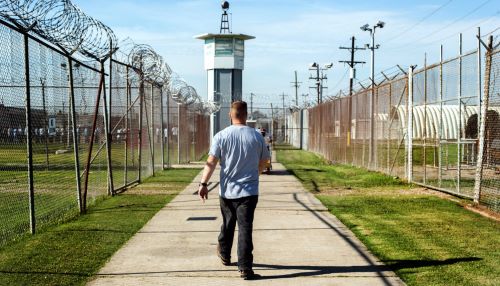
How does the era of punitive excess come to an end?
In December, the city council of Charlottesville, Virginia, voted unanimously to donate the city’s statue of Confederate war leader Robert E. Lee to the Jefferson School African American Heritage Center, which proposed to melt it down and use the bronze to create “a new work of art that will reflect racial justice and inclusion.” The center’s proposal was called “Swords into Plowshares.” According to Andrea Douglas, executive director of the center, “We’re taking something that was harmful, taking something that was the source of trauma, and transforming it into something that is more respective of the democratic, community space.”
If mass incarceration is the bronze statue of punitive excess, it should now be melted down and transformed. What has been traumatic and painful should be replaced with a new vision of justice that promotes community well-being, not oppression, and celebrates democracy, not racial domination.
The era of punitive excess documented in the Brennan Center’s collection of essays represents the latest chapter in a long history of white supremacy and economic injustice, and it constitutes a multi-count indictment against the system of criminal laws created in its wake. To turn the page on this chapter, we propose an honest reckoning with the harms of punitive excess.
Reckoning requires a commitment to truth-telling, beginning with the tangle of fictions that stand in the way of change: Punishment keeps us safe, justice is found in courtrooms, conflicts are best resolved through an adversarial process, harmed parties need retribution, prisons are places for rehabilitation, punishment ends once one leaves prison, the wealthy and the poor receive equal treatment under the law. Perhaps foremost among the fictions of justice is the notion that monumental racial disparities were necessitated by patterns of crime and demanded by communities of color. A reckoning is needed to set the record straight.
Our idea of a reckoning has three key parts.
First, a reckoning is a historical project that confronts decades of penal harm that punctuated centuries of structural racism. History reveals how institutions that are charged with the task of safety have operated as instruments of control and isolation. History explains why the demographic contours of mass criminalization and incarceration align so neatly with racial exclusion and extreme poverty. The history of slave patrols, convict labor, Black codes, the terrorism of lynching, the violent suppression of Black political power after Reconstruction, the role of police and courts in enforcing white supremacy — understanding the history of all these offenses against America’s Black communities can propel the demand for a new vision of justice that empowers them.
Second, a reckoning is not just a historical reflection. An honest reckoning will also drive a different kind of political dynamic, one in which community representatives have a central role. Powered by communities that have suffered at the hands of punitive excess, a reckoning process can disrupt the status quo and challenge established political norms. We have already glimpsed the propulsive force of historical reckoning in the work of community movements to close jails, reform bail, forgive court debt, and eliminate stop and frisk in jurisdictions around the country. By articulating how the current criminal justice orthodoxy has weakened democratic ideals, deepened poverty and racism, and damaged individuals and communities, reckoning foreshadows a fundamentally different vision of justice. The recounting of historic harms will lend urgency to community demands for the realization of this new vision. We hope that the truth-telling and power-sharing that reckoning entails will promote engagement over estrangement, activism over alienation. The fertile ground of community conversation has the potential to encourage a new generation of leadership, steeled to sustain the movement from vision to reality.
Third, a reckoning must also engage the public officials who have driven the justice juggernaut. They should be enlisted in the work of fundamental change, in part because of the harm that they and their predecessors have caused. Truth-telling should provide community representatives with the chance to confront authorities with a direct account of the harm they’ve suffered and their plans for remediation. Police abuse, gratuitously long sentences, the indignity of solitary confinement, and the unpayable burden of fines and fees all deserve an accounting from the public officials who design and staff the system. The myth that safety is rooted in punishment can be powerfully exposed if community members speak to how countless police stops, arrests, and incarcerations have put them at risk. Public officials must also be engaged for the pragmatic reason that they sit squarely in the vanguard of inertia and resistance. A truth-telling process that invites their participation will provide opportunities for some officials to become champions for change. In a struggle for fundamental transformation, the voice of the convert has zeal and unique credibility.
In its most successful version, a reckoning opens the window for policies that disrupt the logic of punitive excess. Communities themselves would have a much stronger hand in designing how and for whom safety is achieved. The pursuit of justice would draw upon community strengths to advance the goals of healing and forgiveness. The accountability of public officials would reflect a commitment to transparency and civilian authority. Sanctions for those community members who harm others would show unwavering respect for their value and dignity and be proportionate to the harm they’ve committed.
Disrupting the logic of punitive excess by reckoning with the legacy of white supremacy is as much a process as it is an outcome. A sustained dialogue that is steeped in history, led by the voice of impacted communities, and confronts officials with the harms they have caused or perpetuated will sometimes be halting, and often frustrating. But, we hope, such a process can enable fundamental change by sharing power and broadening the coalition for change. Such a process compels a new politics of justice.
A reckoning will necessarily probe the significant trauma and harm caused by the agencies of the justice system, harms so powerfully detailed in this series of essays. Beyond enumerating these harms, an honest reckoning will also ask whether the police and penal institutions that claim responsibility for safety have actually provided it. This is especially important today, when gun violence and homicide are on the rise. At a time when we see the failure of punitive excess clearly, the upward trend in crime somehow nourishes the status quo. A reckoning with history will reveal the paradox that reliance on police and prisons has yielded significant trauma and harm, and the promise of safety and community well-being remains elusive. We must settle accounts with history in order to create a different kind of safety that answers the threat of violence, makes communities stronger, and advances a new vision of justice.
Skeptics will say that this utopian vision of justice is unattainable in America. We understand the many political forces arrayed against such a vision. A racist and authoritarian ideology is deeply embedded in our justice system. A large portion of the public views tough-on-crime policies as effective answers to crime and disorder. The justice juggernaut is sustained by powerful economic interests and entrenched career incentives. Community residents who strive for public safety also regularly turn to police and prisons for help — but this reflex itself arises in a context where residents often have few alternatives to choose from. We believe that by empowering the voices of communities experiencing harm, mobilizing coalitions to influence public policy, and telling the truth about punitive excess, a reckoning process can counter the forces of opposition.
We recognize that the road to dismantling systems of injustice is long and that progress is not linear. We also believe that dismantling the sturdy architecture of punitive excess will require more than marginal reforms. The statue must be taken off its pedestal, melted down, and recast as something new.
History teaches us that a reckoning with history happens only rarely, and then often in the context of painful regime change, such as a defeat in war, a political revolution, or accumulated moral outrage. One need only consider the history of the Truth and Reconciliation Commission in post-apartheid South Africa, the establishment of a democratic Germany following the horrors of the Holocaust and the revelations of the Nuremberg trials, or America’s own brief experiment with racially inclusive democracy in Reconstruction before it was destroyed by a century of resurgent white supremacy. These and other examples of nations coming to terms with their historical injustices underscore the complexity — and necessity — of a process of reckoning as a precondition for a new kind of justice.
A reckoning does not determine precisely how the swords of punitive excess are beaten into the plowshares of community empowerment, but we hope it creates a space for such a political process to begin. This process embodies the values of dignity, democracy, and truth-telling. It actively pursues the promise of a multi-racial democracy. These values, when infused into a political dialogue, have the transformative power to eclipse the era of punitive excess.
Originally published by the Brennan Center for Justice, 04.13.2021-04.05.2022, under the terms of a Creative Commons Attribution-No Derivs-NonCommercial license.
About the Author