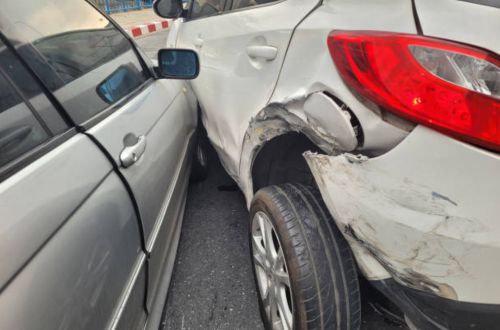
Traffic flows like a living organism until a sudden error disrupts the rhythm. Most people think they are great drivers who simply get unlucky during a commute. The truth is that safety relies on small choices made correctly every single minute.
Roads are designed to be predictable, yet human nature often introduces chaos into the environment. Small lapses in focus turn a routine trip into a life-altering event. It only takes one mistake to ripple through a long line of cars.
These incidents are rarely random acts of fate. Most collisions stem from a handful of recurring errors that people repeat every single day. Evaluating the primary causes of car accidents helps everyone stay much more vigilant when they are behind the wheel during their daily drive.
Speed and Following Distance
Traveling too fast for the conditions is a common trap that even experienced drivers fall into. Speed reduces the time available to react to a hazard and increases the distance needed to stop. It turns minor slips into major crashes.
Maintaining a proper cushion of space is just as important as watching the speedometer. Tailgating removes the safety margin needed if the car in front slams on the brakes. A lack of space is a constant recipe for disaster on the road.
Physics does not care about being late for a meeting or a doctor appointment. High velocity makes every impact more severe and difficult for safety features to manage. Keeping a steady pace and plenty of room saves many lives every day on the busy highways.
Distraction and Inattention
Phones have become the single greatest threat to modern road safety. Taking eyes off the road for even a couple of seconds is like driving across a football field while blindfolded. It is a dangerous gamble that rarely pays off well for anyone.
Inattention also includes grooming, eating, or even getting lost in a deep conversation with a passenger. The brain cannot easily process two complex tasks at once while traveling at high speeds. Total focus must remain on the pavement ahead at all times.
Even hands-free devices can lead to cognitive distraction that slows down reaction times. A driver might be looking at the road but not actually seeing the hazards. Constant focus is the only way to arrive safely at home every single day.
Impaired Driving
Substance use remains a leading factor in catastrophic traffic incidents across the country. Alcohol and drugs slow down the central nervous system and cloud the judgment needed to navigate complex intersections. It makes simple tasks almost impossible during a crisis.
Even prescription medications can have side effects that mimic the impact of legal intoxication. Many people do not realize that their allergy pill or pain medicine can make them a danger to others on the street. Awareness of these side effects is vital for everyone.
Fatigue is another form of impairment that is often overlooked by the general public. A tired driver has the same diminished reaction time as someone who has been drinking. Staying rested is a mandatory and critical part of driving safety for everyone.
Poor Decision-Making
Aggressive maneuvers like weaving through traffic or cutting others off create a hostile environment. These choices are often driven by frustration or a perceived need to arrive faster than the traffic flow allows. They rarely save any actual time in the end.
Failing to yield the right of way is another common error that leads to side-impact collisions. Drivers often misjudge the speed of oncoming vehicles or assume others will stop for them. Patience is a necessary and life-saving virtue for every driver.
Weather conditions also require better decision-making that many people ignore until it is too late. Driving at normal speeds on wet or icy roads is a choice that leads to loss of control. Respecting nature and the elements is always required for safety.
Conclusion
Recognizing these common errors is the first step toward becoming a more responsible person on the road. Safety is not a matter of luck but a result of consistent and deliberate choices made behind the wheel. Awareness of these patterns changes habits for the better.
Every driver has the power to influence the safety of the entire community through their actions. By slowing down and staying focused, the risks are significantly reduced for everyone sharing the pavement. Individual effort matters a great deal in preventing local tragedies.
Ultimately, the road is a shared space that functions best when everyone follows the rules. Prioritizing patience over speed ensures that every trip ends as it should. Safety is a journey that requires constant attention and genuine care for others.
About the Author