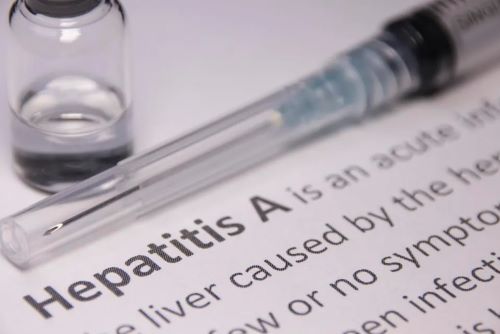
This latest outbreak joins a growing pattern of travel-related infections in recent years.

By Matthew A. McIntosh
Public Historian
Brewminate
Introduction
A sweeping outbreak of hepatitis A has jolted Europe’s tourism industry, casting a shadow over four of the continent’s most frequented vacation destinations and infecting more than 2,000 people to date. The European Centre for Disease Prevention and Control (ECDC) has confirmed nine deaths and warns that the virus—transmitted through contaminated food, water, and close human contact—is continuing to spread amid the summer’s peak travel season.
The outbreak has hit Italy’s Amalfi Coast, Spain’s Costa del Sol, Croatia’s Dalmatian Riviera, and the Greek island of Mykonos—places normally associated with sun-soaked relaxation, not life-threatening illness. According to ECDC epidemiologists, the majority of those sickened are international tourists, with a troubling number of severe cases involving unvaccinated young adults who lacked prior exposure or immunity to the virus.
A Virus Hidden in Plain Sight
Hepatitis A is often mistaken as a relic of the past—something eradicated or limited to underdeveloped regions. Yet this outbreak reminds us that the virus thrives in environments where sanitation lapses or food hygiene protocols break down, even temporarily. The current European crisis has been traced to a combination of contaminated shellfish, insufficient hand-washing by food handlers, and person-to-person transmission in crowded lodging and nightlife scenes.
“People think a picturesque beach or luxury resort guarantees safety,” said Dr. Claudia van Staalen, an infectious disease specialist with the ECDC. “But if someone in the kitchen doesn’t wash their hands, or if the water supply is compromised, the virus can spread quickly—especially in warm climates with dense tourist populations.”
Though hepatitis A is usually self-limiting, it can cause serious complications in older adults, those with pre-existing liver conditions, and individuals with weakened immune systems. Symptoms—jaundice, fever, nausea, fatigue, and abdominal pain—typically appear two to six weeks after exposure, making contact tracing and outbreak containment difficult.
The Preventable Threat
What makes this tragedy particularly devastating is that hepatitis A is entirely preventable. A safe and highly effective vaccine has been available for decades, yet vaccination rates in many countries remain low, especially among adults. In the wake of this outbreak, the ECDC has issued a renewed call for travelers to get vaccinated at least two weeks prior to departure and to seek post-exposure prophylaxis if they believe they may have been infected.
“Had more travelers been vaccinated, this outbreak might never have escalated,” van Staalen noted. “We’re not just talking about protecting yourself. Widespread immunity helps protect others, especially vulnerable populations.”
The ECDC also urges healthcare providers to educate patients not only about the risks of foodborne hepatitis A, but also about other resurgent illnesses—such as measles, typhoid, and dengue fever—that are quietly making a comeback in various parts of the world due to declining immunization rates and growing global mobility.
Lessons Beyond the Headlines
While much of the media coverage has focused on the death toll and tourism losses, this outbreak carries deeper implications for how we understand immunity and vulnerability in an interconnected world. It’s not just measles or COVID-19 that travelers must worry about—old diseases are finding new life in the global age.
The surge in hepatitis A cases also exposes the fragility of health systems in environments built more for profit than prevention. Restaurants, resorts, and cruise ships are often exempt from the same regulatory scrutiny as hospitals or clinics, even though they serve hundreds or thousands of people daily.
This latest outbreak joins a growing pattern of travel-related infections that have emerged in recent years: norovirus on cruises, dengue in southern Europe, and antibiotic-resistant bacteria contracted in foreign hospitals. Each serves as a warning that global health depends not only on vaccines and science, but also on awareness, policy, and personal responsibility.
What Travelers Should Do
In response, the ECDC has released updated guidance for travelers to affected areas:
- Get vaccinated for hepatitis A at least two weeks before travel.
- Practice safe hygiene, including frequent hand-washing, especially after using the restroom and before eating.
- Avoid raw or undercooked shellfish and drink bottled or filtered water.
- Be alert to symptoms after travel and seek medical care if you develop fever, jaundice, or fatigue.
- Inform others, especially elderly or immunocompromised travel companions, about vaccination and safety practices.
And perhaps most importantly, travelers are encouraged to understand that vaccines are not just bureaucratic requirements or childhood milestones—they are, quite literally, passports to safer journeys.
As international borders reopen and wanderlust reignites, this outbreak underscores a hard truth: the viruses of the world don’t respect the scenic beauty of your destination or the price of your plane ticket. They follow only one rule—if you’re unprotected, you’re vulnerable.In a world as mobile and microbial as ours, the smallest needle can be the strongest shield.
Originally published by Brewminate, 06.25.2025, under the terms of a Creative Commons Attribution-NonCommercial-NoDerivatives 4.0 International license.
About the Author