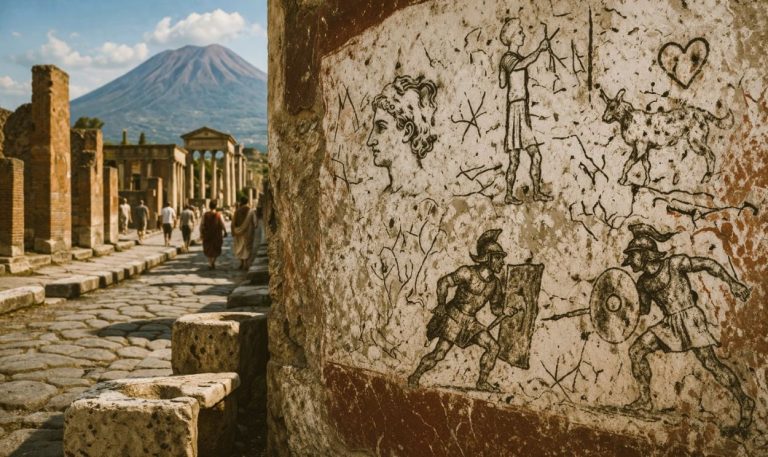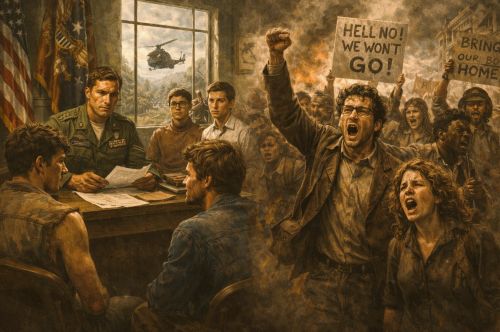
The Vietnam War draft exposed deep inequalities in American society, as deferments and privilege shielded some citizens while others bore the risks of combat.

By Matthew A. McIntosh
Public Historian
Brewminate
Introduction: Conscription and Inequality in Modern Democratic War
Modern democratic states have often relied on conscription during periods of large-scale war, presenting military service as a civic obligation shared across society. In principle, the draft represented a form of collective sacrifice in which citizenship carried responsibilities as well as rights. Governments justified conscription by arguing that national survival required mobilizing manpower on a scale that voluntary enlistment alone could not provide. Yet the promise of equal obligation frequently collided with social realities. Even when formally universal, draft systems rarely distributed risk evenly across populations, and this tension has repeatedly shaped public debate about the legitimacy of modern wars.
The United States entered the Vietnam War with a conscription system rooted in the Selective Service framework established during earlier twentieth-century conflicts. By the early 1960s, the draft had become an established mechanism through which the federal government supplied manpower for the armed forces while maintaining a relatively small peacetime military establishment. Local draft boards classified eligible men according to a range of categories that included medical fitness, occupational necessity, and educational status. Although the system was presented as neutral, its decentralized structure granted significant discretion to local officials and created wide variation in how classifications were applied. These administrative practices shaped the social composition of the military long before the draft itself became a central subject of political controversy.
As American involvement in Vietnam expanded, the structure of the draft began to reveal deep social disparities. College deferments allowed large numbers of middle-class and affluent young men to postpone or avoid military service by remaining enrolled in higher education. Medical exemptions and occupational deferments often favored individuals with greater access to professional networks, legal advice, and institutional support. By contrast, young men from working-class backgrounds were more likely to enter the draft pool without such protections. Statistical studies and soldiers’ personal accounts increasingly suggested that the burdens of combat fell disproportionately on those with fewer economic advantages, while the sons of wealthier families were more likely to remain outside the war’s immediate dangers.
These inequalities did not remain confined to the mechanics of military recruitment. As the war intensified during the late 1960s, the perception that the draft system shielded privilege while exposing poorer Americans to combat became a powerful political issue. Critics argued that the structure of conscription undermined the democratic principle of equal sacrifice and transformed the war into a conflict fought primarily by those with the least ability to avoid service. This perception helped reshape the broader antiwar movement, linking opposition to the war with concerns about social justice and political accountability. The Vietnam draft controversy illustrates a recurring dilemma in democratic warfare: when systems of mobilization appear to distribute risk unevenly, public confidence in both the war and the institutions directing it can rapidly erode.
The Selective Service System and the Mechanics of Conscription
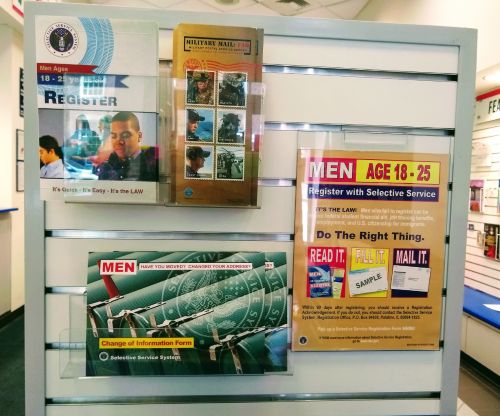
The Selective Service System formed the institutional backbone of American conscription during the Vietnam War. Although its origins lay in earlier conflicts, particularly the mobilization frameworks developed during the Second World War and refined during the Cold War, the system remained active as a standing administrative apparatus capable of rapidly expanding the armed forces when necessary. Under this framework, all eligible men were required to register with the Selective Service upon reaching adulthood. The government could then draw upon this pool through a classification process that determined eligibility for military service. In theory, the system represented a rational and orderly method of allocating manpower during periods of national emergency. In practice, however, the administrative structure of conscription introduced layers of discretion that significantly shaped who ultimately served.
At the heart of the system were thousands of local draft boards distributed across the United States. These boards were composed primarily of civilian volunteers appointed to oversee classification decisions within their communities. Their responsibilities included reviewing registrant records, assigning classification categories, and determining eligibility for deferments or exemptions. Because board members often knew or had social connections with registrants and their families, the process frequently reflected local social dynamics as much as federal policy. In many cases, draft board members were older, established figures within their communities, including business leaders, professionals, and local political figures whose social perspectives shaped how they interpreted Selective Service regulations. The personal familiarity between board members and registrants sometimes produced sympathetic decisions, but it also raised concerns about favoritism or uneven treatment. While the Selective Service System established formal guidelines for classification, local interpretation of those rules varied widely. Appeals procedures existed, yet the complexity of the system and the authority granted to local boards meant that decisions often remained heavily influenced by the judgment of a small group of community leaders. This decentralized structure allowed the federal government to administer the draft on a national scale while relying on local judgment, but it also produced inconsistencies that critics later identified as sources of inequality.
The classification system itself divided registrants into a series of categories designed to determine both eligibility and priority for induction. Men considered physically and mentally fit for service were generally placed in Class I-A, making them immediately eligible for the draft. Other classifications recognized circumstances that temporarily or permanently deferred service. These included educational deferments for students, occupational deferments for individuals engaged in work deemed essential to the national interest, and medical exemptions for those judged unfit for military duty. Additional classifications existed for conscientious objectors and individuals whose personal or religious beliefs opposed participation in war. Although these categories were intended to balance military necessity with broader social needs, they also created pathways through which individuals could avoid conscription.
The complexity of the classification system made it particularly sensitive to differences in education and economic resources. Navigating the bureaucratic procedures of the Selective Service often required knowledge of regulations, documentation, and appeals processes. Individuals with access to university administrators, legal advisors, or sympathetic local officials frequently possessed advantages in securing deferments. By contrast, those without such resources faced greater difficulty challenging unfavorable classifications or pursuing exemptions. Critics argued that the system’s reliance on administrative discretion allowed social inequalities present in civilian life to shape the composition of the armed forces.
These structural characteristics became increasingly controversial as the Vietnam War escalated. By the mid-1960s, the draft administration had transformed from a largely technical administrative institution into a focal point of national debate. Journalists, policymakers, and activists began scrutinizing the procedures through which draft decisions were made, questioning whether the system truly reflected democratic ideals of equal obligation. What had once appeared to be a neutral mechanism for mobilizing manpower now seemed to many Americans to embody the social inequalities embedded within American society itself.
Education, Deferments, and the Shielding of Privilege
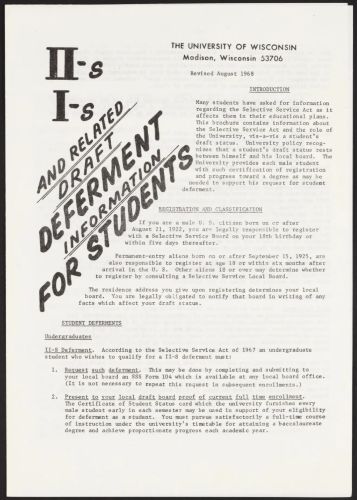
One of the most controversial aspects of the Vietnam-era draft system was the role played by educational deferments. Under Selective Service regulations, men enrolled in full-time college programs could receive a classification that postponed their induction into military service. The official justification for these deferments rested on the belief that higher education served important national interests, particularly during the Cold War when the United States emphasized scientific, technical, and professional training as part of its broader geopolitical competition with the Soviet Union. In principle, educational deferments were framed as a pragmatic accommodation designed to preserve intellectual capital while still maintaining a large pool of eligible men for military service.
In practice, however, the availability of college deferments introduced a significant social divide within the draft system. Access to higher education in the United States during the 1960s remained strongly associated with socioeconomic status. Although the postwar expansion of universities had increased enrollment across the country, college attendance still depended heavily on family income, geographic location, and educational opportunity. Students from affluent suburbs or communities with strong public school systems were far more likely to meet university admissions requirements than young men from rural areas or underfunded urban districts. Tuition costs, even at public institutions, could also pose a barrier for families with limited financial resources. As a result, young men from middle-class and affluent families were far more likely to qualify for student deferments than those from working-class backgrounds. For individuals without the financial means or academic preparation to pursue university education, the pathway to avoiding conscription that college provided was simply unavailable.
The structure of these policies amplified these inequalities. Students who maintained satisfactory academic progress could remain deferred for the duration of their undergraduate education, often extending their protected status through their early twenties. In some cases, deferments continued into graduate programs or professional schools, further delaying potential induction. For many young men, the combination of undergraduate education followed by additional study effectively carried them past the age at which the likelihood of being drafted declined significantly. Critics increasingly argued that the system rewarded those who already possessed social and educational advantages while exposing less privileged citizens to the risks of military service.
Debate about these disparities grew steadily as the Vietnam War intensified. Journalists, scholars, and members of Congress began examining the demographic composition of the armed forces and comparing it with patterns of deferment across the broader population. These investigations revealed that the draft system often functioned less as a neutral lottery of civic obligation than as a bureaucratic mechanism that reproduced existing social hierarchies. Although deferments were technically available to anyone who met the necessary criteria, the criteria themselves reflected inequalities embedded within American educational and economic structures.
The perception that college enrollment served as a shield against the draft became particularly controversial during the late 1960s. Critics argued that the system allowed the sons of wealthier families to postpone or entirely avoid military service while the burden of combat fell disproportionately on those with fewer opportunities. Newspapers, political commentators, and antiwar activists increasingly highlighted stories of students who remained safely enrolled in universities while working-class draftees served repeated combat tours overseas. The phrase “the privileged escaping the draft” became a recurring theme in political debates and public commentary. For many Americans, the draft appeared to contradict the democratic principle that national sacrifice should be shared equally among citizens. The perception that educational privilege translated directly into protection from military service deepened existing social tensions and helped transform the draft from an administrative policy into a powerful symbol of inequality during the Vietnam era.
In response to mounting criticism, policymakers eventually revised the deferment system. In 1967 Congress limited the scope of student deferments, allowing them only until the completion of an undergraduate degree and preventing further postponement through graduate study for most registrants. Although these reforms did not eliminate all inequalities within the draft system, they reflected growing recognition that the existing structure had become politically and socially untenable. The controversy surrounding educational deferments illustrates how the mechanics of conscription could intersect with broader patterns of privilege, transforming a policy designed for military mobilization into a focal point of national debate about fairness and social justice.
Race, Class, and the Composition of Combat Forces
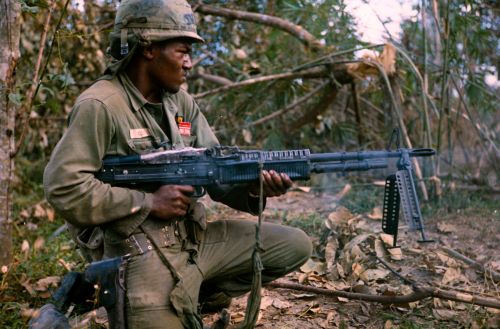
As the Vietnam War intensified during the mid-1960s, growing attention focused on the social composition of the American military forces deployed to Southeast Asia. Journalists, policymakers, and scholars began examining whether the draft system and patterns of enlistment produced a military that reflected the demographic structure of the broader American population. Early official statements emphasized that the armed forces were representative of the nation as a whole, but closer analysis revealed important disparities. The processes through which young men entered military service, including draft classifications, deferments, and voluntary enlistment, interacted with broader social inequalities in ways that shaped who ultimately served in combat roles. Military sociologists and historians later emphasized that recruitment, training assignments, and deployment patterns were influenced by the social and economic backgrounds of soldiers, even when official policy did not explicitly intend such outcomes. As the war expanded and American troop levels increased dramatically after 1965, the question of who was fighting the war became increasingly visible in public discussion.
Class background played a significant role in determining military participation. Young men from working-class families were less likely to obtain deferments through higher education or specialized occupations and were more likely to remain eligible for induction. Many also enlisted voluntarily in branches of the military that offered training, steady pay, and potential pathways toward social mobility. For individuals from economically disadvantaged backgrounds, military service sometimes appeared to offer opportunities unavailable in civilian life. Yet these patterns also meant that the risks associated with combat were frequently borne by those with fewer economic resources and fewer avenues for avoiding military service.
Race added another layer of complexity to the social composition of the Vietnam-era military. African American soldiers were initially represented in combat units at disproportionately high levels during the early years of the war. Civil rights organizations and African American leaders soon began raising concerns that Black Americans were dying in Vietnam at rates exceeding their share of the national population. These criticisms gained national attention as casualty statistics became more widely reported. In response to public pressure and internal policy changes within the Department of Defense, the military gradually adjusted assignment policies and recruitment practices, leading to a more proportionate representation of African American soldiers in combat roles by the late 1960s. The controversy surrounding these statistics also intersected with the broader civil rights movement, which was challenging systemic discrimination in American institutions that the United States was fighting a war abroad in the name of defending freedom. As a result, discussions about racial representation in the military became part of a wider debate about citizenship, equality, and the obligations of democratic government.
The relationship between race and class further complicated these patterns. African Americans were statistically more likely to come from lower-income communities and to have limited access to higher education, factors that reduced the likelihood of receiving draft deferments. As a result, the structural inequalities already present within the draft system often affected minority communities with particular intensity. Critics argued that the war exposed deeper social problems within the United States, revealing how economic inequality and racial discrimination could influence the distribution of military sacrifice.
Public discussion of these disparities intensified as the war continued. Civil rights activists, antiwar organizers, and journalists increasingly linked the issue of combat representation to broader debates about justice and equality in American society. Statements by prominent figures, including civil rights leaders who criticized the war’s human costs, helped frame the conflict as one that placed disproportionate burdens on marginalized communities. These critiques did not claim that the armed forces deliberately targeted specific social groups, but they emphasized how existing inequalities shaped the outcomes produced by draft policy.
By the late 1960s, the composition of American forces in Vietnam had become a widely debated political issue. Studies conducted by scholars and government agencies attempted to measure the extent to which race and class influenced combat participation. While the results varied depending on methodology and time period, the broader perception that the war was fought disproportionately by working-class Americans and minority communities persisted in public discourse. This perception contributed to the growing skepticism surrounding the draft system and reinforced the argument that the Vietnam War revealed profound tensions between democratic ideals and the unequal distribution of risk in modern warfare.
Draft Resistance and the Rise of Mass Protest
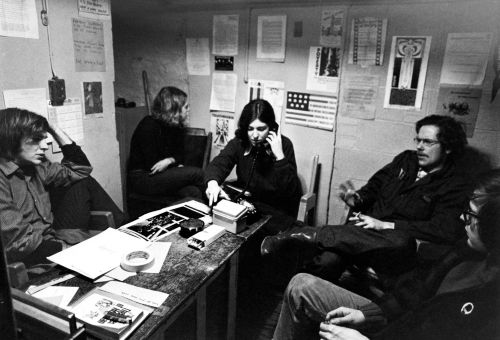
As the Vietnam War expanded during the mid-1960s, opposition to the draft became one of the most visible and politically consequential forms of dissent within the United States. Earlier American wars had produced limited forms of resistance to conscription, but the Vietnam conflict generated a far broader and more organized movement. The draft served as a direct point of contact between government policy and individual citizens, making it a powerful catalyst for protest. For many young Americans, the Selective Service notice represented not simply a bureaucratic obligation but a personal confrontation with the war itself. As a result, resistance to the draft became closely intertwined with broader moral, political, and social critiques of the conflict.
Early forms of draft resistance emerged among small groups of students, religious activists, and pacifist organizations who challenged the legitimacy of the war and the authority of the Selective Service System. Some refused to register for the draft entirely, while others publicly destroyed their draft cards in symbolic acts of protest. Draft-card burnings became one of the most widely recognized forms of antiwar demonstration, dramatizing opposition to both the war and the system that compelled participation in it. These actions were intended not only as personal refusals but also as public statements designed to draw attention to what protesters viewed as an unjust conflict.
As resistance expanded, networks of support developed to assist individuals seeking to avoid induction. Underground counseling groups emerged on university campuses and in major cities, offering advice on deferments, conscientious objector status, and legal strategies for challenging draft classifications. These organizations often distributed pamphlets explaining the complex regulations of the Selective Service System and advising registrants on how to navigate the appeals process. Some young men fled to Canada or other countries to avoid service, while others openly refused induction and accepted imprisonment as an act of political defiance. Canada in particular became a refuge for thousands of draft resisters who sought to escape prosecution under American law. Churches, student organizations, and civil liberties groups sometimes provided financial assistance and logistical support to those choosing exile. These forms of resistance were often controversial, even among Americans who questioned the war itself, but they nevertheless helped transform the draft into a central symbol of domestic political conflict.
The relationship between draft resistance and the broader antiwar movement grew increasingly close as the decade progressed. Large-scale protests, including mass demonstrations in Washington, D.C., and other major cities, frequently incorporated explicit criticism of conscription policies. Student organizations, civil rights groups, and religious institutions joined the movement, creating a diverse coalition united by opposition to the war and the draft. The presence of individuals directly threatened with induction gave the antiwar movement a personal immediacy that distinguished it from earlier foreign policy debates.
Government responses to draft resistance further intensified public attention. Federal authorities prosecuted individuals who refused induction or destroyed draft cards, leading to widely publicized trials that attracted national media coverage. These legal confrontations often transformed defendants into symbols of political dissent, drawing additional support for the antiwar movement. High-profile prosecutions of activists and student leaders were widely reported in newspapers and on television, bringing the issue of draft resistance into households across the country. Courtroom proceedings frequently became arenas for political argument, as defendants used their trials to challenge the morality and legality of the war itself. In some cases, religious leaders, professors, and other public figures openly supported draft resisters, further blurring the line between individual protest and organized political opposition. Law enforcement actions against protesters sometimes reinforced the perception that the government was suppressing legitimate political dissent rather than addressing the underlying grievances driving the movement.
By the late 1960s, resistance to the draft had become a defining feature of the domestic political landscape. The Selective Service System, originally designed as an administrative mechanism for mobilizing military manpower, now stood at the center of a national debate over the legitimacy of the Vietnam War itself. Draft resistance helped reshape the political environment in which the war was discussed, linking questions of military strategy to broader concerns about citizenship, civil liberties, and democratic accountability. In doing so, it played a crucial role in transforming opposition to the war from a marginal movement into a powerful force within American political life.
Political Crisis and the Collapse of Public Trust
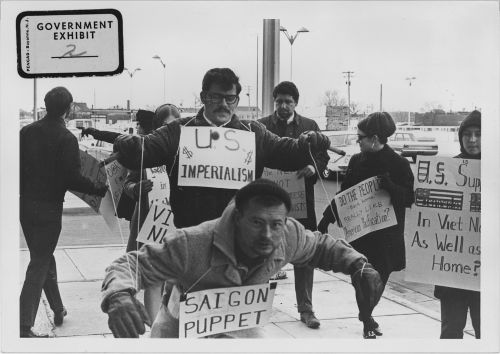
As the Vietnam War continued into the late 1960s, controversies surrounding the draft contributed to a broader political crisis within the United States. The perception that conscription disproportionately burdened working-class and minority communities increasingly intersected with wider concerns about the credibility of government leadership. Many Americans began questioning not only the fairness of the draft system but also the accuracy of official claims regarding the progress and purpose of the war. Draft inequalities became part of a larger pattern in which public confidence in political institutions eroded as the conflict intensified.
Media coverage played a crucial role in shaping this shift in public opinion. Journalists reported extensively on casualty figures, draft procedures, and the growing protest movement, bringing issues that had once been confined to policy debates into the national spotlight. Television broadcasts and newspaper investigations frequently highlighted the social composition of the soldiers fighting in Vietnam, reinforcing the perception that the burden of the war was unevenly distributed. Revelations about discrepancies between official government statements and battlefield realities deepened skepticism about the reliability of political leadership. Together, these developments contributed to what observers increasingly described as a widening gap between public expectations and official narratives about the war.
Political leaders struggled to respond effectively to this crisis of legitimacy. Members of Congress conducted hearings examining draft policies and the broader conduct of the war, while presidential administrations attempted various reforms intended to restore public confidence. Yet these efforts often appeared reactive rather than transformative. For many critics, the problem was not simply the mechanics of the draft but the broader political system that had produced and sustained the conflict. As a result, debates about conscription became inseparable from questions about the accountability of democratic institutions during wartime.
By the end of the decade, the erosion of public trust had become one of the defining features of the Vietnam era. The draft controversy, combined with mounting casualties and persistent uncertainty about the war’s strategic goals, contributed to a climate of political polarization and institutional skepticism. For many Americans, the Vietnam War revealed the fragility of democratic legitimacy when government policies appeared to impose unequal burdens on different segments of society. The collapse of public confidence during these years would have lasting consequences for American political culture, shaping debates about military policy, executive authority, and civic responsibility for decades after the war itself ended.
The End of the Draft and the Move toward an All-Volunteer Force
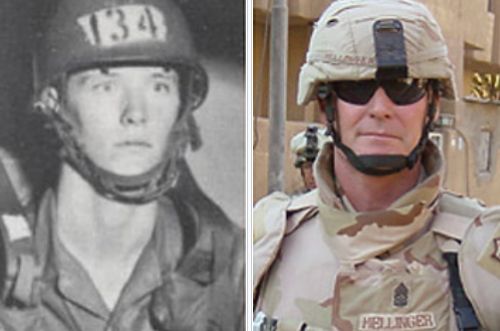
By the late 1960s, the growing controversy surrounding the draft had forced policymakers to reconsider the long-term viability of conscription as the foundation of American military manpower. What had once been viewed as a routine mechanism of national mobilization had become deeply entangled with the political divisions created by the Vietnam War. Critics argued that the draft not only produced social inequalities but also weakened the legitimacy of military service by tying it to a conflict many Americans increasingly questioned. As public opposition intensified, the debate over conscription shifted from reforming the Selective Service System to reconsidering whether the United States should rely on compulsory service at all.
The movement toward ending the draft gained momentum during the presidential election of 1968, when political leaders began proposing alternative approaches to military recruitment. Among the most influential proposals was the idea of creating an all-volunteer armed force. Supporters of this approach argued that a professional military composed of volunteers would be more efficient, more motivated, and more compatible with democratic ideals than a force built through compulsory service. They also maintained that volunteer recruitment would eliminate many of the social inequalities associated with draft deferments and classification decisions. Critics, however, warned that a volunteer military might draw disproportionately from economically disadvantaged communities, raising concerns about a different form of inequality in which financial incentives replaced legal obligation as the primary mechanism of recruitment.
In 1969 President Richard Nixon established the President’s Commission on an All-Volunteer Armed Force, commonly known as the Gates Commission, to study the feasibility of eliminating the draft. The commission conducted extensive research on military manpower, economic incentives, and recruitment practices, drawing upon testimony from military officers, economists, sociologists, and public policy specialists. Its members examined the costs of maintaining a volunteer force, the potential impact of increased military pay, and the social consequences of ending compulsory service. The commission also considered historical precedents and international comparisons, evaluating how other democratic nations balanced voluntary enlistment with national defense requirements. Its final report concluded that the United States could successfully maintain its armed forces through voluntary enlistment if compensation and benefits were adjusted to attract sufficient recruits. The commission argued that ending conscription would strengthen the relationship between military service and individual choice, thereby aligning the structure of the armed forces more closely with democratic principles. It acknowledged that significant institutional changes would be required to ensure that the military could compete with civilian employers for qualified personnel.
The transition to a volunteer military occurred gradually during the early 1970s. Although the draft continued to operate for several years after the Gates Commission issued its recommendations, the number of men inducted through conscription steadily declined. Military planners increasingly relied on enlistment incentives, improved pay structures, and expanded educational benefits to attract volunteers. In 1973 the United States formally ended conscription, bringing the Selective Service draft system that had shaped American military mobilization for decades to a close.
The creation of the all-volunteer force marked a profound transformation in American military policy. While debates about the social composition of the armed forces continued, the abolition of the draft removed one of the most controversial institutions associated with the Vietnam War. The shift also reflected broader lessons drawn from the conflict: that systems of compulsory service could become politically unsustainable when large segments of the population believed that the burdens of war were distributed unfairly. The end of conscription represented not only an administrative reform but also a response to the political and social upheaval that the Vietnam War had produced within American society.
Conclusion: Conscription, Democracy, and the Politics of Unequal Sacrifice
The Vietnam War exposed profound tensions within the relationship between democratic citizenship and military obligation. Conscription had long been justified as a system that distributed the burdens of national defense across society, ensuring that the responsibilities of citizenship were shared broadly among the population. In practice, however, the draft during the Vietnam era revealed how existing social inequalities could shape the outcomes of policies that were formally universal. Educational deferments, occupational classifications, and administrative discretion within the Selective Service System created pathways through which individuals with greater economic and social resources could reduce their likelihood of military service. As a result, the draft became widely perceived as a system that imposed unequal risks on different segments of American society.
This perception had significant political consequences. As journalists, scholars, and activists examined the social composition of the armed forces, the idea that the war was being fought disproportionately by working-class Americans and minority communities gained traction in public debate. The phrase “unequal sacrifice” increasingly appeared in discussions of the war, capturing the belief that the costs of national policy were not shared evenly among citizens. For many critics, the issue extended beyond the mechanics of the draft itself. The inequalities revealed by conscription appeared to reflect broader patterns within American society, linking debates about the war to ongoing struggles over civil rights, economic opportunity, and democratic accountability.
The controversies surrounding conscription also reshaped the relationship between citizens and the institutions of government. Draft resistance, mass protest, and public scrutiny of military recruitment policies contributed to a wider crisis of political trust during the late 1960s and early 1970s. As confidence in official narratives about the war declined, the Selective Service System became a powerful symbol of the perceived disconnect between government decision-making and the lived experiences of ordinary Americans. Opposition to the draft was not simply a reaction to the demands of military service but part of a broader challenge to the legitimacy of political authority during a period of profound national division.
The abolition of conscription in 1973 marked an institutional response to these pressures, but it did not entirely resolve the underlying questions raised by the Vietnam experience. The transition to an all-volunteer force altered the mechanisms through which the United States mobilized its military, yet debates about fairness, representation, and civic obligation continued to shape discussions of American defense policy. The legacy of the Vietnam draft extends beyond the conflict itself. It serves as a reminder that in democratic societies, the legitimacy of war depends not only on strategic objectives but also on the perceived justice with which its burdens are distributed among the citizens who are asked to fight it.
Bibliography
- Allen, Bertram S., Jr., Douglas Herrmann, and Steven L. Giles. “Vietnam as a Class War: Myth or Reality?” Sociological Spectrum 14:4 (1994), 299-311.
- Anderson, David L. The Columbia Guide to the Vietnam War. New York: Columbia University Press, 2002.
- Angrist, Joshua D. “The Draft Lottery and Voluntary Enlistment in the Vietnam Era.” Journal of the American Statistical Association 86:415 (1991), 584-595.
- Appy, Christian G. Working-Class War: American Combat Soldiers and Vietnam. Chapel Hill: University of North Carolina Press, 1993.
- Baskir, Lawrence M., and William A. Strauss. Chance and Circumstance: The Draft, the War, and the Vietnam Generation. New York: Alfred A. Knopf, 1978.
- DeBenedetti, Charles, and Charles Chatfield. An American Ordeal: The Antiwar Movement of the Vietnam Era. Syracuse: Syracuse University Press, 1990.
- Flynn, George Q. The Draft, 1940–1973. Lawrence: University Press of Kansas, 1993.
- Foley, Michael S. Confronting the War Machine: Draft Resistance during the Vietnam War. Chapel Hill: University of North Carolina Press, 2003.
- Hall, Mitchell K. “The Vietnam Era Antiwar Movement.” OAH Magazine of History 18:5 (2004), 13-17.
- President’s Commission on an All-Volunteer Armed Force (Gates Commission). Report of the President’s Commission on an All-Volunteer Armed Force. Washington, DC, 1970.
- Rostker, Bernard. I Want You! The Evolution of the All-Volunteer Force. Santa Monica: RAND Corporation, 2006.
- Selective Service System. Annual Report of the Director of Selective Service. Washington, DC: U.S. Government Printing Office, various years.
- Small, Melvin. Antiwarriors: The Vietnam War and the Battle for America’s Hearts and Minds. Lanham, MD: Rowman & Littlefield, 2002.
- Wells, Tom. The War Within: America’s Battle over Vietnam. Berkeley: University of California Press, 1994.
- Zhang, Nan and Melissa M. Lee. “Military Service and Immigrants’ Integration: Evidence from the Vietnam Draft Lotteries.” American Political Science Review 120:1 (2026), 179-188.
Originally published by Brewminate, 03.17.2026, under the terms of a Creative Commons Attribution-NonCommercial-NoDerivatives 4.0 International license.
About the Author