Women voted in Revolutionary America New Jersey.
Introduction
Women voted in Revolutionary America, over a hundred years before the United States Constitution guaranteed that right to women nationally.
The 1776 New Jersey State Constitution referred to voters as “they,” and statutes passed in 1790 and 1797 defined voters as “he or she.” This opened the electorate to free property owners, Black and white, male and female, in New Jersey. This lasted until 1807, when a new state law said only white men could vote.
What can this story of changing laws about who could vote from the earliest days of American democracy teach us about what it means to vote and what it takes to preserve and expand that right?
A newly discovered set of sources — lists of men and women, Black and white — who voted in New Jersey between 1798 and 1807 set off our quest to find the answers.
How Women Gained the Vote: The Promise of 1776
Overview
On July 4, 1776, The American Continental Congress in Philadelphia adopted th Declaration of Independence, announcing that “all men are created equal.” Two days earlier in nearby Burlington, New Jersey, the new state legislature adopted a written constitution that would open the door to a radical new vision of voting in America, one that would include women and people of color among the voters. But what was the world like for women and other people of New Jersey who might have read that constitution in 1776? What might it have meant to them? Did it really mean equality for men and women and for people of both European and African descent?
Diverse Women of the Mid-Atlantic
The Mid-Atlantic states of New Jersey, New York, and Pennsylvania differed from New England and the South. These states were more diverse in both religion and ethnicity, creating a more open culture of tolerance. The region had several Jewish communities, as well as Scottish and Scots-Irish, the largest populations of people of Swedish, Dutch, and German descent in the colonies, and many Native American groups.
This diversity gave women some advantages. Dutch customs included a stronger tradition of female business ownership than the English. The large Quaker population practiced greater gender equality in religious services than most contemporary Christian churches in British America.
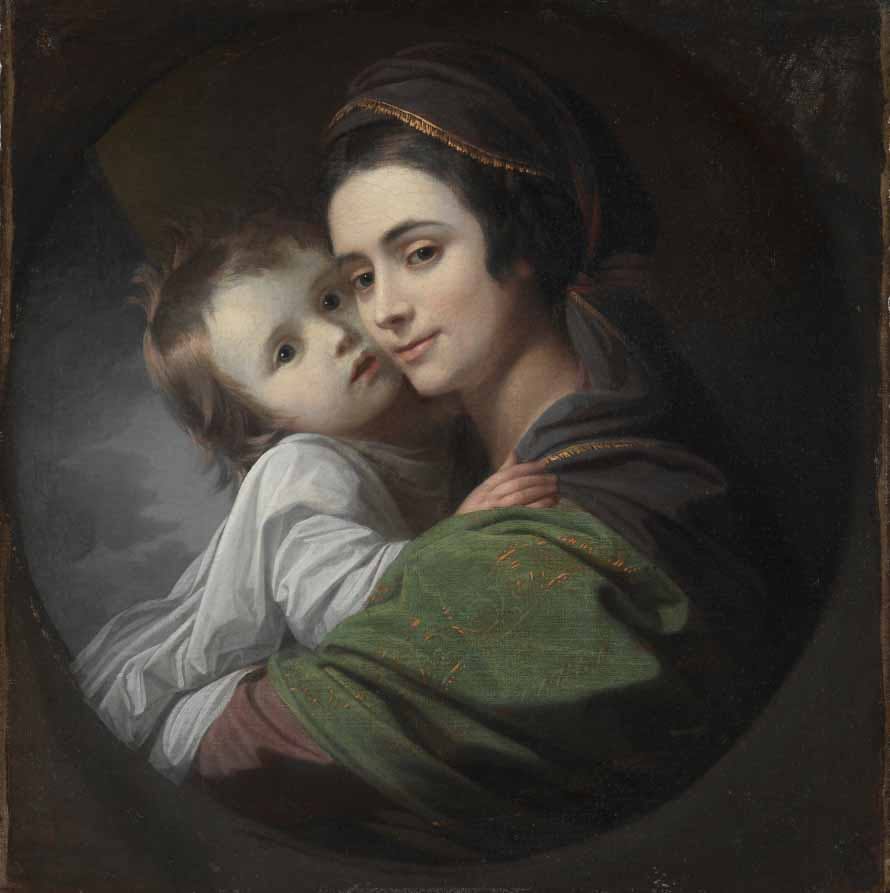
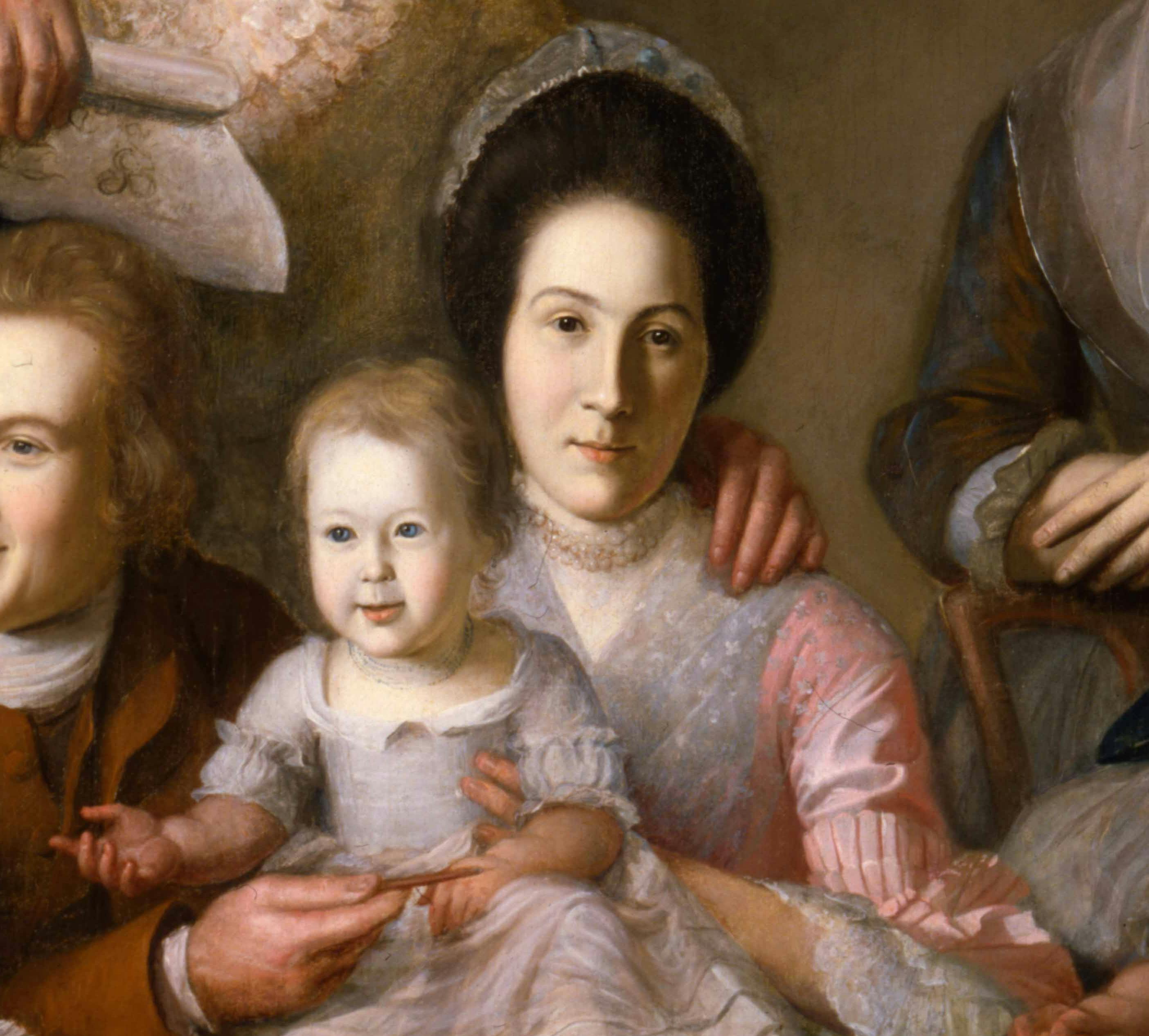
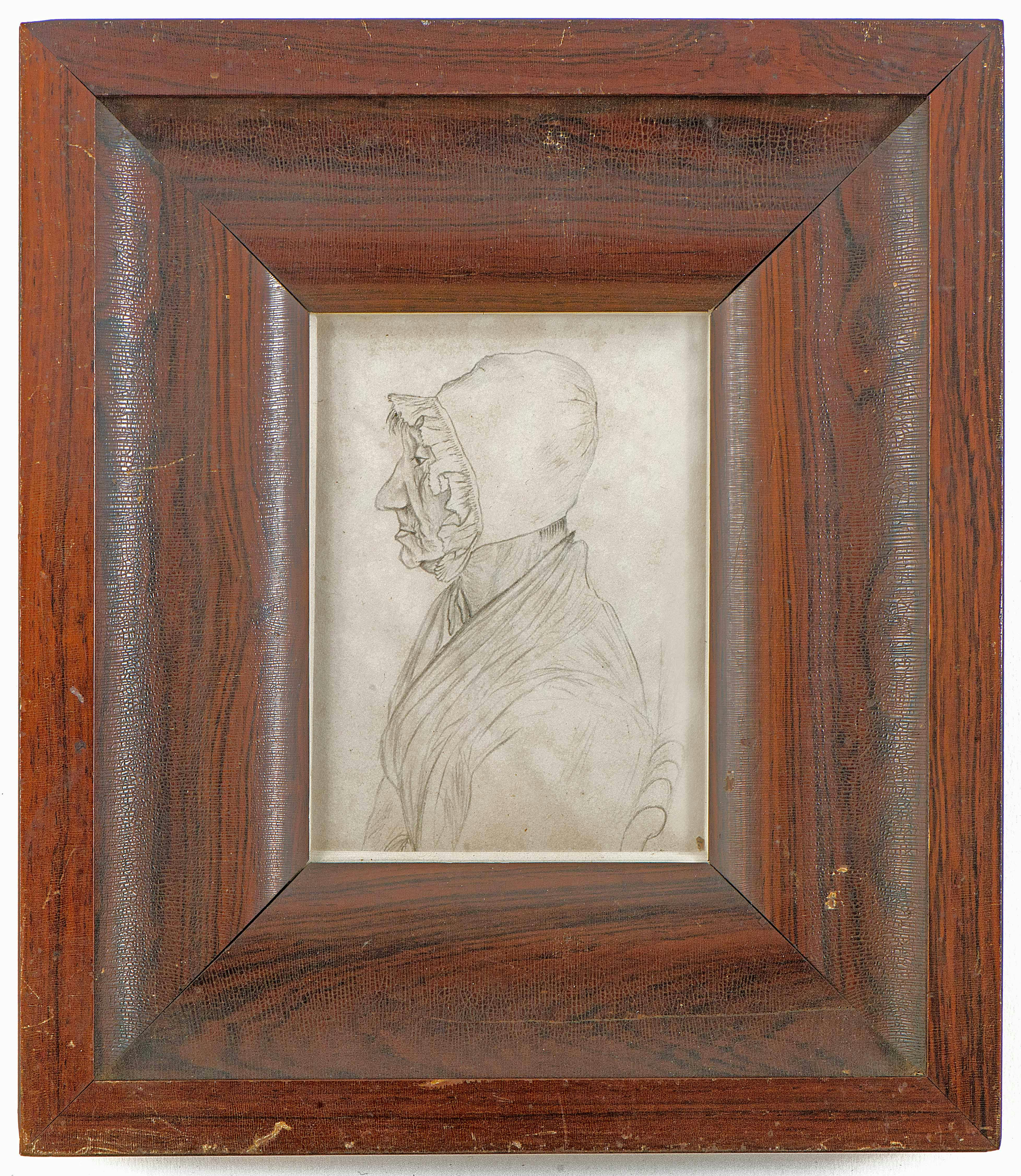
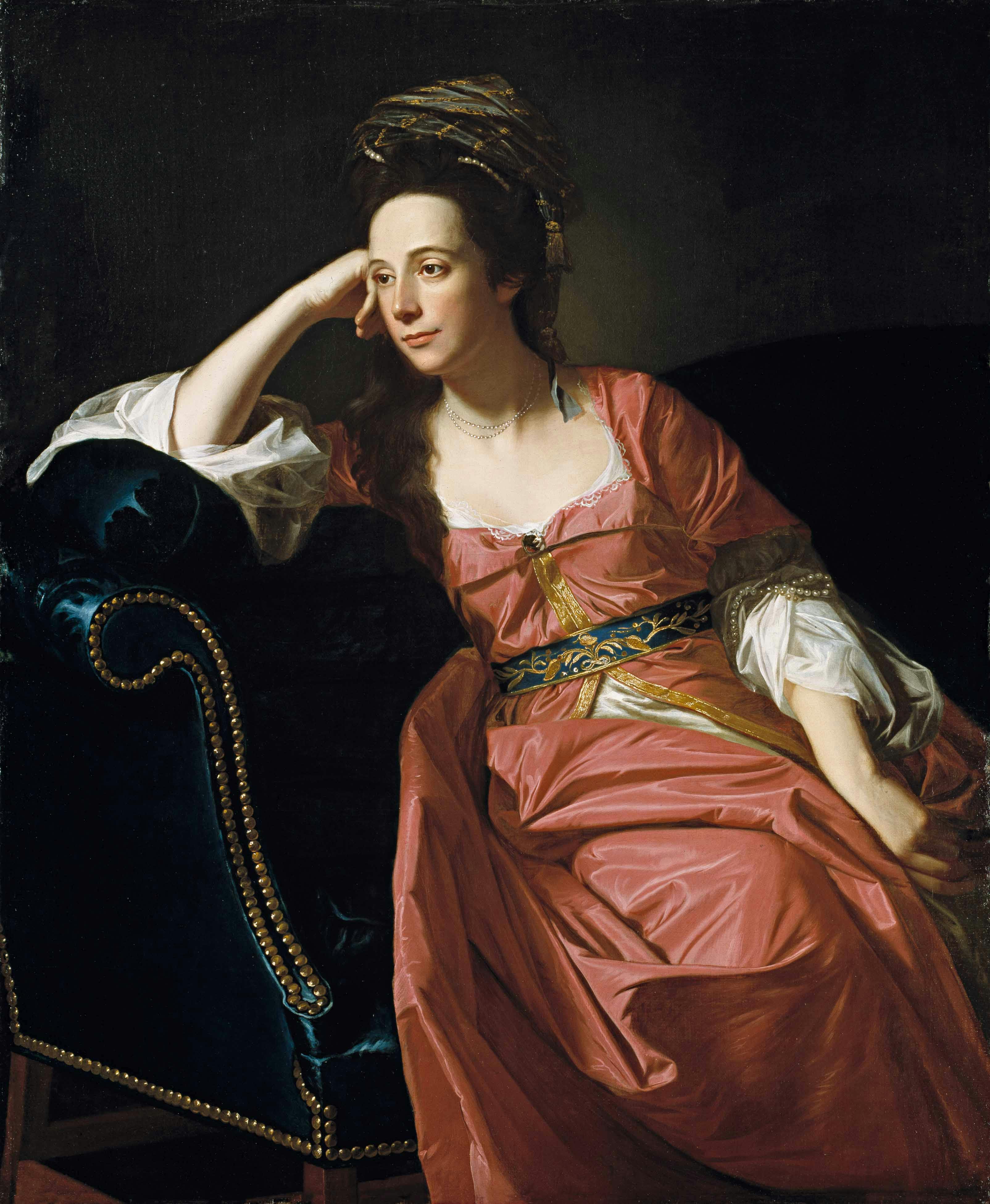
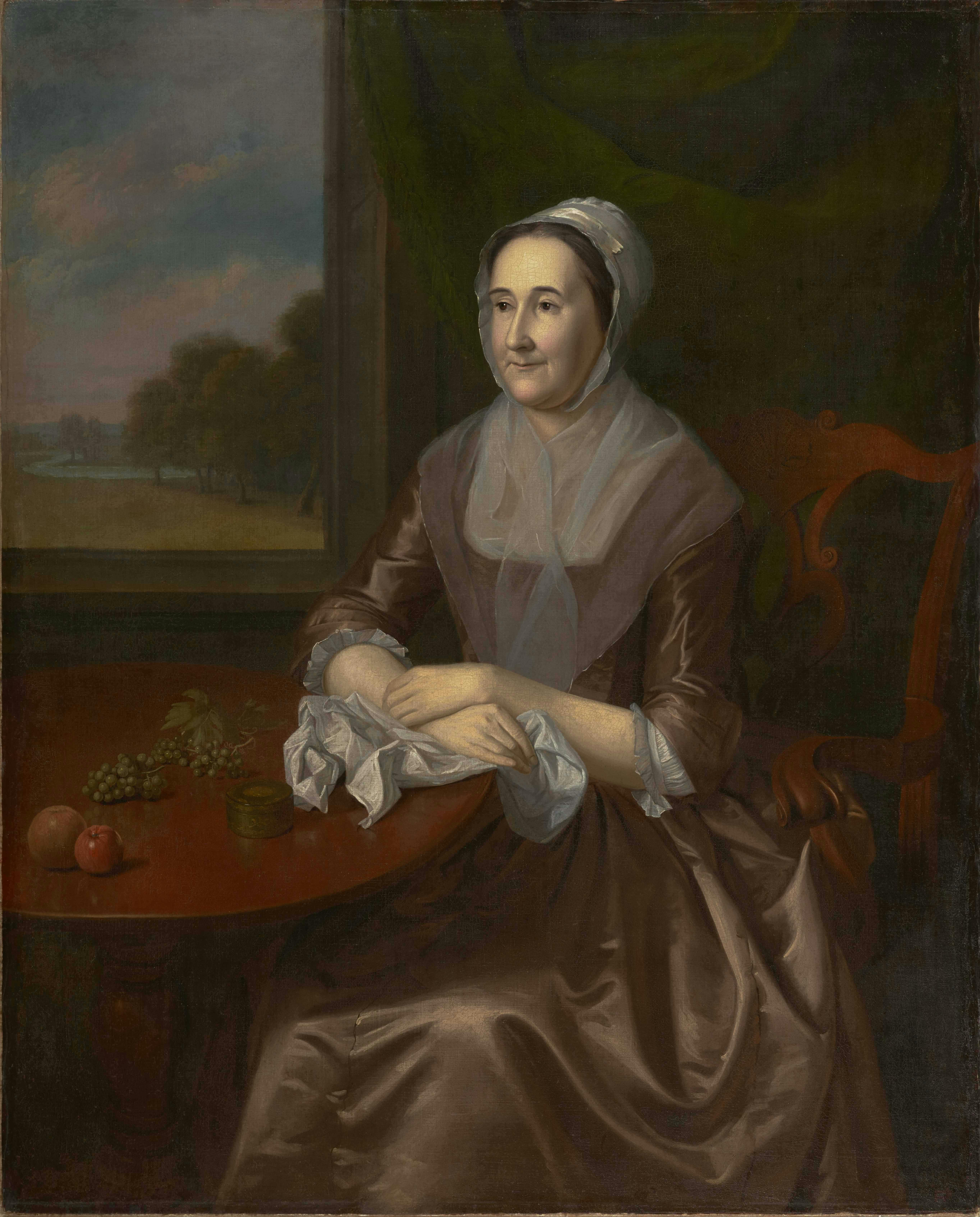
The women pictured above lived in the Mid-Atlantic British colonies (New York, New Jersey, Pennsylvania, Maryland, and Delaware). They are a woman of Anglo-English descent; the wife and child of artist Charles Wilson Peale of Philadelphia; a woman of color from rural Monmouth County, New Jersey; an elite woman from Morristown, New Jersey, who married a British general; and a Pennsylvania Quaker. As the Revolution changed their lives, the women of these diverse communities would reshape the politics of New Jersey.
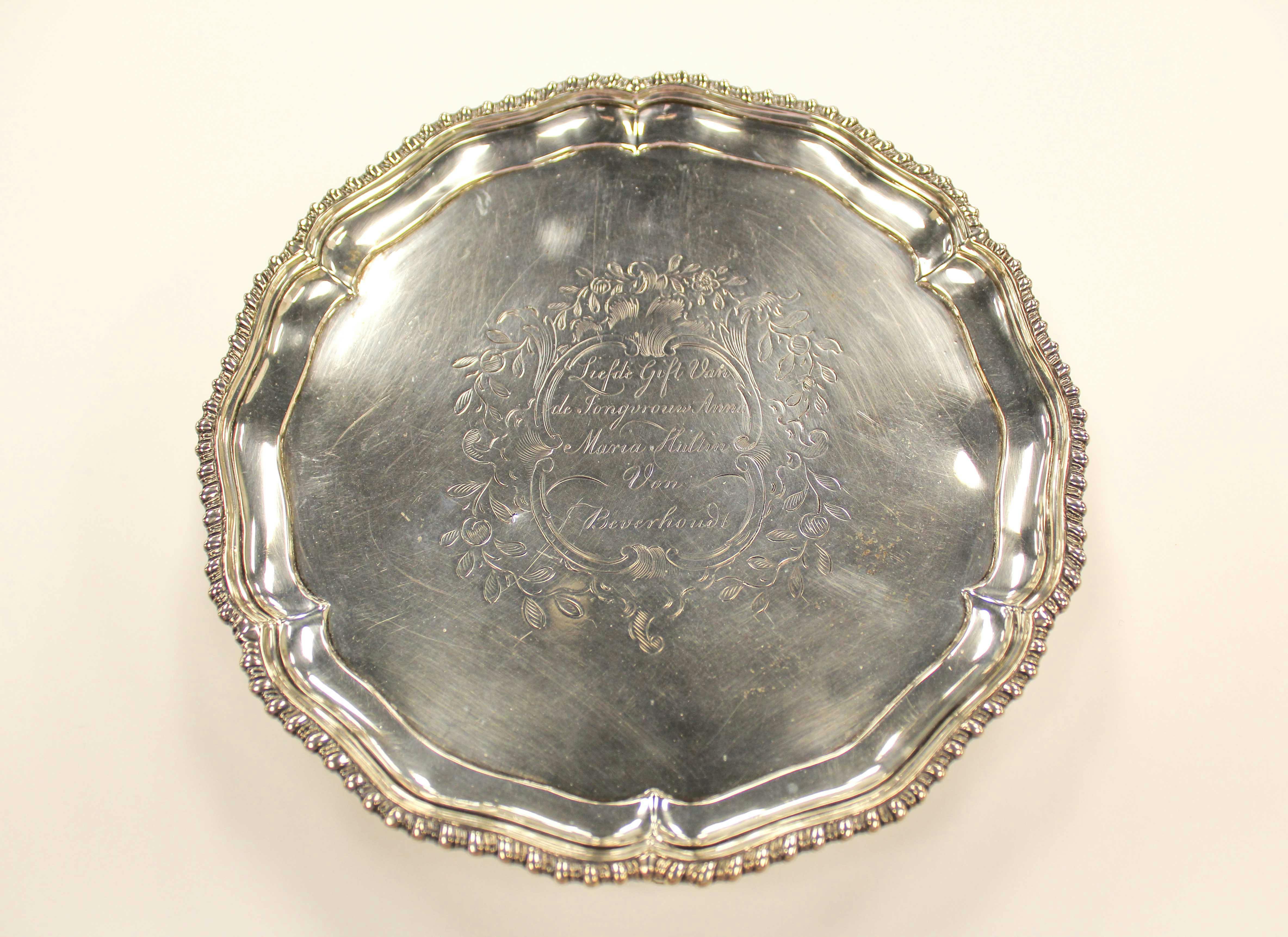
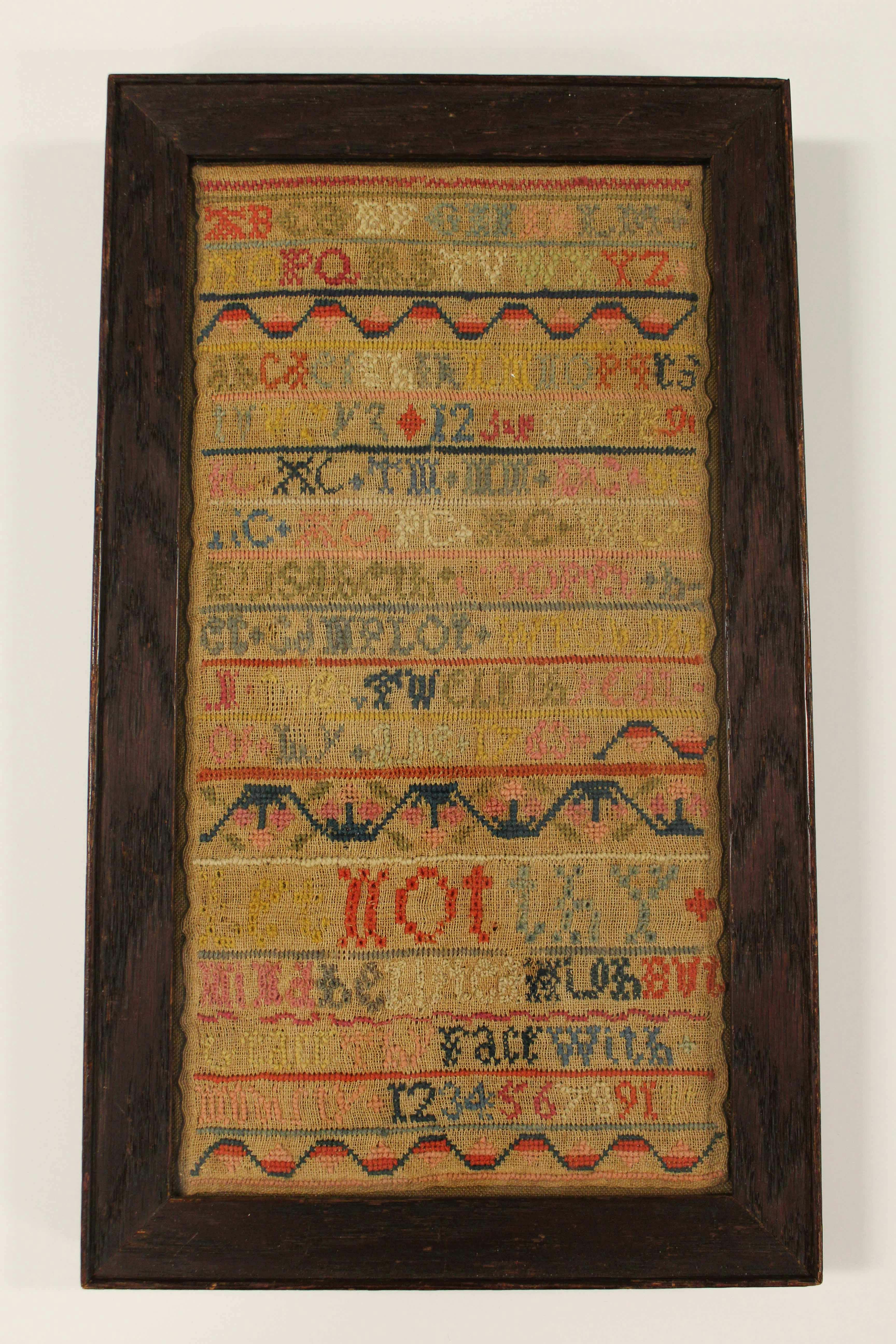
The objects above express the ideals, hopes, and community of Dutch and Quaker women in Colonial New Jersey. The Dutch community of New Jersey had a greater tradition of legal property and business ownership by women than the English.
Slavery and Freedom for New Jersey Women
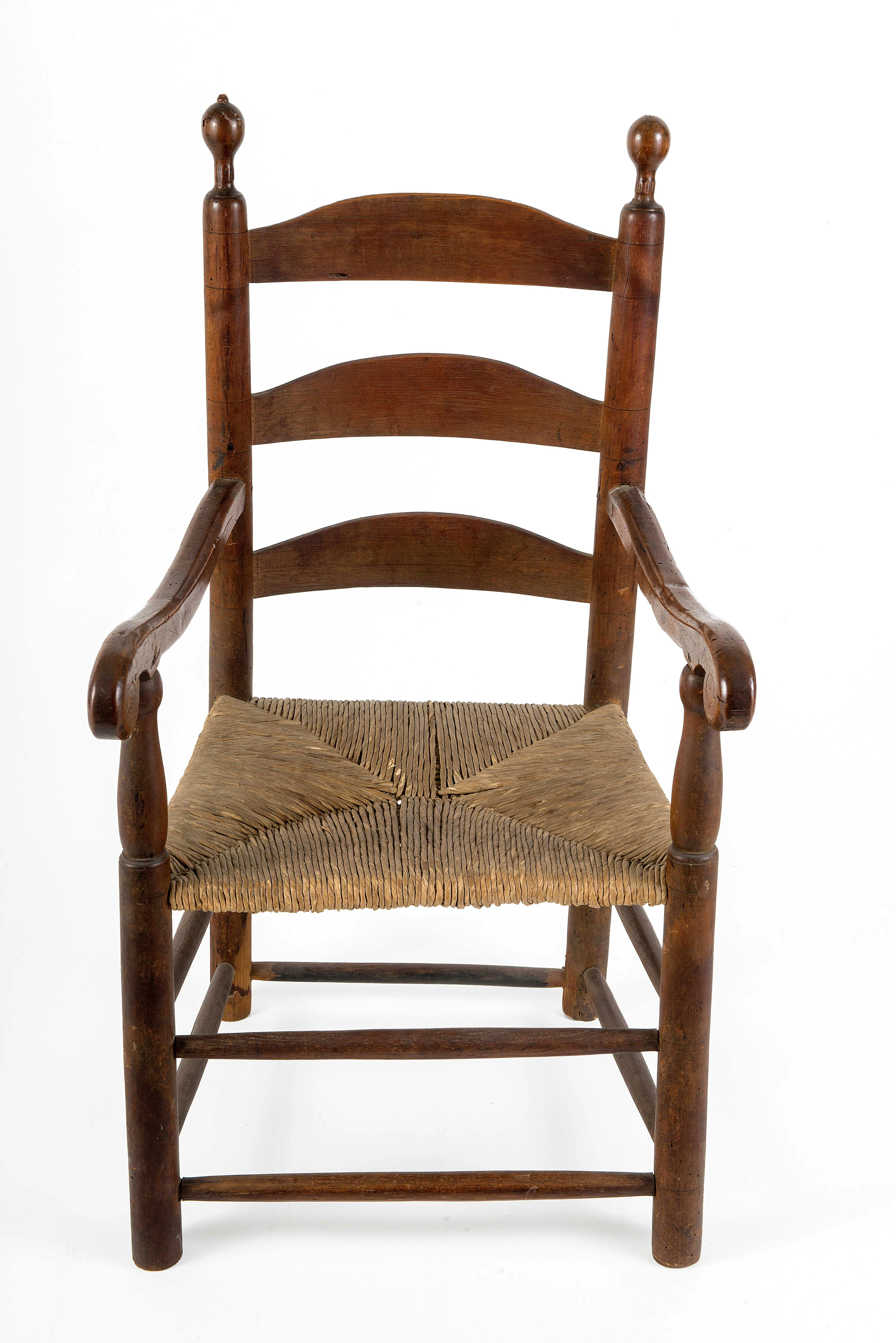
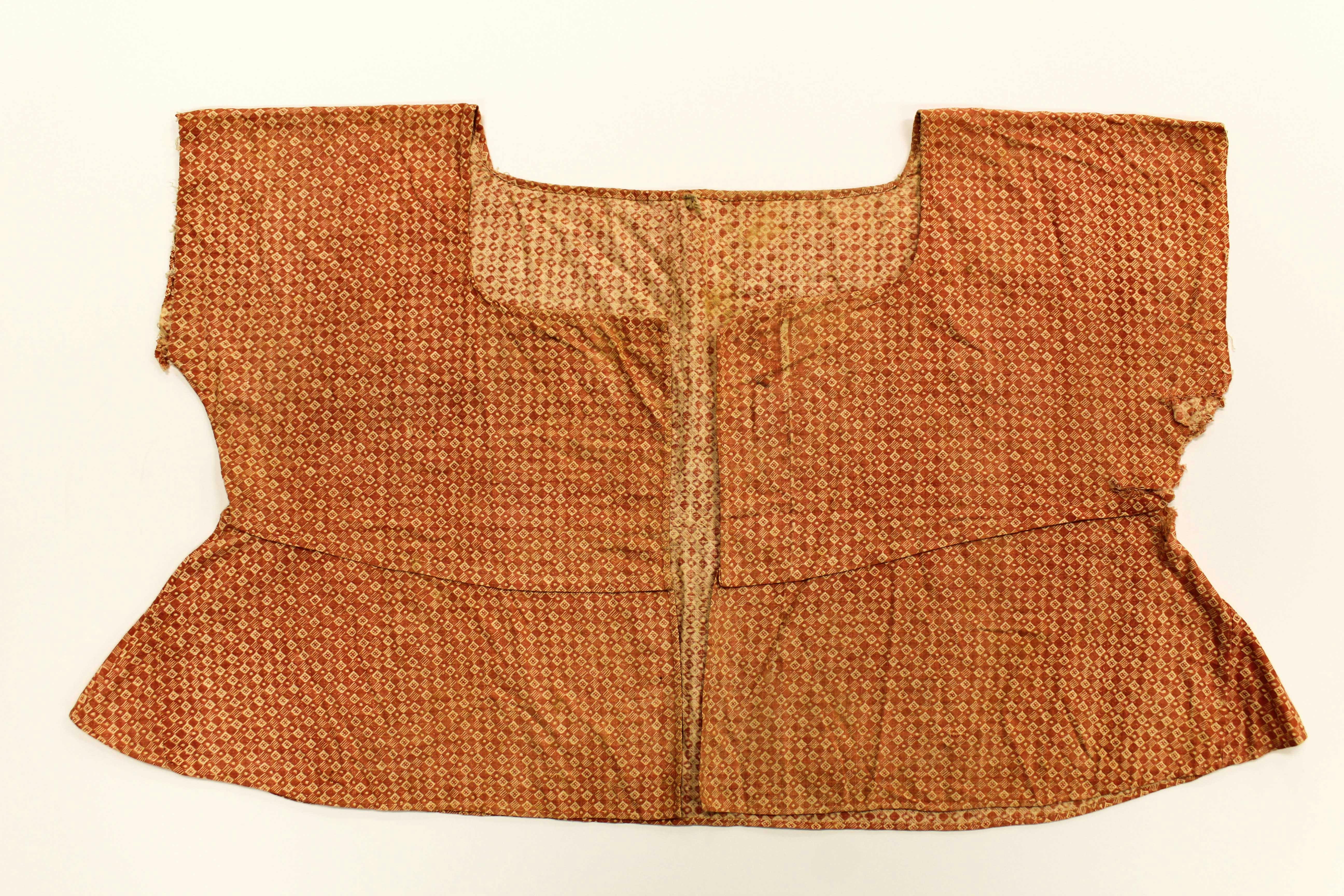
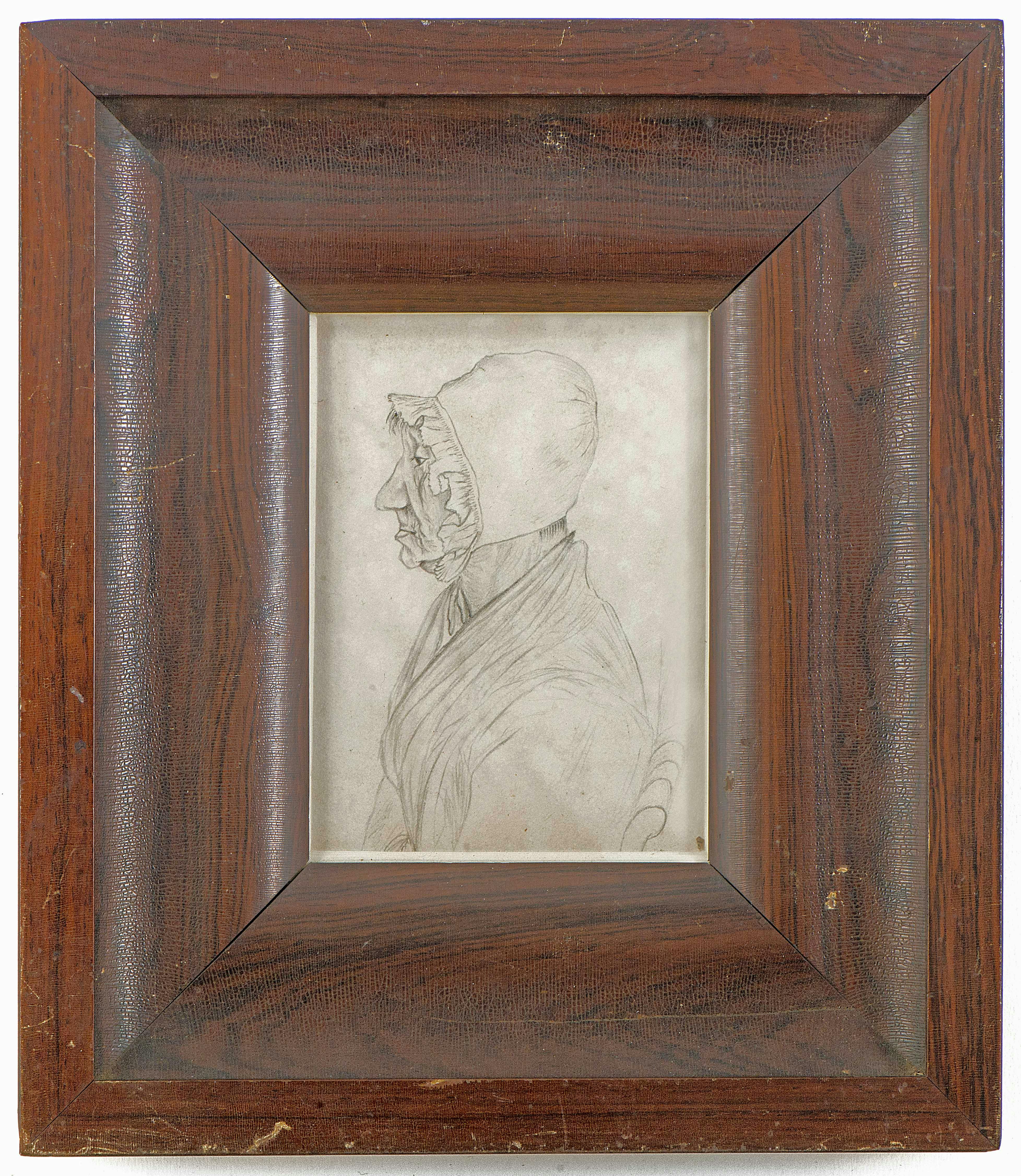
In the early 1770s, slavery was legal throughout the British American colonies. In 1770s New Jersey the enslaved population ranged between 10 and 30 percent, with the larger number of enslaved people in the northern part of the state. Those people of African descent who were free faced widespread prejudices. The laws governing women of color’s lives not only restricted their right to property, but often defined them under the law as property.
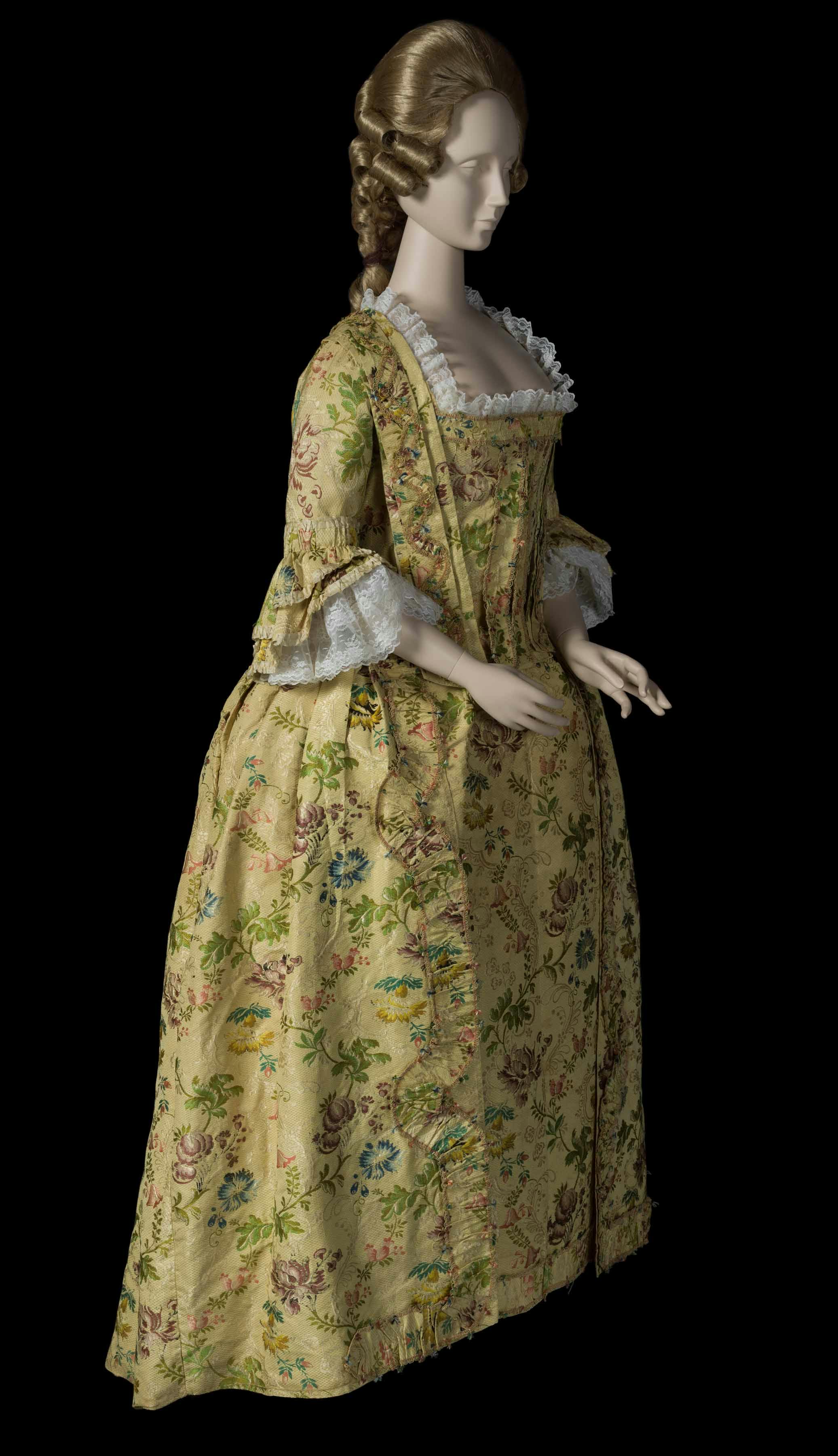
Yet change was coming. Resistance by enslaved people pushed some white Americans to change their attitudes about slavery. In 1775 the first anti-slavery society in America formed in Philadelphia. In 1780 Pennsylvania passed the first gradual abolition act in the United States.
It took until 1804 for New Jersey to adopt any form of gradual abolition, making it the last northern state to do so. In New Jersey many people of African descent lived in slavery, alongside free people of color who owned property and could vote.
A Revolution Led By Women: 1765-1775
Overview
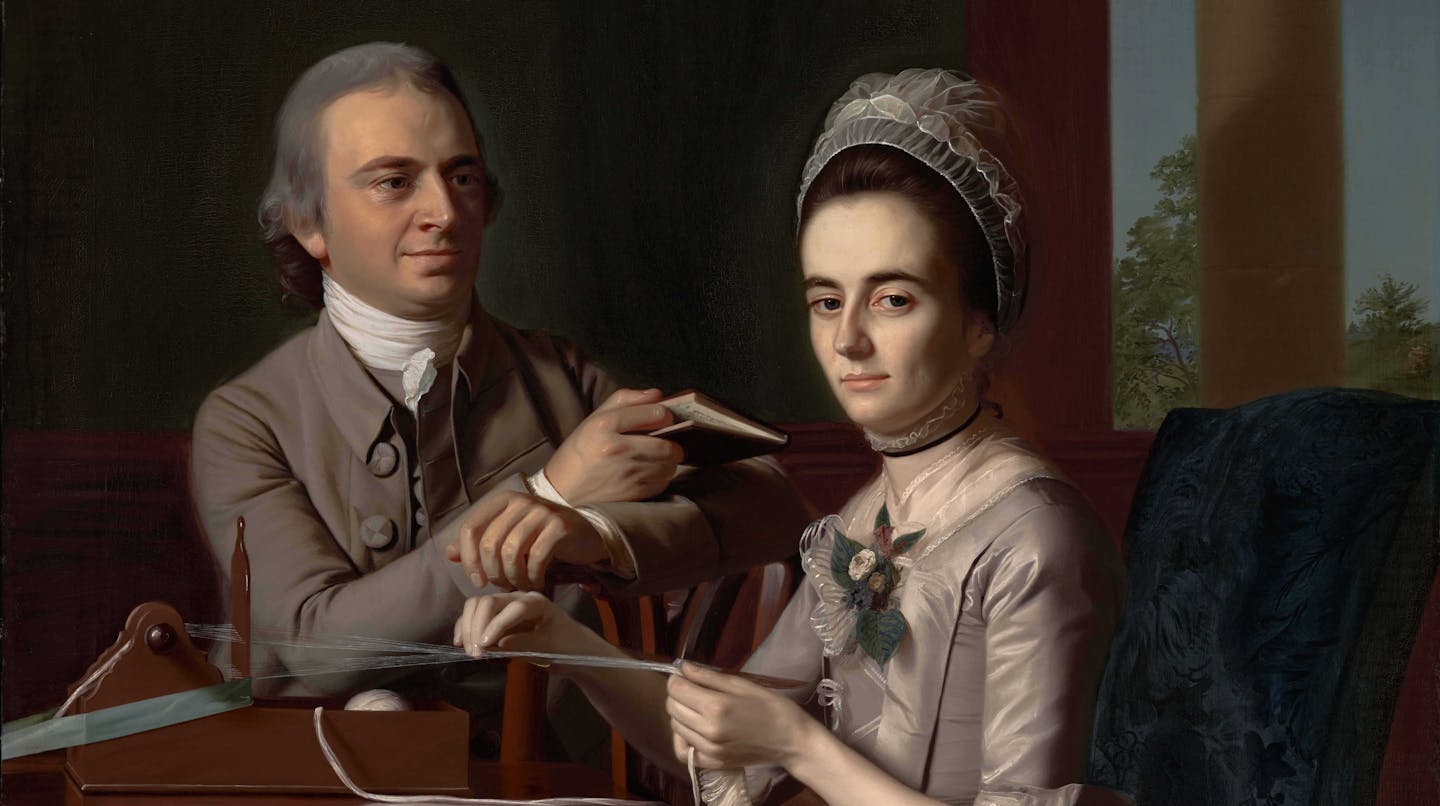
Early in their dispute with British governance, Americans used boycotts to pressure for change. As the chief consumers of household goods, women held the power of the purse. Town meetings and colonial assemblies formalized these boycotts with “covenants” to be signed by the people.
American “Daughters of Liberty” ensured that these boycotts worked. Not only did they make decisions as consumers, but many of them began producing “homespun” alternatives to British imports. Sometimes “Daughters of Liberty” also joined the “Sons of Liberty” to threaten merchants who refused to participate in boycotts.
Women’s role in these boycotts, however, made some women resent the limits that colonial laws placed on women to own property or act politically.
Women and “No Taxation Without Representation”
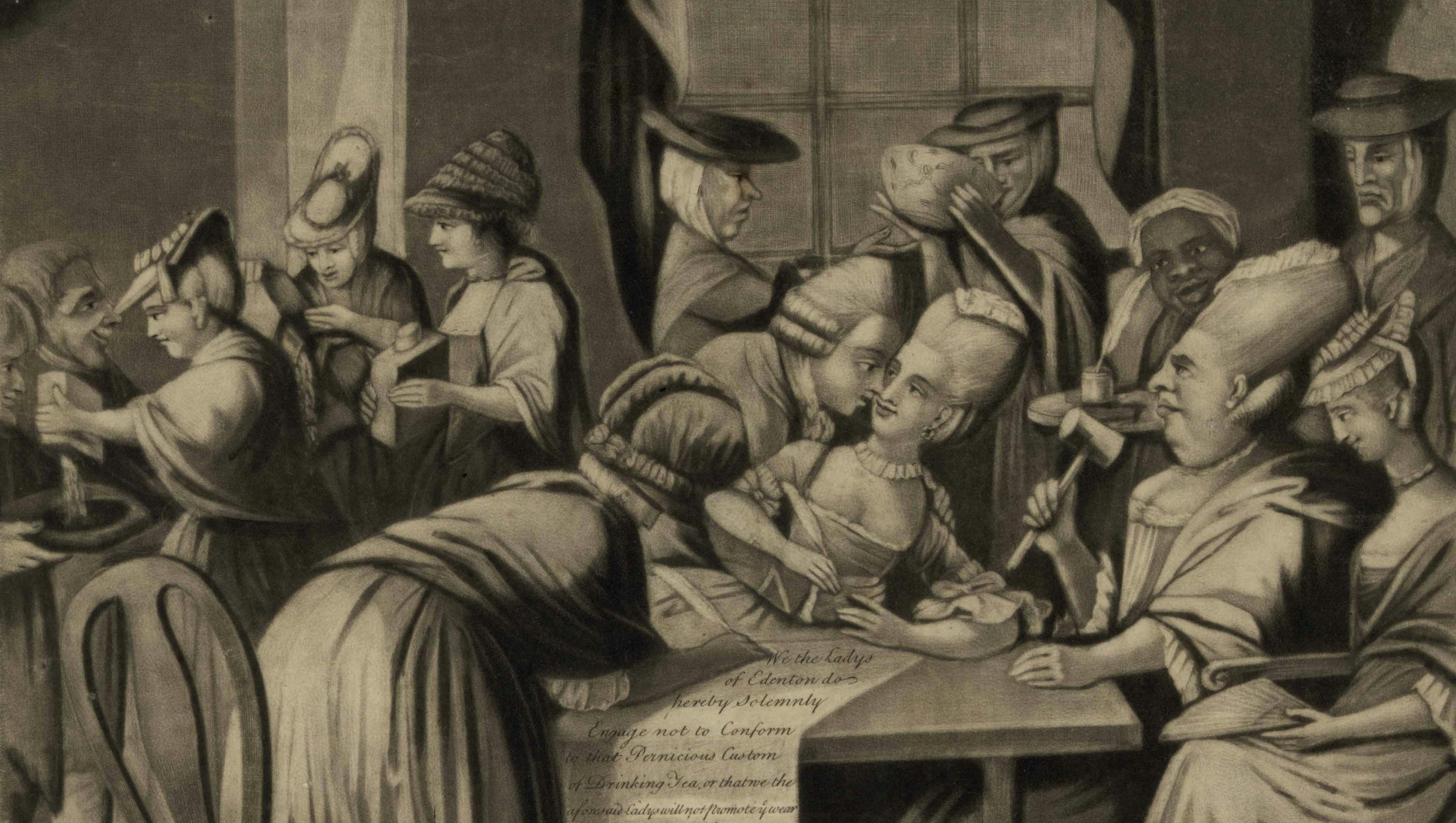
Though “Daughters of Liberty” struggled alongside “Sons of Liberty” to secure their rights, married women were generally excluded from those same rights in their own households.
One rally cry for resistance to British governance in the 1760s and 1770s was “no taxation without representation.” By this, they meant that the British Parliament could not tax Americans because that legislature did not have any American representatives.
The American resistance placed a great deal of emphasis on property rights, but marriage laws prevented most married women from enjoying property rights. In the British colonies, married women generally could not own property. Whatever property a bride brought to the union became her husband’s for the duration of the marriage. The legal term for this was “coverture” or femme coverture.
Coverture restricted married women from writing and signing contracts, suing, owning real estate or movable property, or earning their own money. It implied a woman’s legal “covering” after marriage – that her husband took over her legal, economic, and political identity.
There were exceptions. Prenuptial agreements, marital settlements, deeds of gift, and trusteeships all served to protect property that women brought into a marriage.
Even with limits on their own property rights, women found ways of defending colonial principles. Some political women in the colonies increasingly became upset about the contrast between the colonial fight for property rights and their own exclusion from property holding.
All the Single Ladies
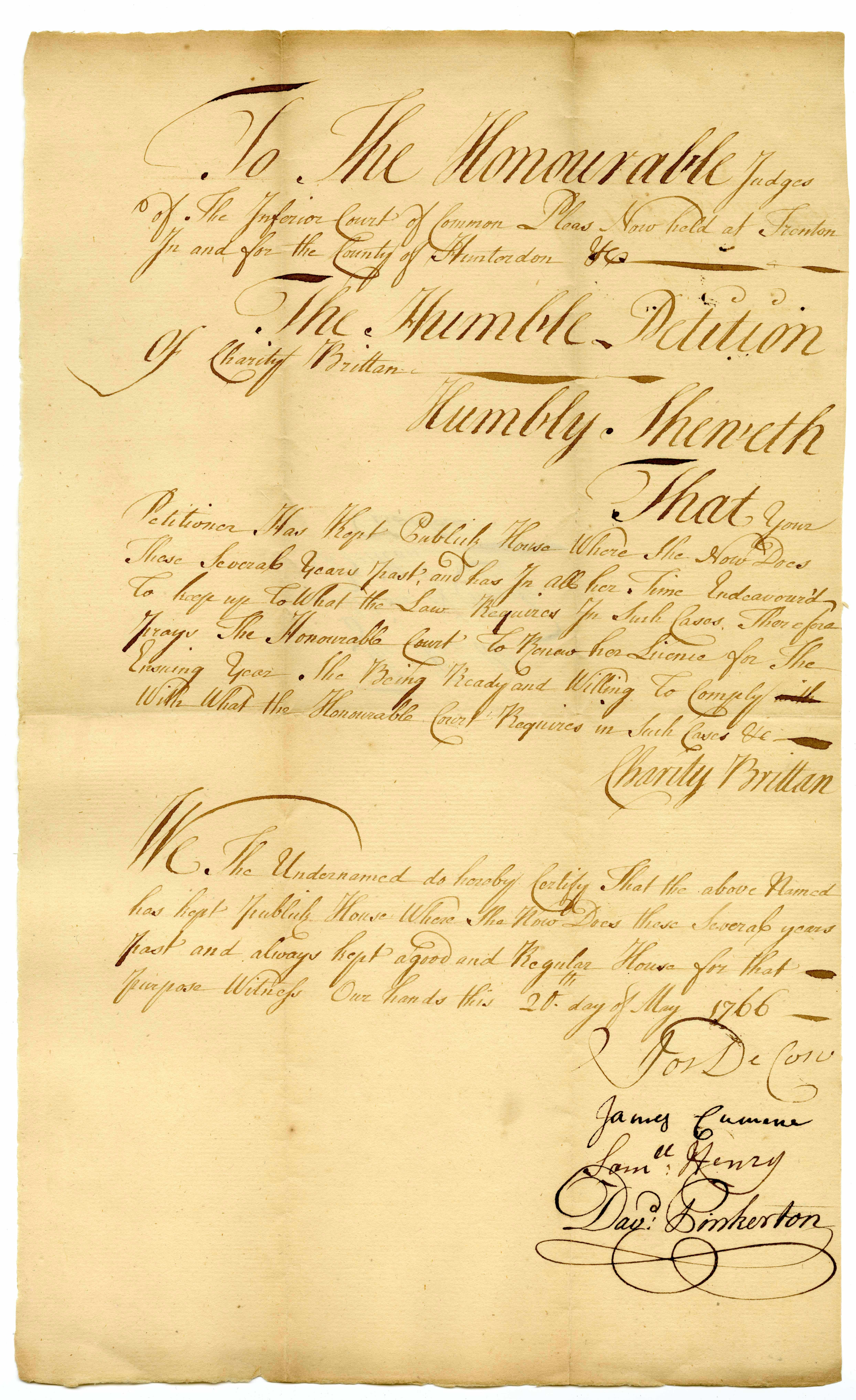
In contrast to married women, free single women could own property and make contracts. The term for this was femme sole. In the British colonies, these women possessed the same legal status as men, enabling them to serve as the heads of their households, own their own businesses or property, and pay taxes. But there was one exception — they could not vote. Therefore, they could not consent to taxation through elected representatives.
Hannah Griffitts, a Philadelphia Quaker and poet, celebrated women’s resistance to British taxation policies in her 1768 poem, The Female Patriots. As an unmarried woman, Griffitts questioned any authority that prevented women from exercising their personal choice, including marriage.
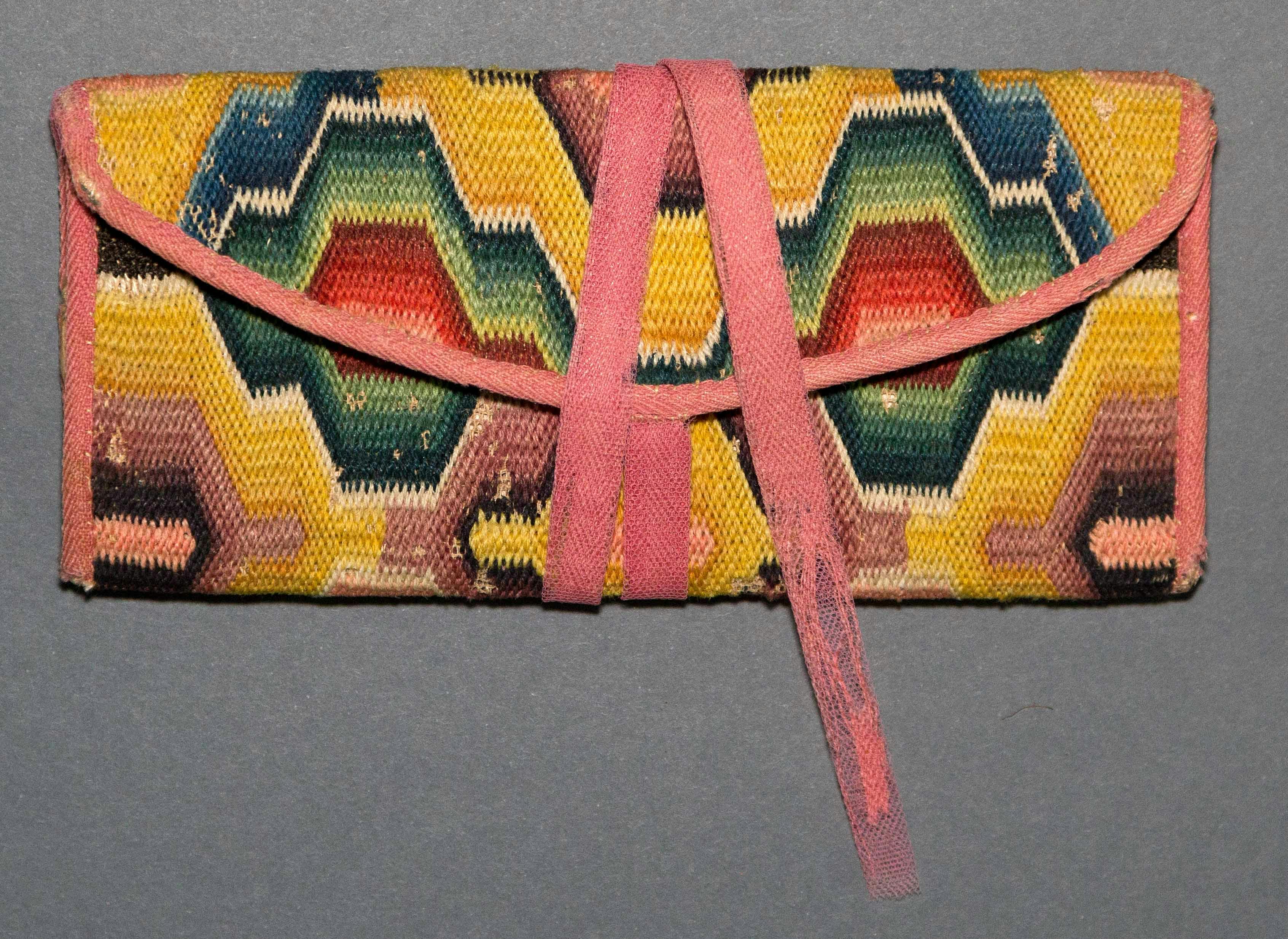
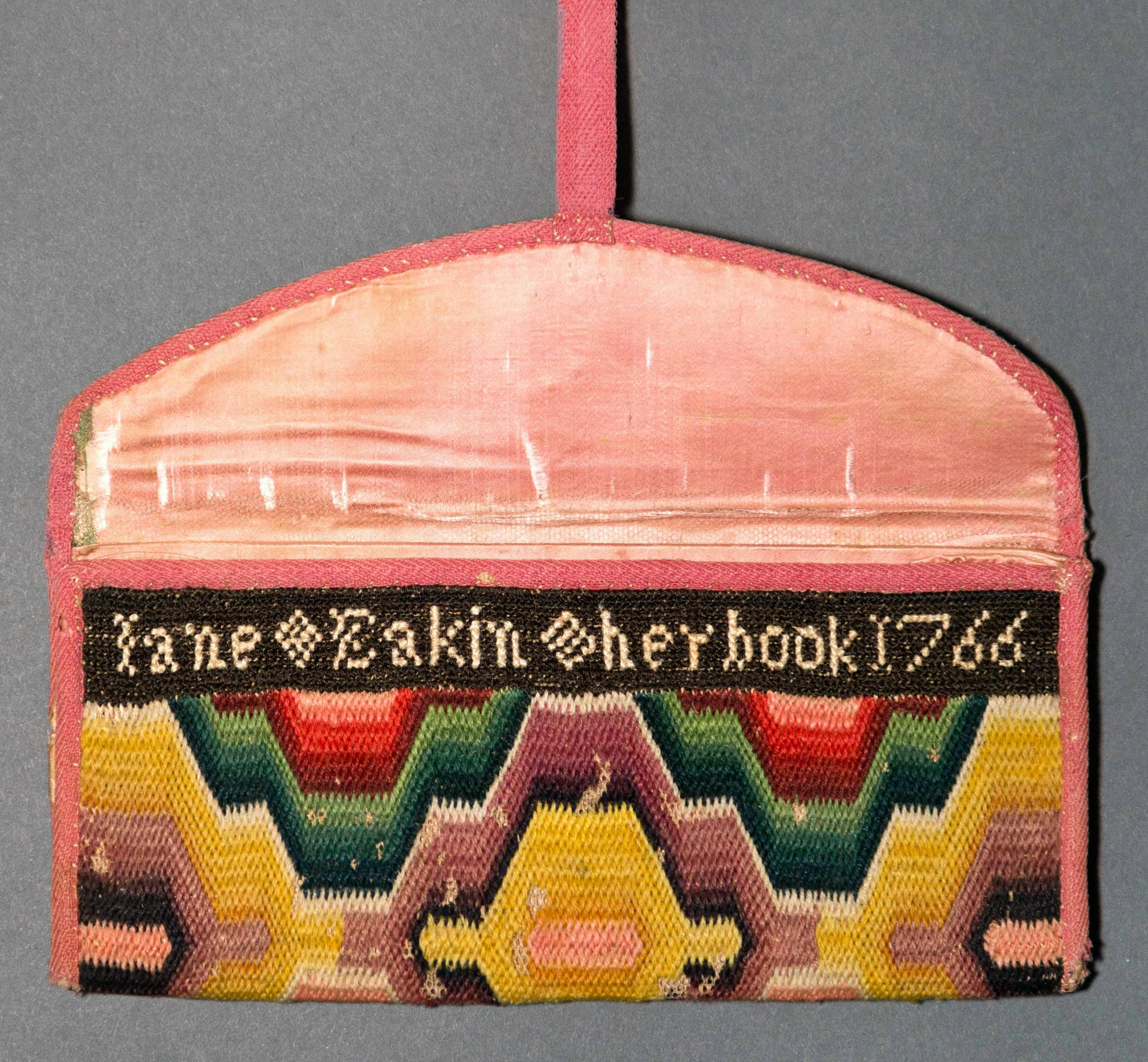
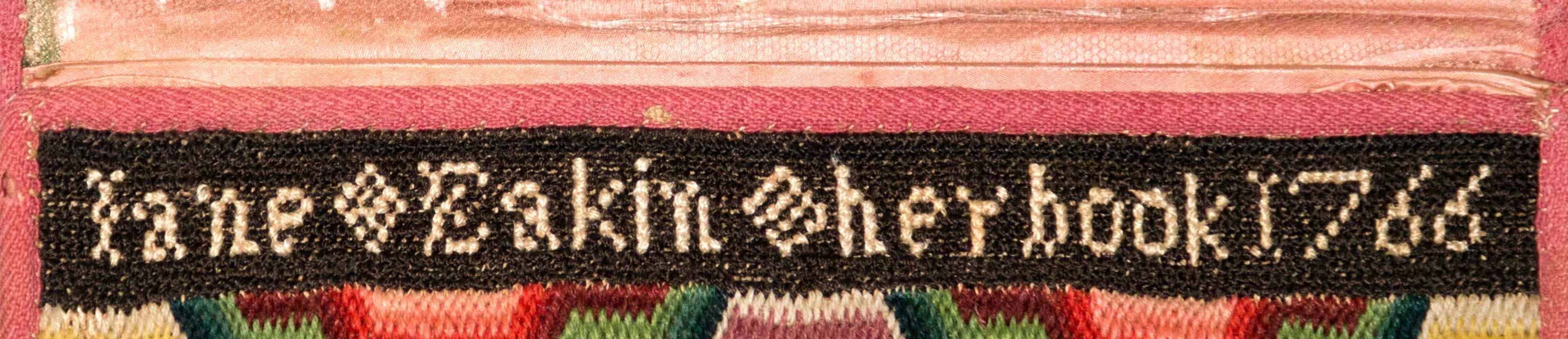
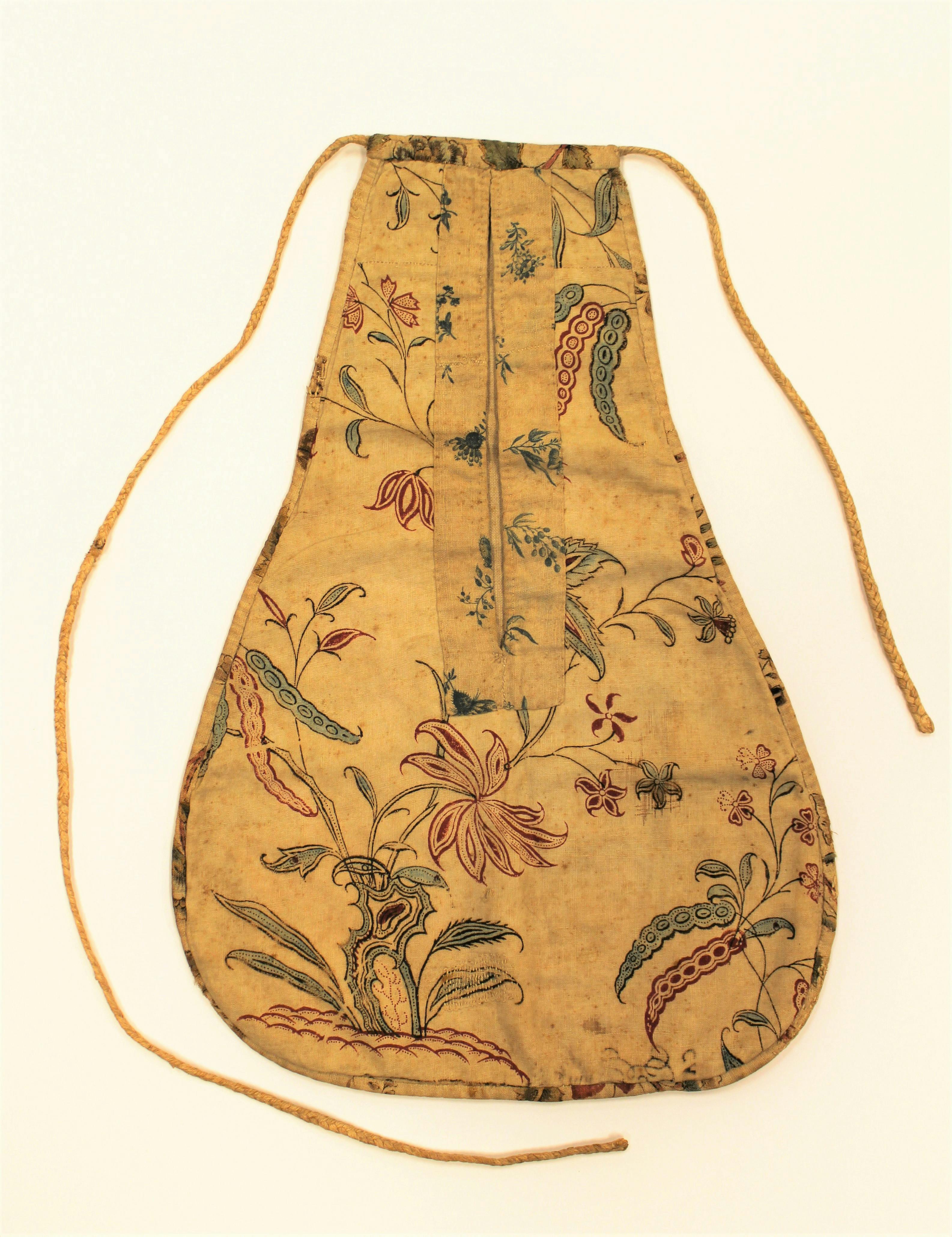
Women often carried pocketbooks and wore pockets under their petticoats or garments, which allowed them to carry paper currency and other personal items with them. Pocketbooks and pockets belonged to women of varying marital statuses, demonstrating that single, widowed, and even married women carried what Abigail Adams referred to as money “I call my own.”
Under the New Jersey State Constitution, femme sole women that owned property equating to 50 pounds were eligible to vote. While some married women were able to find loopholes within coverture and dower laws, single women in New Jersey—and other states—remained some of the only white women not bound by these principles and were permitted to own property free of legal restrictions.
March 1776: Abigail Adams Speaks for Women’s Rights
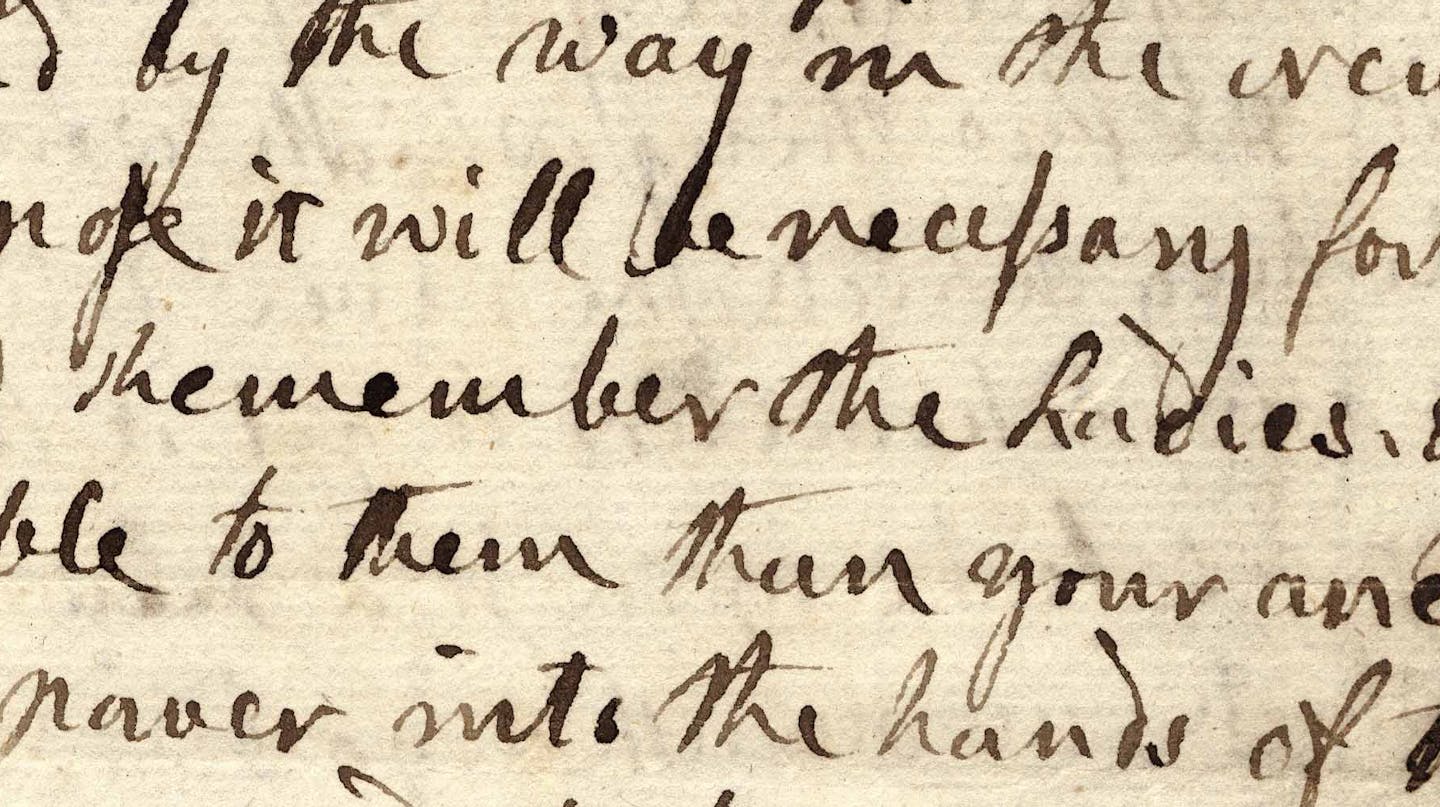
Abigail Adams made perhaps the most famous statement in defense of women’s rights of the American Revolutionary era: “Remember the Ladies.”
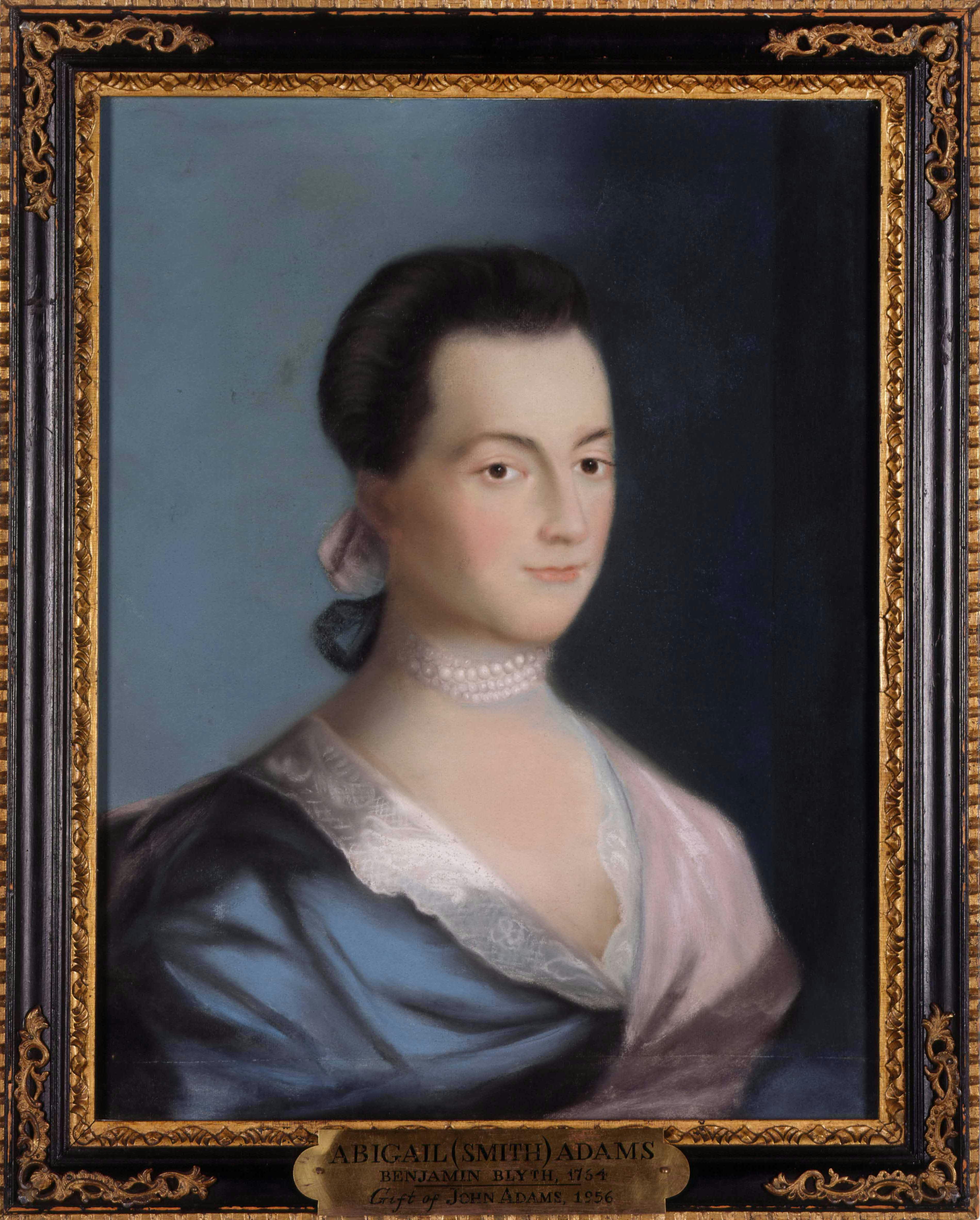
On March 31, 1776, Abigail Adams wrote these lines from Braintree, Massachusetts, to her husband John Adams, a member of the Continental Congress in Philadelphia. “In the new code of laws” of the Revolutionary governments, she urged, “Do not put such unlimited power into the hands of the husbands.” Ladies like her, Abigail wrote, “will not hold ourselves bound by any laws in which we have no voice or representation.”
Some have interpreted Adams as calling for the vote with her reference to representation. Many historians believe she was advocating for more property rights and other legal protections for wives within a marriage. Both were important safeguards of women’s citizenship.
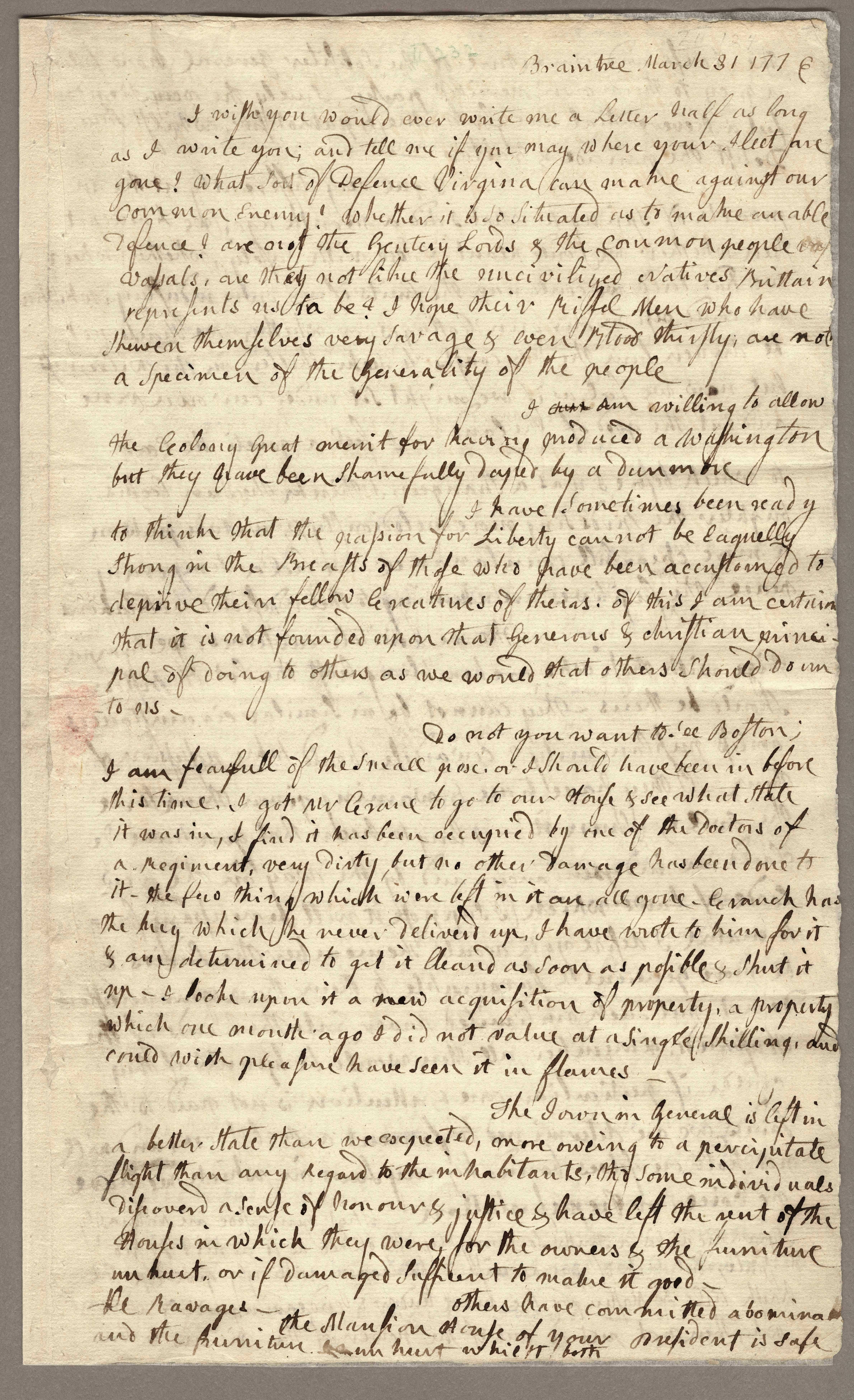
Abigail’s letter clearly connected the fight against the tyranny of the British king to women’s, and more specifically wives’, fight against the tyranny of husbands and long-standing laws that limited women’s rights.
April 1776: John Adams Mocks Abigail Adams

“I cannot but laugh,” John Adams replied to Abigail Adams’s now-famous call for women’s rights. “We know better,” he said, “than to repeal our Masculine systems.”
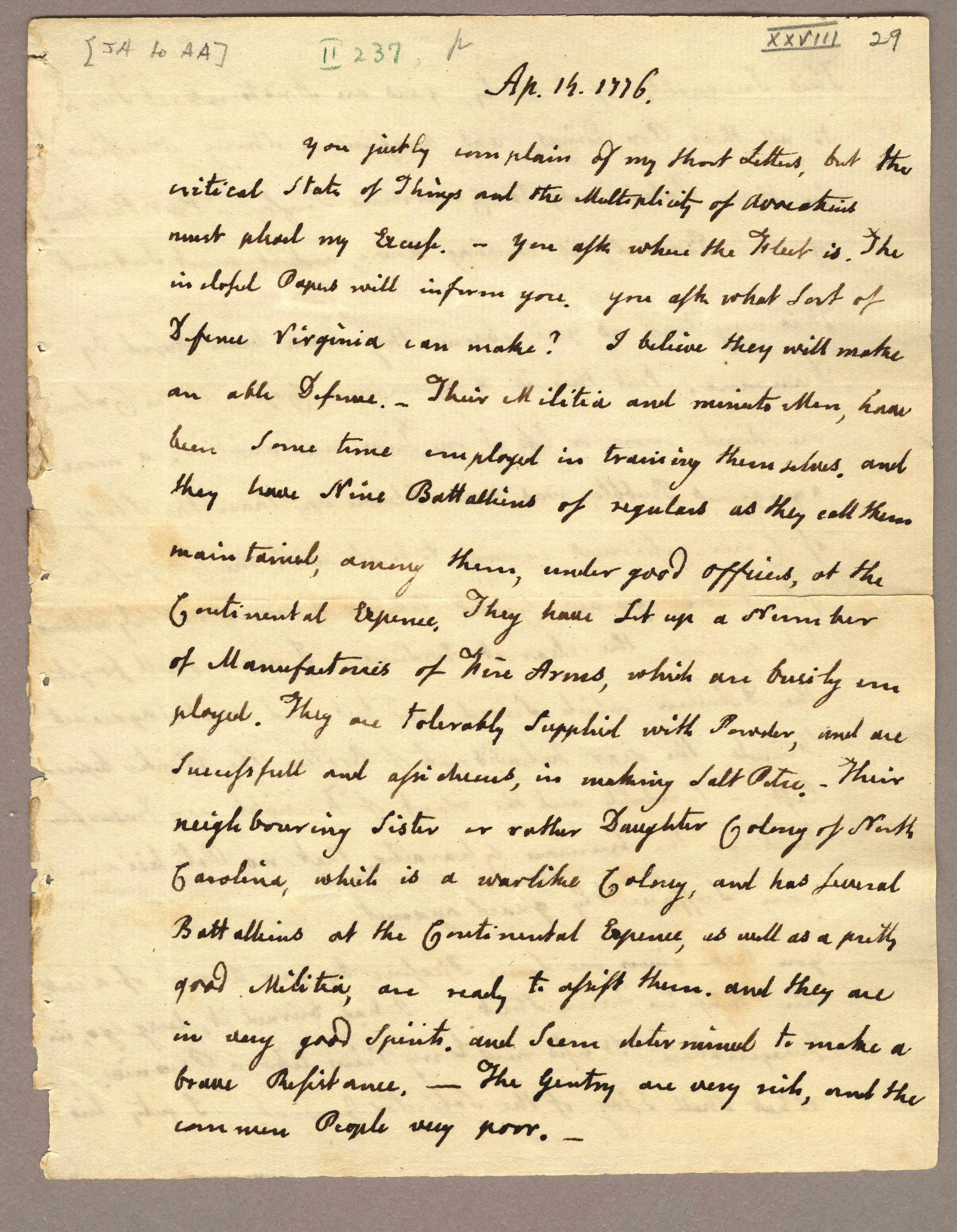
Abigail equated her cause to that of Native people and people of African descent who were fighting for their own rights and equal treatment, causes John also dismissed. Women, he laughed, were a more “numerous and powerful” group and appeared to also have “grown discontented.” If women demanded representation, he suggested, maybe the Revolution had “loosened the bands of government everywhere.”
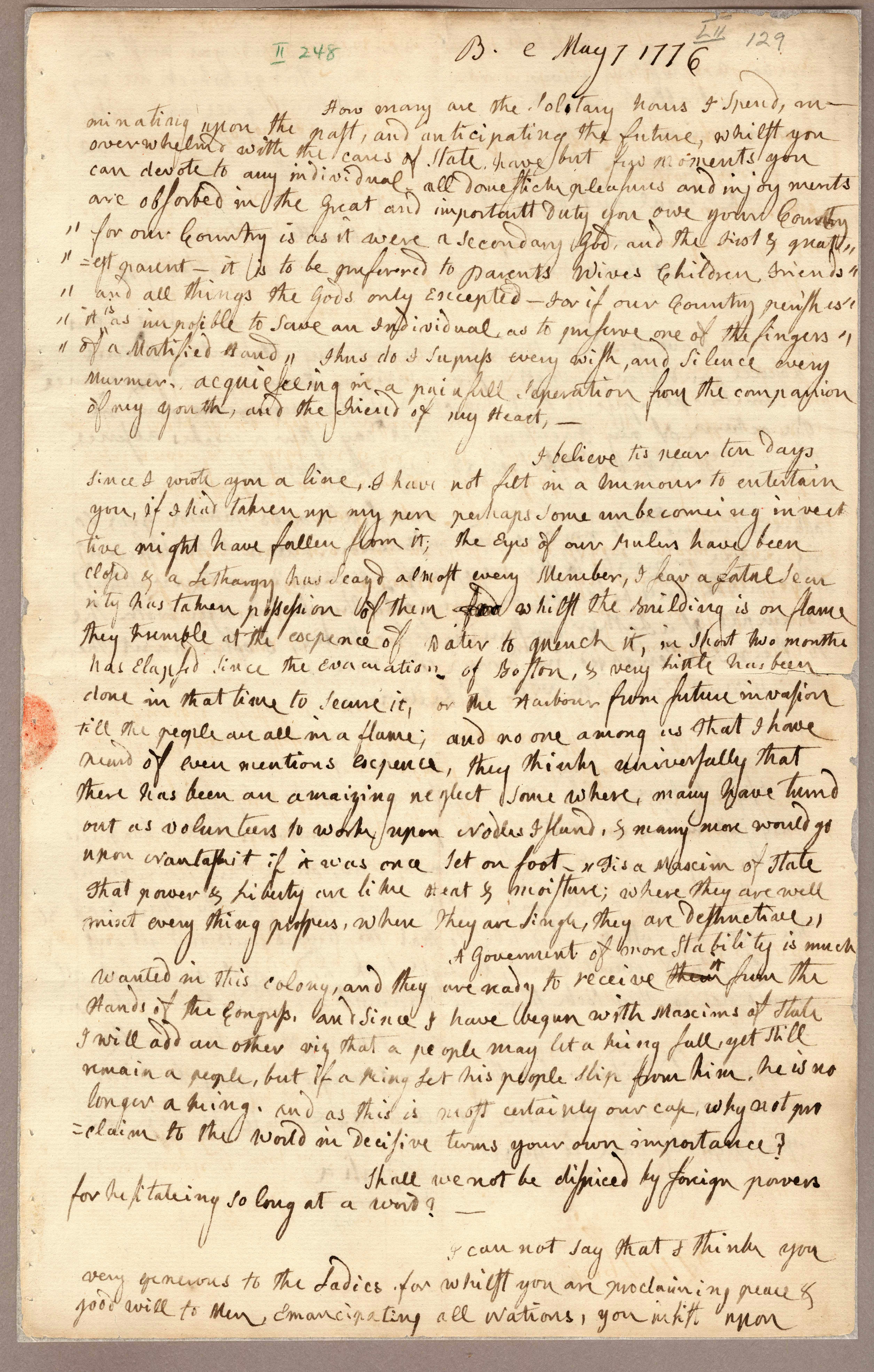
John meant to dismiss Abigail, but his letter only highlighted her foresight. Indeed, women, Native people, and people of African descent would oppose Revolutionaries who oppressed them as they fought to loosen the bands of government around them.
The 1776 New Jersey State Constitution: The Revolutionary “They”
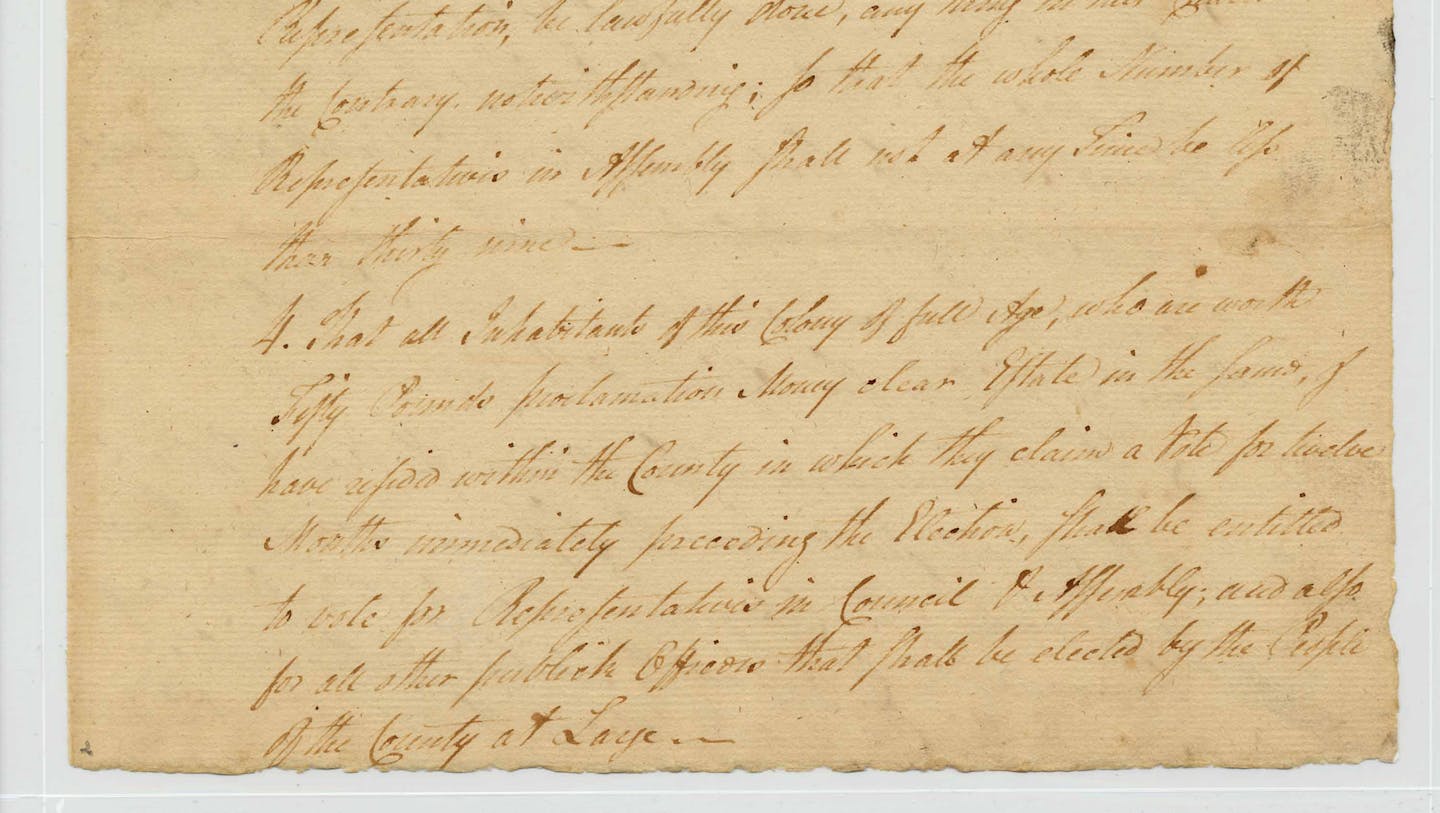
The 1776 New Jersey State Constitution is perhaps the most inclusive state constitution, in terms of race and gender, produced in the United States during the American Revolution. The Provincial Congress of New Jersey adopted the Constitution on July 2, 1776, the same day that the Continental Congress voted for American independence.
New Jersey’s State Constitution was one of nine written constitutions adopted by the thirteen Revolutionary states in 1776. These were some of the first written constitutions in human history. Most of these constitutions did not include a racial requirement for voting, but New Jersey’s was the only one to allow women to vote.
While most of the New Jersey State Constitution used a male pronoun when referring to its residents and citizens, the electoral statute used the unspecific pronoun “they” in its section on voter eligibility, permitting men and women, Black or white, to vote.
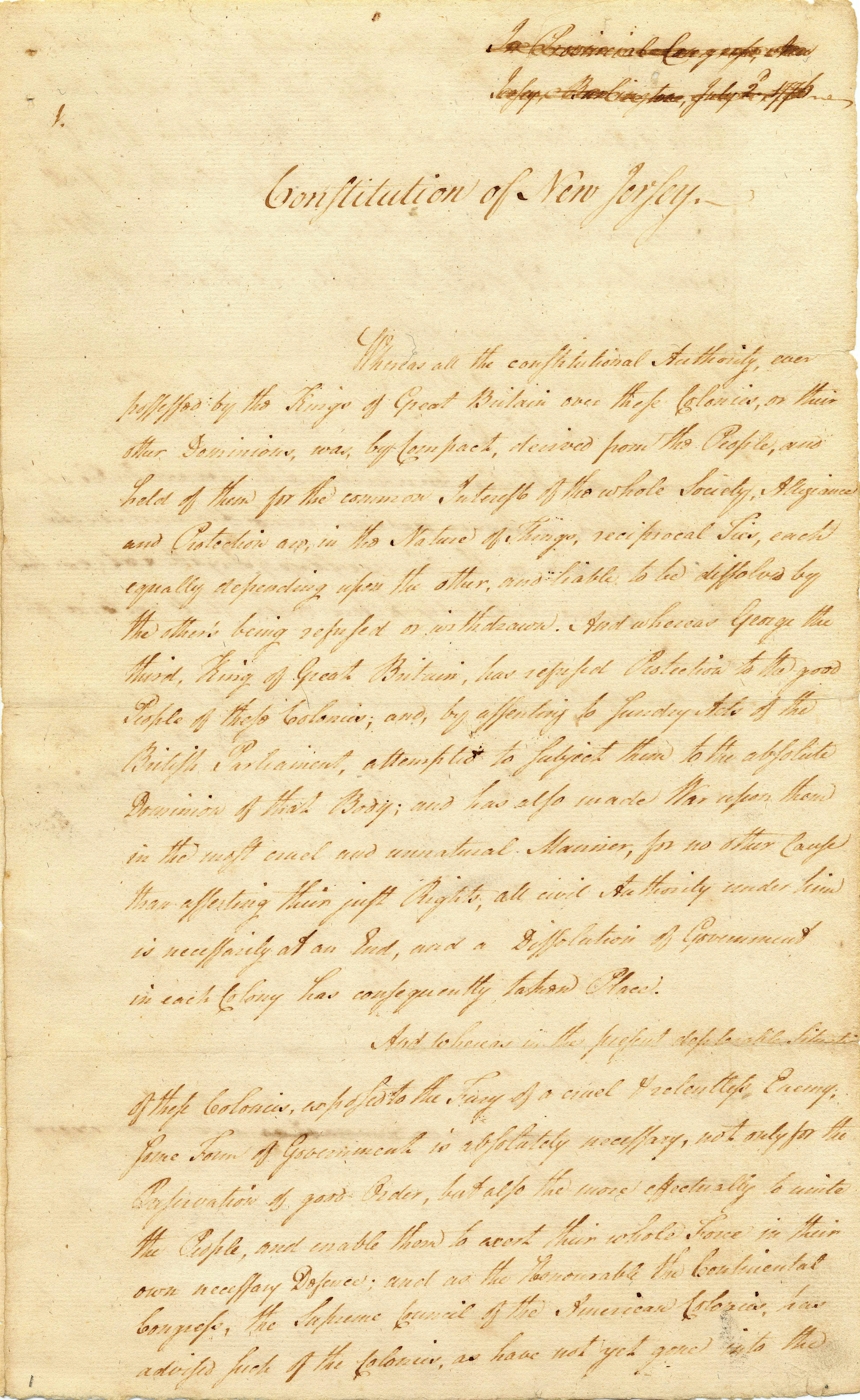
The Constitution did limit the vote to property owners. Only those possessed of “fifty pounds proclamation money clear estate” could vote. Proclamation money simply meant currency. It was a term first used in New Jersey law in 1704. The value of 50 pounds changed radically with inflation. In 1806, it was about the value of three horses, or eight cows.
It is possible that legislators assumed the property requirement would exclude most married women and people of color. But they had created an opening that political and patriotic women worked hard to fill.
The Hidden Inequalities of the New Jersey State Constitution
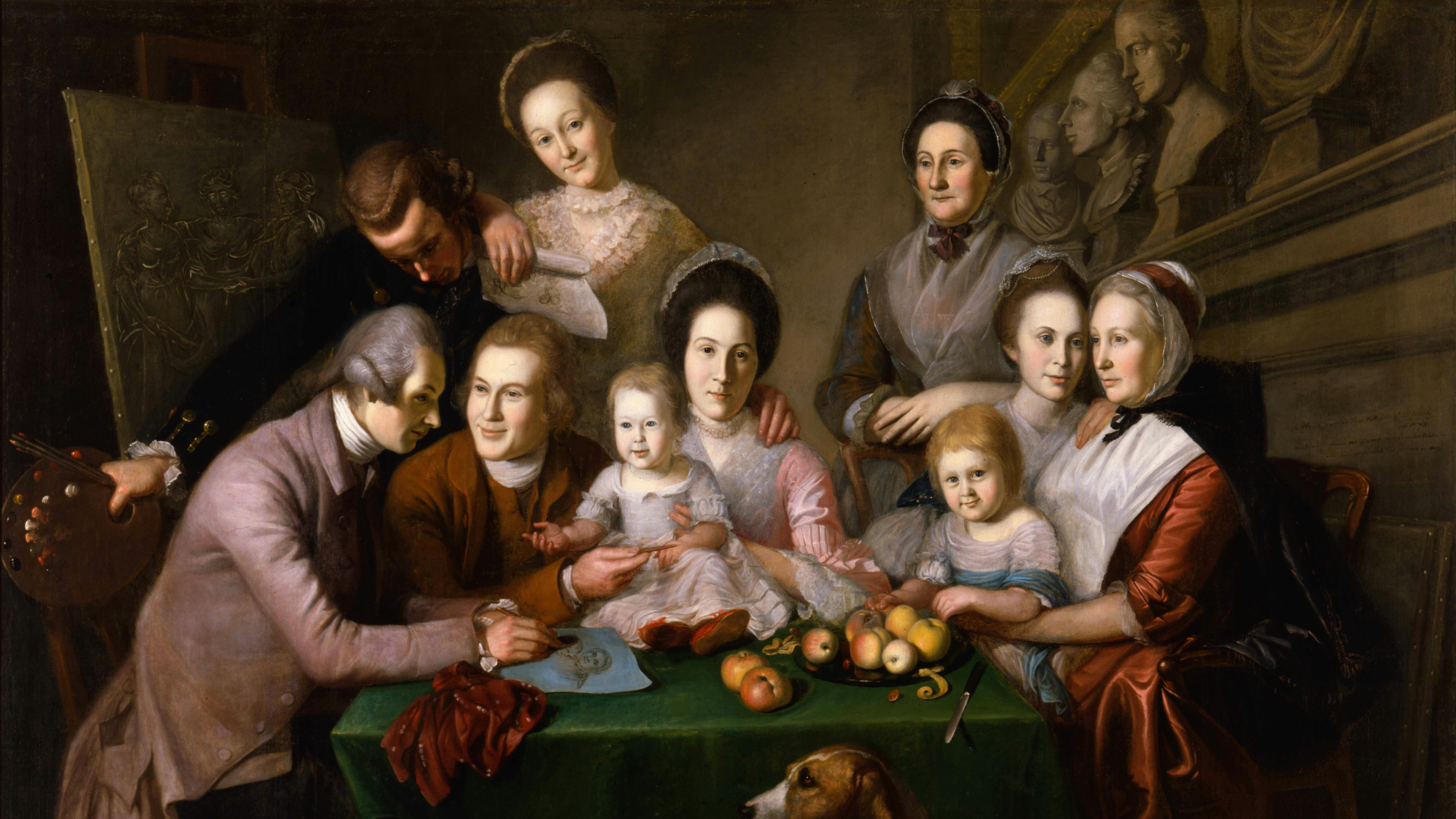
Though written without any gender or racial requirement for voting, the New Jersey Constitution nevertheless discriminated against women and people of color. The property requirement disproportionately excluded more women than men and more Black people than white. That was because married women typically could not meet that requirement under “coverture.” Meanwhile, most people of African descent in the state were enslaved. Enslaved people typically could not own property, certainly not enough to meet a 50 pound requirement.
But how that law was actually applied on the ground changed over time. Manuscript poll lists from the early-19th century reveal a complex story where these boundaries based on race and gender may have been deliberately contested by voters in the Early Republic.
Women in Wartime
Overview
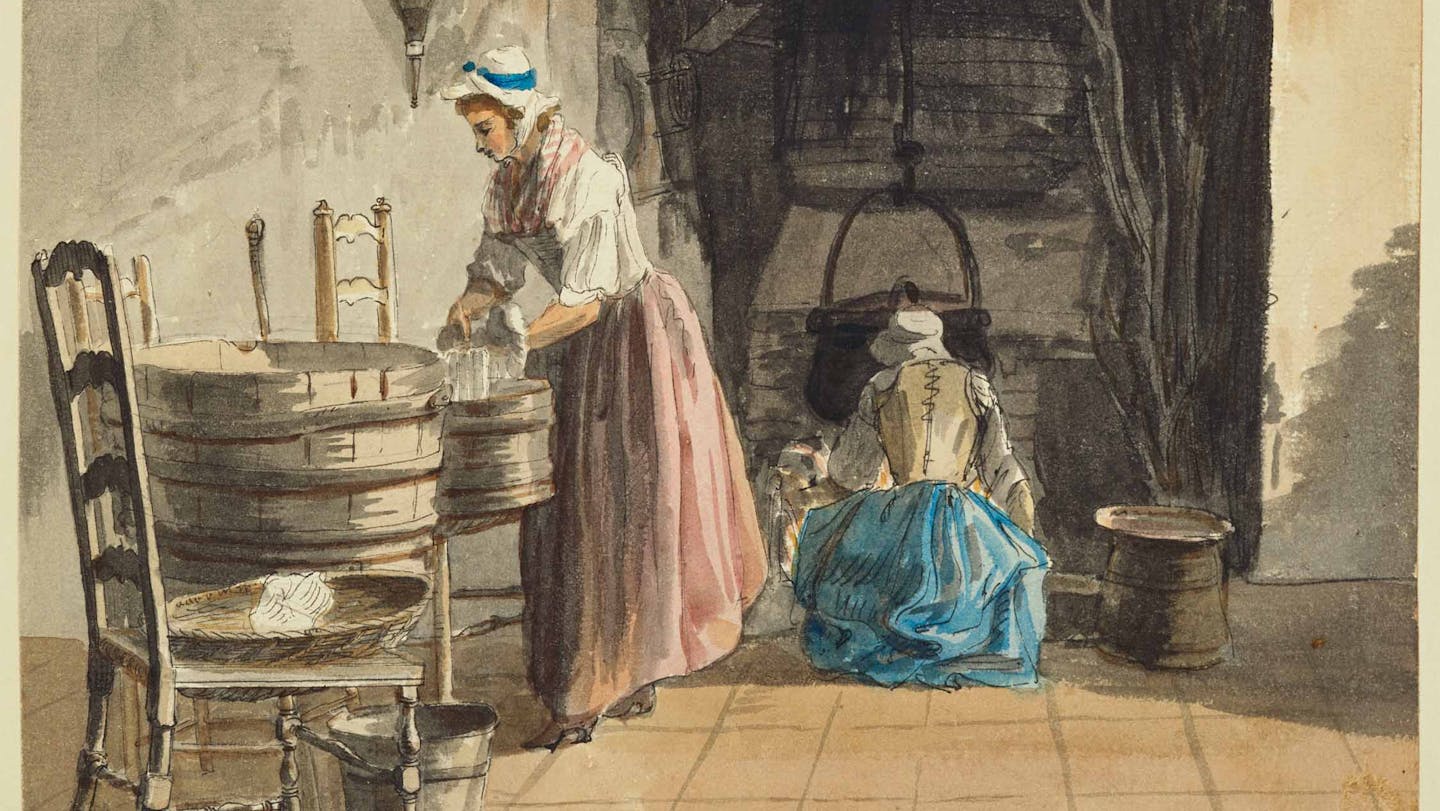
The New Jersey Constitution of 1776 created an opening for women to vote, and the logic of the Declaration of Independence’s call for equality opened the door to more women in politics. But women’s actions during the war helped secure these ideas and grow them into voting rights for the next generation.
Women were crucial to the creation of community during the war, even in the midst of the disruption and civil strife of the Revolution. Their revolutionary actions helped open discussions of voter eligibility for women in states like New Jersey.
The women of America have at last become principals in the glorious American Controversy. – Benjamin Rush to John Adams, July 13, 1780
Alongside property, political allegiance to the new nation and sacrifices for the public good became important credentials for citizenship and political responsibility. Many women demonstrated their citizenship and political convictions with great sacrifices for the American cause. Meanwhile some women grew in political and economic power amidst the political conflict.
Women Fighting Throughout the Nation
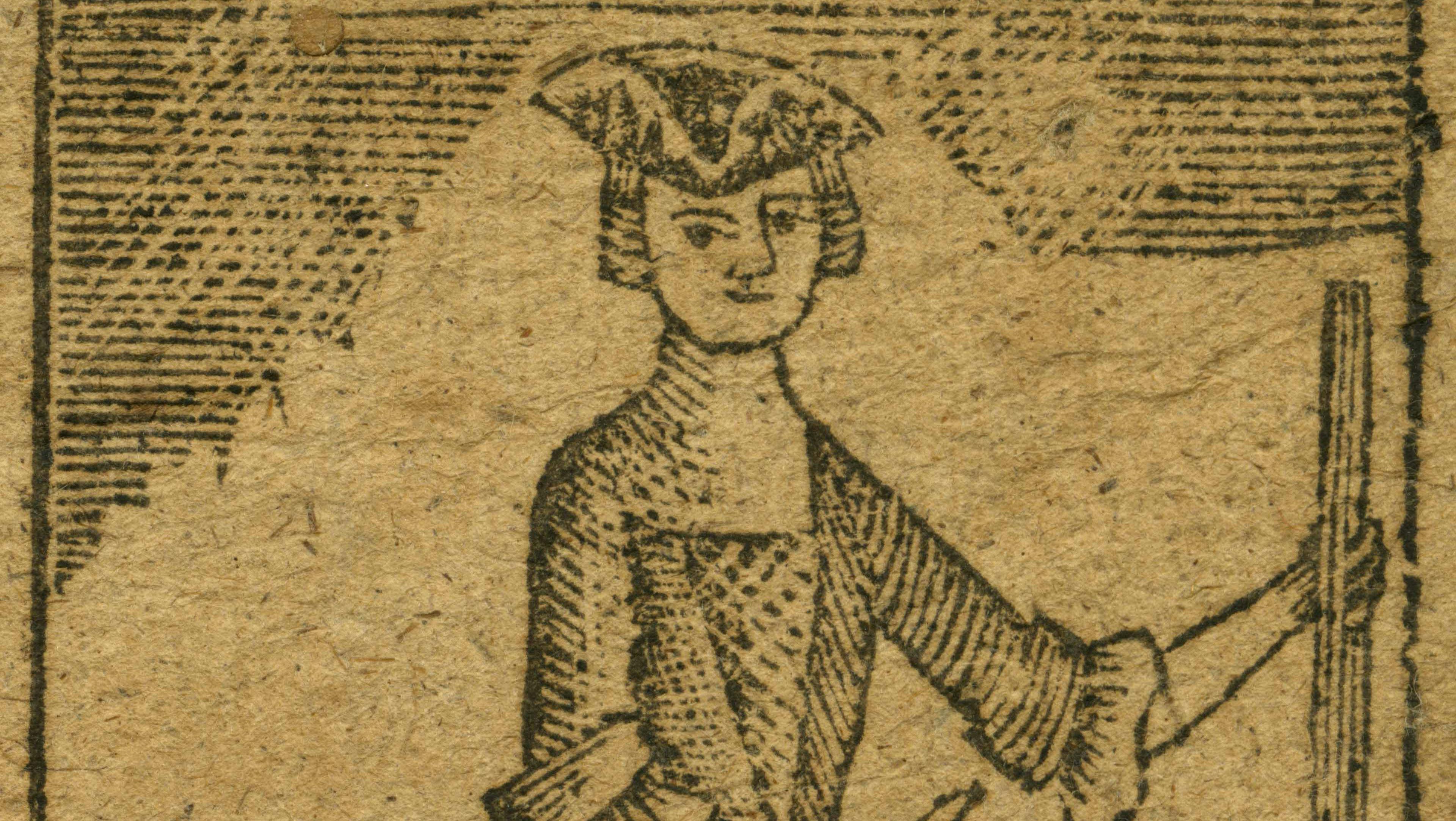
Women served in combat during the Revolutionary War. They defended their homes from attack, acted as spies, and hundreds, if not thousands, followed the army in the field. Though women were prohibited from serving as soldiers or officers in the army, a few successfully disguised themselves as men and enlisted in the Continental Army.
Women provided important support and information throughout the war. Their stories speak to American women’s ability to contribute to the Revolution without openly challenging expected gender roles of the time.
Deborah Sampson: Female Soldier
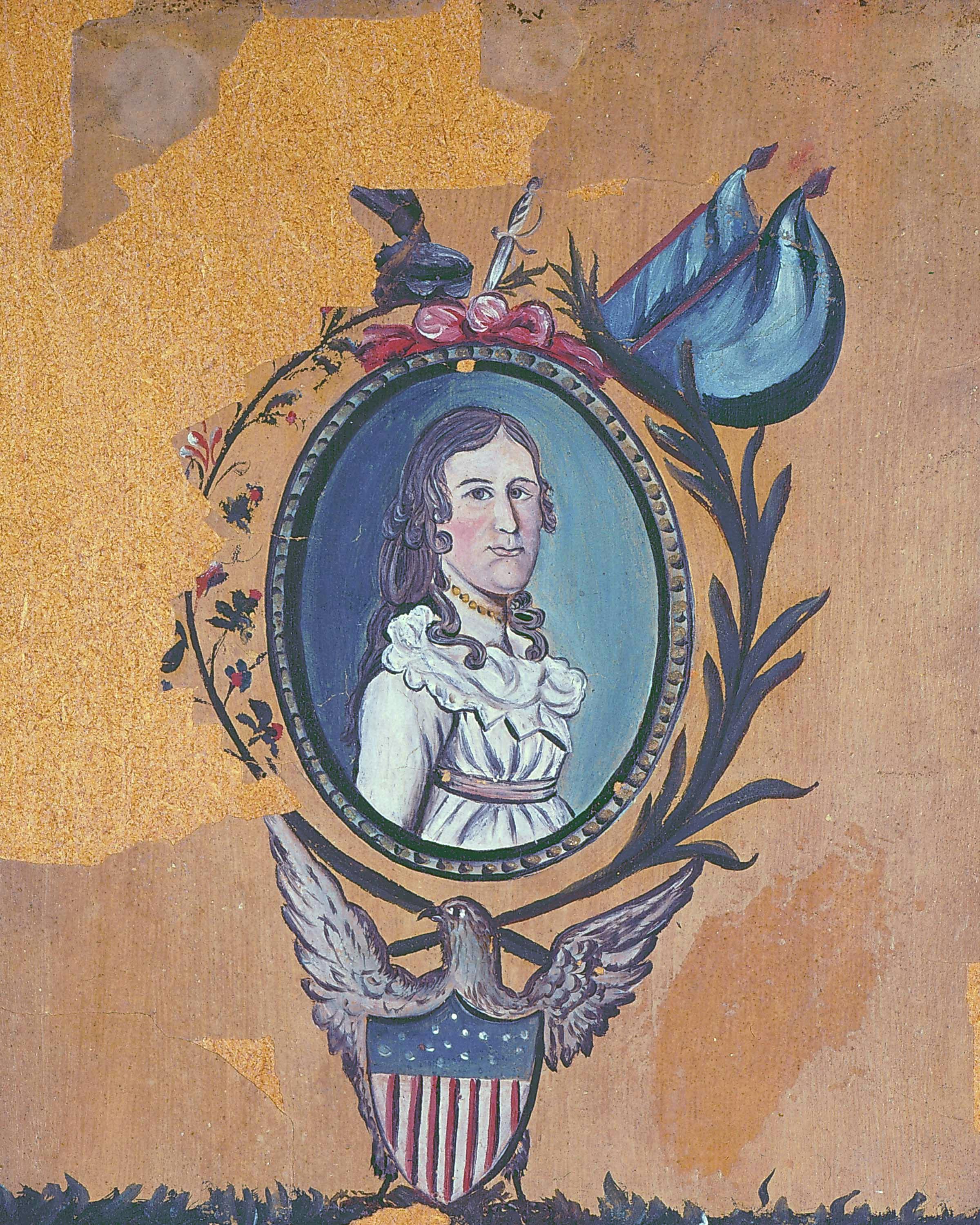
The painting above inspired the frontispiece of Deborah Sampson’s memoir, the Female Review, published fifteen years after Sampson’s service. In the image and text of her book, Sampson carefully navigated a line between celebrating service and reassuring readers of her proper gender behavior, which she highlighted by wearing a gown in her portrait.
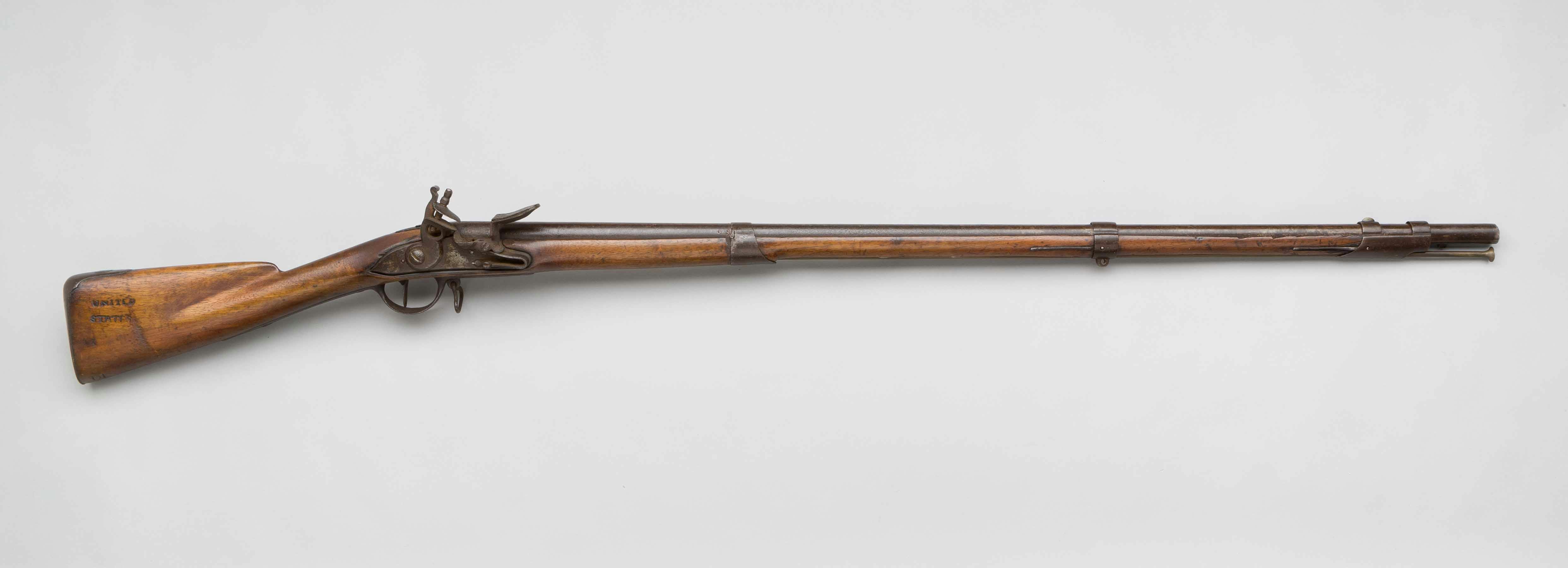
Near the end of the war in 1782, a Marshfield, Massachusetts, woman named Deborah Sampson dressed in men’s clothes and successfully enlisted in the 4th Massachusetts Regiment of the Continental Army. She served under the name “Robert Shurtliff.” Sampson fought as part of the army’s light infantry, suffering multiple wounds. When she was hospitalized due to an illness, a doctor identified Sampson as female. She was the only woman to receive an honorable discharge from the Continental Army, and newspapers described Sampson as an example of female virtue and patriotism.
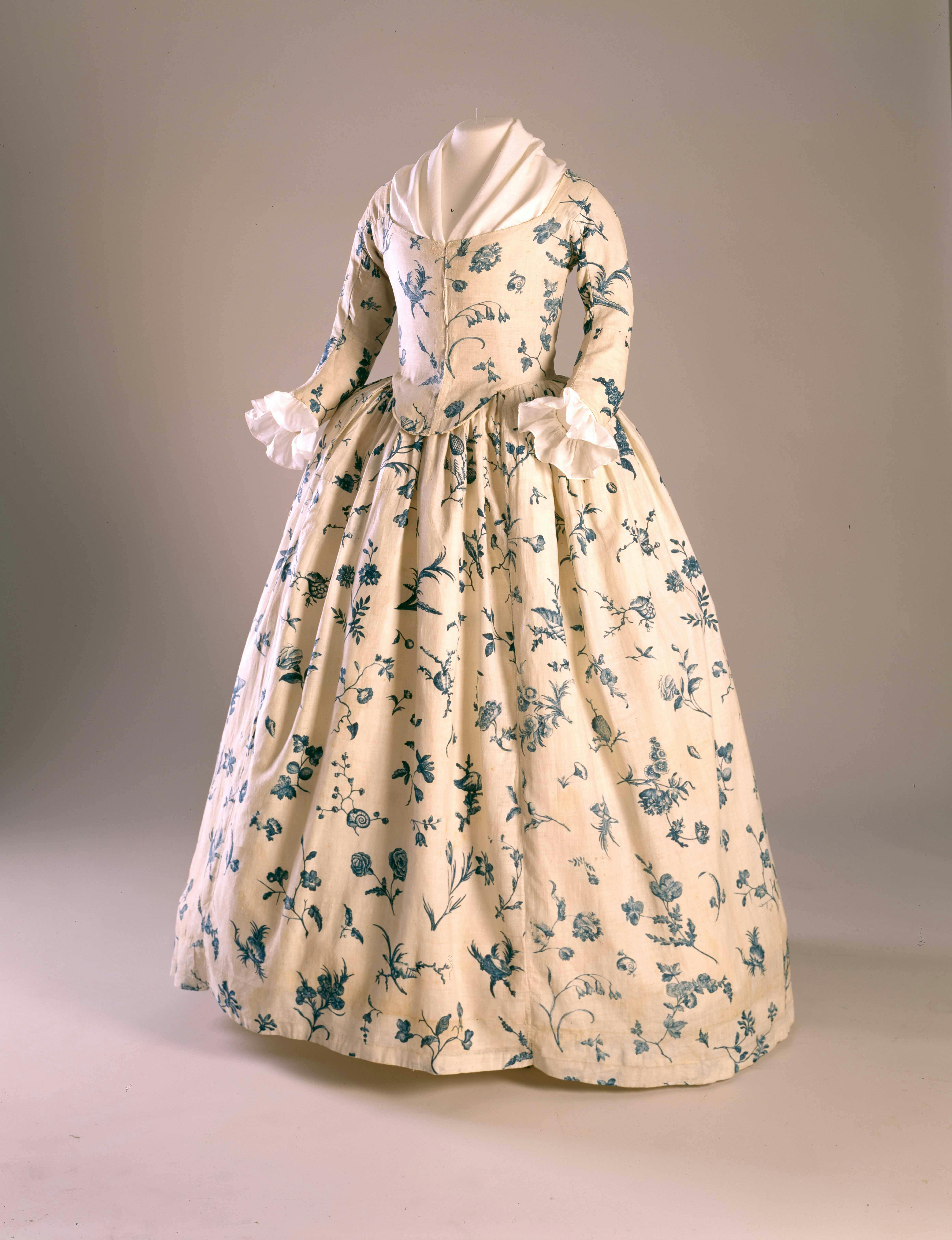
After the war, in 1785, Sampson returned home and married Benjamin Gannett. In 1797, she became a minor celebrity when a book about her military service called The Female Review (1797) appeared in print. Sampson went on a speaking tour and performed military exercises on stage.
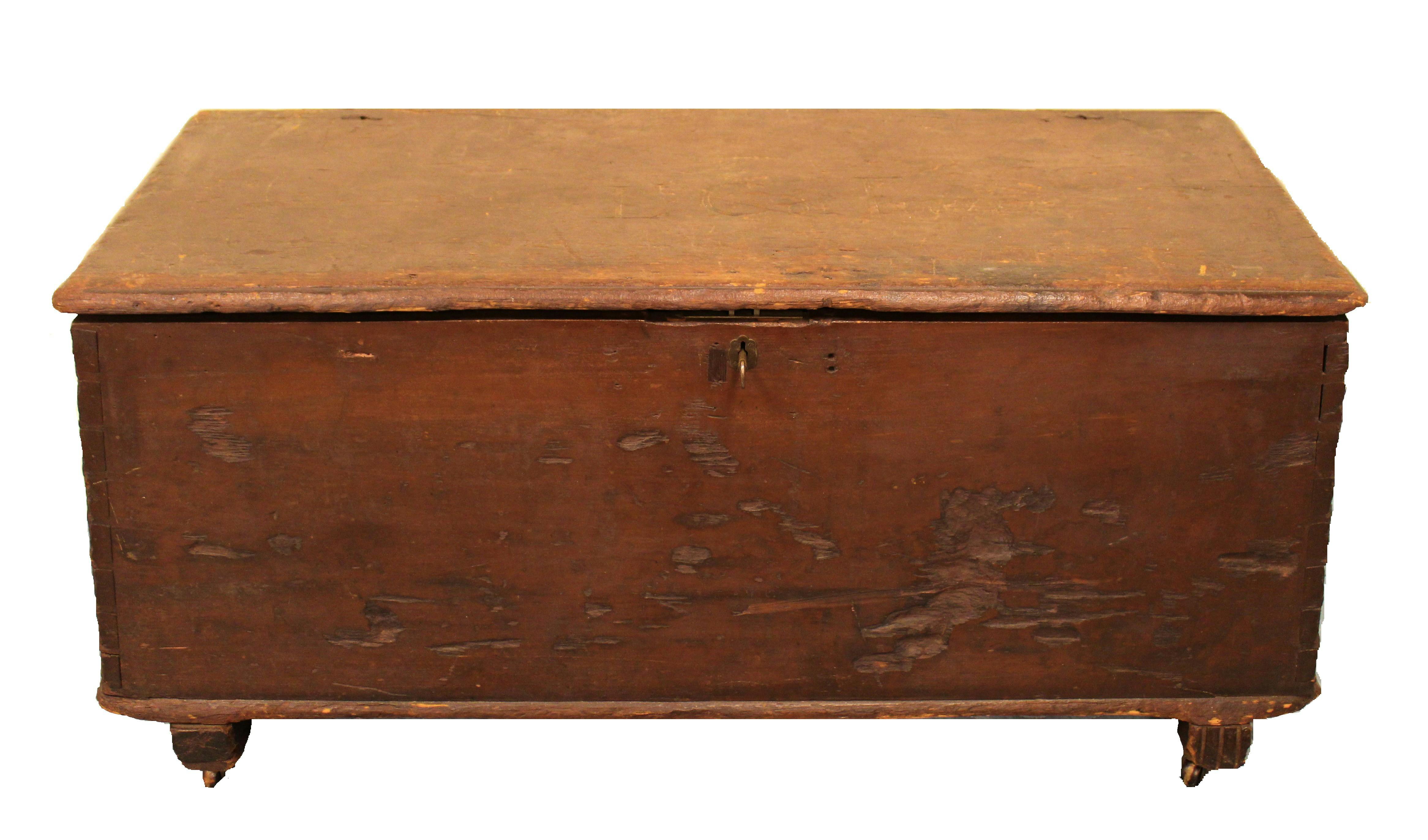
Some women served as spies during the Revolution. On October 9, 1777, Mary “Polly” Frazer delivered supplies to her husband, Major Persifor Frazer of the 5th Pennsylvania Regiment. He was imprisoned at the Pennsylvania State House after being captured by the British Army at the Battle of Brandywine. She snuck a letter that Persifor gave her during their meeting out of prison in the lining of her petticoats, crossed the British lines, and delivered it to General Washington at Valley Forge. The letter alerted Washington of the poor conditions of the American prisoners.
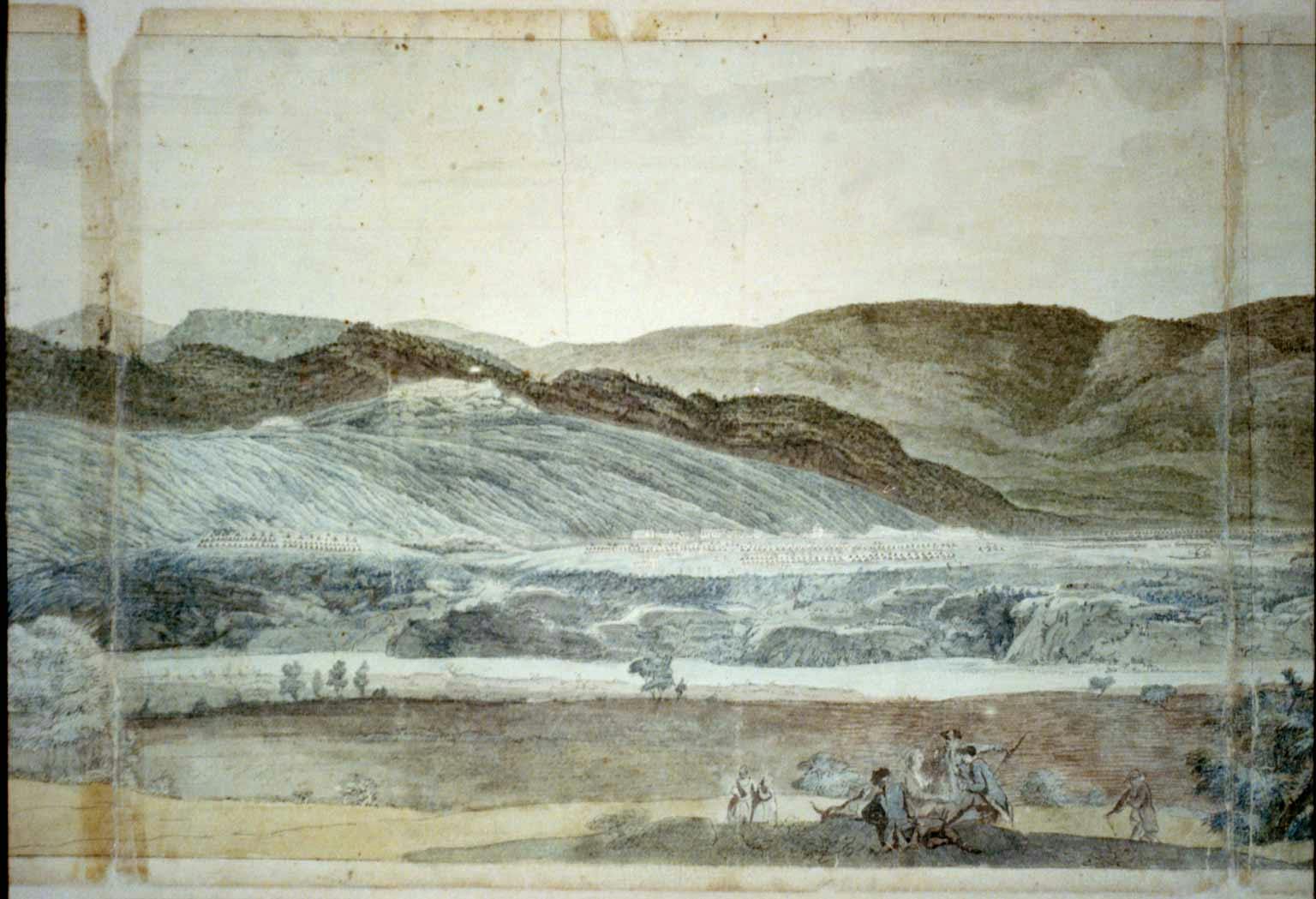
The American Army included women, children, and a host of non-military personnel who traveled to support the troops. In most cases, they were the wives and children of soldiers. These family members sometimes received army rations in exchange for helping to clean the camp and the clothing of the troops, or providing medical assistance as nurses. However, during periods of shortage, camp followers could be ordered away from camp and cut off from rations with little notice.
Labors and Producers
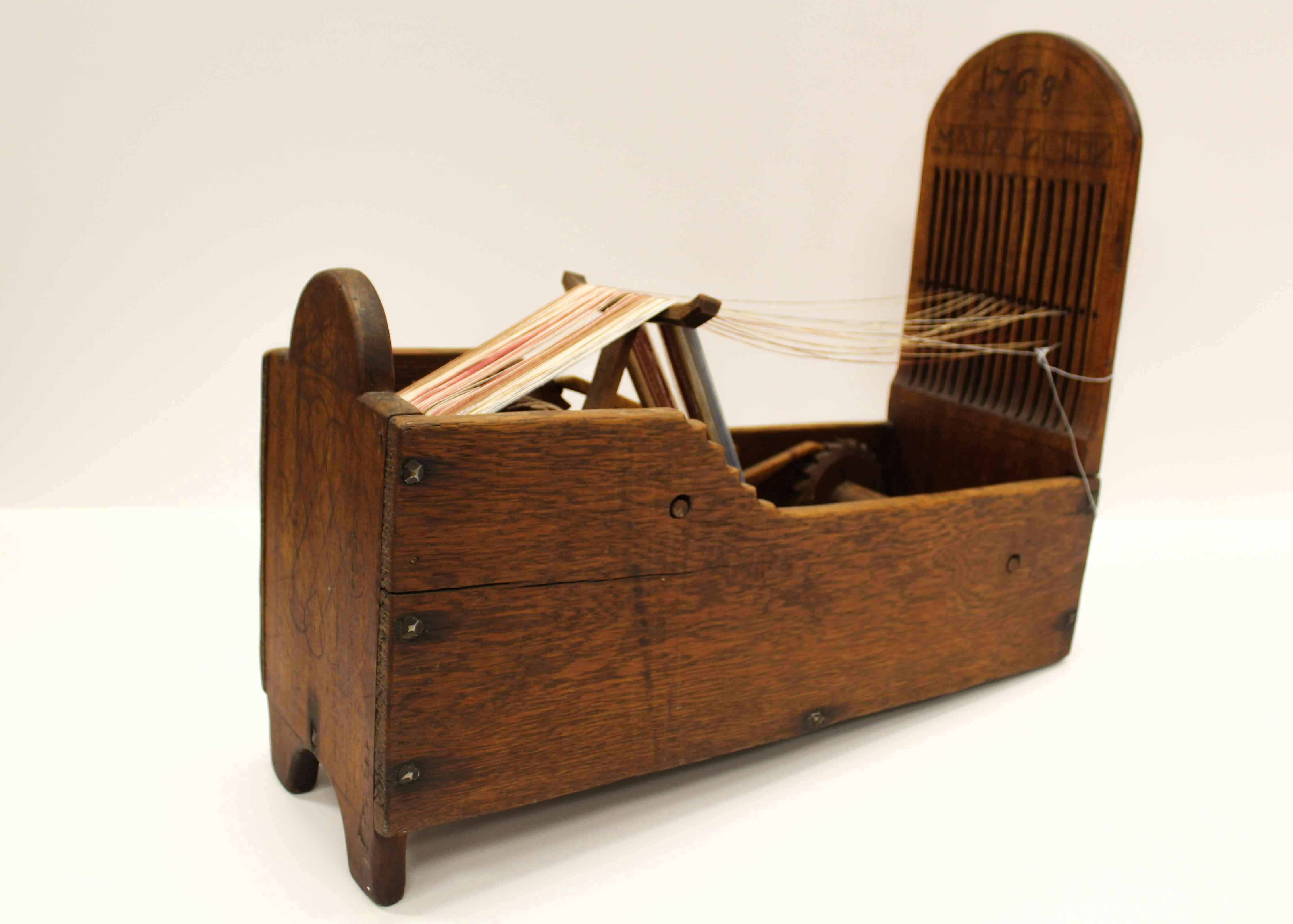
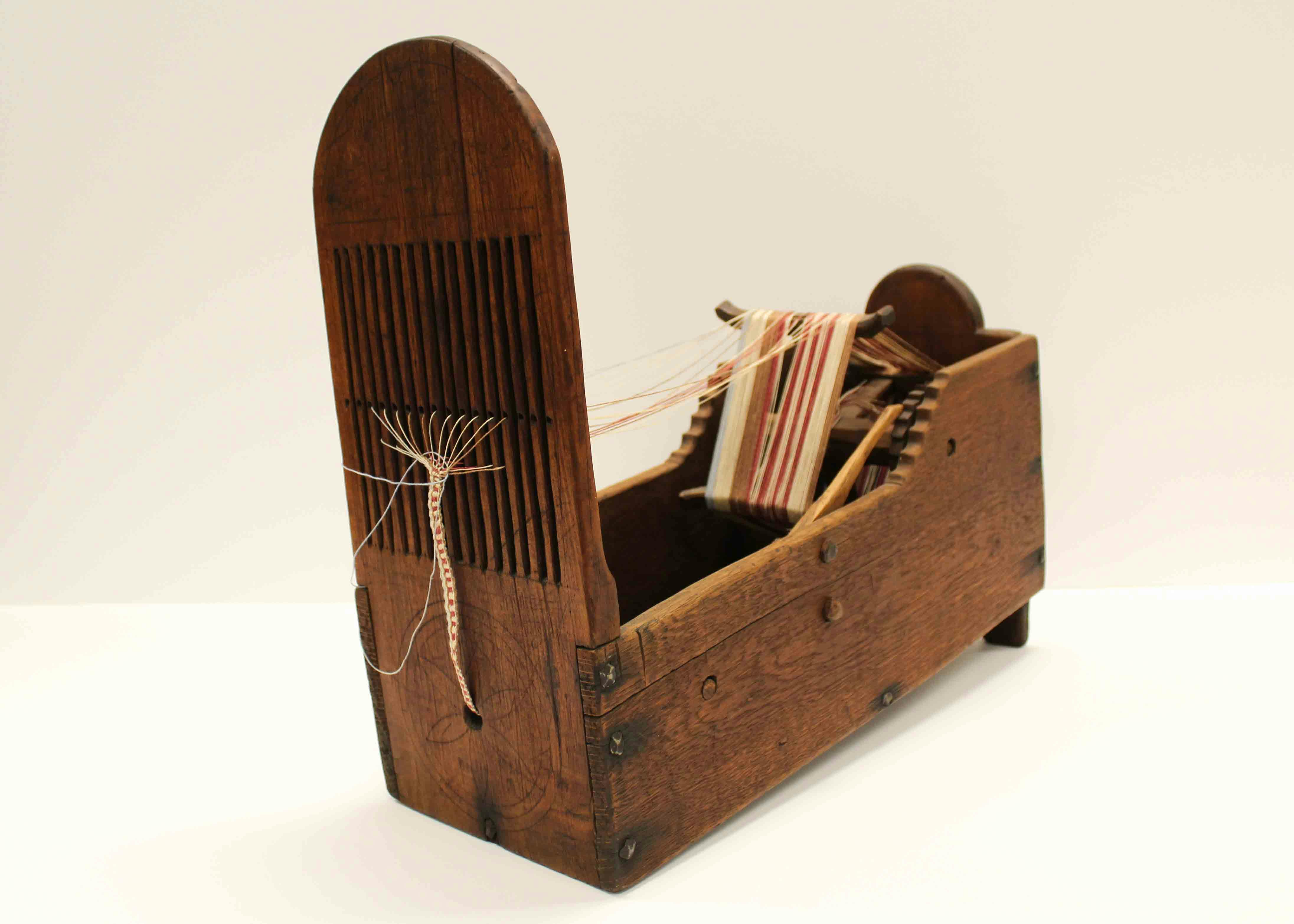
Women turned their domestic tasks into patriotic acts. Some remained on the homefront, caring for the family and managing the household, while others took on roles as producers and suppliers of the war effort. Women produced homespun cloth and other household goods, labored in cartridge making factories, and worked in publishing and book binding to help support and spread the war effort.
Politicians and Patriots
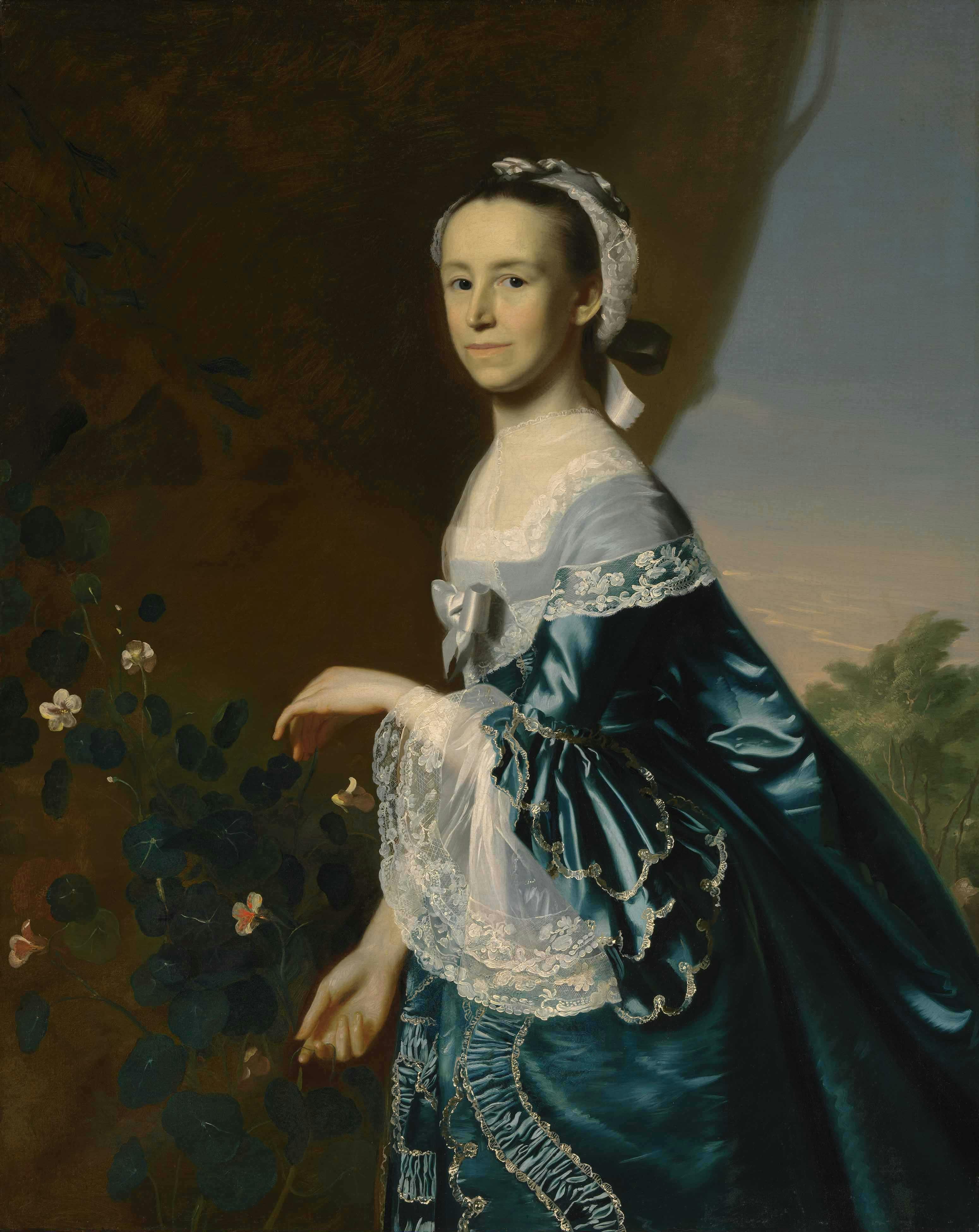
Mercy Otis Warren was one of the most accomplished female Revolutionaries of the period. As an author, historian, playwright, and activist, Warren openly defended the Revolution in her writing, often using propaganda and satire to voice her political views. In 1805, she published her three-volume History of the Rise, Progress and Termination of the American Revolution, one of the first histories of the Revolution and the first written by a woman.
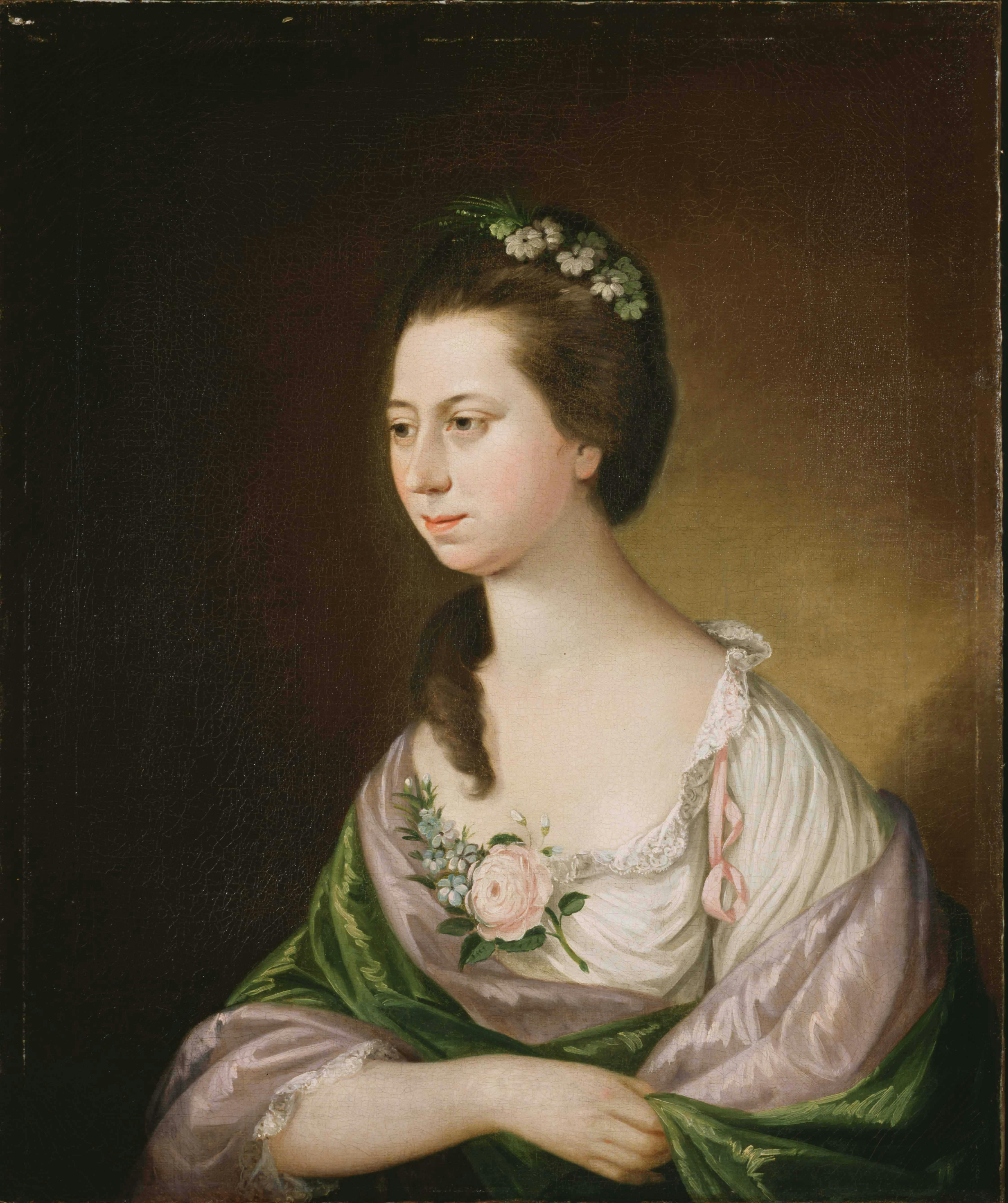
Elizabeth Willing Powel was one of the leading social figures in Revolutionary Philadelphia. Following her marriage to Samuel Powel in 1769, Elizabeth hosted several social events at their home. These French-style “salons” provided a place for the city’s elite and leading intellectuals to gather and discuss politics. Among those she hosted were the Washingtons, the Adamses, and the Marquis de Lafayette.
Some attribute Powel with convincing George Washington to remain in office for a second term. After the death of her husband in 1793, Elizabeth continued to manage the household and remained a political influence.
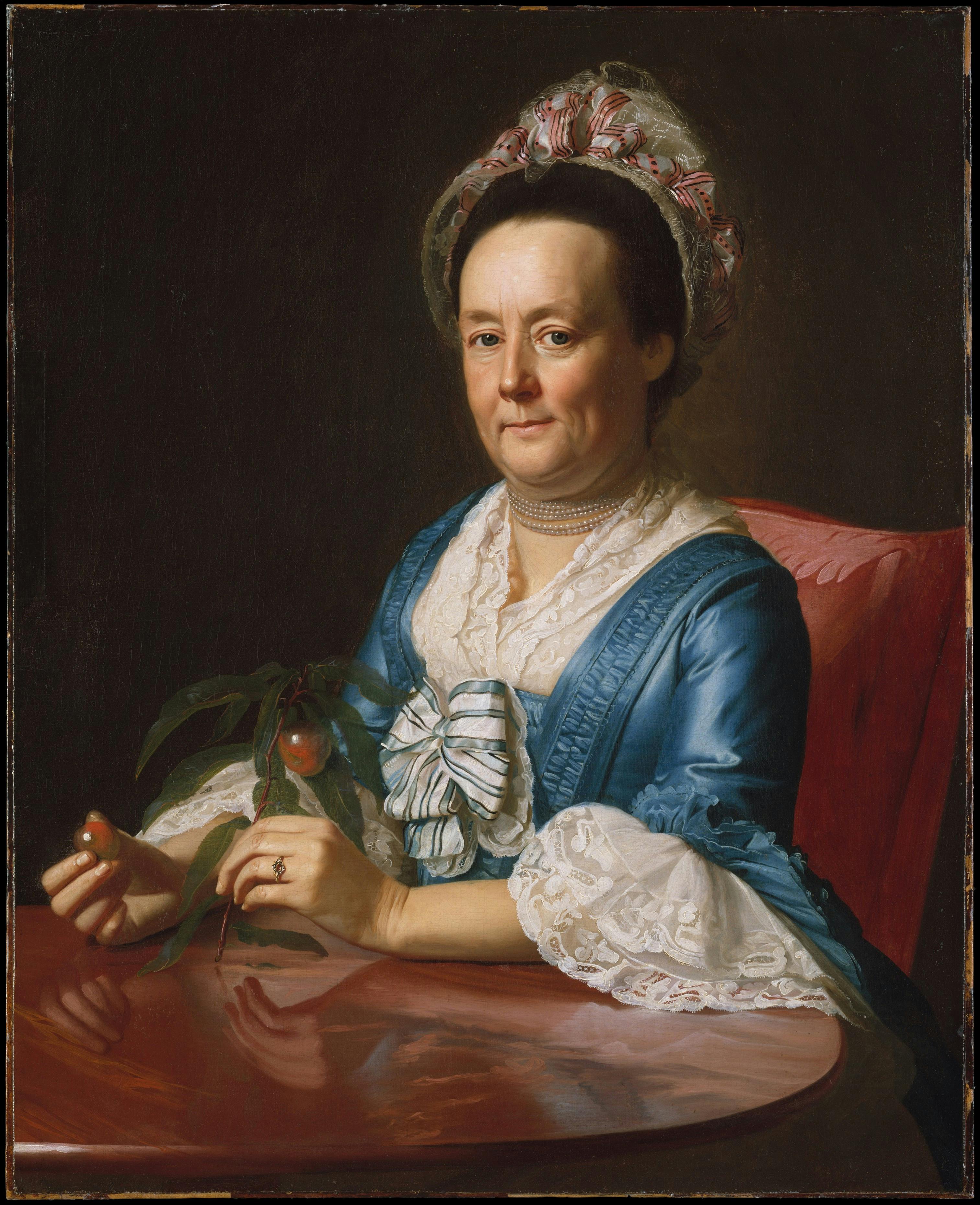
Hannah Winthrop was a friend and confidant of Mercy Otis Warren. In 1775, the Massachusetts Colony General Court appointed Winthrop, along with Warren and Abigail Adams, to question Massachusetts women accused of remaining loyal to the British crown.
Margaret Kemble Gage was married to British General Thomas Gage. At the beginning of the American Revolution, General Gage was the commander in chief of the British North American forces. Many believe Margaret, a New Jersey native, was sympathetic to the colonial cause and ultimately responsible for giving the Continental Army advanced warning of the British Army’s march to Lexington and Concord in April 1775. One clergyman described her as “a daughter of liberty unequally yoked in the point of politics.”
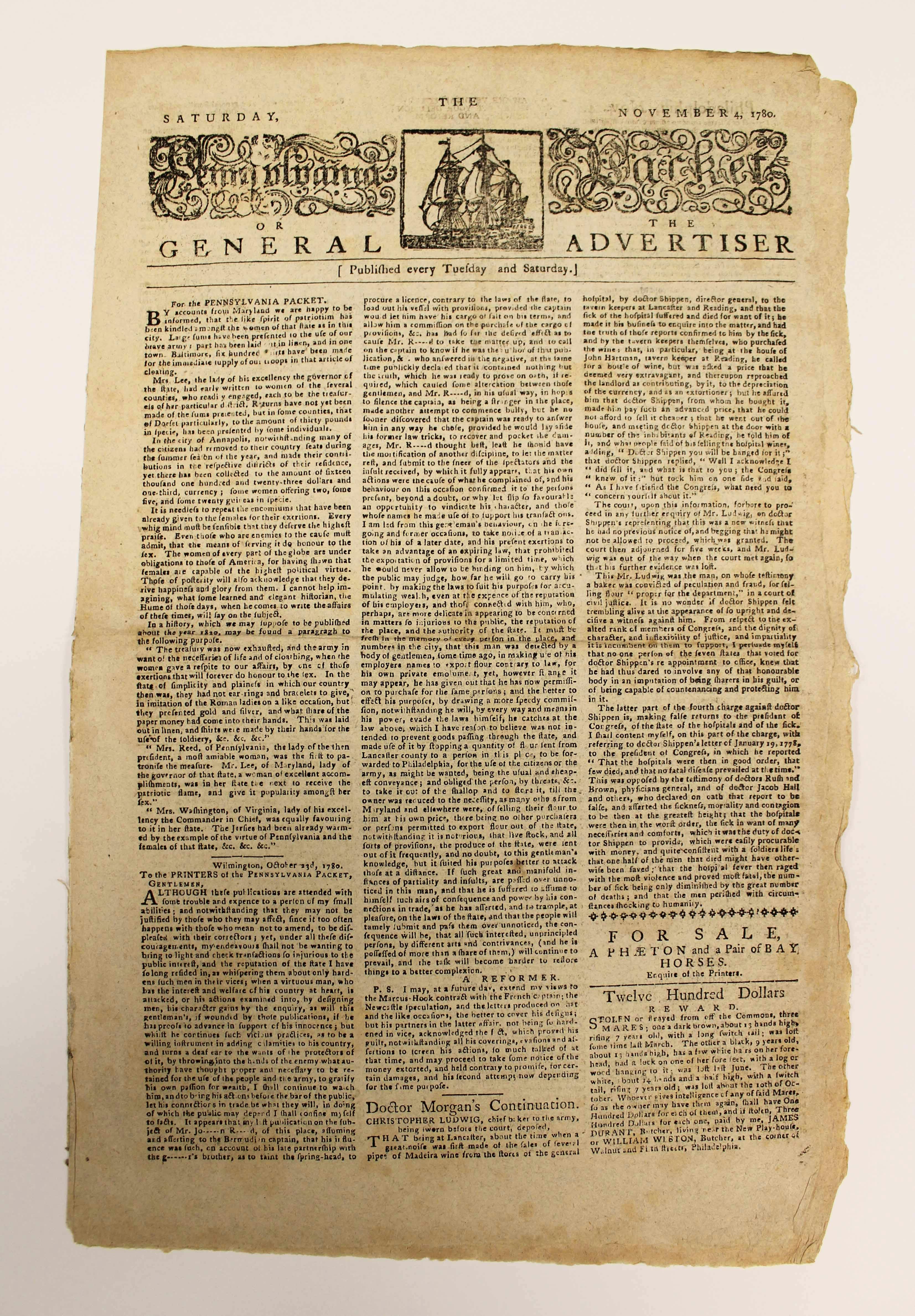
The American Revolution allowed a small number of women to become more politically involved, though they did not seek or hold political office. These women demonstrated a knowledge of and interest in electoral politics. Their education and genteel status often made it easier for these women to publish their ideas, giving them a platform to advocate for women’s rights.
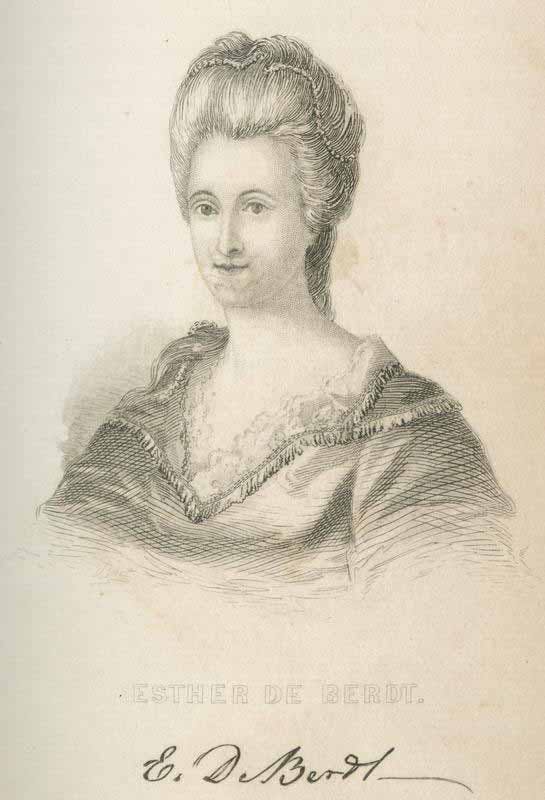
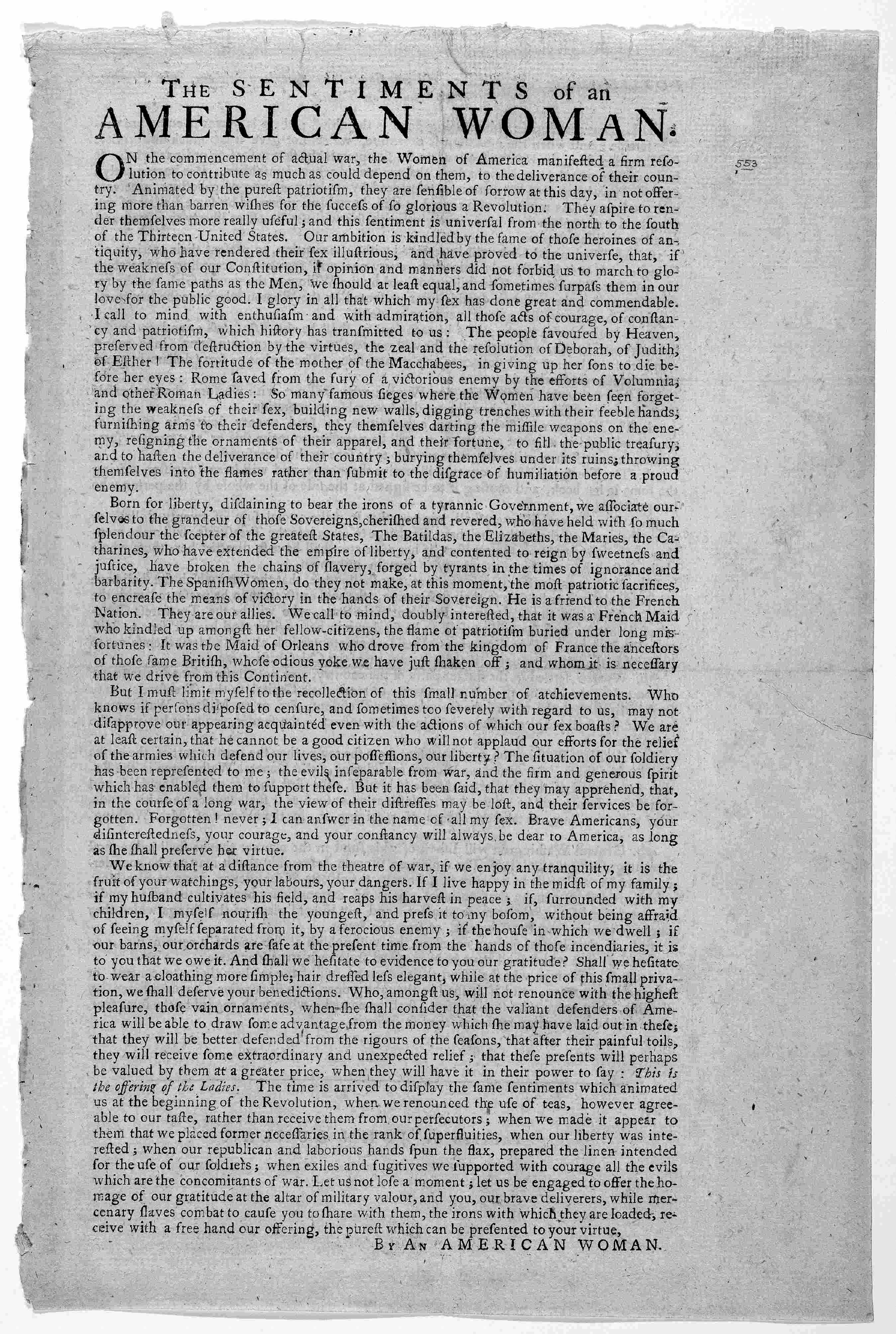
“To march to glory by the same paths as men…We should at least equal and sometimes surpass them in our love for the public good.” – Esther Reed, “Sentiments of an American Woman”, 1780
Nonetheless, these “female politicians” had limited authority, and few viewed their wartime contributions as anything more than a temporary sacrifice for the public good.
Mumbet: Fighting for Freedom
Enslaved women began questioning their status in the new nation as a result of the American Revolution. One of those women was Elizabeth Freeman, or “Mumbet,” who lived as an enslaved woman in Massachusetts.
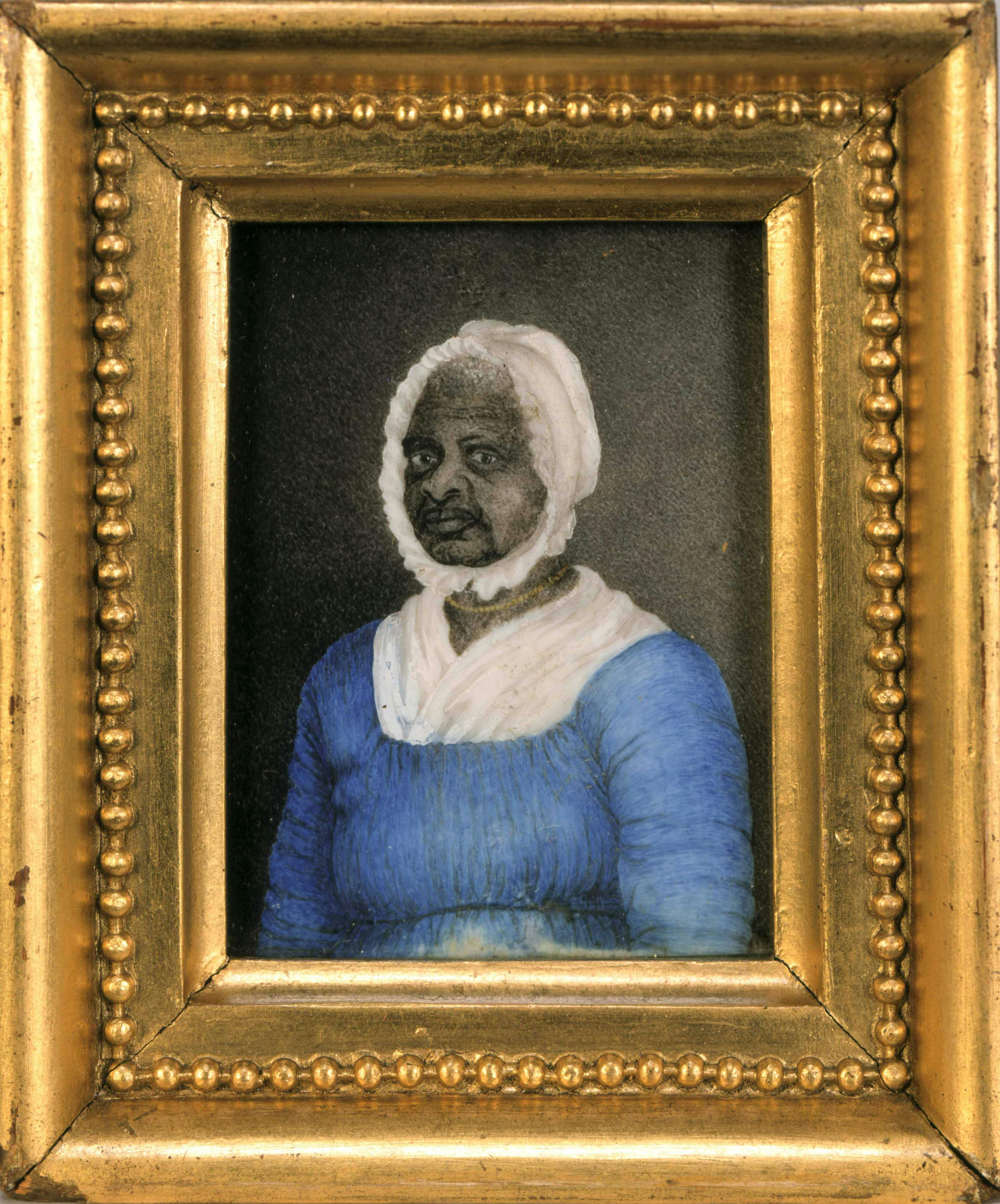
“Any time while I was a slave, if one minute’s freedom had been offered to me, and I had been told that I must die at the end of that minute, I would have taken it just to stand one minute on God’s earth a free woman.” – Elizabeth Freeman
After hearing the Massachusetts Constitution being read aloud in her master’s home, Freeman sought out Theodore Sedgwick, a lawyer and antislavery advocate that helped her sue for her freedom as a “inhabitant” of the state of Massachusetts.
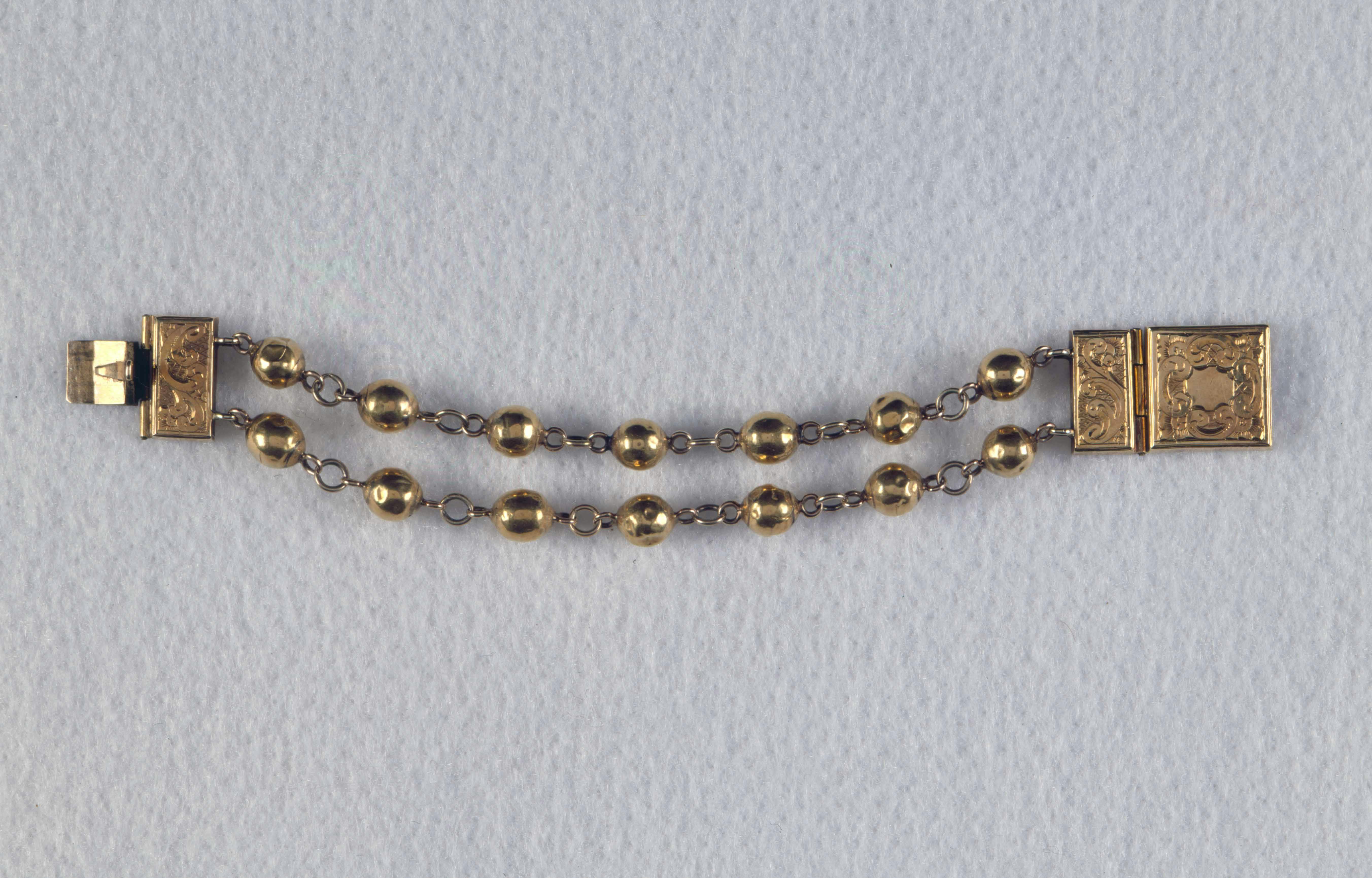
In 1781, Freeman won her freedom in court. Her case helped set a precedent prohibiting slavery in the state of Massachusetts.
Confiscation and Coverture
In 1777, New Jersey, like many other states, passed an act ordering the seizure and sale of Loyalists’ property. Such “confiscation laws” called into question the meaning and status of women’s citizenship in the new nation. The laws encouraged lawmakers to determine if married women had a right to a political or legal identity separate from their husbands, and if so, if they should be subject to the seizure of their family estates, furniture, and personal belongings.

In New Jersey, Rebecca VanDike cleverly used the courts and “coverture” to circumvent confiscation laws. In 1777, the state seized the property of her husband, John, upon suspicion of him being a Loyalist. Rebecca tried to defend her husband’s reputation by submitting the petition included below. But her efforts did not succeed and John VanDike fled New Jersey.
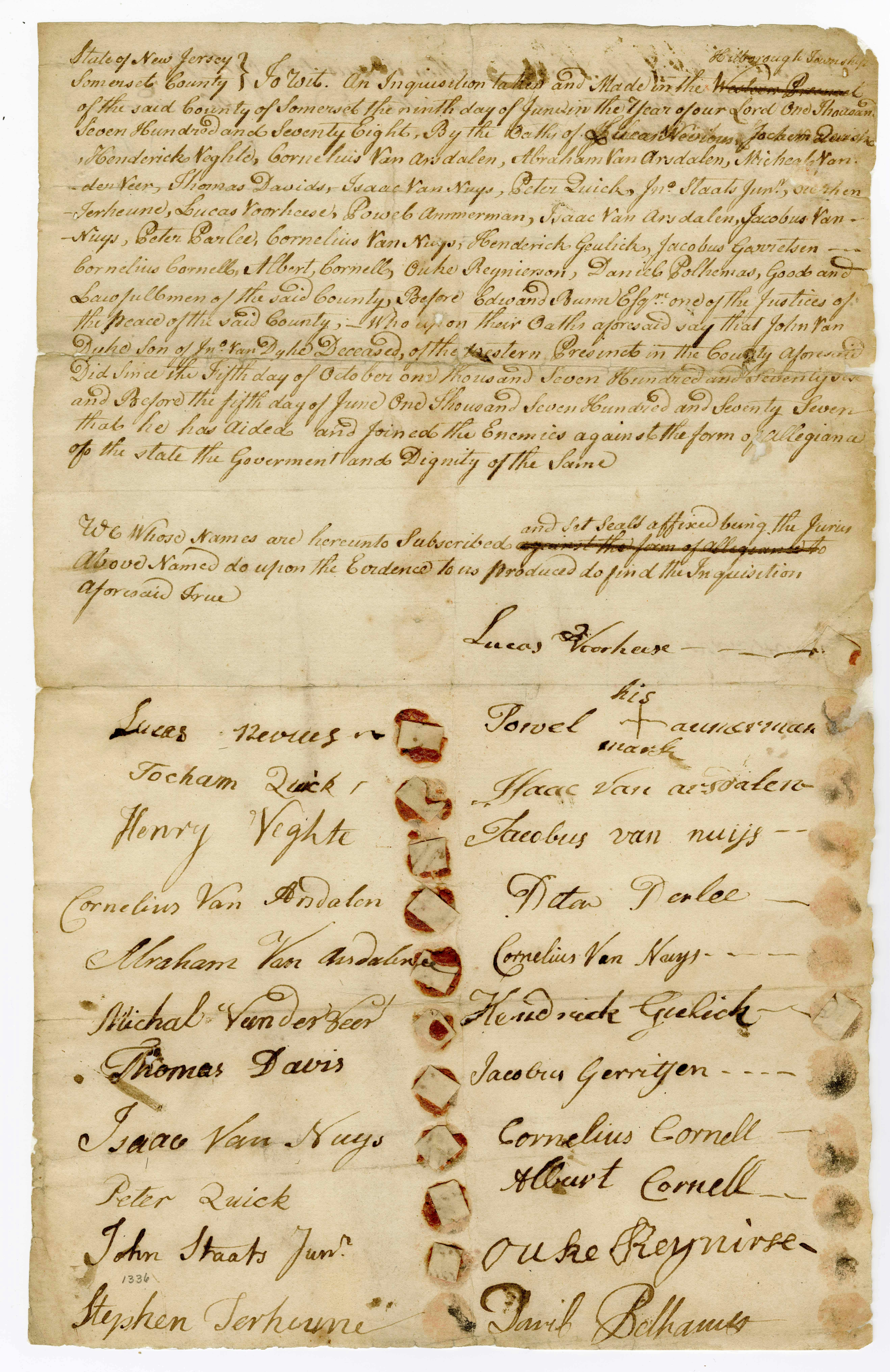
Rebecca and her father instead purchased the confiscated property at auction and she began paying taxes on it. In 1784, when New Jersey required Rebecca to pay back taxes, her lawyer argued that as a married woman under “coverture,” VanDike could not own property or accrue debt. We do not know the outcome of Rebecca’s case.
How Did the Vote Expand? – New Jersey’s Revolutionary Decade
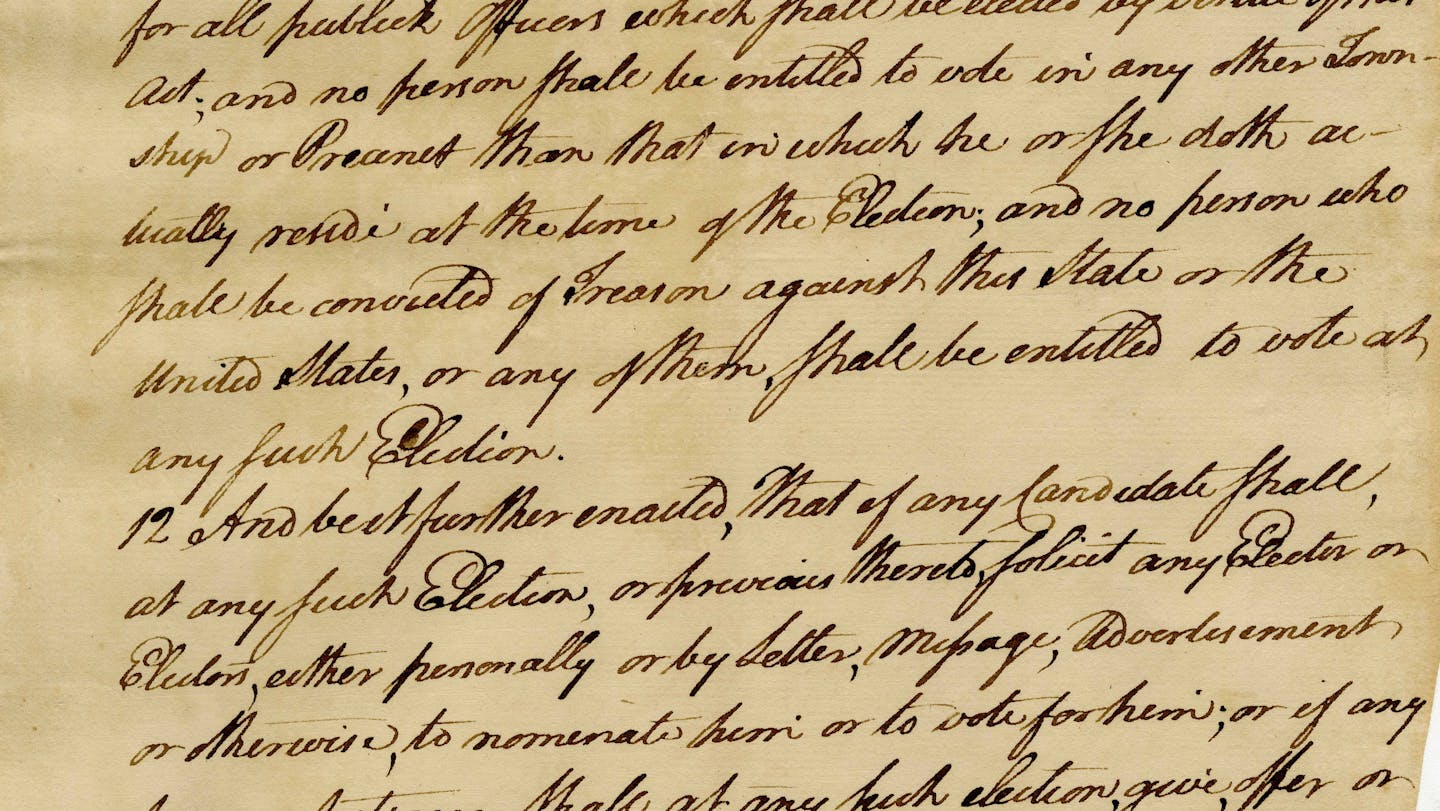
New Jersey became the first and only state to legally enfranchise women in 1790, when state legislatures reformed the New Jersey State Constitution’s election law to include the words “he or she.” It proclaimed what the New Jersey Constitution of 1776 had only implied: that propertied women could vote. This statue was neither accidental nor insignificant, and it changed the voting landscape in the state. Women voting was just one part of a growing national and international movement among some women to increase women’s rights, a movement inspired by Revolutionary-era ideology in both America and Europe. And while New Jersey blazed the trail in the new nation, it expressed a tide rising in other states as well, like Massachusetts, where Abigail Adams endorsed women voting in New Jersey.
1790: The Revolutionary “She”
In 1790, New Jersey became the first state to explicitly enfranchise women by describing voters as “he or she” in a new election law.
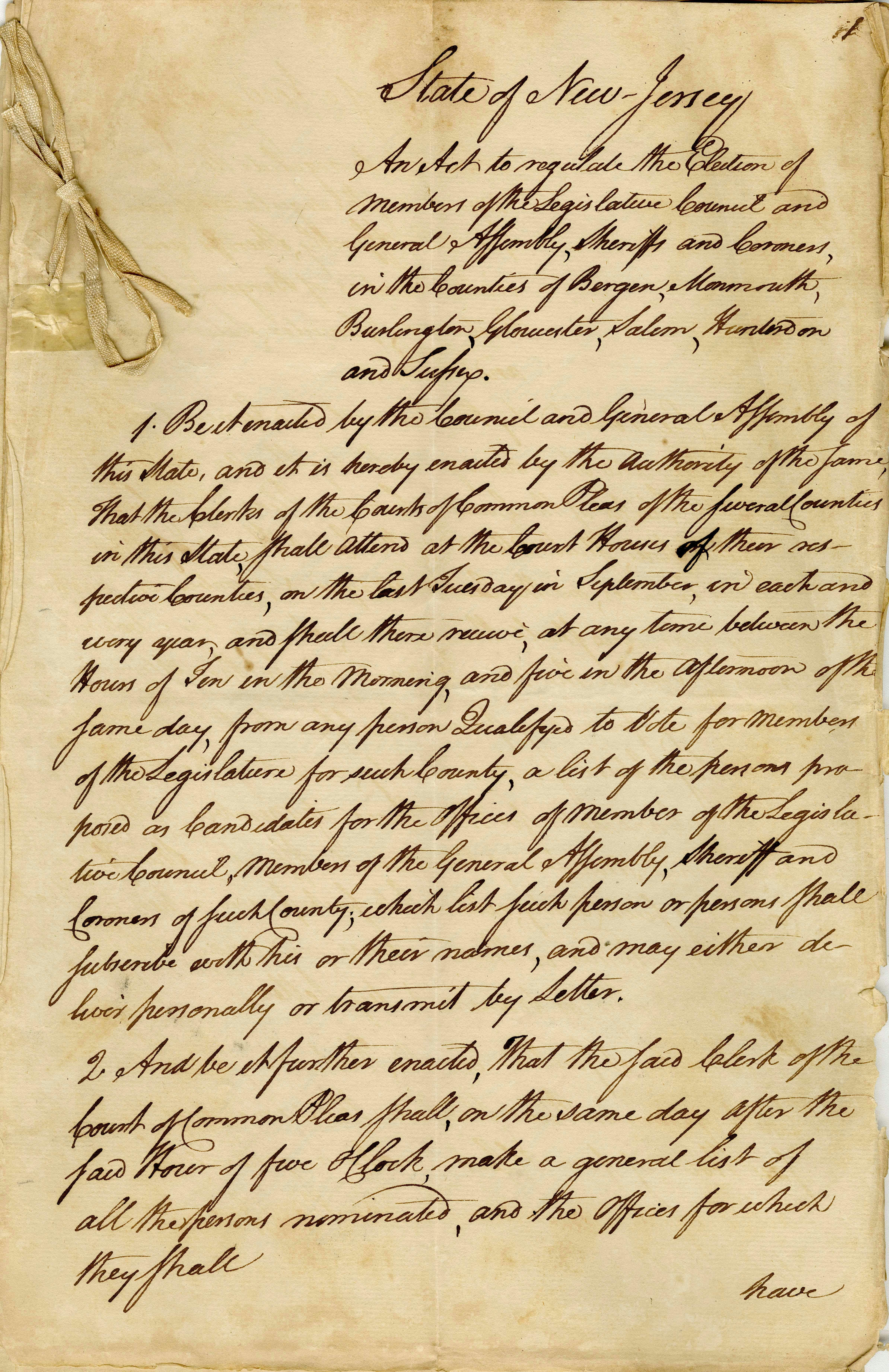
“…no person shall be entitled to vote in any other township or precinct, than that in which he or she doth actually reside at the time of the election.” – New Jersey Electoral Reform Enrolled Law, November 18, 1790
The New Jersey Assembly adopted the new law on November 18, 1790. It increased access to the polls by adopting township instead of county polling, and improved voter privacy by establishing a ballot system. It also stated that a voter could only cast a ballot wherever “he or she” resided.
The new law applied at first to only 7 of the 13 counties in the state, all in West Jersey. By including a feminine pronoun in their description of voters, the new law made clear what the 1776 Constitution had only implied — that women could vote in New Jersey.
1797: The Revolutionary Edit
Overview

For women voters, a small omission in the 1797 voting law represented a big change.
The new law retained the property qualification, but it excluded the term “clear estate,” which meant clear ownership of property. Its absence may explain the apparently dramatic rise in women voting after 1797.
Wives often had, as Abigail Adams put it, property “I call my own,” even if their legal ownership was unclear. Widows often had limits placed on their property by a husband’s will. Arguably, neither types of property were truly “clear estate.”
This 1797 law expanded the election reforms of the 1790 statute to include all 13 counties. By allowing possession of property without “clear estate,” it may have been a subtle but dramatic win for women voters.
“All free inhabitants of this State of full age, and who are worth fifty pounds proclamation money…shall be entitled to vote for all public officers…and no person shall be entitled to vote in any other township or precinct, than that in which he or she doth actually reside at the time of the election.” – New Jersey Electoral Reform Enrolled Law, 1797
Neither the 1790 or 1797 statutes included directions for confirming a voter’s possession of 50 pounds, other than the voter’s own word. In addition, the nation had started shifting currency from British pounds to American dollars. This made it difficult to accurately determine taxpayers’ property ownership. The lack of regulations added confusion to some elections.
Did You Know?: The 1797 Election in Elizabethtown
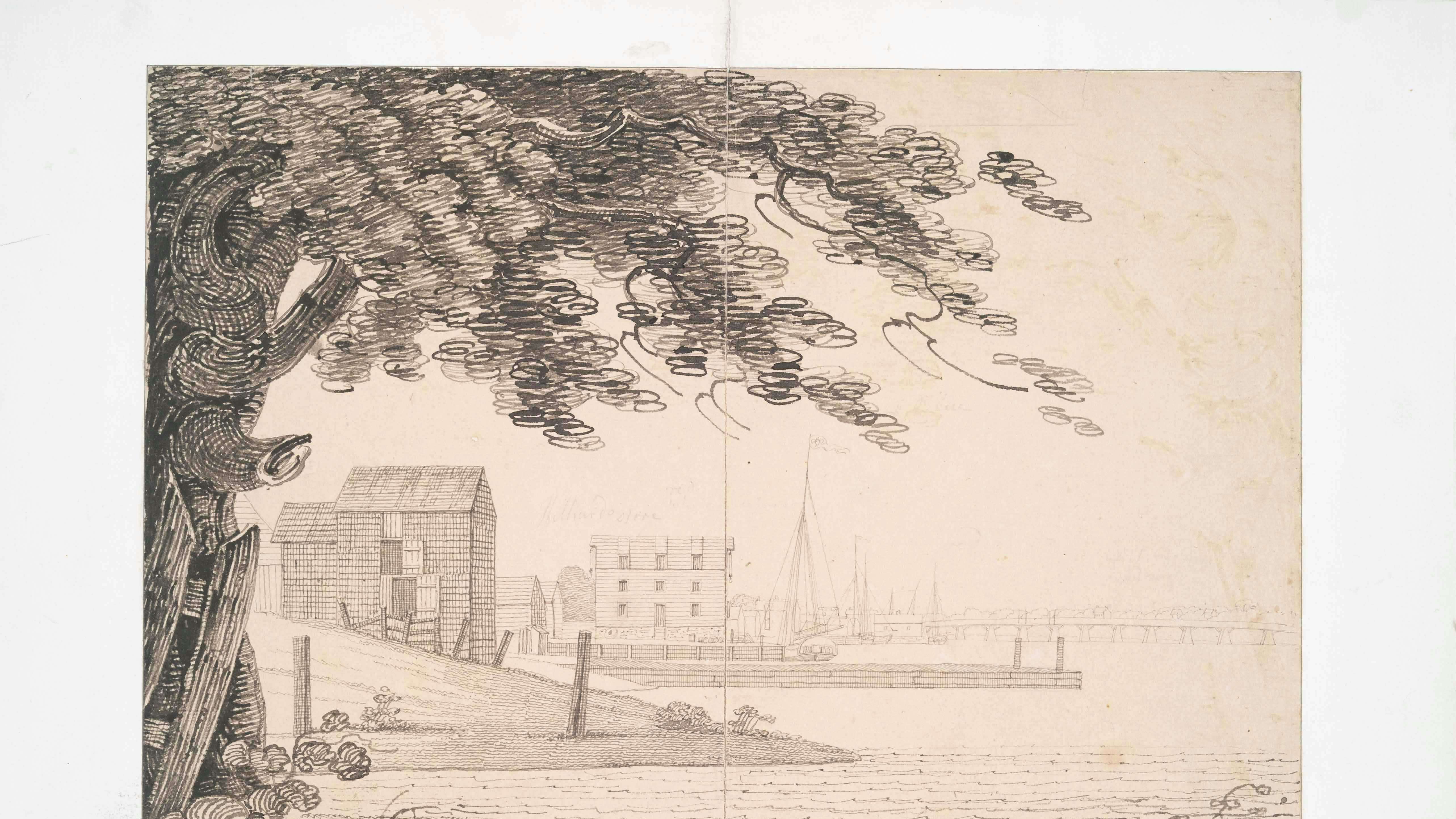
After the adoption of the 1797 electoral reform law, the number of women voters at the polls significantly increased.
In Elizabethtown in 1797, a bitter contest for a seat in the New Jersey State Legislature erupted between Jeffersonian Republican John Condict from Newark, and Federalist William Crane, from Elizabethtown. Despite many women voters turning out to vote for Crane, Condict won the election by a narrow margin (just 93 votes). This election alerted politicians of the potential power of women to shape elections.
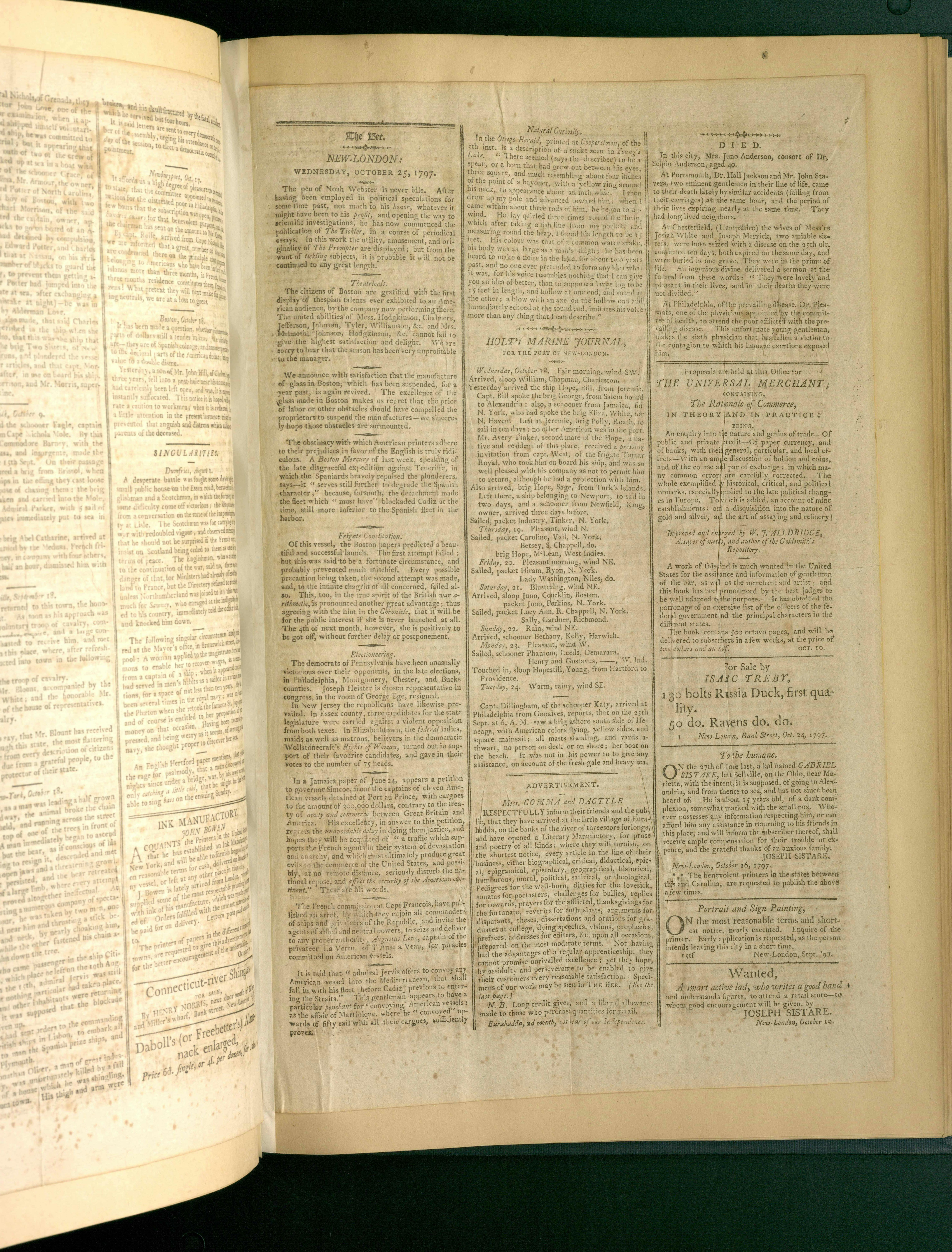
“In Elizabethtown, the federal ladies, maids as well as matrons, believers in the democratic Wollstonecraft’s ‘Rights of Woman,’ turned out in support of their favourite candidates, and gave their votes to the number of 75 heads.” – The Bee, October 25, 1797
The Naturalization Act in the Nation and New Jersey
While women were explicitly enfranchised with the 1797 election reform law, the Federalist majority — both nationally and in New Jersey — increased its effort to regulate and limit the vote for others, like “aliens” or foreigners.
Federalists passed the Alien and Sedition Acts in 1798 in response to growing fears that French people living in the new nation would sympathize with France during the undeclared Quasi-War. Republicans vehemently opposed the Acts, instead urging for diplomacy and an end to the French crisis. They also passed the Naturalization Act, which increased immigrants’ wait period for gaining United States citizenship from 5 to 14 years, essentially barring many foreigners’ right to vote.
Tensions came to a head in New Jersey in the election of 1798, when the Federalist legislature divided the state into districts and decreed that national and state polls be held at the same time. The belief was that this would increase Federalist votes in Republican-majority regions, like Essex and Morris Counties, and counteract opposing votes from New Jersey Democratic Republicans.
Who Could Vote?
Overview
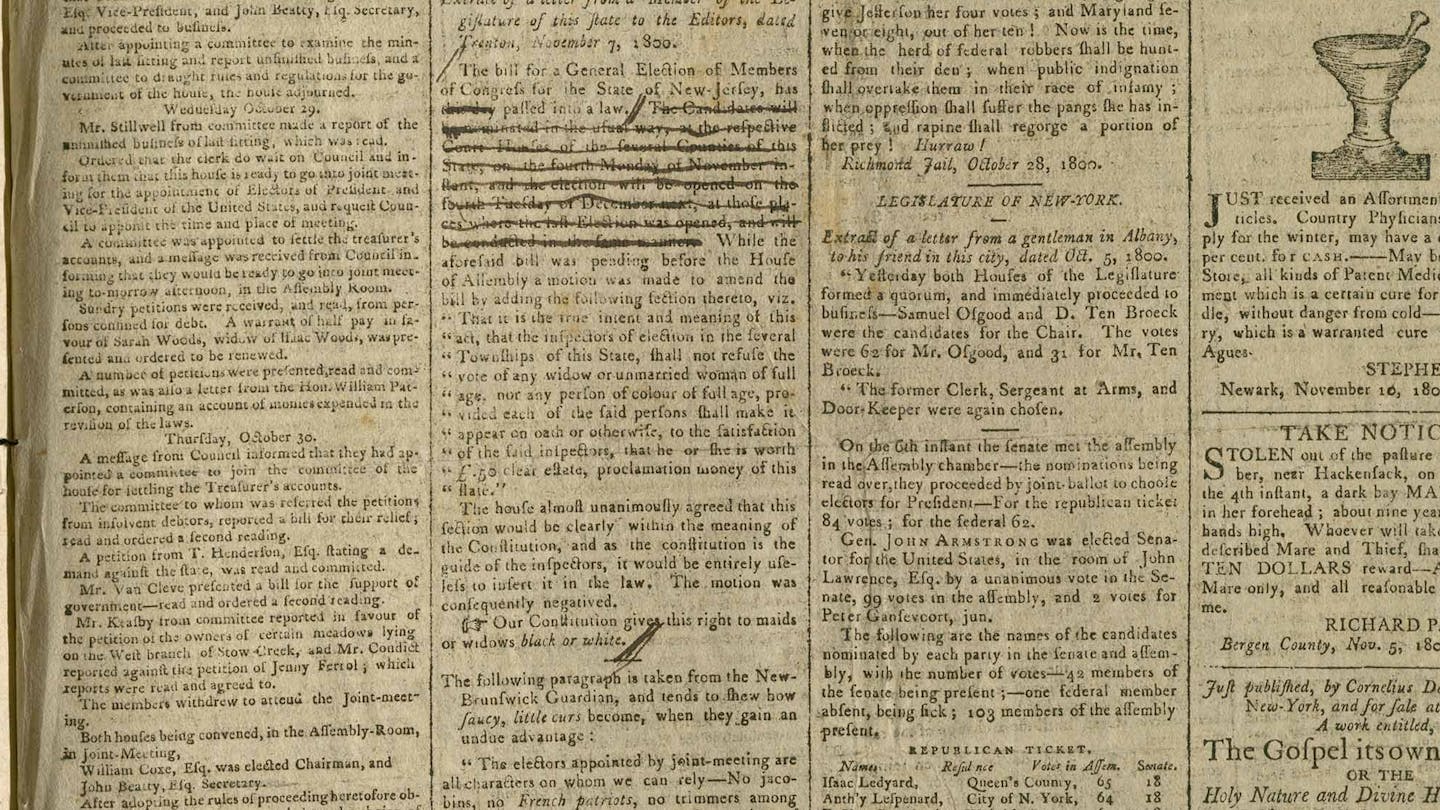
The 1787 Federal Constitution left decisions about who could vote up to each state. In New Jersey, the experience of voting was not uniform or consistent. It was a source of contention and debate.
Since New Jersey’s 1776 Constitution lacked an amendment clause, the electoral statutes of 1790 and 1797 attempted to clarify the constitution’s voting law without altering the document itself. This inspired critics to argue that the new laws had misinterpreted New Jersey’s Constitution by opening the vote to women and people of color.
But defenders of the vote prevailed, at least at first. In 1800, a letter published in a newspaper by a New Jersey legislator argued, “townships of the state shall not refuse the vote of any widowed or unmarried woman of full age, nor any person of colour…provided each is worth fifty pounds…Our Constitution gives this right to maids and widows black or white.”
Today a man owns a jackass worth fifty dollars and he is entitled to vote; but before the next election the jackass dies. The man in the meantime has become more experienced…and he is therefore better qualified to make a proper selection of rulers — but the jackass is dead and the man cannot vote. Now gentlemen…in whom is the right of suffrage? In the man or in the jackass? – Attributed to Benjamin Franklin, taken from “The Casket, or the Flowers of Literature, Wit and Sentiment,” 1828
Problems with voting in New Jersey increased in 1798 when a new law allowed only white male taxpayers to vote for town officials (town clerk, collector, poll inspectors, and judges). Property owners, regardless of race or sex, still elected county, state, and federal officials. This law created an awkward conflict of interest problem at the polls. Poll inspectors (town officials) who oversaw county, state, and federal elections would have to turn away people who did not meet the property requirement, such as some taxpayers who elected the inspectors. In response, some poll inspectors stopped enforcing the property requirement. Curiously, the evidence from manuscript poll lists suggests that these poll inspectors also admitted more women to vote, even though women were barred from voting for these town officials.
In some ways, the later 1807 statute on voting, which took the vote away from women and free people of color, aimed to resolve voting discrepancies by making the voter qualifications for county, state, and federal offices the same as town offices.
Could Married Women Vote?
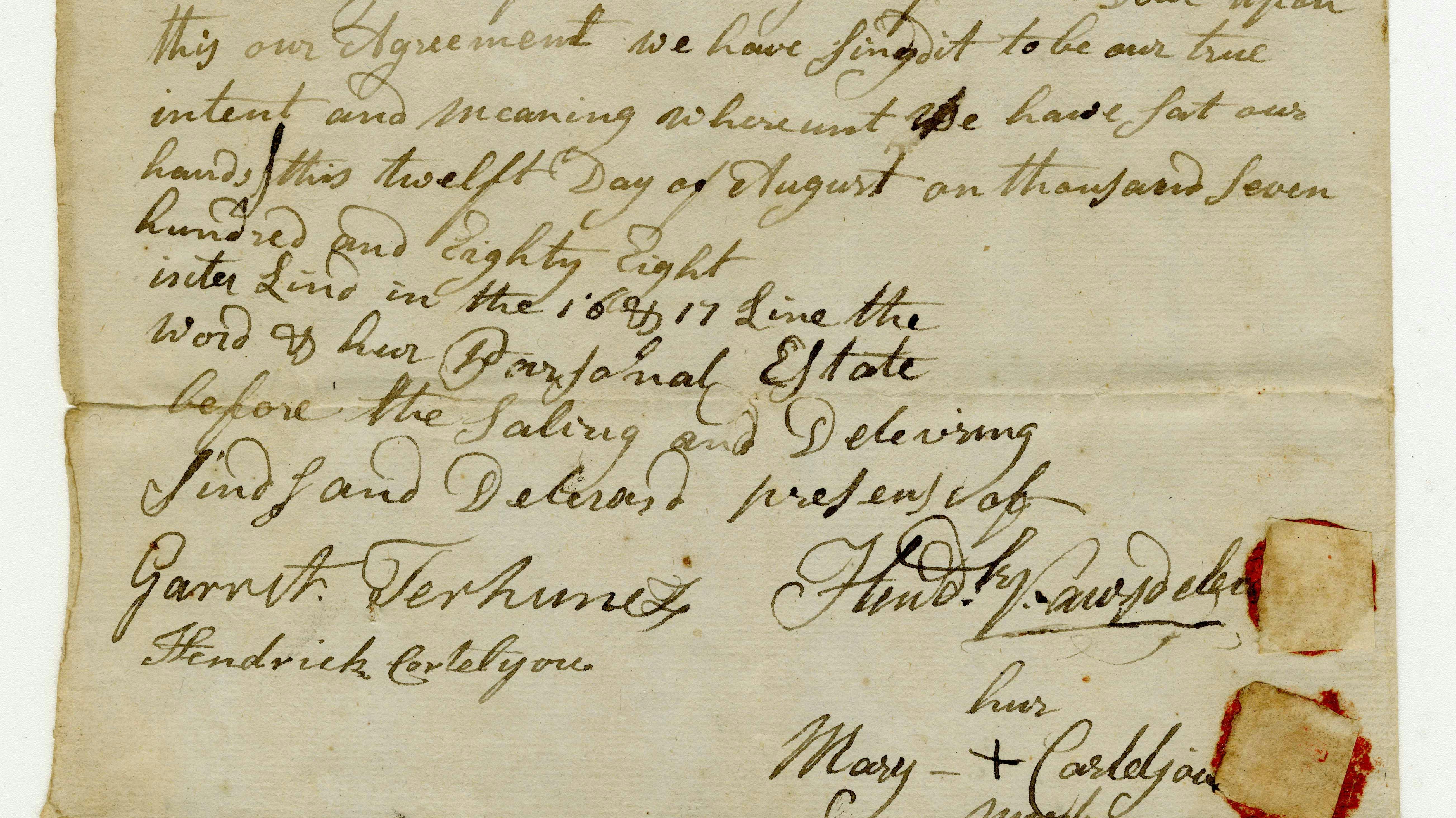
Because it was harder for married women in New Jersey to own property, it was harder for them to meet the property requirement to vote.
Some married women maneuvered around “coverture” restrictions and safeguarded the property they brought into marriage. Widow Mary Cortelyou of Somerset County, New Jersey, for example, signed this prenuptial agreement when she married her second husband, Hendrick VanArsdalen, in 1788. The agreement protected Cortelyou’s ownership of property she had brought into the relationship from her previous marriage to Jacques Cortelyou.
Other married women may have taken advantage of the fact that elections were loosely regulated and tried to vote despite the restrictions. And still others, like women of color, may not have had marriages recognized by the state of New Jersey, creating a loophole that may have allowed them to own property.
The Widow’s Thirds
Though the law of “dower thirds” was designed to support women through widowhood, it also designated them stewards or legal owners of their husbands’ property, until it could be passed down to his male heir. Because of their “dower thirds,” widows were more likely to own property than single or married women, making them more likely to meet the property requirement to vote.
Prepared for her dowry, the above kast, or chest, was made for Catherine Kip of Bergen County, New Jersey, around 1798. While chests like this one would have been considered the property of the husband, they have a long history of being passed down by the mother, suggesting female ownership. Furniture pieces like this chest present the possibility that women did maintain ownership of movable property under marriage.
Because the New Jersey Constitution defined the property requirement simply in terms of value, rather than specify a type of property, like real estate, it is possible that women could have used valuable personal and household objects to meet the property requirement. Many of the objects here belonged to women living in or near New Jersey.
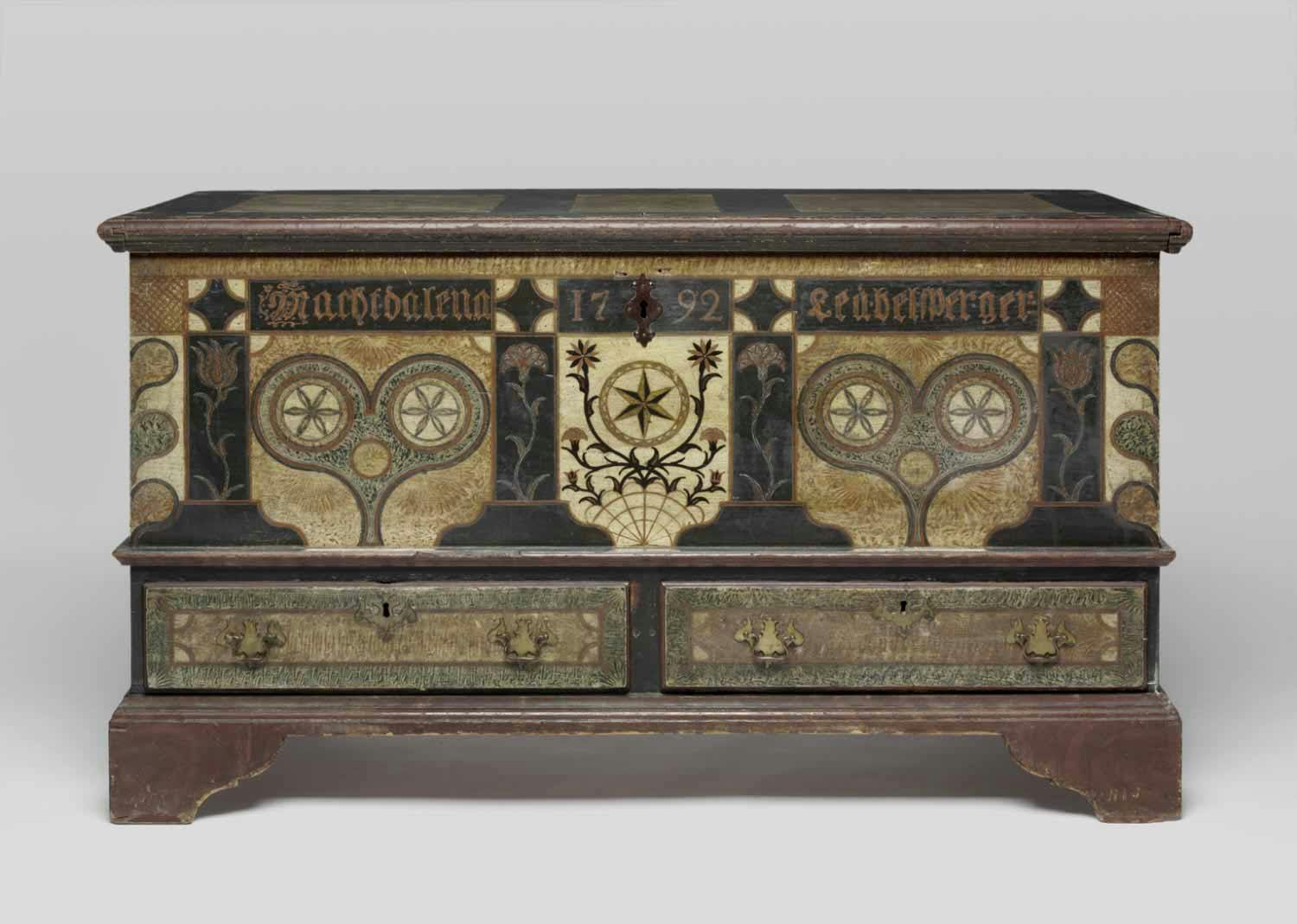
The above chest belonged to Magdalena Leabelsperger of Berks County, Pennsylvania. As she assembled items to set up her future married home, including textiles and other household goods, the chest would have been considered her property. Once she married, the chest, its contents, and everything she brought to the marriage became the property of her husband. Chests like this have a long history of being passed down through matrilineal lines.
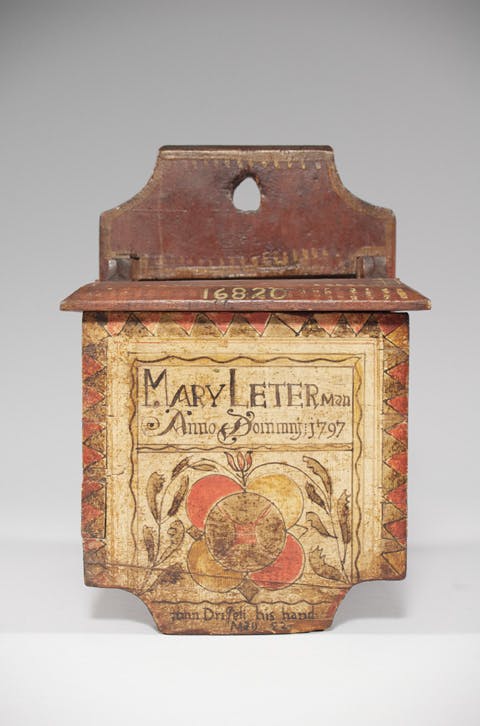
Many married women outlived their husbands and never remarried. If, or when, a husband died, a widow was entitled to regain her dowry (an amount of property or money she or her family brought into the marriage) and a legal portion (usually one third) of her husband’s estate.

Prepared for her dowry, the above kast, or chest, was made for Catherine Kip of Bergen County, New Jersey, around 1798. While chests like this one would have been considered the property of the husband, they have a long history of being passed down by the mother, suggesting female ownership. Furniture pieces like this chest present the possibility that women did maintain ownership of movable property under marriage.
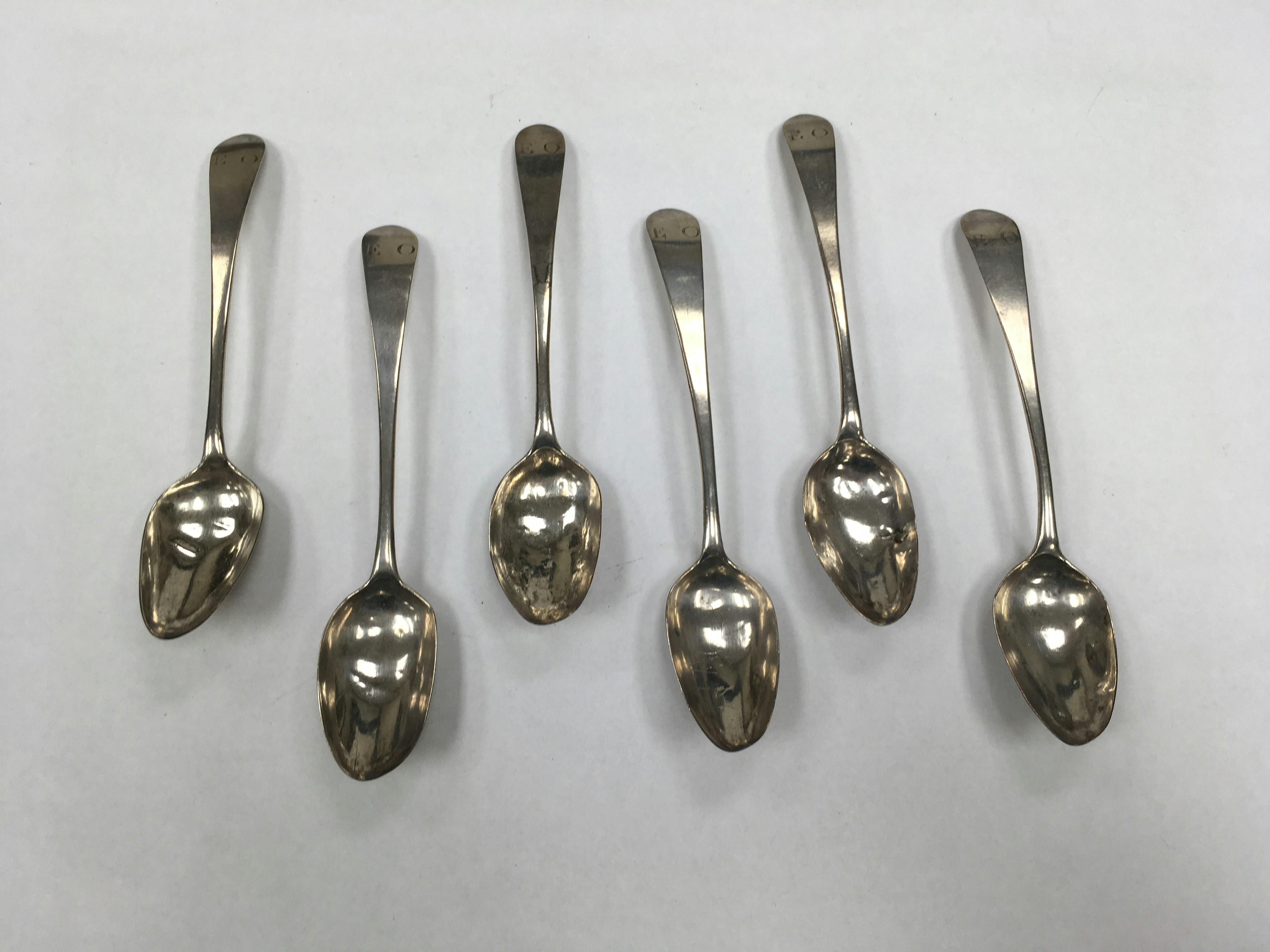
These teaspoons and similar kitchen utensils were often collected by a future bride well before her marriage. This set belonged to a woman from Burlington County, New Jersey.
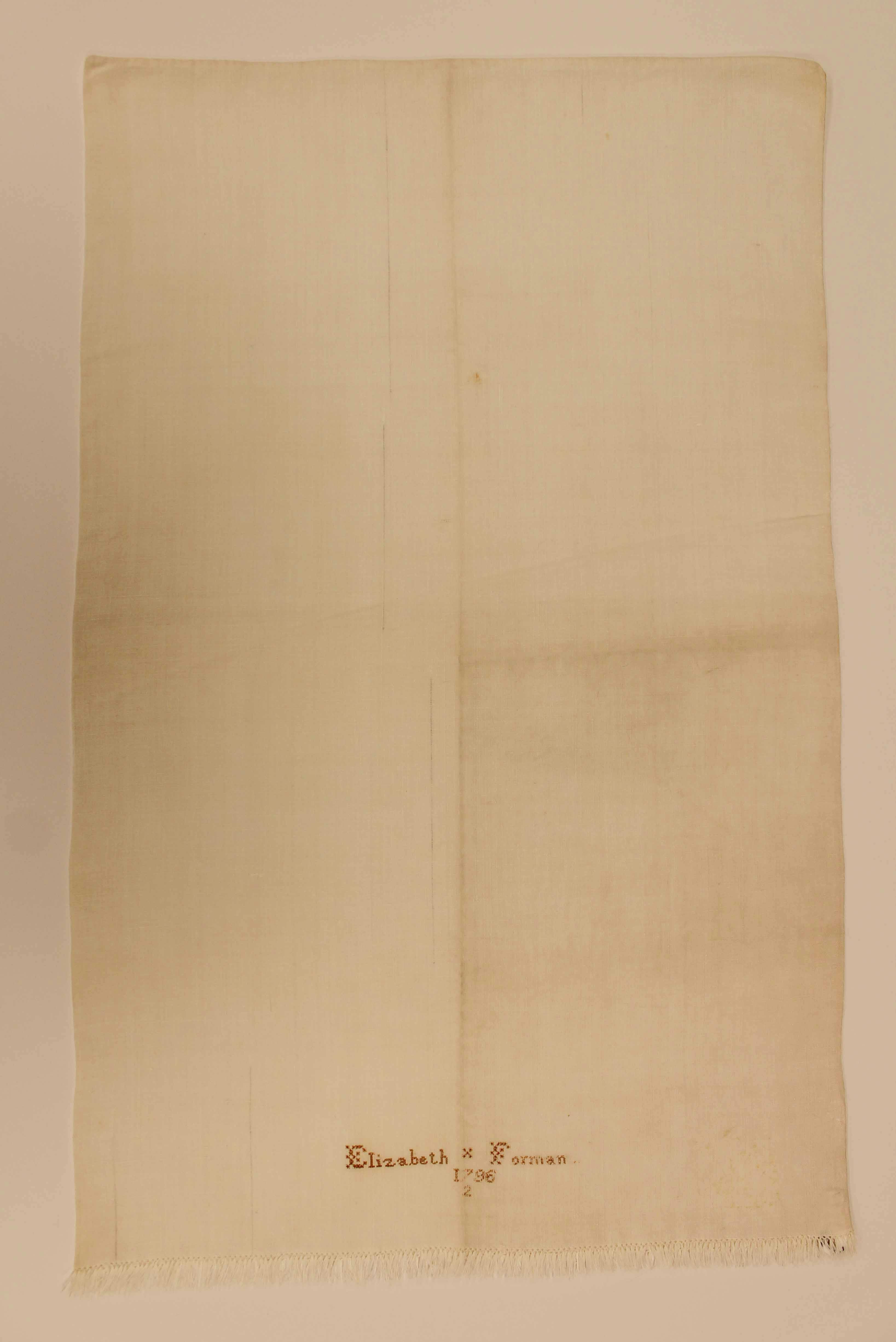
Women’s hand-embroidered textiles, like this pillowcase, may have been stored in a piece of dower furniture. This pillowcase belonged to Elizabeth Forman of New Jersey. It is embroidered with her name and date.
This valuable piece of silver was a gift from a Dutch woman in 1770s New York or New Jersey. It is inscribed “Liefde Gift Van de longvrous Anna Maria Hultin Von Beferhoudt” (loving gift from Jankrouw Maria Hultin Von Beverhoudt). The underside is maker-stamped by Myer Myers, a Jewish silversmith who worked in colonial New York and later in revolutionary Connecticut. The Dutch community of New Jersey had a greater tradition of legal property and business ownership by women than the English.
“The true reason (says Blackstone) of requiring any qualification, with regard to property in voters, is to exclude such persons, as are in so mean a situation, that they are esteemed to have no will of their own. If these persons had votes, they would be tempted to dispose of them, under some undue influence, or other.” – Alexander Hamilton, “The Farmer Refuted,” 1775
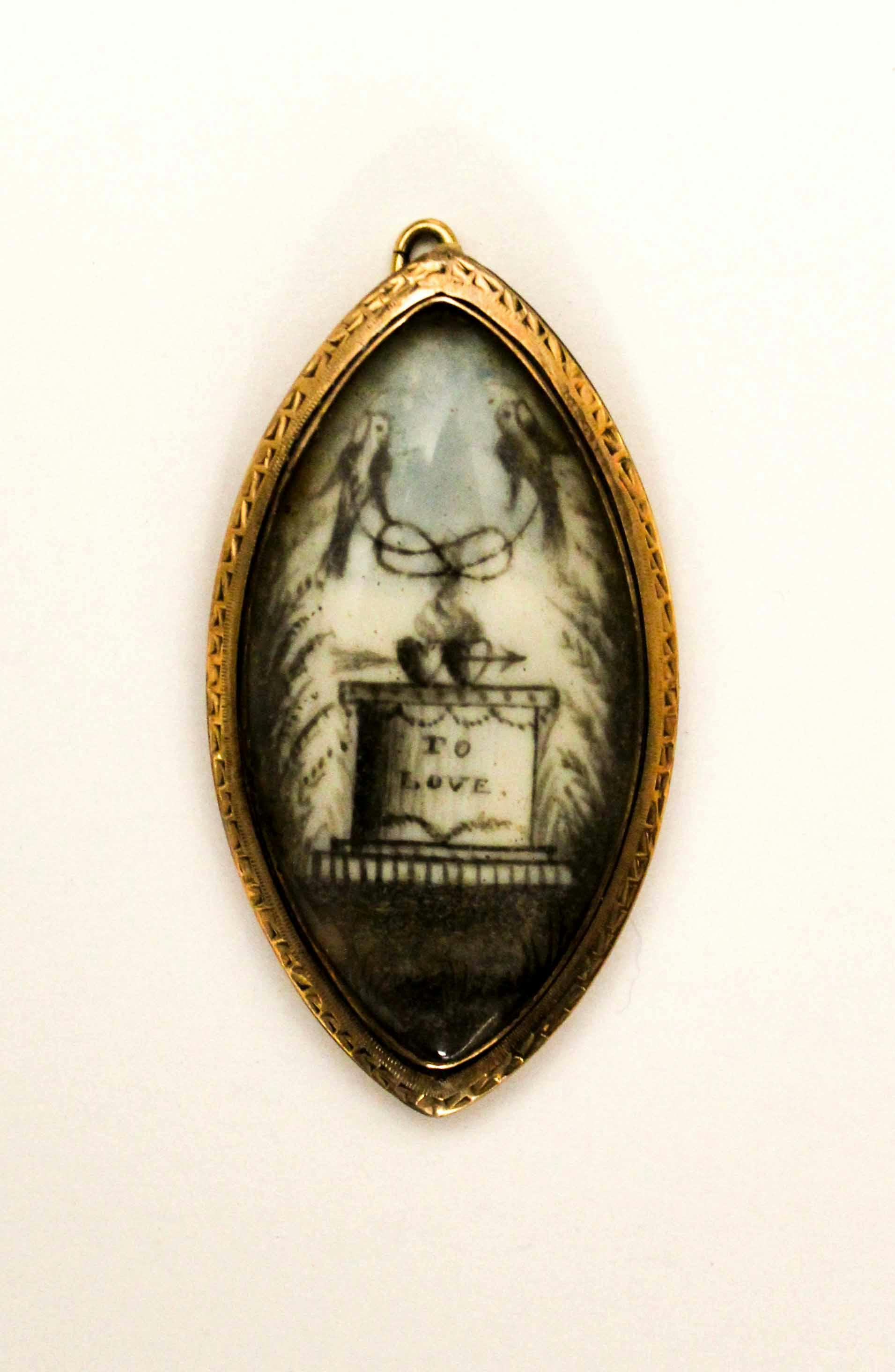
This pendant belonged to Mary Lloyd Hendrickson of Monmouth County, New Jersey. It was likely a wedding present from her husband John, whom she married in 1790. When John died in his thirties, he left Mary a widow with several children. The pendant descended in the family to Mary’s unmarried granddaughter Ella Hendrickson, who then left it to her niece Mary Hendrickson Taylor.
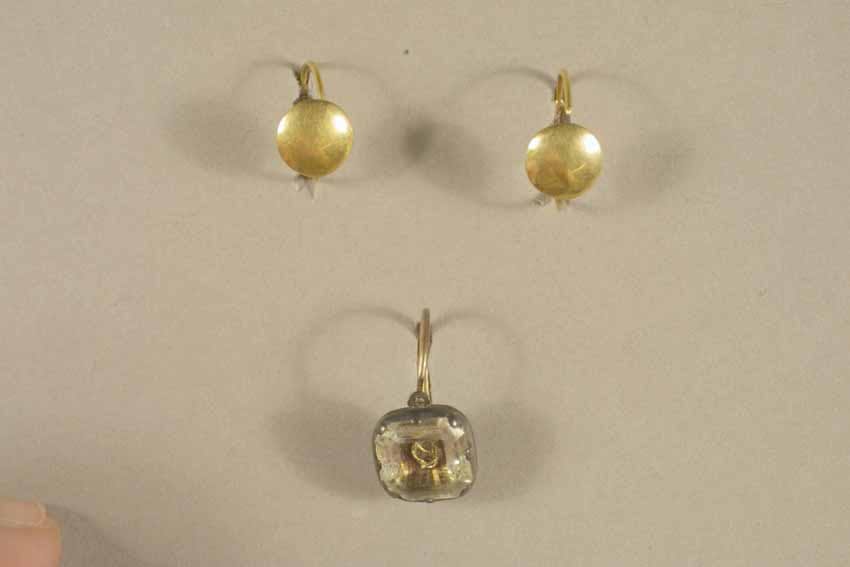
These gold bob with rings earrings resemble a pair that Christiana Kitts willed to her granddaughter in 1801. Kitts voted in December 1800 in Upper Penns Neck Township, Salem County, New Jersey.
Founding “Feminists”
Overview
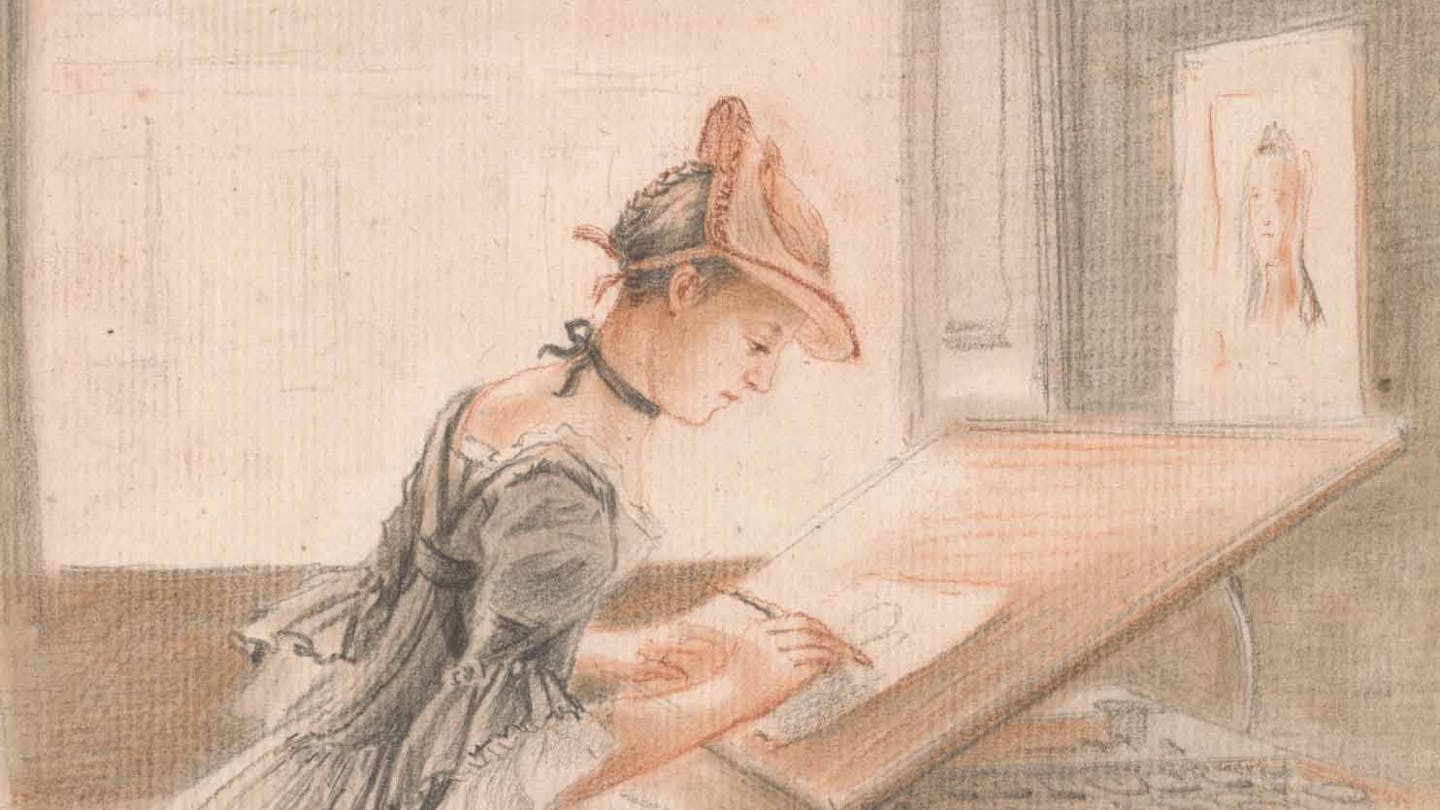
The New Jersey Constitution’s inclusive electorate influenced and took inspiration from Revolutionary ideas in the states and across the Atlantic. A new kind of women’s “rights talk” emerged in the 1790s and, along with it, a new generation of women activists, intellectuals, educators, and politicians. These women — and men — pushed gender boundaries and advocated for equal rights for women in Europe and America, some even drawing from the example of women voters in New Jersey.
An upsurge in women’s publishing in the post-Revolutionary era accompanied calls for women’s rights and inspired a dialogue between women activists, among them some of New Jersey’s most political women.
Were these men and women “feminists?”
“I congratulate the ladies of New Jersey that they are in some thing put on a footing with the gentlemen and the most extraordinary part is, that it has been done by the gentlemen themselves…” – Susan Vergereau Boudinot Bradford, 1818
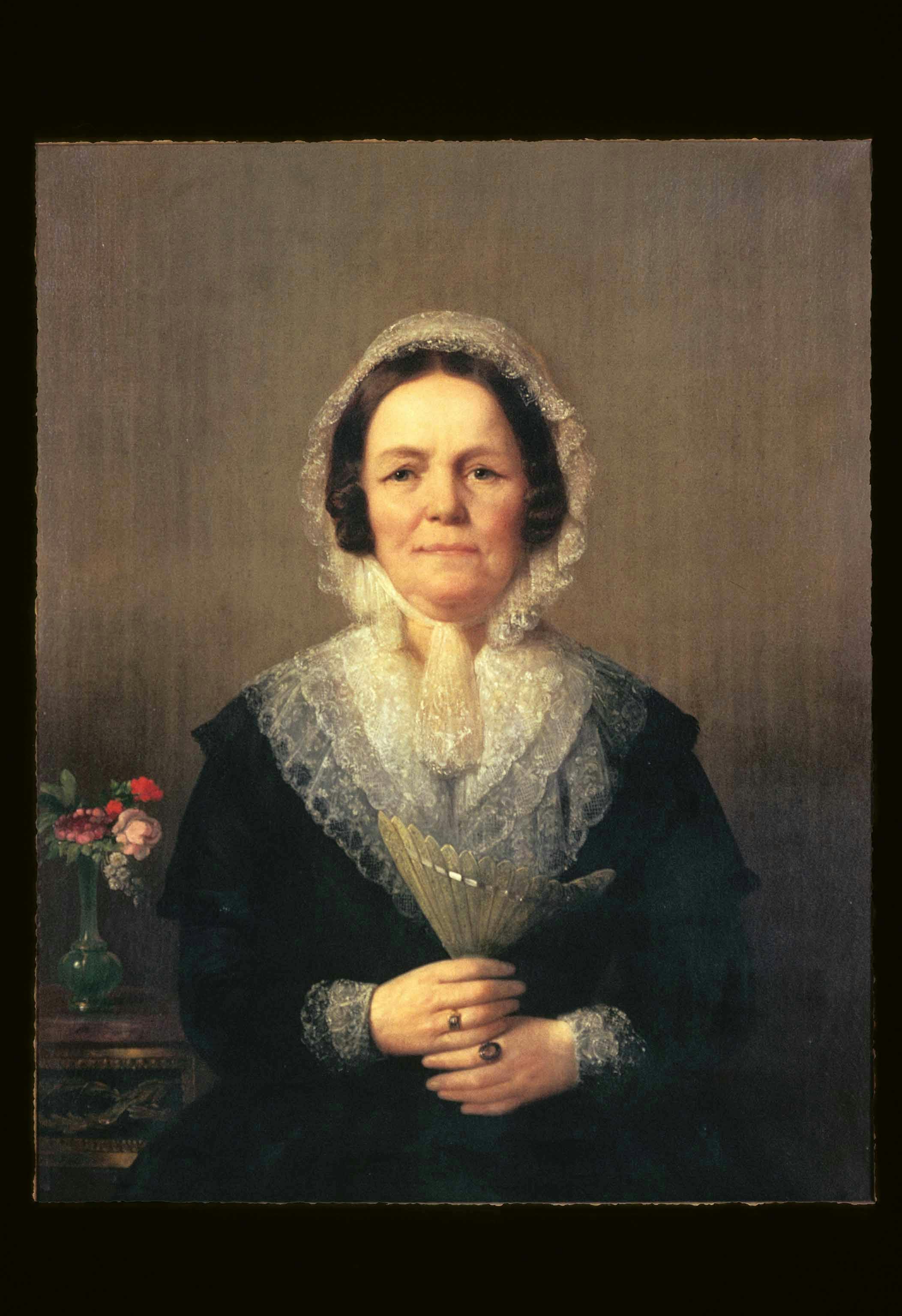
Susan Boudinot Bradford was the daughter of Hannah and Elias Boudinot and wife of Pennsylvania Chief Justice and Attorney General William Bradford. As a young girl during the Revolution, Susan was remembered as throwing her tea out of the window at the New Jersey Governor’s home, establishing herself as a young Revolutionary. In her later life, Susan Bradford shared her social circle with Nelly Parke Custis and Elizabeth Bordley Gibson.
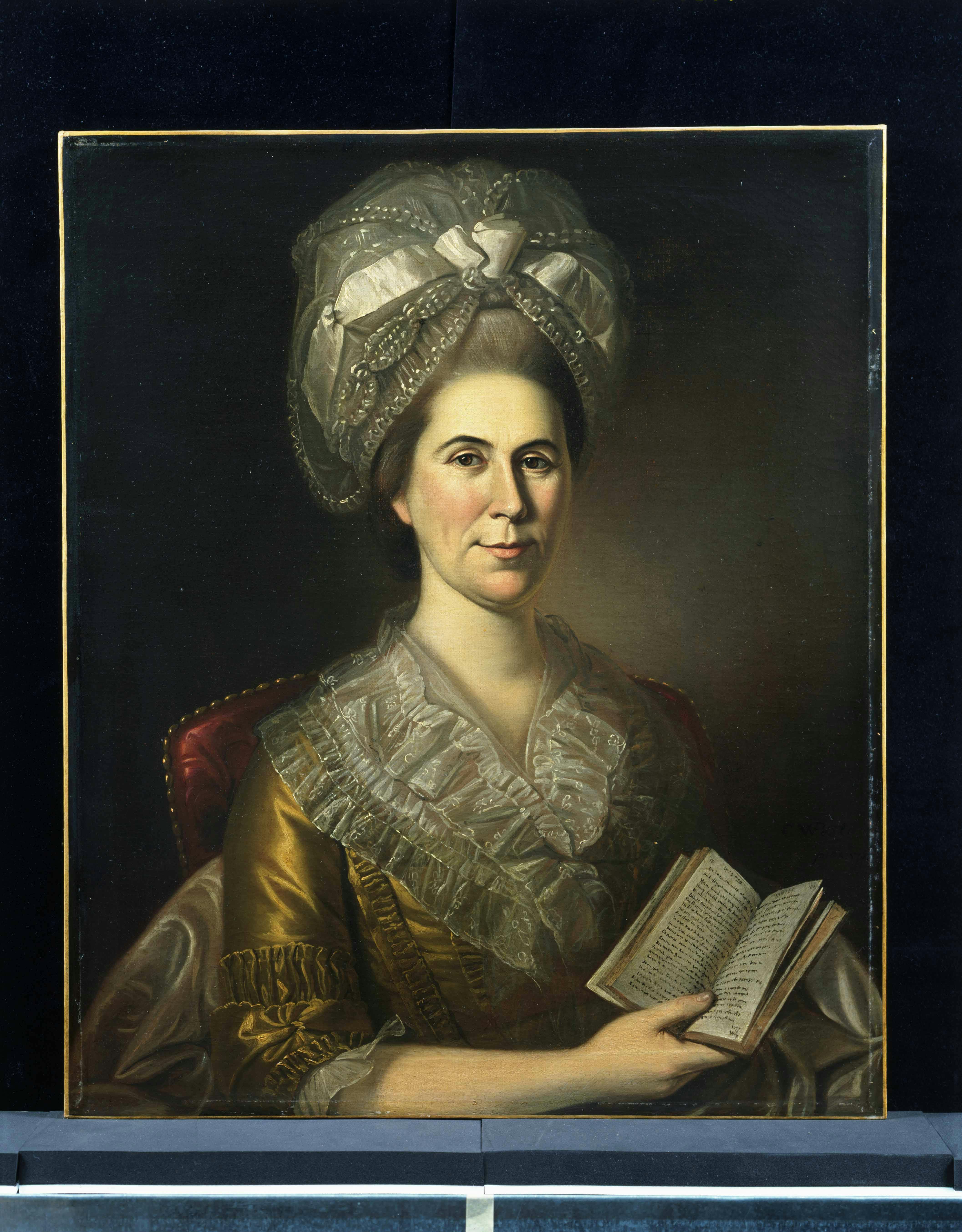
Hannah Stockton Boudinot was the sister-in-law of Annis Boudinot Stockton, the mother of Susan Vergereau Boudinot, and the wife of Elias Boudinot, a successful New Jersey lawyer, congressman, and supporter of women’s rights. In this portrait, she holds a copy of Scottish poet James Thomson’s The Seasons (1730), demonstrating her pride in her literacy.
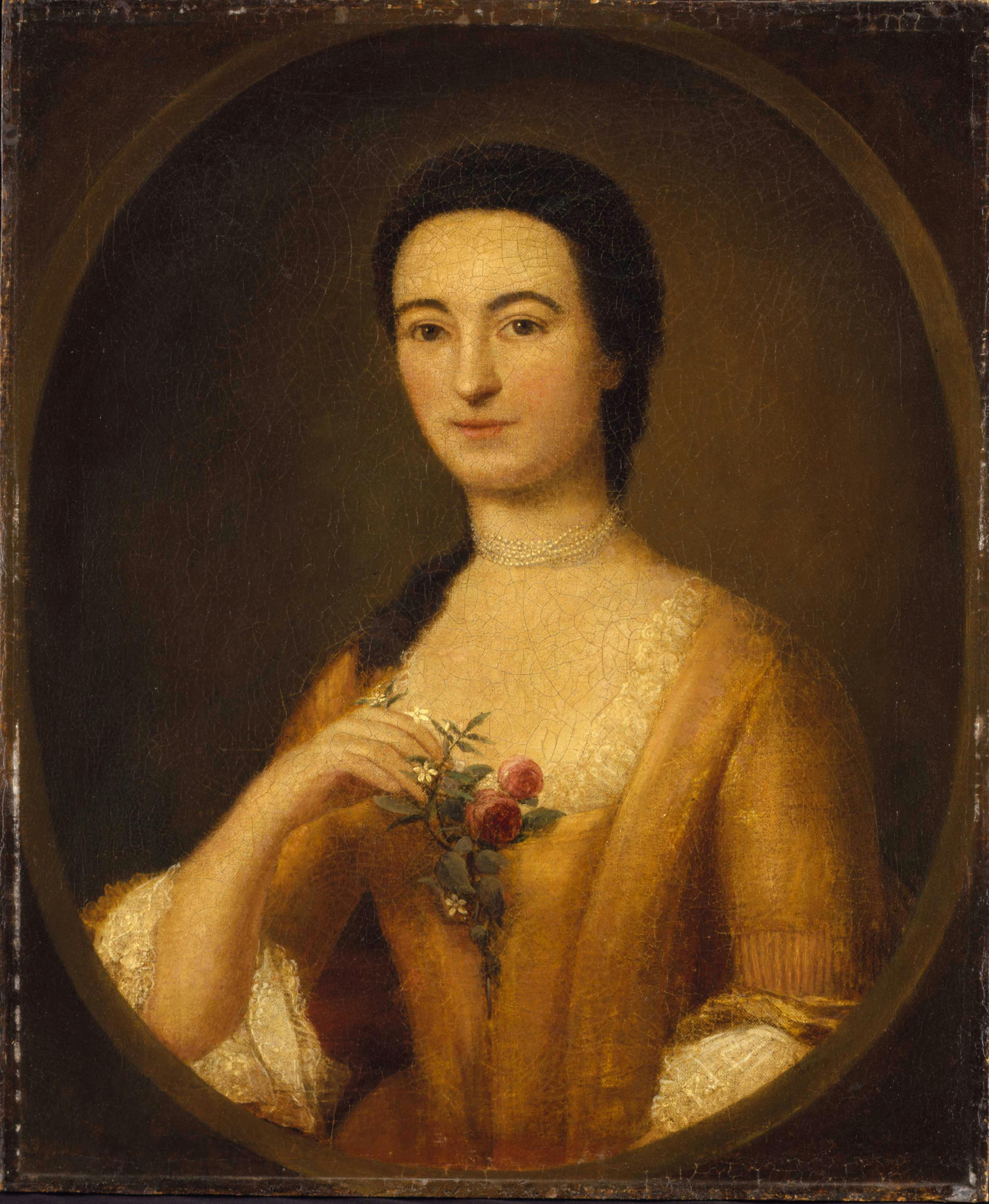
The best known among the Boudinots and Stocktons was Annis Boudinot Stockton, one of the nation’s first published poets and a notable supporter of the Revolution. During the war, she helped create a relief fund for Continental Soldiers and rescued Revolutionary documents from the British Army at Princeton.
“I think the women have their equal right of every thing.” – Annis Boudinot Stockton to Julia Stockton Rush, 1792
Annis and her husband, delegate to the First Continental Congress and signer of the Declaration of Independence Richard Stockton, often hosted other leading Revolutionaries, including George and Martha Washington, at Morven, their home in Princeton, New Jersey.
In 1789, as Washington passed through Trenton on his way to be inaugurated as President of the United States, the townswomen sung her poem Welcome, Mighty Chief, Once More.
When Stockton’s husband fell ill and died in 1781, she became a widow of femme sole status, which would have made her eligible to vote in the state of New Jersey.
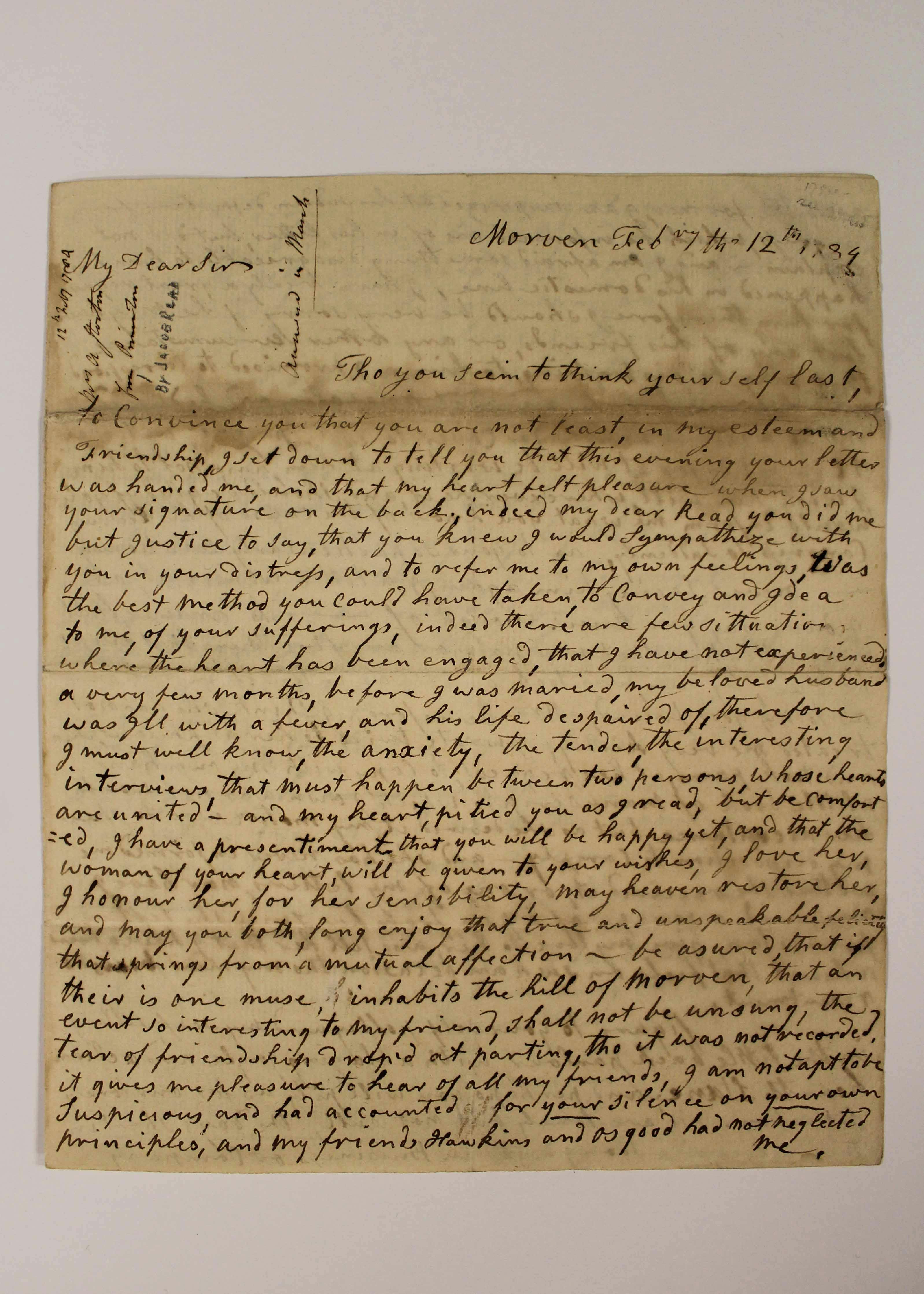
The Boudinots and Stocktons were some of the most politically-active families in early New Jersey. The women expressed knowledge of political issues and participated in their communities.
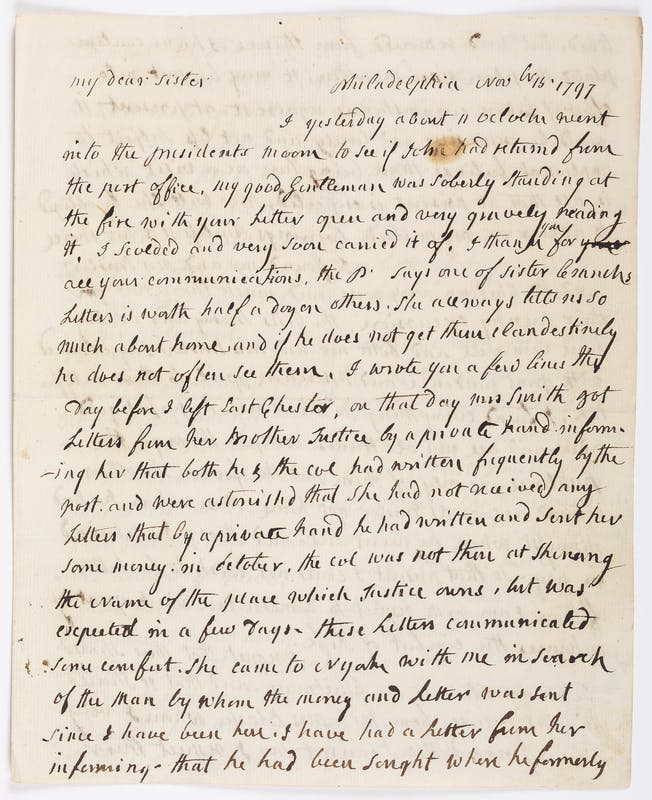
Abigail Adams was unable to vote in her home state of Massachusetts. But in this 1797 letter to her sister, she discusses her desire to vote for Reverend Kilborn Whitman as a candidate for the ministry of the Congregational Church in Quincy, Massachusetts.
“If our State constitution [in Massachusetts] had been equally liberal with that of New Jersey and had admitted the females to vote, I should certainly have exercised [my vote] on his behalf.” – Abigail Adams to Mary Cranch, November 15, 1797
The Massachusetts Constitution of 1780 had called for ministers to be elected by “towns, parishes, precincts, and other bodies politic, or religious society.” It did not mention a gender qualification for those voters.
Women across the nation, and perhaps even the Atlantic, drew inspiration from the New Jersey “exception” and its early women voters. In 1797, Abigail Adams wrote a letter to her sister supporting women’s suffrage in New Jersey.
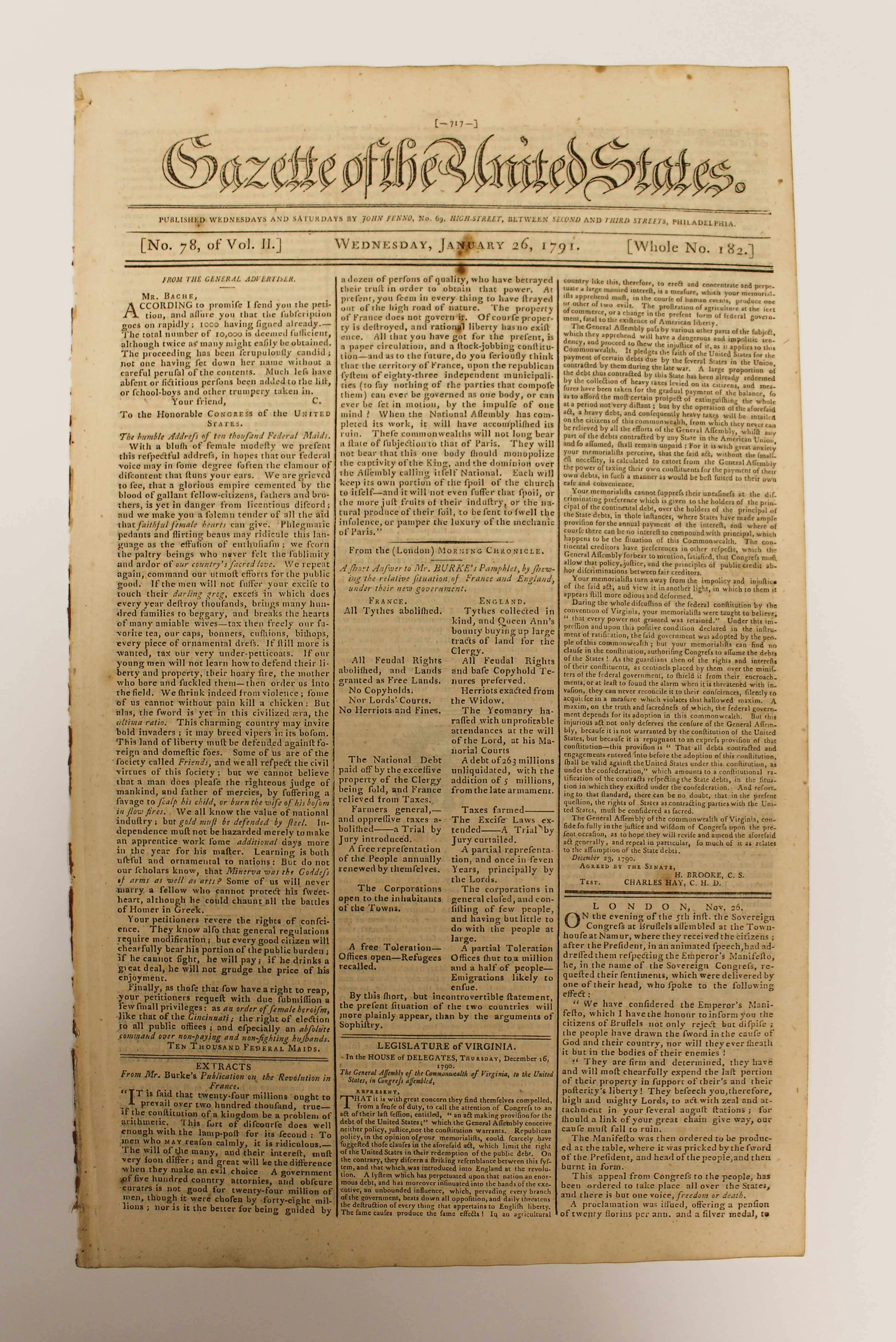
This newspaper marks perhaps the earliest known call for women’s suffrage in America. “Ten Thousand Federal Maids” ask for “a few small privileges,” including “the right of election to all public offices.” Were these women asking for a right to vote, a right to hold office, or both?
Women also began calling for “a few small privileges” in national newspapers. This published letter to Congress is signed “Ten Thousand Federal Maids.”
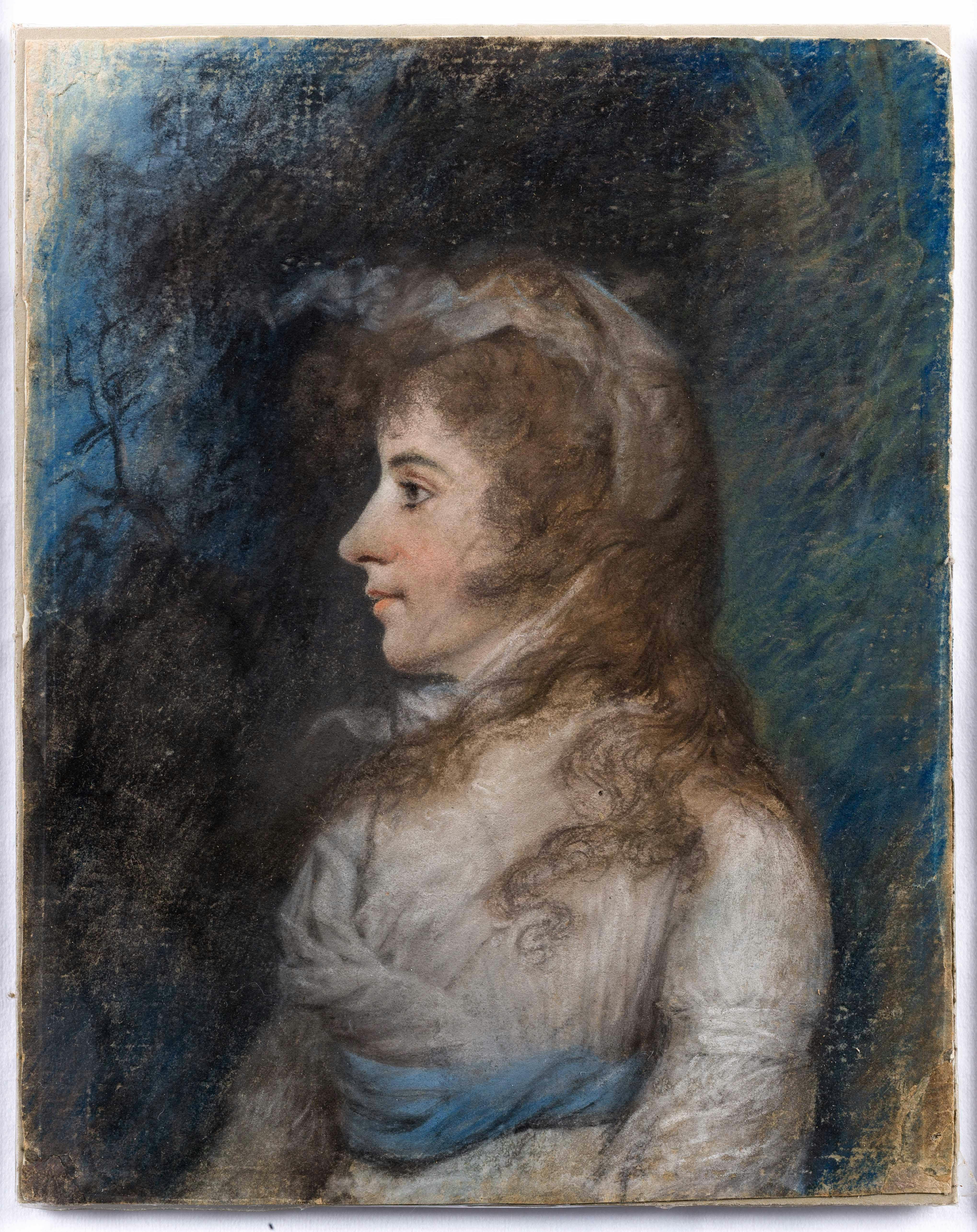
Eleanor “Nelly” Parke Custis was the granddaughter of Martha Washington. She lived at Mount Vernon, in New York City, and in Philadelphia before moving to Mount Vernon permanently in 1799. That year, she married George Washington’s nephew, Lawrence Lewis.
“[She mounted her steed and] galloped to the hustings and demanded her right to vote as a freeholder.” – John Adams about Eleanor Parke Custis, November 25, 1821
John Adams recalled a story to his grandson in which Eleanor “Nelly” Parke Custis rode on horseback to her local polling place in 1797 in Virginia to attempt to vote as a freeholder. Perhaps Custis was inspired by New Jersey’s example.
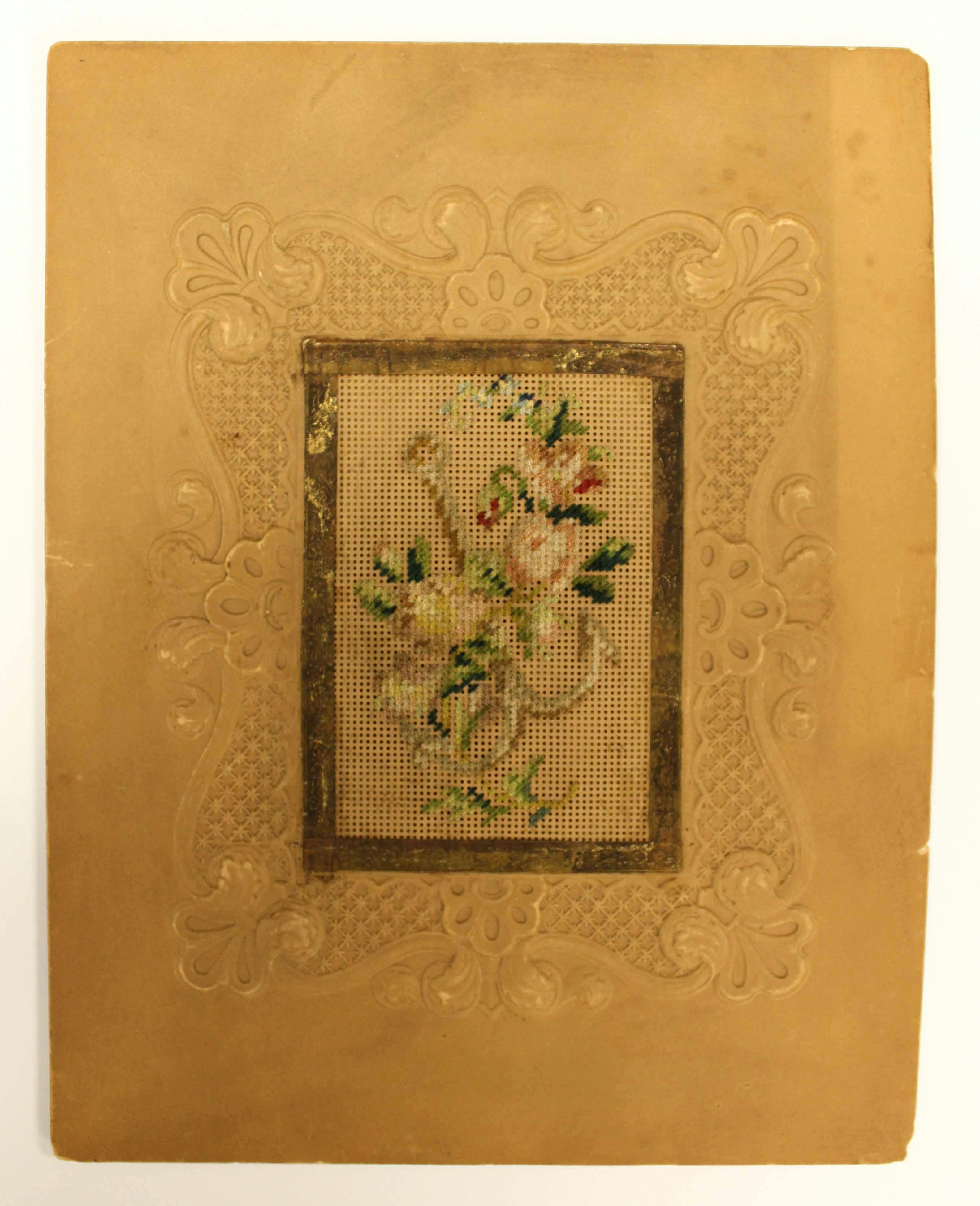
Nelly Custis attended a school operated by Isabella Graham in New York City. Here, she took a variety of classes, including spelling, mathematics, geography, drawing, painting, embroidery and music lessons. Her education equipped her with the skills to sew this needlework, which she completed in her later life.
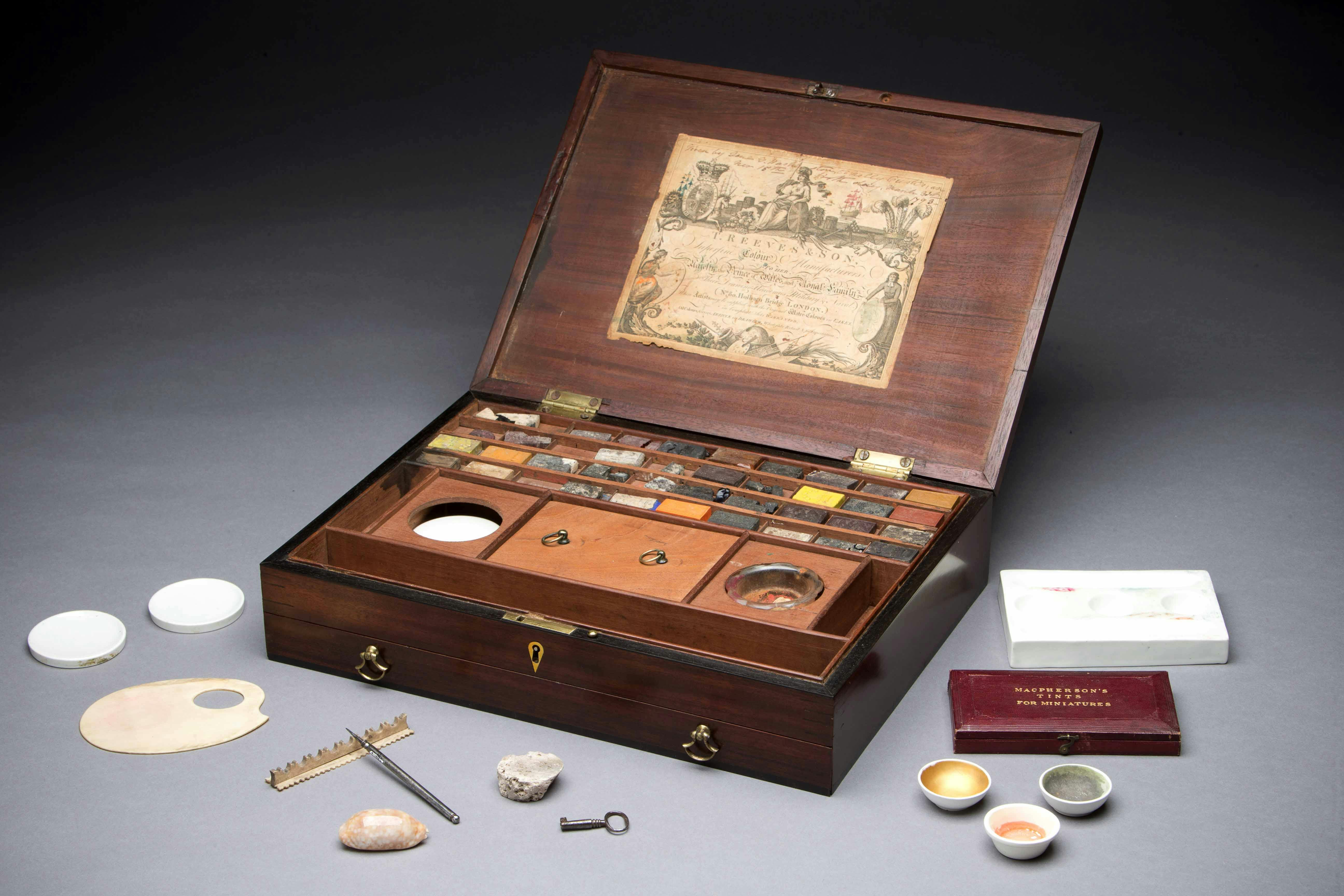
Custis was an avid painter. She would use this paintbox, which belonged to her, to paint a variety of watercolors, including landscapes and mourning artwork.
Quaker Women and Women’s Rights
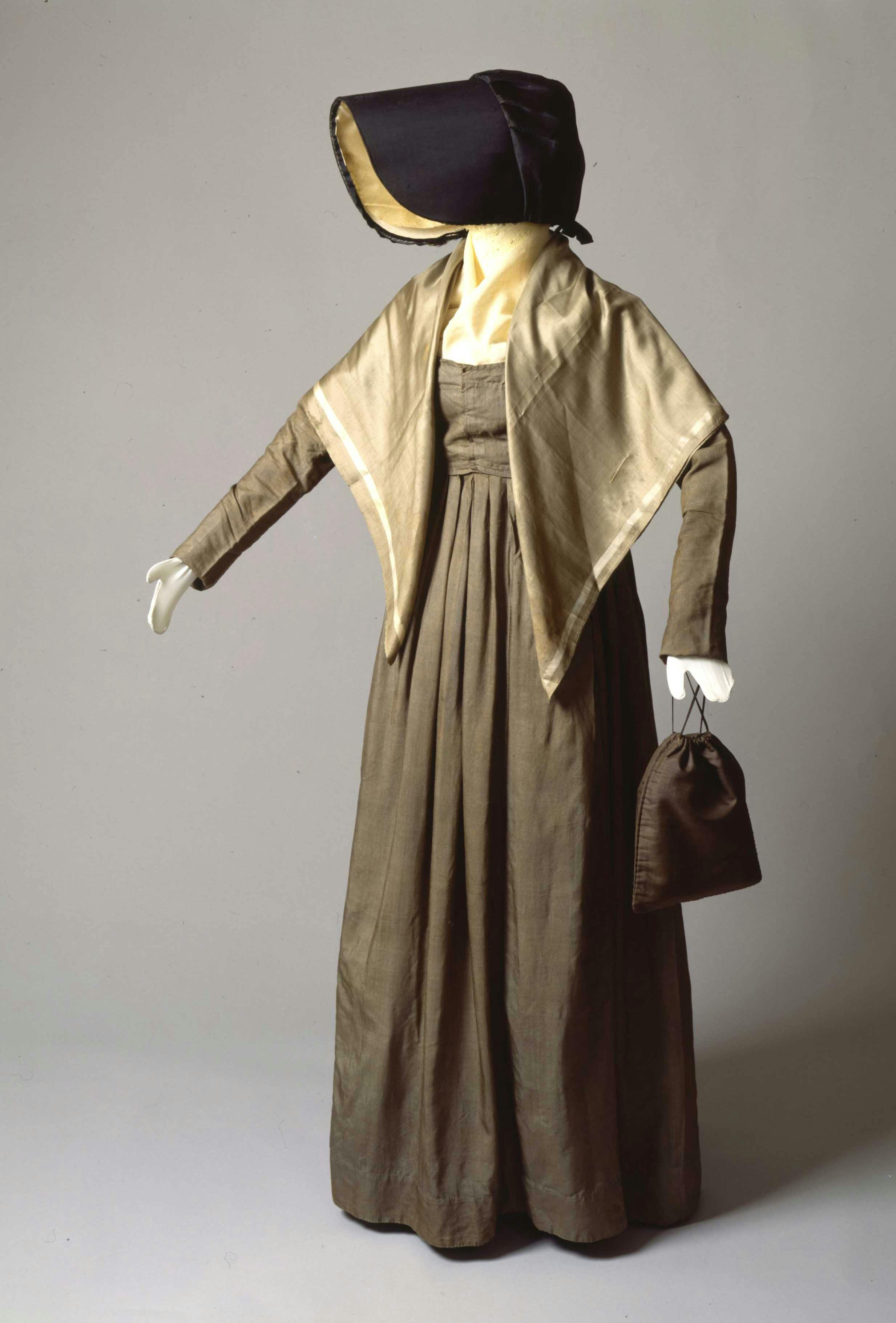
Quaker women in the 1800s often wore understated garments like this work dress, shawl, and bonnet. These “plain” dresses allowed Quakers to set themselves apart from others and look more unified in their appearance. This ensemble was likely worn by a Quaker woman in Monmouth County, New Jersey.
The Society of Friends advocated for gender equity, especially at religious meetings. These beliefs may have translated to Quaker women’s increased political participation across the state of New Jersey.
In fact, some historians suggest that Quaker women, many of whom remained single throughout their lives, were more likely to have been eligible to vote, or perhaps, more likely to have voted.
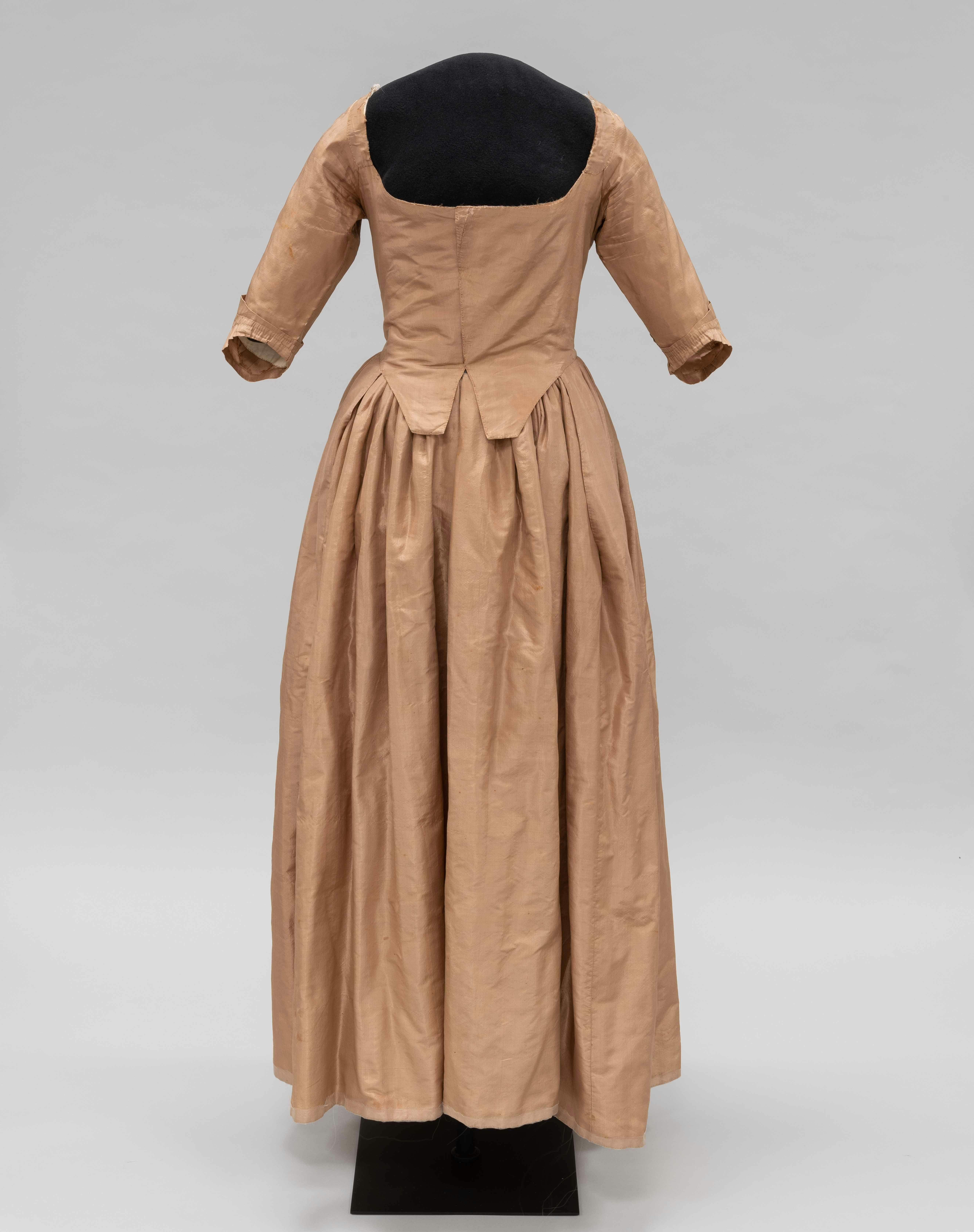
Quakers often stood out in their communities, especially by the simplicity of their clothing. This plain silk gown was worn by a Quaker in Chester County, Pennsylvania.
The Many Faces of Feminism
While white middle and upper-class women were among the most vocal and visible advocates for the equality of the sexes in the Early Republic, they were not alone. Women of color, and some men, too, voiced their support for women’s equal opportunities, especially in education.
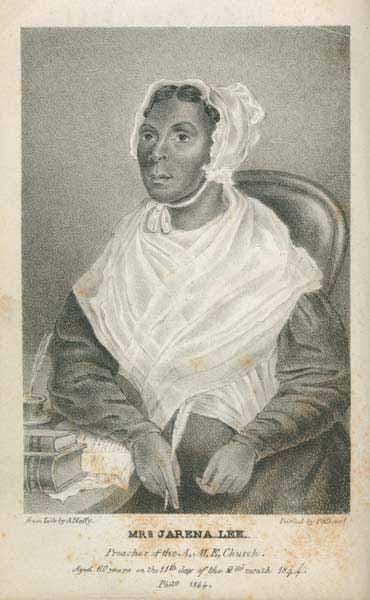
Jarena Lee grew up in Cape May, New Jersey. She was a preacher, despite being formally barred from the profession as a woman. Her sermons were so powerful that she became the first female preacher of the African Methodist Episcopal Church of America in Philadelphia. In 1836, she published her autobiography, making her one of the first published African American autobiographers in the nation.
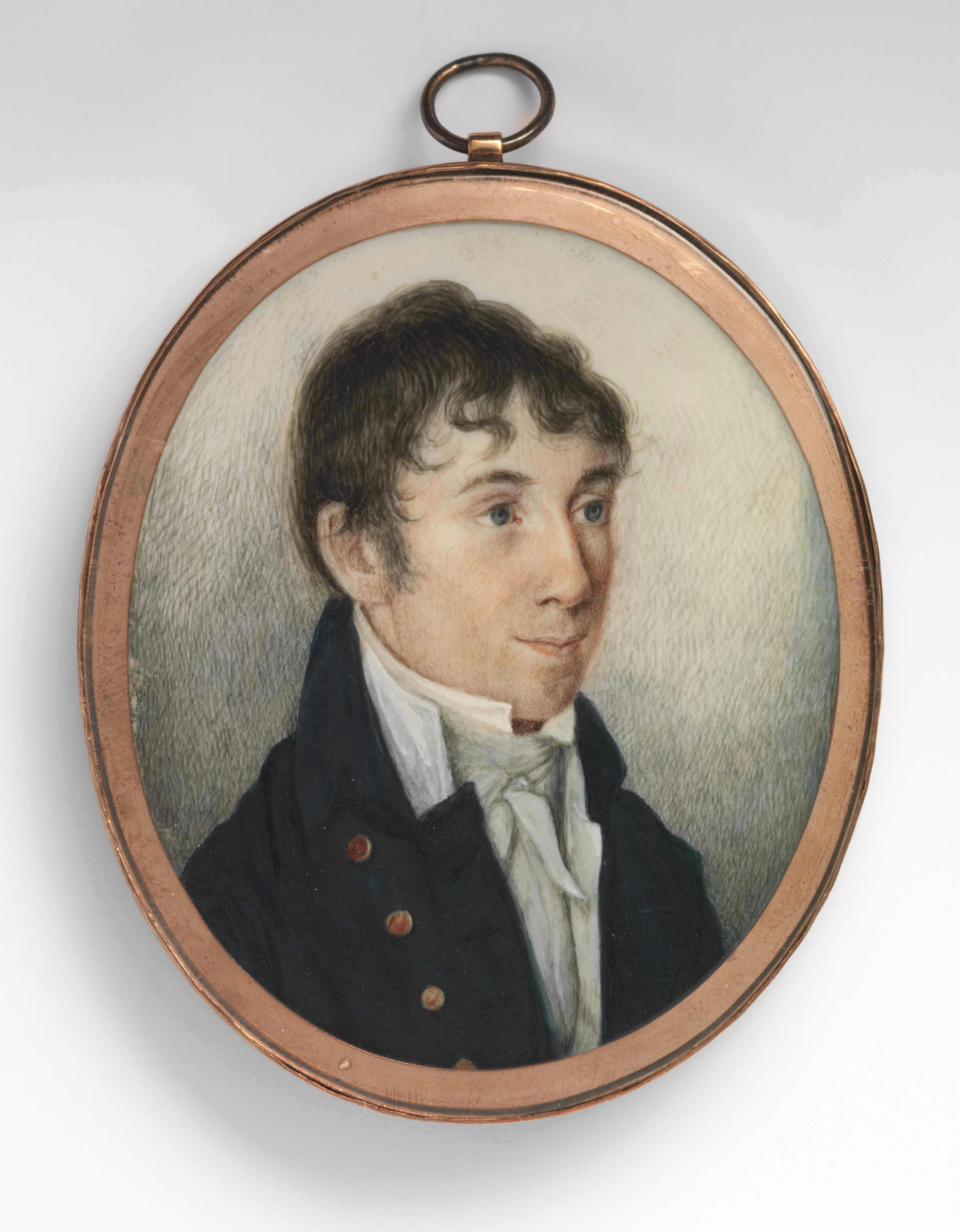
Charles Brockden Brown was a renowned novelist and literary professional. Born into a Quaker family in Philadelphia, he was raised as a supporter of women’s rights. In his 1798 publication Alcuin, a dialogue on women’s rights, Brown advocated for women’s equal access to education, equated marriage to a form of slavery for wives, and criticized women’s exclusion from politics.
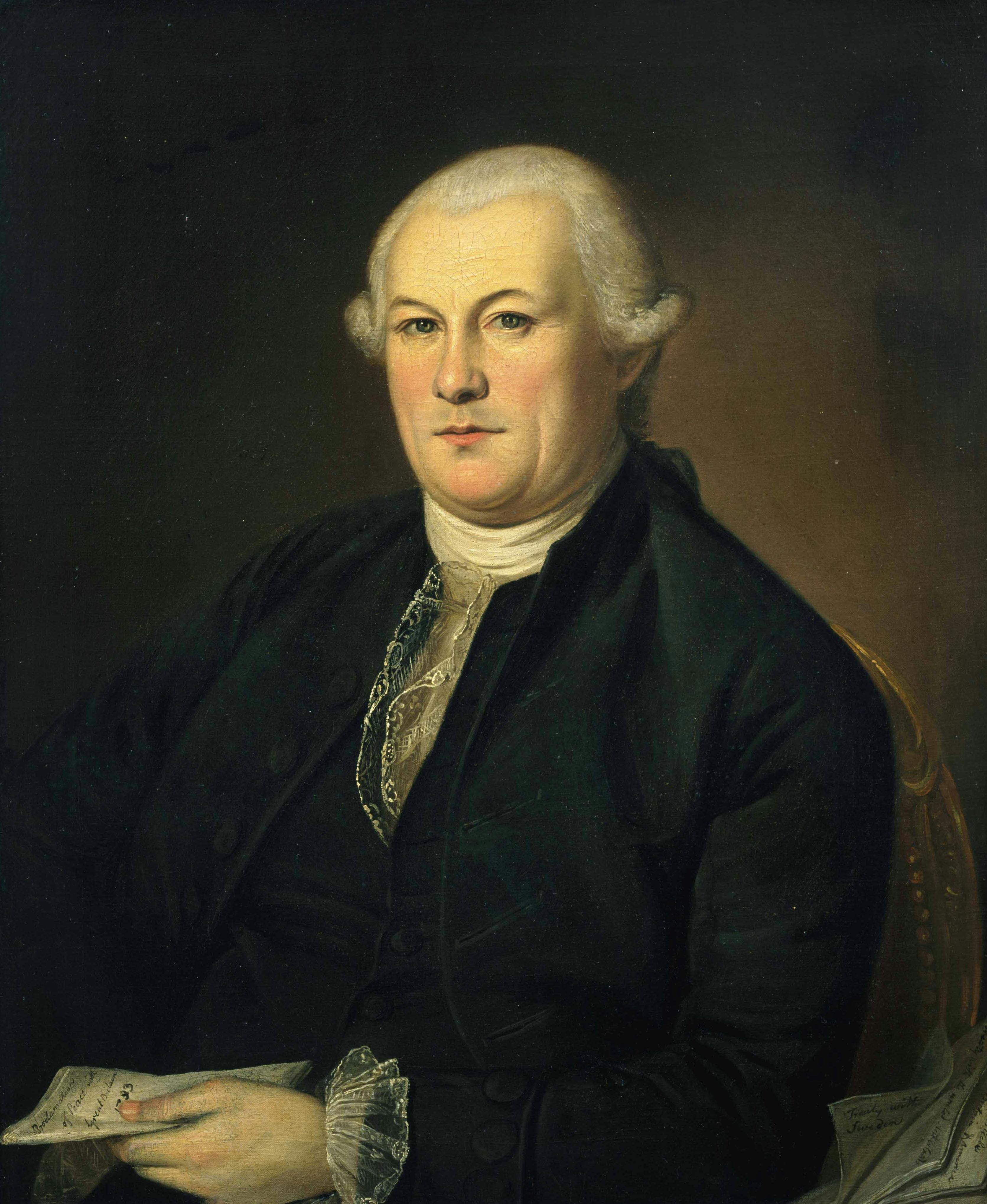
“The rights of women are no longer strange sounds to an American ear, and I devoutly hope the day is not far distant when we shall find them dignifying in a distinguishing code, the jurisprudence of several states of the Union.” – Elias Boudinot, 1793
Elias Boudinot was a lawyer and member of the Continental Congress. He represented New Jersey in the House of Representatives from 1789 to 1795. As an advocate for women’s rights, in 1793 Boudinot led a Federalist campaign to encourage New Jersey women to participate in politics.
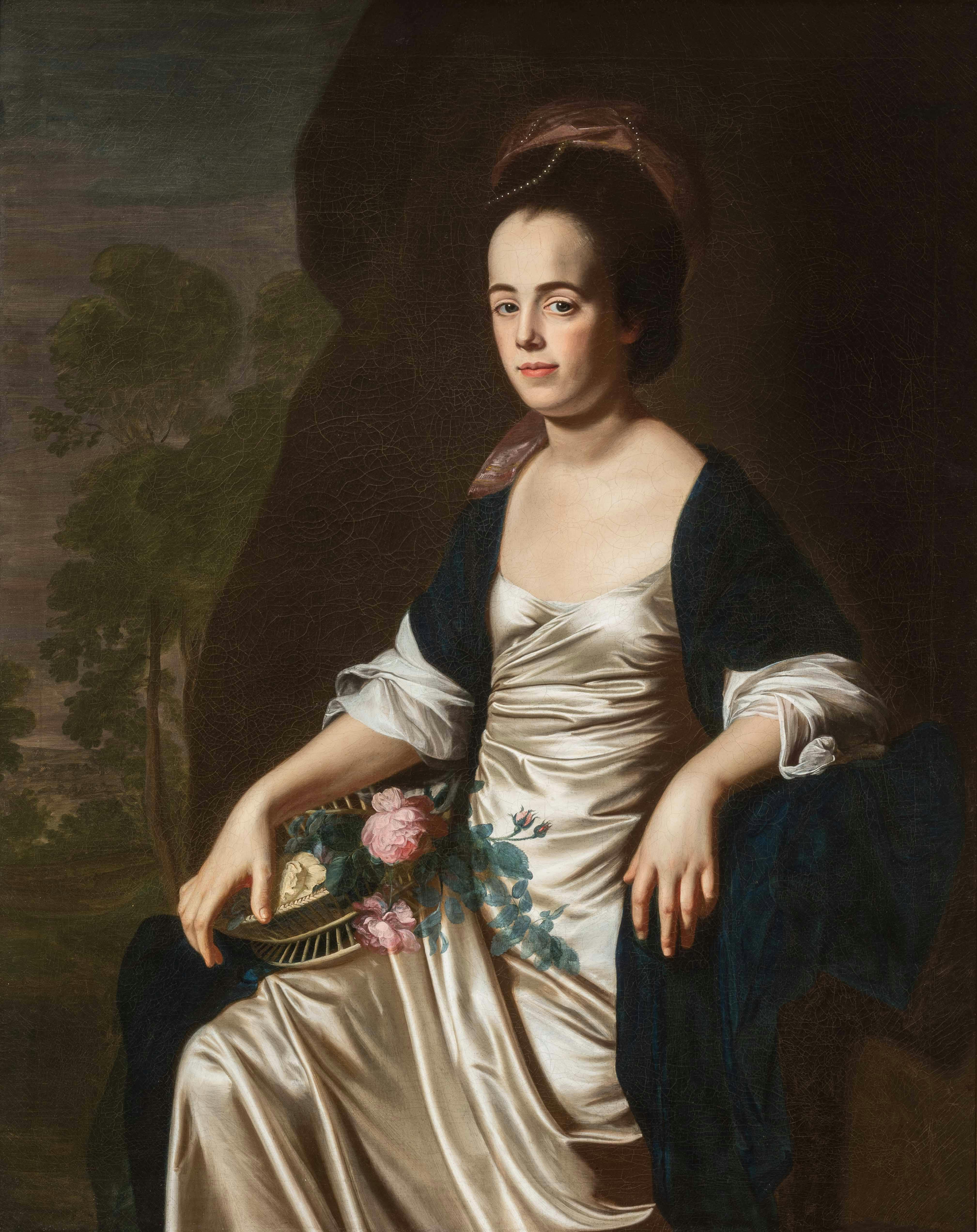
One of Judith Sargent Murray’s first essays promoting women’s rights, “On the Equality of the Sexes” (1790), predates even the most groundbreaking feminist treatise, Mary Wollstonecraft’s AVindication of the Rights of Woman (1792). Murray published other egalitarian tracts, such as The Gleaner in 1798.
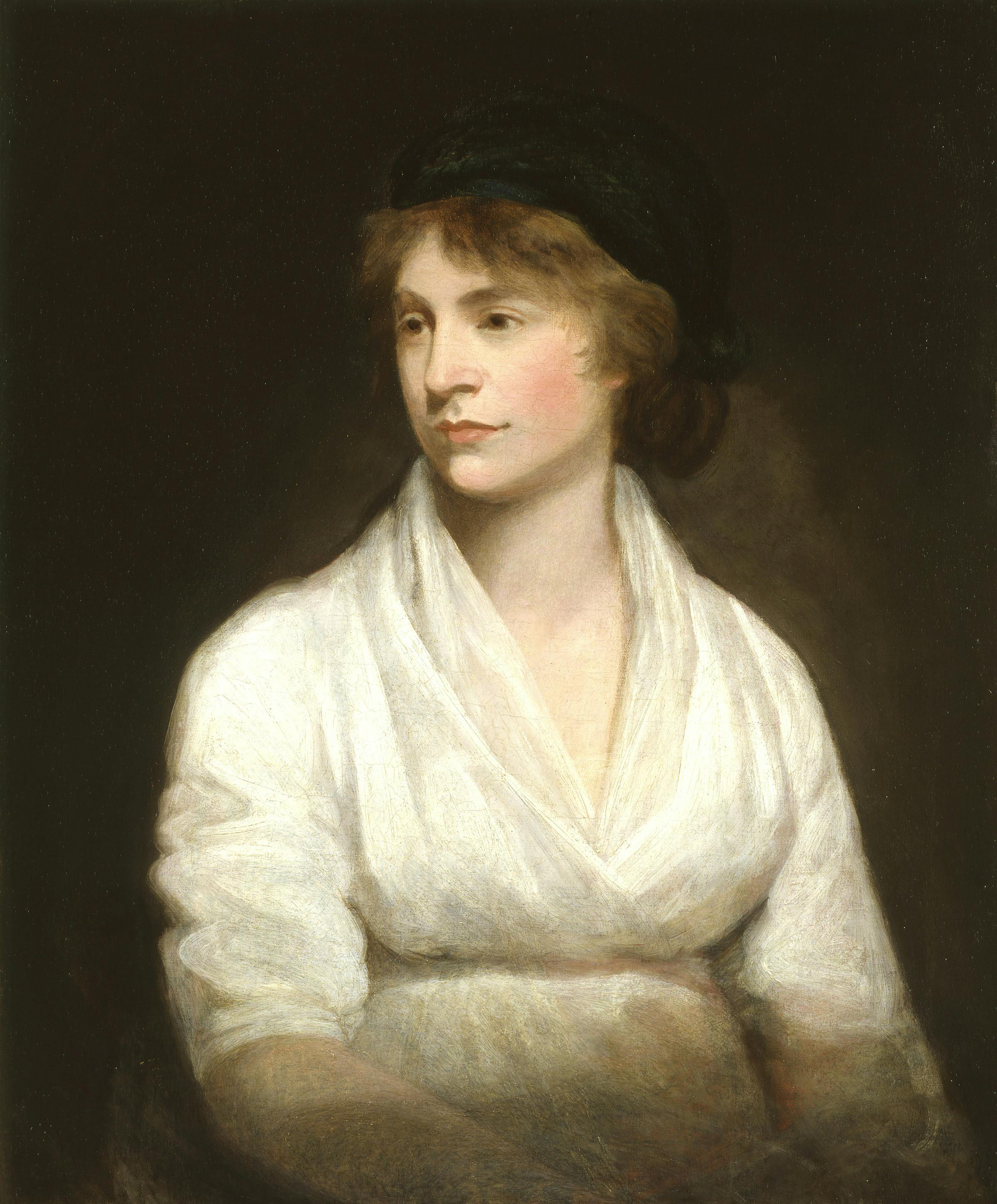
Mary Wollstonecraft was an English writer and political philosopher. In 1792, she published A Vindication of the Rights of Woman. Because of this work, one of the earliest publications to champion women’s rights, she is today considered the preeminent feminist thinker of her generation. Vindication was serialized in American magazines prior to its first American book edition in 1794.
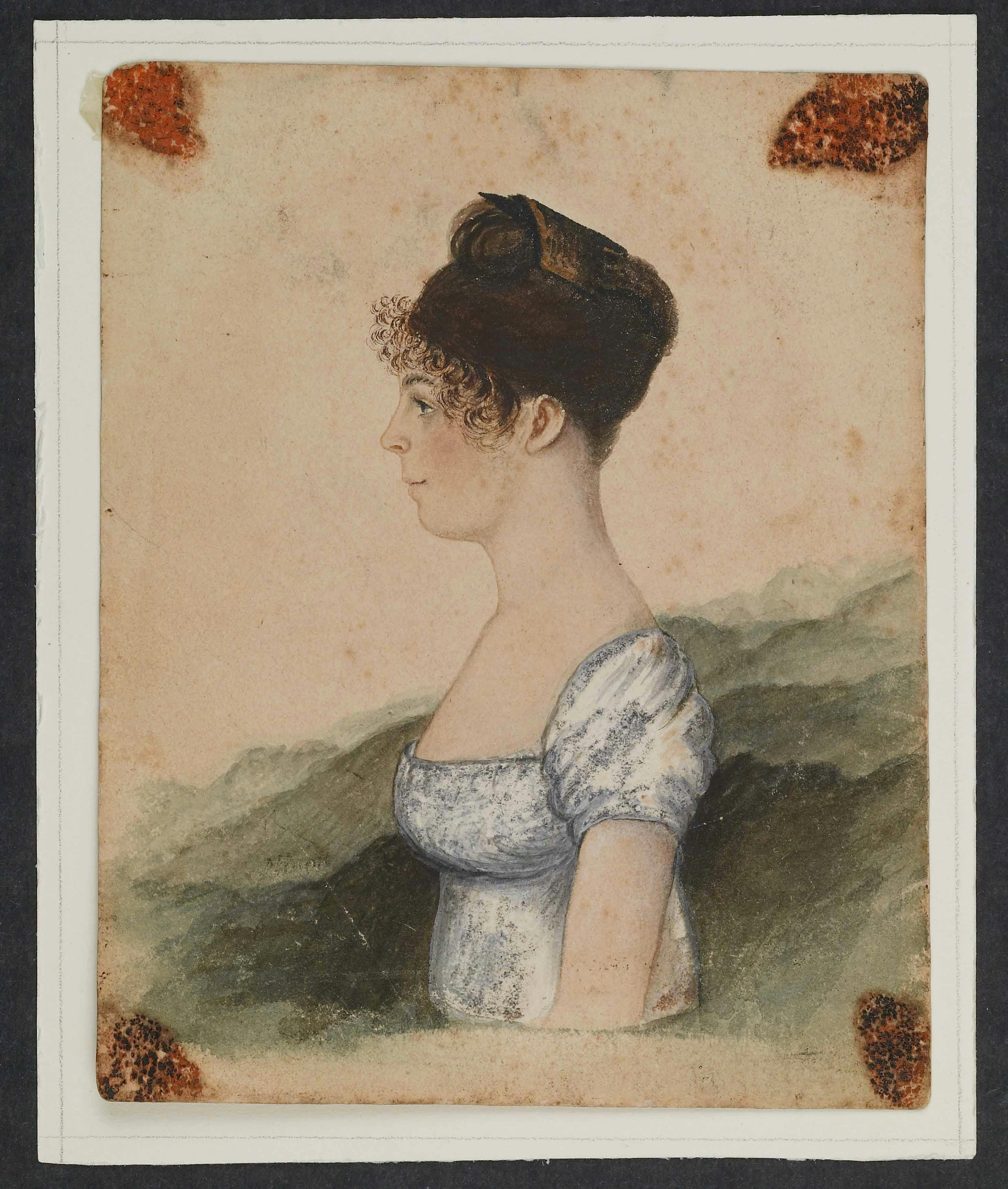
“Women were born for universal sway, Men to adore, be silent, and obey.” – Susanna Rowson, “Slaves in Algiers,” 1794
Susanna Rowson’s first publication, Charlotte Temple (1794), though published anonymously, became America’s first bestselling novel and launched her literary career. The same year, she opened Slaves in Algiers in Philadelphia, a critically-acclaimed play that solidified her reputation as an advocate for women’s rights. It was first performed at the Chestnut Street Theater in Philadelphia.
Discovering the Nation’s First Women Voters
In 2018, the Museum of the American Revolution discovered polling records that document – for the first time – that large numbers of women voted in New Jersey between 1776 and 1807.
Between 2018 and 2020, the Museum uncovered the names of 163 women voters on nine poll lists dating from 1800 to 1807. These lists have made it possible to research the stories of these women, the first women voters in the United States.
These lists document women’s political significance and participation in local, state, and federal elections in early New Jersey. This in-depth analysis of existing poll lists from early New Jersey challenges the idea that women in the Early Republic were only passive witnesses and bystanders of the political processes that shaped the new nation.
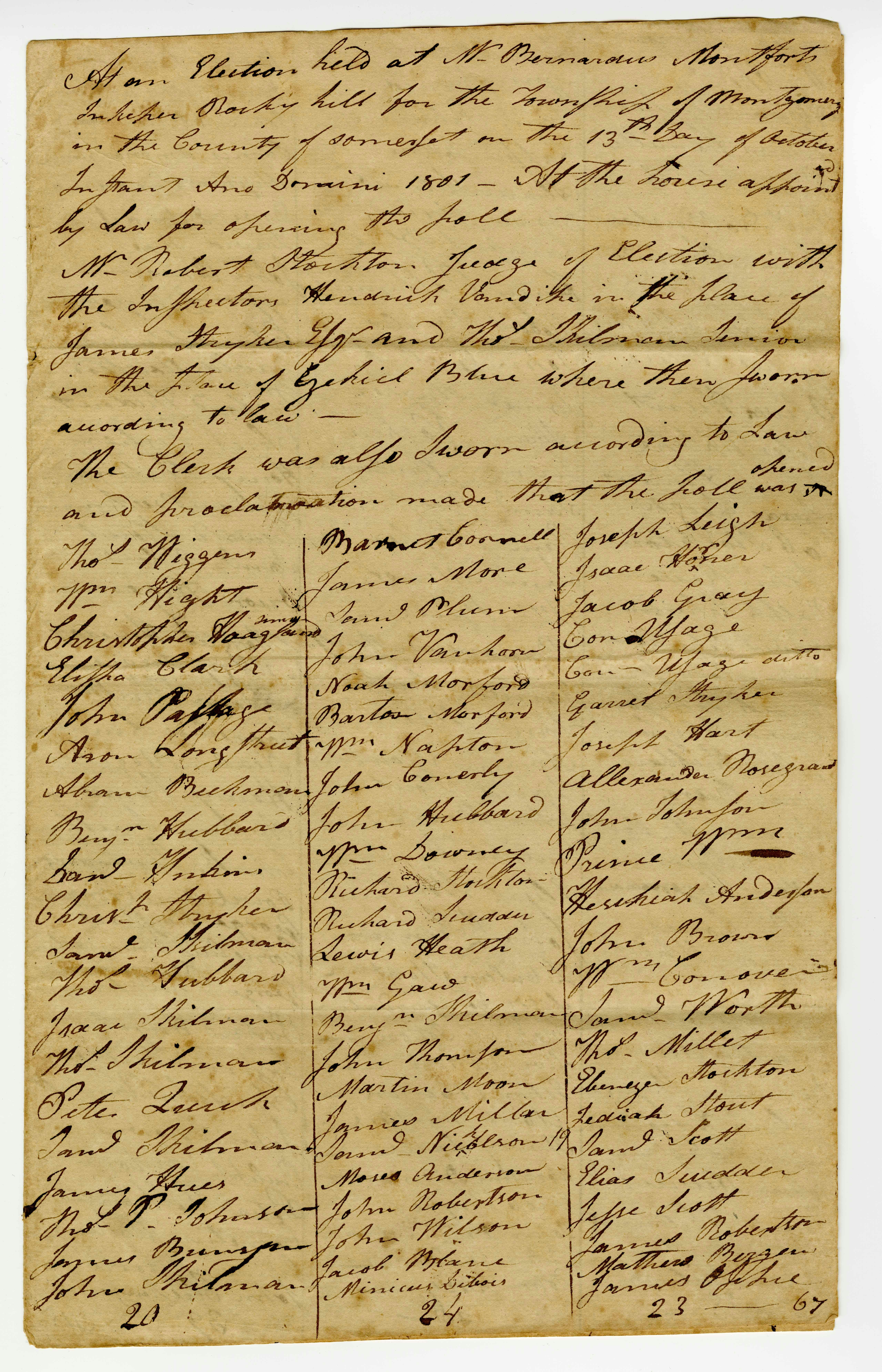
This poll list for an 1801 state election held at the Rocky Hill Inn in Montgomery Township includes the names of 343 total voters, 46 of whom are women. At least four of the names are people of color. Explore this list more in our poll list interactive.
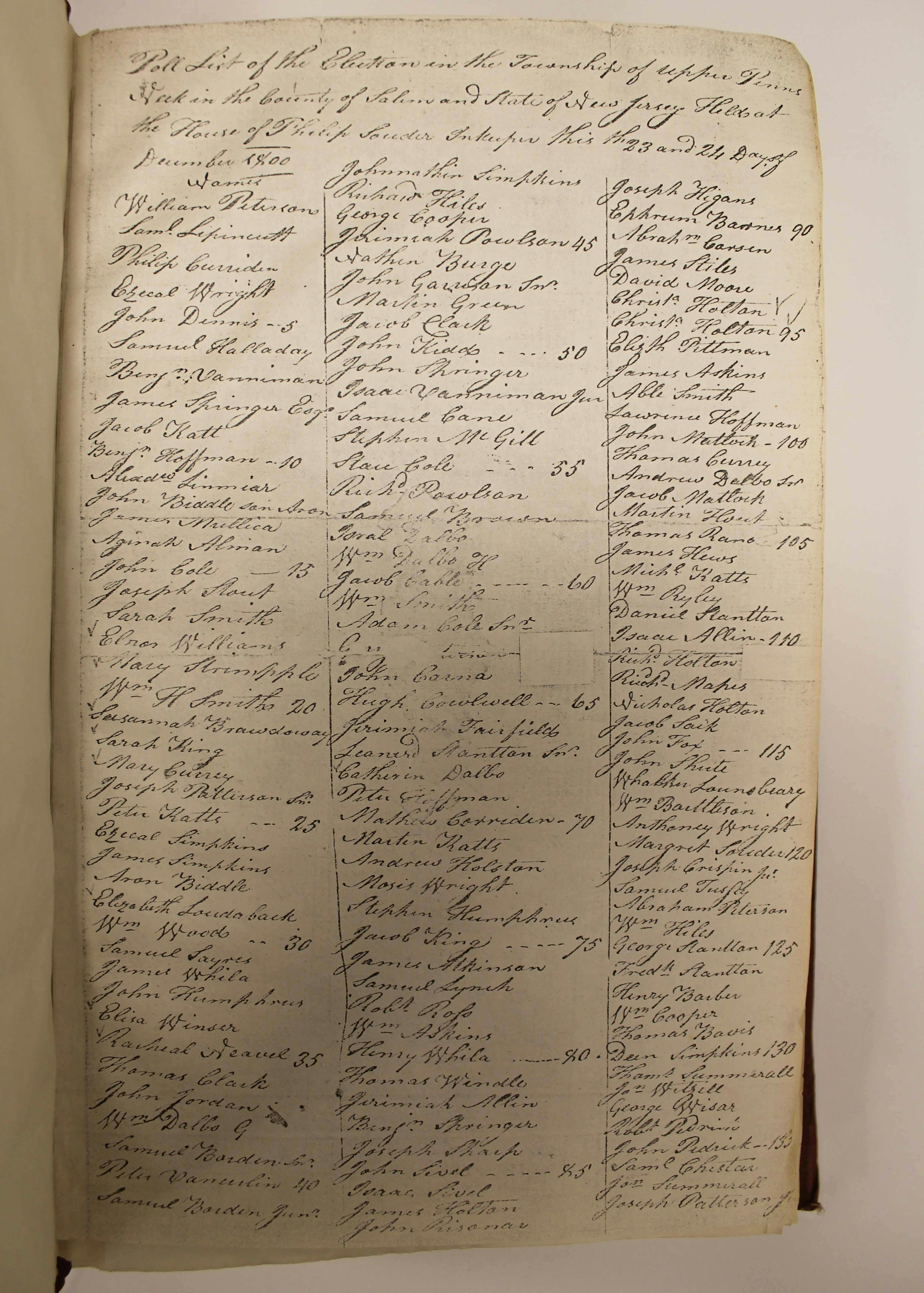
Six poll lists in this book include the names of women who voted in state and federal elections in Salem County, New Jersey, from 1800 to 1806. Twenty-six of the 75 women voters included on these lists voted in multiple elections, with some voting year after year. Explore these lists in more detail in our poll list interactive.
How Did Women Lose the Vote? – The Backlash
Overview
In November 1807, the New Jersey State Legislature stripped the vote from women, people of color, and recent immigrants. They redefined the property qualification to include all white male taxpayers. The preamble of the new act on election regulations justified the change by citing “doubts” that “have been raised, and great diversities in practices obtained throughout the state in regard to the admission of aliens, persons of color, or negroes, to vote in elections” as well as “the mode of ascertaining” voter qualifications. What did this mean? What had happened?
Reinterpreting the New Jersey Constitution
After nearly three decades of New Jersey’s distinctive Revolutionary experiment, its Constitution seemed to be in crisis. The 50-pound property requirement was increasingly unenforceable. It was hard to tell who met it and some towns chose not to enforce it. Without an effective property requirement, charges that property-less people were casting ballots arose, including itinerant laborers and “aliens” from other states or countries, married women, and enslaved people. Newspaper editorialists and politicians argued that the 1790 and 1797 laws had misinterpreted the intent of the 1776 New Jersey Constitution and that it was never meant to allow such an inclusive vote.
Yet the decision to exclude women and people of color happened for complex reasons that went well beyond these voting irregularities. Five factors contributed to the reasons why the state expanded the vote for white men while contracting it for women and people of color: the rise of partisan politics, regional controversies within the state over slavery, voter intimidation at the polls, fear of foreign influence, and a “backlash” against women’s political gains.
The Rise of Partisan Politics
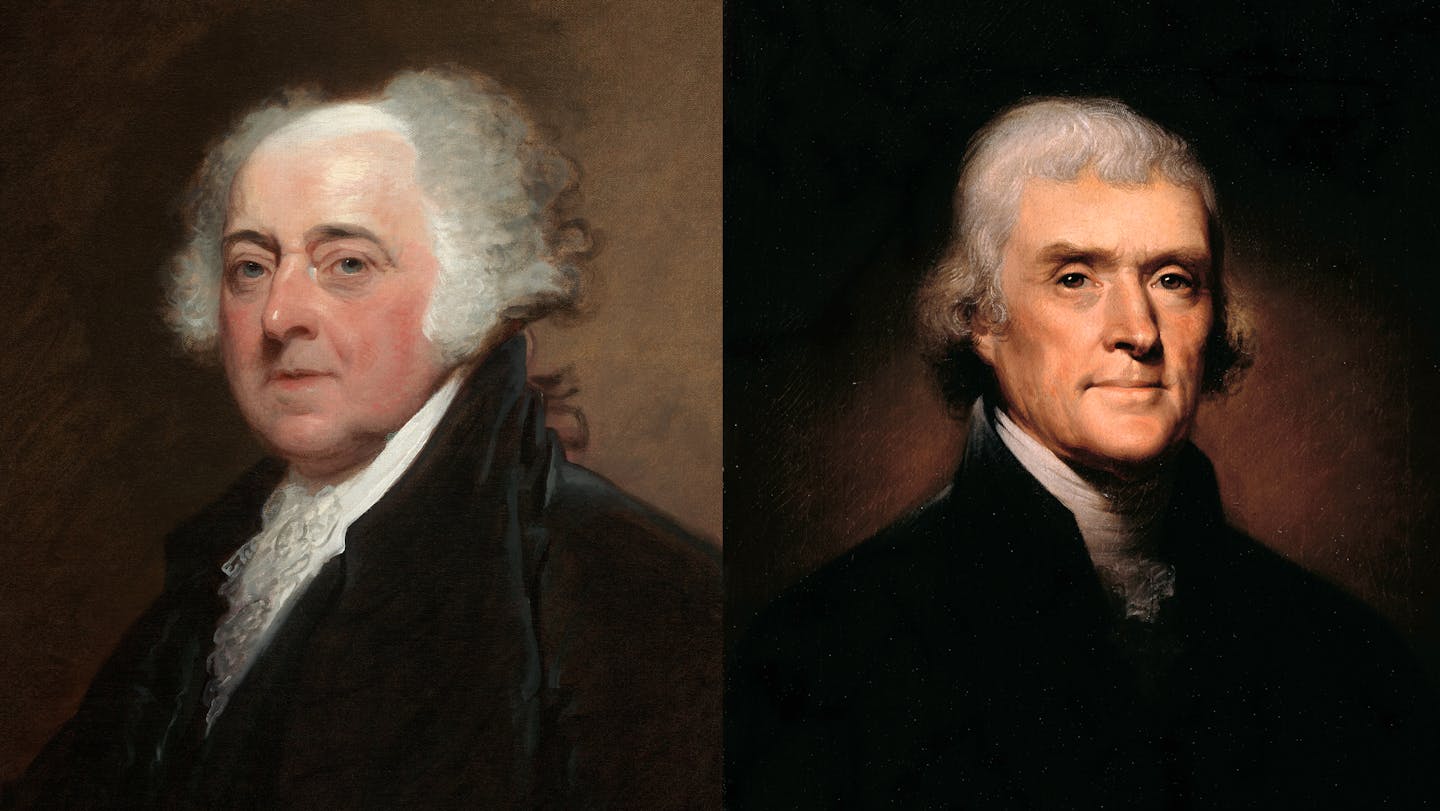
The 1790s saw the emergence of America’s first national political parties, the Democratic Republicans and the Federalists. Parties were not yet accepted as having a legitimate role in American politics, and many feared that partisan rivalries would destroy the new nation. Partisan distrust, editorial wars in newspapers, and accusations of voter fraud got a jump start from the controversies surrounding the 1800 presidential election in which Democratic-Republican Thomas Jefferson narrowly defeated Federalist incumbent John Adams. Though Jefferson had won at the national level, New Jersey had voted Federalist.
New Jersey supported Adams in 1800, but over the next three years the Democratic Republicans began to dominate elections. The change began in 1797, the same year that township voting laws and the elimination of “clear estate” as part of the property requirement expanded the electorate. The combination of rising partisan rancor and the increasingly inclusive elections sparked accusations of fraud and charges of campaigning among those unqualified to vote, or manipulating groups assumed to be poorly informed.
Over the next decade, members of both parties sought votes from women, people of color, “aliens” and people who did not meet the property requirement. A growing partisan press implied that these appeals gave some politicians inappropriate influence, and even that it encouraged corruption and fraud.
Both sides deployed prejudiced ideas that women and people of color were easily manipulated or controlled to cast the other party as illegitimate. One editorial, for example, suggested that women’s votes gave the handsome Federalist Alexander Hamilton an unfair advantage over his opponents, while another asserted a Jeffersonian-Republican candidate for governor effectively voted multiple times by bringing all the women in his household eligible to vote to the polling place.
In this way, the partisan political system fueled suspicion and hostility toward New Jersey’s relatively inclusive democratic experiment.
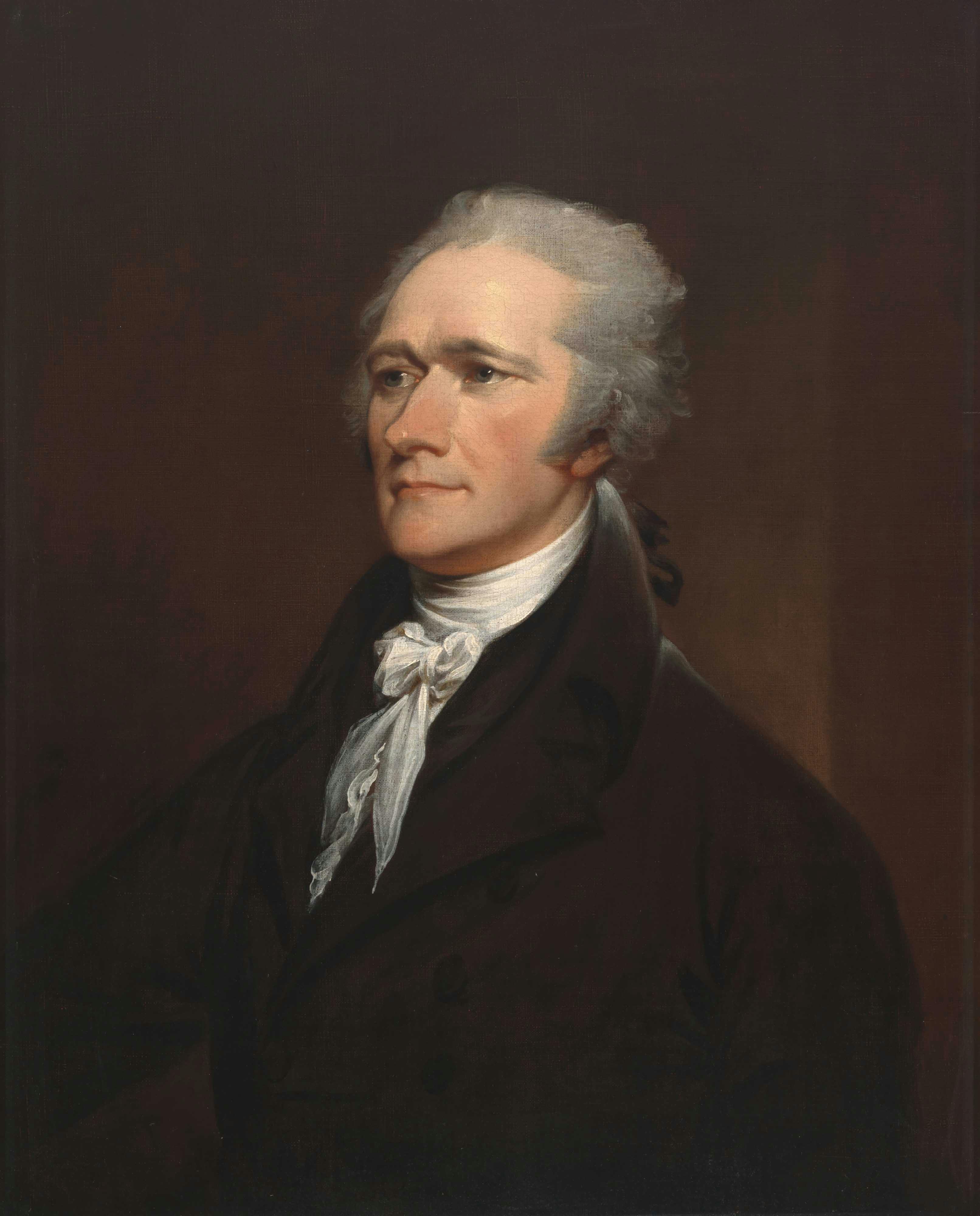
“[Hamilton and Senator Matthias Ogden] so ingratiated themselves in the esteem of the Federal ladies of Elizabeth-town and in the lower parts of the state…as to induce them (as it is said) to resolve on turning out to support the Federal ticket in ensuing elections.” – Centinel of Freedom, December 16, 1800
In 1804, a Federalist newspaper attacked Governor Joseph Bloomfield for bringing “all the females in his house entitled to vote” to the polls to help him clinch the 1803 New Jersey election. Did Bloomfield bring his wife, Mary McIlvaine Bloomfield, to vote? We cannot be sure, as poll lists from that election have not been found for their township. However, even the same opposition newspaper admitted it was the “right” in New Jersey of some women to vote.
“[Governor Joseph Bloomfield was accompanied by] that part of his female household entitled to vote.” – Federalist Gazette, January 9, 1804
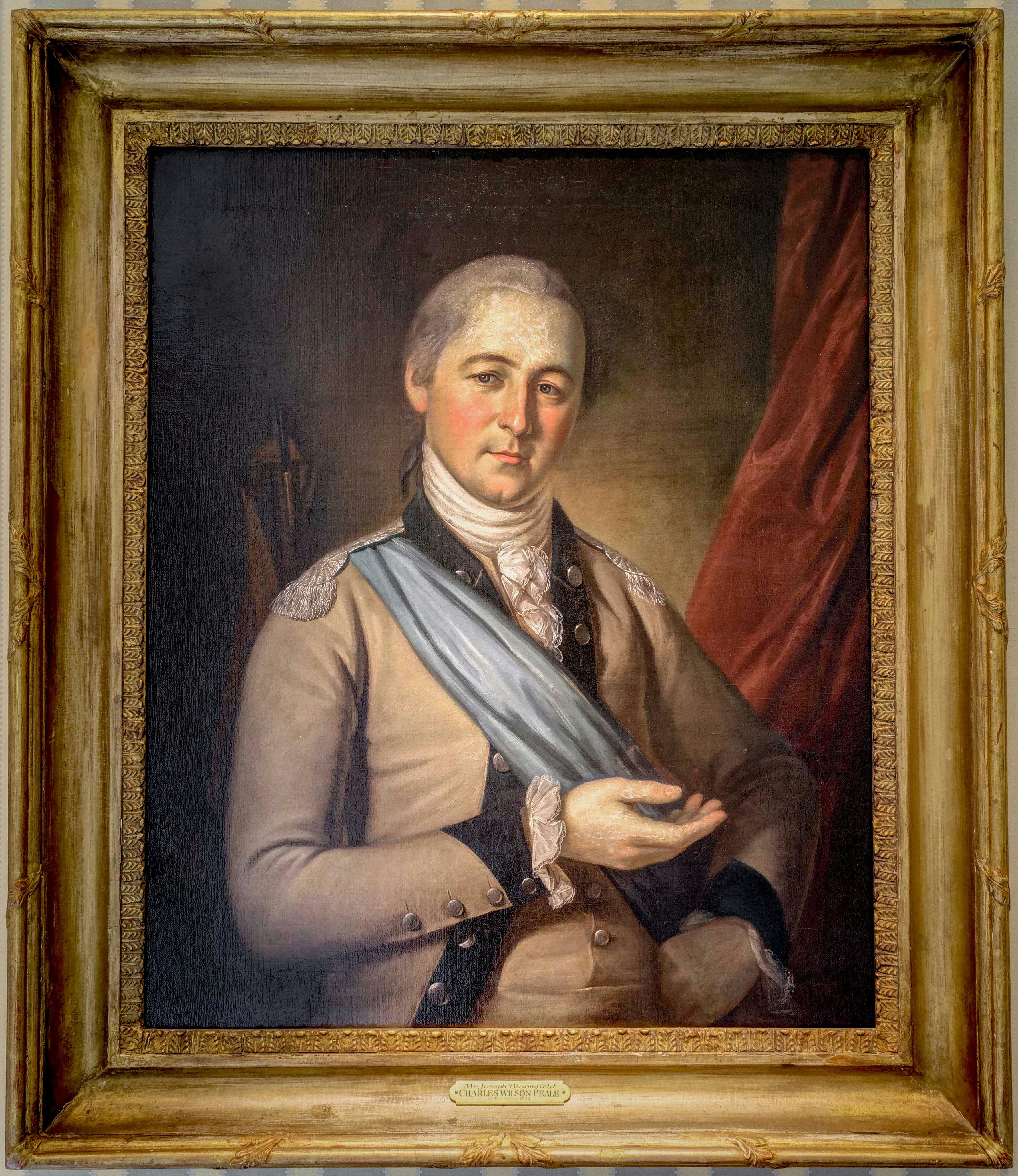
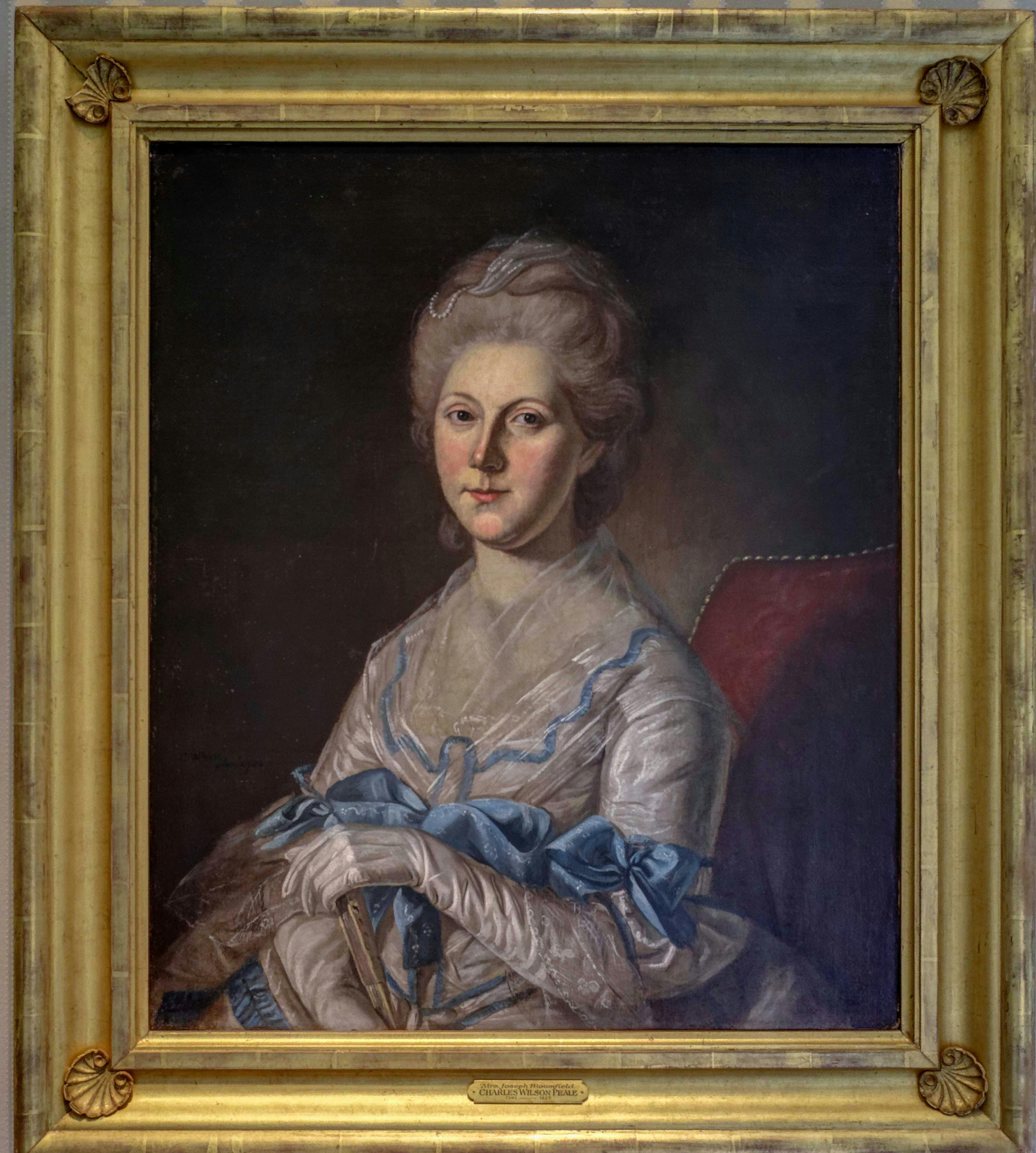
Joseph Bloomfield served as a Major in the 3rd New Jersey Regiment before being elected clerk of the New Jersey State Assembly in 1778. That same year, Bloomfield married Mary McIlvaine and they settled in Burlington, New Jersey. Charles Wilson Peale painted these twin portraits of the Bloomfields the year he became the state’s attorney general in 1783. In 1801, Bloomfield became the first elected Democratic-Republican Governor of New Jersey, a position he held until 1812. A strong opponent of slavery, Bloomfield served as the president of the New Jersey Society for the Abolition of Slavery.
Voter Intimidation
Overview
“Women vied with men, and in some instances eclipsed them, in ‘stuffing’ the ballot box.” – Centinel of Freedom, March 22, 1803.

Accusations of both voter fraud and voter suppression grew after the Revolutionary War. But were these accusations legitimate? Why was the solution to take the vote away from women, people of color, and recent immigrants?
Between 1783 and 1808, The New Jersey Legislature received 73 petitions to investigate these accusations (36 charging fraud and 37 charging suppression).
Most petitions citing voter suppression were submitted to the legislature before the implementation of township voting in 1797, which vastly expanded the number and local control of polling places. Petitioners charged that voters, particularly in rural townships, did not have proper access to polling places or elections. They requested an alteration to the election law that ensured all townships had fair voting procedures and regulated and accessible election times and locations.
Petitioners claiming voter fraud sometimes claimed that male voters were disguising themselves in wigs and women’s clothing to vote multiple times. But most blamed disputed elections on judges and poll inspectors, who they claimed worked on behalf of a particular candidate or party, or had allowed married women, enslaved people, or recent immigrants to vote illegally. Some editorialists charged that poorly written laws provided poll inspectors with little help in verifying a person’s right to vote — that it was too difficult for inspectors to determine if a woman was married or single or if a Black person was enslaved or free.
Poll inspectors also had their own conflicts of interest. They were locally elected at town meetings by a vote of all male taxpayers. Some of these voters could not legally vote for county, state, or federal officers. Poll inspectors had a difficult time turning them away without compromising their own election.
The 1807 law claimed to simply seek a “uniform practice” and to “avoid all questions in regard to the qualification of the voter as to estate.” But by making all white male taxpayers eligible and excluding everyone else, it effectively scapegoated women, people of color, and “aliens” for all the state’s voting irregularities.
1802: Rising Accusations of Voter Fraud

“…the judge and inspectors admitted many persons to vote who were not by law entitled to that privilege…persons underage—persons who had not resided in that township…a numerous body of Negroes…some of whom are actually slaves…Citizens of Philadelphia…married women…and even went so far as to allow votes to be given by proxy.” – 1802 Petition, Maidenhead Township
One of the most disputed charges of voter fraud occurred after an election in 1802.
Multiple petitions to the New Jersey State Legislature charged that extensive voter fraud had recently occurred in the election of state representatives at polling places in Maidenhead (now Lawrenceville) and Trenton.
Residents charged that many ineligible people had voted, including married women, enslaved people, non-residents, people who did not meet the property requirement, and “citizens of Philadelphia.” They also charged that poll inspectors had accepted proxy votes and even left the polling place unattended to take ballots from people in the streets. The legislature was unconvinced by these charges, saying that some were unproven while others described practices that had become customary.
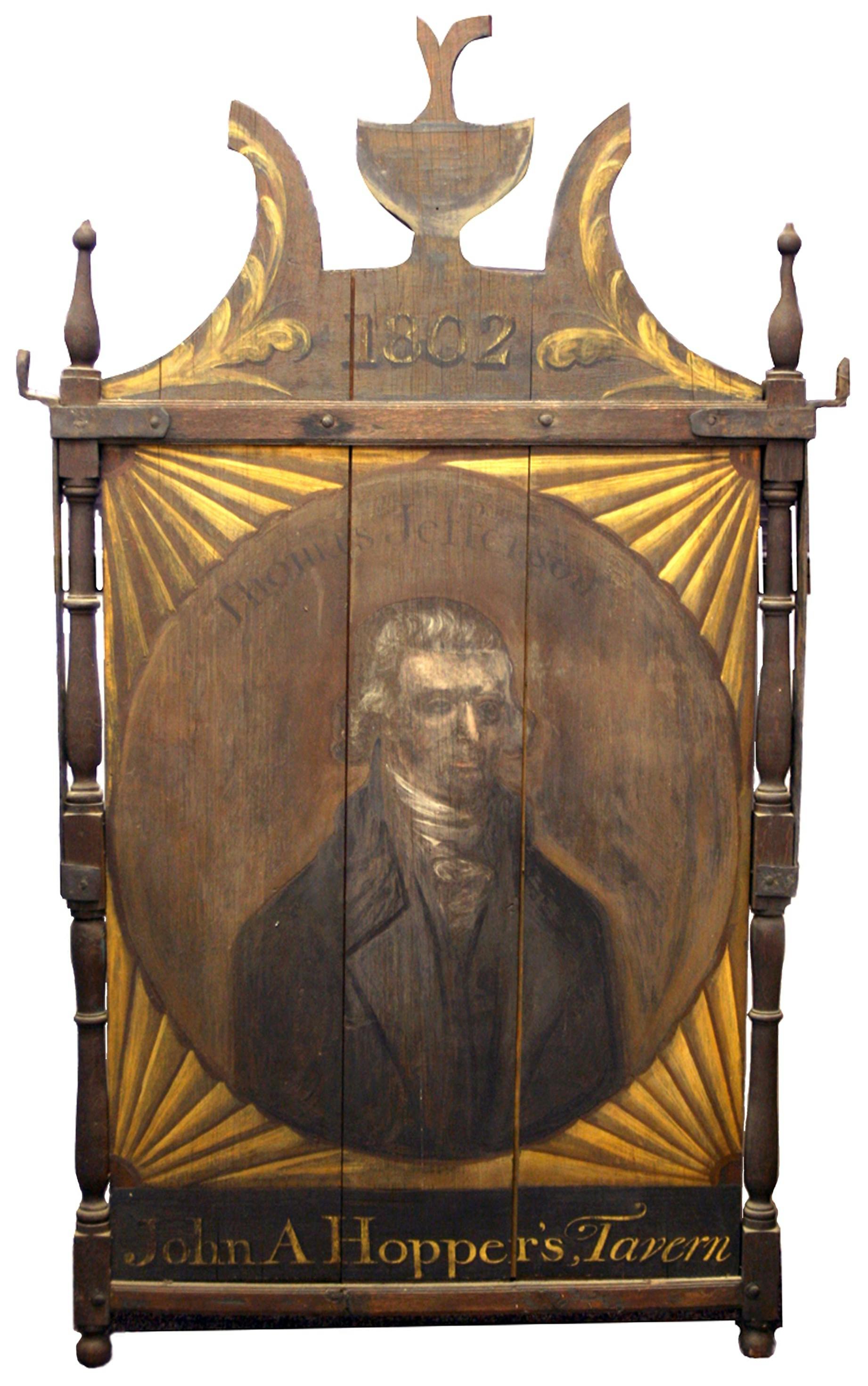
In New Jersey in the early 1800s, local taverns often served as polling places. Women and people of color joined other legal voters to cast their ballots in taverns marked by signs like this one. This sign hung over John Hopper’s tavern in Bergen County.
This tavern sign bears a painting of Democratic-Republican President Thomas Jefferson. Despite efforts to prevent voters from facing partisan pressure, elections often took place in taverns where party loyalties were on full display.
To further prevent fraud, poll lists recorded the names of all voters. When voting closed, poll inspectors made sure the number of ballots in the box matched the number of names on the poll list to ensure all votes were accounted for.
This poll list for an 1801 state election held at the Rocky Hill Inn in Montgomery Township recorded the names of 343 voters, 46 of whom were women. At least four of the voters were people of color.

This ballot box from Deptford Township in Gloucester County, New Jersey, meets the stringent requirements for ballot boxes listed in the state’s 1797 electoral reform law. It is, as that act required, “about a foot square with a lid on the top, fastened with brass or iron hinges and with two locks and keys thereto of different sizes and constructions, and an opening wide enough to fit one ballot at a time.”
“…about a foot square with a lid on the top, fastened with brass or iron hinges and with two locks and keys thereto of different sizes and constructions, and an opening wide enough to fit one ballot at a time.” – 1797 Election Statute, New Jersey State Constitution

This box is decorated with two plaques identifying it to Deptford. One is dated 1811, however this box appears to have been in service for many decades. It bears what appears to be a later stencil on this back side. The stencil probably dates between 1860 and 1890. It bears the Latin motto, “vox populi,” which translates to “voice of the people.”
These surviving objects demonstrate the challenges that the state faced to ensure that citizens could vote freely and fairly.
How Did Presidential Elections and the Electoral College Work in Early New Jersey?

As stated in the 1787 US Constitution, decisions regarding the electoral college were within each state’s jurisdiction.
From 1789 to 1800, US Presidential elections in New Jersey were determined by the state legislatures, who voted for electors for the electoral college (New Jersey had seven electors and these electors voted for president). In both the 1796 and 1800 elections, all seven electors unanimously voted Federalist, for John Adams.
In 1804, the legislature changed the basis by which electors were decided in New Jersey. After that year, a popular vote determined those eight electors, who then became the state’s electors for that election. In 1804, all eight electors voted Republican, for Thomas Jefferson.
The state continued to implement a popular vote for electors, except in 1812.
Gradual Abolition of 1804
Overview
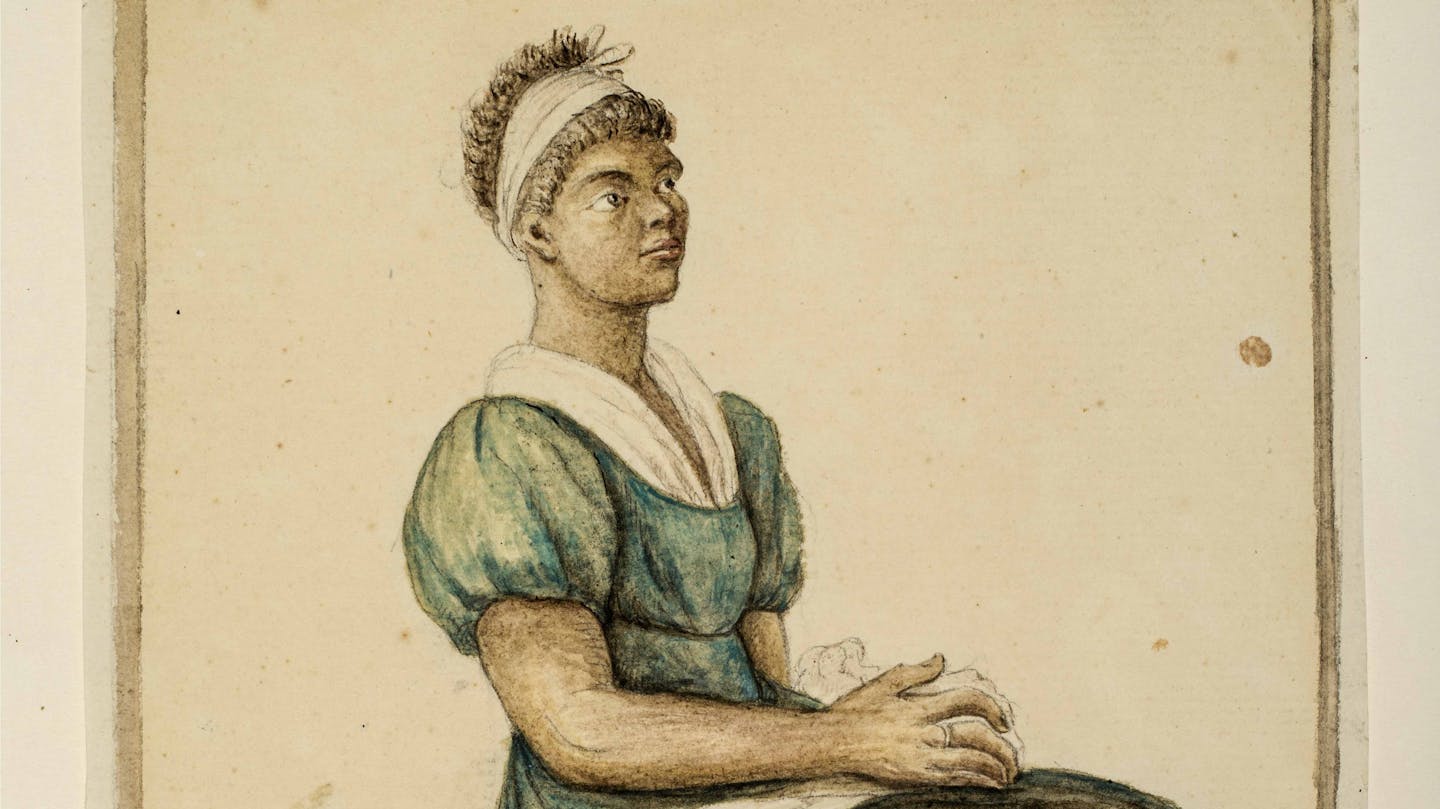
New Jersey became the last northern state to pass a gradual abolition law and abolish slavery with passage of the Act for the Gradual Emancipation of Slavery in 1804.
While West Jersey Quakers backed gradual emancipation, East Jersey slaveholders in the state discredited the Act, arguing it was part of a Quaker plot to maintain control of the state legislature and give more Blacks the vote.
But on the ground, antislavery sentiment gained traction across New Jersey in the 1790s with the help of efforts by the New Jersey Society for Promoting the Abolition of Slavery. By the election of first Democratic-Republican Governor and antislavery advocate Joseph Bloomfield in 1803, the legislative majority in the state, composed of both Republicans and Federalists, embraced a plan for gradual abolition.

While New Jersey passed gradual emancipation, it did little to improve the free Black population’s economic and social conditions, including limiting the franchise to white, property-owning men in 1807.
New Jersey banned the importation of slaves in 1786. But slave populations in East New Jersey grew over the 1790s, though they were concentrated in certain northern counties like Monmouth, Bergen, and Somerset. Somerset was home to nearly 2,000 enslaved people in 1790 and only 147 free people of color. By 1800, there were 12,422 enslaved people in New Jersey.
Organizations like the New Jersey Society for Promoting the Abolition of Slavery, founded in 1793, lead the state’s effort to pass gradual emancipation.
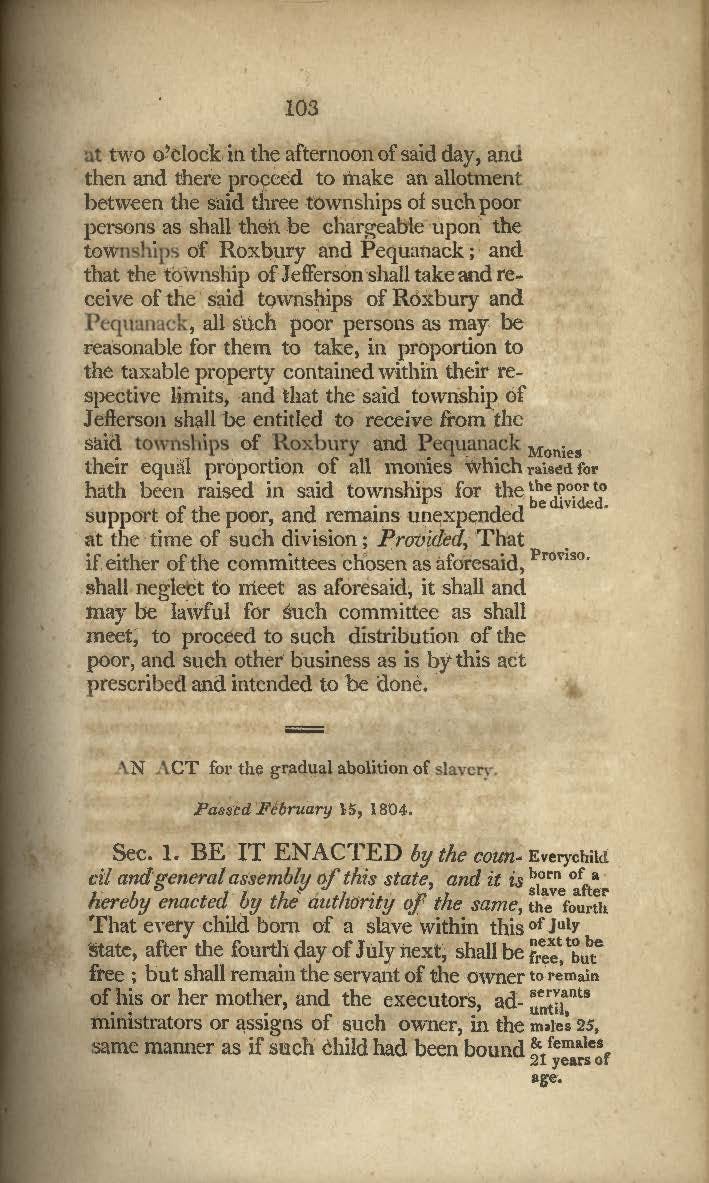
The fight to achieve a gradual abolition act further weakened the regionally divided Democratic-Republican Party to such a great extent that the party began to encourage actual voter fraud to maintain its control over the state. After one particularly overt case over the location of a courthouse in 1807, the legislature decided to answer the decade of calls for a revision to the New Jersey Constitution by stripping the vote from women and people of color that same year.
New Jersey’s Gradual Abolition Act in 1804 declared children born to enslaved women after July 4, 1804 to be “free” after reaching the age of 21 for women, and 25 for men. Although those enslaved before the passage of the Act would remain enslaved for the remainder of their life, thousands of enslaved people would be freed under the new law in the next 20 years.
Gradual Abolition and the Democratic-Republican Party
In 1804, the same year as the adoption of the Gradual Abolition Act in New Jersey, the state Democratic-Republican Party split into two factions: a moderate faction and a liberal one. The split seems to have owed in part to the Gradual Abolition Act, and it led indirectly to the statute stripping women and people of color from the vote three years later.
The break in the party resulted from internal pressures within the state legislature, particularly from Democratic Republicans from southern New Jersey Quaker counties who wanted to pass their Gradual Abolition Act. In an effort to keep their party unified, northern Democratic Republicans, who benefitted from the institution of slavery, went against their own self-interest and supported passage of the Act.
The new moderate part of the party supported strengthening the property requirement, while the liberal Republicans argued that “every person” is a “member of the community, and has an undoubted right to vote for public office.” Both sides increasingly referenced the vote as a right that separated “slave” from free person.
Meanwhile, the population of free people of African descent in New Jersey had doubled in the previous ten years, presenting a threat to the familiar racial order on which these northern white slave owners relied. By demanding their support, abolitionists among the Republicans seem to have driven northerners to form a new party.
The Courthouse Fight of 1807
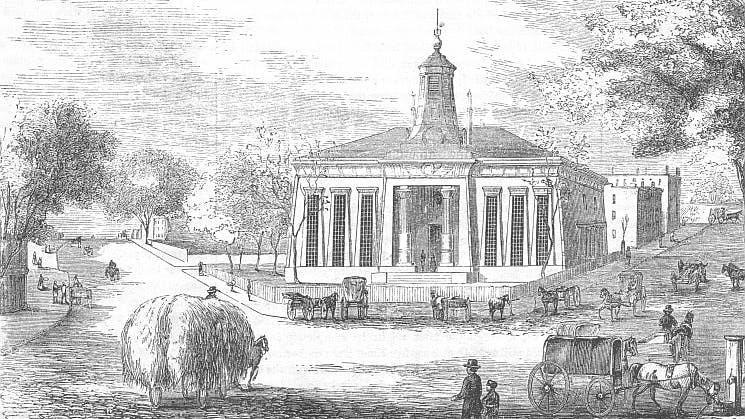
In February 1807, an election over where to locate a courthouse in the staunchly- Republican Essex County pitted liberal northern and moderate southern Democratic Republicans against each other. Both sides broke the rules and recruited people to vote who were not eligible. Significantly more ballots were cast than there were eligible voters in the county, and anger over the obvious fraud drove a deeper wedge into the Democratic-Republican Party just as it faced a new presidential election cycle in 1808.
To avoid a breakdown of the party and a collapse in the legitimacy of elections, the Democratic Republicans scapegoated women and people of color for the voting irregularities and overturned the election law in 1807.
A Backlash Against Women
Overview
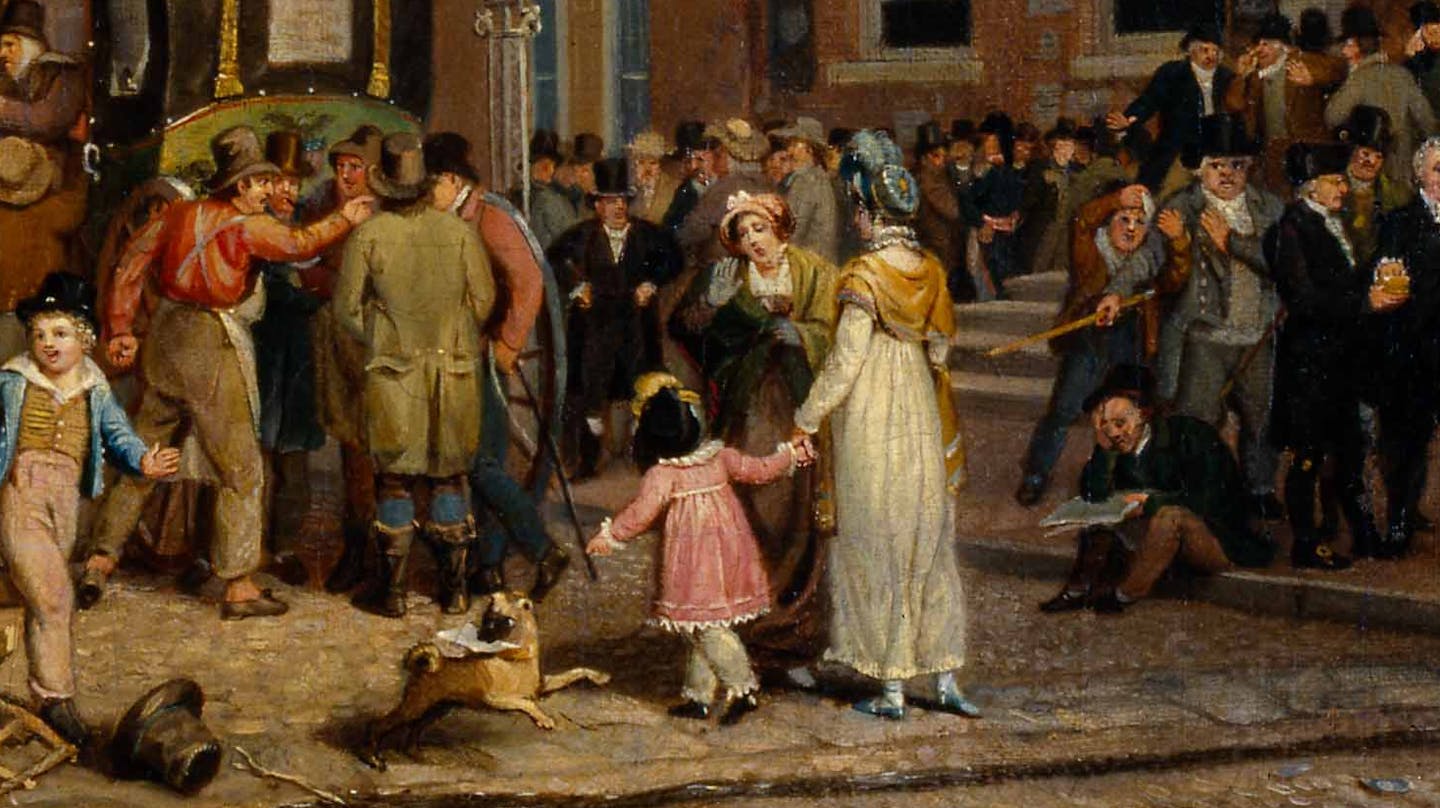
Women’s loss of the vote in New Jersey was the consequence of a larger “backlash” against women’s political gains that occurred in the Early Republic.
As women became increasingly politicized, both with the new “rights language” and by their growing recruitment as voters by political candidates, some began to see them as a threat to male authority, social and political stability, the gender status quo, and possibly the legitimacy of the new American experiment.
Some believed women’s rights advocates, “female politicians,” and women voters in New Jersey reached a point of influence that, unlike their service in the Revolutionary War, was no longer for the good of the nation. Rather, these women were seen to pose a fundamental threat to the political order.
The Partisan Press Satirizes Women Voters
The debate over women voting sparked charges that revealed popular beliefs about women’s self-control and sexuality that would be repeated throughout the next 200 years.
Partisan newspapers raised prejudices and energized contemporary stereotypes about women, people of color, and “alien” immigrants from Europe and elsewhere.
Coverage of women voters was wide and varied. Some papers portrayed women voters as “petticoat electors,” implying they may have been older, or mindless pawns of male candidates. Others described women voters as “Wollstonecraftians,” after British feminist thinker Mary Wollstonecraft, suggesting their radicalism and potential to bring the chaos of Revolutionary Europe to America. These satirical depictions branding women voters “dangerous” stoked fears that women in New Jersey had the ability to tip the scales of partisan power.
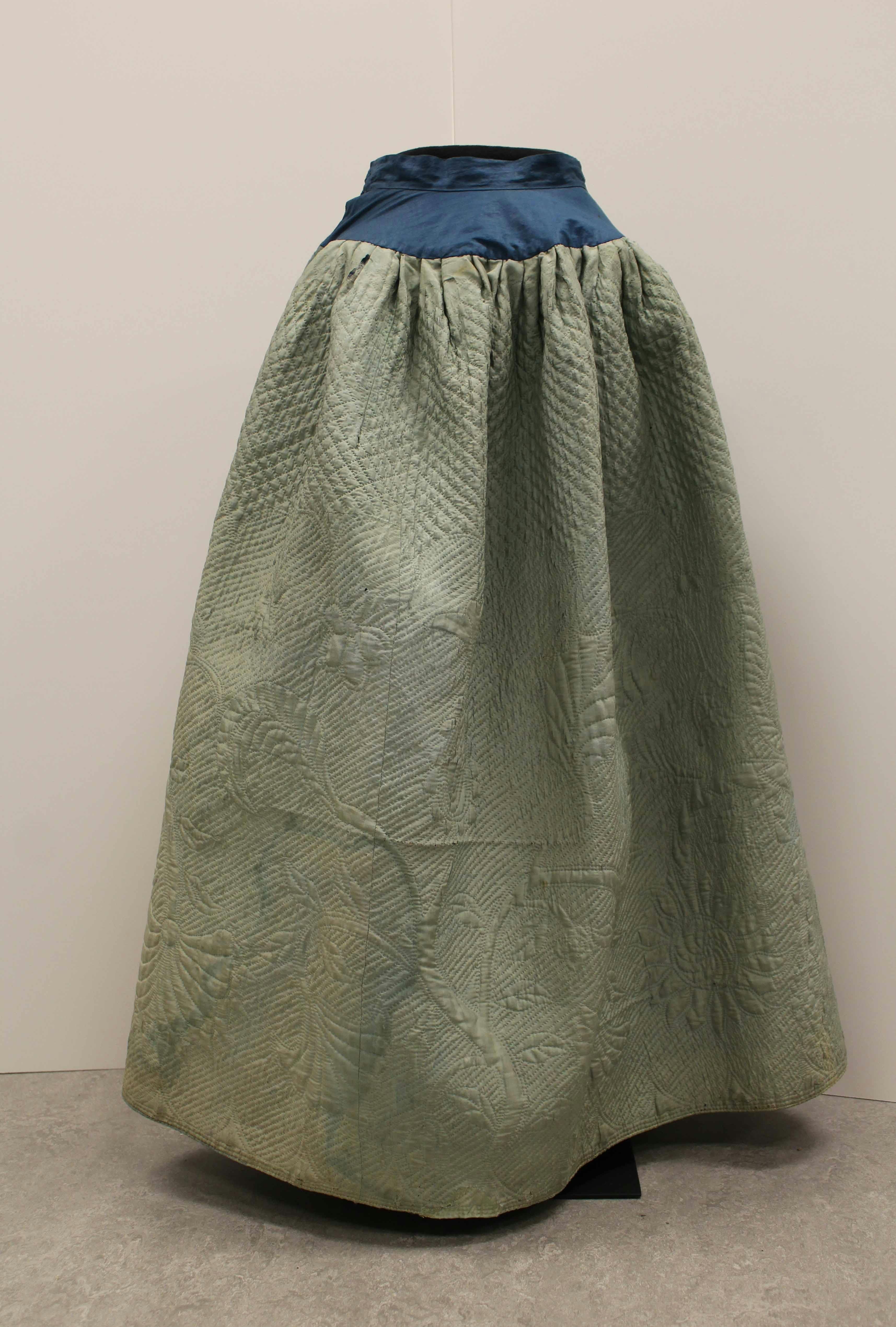
Women often wore petticoats as undergarments in the 1700s. They were typically worn underneath a gown or robe, with the primary function of either keeping a woman warm or helping her achieve the desired shape of a garment. Some open-robed skirts revealed a decorative petticoat worn beneath. This silk petticoat belonged to a New Jersey woman in the Revolutionary era.
“Although reinforced by the petticoat band, True Republican valor they could not withstand, And of their disasters in triumph we’ll sing, For the petticoat faction’s a dangerous thing.” – Centinel of Freedom, October 23, 1798
Some newspapers dismissed women voters as “petticoat electors,” a reference to their skirt-like garment covering from their waist to their shoes. Though still a popular garment, the petticoat was old fashioned compared to the neoclassical garments that came into vogue in the 1790s. The phrase was meant to diminish women like this as inexperienced at politics.
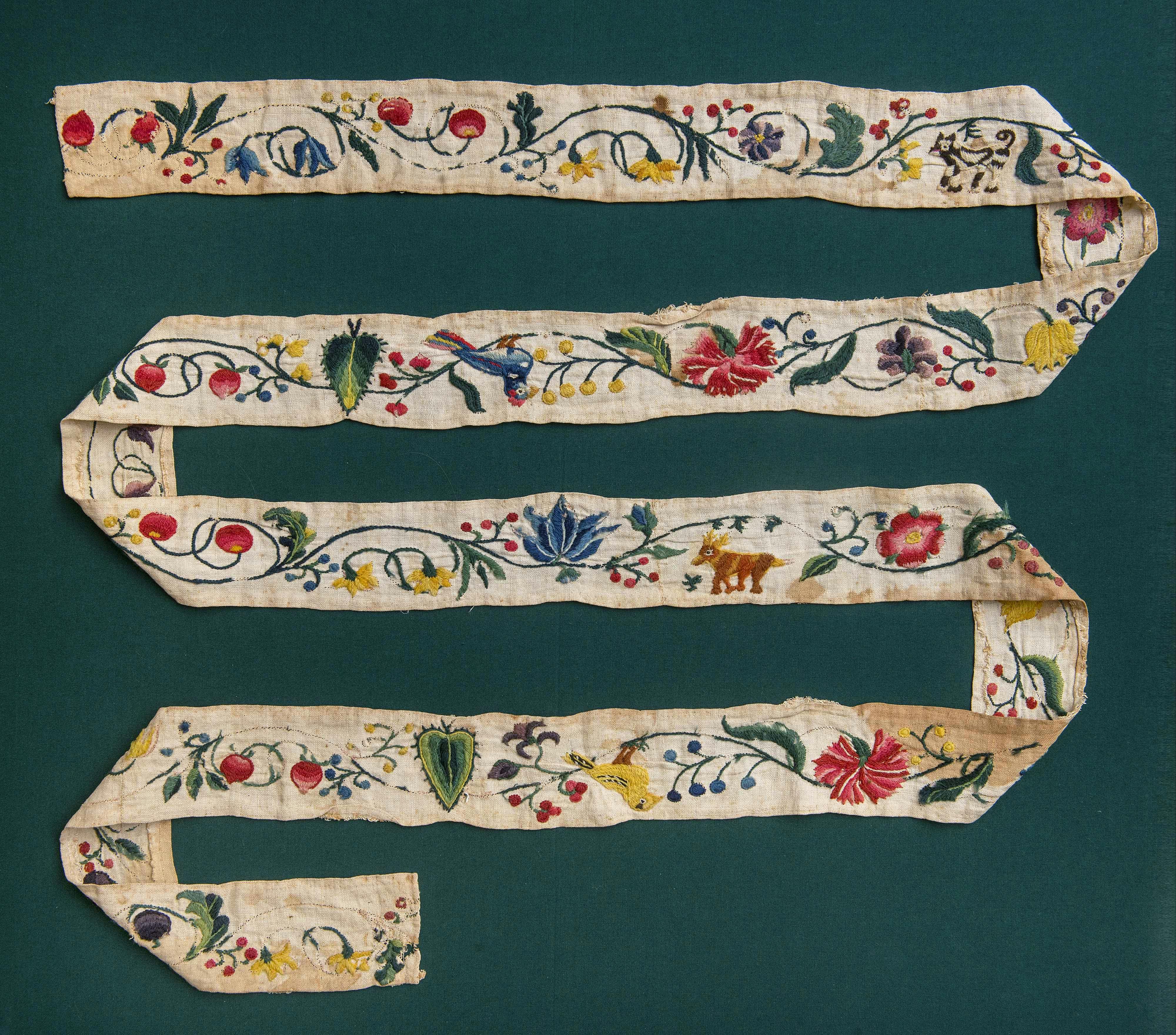
Embroidered Plied Wool Crewel Yarn on Linen
Petticoat borders provided women a way to display their embroidery talents on their clothing. Borders were often sewn across the hem of a petticoat to enhance a garment or add creative flair, usually with a floral or foliage design. The intricate design on this border includes images of roses and tulips, a calico cat, birds, vines and berries.
“…believers in the democratic Wollstonecraft’s ‘Rights of Woman,’ turned out in support of their favourite candidates…” – The Bee, October 25, 1797
Some editorials described women voters as “Wollstonecraftians,” after Mary Wollstonecraft, a European feminist associated with Revolutionary ideas. Many Americans associated these new ideas with the neoclassical, or “antique” style of dress. It did not require a petticoat to be worn underneath it, making the gown appear more modern than those of the mid-1700s. “Wollstonecaftian” women represented the opposite danger that papers attributed to women voters from those of “petticoat electors” — that women were more radical than men.
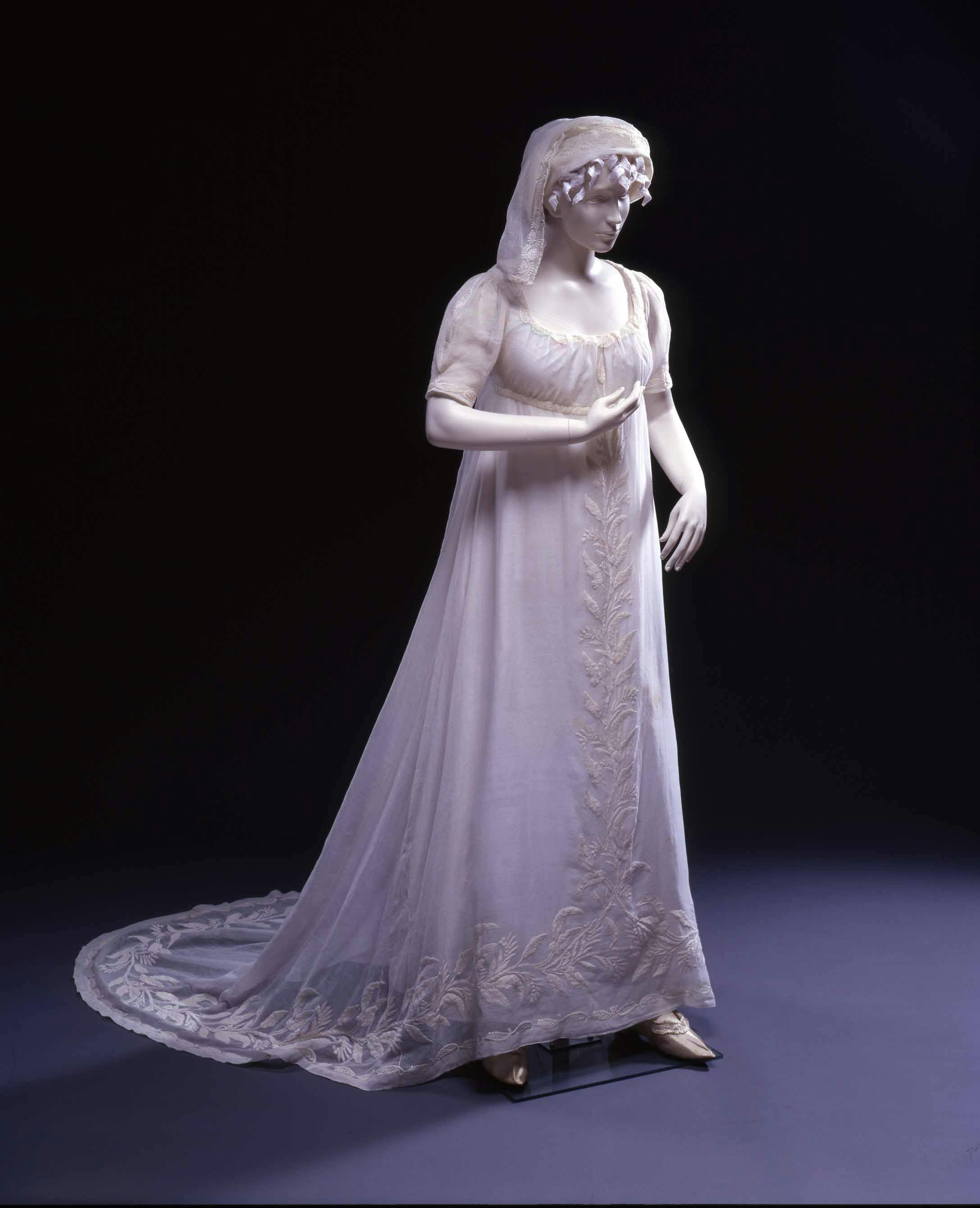
Neoclassical or “antique” style gowns were part of a broader revolution in style that was meant to echo the radical political changes of the American and later the French Revolution. Like neoclassicism in buildings and art, these white chemise dresses mimicked the fashions of the ancient Greek and Roman republics – lightweight, high waisted, and short sleeved.
It is possible that this gown was sewn by Catharine “Kitty” Livingston Ridley, the daughter of Susan French Livingston and New Jersey Governor (1776 –1790) William Livingston, in Trenton, New Jersey.
The most likely owner of this dress is Eleanor Armstrong, daughter of Susanna Livingston and James Francis Armstrong. Born in 1785 in Trenton, New Jersey, Armstrong married in 1803 at the age of 18. This may have been her wedding dress.
“…it is evident, that women, generally, are neither, by nature, nor habit, nor education, nor by their necessary condition in society, fitted to perform this duty with credit to themselves, or advantage to the public.” – William Griffith, “Eumenes,” 1799
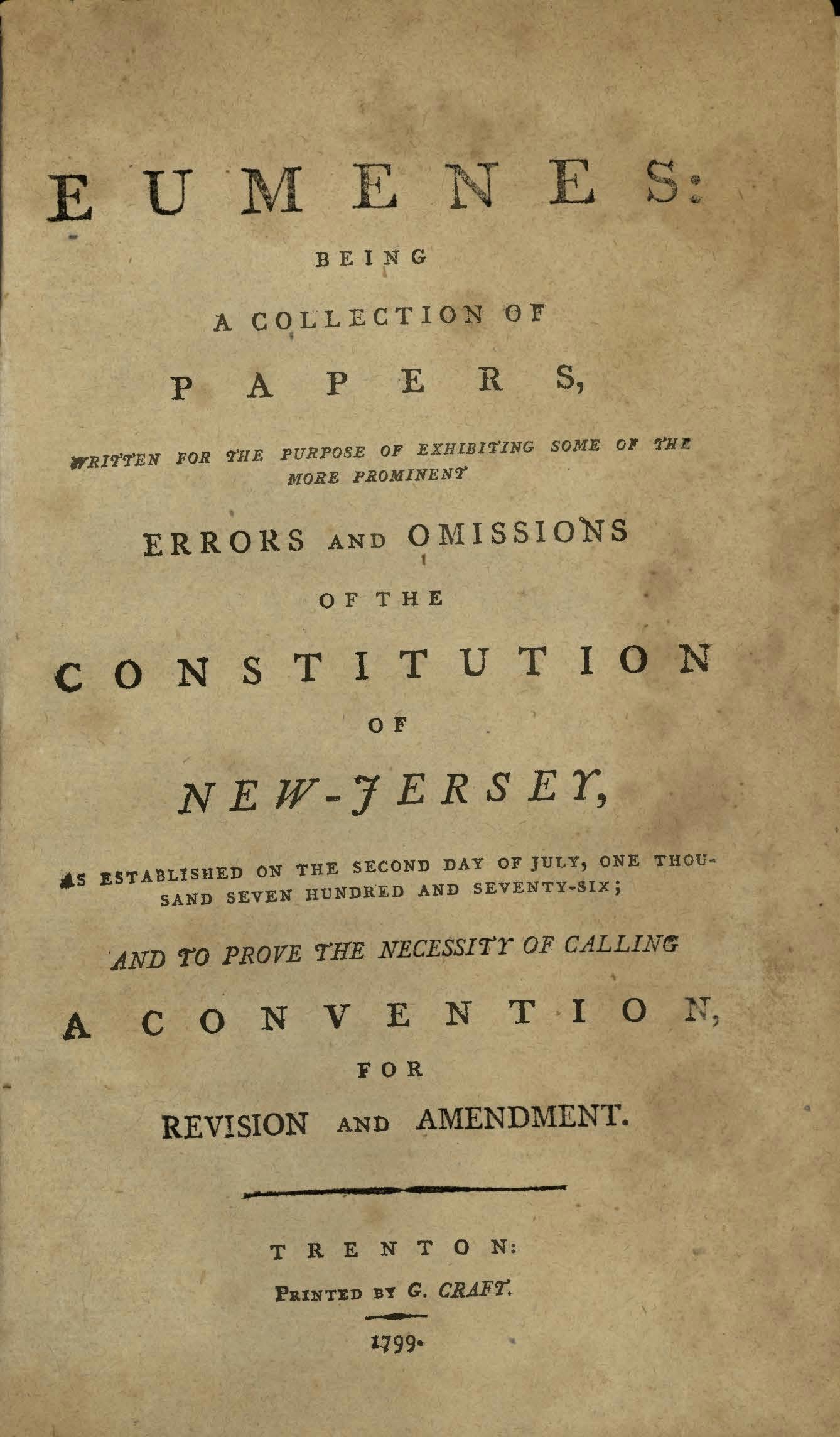
In 1799, prominent New Jersey lawyer William Griffith published a collection of papers criticizing the New Jersey State Constitution. Among his complaints, Griffith urged lawmakers to take the vote away from women, arguing that they were both unfit to vote and gave small towns and villages an unfair advantage in elections over the nation.
Fears of Foreign Influence
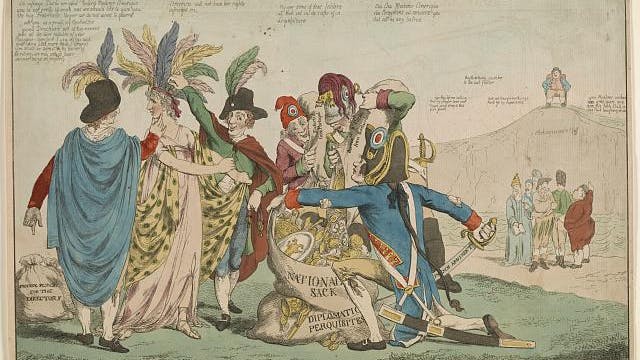
France, Haiti, and Ireland experienced Revolutions in the 1790s. And like the American Revolution, each of those Revolutions inspired and emboldened women to participate politically in unprecedented ways. But many Americans, particularly Federalists, did not portray these women — for instance the Citoyenne of the French Revolution — as accomplished or Revolutionary. Rather, they labeled these women as counterrevolutionaries and denounced them as unnatural women.
Stoked by fears of foreign influence, partly influenced by political refugees from these other Revolutions living in America, Federalist President John Adams signed the Alien and Sedition Acts into law in 1798. These acts, passed in four parts, gave the President the power to imprison or deport “dangerous aliens,” and raised the citizenship requirement in the nation from 5 to 14 years, making it more difficult for foreigners to vote in the new nation. The Acts reflect the nation’s attempt to regulate immigrants and their rights, which had a direct impact on changing election laws in New Jersey.
The laws became widely unpopular and helped John Adams’s Democratic Republican opponents achieve electoral victories in state government after 1800. The effect of the controversies over these laws in eroding women’s political rights lasted much longer.
“For my part I would almost as soon have a host of infernals in my house, as a knot of these fiery frenchified dames — Of all the monsters in human shape, a bully in petticoats is the most completely odious and detestable.” – William Cobbett, Porcupine’s Gazette, July 27, 1798
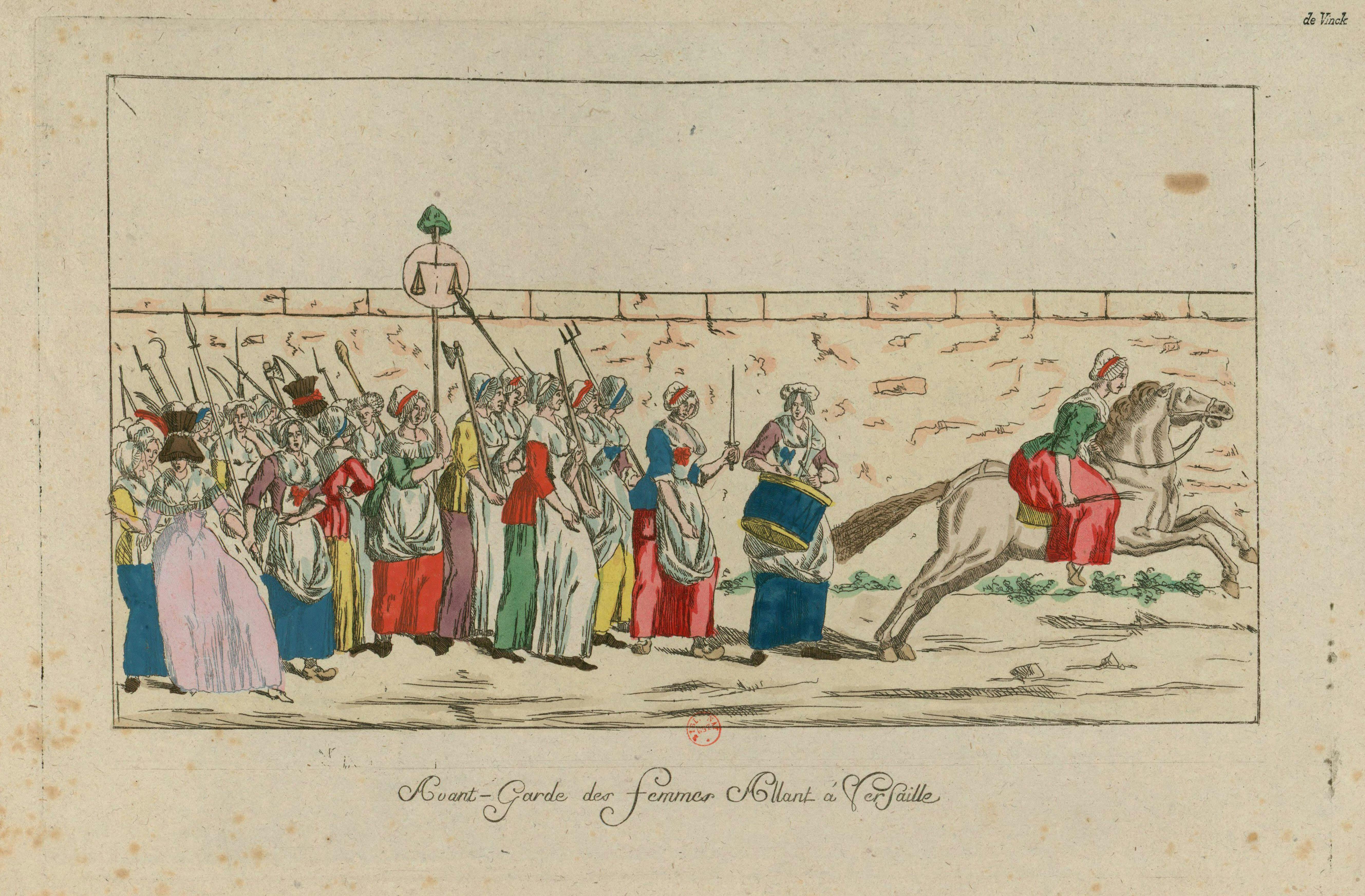
Depictions of “armed and dangerous” women participating in the French Revolution, like this one of women storming and Bastille, informed American perceptions of political women in the states as being aggressive and threatening to social order.
In response, many Americans, like Philadelphia editor William Cobbett, harshly criticized American women that adopted French fashion or political behavior.
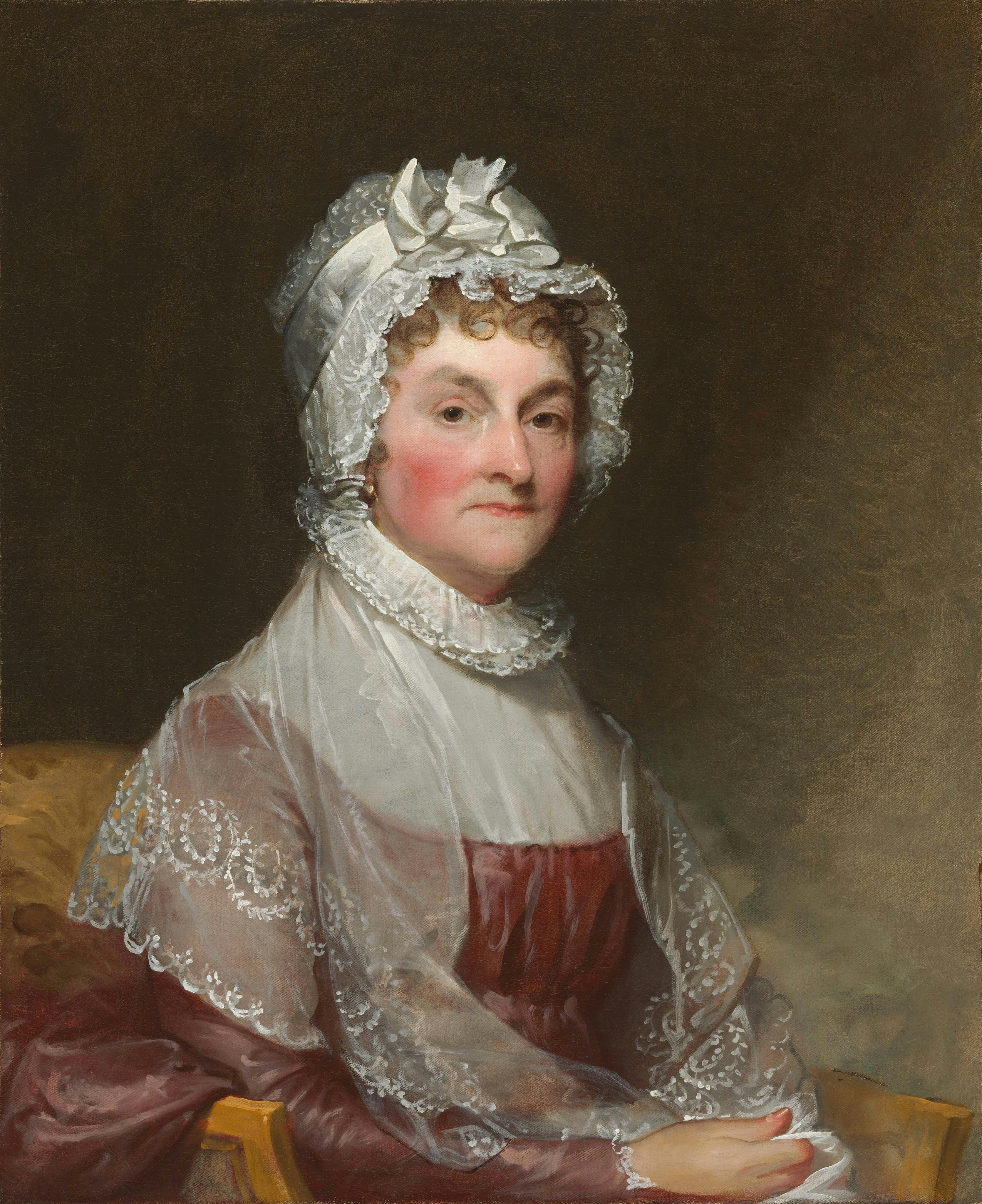
“The Stile of Dress…is really an outrage upon all decency…when this Lady has been led up to make her curtzey, which she does most gracefully it is true, every Eye in the Room has been fixed upon her and you might litterally see through her….[Most of the other ladies also] wear their Cloaths too scant upon the body, and too full upon the Bosom for my fancy…” – Abigail Adams to Mary Cranch, 1800
Many American women adopted Parisian fashion trends in the 1790s, most popularly the neoclassical style gown, as a way to make their political voices heard. These “frenchified dames,” as they were labeled, were central to political life in the new nation.
But these fashion choices drew criticism from Federalists who feared the chaos of the French Revolution. Among these critics was Abigail Adams, who disapproved of clothing she believed made a pro-French political statement.
1807: Closing the Electorate
“Be it enacted…no person shall vote in any state or county election for officers in the government of the United States, or of this state, unless such person be a free, white, male citizen of this state…” – The New Jersey State Legislature, Acts of New Jersey, November 16, 1807
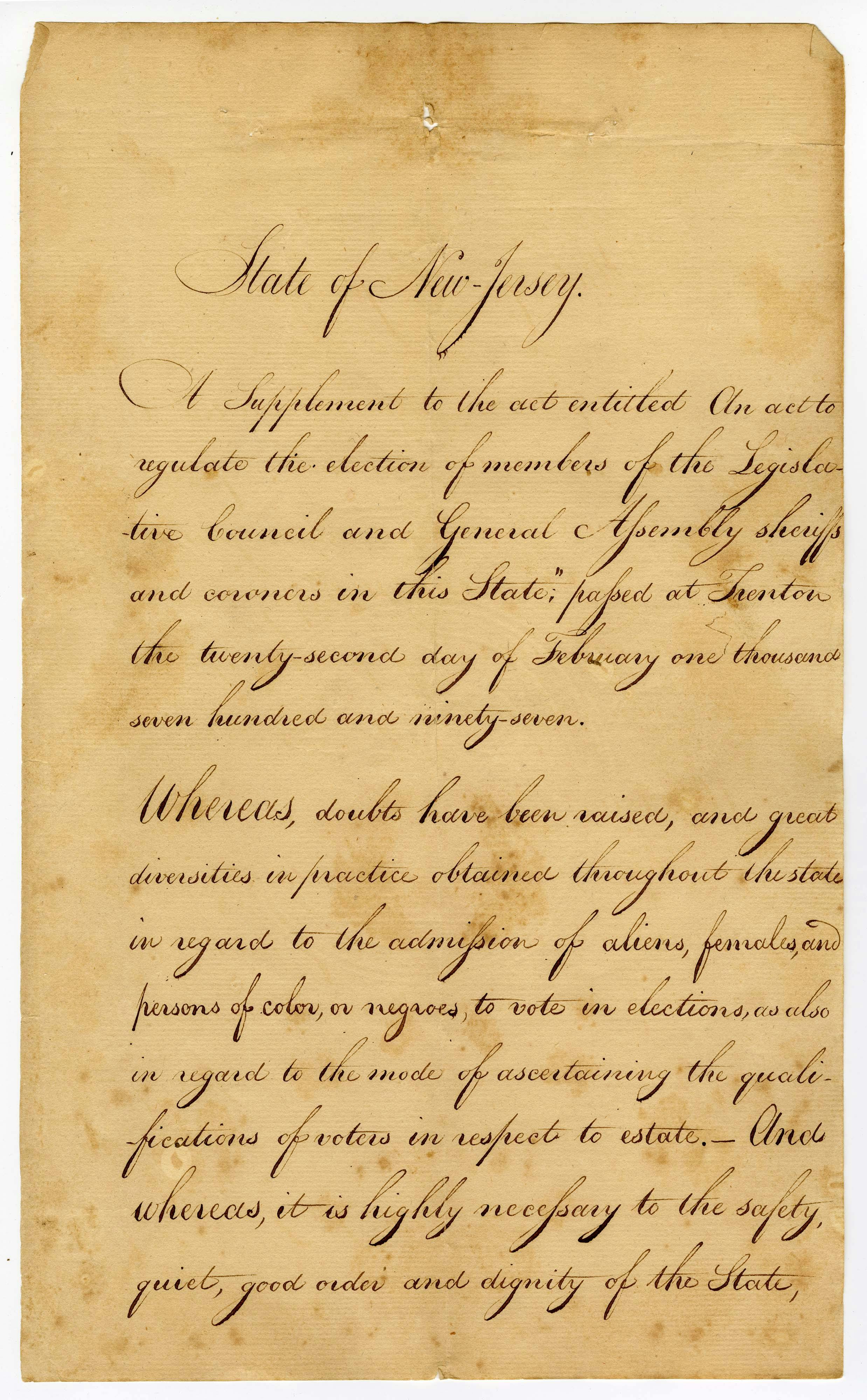
The 1807 statute exposed some of the most profound contradictions of the American Revolution. While the new law empowered the logic of extending the vote to all white men, it did so at the expense of women, free people of color, and recent immigrants.
In 1807, politicians charged that the state’s inclusive voter laws encouraged illegal voting by unpropertied women and enslaved people. By unanimous vote, the state legislature adopted a new law stripping the vote from all women, “persons of color,” and immigrants, but expanded the vote to include all white male taxpayers.
What do you think was the most important factor in prompting this backlash against New Jersey’s early experiment? Was this change in New Jersey inevitable, or could they have kept their democratic experiment going and continued expanding it?
“Election bill met better fate, On every hand defended, To check confusion through the state, The female vote has ended.” – Trenton True American, November 30, 1807
Next, we look at how that experiment changed again in the following decades and generations.
How Was the Vote Regained? – Redemption
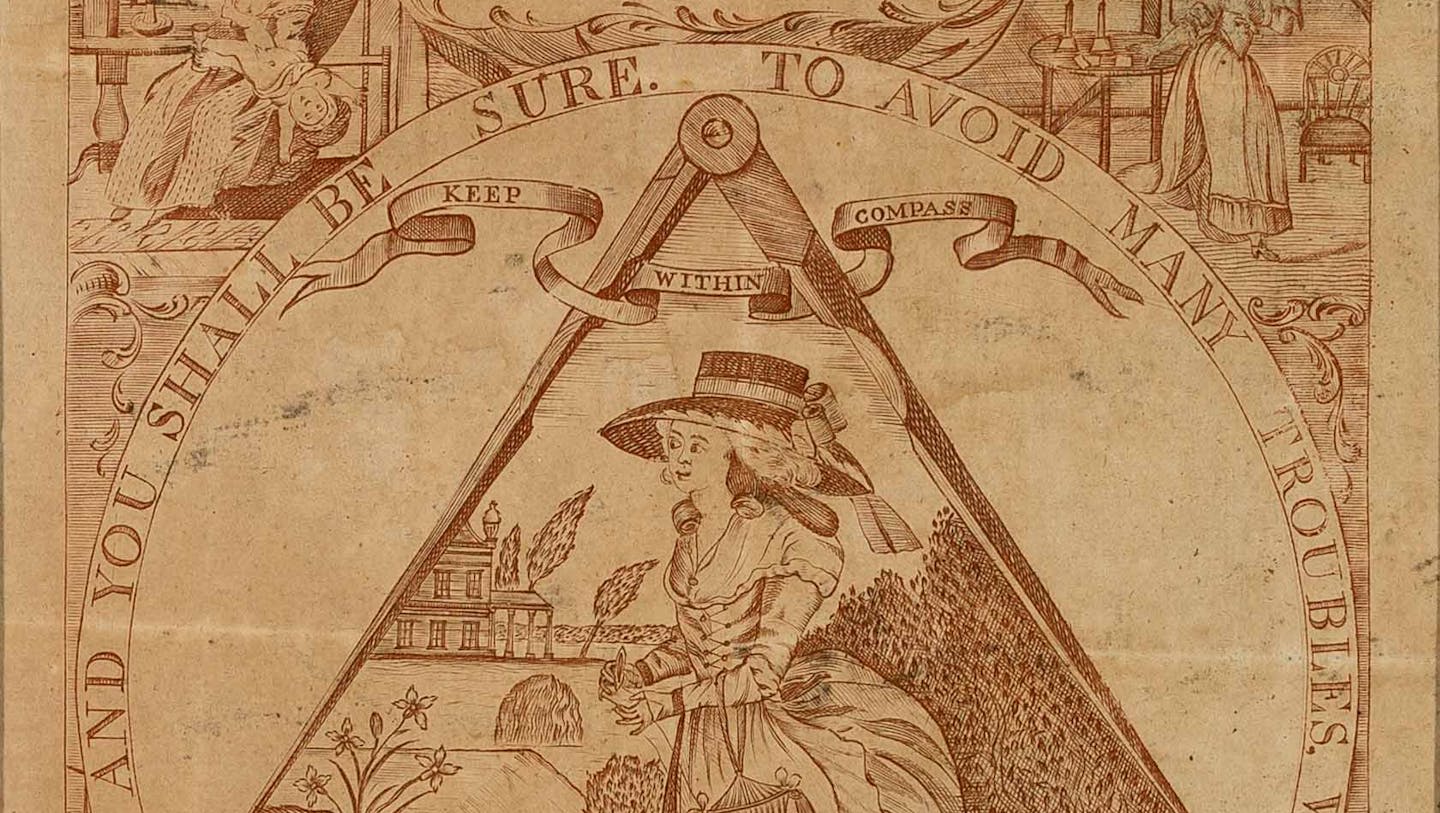
By exercising the right to vote, early New Jersey women influenced the woman suffrage movement of the 19th and 20th centuries. These later suffragists used the memory of the Revolution and the nation’s first women voters to ground their position in America’s founding and assert their right to equal citizenship. The story of early New Jersey’s women voters reminds us that progress is not necessarily linear and unending, but that rights and liberties require constant vigilance to preserve and protect. The suffragists of the 19th and 20th centuries fought to regain a right that had been taken away from New Jersey women in 1807. This later activism vindicated the first generation of women voters and became part of these women voters’ legacy.
An Ongoing Revolution for Women
In the years after New Jersey barred women from the electorate, women activists in New Jersey and across the nation turned to educational initiatives to prepare young girls for future political participation. Many opened schools and female academies, which laid the groundwork for white women as well as some women of color, educated in these schools, to launch the middle-class reform movement of the 19th century.
This next class of educated women would become the next generation of women activists and suffragists.
“The Church, the Bar, and the Senate are shut against us. Who shut them? Man; despotic man, first made us incapable of the duty, and then forbid us the exercise. Let us by suitable education, qualify ourselves for those high departments — they will open before us.” – Priscilla Mason, Salutatory Oration for the Young Ladies Academy of Philadelphia, 1793
Some of the same women activists and authors that advocated for women’s rights in the 1790s, such as Judith Sargent Murray, Eliza Harriet O’Connor, Sara Pierce, and Susanna Rowson, opened schools to educate a new generation of women and keep them active in the public sphere.
In 1802, Judith Sargent Murray, one of the most prominent proponents for women’s equality and female education in the Early Republic, helped her cousin, Judith Saunders, open the Ladies’ Academy outside of Boston. The school taught academics as well as domestic skills.
“Are we deficient in reason? We can only reason from what we know, and if opportunity of acquiring knowledge hath been denied us, the inferiority of our sex cannot fairly be deduced from thence…” – Judith Sargent Murray, “On the Equality of the Sexes,” 1790
In 1797, Susanna Rowson, a renowned playwright and novelist, opened the Young Ladies’ Academy in Boston. She taught at the school and remained its headmistress until 1822.
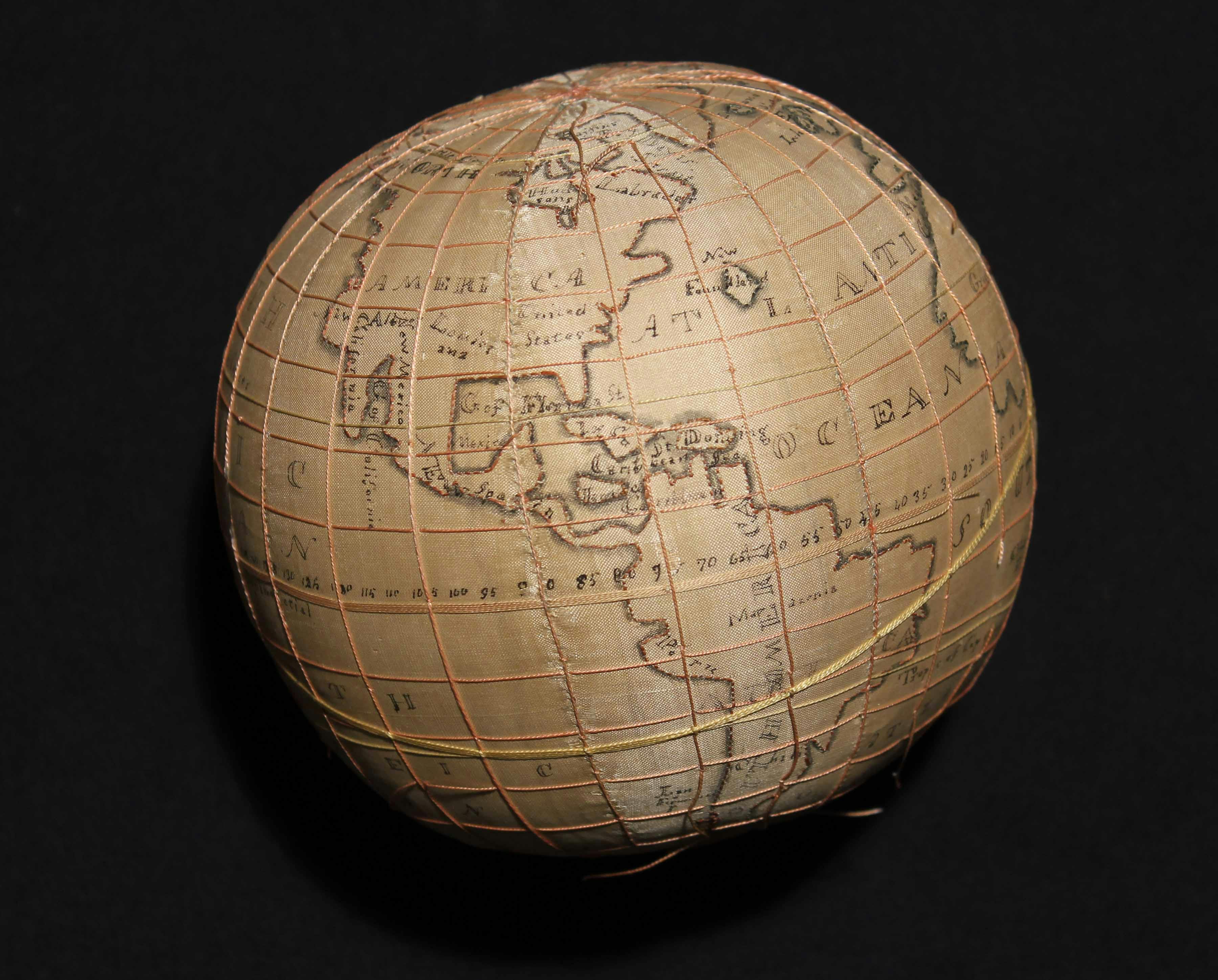
Hannah Deacon of Burlington, New Jersey, created this globe sampler at the Westtown School in Chester County, Pennsylvania. Westtown was a respected Quaker boarding school and Deacon attended from age 15 to 17. She and her four sisters, Ann, Rebecca, Keziah, and Mary, remained unmarried and lived together as adults.
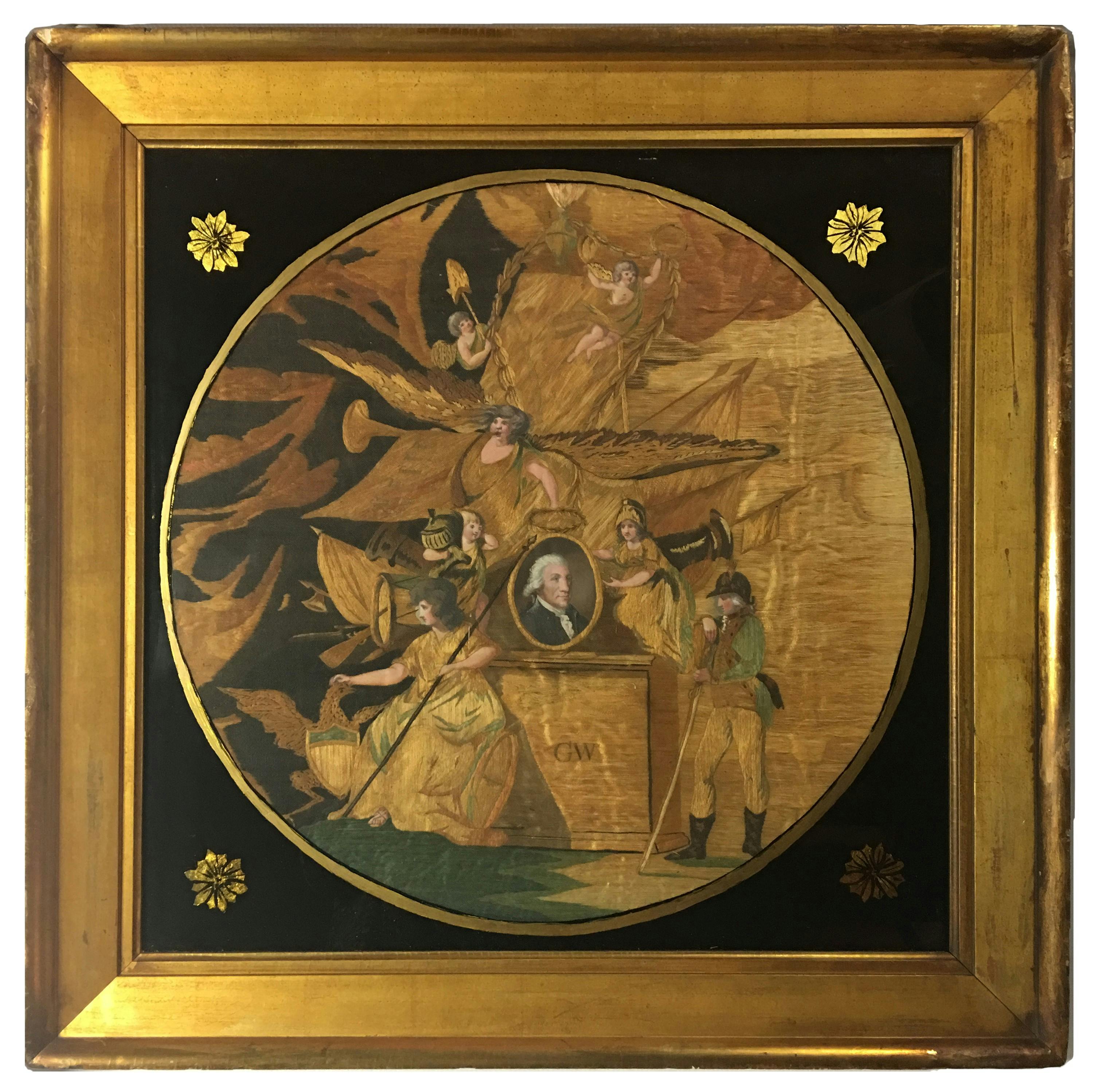
A student at Susanna Rowson’s Young Ladies’ Academy near Boston created this silk embroidery depicting angels and a soldier mourning George Washington.
At the school, students took courses in music, drawing, literature, arithmetic, and history. The frequent patriotic themes also taught women to consider their political identity and their potential to influence the nation.
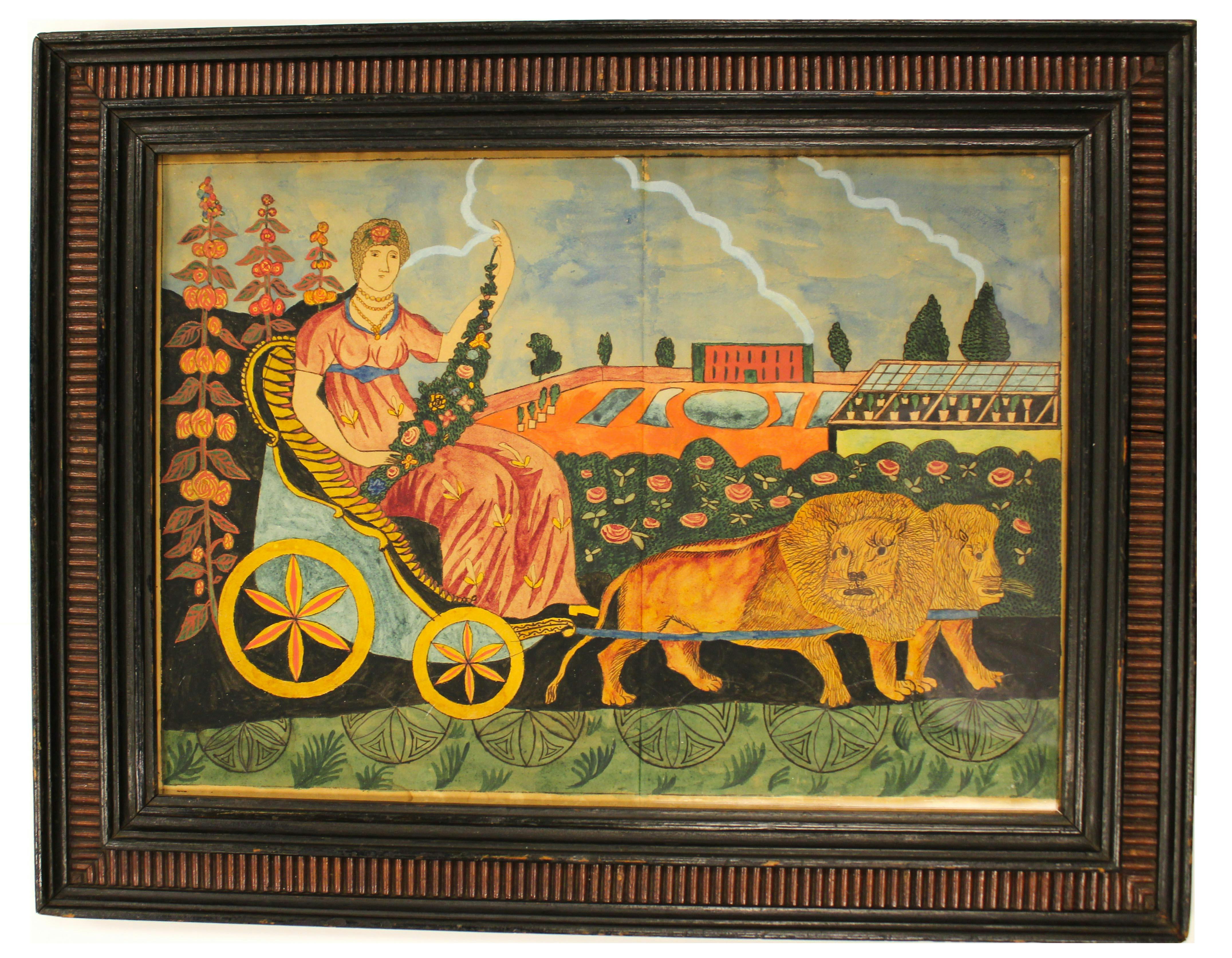
Margaret Van Wagoner was born in 1810 in Bergen County, New Jersey. While she painted this watercolor in 1830, after she was married, Van Wagoner’s earlier work of the same style suggests that she learned this skill while attending a female academy in her teens. It depicts Cybele, the Phrygian mother of the Gods, sitting in a chariot drawn by two lions. Female academy teachers frequently chose stories of strong women from the Bible or classical literature to inspire their students.
“Our ‘skins may differ,’ but from thee we claim A sister’s privilege, in a sister’s name.” – Sarah Louisa Forten, “An Appeal to Women,” 1834
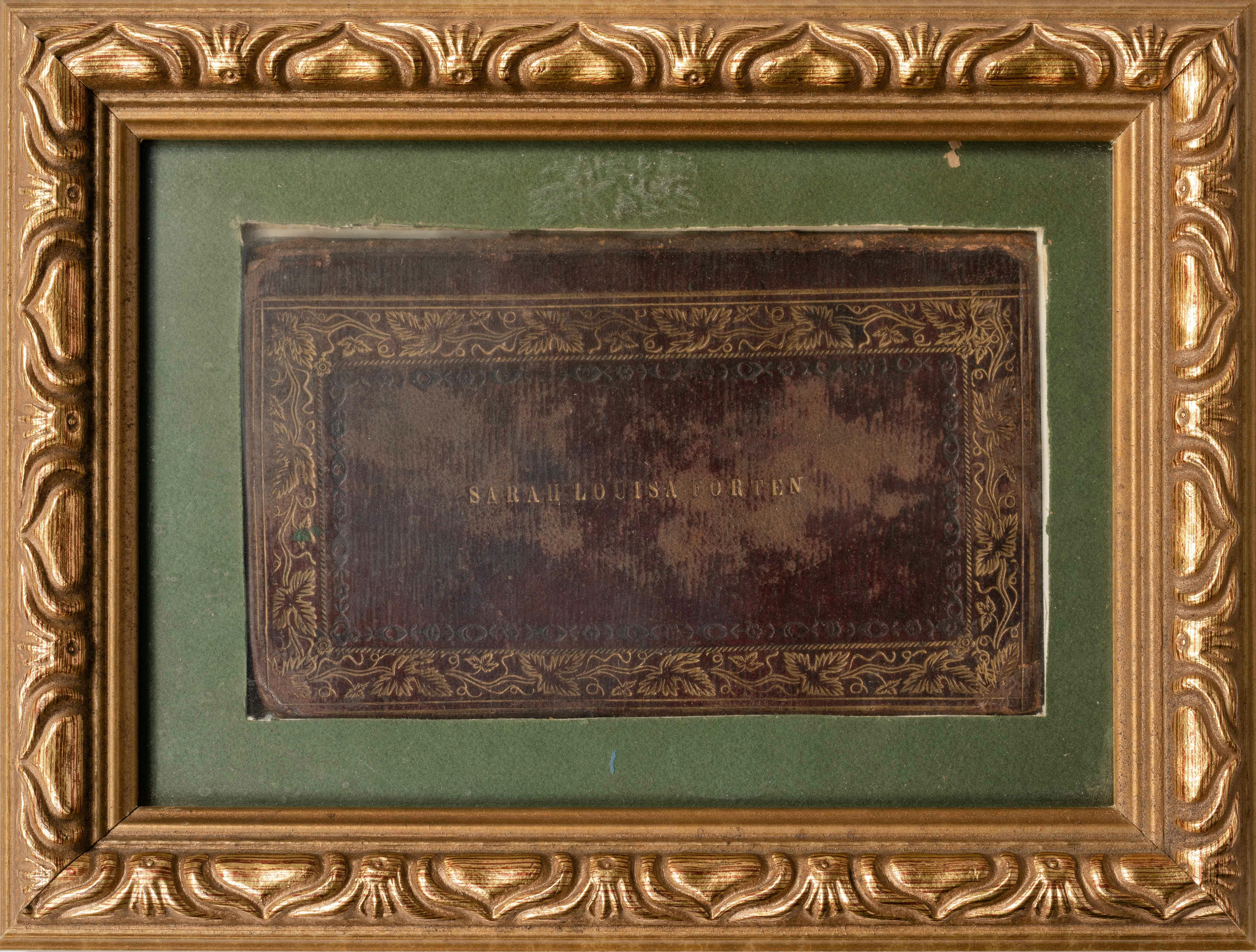
This book cover belonged to Sarah Louisa Forten, who helped found the Female Philadelphia Anti-Slavery Society in 1833, the first non-segregated women’s abolitionist organization. The rest of the book is now gone, but the cover bears Forten’s name in a gilt stamp.
Sarah Louisa Forten was one of three daughters of Charlotte Forten and James Forten, an African American Revolutionary War veteran and wealthy merchant. Charlotte, Sarah, and her two sisters founded the Female Philadelphia Anti-Slavery Society together.
Over time, Sarah Louisa Forten became a celebrated writer. In her poem, “An Appeal to Women,” she called for racial equality among women.
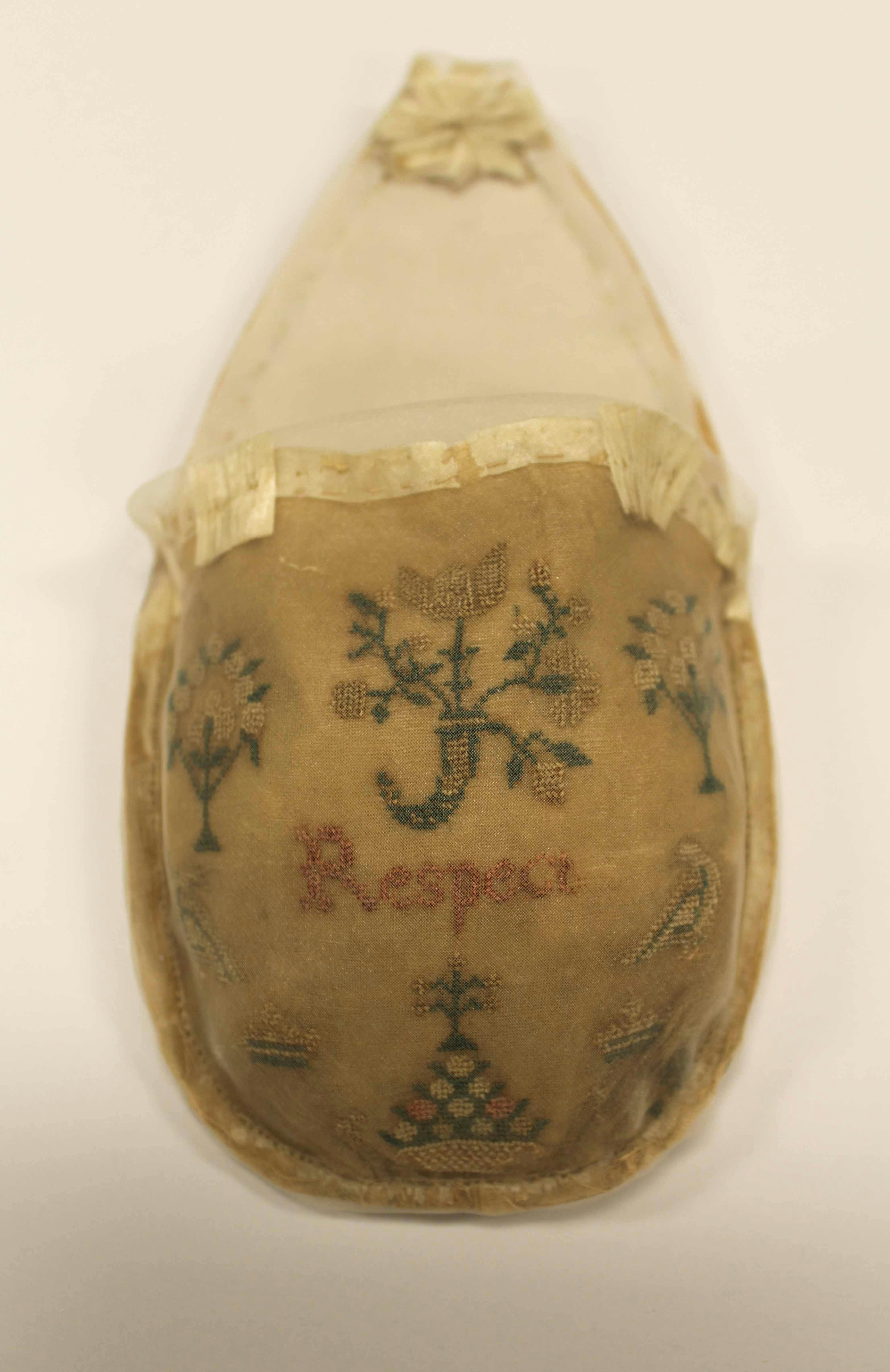
This embroidered wall pocket, or sconce, displayed the word “respect” in the home where it hung. Perhaps it reminded visitors of the proper deference for authority, for religion, or for elders. Maybe it was a woman’s demand for respect for her person and her labor.
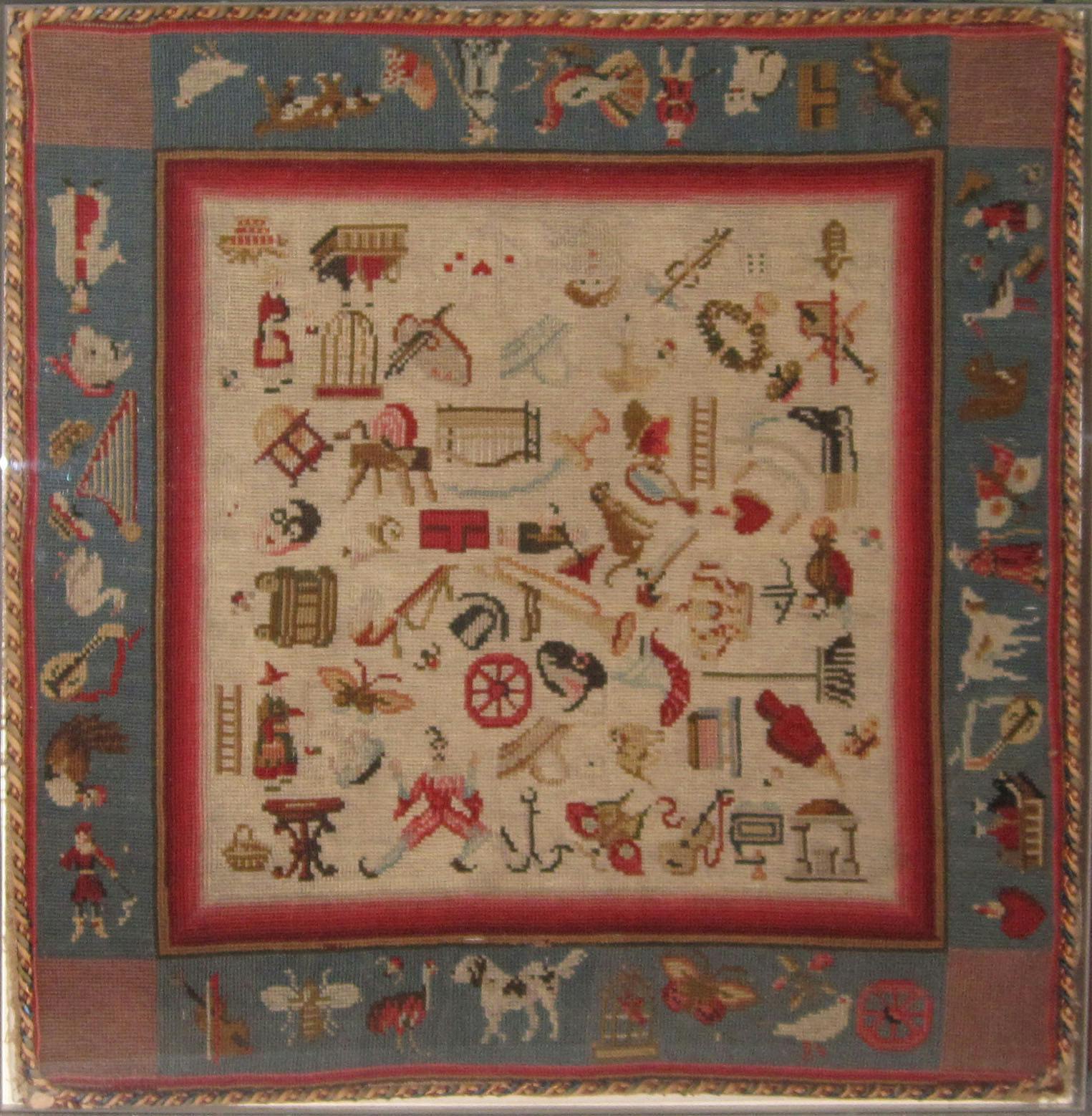
Rebecca Gratz started this needlepoint sampler at Philadelphia’s first Hebrew Sunday School, which she founded in 1838 and where she served as superintendent until 1864. Her work in education was part of her broader commitment to improving the lives of women and children in Philadelphia.
Gratz’s sampler includes a vibrant composition of musical instruments, dancers, animals, and everyday objects.
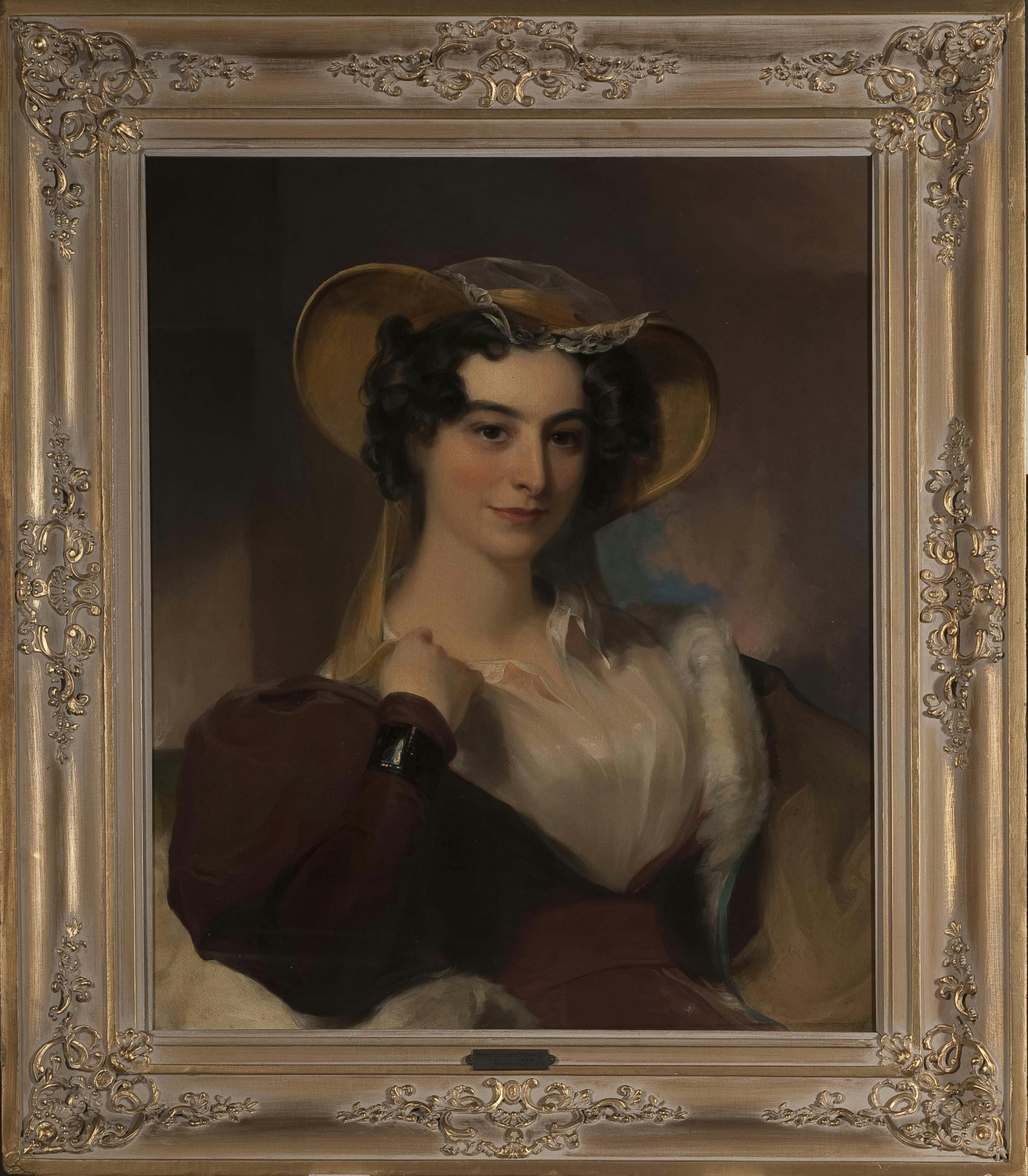
Gratz’s Hebrew Sunday School trained Jewish women for religious teaching positions, one of the only schools of its kind in Philadelphia. It soon became a model for similar schools in cities across the nation.
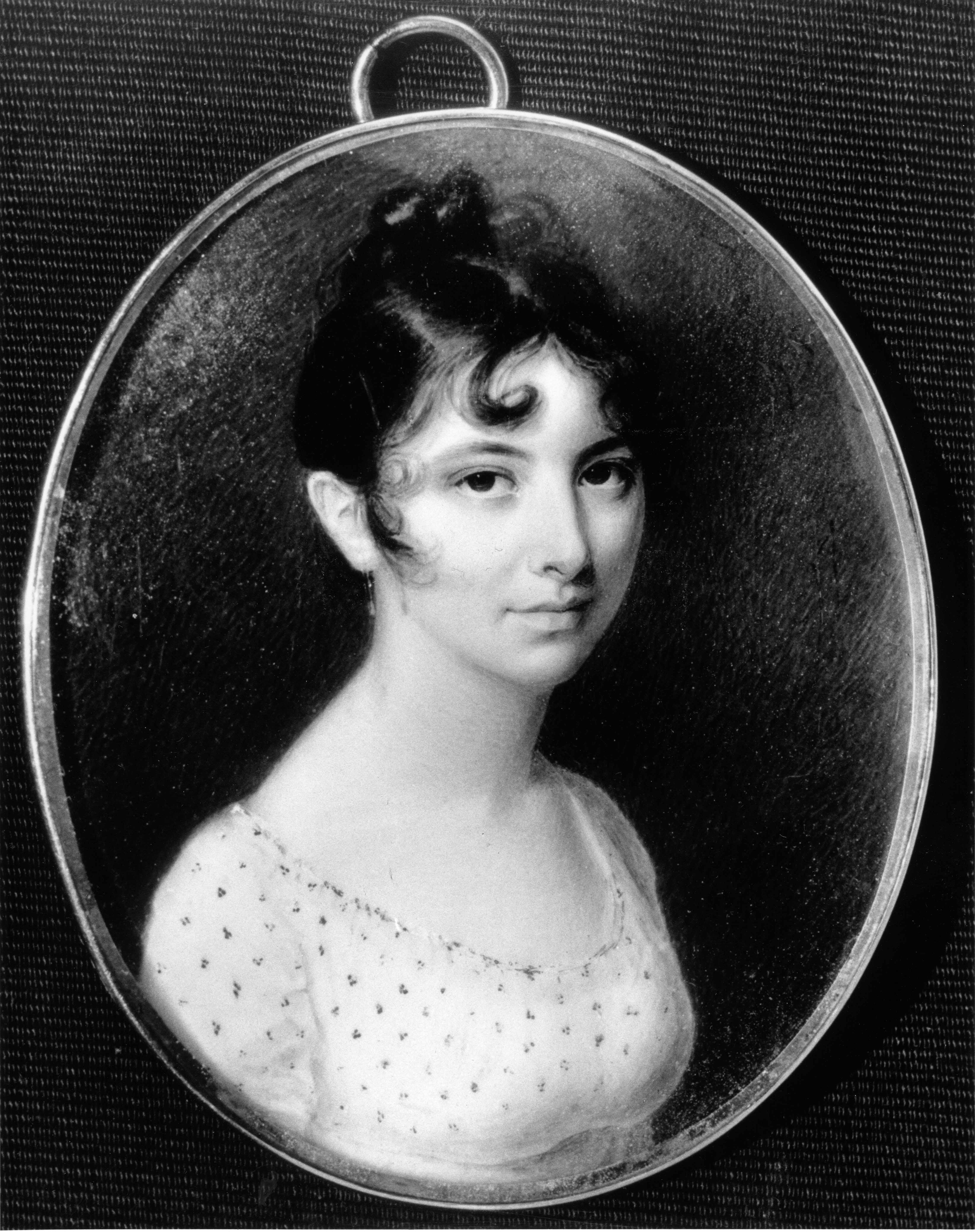
Gratz’s Hebrew Sunday School trained Jewish women for religious teaching positions, one of the only schools of its kind in Philadelphia. It soon became a model for similar schools in cities across the nation.
Votes for Women: The Next Generation
Overview
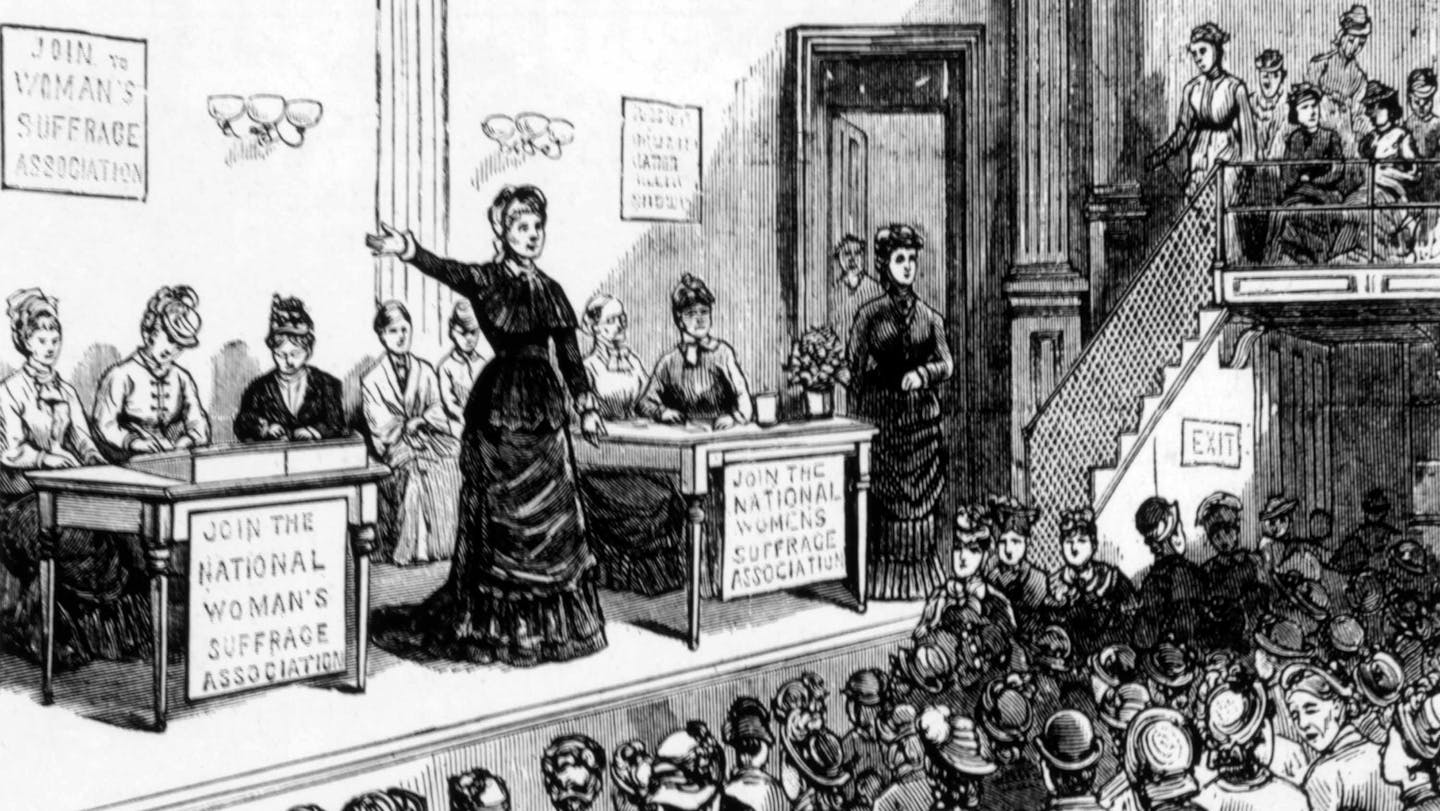
Decades after women in New Jersey lost the vote, women formed a middle-class reform movement to fight various social ills, including slavery, poverty, drunkenness, and the perceived threat of social disorder represented by immigration. As society’s self-proclaimed moral guardians, these early female reformers used activism as an opportunity to take on new roles, elevate their own status, and enter the public realm.
It was the women activists of this new generation that began fighting for women’s right to vote in the mid-19th century.
Multiple woman suffrage organizations, whether local, state, or national, emerged in the latter half of the 19th century. Many of these organizations stemmed from reform organizations and movements. One of the most popular was the National Woman Suffrage Association (NWSA), founded by Elizabeth Cady Stanton and Susan B. Anthony in 1869. Women in these organizations often held public meetings and lectures to convince audiences of the benefits of woman suffrage.
Meet the New Jersey Suffragists
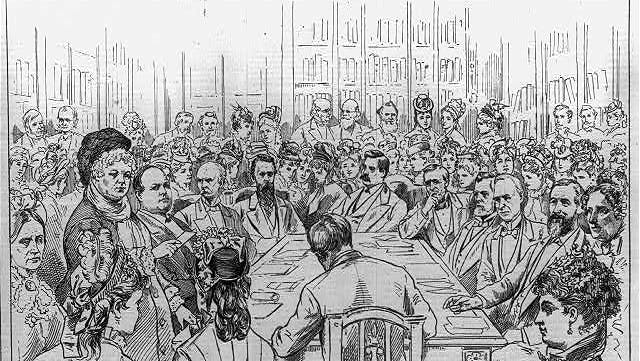
In New Jersey, the example of women voters in the Early Republic became an inspiration for suffragists at the local, state, and national levels. Suffragists Elizabeth Cady Stanton, Lucy Stone, and Portia Gage maintained that, by exercising their right to vote, early New Jersey women set a precedent for women voting in the state.
It was this foundation that laid the groundwork for New Jersey suffragists’ activism, like when 172 New Jersey women — including women of color — led a voting demonstration in Vineland in 1868, or when Elizabeth Cady Stanton attempted to vote in Tenafly in 1880.
New Jersey suffragists showed that women’s participation in voting in early New Jersey did not end with the loss of the vote in 1807, but rather those earlier events became a rallying cry decades later. They emphasized the benefit of returning to a more inclusive and democratic political system.
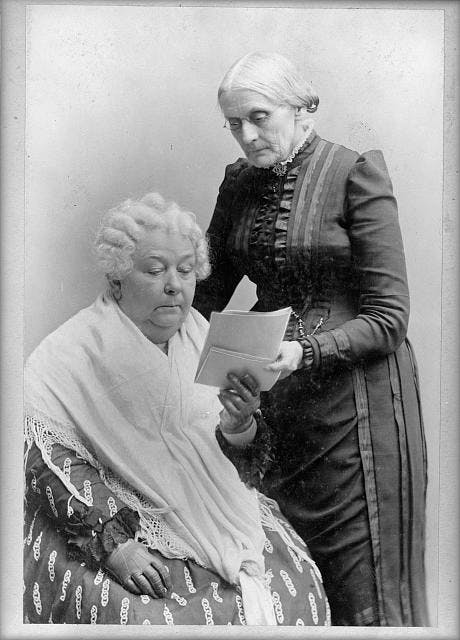
Elizabeth Cady Stanton helped lead the early suffrage movement and authored the 1848 Declaration of Sentiments, introduced at one of the first female-organized women’s rights conventions in Seneca Falls, New York.
Stanton and her colleague, Susan B. Anthony, were more than advocates for votes for women – they sought a wholesale social revolution. With roots firmly planted in the temperance and abolition movements, both Stanton and Anthony pushed women’s rights in a more radical, political direction. Their controversial women’s rights newspaper, The Revolution (1868–1872), explicitly promoted a woman’s right to vote, divorce, own property, organize, and to voluntary motherhood.
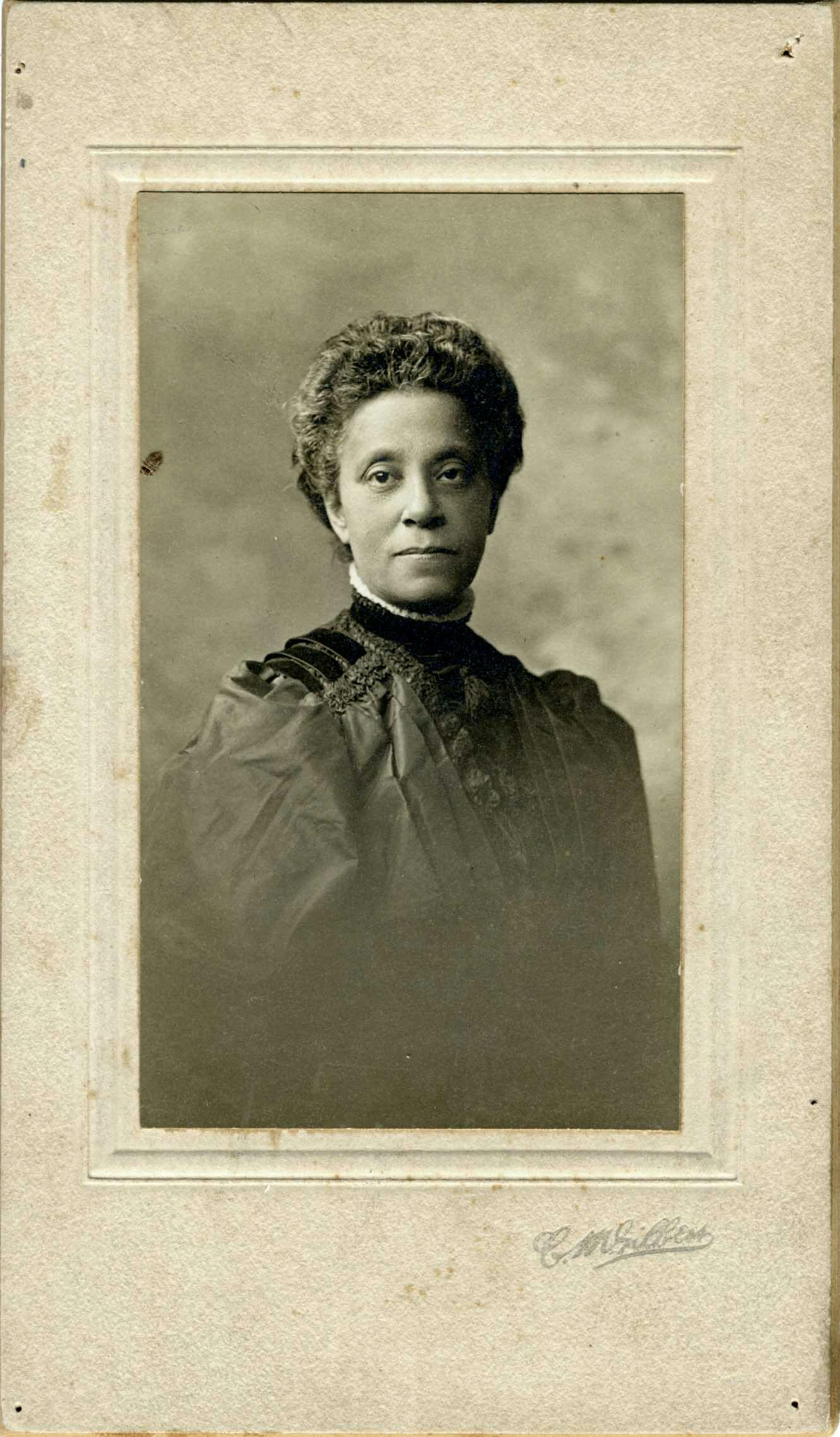
One of the leading Black writers of the late 19th century, Gertrude Mossell came from a Quaker, abolitionist family in Philadelphia. She used her column “The Woman’s Department” in the New York Freeman – then the leading African American newspaper in the country – as a platform to vocalize her support for suffrage and the right of women to own property and attend college.
In 1894 Mossell published her groundbreaking feminist history, The Work of the Afro-American Woman, which traced the accomplishments of Black female professionals in the suffrage, temperance, and abolitionist movements.
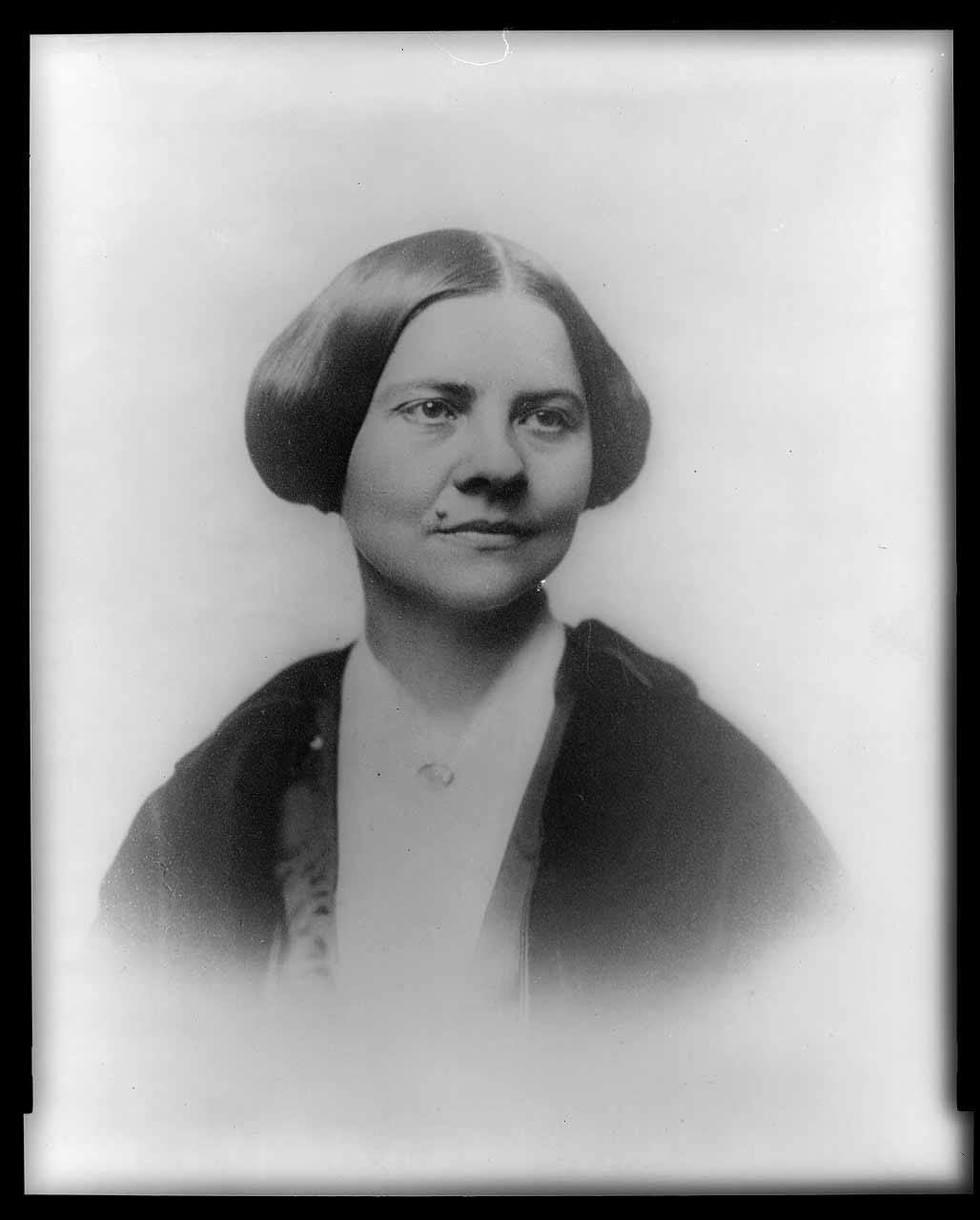
“Women voted. Yet no catastrophe, social or political, ensued. Women did not cease to be womanly. They did not neglect their domestic duties. Indeed the noble character and exalted patriotism of the women of New Jersey all through the Revolution have been the subject of historical eulogy.” – Lucy Stone, Address to New Jersey State Legislature, 1867
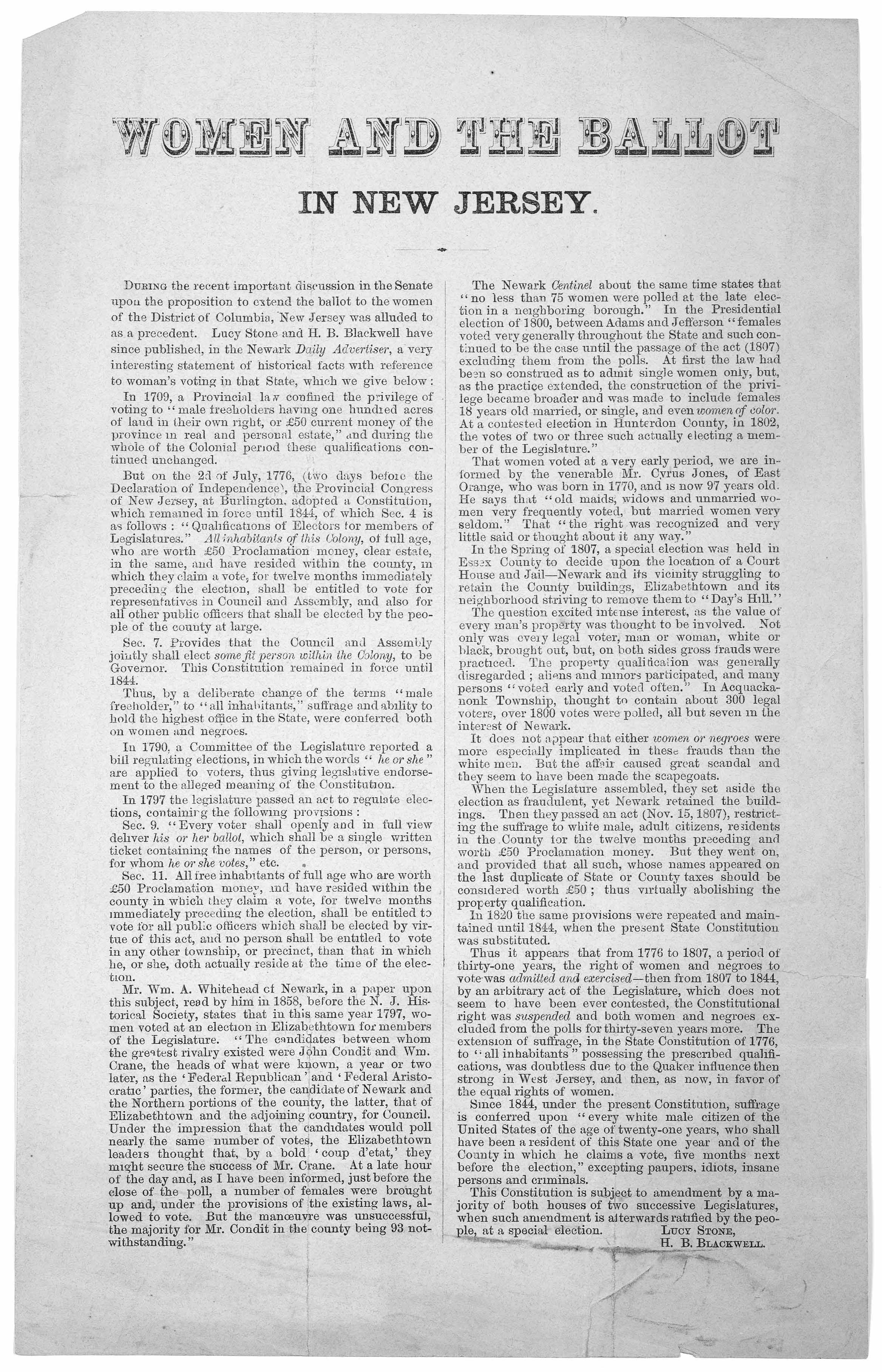
Lucy Stone led multiple suffrage organizations and meetings in New Jersey. In 1869, she broke with Susan B. Anthony and Elizabeth Cady Stanton to lead the American Woman Suffrage Association (AWSA) with Julia Ward Howe.
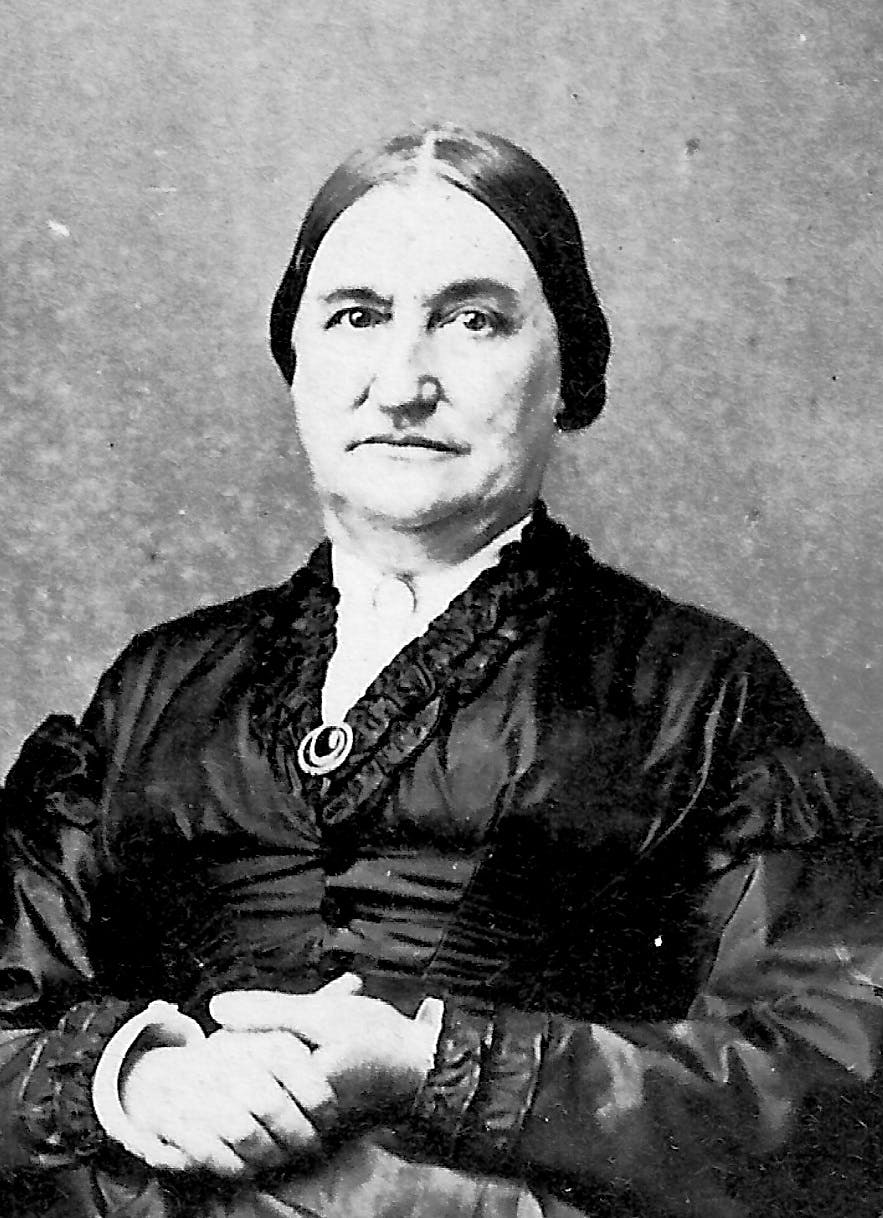
Portia Gage was an organizer of the New Jersey Woman Suffrage Association (NJWSA) in 1867. She followed the example of early New Jersey women voters when she helped organize a suffrage demonstration in which 172 women, white and Black, installed their own ballot box at the polling place in Vineland, New Jersey, and cast their ballots. After passage of the 14th and 15th Amendments, Gage continued to lead at least four more groups of women to attempt to vote illegally.
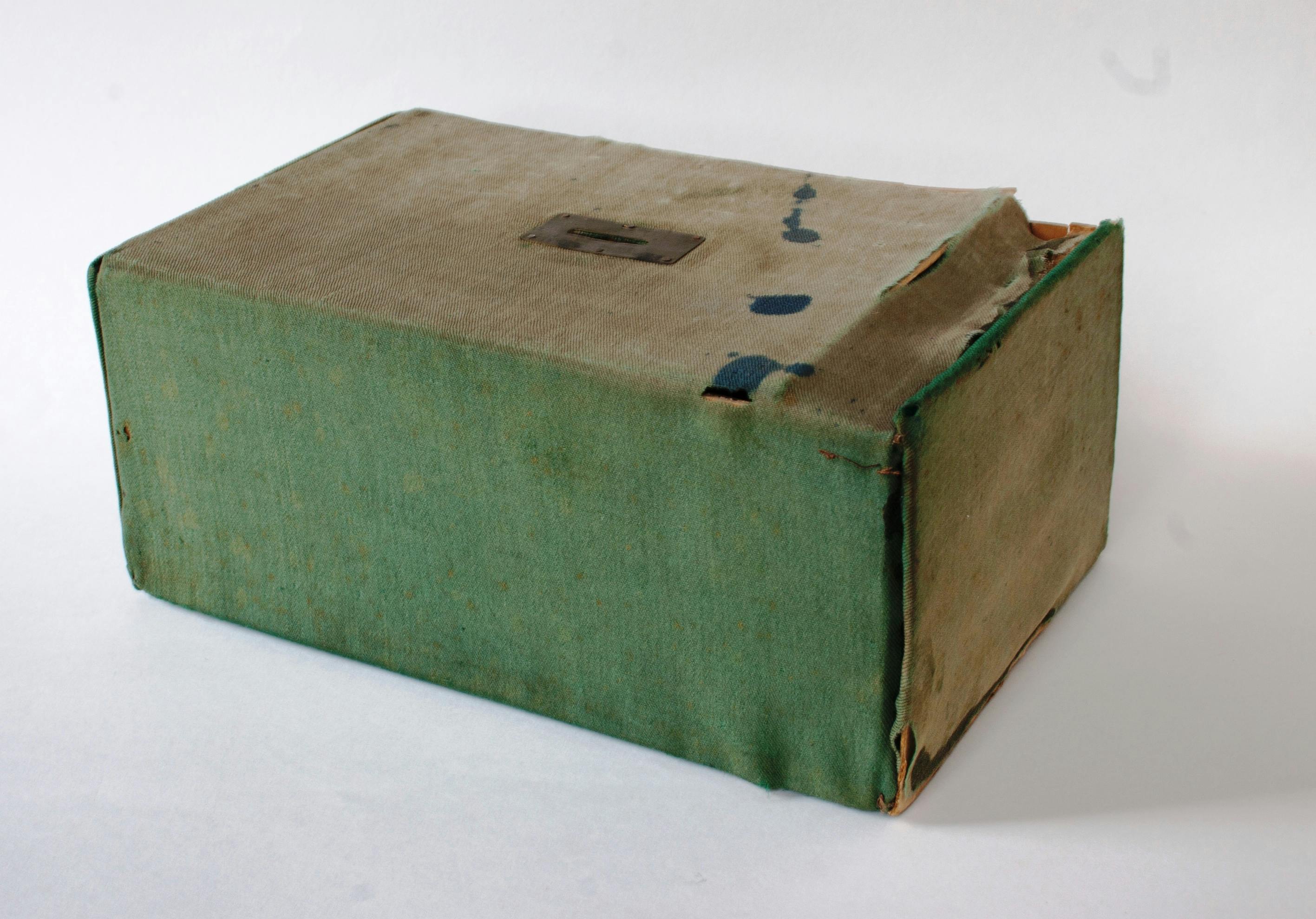
Suffragists used this makeshift ballot box, made out of blueberry crates, to stage their suffrage demonstration in Vineland in 1868.
1852: Rights for Married Women
The laws and customs prohibiting married women from owning property effectively excluded most married women from voting in New Jersey from 1776 to 1807.
It was not until 1852 that New Jersey’s legislature passed the Married Women’s Property Act granting married women rights to their own property separate from their husbands.
“Women suffer taxation and yet have no representation, which is not only unjust to one half of the adult population, but is contrary to our theory of government.” – Lucy Stone, January 18, 1858
In 1858, Lucy Stone became one of the first women to refuse to pay her property taxes when she returned her unpaid tax bill in Orange, New Jersey. She claimed she was not represented in her government. Stone’s calls for “no taxation without representation” echoed those of the Revolutionary era while simultaneously reinvigorating married women’s calls for their right to own property under femme coverture.
Women and suffragists throughout the nation followed Stone’s example.
Race and the Suffrage Movement
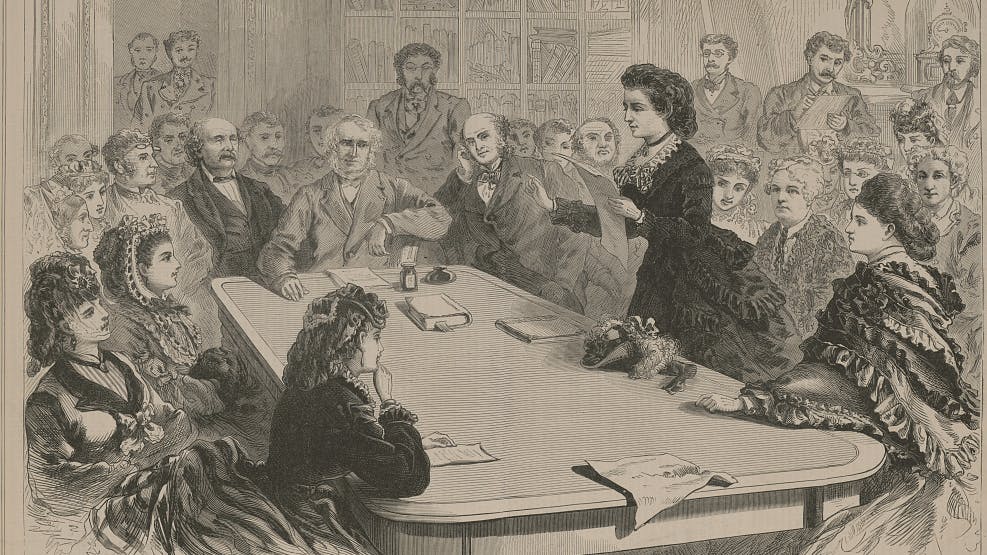
In the formative years of the women’s rights movement, suffragists Susan B. Anthony and Elizabeth Cady Stanton collaborated with a diverse group of women, including African Americans. But during the debates over the 15th Amendment (1870), they openly withdrew their support for Black male suffrage, believing that the proposed amendment betrayed women by prioritizing the vote for Black men.
This caused a schism in the women’s rights movement between Stanton and Anthony’s National Woman Suffrage Association (NWSA), formed in 1869, and Lucy Stone and Julia Ward Howe’s American Woman Suffrage Association (AWSA), which maintained support for the 15th Amendment. The split in organizations has led to critiques of Stanton and Anthony for excluding African Americans from the suffrage movement.
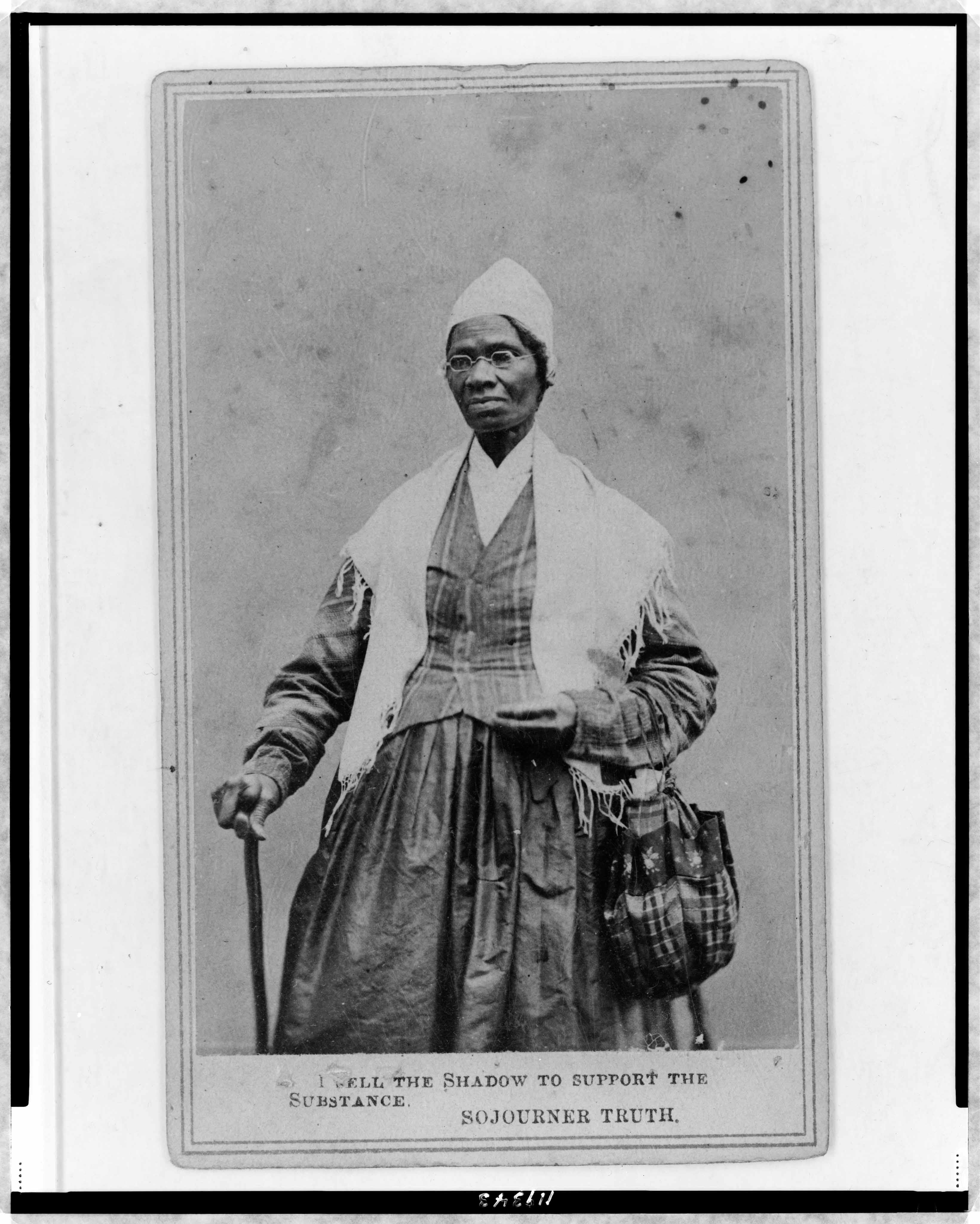
Sojourner Truth was born into slavery in New York in 1797. In 1826, she escaped slavery and moved to New York City, where she became a preacher and advocate for women’s rights. She delivered her famous “Ar’n’t I a Woman” speech in 1851 at the Ohio Women’s Rights Convention, in which she championed the rights of women and people of color.
“…and if colored men get their rights, and not colored women theirs, you see the colored men will be the masters over the women, and it will be just as bad as it was before. So I am for keeping the thing going while things are stirring; because if we wait till it is still, it will take a great while to get it going again.” – Sojourner Truth, Address to the First Annual Meeting of the American Equal Rights Association, 1867
In 1867, Sojourner Truth gave an address at the First Annual Meeting of the American Equal Rights Association. In it, she advocated for Black women to have equal rights as Black men, including the right to vote. If they did not, she argued, Black men would continue to have control over Black women.
“I will cut off this right arm of mine before I will ever work or demand the ballot for the Negro and not the woman.” – Susan B. Anthony to Frederick Douglass, 1866
“…the influence and vote of an educated woman are of more value to a government than those of an ignorant man.” – Elizabeth Cady Stanton, 1869
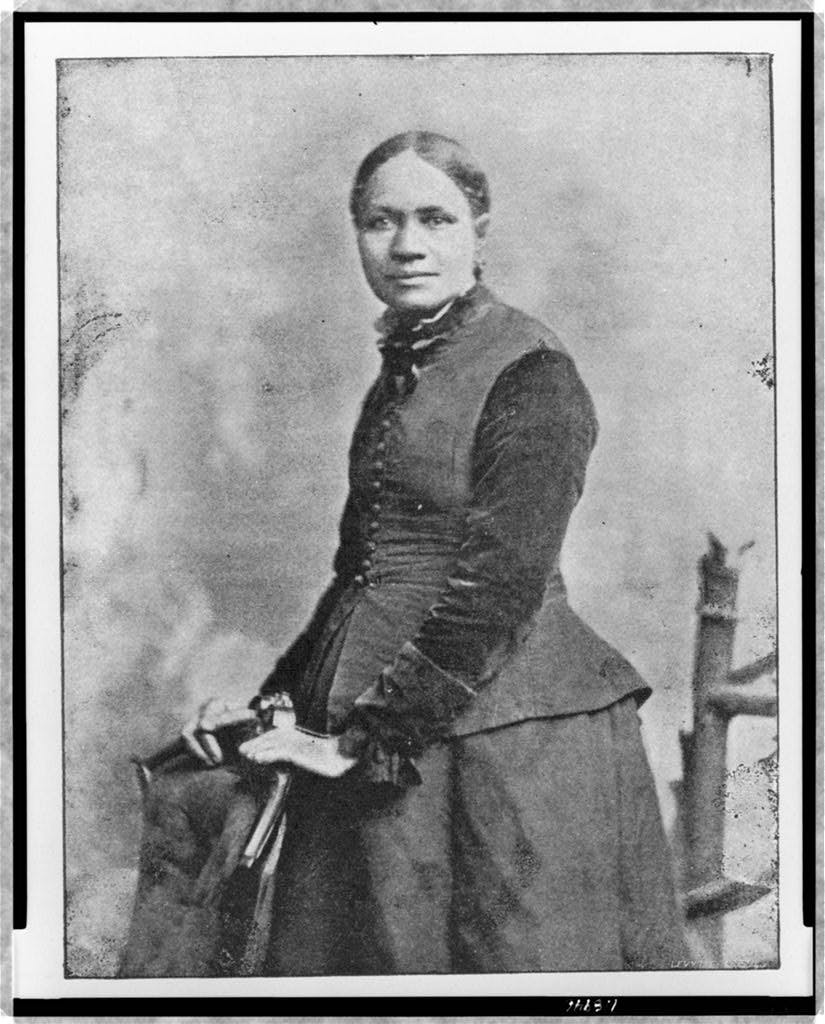
Frances Ellen Watkins Harper was a poet, abolitionist, temperance activist, and suffragist. As a child, she attended Watkins Academy, her uncle’s school, in Baltimore, Maryland. She spent much of her adult life in Philadelphia, where she published her poetry and Iola Leroy, one of the first novels published by an African American.
Harper advocated for equal rights for the remainder of her life. She went on to become the co-founder and vice president of the National Association of Colored Women’s Clubs and the superintendent of the Colored Section of the Philadelphia Women’s Christian Temperance Union.
“You white women speak here of rights. I speak of wrongs…I tell you that if there is any class of people who need to be lifted out of their airy nothings and selfishness, it is the white women of America.” – Frances Ellen Watkins Harper, “We Are All Bound Up Together,” 1866
Stanton and Anthony’s racist language met pushback from Black women suffragists and activists, like Philadelphian Frances Ellen Watkins Harper. Harper’s skepticism of white women led to her endorsement of the 15th Amendment.
Evoking the Memory of the Nation’s Revolutionary Women
Overview
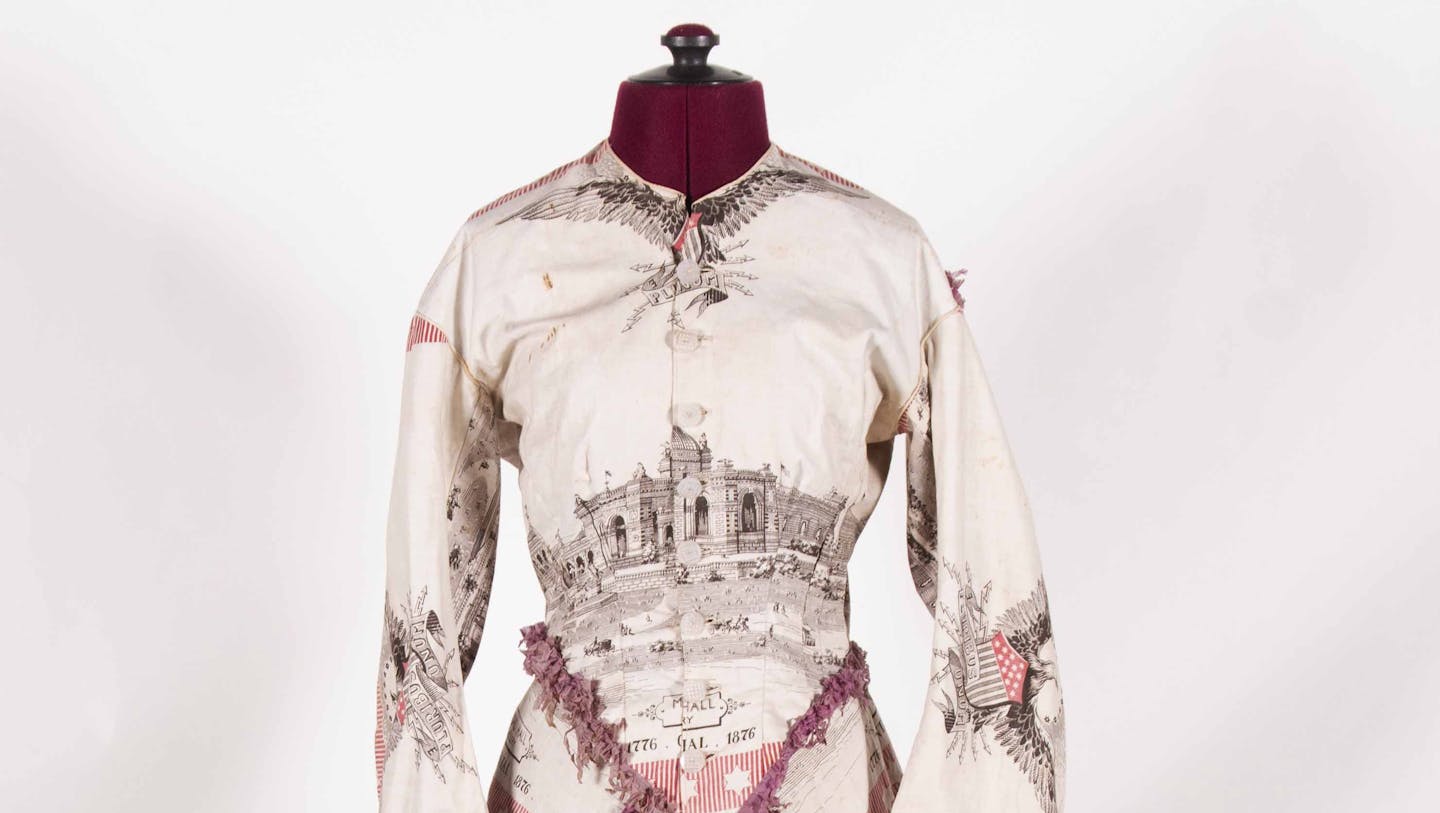
Suffragists in the 19th century recalled the memory of the Revolution and early American women voters in their fight for women’s suffrage.
They demanded the right to own property and have representation in government, reviving calls of “no taxation without representation.” They wrote a Declaration of Sentiments, paraphrasing words from the Declaration of Independence that “all men and women are created equal.” Some suffragists even referenced women voters in New Jersey from 1776 to 1807 as a justification for voting as freeholders and property owners.
On July 4, 1876, members of the National Woman Suffrage Association (NWSA) staged a protest at the Centennial Celebration in Philadelphia. Despite being denied participation in the Centennial’s programming, suffragists interrupted the reading of the Declaration of Independence at Independence Hall to read their own “Declaration of the Rights of Women.”
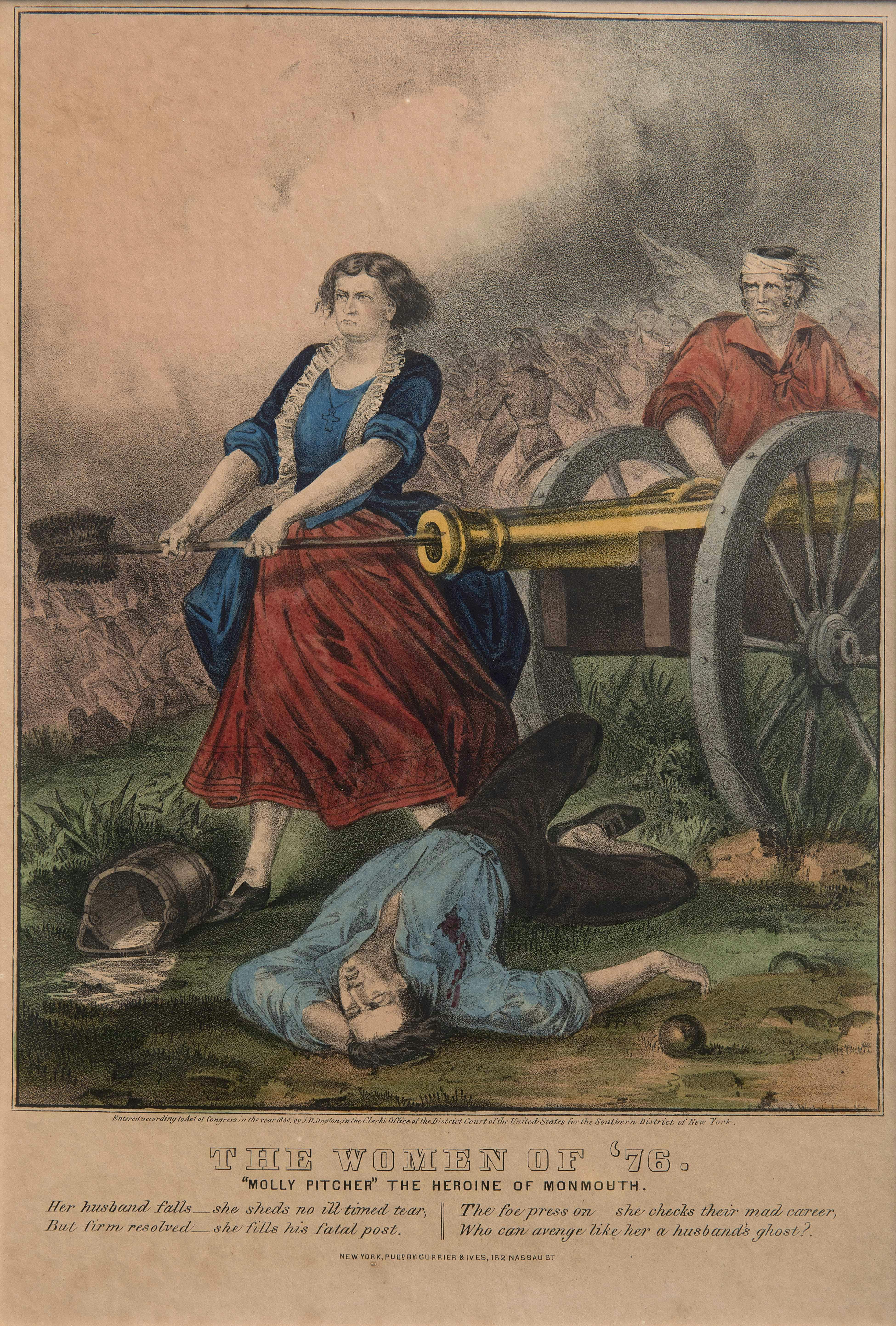
“Molly Pitcher” was the centerpiece of a Currier & Ives print in 1876, in commemoration of the nation’s Centennial celebrations. Pitcher was a fictional representation of the many women said to have fought in the Revolutionary War, like Margaret Corbin and Mary Ludwig Hays. Hays is remembered as taking the place of her injured husband on the field at the Battle of Monmouth, New Jersey.
As early as the 1840s and 1850s, reformers, activists, and writers began elevating women from the American Revolution. Historian and author Elizabeth Ellet published the first history of women in the American Revolution in 1848, introducing figures like the legendary “Molly Pitcher” and over a hundred other women that made contributions during the Revolutionary War. Ellet’s work did not include any women of color.
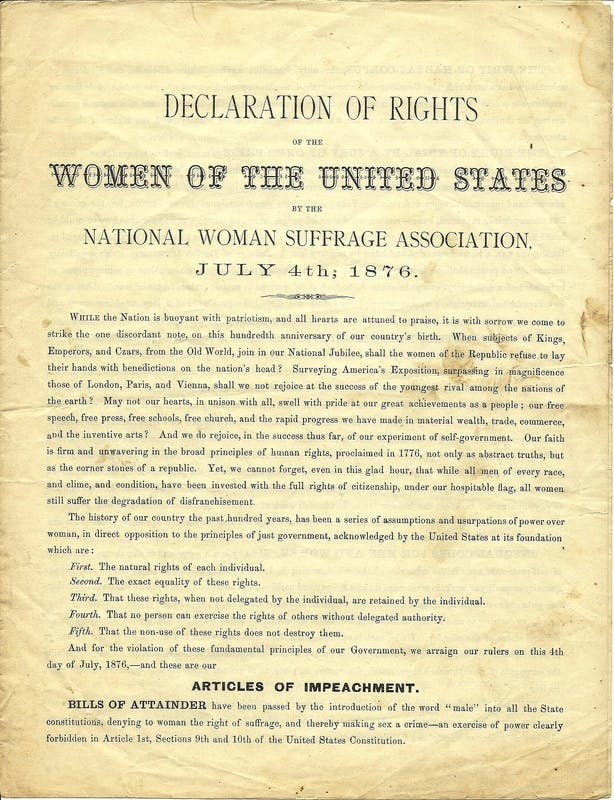
The NWSA’s declaration listed articles of impeachment, including the right of a trial by jury, taxation without representation, unequal codes for men and women, and the right of suffrage.
During her reading, Stanton quoted Abigail Adams’s 1776 “Remember the Ladies” letter, recalling women’s assertion that they would not “hold [themselves] bound to obey laws in which they have no voice or representation.”
“We ask justice, we ask equality, we ask that all the civil and political rights that belong to citizens of the United States, be guaranteed to us and our daughters forever.” – Susan B. Anthony, “Declaration of Rights of the Women of the United States,” July 4, 1876
While some suffragists, like Elizabeth Cady Stanton and Lucretia Mott, chose to boycott the 1876 Centennial Celebration, others, like Susan B. Anthony, Matilda Joslyn Gage, and other NWSA members, took separate action. As the reading of the Declaration concluded, Anthony stormed the stage and presented their “Declaration of the Rights of Women” while others passed out copies to the crowd. Anthony then recited the declaration outside of Independence Hall.
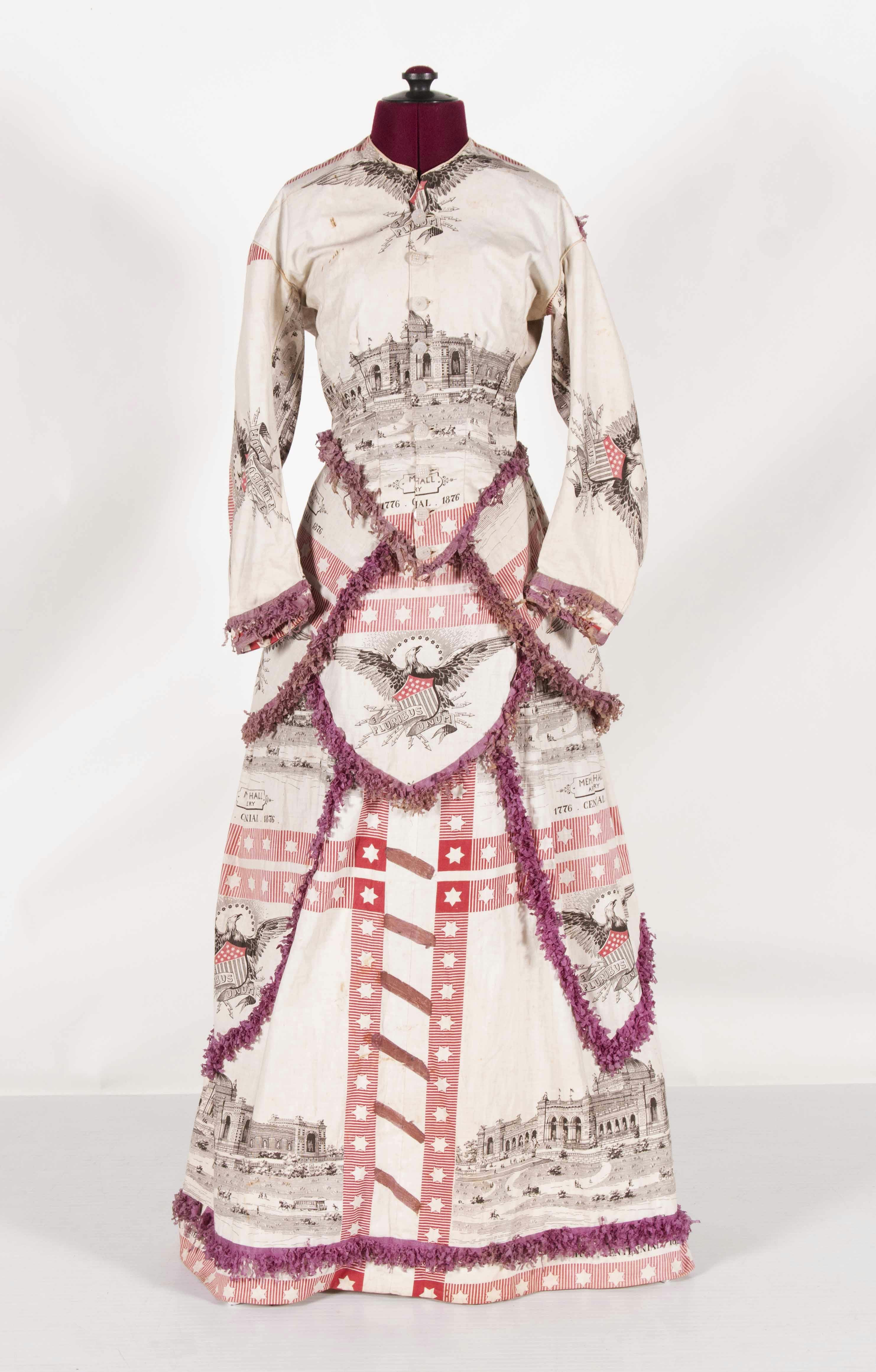
This dress was likely worn to the 1876 Centennial Convention in Philadelphia, the same place where Susan B. Anthony recited the words of Abigail Adams. The dress is printed with patriotic symbols, like a spread-winged eagle and an image of Memorial Hall.
While some suffragists, like Elizabeth Cady Stanton and Lucretia Mott, chose to boycott the 1876 Centennial Celebration, others, like Susan B. Anthony, Matilda Joslyn Gage, and other NWSA members, took separate action. As the reading of the Declaration concluded, Anthony stormed the stage and presented their “Declaration of the Rights of Women” while others passed out copies to the crowd. Anthony then recited the declaration outside of Independence Hall.
Elizabeth Cady Stanton in Tenafly, 1880
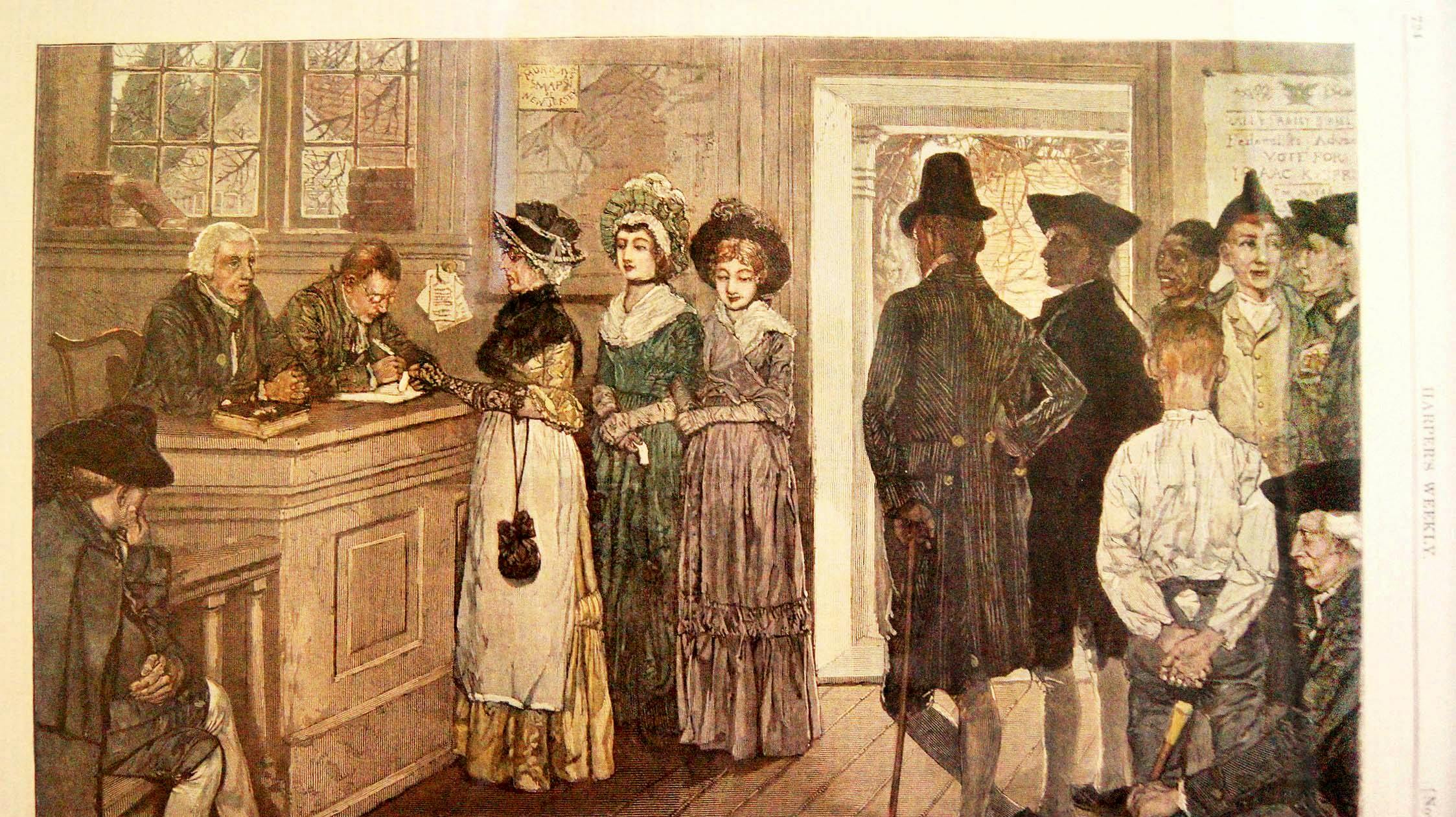
In 1880, Elizabeth Cady Stanton attempted to vote in her hometown of Tenafly, New Jersey. In her published account of the event, she referenced early women voters in New Jersey as a precedent for woman suffrage.
Just one week after Elizabeth Cady Stanton published her account of her attempt to vote in Tenafly, renowned illustrator Howard Pyle published this engraving in Harper’s Weekly. The image depicts women standing in line to cast their ballots in New Jersey in the Early Republic. Pyle, perhaps inspired by Stanton’s actions, appeared supportive of women voting, as did the article that accompanied the engraving.
“On the sacred soil of New Jersey, where we now stand, women voted thirty-one years, from 1776 to 1807.” – Elizabeth Cady Stanton, November 1880
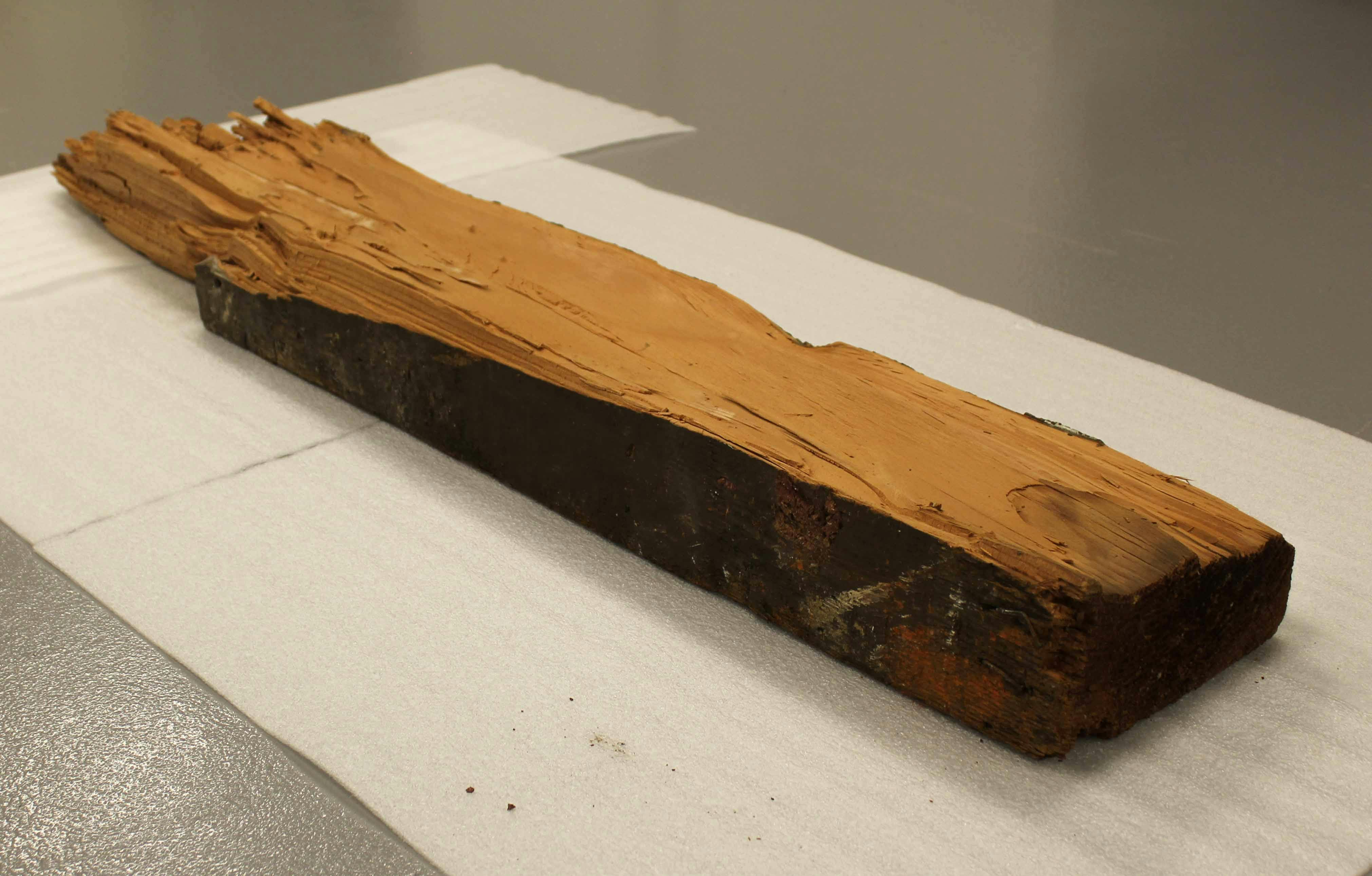
This floor joist is one of the few surviving pieces from the Valley Hotel, where Elizabeth Cady Stanton attempted to vote in 1880. Developers tore the building down in 2016.
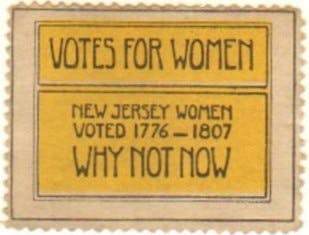
This stamp was created by the New Jersey Woman Suffrage Association (NJWSA) in 1913. Many suffrage organizations printed stamps, flyers, and other ephemera to help garner support for their cause.
The stamp referenced early women voters in New Jersey. It was one of the many creative methods the NJWSA used while campaigning for passage of the first statewide vote on woman suffrage in October 1915.
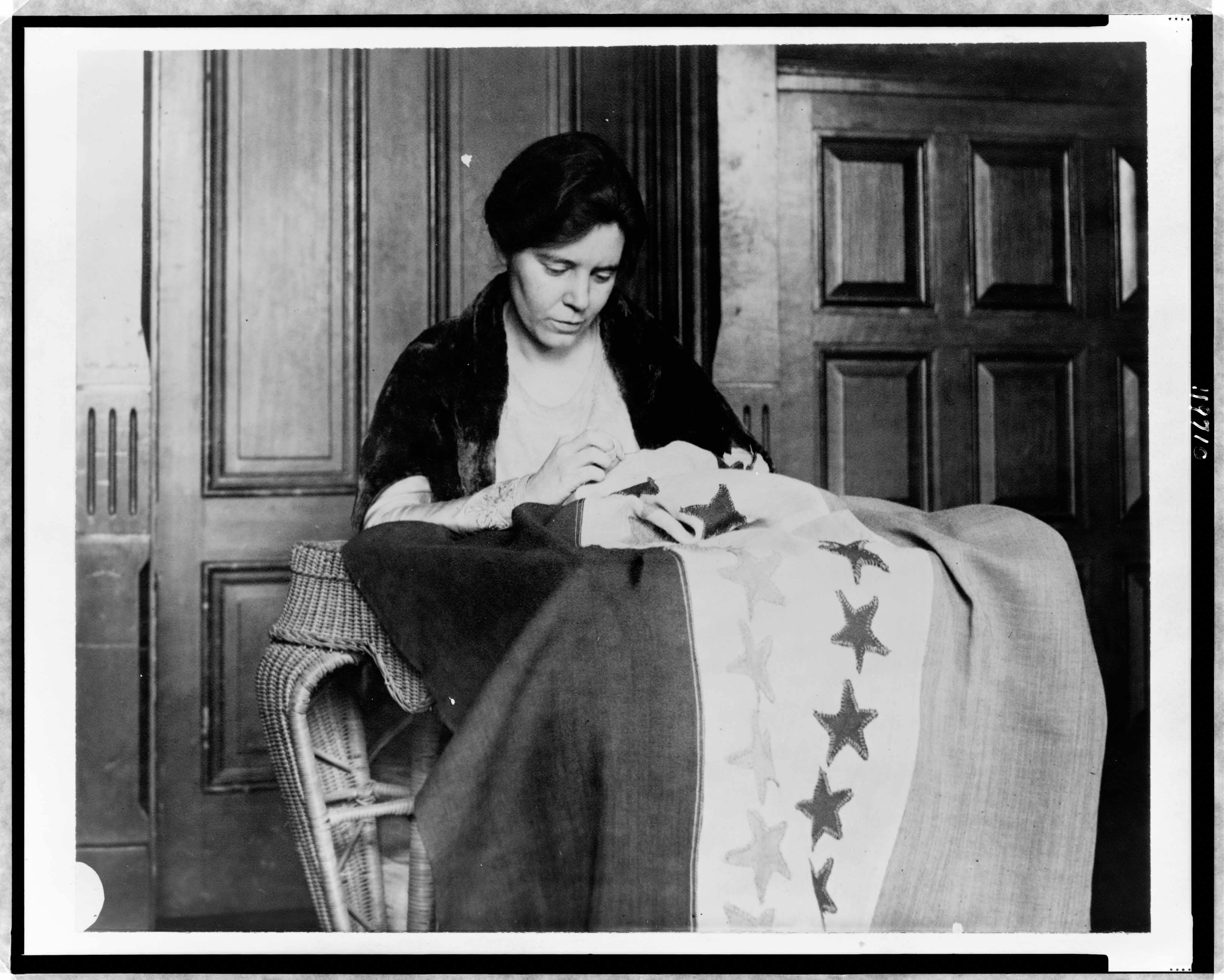
Here, suffragist Alice Paul evokes the memory of Revolutionary flag makers, such as Betsy Ross, as she sews a National Woman’s Party (NWP) suffrage flag.
Alice Paul was a New Jersey Quaker and suffragist. She formed the NWP in 1913, a more militant organization of the suffrage movement. Photographs like this one, portraying Paul as a kind of “revolutionary mother,” may have helped counteract criticisms of Paul and the NWP as being too radical or unpatriotic.
1920: The 19th Amendment
Overview
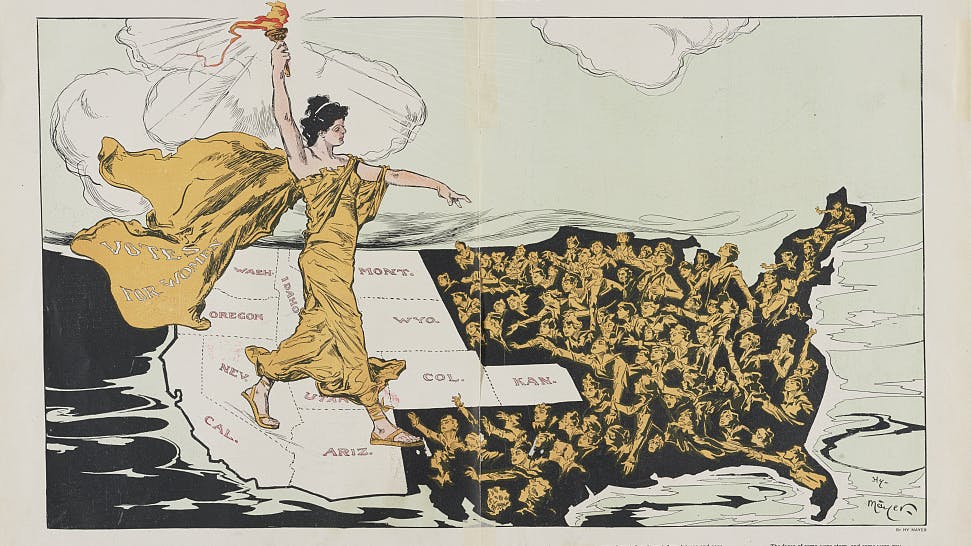
American women gained the right to vote nationally on August 26, 1920, with the passage of the 19th Amendment. Prior to 1920, 15 states passed state referendums giving women the right to vote.
In 1912, and again in 1915, a state referendum was put to vote in New Jersey that, if passed, would have granted the right to vote to women in the state. Despite suffragists’ efforts to campaign for the referendum’s passage, anti-suffragists and New Jersey courts doubled down in their efforts to stifle calls for women’s suffrage. The state ultimately defeated the referendum, and New Jersey women would have to wait until 1920 to exercise their right once again.
Anti-Suffrage: Challenges to Women’s Suffrage
The anti-suffrage movement sought to prevent women from gaining the vote in New Jersey and across the nation throughout the late 19th and early 20th centuries. Women — as well as other minority groups — were up against these challenges, and yet they continued to fight for equality.
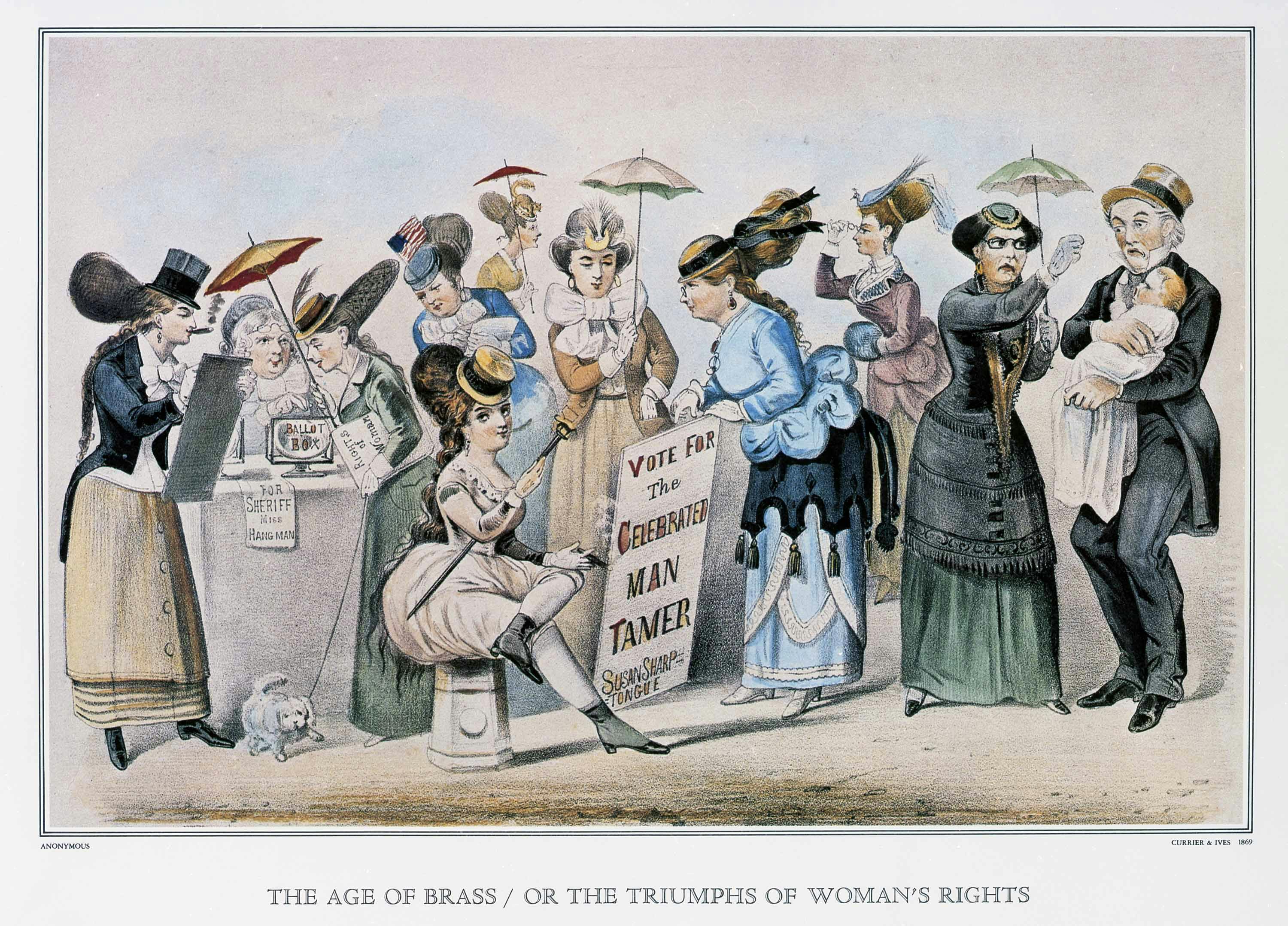
This satirical caricature, published in the midst of the blossoming women’s rights movement, depicts what the United States might be like if women got the vote. Two political candidates, “The Celebrated Man-Tamer Susan Sharp-Tongue” and “Miss Hangman for Sheriff,” demonstrate the threat women running for political office could pose to traditional gender roles.
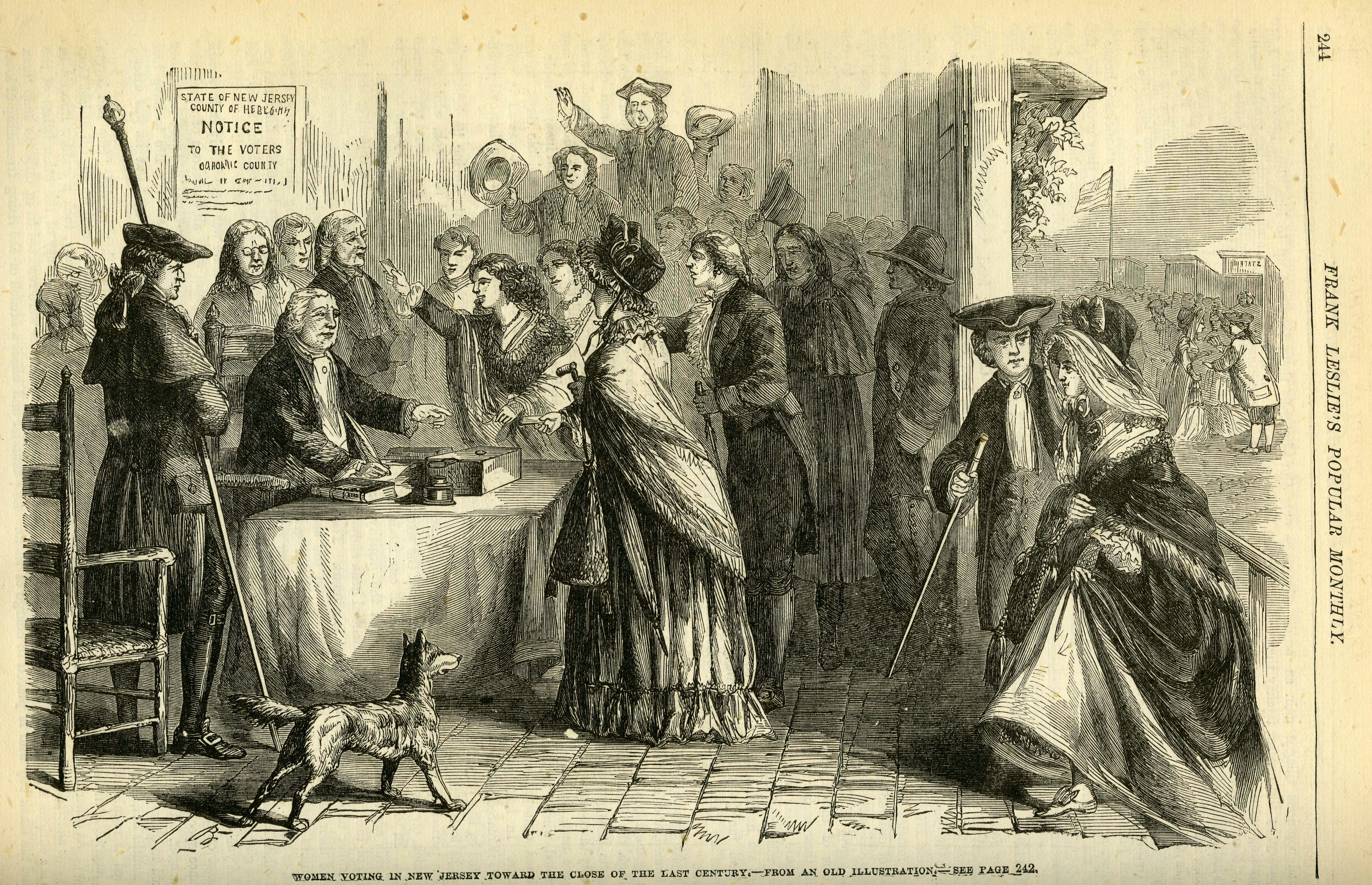
This engraving was produced exactly 70 years after New Jersey women lost the vote in 1807, in the midst of a new fight for woman suffrage. Published by an opponent of woman suffrage, it portrays women voters making passionate speeches amidst a chaotic polling place. The illustration was published alongside quotes from 1790s critics of women voters.
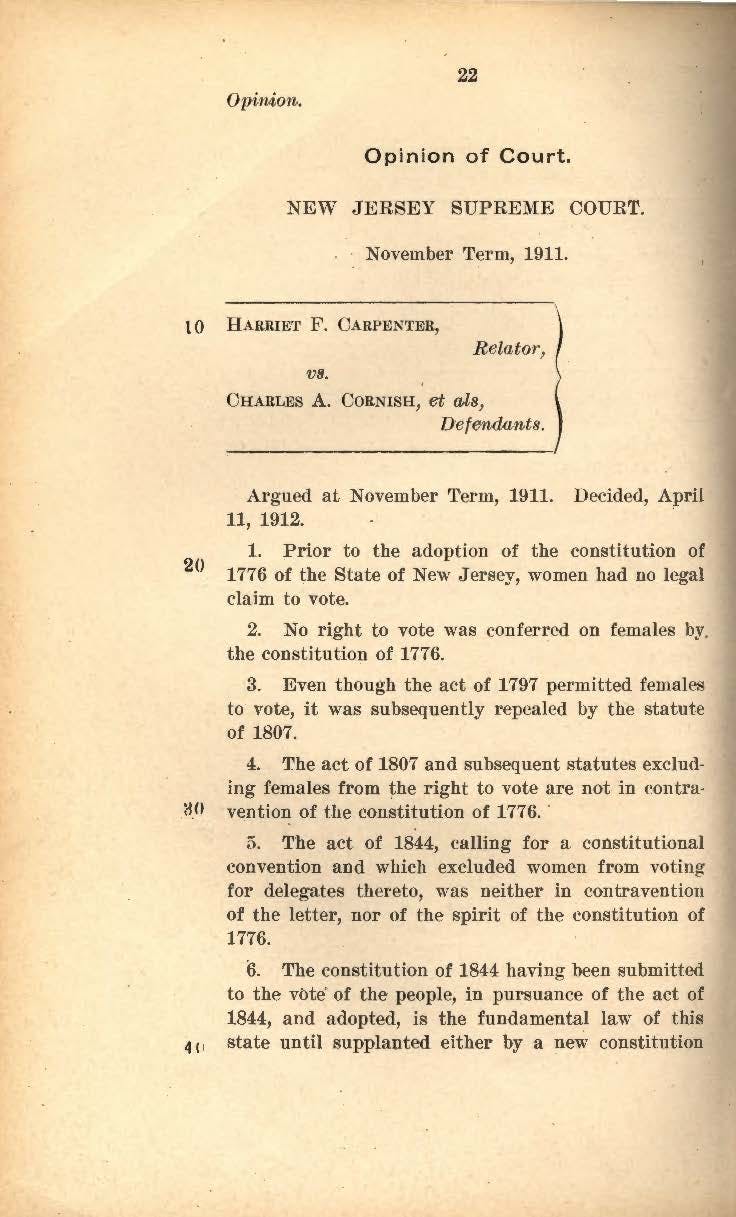
In 1912, the first woman lawyer in New Jersey, Mary Philbrook, brought a case to the New Jersey Supreme Court arguing that women should have the right to vote.
In the Carpenter v. Cornish case Philbrook argued that under the 1776 Constitution the state gave the vote to “all inhabitants,” including women, and that the 1844 Constitution limiting the vote to White males was invalid, for it did not permit women to vote for delegates for the 1844 convention, nor to vote on its ratification.
“Women voters were convicted of committing these frauds…Does this go to prove that women’s votes will purify politics?” – New Jersey Association Opposed to Woman Suffrage, 1915
The Carpenter v. Cornish case rejected Philbrook’s stance and upheld the 1844 election law limiting the vote to male citizens in the state.
The Ongoing Challenge of Democracy
Still today, women, people of color, immigrants, and other people throughout the United States face voter suppression efforts and accusations of voter fraud.
The story of the early women voters in New Jersey, and women’s fight to regain that right to vote nearly a century later, teach us that voting rights are fragile — they can be taken away. It is our duty as citizens to ensure that these rights are secured and protected for all American citizens in the ongoing effort to fulfill the promise of the American Revolution and to build a more perfect union.
Originally published by The Museum of the American Revolution, republished with permission for educational, non-commercial purposes.
About the Author