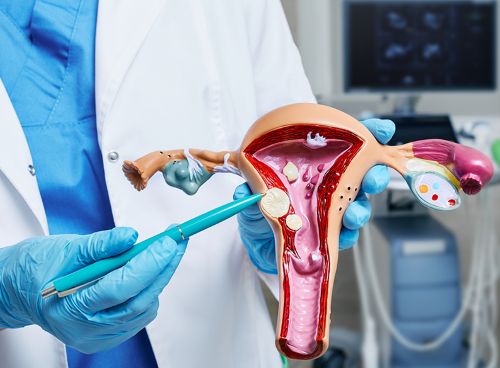
Uterine fibroids are common, benign growths that develop from the muscular wall of the uterus. Many people have fibroids without symptoms, yet growth patterns can change over time. Understanding causes and risk factors can support earlier evaluation and better symptom tracking.
For clear education and next-step guidance, visit the website of healthcare services for trusted patient resources. Clinicians can review personal history, cycle patterns, and health conditions that raise risk. Read on as this article summarizes what research suggests about why fibroids form and who faces a higher risk.
Hormones and Growth Signals
Fibroid growth relates to reproductive hormones, especially estrogen and progesterone, which influence uterine tissue activity. These hormones help regulate the menstrual cycle and may support fibroid growth in susceptible tissue. Hormone exposure helps explain why fibroids occur mainly during reproductive years.
Researchers also study growth factors that affect cell repair, blood supply, and tissue expansion inside the uterus. When growth signals run high, fibroid cells may multiply faster than typical uterine muscle cells. This hormone and growth-factor link helps explain why fibroids may change with life stage.
Genetics and Family History
Genetic factors appear important, since fibroids can run in families across generations. Studies note gene changes inside many fibroids that differ from typical uterine muscle cells. A family history may raise risk, especially when close relatives have confirmed fibroids.
If family history is strong, bring that detail to your clinician and ask for tailored monitoring advice. Visit the website of healthcare services to review educational checklists and discussion prompts before appointments. Clear records of symptoms and cycles can also help clinicians evaluate risk more accurately.
Age and Reproductive History
Risk rises with age through the reproductive years, with many diagnoses in the thirties and forties. Fibroids tend to grow during childbearing years and may shrink after menopause as hormone levels change. This age pattern helps clinicians time evaluation when symptoms increase or cycles change.
Reproductive history may also influence risk, and some research links a higher risk with no prior pregnancy. This association may reflect cumulative hormone exposure and differences in uterine remodeling over time. A clinician can explain how age and history shape risk in your specific situation.
Race, Ethnicity, and Health Disparities
Research shows higher fibroid burden among Black women, with earlier onset and more severe symptoms reported. This disparity has multiple proposed drivers, including biology, environment, and differences in healthcare access. The pattern remains consistent across major public health and specialty sources.
Because risk differs by population, equitable evaluation and symptom validation matter in clinical care. Patients benefit when clinicians address bleeding, pelvic pressure, and anemia risk without delay. If symptoms affect daily life, timely assessment can reduce prolonged discomfort and uncertainty.
Non-Surgical Treatment Paths and What They Involve
After diagnosis, care may focus on symptom relief, stability, and a plan that fits your goals. Clinicians review bleeding patterns, pelvic pressure, and how fibroids affect daily function. This review helps match care intensity to fibroid size, location, and overall health.
A commonly used non-surgical option is uterine fibroid embolization, which a specialist performs as an outpatient procedure. It uses catheter-guided treatment to reduce blood flow to fibroids, which leads to shrinkage over time. Many patients value faster recovery and uterus preservation when this option fits their clinical profile. Fibroids have no single confirmed cause, yet research supports roles for hormones, genetics, and several population risk factors. A focused history review can clarify personal risk and guide symptom tracking with more confidence. If new bleeding patterns or pressure symptoms appear, seek clinical evaluation for individualized guidance.
About the Author