You notice it when someone points it out. A customer hesitates near the counter, or an employee mentions seeing something move near the back wall. It is not a full problem yet, but it is enough to make people uneasy, and once that feeling sets in, it is hard to ignore.
For most businesses, pest issues do not start all at once. They build slowly as temperatures shift and activity increases. Spring and early summer tend to bring more movement, more nesting, and more chances for small issues to turn into larger ones. By the time it becomes obvious, the problem has usually been there for a while.
How Early Signs Get Overlooked
It often begins with things that seem minor. A few ants near an entry point. A wasp flying too close to a loading area. Maybe some signs of insects near storage spaces. None of these feels urgent on its own.
The issue is that these signs rarely stay isolated. Pests follow patterns. If one finds a way in, others tend to follow. If conditions are right, they settle in quickly. Businesses tend to delay action at this stage. There is always something more immediate to handle. The early signs get pushed aside because they do not disrupt operations yet. That delay is usually where the problem grows.
When Preventive Action Becomes Necessary
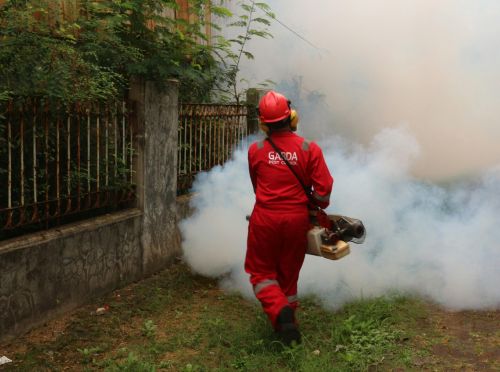
There is a point where basic control methods are not enough. Surface treatments may reduce activity for a short time, but they do not always reach the source. In commercial settings, pests often hide in places that are not easy to access. That is where broader approaches like commercial fumigation treatment come into play. Instead of treating visible areas, the focus shifts to the entire structure. This includes hidden spaces, storage areas, and structural gaps where pests tend to settle.
In situations where infestations have spread beyond simple control, businesses often seek professional pest control services to reset the environment completely. It is used when smaller methods are no longer effective and a more thorough approach is needed.
The Seasonal Shift That Changes Everything
Warmer weather changes pest behavior. Activity increases, reproduction speeds up, and movement becomes more noticeable. What was a quiet issue during colder months becomes more active once temperatures rise.
Subterranean termites, for example, become more aggressive during this time. They move through soil and into structures, often without being seen until damage is already underway. Ant populations expand quickly, especially when food sources are easy to access.
Then there are wasps and hornets. They begin building nests in areas that are often overlooked. Roof edges, storage zones, and outdoor seating areas. These locations can affect both employees and customers. Seasonal changes do not create pest problems, but they accelerate them. That is why timing matters.
Impact on Daily Operations
Pest issues do not just stay in the background. They start affecting how work gets done. Employees may avoid certain areas. Cleaning routines become more frequent. Storage systems get disrupted.
These changes seem small, but they affect efficiency. Time gets lost. Tasks take longer. There is more effort spent managing the issue rather than focusing on regular work. In customer-facing businesses, the impact is more visible. Even one sighting can affect how the space is perceived. People notice these things quickly, and they tend to remember them.
The Cost That Builds Quietly
The cost of pest problems is not always immediate. It builds over time. Damage to materials, especially in storage areas, can go unnoticed until it becomes significant. Food-related businesses may face stricter consequences due to contamination risks.
There is also the cost of repeated treatments. Quick fixes may seem cheaper at first, but they often need to be repeated. Over time, this approach becomes less efficient. A more structured plan tends to reduce these long-term costs, even if it requires more attention upfront.
Why Waiting Makes It Harder
Delaying action rarely simplifies the situation. It usually makes it more complex. Pests establish patterns. They find reliable entry points. They adapt to the environment. Once that happens, removing them becomes more difficult. It requires more effort, more time, and sometimes more extensive treatment. Acting early does not always eliminate the issue completely, but it keeps it manageable. That difference matters more than most people expect.
Different Pests, Different Challenges
Not all pests behave the same way. Ants follow trails and expand quickly. Termites work quietly and cause structural damage over time. Wasps and hornets create visible risks in outdoor areas. Then there are spiders like brown recluse and wolf spiders. They tend to settle in less active spaces, which makes them harder to notice. Wildlife adds another layer. Raccoons, squirrels, and groundhogs can disrupt structures in ways that are not immediately visible. Each of these requires a slightly different approach. A single method does not address all of them effectively. That is why a broader strategy is often needed.
Preparing Before the Peak
The most effective time to deal with pest issues is before they reach peak activity. This is when populations are smaller and easier to control. Entry points can be addressed. Conditions that attract pests can be adjusted. This preparation phase is often overlooked because there is no immediate pressure. Everything seems manageable. That is exactly why it works better at this stage. Once activity increases, options become more limited. The focus shifts from prevention to control, which is usually more complex.
A Quiet Part of Business That Affects Everything
Pest control is not always seen as a priority until it becomes unavoidable. It sits in the background, similar to maintenance or safety checks. Still, it affects how a business operates. It influences cleanliness, efficiency, and perception. It shapes how comfortable employees feel in their workspace. It affects how customers respond to the environment. Taking it seriously before peak season is less about reacting to problems and more about avoiding them. It keeps operations steady, even when external conditions change.
About the Author