Florida homes ask a lot from their cooling systems, especially when summer settles in and the air feels heavy before lunch. If you live in a warm coastal area such as Tampa, you already know that comfort at home is not just about appearance. It is also about airflow, shade, and smart daily habits. A well-designed home should look inviting and feel livable when temperatures rise. That balance becomes much easier when you plan your spaces around heat, humidity, and real day-to-day use.
Plan For Fast Breakdowns
When temperatures stay high for days at a time, your air conditioner does not get much of a break. That is why a summer-ready home starts with a backup plan, not just attractive decor. If your system suddenly stops working, you want to know who to call and what signs matter most.
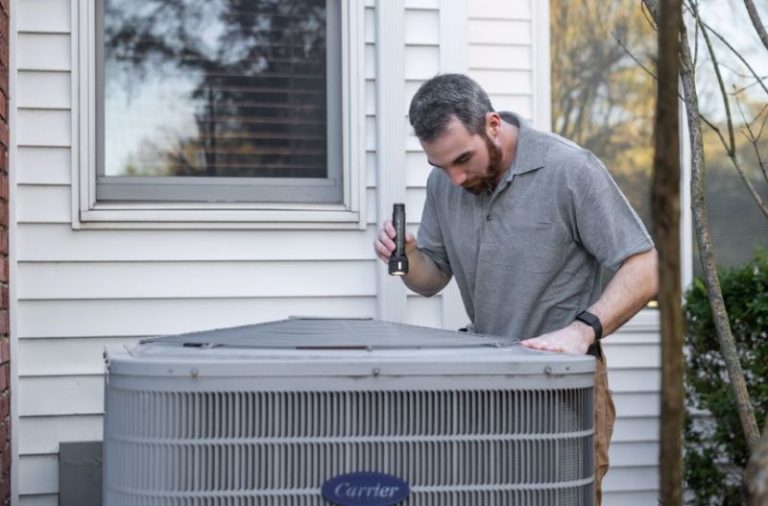
A Tampa home often depends on reliable cooling every single day, so knowing when to seek emergency AC repair in Florida can protect your comfort before a small problem turns into a much bigger one. Warm air from vents, weak airflow, unusual sounds, and rising indoor humidity are all early clues.
You do not need to wait until your house feels unbearable. Keep your thermostat settings consistent, pay attention to rooms that heat up faster than others, and notice if your system runs longer than usual. Quick action matters. In Florida, delayed repairs can make a home feel uncomfortable very fast.
Improve Airflow At Home
Good airflow can make your home feel cooler without forcing your system to work overtime. Start with the basics. Check that vents are open and not blocked by rugs, chairs, or storage baskets. It sounds simple, but many homes lose comfort because air cannot move where it should.
Ceiling fans help too, especially in bedrooms and living areas. They do not lower the temperature, but they help you feel cooler by moving air across your skin. That small change can make a room feel more pleasant during hot afternoons.
Take a look at your furniture layout. Large sofas pushed against vents or crowded corners can interrupt circulation. You want open pathways for air, much like keeping a hallway clear for people walking through it. Interior doors matter as well. Leaving them open at the right times can help air travel more evenly.
Curtains also play a quiet but important role. In sunny rooms, closing them during the brightest hours can reduce heat buildup and help cooled air stay useful longer.
Choose Heat-Smart Materials
Some design choices look nice but quietly trap heat. Others help your home stay cooler without much effort. If you are making updates, focus on materials and finishes that support comfort as well as style.
Light-colored walls, cabinets, and exterior finishes reflect more heat than darker ones. This does not mean your home has to look plain. Soft neutrals, sandy tones, and pale grays can still feel polished while helping rooms stay brighter and less heavy.
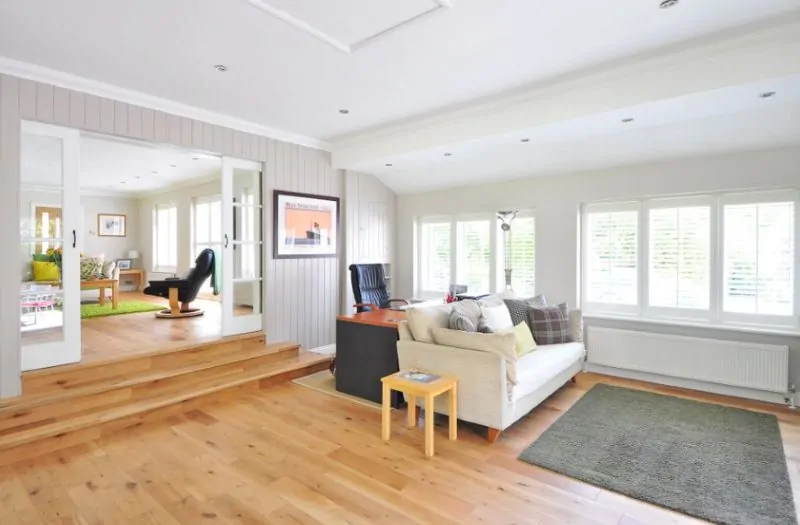
Window treatments make a big difference. Blackout panels, lined drapes, and solar shades can reduce the amount of heat entering your home during the day. Flooring matters too. Tile and other hard surfaces often feel cooler underfoot than thick carpet, which can hold warmth.
Insulation may not be the most exciting design topic, but it affects comfort every day. A pretty room that cannot hold cool air is not doing its job. If you are updating your home, think beyond surface style. The best choices work behind the scenes and help each room feel steady, clean, and comfortable.
Create Cooler Outdoor Zones
The space outside your home affects the temperature inside it more than many people realize. When patios, walls, and windows absorb direct sun all day, that heat does not politely stay outdoors. It pushes inward.
Shaded outdoor areas can help reduce that burden. Covered porches, pergolas, and awnings create a buffer between strong sun and your main living spaces. Even a well-placed shade sail can help where larger structures are not practical.
Landscaping also supports comfort. Trees, tall shrubs, and layered plantings can block harsh afternoon sun near windows and exterior walls. You do not need to turn your yard into a tropical maze. A few thoughtful choices can lower exposure and make outdoor areas feel more usable.
Transition spaces matter as well. A small sitting area near an entry, a shaded walkway, or a screened porch can help your home feel more connected and less exposed. These zones improve curb appeal, but they also reduce heat pressure. Style is helpful. Shade is even better.
Build A Seasonal Routine
A comfortable home usually depends on small habits more than dramatic fixes. Summer is easier when you follow a simple routine that keeps your cooling system and living spaces in good shape.
Start with your air filter. Check it regularly and replace it when it looks dirty. A clogged filter can restrict airflow and make your system work harder than it should. Keep an eye on your thermostat settings too. Wide temperature swings can put extra strain on the system, especially during very hot weeks.
Humidity deserves attention. If your home feels sticky even when the air conditioner is running, something may need adjustment. Bathrooms, kitchens, and laundry areas should have proper ventilation so moisture does not linger.
Watch for changes in performance. Hot spots, strange smells, or higher energy bills can all signal a developing issue. It helps to walk through your home with fresh eyes every few weeks. Notice what feels different. That kind of routine is not complicated, but it often catches problems early and keeps summer from becoming a long indoor complaint.
Balance Comfort And Style
A Florida home does not need to choose between looking refined and feeling comfortable. The best spaces do both. They welcome natural light while limiting heat gain. They use attractive finishes that also support easier cooling. They feel calm instead of stuffy.
Try thinking of home design as daily problem-solving with better colors. A beautiful room should still function well at three in the afternoon when the sun is strong and everyone is tired. If it looks elegant but feels warm and stale, it is only doing half the job.
Focus on choices that improve real living. Better airflow, useful shade, practical materials, and seasonal upkeep all add up. These details may not be dramatic on their own, but together they shape a home that feels dependable.
That is what summer-ready design really means. Your home should support you through long hot months without constant adjustments. When comfort, appearance, and planning work together, the result feels polished, practical, and much easier to enjoy every day.
About the Author