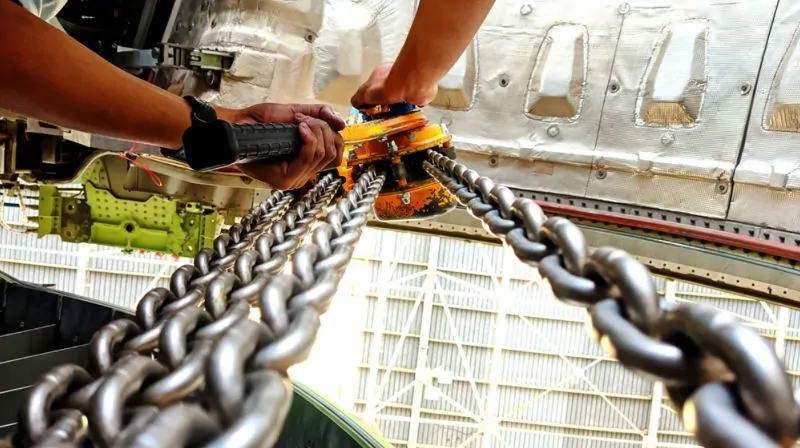
A construction hoist does not become safe simply because it is built to lift heavy loads. Its safety begins before the first worker steps inside or the first material is moved upward. A small mistake during installation, inspection, or preparation can create serious risks on a busy job site. Proper setup creates the foundation for safer operation and helps prevent problems that may lead to injuries.
For workers dealing with the effects of a hoist-related injury, a construction hoist accident lawyer can examine how setup decisions and safety practices may connect to an accident.
Why Construction Hoist Setup Matters Before Work Begins
Every construction hoist depends on careful preparation before it starts operating. These machines carry workers and materials at heights, which means even minor setup issues can affect safety. A stable foundation, correct installation, and proper testing are all parts of preparing the equipment for use.
A hoist that is not correctly prepared may not perform as expected. Problems can develop with movement, balance, or load handling. Because of this, setup is not just a routine step. It is a process that helps establish whether the equipment can operate safely during daily construction work.
The Key Setup Factors That Affect Hoist Safety
Correct Installation and Equipment Placement
The position and installation of a construction hoist can affect how it performs. The equipment must be placed correctly and connected properly to support regular use. Installation mistakes may create unsafe conditions that are difficult to notice until the equipment is under pressure.
Proper placement also matters because construction sites are constantly changing. Nearby structures, work areas, and movement paths must be considered during setup. A carefully installed hoist allows workers to use the equipment with fewer risks caused by unstable conditions or incorrect positioning.
Inspection Before Operation
Before a hoist is used, inspections help identify possible problems with the equipment. Checking mechanical parts, safety features, and structural components can reveal concerns that may affect operation.
Regular inspections may include:
- Checking important equipment parts.
- Reviewing safety systems.
- Confirming proper connections.
- Looking for signs of damage or wear.
These checks provide information about the condition of the hoist before workers depend on it. Missing a small issue during inspection can sometimes allow a larger problem to develop later.
How Poor Setup Can Create Dangerous Construction Conditions
A poorly prepared hoist can create risks that affect everyone working nearby. Incorrect installation, unstable placement, or missed safety checks may impact how the equipment handles weight and movement.
Some setup problems may involve:
- Loose or improper connections.
- Incorrect equipment positioning.
- Failure to check important components.
- Problems with load handling.
Construction sites already involve many moving parts, so equipment must be prepared carefully. A setup mistake can add another danger to an environment where workers rely on machines to perform safely.
The Importance of Training and Following Setup Procedures
Proper setup is not only about the equipment itself. The people involved must understand how the hoist should be prepared and operated. Training helps workers recognize correct procedures and avoid mistakes during installation or daily use.
Skipping steps, rushing preparation, or failing to follow safety instructions can increase risks. Clear communication between workers, supervisors, and equipment teams helps make sure everyone understands their responsibilities before the hoist is put into service.
A well-prepared construction site depends on people following established procedures instead of assuming that equipment will work safely on its own.
How Setup Records Can Help Explain a Hoist Accident
Records can provide important details after a construction hoist accident occurs. Installation documents, inspection reports, maintenance records, and safety checklists can help show how the equipment was prepared before use.
These documents may reveal information about:
- Previous inspections.
- Equipment repairs.
- Installation steps.
- Safety checks.
Reviewing these details can help explain whether setup issues were connected to an accident. A construction hoist accident lawyer may review available records to better understand the circumstances surrounding an injury, but every situation requires careful evaluation of its own facts.
Why Construction Hoist Safety Requires Attention to Every Detail
Safe hoist operation depends on many steps working together. Proper installation, regular inspections, worker training, and maintenance all play a role in creating safer conditions.
A single overlooked detail may create problems that affect equipment performance. This is why preparation matters from the beginning. A hoist that is carefully installed and properly checked provides a stronger foundation for safe construction work.
Conclusion
Construction hoist safety begins long before the equipment starts moving. Proper setup, careful inspections, and accurate records can help explain how accidents happen and why certain risks develop.
For those reviewing a construction hoist accident, a construction hoist accident lawyer can help examine the available information related to equipment setup and workplace conditions. Looking closely at these details helps create a clearer picture of the factors involved in a construction accident.
About the Author