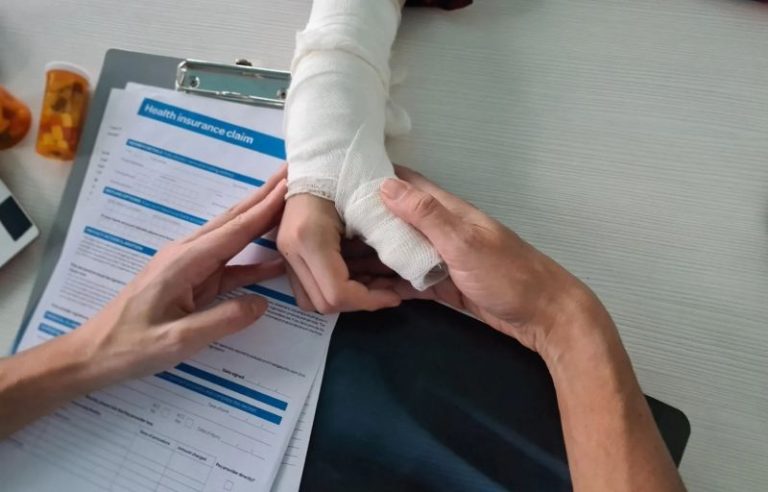
Many different accidents can lead to a personal injury claim when another person’s negligence causes physical, emotional, or financial harm. Car crashes, truck collisions, slip and fall incidents, bicycle accidents, workplace injuries, pedestrian crashes, and defective product accidents are some common examples. The type of accident often determines what evidence is needed and who may be responsible for the resulting injuries.
Personal injury law can apply to accidents that happen in many different settings. Some cases involve careless drivers, while others may involve unsafe property conditions, defective products, or negligent actions at work. Understanding the types of accidents that fall under personal injury law can help people recognize when an accident may give them a legal claim.
Car Accidents
Car accidents are one of the most common sources of personal injury claims. Crashes may happen because of distracted driving, speeding, unsafe lane changes, failure to yield, or driving under the influence.
An injured person may experience broken bones, head injuries, spinal injuries, or other conditions that require medical care. Evidence such as photographs, police reports, witness statements, and medical records can help explain what happened.
Truck Accidents
Truck collisions can cause severe injuries because commercial trucks are much larger and heavier than passenger vehicles. Driver fatigue, speeding, improper loading, mechanical problems, and unsafe driving can contribute to these crashes.
Truck accident investigations may involve additional records, including driver logs, maintenance documents, electronic tracking information, and company records.
Slip and Fall Accidents
A slip and fall can happen because of wet floors, uneven surfaces, broken stairs, poor lighting, or other dangerous conditions.
Property owners may have responsibilities concerning reasonably safe premises. Photographs of the hazard, surveillance footage, incident reports, and witness statements can help establish the circumstances surrounding the fall.
Bicycle Accidents
Cyclists can suffer serious injuries when struck by vehicles or when they encounter dangerous road conditions. Common injuries include fractures, head injuries, back injuries, and damage to the neck.
The investigation may consider traffic signals, visibility, road conditions, vehicle speed, and the actions of both the cyclist and driver.
Pedestrian Accidents
Pedestrians have little physical protection when involved in a collision with a vehicle. A crash can result in serious injuries even when the vehicle is traveling at a relatively low speed.
Evidence about traffic signals, crosswalks, vehicle position, driver behavior, and witness observations may help determine responsibility.
Workplace Accidents
Workplace injuries can involve falls, machinery accidents, construction incidents, repetitive movements, lifting injuries, and exposure to dangerous materials.
Workers’ compensation may apply to many work-related injuries. However, another party may sometimes be responsible as well, depending on how the accident occurred.
Defective Product Accidents
Products can cause injuries when they have dangerous designs, manufacturing defects, or inadequate warnings.
A product liability claim may require evidence about the product, how it was used, the defect involved, and how that defect caused the injury.
How Does Negligence Affect a Personal Injury Claim?
Negligence is an important factor in many personal injury cases. Generally, a person seeking compensation must establish that another party had a duty to act reasonably, failed to do so, and caused the resulting injury.
For example, California Civil Code § 1714 generally establishes responsibility for injuries caused by a person’s lack of ordinary care or skill. The specific legal requirements can vary depending on the type of accident and the circumstances of the claim.
What Evidence Can Support an Accident Claim?
Evidence can help connect the accident to the injuries and identify the responsible party. Depending on the situation, useful evidence may include:
- Police or accident reports
- Photographs and videos
- Medical records
- Medical bills
- Witness statements
- Employment records
- Surveillance footage
- Vehicle information
- Product documentation
- Property maintenance records
Medical documentation can be especially important because it shows the nature of the injuries and the treatment required after the accident.
Can an Accident Result in More Than One Type of Claim?
Yes. Some accidents involve multiple legal issues. For example, a truck accident may involve the driver, trucking company, maintenance provider, or another party. A defective product accident could involve the manufacturer, distributor, or seller.
Identifying every potentially responsible party can be important when determining how a claim should proceed.
Key Takeaways
- Car, truck, bicycle, and pedestrian accidents can lead to personal injury claims.
- Slip and fall accidents may involve unsafe property conditions.
- Workplace accidents may involve workers’ compensation and other potential claims.
- Defective products can create product liability issues.
- Negligence is a key factor in many personal injury cases.
- Police reports, photographs, medical records, and witness statements can support an accident claim.
- Identifying all potentially responsible parties can be important.
- The type and severity of the injury can affect the potential value of a claim.
About the Author