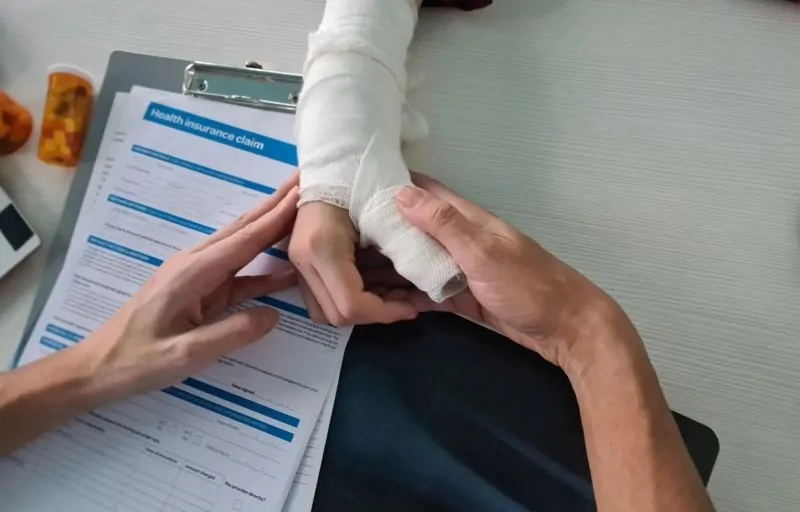
Providence is Rhode Island’s largest city, where busy streets, active workplaces, and densely populated neighborhoods bring people into close contact every day. When an accident disrupts that routine, the consequences can reach far beyond the initial injury. Medical appointments may interfere with work, limited mobility can complicate everyday tasks, and financial pressure can build while a person tries to recover. At that point, legal representation should feel personal, not distant or standardized. A regional injury firm can take time to understand how the accident impacted a client’s health, employment, transportation, and family responsibilities while also handling insurance calls, evidence requests, and legal deadlines.
Someone looking for a personal injury lawyer in Providence may also value an attorney familiar with nearby courts, medical providers, and concerns that can influence a local claim. This familiarity supports clearer communication, careful preparation, and advice shaped around the individual rather than a routine case file. Several practical factors shape that personalized client experience.
A Consistent Attorney Relationship Builds Trust
Personalized service starts with a clear point of contact. Clients should know which attorney handles their claim and which staff member answers routine questions. Consistent communication prevents details from being lost between departments.
A client’s account includes more than the accident date. It includes medical treatment, missed work, household responsibilities, prior symptoms, and changes in daily life; an attorney who knows that history can assess the claim more accurately.
For someone seeking a personal injury lawyer, direct communication also makes it easier to discuss local concerns. The client can ask about Rhode Island procedures, insurance responses, medical documentation, and likely next steps in straightforward language. That conversation gives the legal team facts that generic forms cannot capture, while helping the client make informed decisions during recovery.
Local Knowledge Supports Better Communication
A regional firm works within a defined geographic area, so its attorneys understand local court procedures and filing requirements. They also know how cases move through nearby courts and which deadlines demand immediate action.
That knowledge reduces avoidable confusion. Clients receive explanations tied to the court handling their claim, the available evidence, and the next decisions that require attention.
Local knowledge also supports in-person communication when a case requires it. A client can discuss medical records, accident details, and financial losses without relying on scattered messages or unfamiliar contacts.
Case Preparation Reflects Individual Circumstances
No two injury claims contain the same combination of records, witnesses, treatment, and financial harm. A careful attorney reviews those details before recommending a legal strategy.
Reviewing Medical Treatment
Medical records establish the injury, treatment timeline, and ongoing effects. Attorneys compare those records with the accident account and insurance statements. Attorneys address gaps or inconsistencies before negotiations begin.
Clients also need guidance about continued treatment. They should understand why complete medical records matter and how missed appointments or delayed care can affect an insurer’s position.
Calculating Financial Losses
Lost wages provide only one measure of financial harm. A claim can also involve reduced earning ability, out-of-pocket medical costs, transportation expenses, and necessary household assistance.
Personal attention helps connect those losses to the client’s daily life. The attorney can request employment records, bills, receipts, and other documents that show how the injury changed the person’s finances.
Preserving Evidence Early
Evidence becomes harder to obtain over time. Witnesses forget details, surveillance footage can disappear, and damaged property may get repaired or discarded.
A regional firm can identify evidence needs early in the case. That work can include gathering photographs, requesting records, contacting witnesses, and preserving accident-related documents.
Clear Updates Reduce Uncertainty
Clients should not have to guess whether their claim is moving forward. Regular updates explain what has happened, what remains outstanding, and which decision comes next.
Thoughtful communication also includes realistic discussions about settlement proposals. An attorney reviews the offer against the documented injuries, expenses, income losses, and likely future needs. The client then decides whether to accept, negotiate, or continue toward litigation.
Straightforward language matters during these conversations. Legal terms can obscure the practical issue, while a direct explanation gives the client a usable basis for a decision.
Regional Access Matters During Recovery
In-person access remains beneficial for cases involving serious injuries, disputed liability, or extensive documentation. A local office can make meetings easier for clients who have transportation limits or frequent medical appointments.
Regional attorneys also understand the community conditions surrounding many claims. Road design, seasonal weather, local employers, and nearby medical services can affect how an accident occurred and how recovery progresses.
That context does not replace evidence. It helps the legal team ask better questions and identify facts that a distant practice could overlook.
Personalized Attention Requires Active Client Participation
Clients strengthen their cases by reporting treatment changes, saving bills, recording missed work, and preserving accident-related messages. They should also forward insurance communications before responding to questions about fault or settlement.
The attorney’s role is to organize those facts, protect the client’s rights, and explain available choices. The client’s role is to provide accurate information and follow medical recommendations. This working relationship keeps the case grounded in evidence rather than assumptions.
Conclusion
Personalized attention comes from consistent communication, local knowledge, focused evidence review, and advice connected to a client’s actual losses. A regional injury firm can keep those parts coordinated while the injured person manages medical care and daily responsibilities. Anyone considering legal help should gather accident records, medical documents, wage information, and insurer correspondence before scheduling a consultation. That preparation gives the attorney a clearer starting point and helps the client ask focused questions about the claim.
About the Author