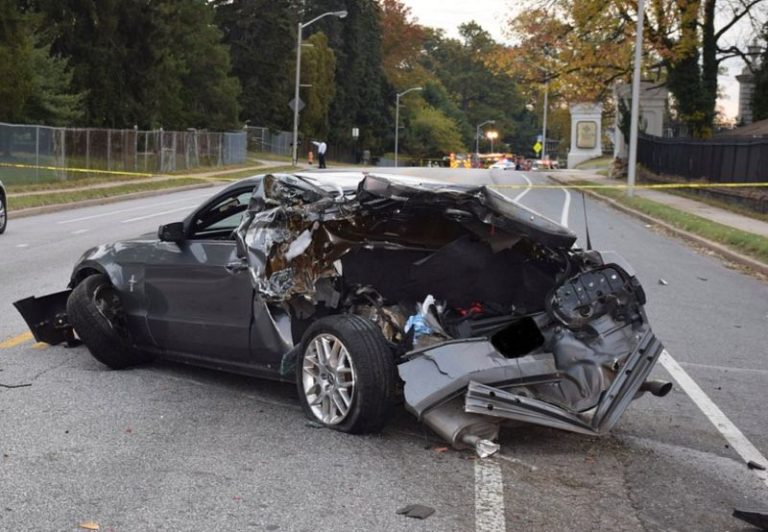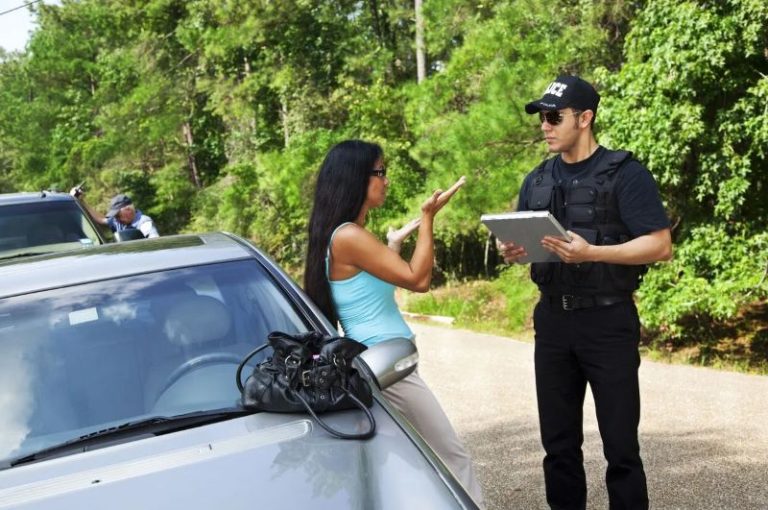
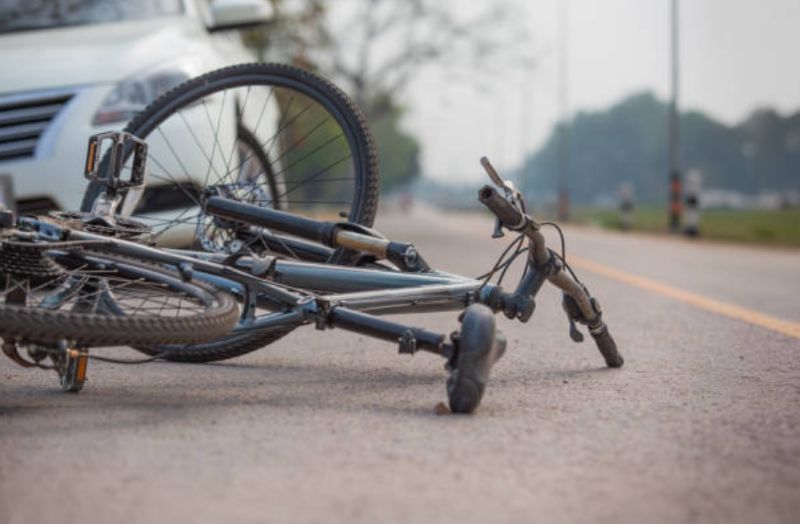
A bicycle collision can create problems that are difficult to evaluate from the crash scene alone. A rider may face emergency treatment, a damaged bicycle, missed work, or insurer questions before the medical picture is clear. Meanwhile, video, vehicle data, and witness information may become harder to obtain as time passes.
It can make sense to speak with an Austin bicycle accident attorney when the crash involves serious injury, disputed responsibility, inadequate insurance, a commercial vehicle, or another complication. Texas law generally gives cyclists the rights and duties applicable to motor-vehicle drivers, subject to bicycle-specific rules, so understanding how those rules fit the facts can matter early in the claim.
When the Injuries May Have Long-Term Effects
Some bicycle crashes lead to injuries requiring more than a single emergency visit. Fractures, head injuries, spinal trauma, joint damage, or severe soft-tissue injuries may involve rehabilitation, surgery, specialist care, or extended restrictions.
Legal guidance can become more useful when the medical outcome is still developing. A settlement made before physicians can describe expected recovery, permanent restrictions, or future treatment may be difficult to evaluate accurately.
Medical records can show the progression of the injury, while employment documents may reveal how restrictions affect the rider’s work. The more lasting the consequences become, the more important it is to distinguish current losses from supported future losses.
When the Driver Blames the Cyclist
A cyclist may hear allegations that they were riding too far from the curb, failed to use a bike lane, entered traffic improperly, or were difficult to see. Those statements do not resolve responsibility.
Texas Transportation Code Chapter 551 gives bicyclists many of the same rights and duties as drivers. It also permits cyclists to move away from the right side in certain situations, including when avoiding hazards or when a lane is too narrow for a bicycle and motor vehicle to travel safely side by side.
When fault is disputed, photographs, road measurements, witness statements, video, bicycle lighting, and vehicle damage can help test whether an allegation matches the actual roadway conditions.
When the Driver Has Little or No Insurance
A serious bicycle injury can create losses that exceed the responsible driver’s available liability coverage. A hit-and-run may create an even larger problem if the motorist is never identified.
Texas Insurance Code provisions require uninsured and underinsured motorist coverage to be offered with automobile policies unless it is rejected in writing. Whether a cyclist can use that coverage depends on the policy and circumstances.
The cyclist’s own automobile insurance, or another potentially applicable policy, may therefore need review rather than assuming the driver’s liability insurer is the only possible source of recovery.
When a Business Vehicle Is Involved
A collision involving a delivery vehicle, work truck, rideshare driver, or other business-related vehicle may require a broader investigation than a crash involving private individuals.
Questions can arise about employment status, vehicle ownership, insurance, maintenance, dispatch instructions, or whether the driver was working at the time. Relevant records may be held by a company rather than the driver.
Electronic communications, route information, inspection records, and other business documents may help establish what happened before the collision. Identifying the correct parties early can keep the investigation from focusing too narrowly on the individual driver.
When Important Evidence May Disappear Quickly
A legal deadline may be measured in years, but useful evidence can disappear much sooner. A nearby business may overwrite surveillance footage. A damaged bicycle may be repaired, witnesses may become harder to locate, and road construction can alter the scene.
Evidence worth preserving may include:
- The bicycle, helmet, lights, and clothing
- Photographs of injuries and the crash location
- Dash-camera or bicycle-camera footage
- Nearby surveillance video
- Witness contact information
- Vehicle photographs and repair records
- Cycling-computer or GPS data when relevant
Preservation does not establish fault. It keeps information available so competing explanations of the crash can later be evaluated.
When a Roadway or Government Vehicle May Be Part of the Case
Some bicycle crashes involve a public vehicle or a condition associated with a government-controlled roadway. These cases can raise procedural issues that do not appear in an ordinary driver-negligence claim.
Under the Texas Tort Claims Act, a governmental unit generally must receive notice of a covered claim within six months after the incident. The notice must reasonably describe the injury or damage, the time and place, and what happened. The statute also contains an actual-notice provision, and city charter rules can matter.
Government liability is limited, so a pothole, construction problem, or public vehicle does not automatically create a valid claim. The possibility of shorter notice requirements nevertheless makes early evaluation more significant.
When an Insurer Wants a Quick Release
An insurer may make an early settlement offer before treatment has concluded. Evaluating that offer requires more than comparing the payment with current medical bills.
A release can end claims against identified parties, making the scope of the agreement as important as the settlement amount. A quick offer is not automatically inadequate, but a final resolution can be difficult to assess without knowing the documented injuries, available insurance, and likely remaining treatment.
When the Filing Deadline Is Getting Closer
Texas Civil Practice and Remedies Code § 16.003 generally provides a two-year limitations period for personal injury actions. That deadline concerns filing suit, not merely opening or negotiating an insurance claim.
Waiting until the end of the period can leave little time to identify defendants, gather records, investigate coverage, prepare pleadings, and arrange service. Special circumstances can also create earlier requirements, as government claims illustrate.
Timing Can Affect the Strength of a Bicycle Injury Claim
Not every bicycle accident requires litigation, and not every injured rider needs legal representation immediately. The need becomes more significant when injuries are serious, responsibility is contested, insurance is inadequate, a business or government entity may be involved, or evidence is at risk of disappearing.
Texas bicycle rules, insurance provisions, and filing requirements can overlap in ways that are difficult to assess from a crash report alone. Speaking with an attorney while the evidence and medical history are still developing can help identify legal issues early, preserve useful records, and provide a clearer basis for deciding whether settlement or litigation is the appropriate path.
About the Author