A water leak is at least a decent communicator. It leaves a puddle, a stain, a swollen baseboard, or a drip that keeps time like a metronome. Annoying, sure, but you can point at it and say, there’s the problem.
Gas doesn’t offer that courtesy. A leaking line can sit behind a wall or under a floor without leaving a mark, a stain, or a single visible hint. That difference is unnerving, because the usual detective work of hunting for something wet simply doesn’t apply.
That’s why a suspected problem calls for professional gas leak repair Boulder CO instead of guesswork, since the hazard is quiet and the response has to be careful, calm, and decisive. The goal is to hand it to people equipped for it.
Smell Can Be an Important Warning
Natural gas is naturally odorless, so utilities add a distinctive scent on purpose. The smell is often described as rotten eggs or sulfur. It’s an intentionally unpleasant signal, designed so people notice something is wrong even when there’s nothing to see.
Because the odor is the main alarm, an unusual gas-like smell deserves to be taken seriously. It’s not something to wave off as a neighbor’s cooking or a stubborn drain. Doubt is a poor reason to wait, and a false alarm is far better than a missed one.
Noses aren’t perfect. Some people smell less than others, a cold can dull the senses, and a faint scent may come and go. A weak or fleeting odor still counts, and the safest assumption is that the warning is real until a professional says otherwise.
Don’t Treat a Suspected Gas Leak Like a DIY Mystery
A suspected gas leak is not a puzzle to solve with a flashlight and a hunch. The right move is to leave the area right away, bringing everyone along, and to avoid anything that might ignite the air on the way out.
That means avoiding light switches, flames, appliances, and anything else that could spark. Don’t flip, plug, unplug, or light anything at all. Once everyone is outside and at a safe distance, call 911 or the gas utility’s emergency line from there, not from the kitchen.
Resist the urge to play detective. Locating the source is not a homeowner’s job, and neither is testing or repair. Those belong to qualified professionals with the right equipment and training, and the best contribution anyone else can make is distance and a phone call.
Gas Lines Run Through Hidden Spaces
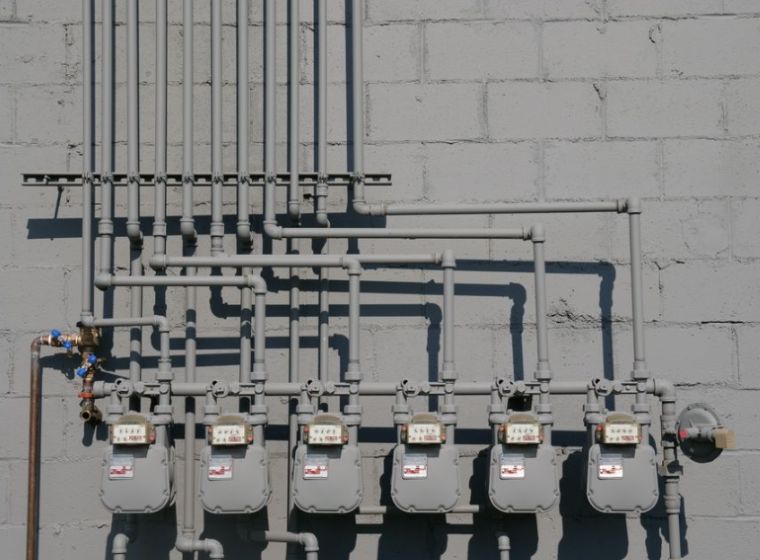
Gas lines are tucked away on purpose, much like wiring. They run inside walls, above ceilings, beneath floors, and through crawlspaces and out of sight. That’s tidy design, but it also means a problem can hide where nobody thinks to look.
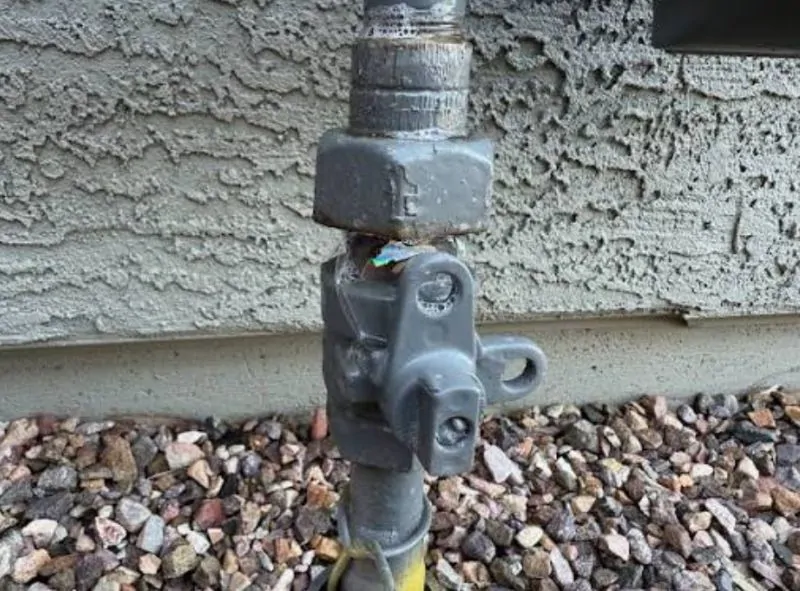
Appliance connections are another place where lines meet equipment. Water heaters, furnaces, stoves, and dryers all rely on joints and fittings, many tucked behind panels or squeezed into utility closets. Age, vibration, and movement over the years can affect those connections.
Concealed routing is the reason homeowners can’t simply inspect their way to confidence. The pipe that matters might be behind drywall or buried near a foundation. Nobody’s eyes, however sharp, can follow a line that was designed to disappear into the structure.
Repair Starts With Finding and Isolating the Problem Safely
Real repair begins with finding and isolating the problem safely, never with a guess. Professionals use proper testing methods and equipment to confirm whether a leak exists and where it is, which is a very different thing from sniffing around and guessing.
Isolation comes next. Shutting off the supply to the affected section keeps the situation controlled while the work proceeds. After that, the line, fitting, or connection is inspected so the actual cause gets addressed, not just the symptom that happened to show up first.
Repair and verification follow in a sensible order. Faulty components are fixed or replaced, and the system is checked again before normal use resumes. It’s methodical, a little unglamorous, and exactly what a hazard nobody can see calls for.
Conclusion
Visible problems are easy to respect because they announce themselves, with their puddles, stains, and drips. Gas flips that script. When there’s almost nothing to look at, people may feel tempted to relax, and that’s precisely the wrong instinct.
The lack of visual clues is the reason for the extra caution. Smell is the main warning, hidden routing makes the source hard to find, and guesswork only adds risk. Leaving, avoiding sparks, and calling for help are simple steps, and each one carries real weight.
So the rule is easy to remember. If a gas smell shows up, get out, call from outside, and let qualified professionals handle testing and repair. A quiet hazard deserves loud respect, and a little overreaction beats a lot of regret every time.
About the Author