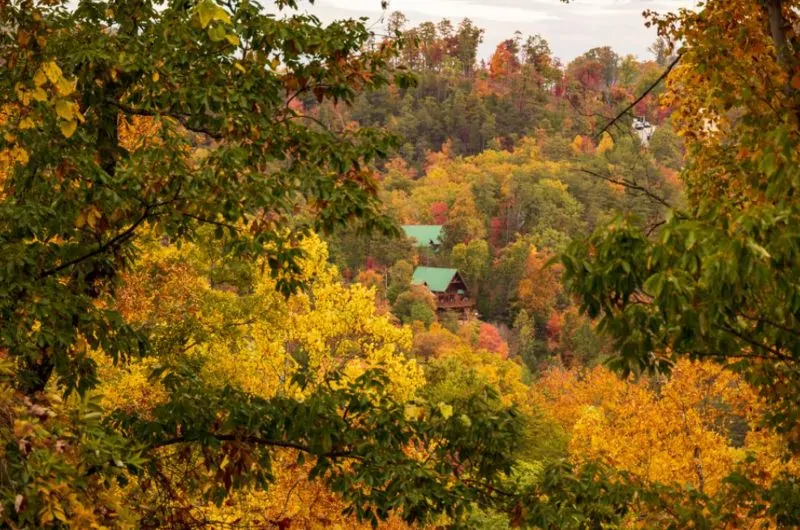
Planning a group getaway sounds simple until everyone weighs in. One person wants a scenic cabin, another needs a private bedroom, and someone else is asking about parking, meals, and activities. Pigeon Forge offers plenty of options, but a comfortable stay takes more than choosing an attractive property. Organize practical details early, build a flexible schedule, and make decisions around how your group travels.
Start With the Group’s Needs, Not the View
A dramatic photograph can make a property look perfect, but the layout determines whether it will work. Agree on guest numbers, bedroom arrangements, bathroom needs, parking, and shared spaces. Ask whether anyone needs a ground-floor bedroom, accessible features, or a quieter place to sleep.
When comparing large cabins in Pigeon Forge, there are plenty of options, so look beyond the advertised guest capacity. Check how many people sleep in proper beds, whether some spaces rely on sofa beds or bunks, and whether the dining area can seat everyone comfortably. Confirm parking limits, kitchen equipment, check-in procedures, and any rules about visitors or noise. These details can prevent disagreements after arrival.
Large Cabin Rentals offers properties designed for group stays, making its selection worth exploring when comparing cabin layouts, amenities, and accommodation options.
Understand the Area Before Setting the Schedule
A group itinerary can become exhausting when every outing requires crossing town or coordinating several vehicles. Before booking activities, look at the property’s position relative to the places your group wants to visit. Estimate travel times at realistic hours rather than relying only on straight-line distances.
Choose a few priorities and group nearby activities together. If one outing takes most of the day, avoid adding several fixed commitments around it. Keep optional stops for energetic guests while others return to relax.
The National Park Service shares useful traffic and travel tips, including advice on arrival times, congestion, parking, and having backup plans. Checking practical travel information before departure can help your group avoid building a schedule around unrealistic assumptions.
Choose Shared Space That Works for Everyone
A large property is not automatically comfortable. Look for a common area where everyone can gather, but also places to retreat. Children may want games, adults may prefer conversation, and early risers may appreciate a quiet sitting area.
Verify amenities that matter. A game room, hot tub, grill, or theater can be useful, but refrigerator space, a large dining table, laundry facilities, and adequate seating may matter more during a multi-night stay.
Review photographs of bedrooms and bathrooms, not just the main living room. If the listing is unclear, ask the host specific questions before paying. Also confirm whether linens, towels, kitchen basics, and cleaning supplies are provided.
Plan Activities for Different Ages and Energy Levels
Group members rarely share identical interests or stamina. Some want active outings; others prefer museums, shopping, or time at the property. Agree on one shared highlight each day and leave room for smaller groups to make separate plans.
Consider the age range, mobility, weather, and likely duration of each outing. A long day outdoors may not suit young children or older relatives, while a packed indoor schedule can feel restrictive to people who came for fresh air. Build in breaks, meal times, and a realistic return journey.
For outdoor plans, check current conditions and choose routes that suit the least experienced members of the group. The National Park Service’s hiking safety guidance recommends matching trails to group ability, checking hazards, and preparing before setting out. Even a short walk deserves sensible footwear, water, and a backup plan.
Treat Meals as Part of the Logistics
Food can become a source of friction when nobody knows who is shopping, cooking, or paying. Ask about allergies and dietary requirements, then divide responsibilities.
A simple plan is usually enough: breakfast supplies, easy lunches, snacks, and a few shared dinners. Assign a grocery lead and agree how costs will be divided. Choose meals that can be prepared without occupying the kitchen for hours. Keep one meal flexible for leftovers, takeout, or a change of plans.
If the group intends to eat out, check opening hours, reservation policies, and whether the restaurant can accommodate the party size. A little coordination prevents hungry guests from making rushed decisions when everyone is tired.
Set Expectations About Money and Responsibilities
Money conversations are easier before anyone books. Clarify how accommodation, deposits, groceries, fuel, tickets, and shared supplies will be divided. Decide whether costs are split equally or adjusted for room choices and individual participation. Put agreements in writing so everyone can refer to the same information.
It also helps to assign small responsibilities. One person can coordinate arrival details, another can manage groceries, and someone else can keep track of reservations. Share the booking confirmation, address, check-in instructions, and emergency contact details with the group. Avoid placing every task on the person who found the property.
Keep the Schedule Flexible
A detailed itinerary can help, but a minute-by-minute plan creates pressure. Delays, weather, tired children, and changing preferences affect the day. Choose one main activity, keep a backup, and protect unplanned time.
Try to avoid scheduling a major outing immediately after a late arrival. Give everyone time to unpack, settle in, and understand the property. Before departure, agree on checkout responsibilities, rubbish disposal, dishes, and the time everyone needs to leave.
Make the Stay Feel Like a Shared Break
A successful group trip is not measured by the number of attractions visited. It is measured by whether people feel comfortable and included. Choose suitable accommodation, communicate costs, plan meals and transport, and leave room for individual preferences without making every moment feel tightly scheduled.
When the practical details are settled early, the group can spend less time negotiating and more time enjoying the experience. A flexible plan, realistic expectations, and a property that genuinely fits everyone’s needs will do more for the trip than an overloaded itinerary ever could.
About the Author