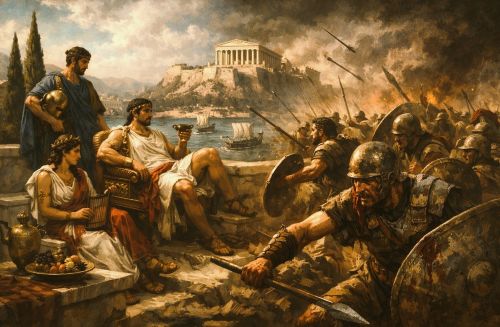
Athenian democracy celebrated collective war, yet imperial strategy often reflected elite ambition while poorer citizens and allied states bore the heaviest sacrifices.

By Matthew A. McIntosh
Public Historian
Brewminate
Introduction: War, Democracy, and Unequal Burdens
In classical Athens, warfare was not merely a matter of survival or territorial ambition but a defining expression of civic identity. Citizens understood military participation as a central obligation of belonging to the polis. Public rhetoric celebrated the idea that Athenians collectively defended their city and shared equally in the dangers of war. Funeral orations, political speeches, and civic commemorations reinforced this vision of unity, portraying military sacrifice as a common duty that bound the citizen body together. Yet beneath this powerful ideal lay a more complex social reality. The burdens of war were distributed unevenly across the population, and the structures of Athenian power often ensured that the most dangerous forms of military service fell disproportionately on poorer citizens and subordinate allies.
The Peloponnesian War between Athens and Sparta exposed these inequalities with unusual clarity. While democratic institutions allowed citizens to debate and vote on military policy in the Assembly, the strategic direction of the war was heavily shaped by influential political leaders. Persuasive figures could mobilize public enthusiasm for ambitious campaigns by invoking imperial glory, strategic necessity, or the promise of decisive victory. These appeals carried particular weight in a political culture that valued rhetorical skill and public persuasion. The Assembly was theoretically open to all male citizens, yet the complexity of military planning and the prestige attached to successful commanders gave experienced leaders a decisive advantage in shaping debate. Individuals such as Pericles, Cleon, Nicias, and Alcibiades possessed reputations, networks, and political capital that allowed them to frame strategic choices in ways that resonated with the broader population. Their speeches did not simply propose policies; they helped define what counted as prudence, courage, or opportunity in the political imagination of the polis. As a result, the formal equality of democratic decision-making coexisted with the practical influence of elite leadership, creating a political environment in which ambitious strategies could gain support even when their risks were profound. The ability of prominent figures to guide public deliberation illustrates one of the central tensions of Athenian democracy: collective decision-making did not eliminate hierarchy, but rather channeled elite influence through persuasion and public performance.
The material demands of Athenian warfare rested heavily on social groups with limited influence over strategic planning. The Athenian navy, the backbone of imperial power, relied on thousands of rowers drawn largely from the lower economic classes. These men provided the physical labor that sustained Athens’ maritime dominance and were often the first to face the dangers of combat at sea. Allied states within the Athenian empire also bore substantial burdens, contributing tribute, ships, and manpower that enabled the city’s continued military operations. The democratic language of shared sacrifice masked a system in which the costs of imperial strategy were widely distributed while the prestige of leadership remained concentrated among prominent political figures.
The disastrous Sicilian Expedition of 415–413 BCE offers a particularly revealing lens through which to examine these dynamics. Driven in part by elite ambition and the persuasive advocacy of leading politicians, the campaign represented one of the most ambitious military undertakings in Athenian history. Debates recorded by Thucydides reveal the tensions that shaped the decision. Nicias warned that the proposed expedition was dangerously large and strategically uncertain, arguing that Athens risked overextending itself far from its primary theater of war. Alcibiades, by contrast, framed the campaign as an opportunity to expand Athenian power and prestige while undermining potential enemies in the western Mediterranean. His argument appealed to the imperial confidence that had developed during decades of Athenian dominance, encouraging citizens to imagine Sicily not as a distant gamble but as the next logical stage of expansion. The Assembly ultimately voted not only to approve the expedition but to enlarge it, committing enormous resources and manpower to the enterprise. When the campaign collapsed after years of fighting, thousands of Athenians and allied troops were killed or captured, and the loss severely weakened the city’s ability to sustain the wider war effort. The episode illustrates the broader pattern explored here: although war was framed as a collective civic undertaking, the political incentives driving strategic ambition and the social distribution of military labor ensured that its human costs fell unevenly across the Athenian world.
The Structure of Athenian Democracy and Military Decision-Making
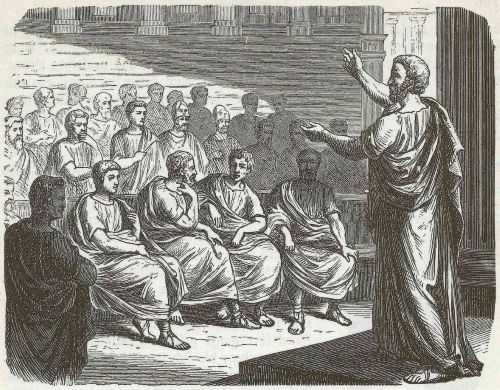
The political institutions of classical Athens were widely regarded in antiquity as among the most participatory systems of governance in the Greek world. Central to this structure was the Assembly (ekklesia), a body composed of all adult male citizens who possessed the right to speak, propose measures, and vote on matters of public policy. Decisions regarding war, diplomacy, and military expenditure were formally made through this collective institution. Citizens gathered regularly to debate proposals and determine the direction of the polis. In theory, this system ensured that the decision to wage war reflected the will of the people rather than the commands of a monarch or narrow oligarchic elite.
Yet the formal equality of participation did not eliminate disparities in political influence. Public debate in Athens took place within a culture that highly valued rhetorical skill and political reputation. Effective speakers could persuade large audiences and shape the interpretation of events, dangers, and opportunities. Citizens who possessed experience in politics or military command enjoyed considerable advantages in the Assembly. Their authority often derived not from formal office but from prestige earned through previous service, wealth, or public recognition. In practice, this meant that debates were frequently structured around the arguments of a handful of well-known political figures whose reputations commanded attention. Ordinary citizens retained the right to speak, but the size of the Assembly and the complexity of many strategic questions tended to privilege those who were already skilled in public persuasion. This dynamic did not eliminate democratic participation, but it ensured that the voices most capable of shaping outcomes were often those with experience, education, or social standing. Athenian civic life produced a system in which influence flowed through rhetoric and reputation, giving leading figures a powerful role in framing the choices presented to the Athenian electorate.
The institutional design of Athenian government reinforced this pattern. The Council of Five Hundred (boule), selected annually by lot from the citizens, prepared the agenda for the Assembly and helped organize the business of government. Although the council itself represented a broader cross-section of citizens, the framing of policy proposals still relied heavily on individuals capable of presenting coherent strategies to the larger public. Military policy in particular required expertise and long-term planning, areas in which experienced leaders often exercised disproportionate influence. The Council could draft preliminary proposals and oversee administrative details, but complex strategic questions rarely emerged fully formed from collective deliberation alone. Instead, influential individuals often introduced proposals that the Council refined and then forwarded to the Assembly for debate. This process illustrates the subtle interaction between democratic procedure and practical leadership. The institutions of the polis ensured that no single individual could dictate policy outright, yet the formulation of coherent military strategies often depended on those with specialized knowledge and political authority. As a result, the machinery of democracy frequently amplified the ideas of prominent figures rather than neutralizing their influence.
The office of strategos, or general, further illustrates the relationship between democratic accountability and elite leadership. Unlike many other Athenian offices, which were filled by lot, generals were elected by the Assembly and could be re-elected repeatedly. This practice recognized the need for experienced commanders in military affairs, especially during prolonged conflicts such as the Peloponnesian War. Generals directed campaigns, commanded fleets and armies, and frequently addressed the Assembly to advocate particular strategies. Their ability to influence public opinion was considerable, and prominent figures such as Pericles, Cleon, Nicias, and Alcibiades used their positions to shape both military planning and political debate.
Despite these concentrations of influence, the Assembly retained the ultimate authority to approve or reject major decisions. Citizens could question generals, debate proposals, and vote on matters ranging from the declaration of war to the funding of expeditions. Generals who failed in their duties could face investigation, trial, or removal from office. This system created a form of political accountability unusual in the ancient world, where military leaders were directly answerable to the citizenry that authorized their commands. The need to persuade large audiences sometimes encouraged leaders to frame strategic decisions in ways that appealed to civic pride, fear, or imperial ambition. Public debate could become intensely emotional, particularly when questions of security or honor were involved. Leaders who successfully linked their proposals to the broader identity and destiny of the polis often gained decisive support from the Assembly. The democratic process allowed citizens to retain ultimate authority while simultaneously creating incentives for ambitious leaders to present expansive visions of Athenian power.
The result was a civic system in which democratic participation and elite influence operated simultaneously. Citizens formally determined the course of Athenian policy, yet the framing of military policy often depended on persuasive leadership. In moments of crisis or opportunity, charismatic figures could mobilize support for bold strategies that promised expansion or decisive victory. The structure of Athenian democracy created both a powerful mechanism for collective decision-making and a stage upon which ambitious leaders could guide the polis toward far-reaching military commitments.
Naval Power and the Social Composition of Athenian Warfare
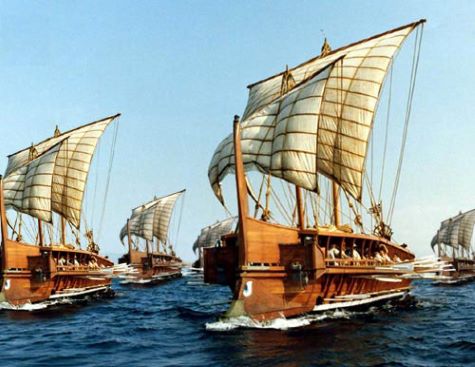
The rise of Athens as a dominant power in the Greek world was inseparable from its development as a naval state. In the decades following the Persian Wars, Athens invested heavily in maritime strength, constructing and maintaining a fleet of triremes that allowed it to project power across the Aegean. Naval supremacy enabled Athens not only to defend its territory but also to control trade routes, support distant allies, and enforce the authority of the Athenian empire. Unlike land-based warfare dominated by hoplite infantry, naval warfare required large numbers of trained rowers, creating a military system that depended on the sustained labor of thousands of citizens.
The trireme fleet fundamentally altered the social composition of Athenian warfare. Each warship required roughly two hundred men to operate effectively, including rowers, sailors, and marines. The majority of these positions were filled by citizens drawn from the lower economic classes, particularly the thetes, who lacked the wealth necessary to equip themselves as hoplites. Their participation was essential to maintaining the speed, maneuverability, and tactical effectiveness of Athenian ships. As a result, the success of the Athenian navy rested directly on the collective labor of poorer citizens whose physical endurance powered the fleet in battle and during long-distance campaigns.
Naval warfare introduced a different relationship between military service and social status than existed in traditional hoplite warfare. In many Greek city-states, military prestige was closely associated with the hoplite class, composed largely of landholding farmers who could afford armor and weapons. Athens, by contrast, developed a system in which naval service allowed poorer citizens to play a decisive role in the city’s military success. Their contribution did not merely supplement hoplite warfare; it became the foundation of Athenian strategic power. The ability of the thetes to row in the fleet transformed them from marginal participants in warfare into indispensable actors in the defense and expansion of the polis. This development also carried important political implications. Because naval success depended on their labor, poorer citizens gained greater leverage within the democratic system, reinforcing arguments that political rights and civic participation should extend broadly across the population. The navy helped tie democratic legitimacy to military effectiveness, linking the power of the fleet with the political empowerment of those who served in it.
The reliance on naval manpower meant that the risks and hardships of war were experienced most directly by these same groups. Rowers endured physically demanding labor, prolonged deployments, and significant exposure to the dangers of naval combat. Battles between triremes were fast-moving and violent encounters that could result in sudden shipwrecks or mass casualties when vessels rammed one another or crews were thrown into the sea. Campaigns frequently required extended service far from home, disrupting the economic stability of the men who formed the backbone of the fleet. Many rowers depended on daily wages or seasonal labor to support their households, meaning that long campaigns could create financial hardship even when the state provided pay for service. The physical strain of rowing itself was considerable, requiring intense coordination and endurance as crews propelled ships through rapid maneuvers during battle. While Athenian political rhetoric celebrated the unity of the citizen body in war, the daily realities of naval service placed heavy burdens on those whose labor sustained the empire’s military machine.
The imperial system that supported the Athenian navy further shaped the social dynamics of warfare. Tribute payments from allied states financed ship construction, maintenance, and the wages paid to rowers. These financial resources allowed Athens to mobilize large fleets for extended operations, reinforcing its maritime dominance. Allied communities were often required to contribute ships, crews, or funds that supported Athenian campaigns. The empire distributed the costs of naval warfare across a wide network of subordinate states, even as Athens retained control over strategic decisions.
The development of naval power produced a distinctive military and social structure within Athenian society. Maritime warfare empowered poorer citizens politically while simultaneously exposing them to the greatest physical demands of military service. The fleet allowed Athens to build and sustain an empire, yet it also created a system in which the operational success of imperial strategy depended on the labor and sacrifice of those who possessed the least influence over strategic planning. Naval supremacy reveals an important paradox at the heart of Athenian power: the democratic state relied on the participation of large numbers of ordinary citizens to sustain its empire, yet the strategic choices that shaped warfare were often driven by political leaders whose ambitions extended far beyond the immediate risks faced by those who rowed the ships. Understanding this relationship between naval power, social composition, and imperial ambition is essential for interpreting how Athens maintained its military dominance while simultaneously generating tensions within its own democratic system.
Imperial Ambition and the Athenian Alliance System

The expansion of Athenian power in the fifth century BCE was closely tied to the development of an extensive alliance network that gradually evolved into an empire. Following the Persian Wars, Athens assumed leadership of a coalition of Greek states organized through what became known as the Delian League. Initially framed as a voluntary alliance intended to continue the struggle against Persian influence in the Aegean, the league quickly developed administrative structures centered on Athens itself. Member states contributed ships or monetary payments to a common treasury, which was originally housed on the island of Delos. These contributions were designed to fund a coordinated naval effort against Persian strongholds and to protect Greek communities along the coasts of Asia Minor and the islands of the eastern Aegean. Athens’ naval strength and its reputation as the leading power in the anti-Persian coalition positioned it naturally at the head of the alliance. Athens increasingly exercised control over these resources, directing them toward the maintenance of its fleet and the expansion of its strategic reach across the eastern Mediterranean. The alliance gradually shifted from a cooperative defensive arrangement into a system in which Athens coordinated policy, commanded military operations, and determined how collective resources would be used. As this process unfolded, the distinction between alliance leadership and imperial authority became increasingly difficult to sustain.
As the league evolved, the relationship between Athens and its allies shifted significantly. Many member states gradually replaced their naval contributions with financial tribute, allowing Athens to build and maintain ships that operated under Athenian command. This transformation strengthened Athens’ central authority within the alliance and reduced the military independence of allied cities. The movement of the league’s treasury from Delos to Athens in the mid-fifth century BCE symbolized this growing concentration of power. What had once been presented as a collective defense organization increasingly functioned as a system through which Athens managed resources, coordinated military operations, and asserted dominance over the Aegean.
The enforcement of this system required both administrative oversight and occasional displays of military force. Some allied cities resisted Athenian authority, particularly when they attempted to withdraw from the league or reduce their obligations. In several cases, Athens responded by sending fleets and troops to suppress revolts and reassert control. These interventions reinforced the perception that membership in the alliance was no longer entirely voluntary. Tribute assessments, garrisons, and the installation of pro-Athenian political arrangements helped maintain stability within the empire, but they also generated resentment among communities that had originally joined the league as partners rather than subjects.
Economic considerations played a crucial role in sustaining this imperial structure. Tribute payments from allied states funded not only military operations but also large segments of the Athenian state apparatus. Revenues supported the wages of rowers and soldiers, financed shipbuilding and maintenance, and helped cover the costs of prolonged campaigns. The flow of resources into Athens also contributed to the city’s monumental building programs and public expenditures. Major projects on the Acropolis, including temples and civic structures, were financed in part through revenues generated by the empire. These expenditures enhanced the prestige of Athens while simultaneously reinforcing the political legitimacy of imperial expansion. By linking economic prosperity to the continuation of tribute flows, the imperial system created strong incentives within Athenian political life to maintain and defend control over allied territories. The empire became not merely a strategic asset but also a central component of the city’s economic and political stability.
The imperial system also shaped the social and strategic dynamics of the Peloponnesian War. Because Athens could draw upon tribute and allied manpower, it possessed resources that extended beyond those available to a single city-state. These advantages allowed Athens to sustain large fleets and maintain operations across multiple theaters of conflict. The reliance on allied contributions meant that the burdens of warfare were widely distributed among subordinate states. Ships, sailors, and financial resources provided by allied communities supported campaigns that were often planned and directed primarily in the interests of Athens itself.
The Athenian alliance system illustrates the complex relationship between democratic governance at home and imperial authority abroad. Within the polis, citizens participated in political decision-making and debated questions of war and strategy. Beyond its borders, however, Athens exercised power through mechanisms that limited the autonomy of allied states and compelled them to support its military ambitions. This structure enabled Athens to project extraordinary strength across the Greek world, yet it also created tensions that would intensify during the Peloponnesian War. The empire provided the resources that sustained Athenian power, but it also ensured that the costs and consequences of imperial policy extended far beyond the city that directed it.
Political Leadership and Strategic Ambition

The strategic direction of Athens during the Peloponnesian War was profoundly shaped by the personalities and ambitions of its political leaders. While the institutions of the polis allowed citizens collectively to determine policy, influential figures often guided the interpretation of military realities and the framing of strategic choices. Leadership in Athens operated within a competitive political environment in which reputation, persuasion, and public performance were central to success. Military achievements could elevate a leader’s standing, while political authority could in turn influence the conduct of war. As a result, strategic decisions frequently reflected the interaction between democratic deliberation and the ambitions of prominent individuals seeking influence within the political life of the city.
The career of Pericles illustrates the powerful role that leadership could play in shaping Athenian strategy. During the early stages of the Peloponnesian War, Pericles advocated a cautious defensive approach that relied on Athens’ naval superiority and financial resources. His strategy emphasized avoiding large-scale land battles with Spartan hoplites while using the fleet to harass enemy territory and maintain control of maritime supply routes. This approach reflected both a careful assessment of Athens’ strengths and a broader vision of imperial endurance. By relying on the protection of the Long Walls and maintaining access to overseas supplies, Pericles believed that Athens could withstand Spartan invasions of Attica while gradually exhausting its opponents through maritime pressure and economic resilience. His authority in the Assembly allowed him to persuade citizens that patience and strategic restraint offered the best chance of long-term success. The strategy required significant sacrifices from the population of Attica, who were forced to abandon rural homes and crowd within the city’s fortified walls during Spartan invasions. The resulting conditions contributed to the devastating plague that struck Athens in 430 BCE, highlighting the difficult trade-offs embedded within Pericles’ strategic vision. Even so, his influence demonstrates how experienced leadership could channel democratic decision-making toward a coherent military plan while persuade the population of Athens to accept the hardships required to sustain it.
After the death of Pericles in 429 BCE, however, the political environment of Athens became increasingly volatile. Rival leaders competed to define the direction of the war, often appealing directly to popular sentiment in the Assembly. Figures such as Cleon emerged as influential voices advocating more aggressive policies, arguing that decisive military action could secure victory and reinforce Athenian authority over its allies. Political debate during this period frequently revolved around questions of honor, deterrence, and imperial credibility. Leaders who could present bold strategies as expressions of civic courage often gained substantial support, even when such proposals carried considerable risks.
Nicias and Alcibiades represent two contrasting approaches to leadership that became particularly visible during debates over the Sicilian Expedition. Nicias, known for his cautious temperament and concern for the limits of Athenian power, warned that the proposed campaign would stretch resources dangerously and divert attention from the primary war against Sparta. Alcibiades, by contrast, argued that expansion into Sicily would strengthen Athens’ strategic position and open opportunities for further imperial growth. His advocacy combined personal ambition with an expansive vision of Athenian dominance in the Mediterranean. The clash between these perspectives highlights how individual leaders could shape the interpretation of strategic possibilities within the democratic framework.
The prominence of such figures reveals an enduring tension within Athenian political life. Democratic institutions allowed citizens to debate and vote on questions of war, yet the framing of those questions often depended on persuasive leaders capable of mobilizing public opinion. Strategic ambition, personal reputation, and political rivalry played significant roles in shaping Athenian policy. The influence of political leadership did not undermine the democratic character of the polis, but it ensured that decisions about war were deeply intertwined with the ambitions and rivalries of those who sought prominence within its public life.
The Sicilian Expedition and the Politics of Decision
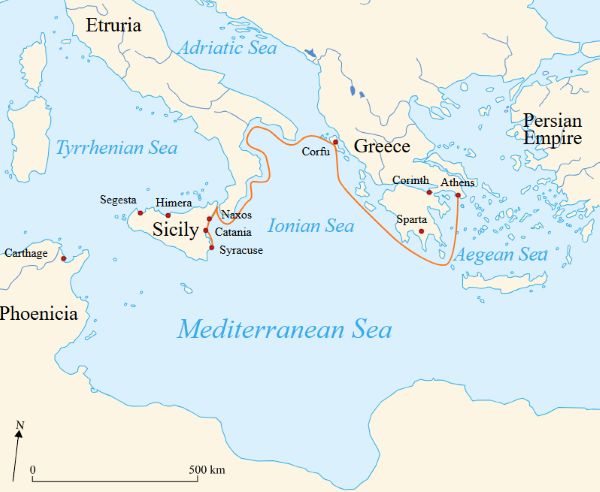
The decision to launch the Sicilian Expedition in 415 BCE stands as one of the most consequential strategic choices made by the Athenian democracy during the Peloponnesian War. At the time, Athens remained locked in a prolonged conflict with Sparta and its allies, yet the Assembly approved a massive campaign aimed at projecting power into Sicily. The proposal emerged in response to appeals from the Sicilian city of Egesta, which sought Athenian assistance against its rival Selinus and the powerful city of Syracuse. Although the original request concerned limited military support, the debate within Athens quickly expanded into a broader discussion about imperial opportunity, strategic advantage, and the potential for expanding Athenian influence across the western Mediterranean.
The Assembly debate recorded by Thucydides reveals the central role of political persuasion in shaping the decision. Alcibiades argued forcefully that intervention in Sicily would enhance Athenian prestige and potentially open new avenues for imperial expansion. He framed the expedition not merely as assistance to an ally but as an opportunity to weaken Syracuse, extend Athenian influence, and secure resources that might ultimately strengthen Athens in its ongoing struggle with Sparta. His speech appealed to the confidence that had grown within Athens during decades of naval success and imperial expansion. By presenting the campaign as a natural continuation of Athenian power, Alcibiades transformed what might have been perceived as a distant and uncertain undertaking into an attractive strategic possibility. He emphasized that hesitation could signal weakness to both allies and enemies, suggesting that bold action would reinforce Athens’ reputation as the leading power of the Greek world. In this way, Alcibiades connected the proposed campaign to the broader ideological framework of Athenian imperialism, portraying expansion not as reckless ambition but as a necessary expression of the city’s strength and prestige.
Opposition to the expedition was led by Nicias, whose cautious temperament and strategic concerns placed him at odds with the enthusiasm surrounding the proposal. Nicias warned that the campaign would require enormous resources and would divert attention from the primary theater of war in Greece. He emphasized the logistical difficulties of operating at such great distance from Athens and argued that the city risked becoming entangled in a conflict whose scale and complexity were poorly understood. In an effort to discourage the Assembly, Nicias described the vast military commitment that would be necessary for success, hoping that the citizens would recoil at the prospect of such an undertaking.
Ironically, Nicias’s warning had the opposite effect. Rather than deterring the Assembly, his description of the required resources reinforced the perception that Athens possessed the capacity to carry out an ambitious campaign. The citizens ultimately voted not only to proceed with the expedition but also to enlarge it, committing an enormous fleet and thousands of troops to the venture. The scale of the force reflected both the confidence of the Athenian democracy and the persuasive power of leaders who framed the campaign as a decisive opportunity rather than a dangerous gamble.
The politics surrounding the Sicilian Expedition demonstrate how democratic deliberation could amplify strategic ambition rather than restrain it. The Assembly’s decision emerged from open debate and collective voting, yet the framing of the issue by competing leaders shaped how citizens understood the risks and potential rewards. Alcibiades’ rhetoric encouraged the belief that bold expansion would secure Athenian dominance in the Mediterranean, while Nicias’s attempt to highlight the scale of the undertaking inadvertently strengthened the argument that Athens possessed the resources necessary to pursue such ambitions. The debate illustrates how the dynamics of democratic persuasion could transform caution into confidence and uncertainty into opportunity. The episode reveals a broader structural tension within Athenian political life: democratic institutions enabled citizens to participate directly in strategic decision-making, but the persuasive framing of those decisions by influential leaders often guided public opinion toward ambitious and far-reaching policies. The result was a system in which collective decision-making did not necessarily produce restraint, but instead could generate extraordinary commitments of manpower and resources in pursuit of imperial expansion.
Catastrophe in Sicily: Human and Strategic Costs
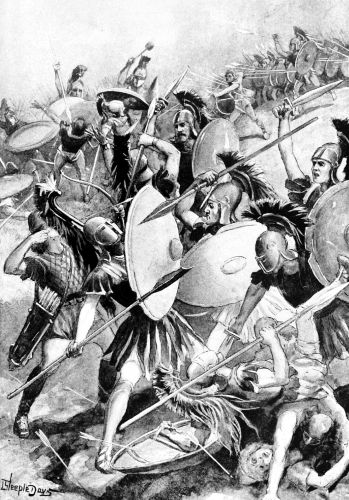
The Sicilian Expedition initially departed Athens with enormous confidence and resources, representing one of the largest military undertakings of the Peloponnesian War. In 415 BCE, the Athenians launched a massive fleet and expeditionary force under the joint command of Nicias, Alcibiades, and Lamachus. The scale of the operation reflected both the ambition of the campaign and the belief that Athens possessed the naval strength and organizational capacity to project power deep into the western Mediterranean. Early operations involved attempts to build alliances among Sicilian cities while probing the defenses of Syracuse, the expedition’s primary target. Yet the complexity of the campaign quickly became apparent, as the Athenians faced logistical challenges, shifting alliances, and the difficulties of sustaining large forces far from home.
The strategic situation worsened dramatically after the recall of Alcibiades to Athens to face charges connected to the mutilation of religious statues before the fleet’s departure. Alcibiades defected to Sparta rather than return to stand trial, providing Athens’ enemies with valuable insights into Athenian strategy. Under his influence, Sparta sent military assistance to Syracuse and advised the Syracusans on how best to counter the Athenian expedition. This development fundamentally altered the balance of power in Sicily. What had begun as a campaign against a regional rival increasingly evolved into a prolonged and complex struggle involving multiple Greek states.
As the conflict intensified, the Athenians attempted to impose a siege on Syracuse, constructing fortifications designed to isolate the city and cut off its access to external support. Initially, the plan appeared promising, particularly under the energetic leadership of Lamachus. However, Lamachus was killed during early fighting, leaving Nicias as the principal commander. Nicias’ cautious leadership style, combined with the growing strength of Syracusan resistance and the arrival of Spartan support under the commander Gylippus, gradually shifted the momentum of the campaign. Syracusan forces disrupted Athenian siege works and began constructing counter-fortifications that prevented the Athenians from completing their encirclement of the city. These counter-walls effectively broke the strategic logic of the Athenian siege, transforming what had once seemed a plausible path to victory into a grinding stalemate. As the months passed, the Athenians found themselves operating in increasingly hostile territory while facing supply problems, disease, and declining morale among their troops. The inability to secure decisive progress against Syracuse exposed the expedition to growing risks, demonstrating how quickly the balance of power could shift once the initiative passed to the defenders.
The arrival of reinforcements from Athens in 413 BCE briefly revived hopes of success. A second fleet under the command of Demosthenes and Eurymedon joined the original expeditionary force, significantly increasing Athenian manpower and naval strength. Demosthenes attempted a bold night assault on the Syracusan positions in an effort to break the stalemate and regain the initiative. The attack initially achieved some success but collapsed amid confusion and fierce Syracusan resistance. Greek warfare typically relied on disciplined formations and clear lines of command, both of which were difficult to maintain during nighttime operations. As Athenian troops advanced through unfamiliar terrain, coordination broke down and units became disoriented. Syracusan defenders exploited this confusion, launching counterattacks that turned the assault into a chaotic struggle. The failure of this operation had profound consequences for the morale of the Athenian army. Demosthenes recognized that the strategic position had become untenable and urged an immediate withdrawal from Sicily. Nicias, however, hesitated to abandon the campaign, fearing the political consequences of returning to Athens without achieving victory. This delay proved disastrous, allowing Syracusan and Spartan forces additional time to consolidate their position and trap the Athenian army.
The final phase of the expedition unfolded in a series of desperate attempts to escape the deteriorating strategic situation. Syracusan forces, strengthened by Spartan guidance, managed to block the Athenian fleet within the harbor of Syracuse. In the naval battles that followed, the confined waters and improved Syracusan tactics neutralized many of the advantages traditionally enjoyed by the Athenian navy. After repeated defeats at sea, the Athenians abandoned their ships and attempted to retreat inland. This withdrawal turned into a catastrophic rout as exhausted soldiers were pursued by Syracusan forces across the Sicilian countryside.
The human cost of the expedition was immense. Thousands of Athenian soldiers and sailors were killed during the campaign, and many survivors were captured and imprisoned in harsh conditions within the stone quarries of Syracuse. Ancient sources describe the prisoners suffering from overcrowding, hunger, disease, and exposure to the elements, with many dying after months of confinement. The destruction of the expeditionary force also meant the loss of a significant portion of Athens’ experienced sailors and soldiers, individuals whose training and experience could not easily be replaced. Strategically, the defeat represented a devastating blow to Athenian power. The loss of ships, manpower, and prestige weakened Athens’ ability to sustain the broader war effort, while news of the disaster encouraged revolts among allied states and emboldened Athens’ enemies. Sparta intensified its operations in Greece and began receiving increased support from Persia, further complicating the strategic environment faced by Athens. The Sicilian catastrophe marked a turning point in the Peloponnesian War, demonstrating how a single failed campaign could reshape the balance of power and expose the vulnerabilities of even the most formidable imperial state.
War, Class, and the Distribution of Sacrifice
The prolonged conflict of the Peloponnesian War placed immense strain on Athenian society, revealing how the burdens of warfare were distributed across different social groups. While the rhetoric of the polis emphasized unity and collective responsibility, the material realities of war exposed persistent inequalities in how sacrifice was experienced. Military service, economic disruption, and the risks of combat affected citizens differently depending on their social position, occupation, and wealth. The democratic system ensured that all citizens participated in political decision-making, yet the consequences of those decisions often fell most heavily on individuals whose livelihoods were closely tied to the physical demands of military service.
Poorer citizens formed the backbone of the Athenian navy, and their participation was essential to sustaining the maritime strategy that underpinned Athenian power. Thousands of rowers were required to operate the fleet, and these men were drawn largely from the lower economic classes. Naval service provided wages and opportunities for political participation, but it also exposed these individuals to prolonged campaigns and dangerous combat. Rowers spent long hours engaged in physically demanding labor, maintaining the coordinated rhythm required to propel triremes at high speed during both maneuver and battle. Campaigns could last months, sometimes years, and involved travel far from Attica to distant theaters across the Aegean and Mediterranean. During these deployments, sailors faced the constant risks of shipwreck, naval engagement, and disease. For many poorer citizens, the wages earned through naval service became an essential source of income, making their households dependent on the continuation of military operations. This dependence linked the economic survival of lower-class Athenians to the fortunes of the empire itself, creating a situation in which the same individuals who bore the physical burdens of warfare were also economically tied to its persistence.
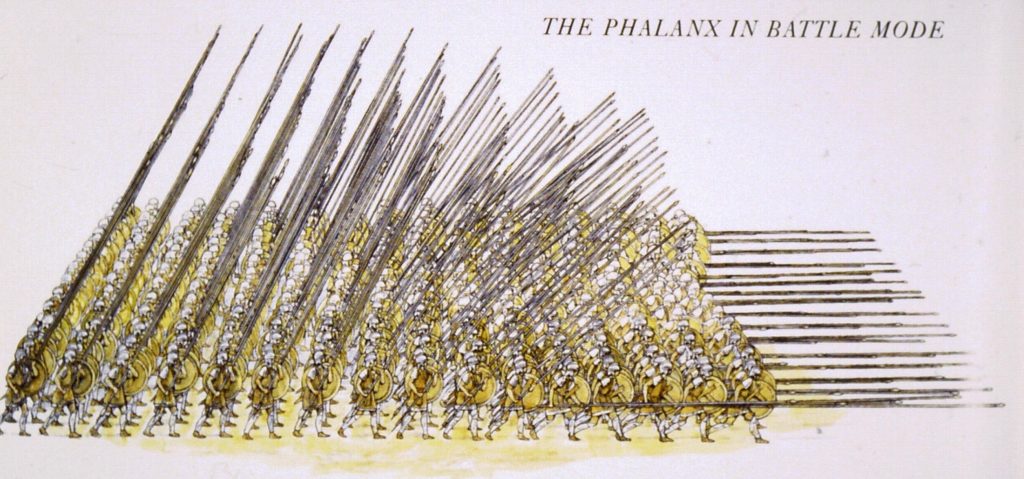
Hoplite warfare, by contrast, was traditionally associated with citizens who possessed the resources to equip themselves with armor and weapons. These men typically belonged to the middling property-owning classes of Athenian society. Although hoplites faced the dangers of land combat, their service was often seasonal and tied to specific campaigns rather than continuous deployment. The distinction between hoplite and naval service reflected broader patterns of social organization within the polis. Wealthier citizens could sometimes avoid the most grueling forms of military labor, while poorer citizens were more likely to endure the sustained labor of rowing and prolonged service at sea.
Economic burdens extended beyond the battlefield itself. Prolonged warfare disrupted agricultural production, trade, and local economies throughout the Athenian world. Rural populations in Attica suffered repeated devastation when Spartan armies invaded the countryside, forcing farmers to abandon their land and seek refuge within the walls of Athens. The destruction of crops, orchards, and farm buildings inflicted lasting damage on agricultural livelihoods and reduced the availability of food supplies for the city. Families who depended on rural production often lost years of labor when fields were burned or livestock seized during invasions. These displacements also contributed to severe overcrowding within Athens, where refugees from the countryside joined the urban population in makeshift living conditions. The strain on resources and infrastructure intensified during the early years of the war, particularly when the plague struck the city and spread rapidly through the densely populated environment. The costs of maintaining fleets, paying soldiers, and funding military expeditions required significant financial resources from the state and its imperial network, further linking domestic hardship to the demands of prolonged conflict.
The Athenian empire played a crucial role in sustaining the financial demands of war. Tribute payments from allied states helped support military expenditures and allowed Athens to continue fielding large fleets even during difficult periods of the conflict. Yet this arrangement also meant that allied communities shared in the economic burdens of Athenian strategy. Cities within the empire were expected to provide financial resources and personnel that contributed directly to Athens’ military campaigns. For many of these communities, participation in the imperial system involved obligations that were imposed rather than freely chosen.
The Peloponnesian War illustrates how the costs of warfare were distributed unevenly across both Athenian society and the broader imperial system that supported it. Democratic institutions provided citizens with a voice in decisions about war, yet the consequences of those decisions were experienced in different ways depending on social position and political power. Poorer citizens and allied states often bore the most immediate burdens of prolonged conflict, while strategic decisions were shaped by political leaders operating within the competitive environment of Athenian public life. The distribution of sacrifice within the war reveals a central tension of the Athenian system: collective decision-making did not necessarily produce equal exposure to the risks and hardships generated by imperial warfare.
Conclusion: Democratic Institutions and the Costs of Imperial War
The experience of Athens during the Peloponnesian War reveals the complex relationship between democratic governance and the conduct of large-scale imperial warfare. The political institutions of the polis allowed citizens to participate directly in debates over strategy, foreign policy, and military commitments. Decisions about war were not imposed by kings or narrow oligarchies but were shaped through public deliberation within the Assembly. This structure gave the Athenian democracy a distinctive character in the ancient world, linking civic identity with active participation in political life. The pressures of maintaining an empire and sustaining prolonged military campaigns exposed tensions between democratic ideals and the practical realities of power.
The strategic choices made by Athens were deeply influenced by political leadership and the persuasive power of prominent individuals. Figures such as Pericles, Cleon, Nicias, and Alcibiades shaped the direction of Athenian policy by framing military decisions in ways that appealed to civic pride, security concerns, or visions of imperial opportunity. Democratic debate did not eliminate the influence of elite leadership but instead provided a stage upon which ambitious proposals could gain support through rhetoric and persuasion. The debate over the Sicilian Expedition demonstrates how public deliberation could amplify strategic ambition rather than restrain it. Citizens voted collectively to authorize the campaign, yet the framing of the decision by competing leaders played a decisive role in shaping how its risks and potential rewards were understood.
The consequences of these decisions were distributed unevenly across Athenian society and the wider imperial system that supported it. Naval warfare relied heavily on the labor of poorer citizens whose physical endurance powered the fleet, while rural populations endured repeated devastation during Spartan invasions of Attica. Allied states were compelled to provide tribute, ships, and manpower that sustained Athens’ military capacity. The catastrophic defeat in Sicily further exposed these inequalities, as thousands of soldiers and sailors were lost in a campaign that had been driven by ambitious strategic visions debated within the democratic Assembly. The loss of so many experienced rowers and soldiers weakened Athens not only militarily but also socially, removing large numbers of working-age men and placing additional strain on households already affected by years of war. Allied communities likewise experienced the consequences of imperial strategy through increased tribute demands and military obligations, even when those campaigns served primarily Athenian interests. The language of collective civic duty masked a system in which the burdens of war were often borne by those with the least influence over its planning, revealing a structural imbalance between the democratic process that authorized imperial policy and the social distribution of its costs.
The history of the Peloponnesian War offers a broader reflection on the relationship between democratic institutions and imperial power. Athens demonstrated that a society organized around citizen participation could achieve remarkable levels of military and political mobilization. Yet the same structures that enabled collective decision-making also allowed persuasive leaders to guide the polis toward expansive and risky strategies. The result was a political system capable of extraordinary achievements but also vulnerable to strategic overreach. The tragedy of the Sicilian Expedition serves as a reminder that democratic participation does not automatically prevent costly wars, and that the distribution of sacrifice within such conflicts may remain profoundly unequal even in societies that pride themselves on political equality.
Bibliography
- Anagnostopoulos, Georgios and Gerasimos Santas. Democracy, Justice, and Equality in Ancient Greece. Cham: Springer Verlag, 2018.
- Aristotle. Athenian Constitution. Translated by P. J. Rhodes. London: Penguin Classics, 1984.
- Cartledge, Paul. Democracy: A Life. Oxford: Oxford University Press, 2016.
- Gallego, Julian. “Land for the Athenian Poor: The Politics of Redistribution Outside Attica During the Fifth Century BCE.” Pnyx: Journal of Classical Studies 3 (2024), 1-23.
- Hansen, Mogens Herman. The Athenian Democracy in the Age of Demosthenes. Norman: University of Oklahoma Press, 1991.
- Hanson, Victor Davis. The Western Way of War: Infantry Battle in Classical Greece. Berkeley: University of California Press, 1989.
- Hornblower, Simon. The Greek World 479–323 BC. 4th ed. London: Routledge, 2011.
- Kagan, Donald. The Peloponnesian War. New York: Viking, 2003.
- —-. Pericles of Athens and the Birth of Democracy. New York: Free Press, 1991.
- Lazenby, J. F. The Peloponnesian War: A Military Study. London: Routledge, 2004.
- McCoy, Mark D., Jennifer Birch, Shadreck Chirikure, and Paul Roscoe. “War Both Reduced and Increased Inequality over the Past 10,000 Years.” Proceedings of the National Academy of Sciences 122:16 (2025), e2400695121.
- Meiggs, Russell. The Athenian Empire. Oxford: Clarendon Press, 1972.
- Morrison, J. S., J. F. Coates, and N. B. Rankov. The Athenian Trireme: The History and Reconstruction of an Ancient Greek Warship. 2nd ed. Cambridge: Cambridge University Press, 2000.
- Ober, Josiah. Mass and Elite in Democratic Athens. Princeton: Princeton University Press, 1989.
- Rhodes, P. J. A History of the Classical Greek World, 478–323 BC. Malden, MA: Blackwell Publishing, 2006.
- Thucydides. History of the Peloponnesian War. Translated by Rex Warner. Revised by M.I. Finley. London: Penguin Classics, 1972.
Originally published by Brewminate, 03.17.2026, under the terms of a Creative Commons Attribution-NonCommercial-NoDerivatives 4.0 International license.
About the Author