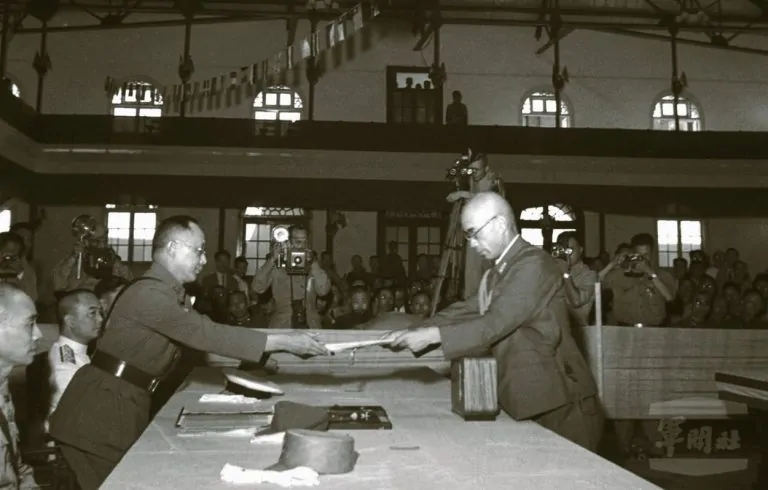
A negotiated Japanese victory in 1938 could have ended major fighting while entrenching imperial control. China’s political...
China
Explore the history of China from its earliest dynasties through imperial transformation and the rise of the modern state. These studies follow changing institutions while examining the ideas and cultural traditions that shaped Chinese civilization.
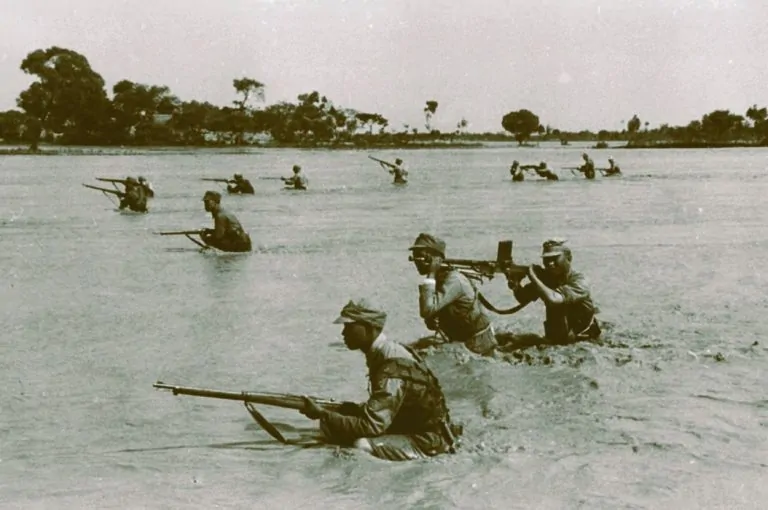
In June 1938, Chinese troops opened the Yellow River’s dike to obstruct Japanese forces. Villagers endured repeated...
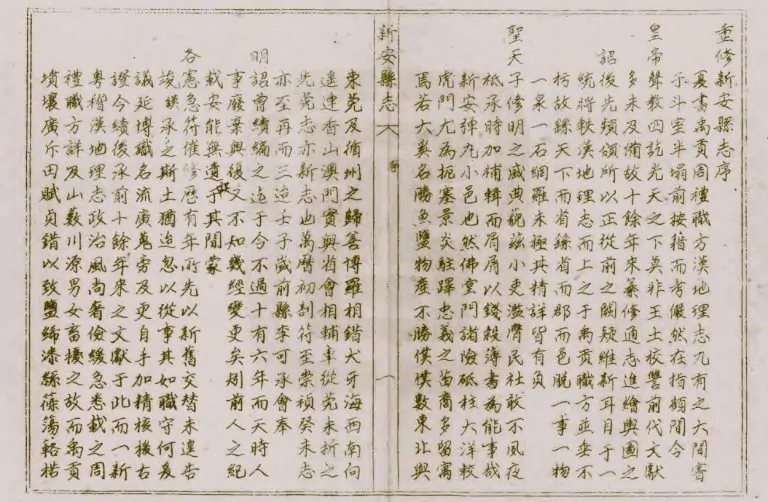
The Qing emptied Xin’an’s coast to weaken Zheng resistance. Displacement and the struggle to rebuild reveal what...
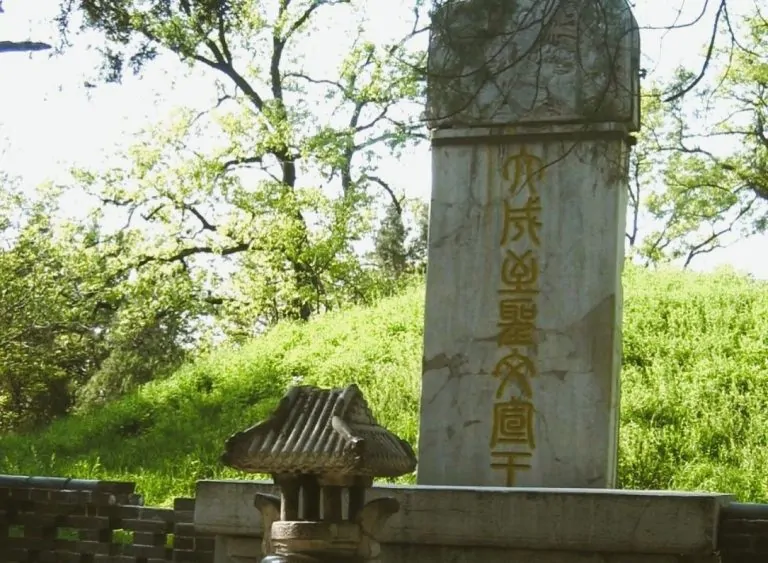
Confucius died in 479 BCE without political success. Accounts of his disciples’ long mourning helped transform the...
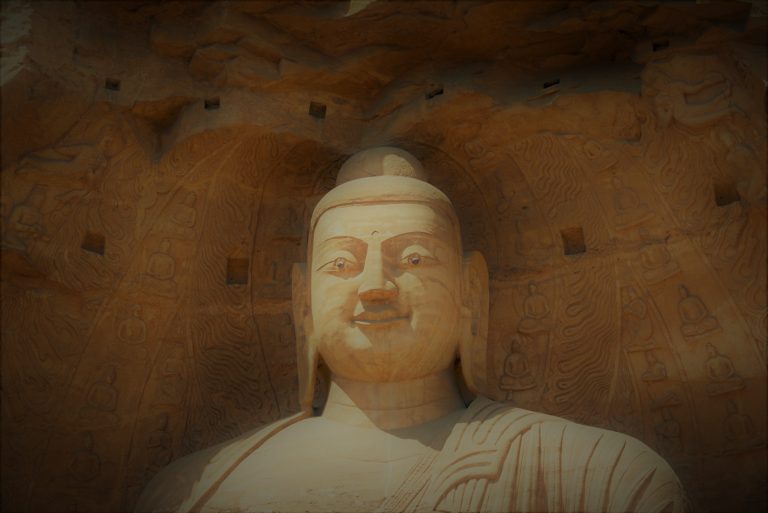
Carved into cliffs near Datong, the Yungang Grottoes show how Northern Wei patronage joined Buddhist devotion, imperial...
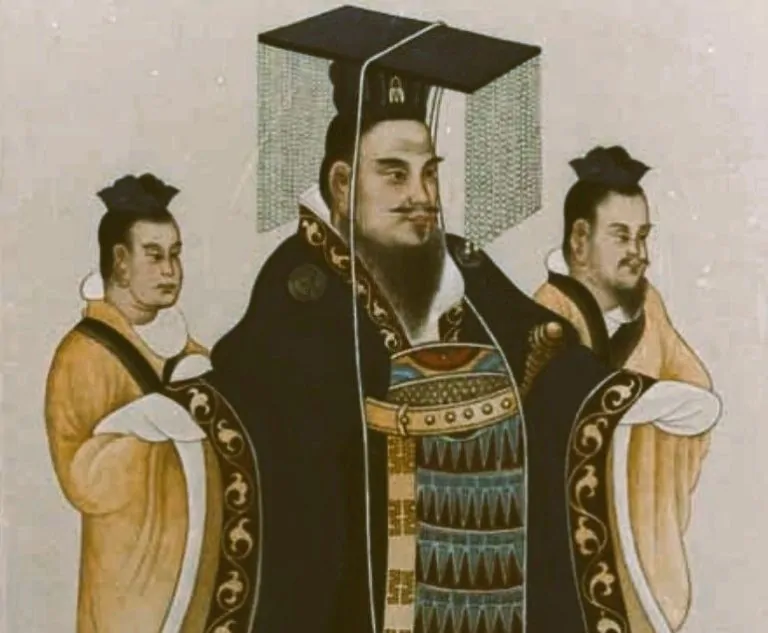
In 91 BCE, Emperor Wu’s hunt for hidden witchcraft turned searches, coercive interrogations, and palace suspicion into...
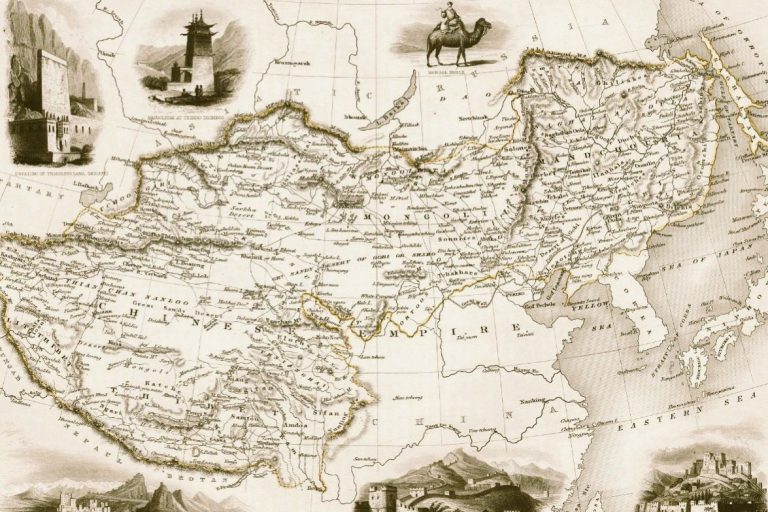
From palace guards and fortified gates to secret memorials and political surveillance, China’s emperors built layered defenses...
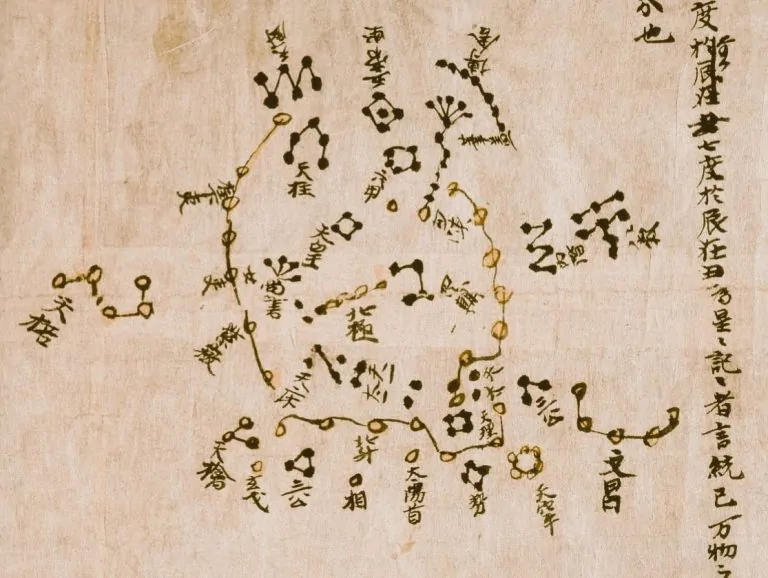
In Han China, solar eclipses were meticulously observed celestial events and potent political warnings that could expose...
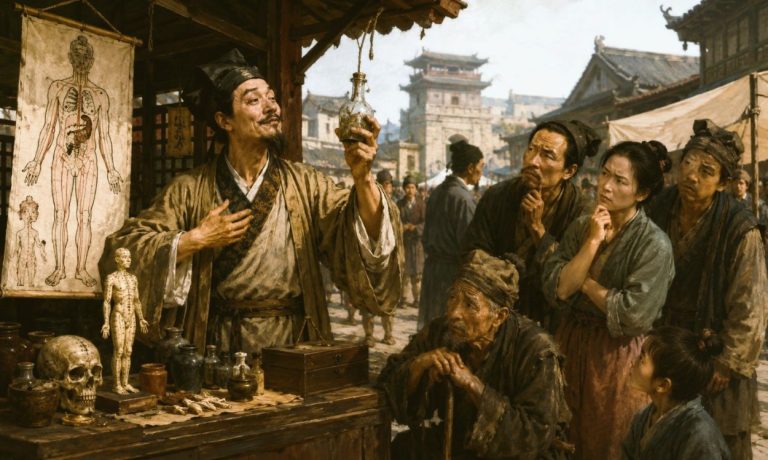
In medieval and late imperial China, the quack was more than a fraud. He revealed a world...
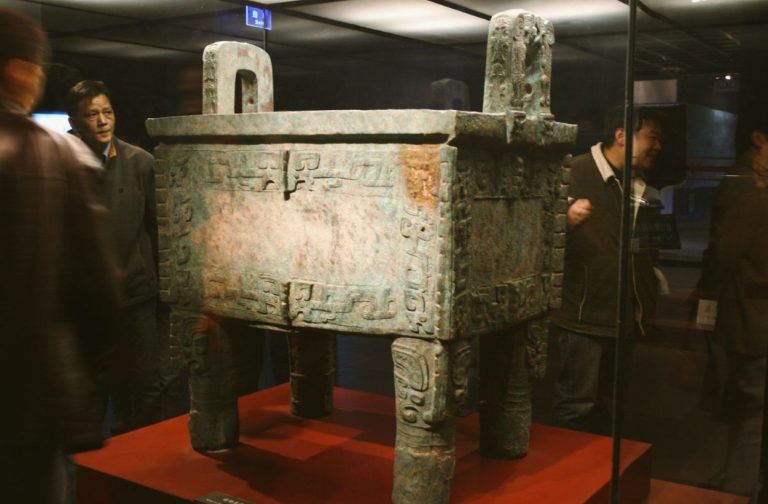
Xunzang reveals how Chinese rulers carried power into the grave through servants, guards, concubines, and symbolic substitutes....

The harmonica’s history stretches from ancient Chinese free-reed technology to German factories, migration, blues, country, gospel, and...
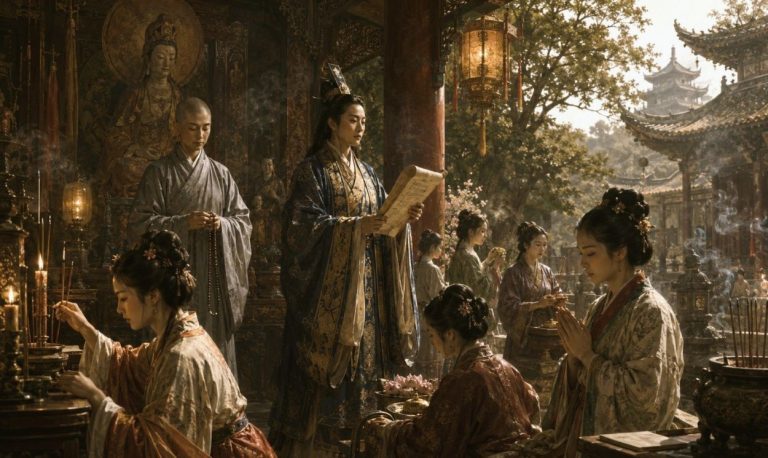
Women in China’s religious history navigated patriarchy through ritual, renunciation, goddess devotion, Christian service, and enduring forms...
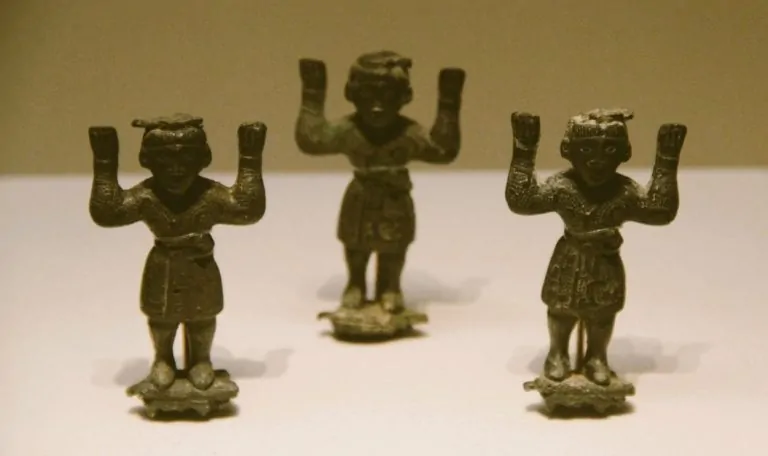
Deception became a political language in China’s Warring States period, shaping war, diplomacy, Legalism, and Qin’s path...
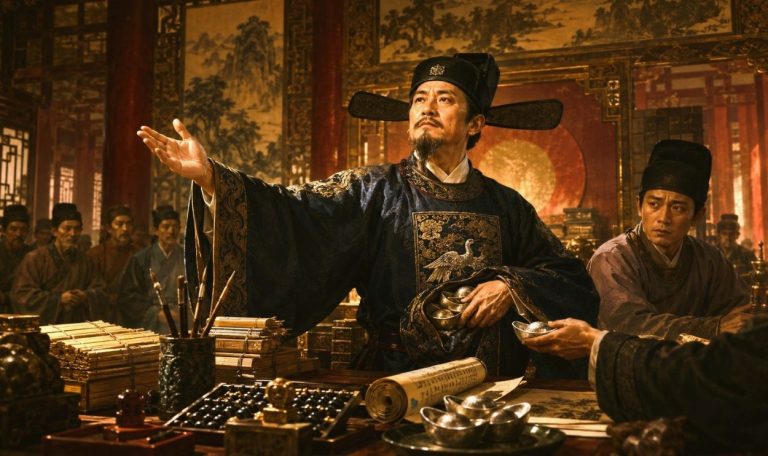
Confucian statecraft praised virtue, merit, frugality, and loyalty, yet imperial administration often depended on privilege, informal extraction,...
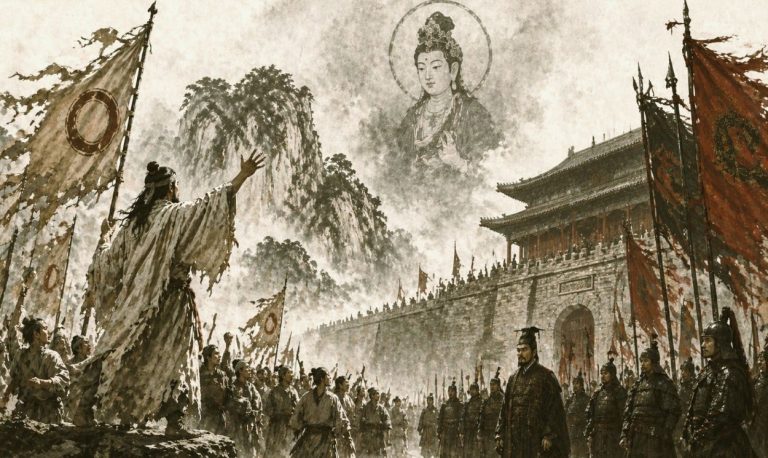
Chinese “cults,” often labeled xiejiao, were powerful sectarian movements that blended belief and rebellion, repeatedly challenging state...
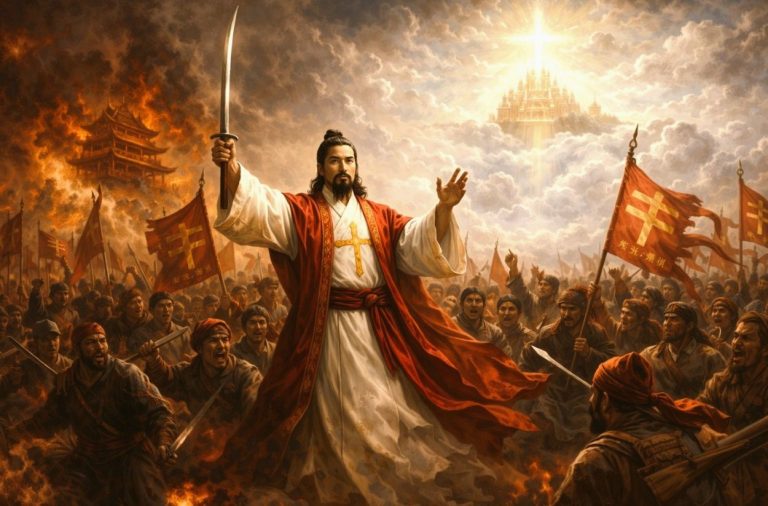
Hong Xiuquan’s visions transformed religious revelation into revolutionary authority, inspiring millions to build the Taiping Heavenly Kingdom...
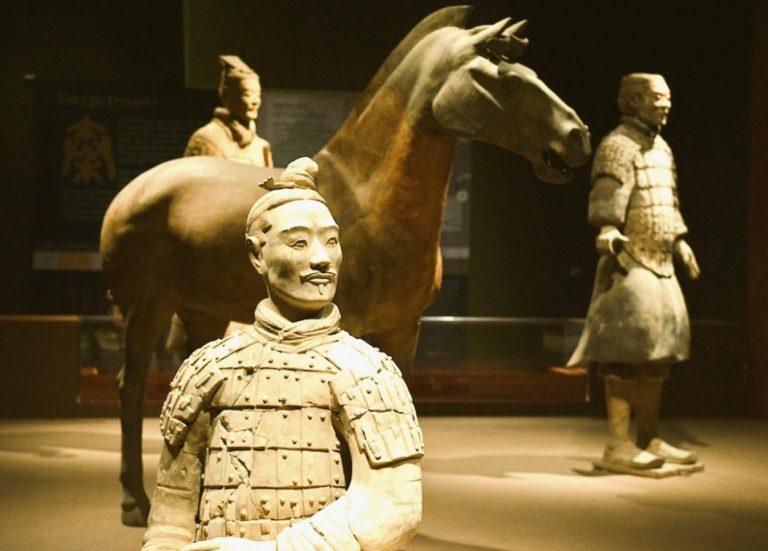
The Qin dynasty unified China through Legalist discipline, centralized administration, and massive labor mobilization, creating a powerful...
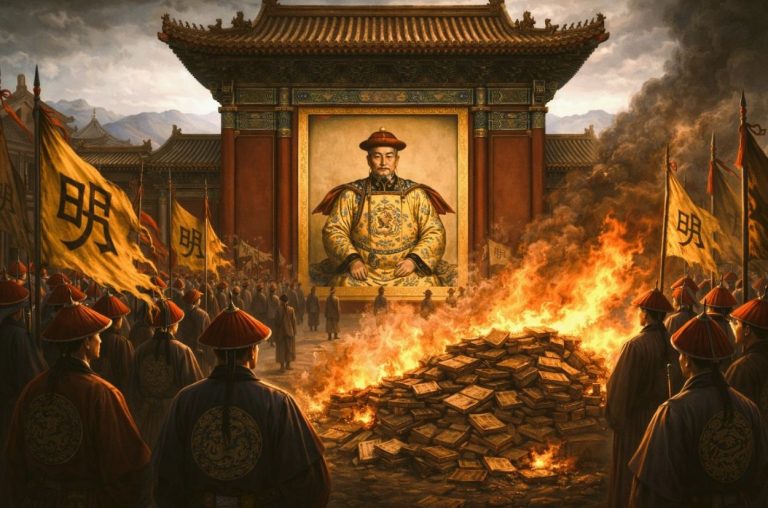
After conquering China, the Qing dynasty sought to control how the fallen Ming dynasty would be remembered,...
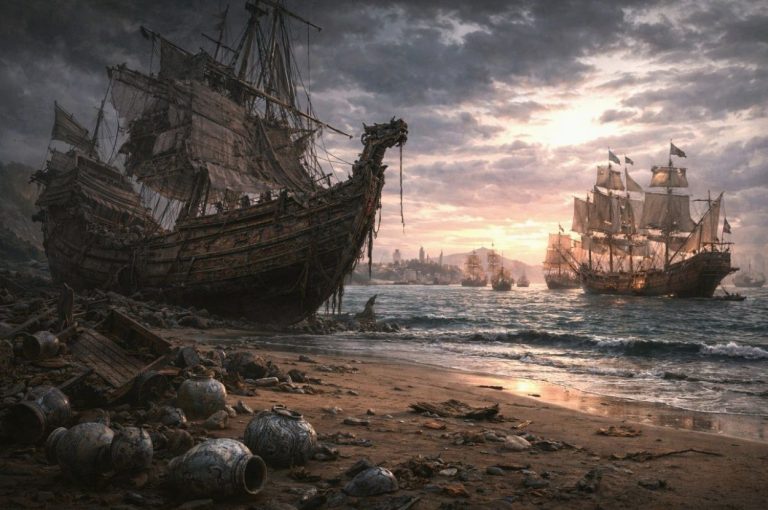
The decision to curtail maritime engagement followed from domestic political recalibration, fiscal prioritization, and ideological conviction rather...
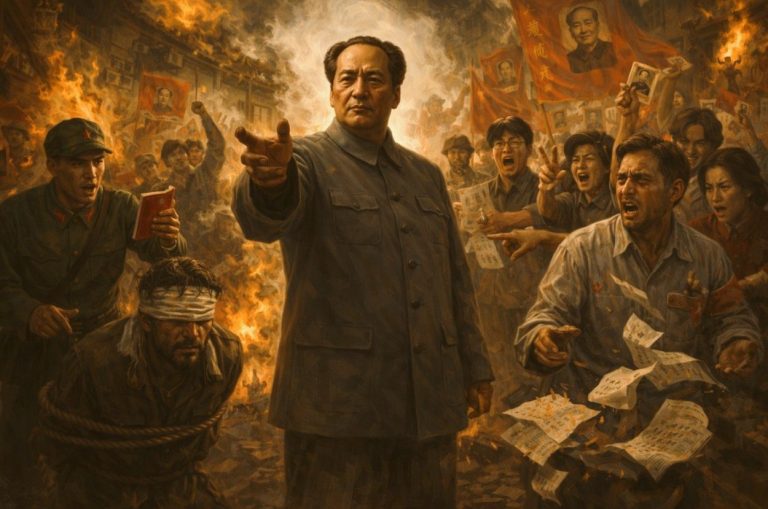
By redefining disagreement as wrong thinking, Maoist authority did not merely suppress alternative views or marginalize critics...
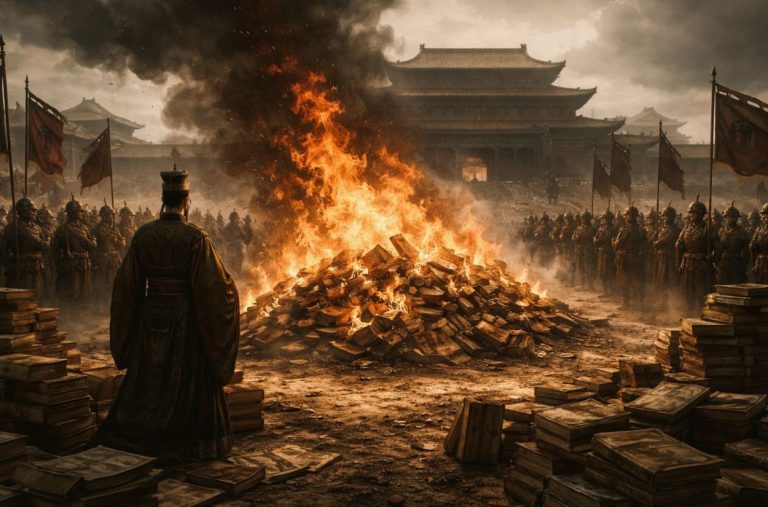
The struggle over history is never merely about preservation or scholarship. It is a struggle over legitimacy,...
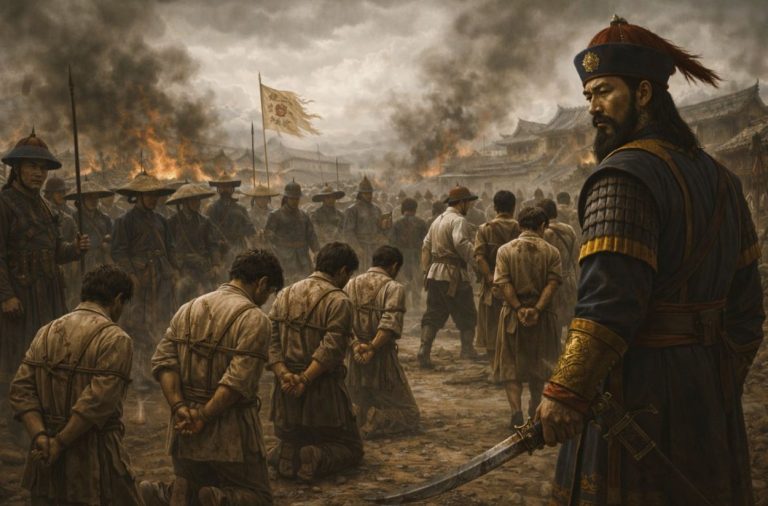
The Qing suppression of the Taiping Rebellion reveals a pattern of state survival that carries profound institutional...
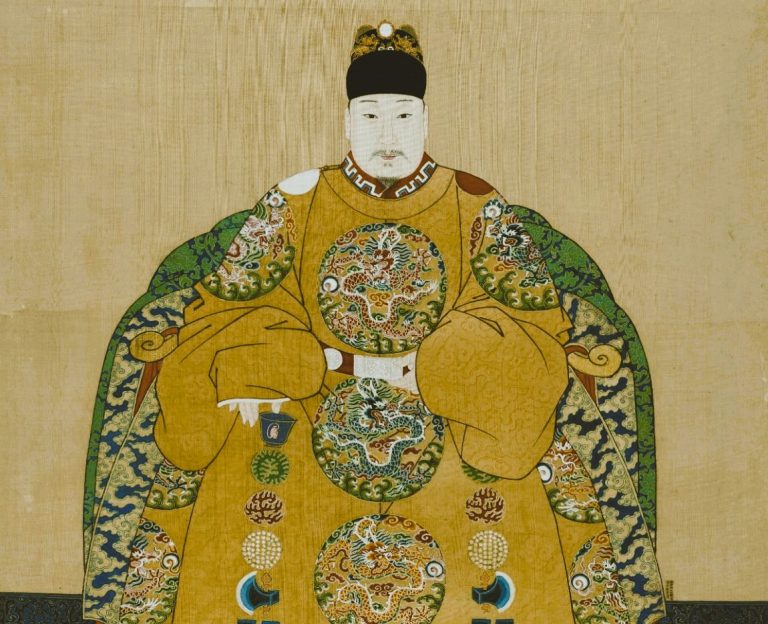
The Wanli Emperor’s long withdrawal from governance represents one of the most consequential failures of leadership in...

Humanity has always extended its frontiers into spaces thought unreachable, from the Arctic to the Moon. Now,...
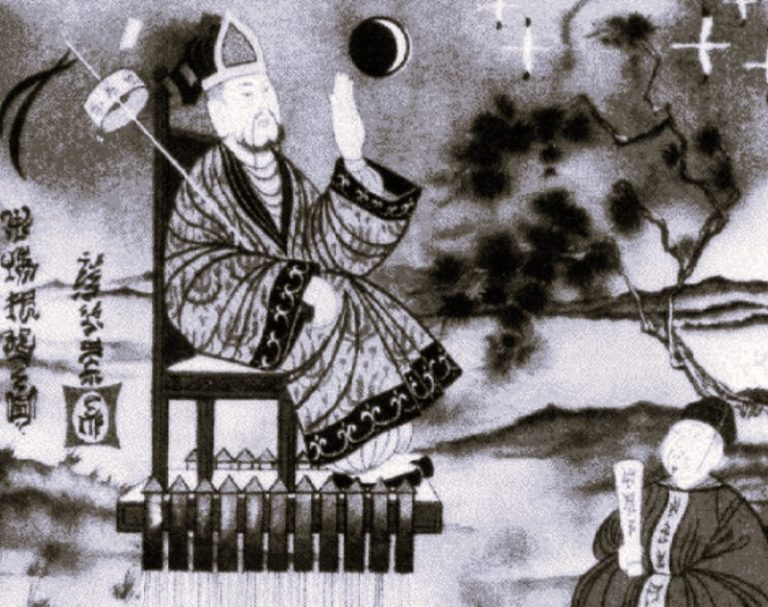
By Matthew A. McIntoshPublic HistorianBrewminate Introduction In the vast expanse of Chinese legend, few tales capture the...
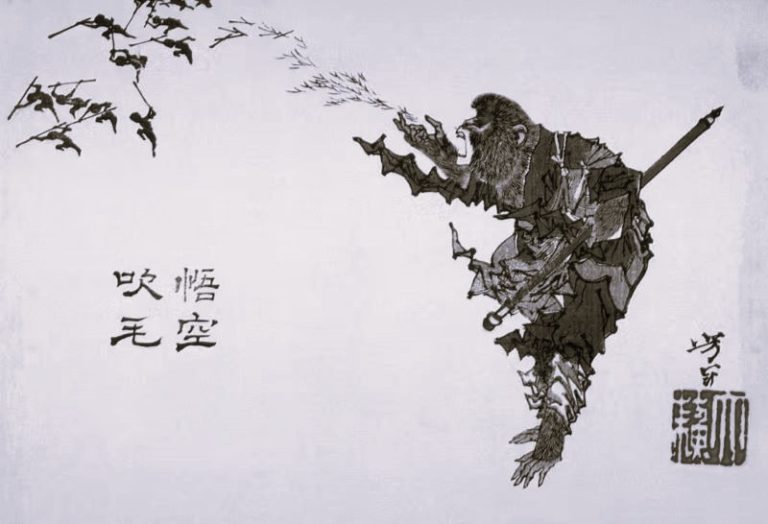
There is a long tradition in China of associating monkeys with the mind. Introduction One summer afternoon...
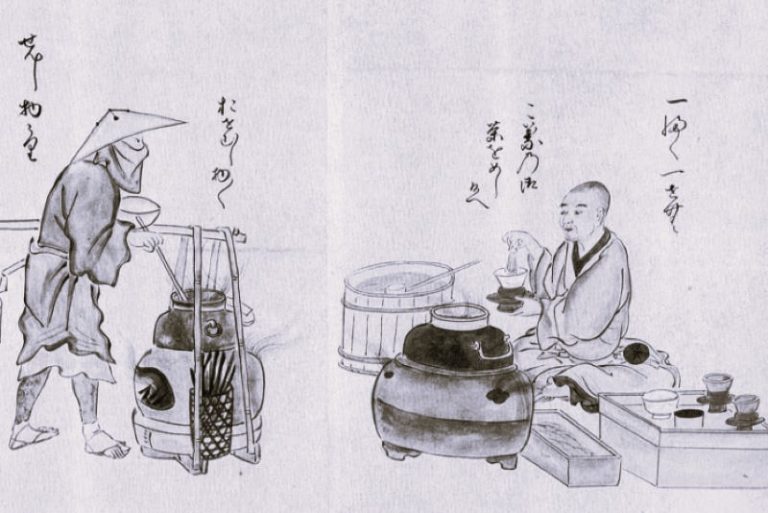
Brick and cake tea that was traded through the Silk Road. By Dr. Vithiyapathy Purushothaman and Dr....
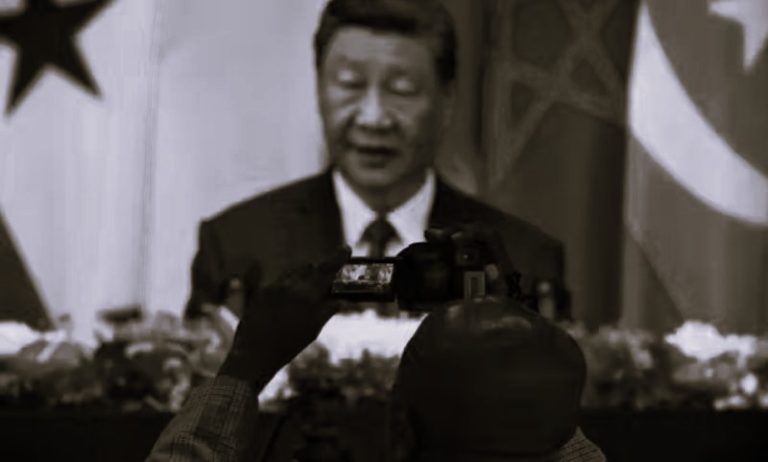
Beijing is making a play for the hearts and minds of African people. By Mitchell GallagherPh.D Candidate...
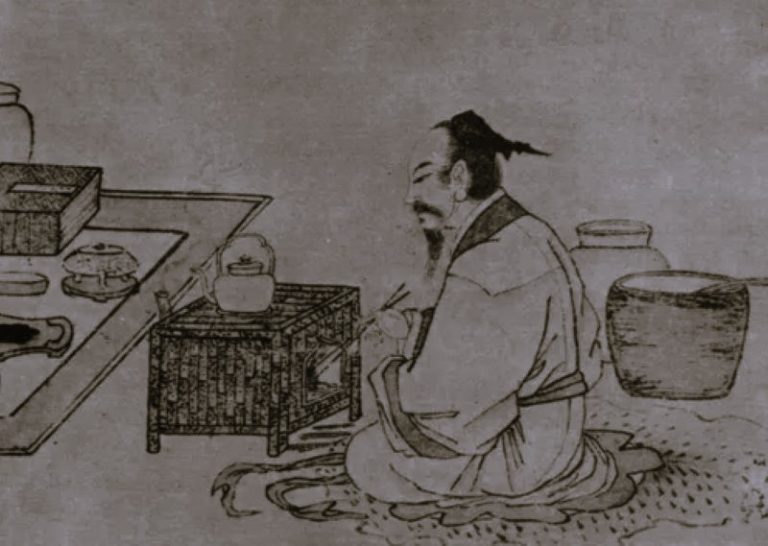
Investigating the Sino-British tea barter trade. By Dr. Yuan YaoProfessor of MathematicsThe Hong Kong University of Science...

Giving Chinese intelligence services a window. By Dr. Richard FornoPrincipal Lecturer, CSEE & Assistant DirectorUMBC Cybersecurity InstituteUniversity...