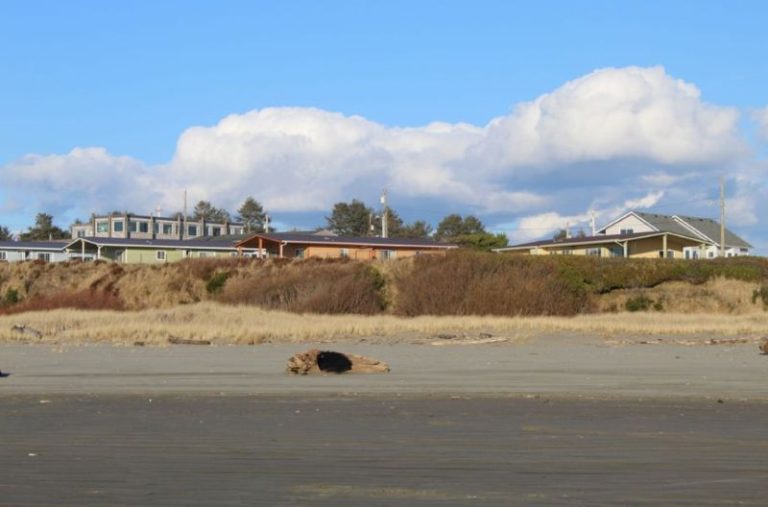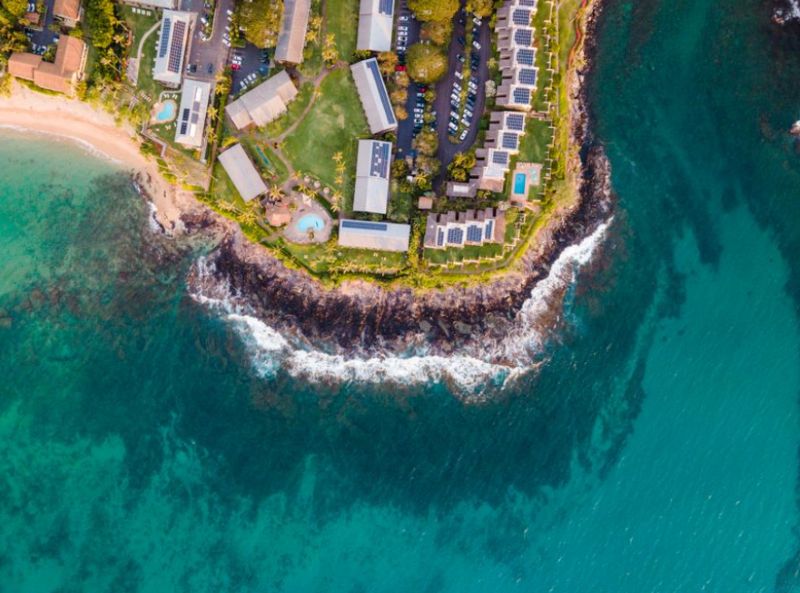
Most trips go wrong long before anyone boards a plane. They go wrong on a laptop at eleven at night, when a list of attractions gets copied into a schedule that leaves no room to breathe. The result is a week spent driving between places you half wanted to see, arriving late, eating badly, and going home tired. A better approach starts from the opposite end.
You decide what you actually want to experience, you pick a base that puts those things within easy reach, and you let the rest of the plan fill in around that decision. Napili Bay is the kind of place that rewards this way of thinking, because the best parts of it are slow, close together, and easy to miss if you are rushing somewhere else.
Choosing a Base That Fits the Trip You Want
Where you sleep shapes everything else about a vacation, from how early you get into the water to how far you drive for dinner. The trouble is that resorts all describe themselves in the same glowing language, so the details that decide your week get buried under adjectives.
Reading the options side by side, line by line, is the fastest way to see what each one includes and what it quietly leaves out. Anyone planning a week here should start by comparing resorts on Napili Bay before booking flights or filling in the calendar.
Let the Shoreline Set the Pace of Each Day
Once you have a base, the smartest thing you can do is stop planning in hours and start planning in halves. A morning and an afternoon is enough structure for most days. Anything tighter and you will spend the week watching the clock instead of the water.
Mornings near the shore are almost always the calmest part of the day, which makes them the right time for swimming, snorkeling, or simply sitting somewhere with coffee and no particular agenda. Afternoons tend to get brighter, busier, and windier, which makes them better for driving, eating, shopping, or napping. Build around that rhythm and the days arrange themselves.
Plan Mornings Around Light and Wind
There is a practical reason early starts matter here, and it has nothing to do with discipline. Water is clearest and flattest before the trade winds pick up, and parking is easiest before the day fills in. If snorkeling matters to you, treat it as a morning activity and protect it.
Get in the water, stay as long as you like, and come out before the surface starts chopping up. You will see more, you will be more comfortable, and you will have the rest of the day free.
If you are not a morning person, the late afternoon often calms down again before sunset, which gives you a second window without forcing a change in temperament.
Eat Where the Neighborhood Eats
Food is where itineraries quietly collapse. People plan every activity and then find themselves at half past eight, hungry, thirty minutes from anywhere, arguing about where to go. A little thought here saves a lot of friction.
Having a kitchen where you are staying changes the math completely, because breakfast stops being an outing and becomes something that happens while you are still deciding what to do.
Stock it on the first day with fruit, coffee, eggs, bread, and whatever you like to snack on, and you have bought yourself several unhurried mornings. Save the sit-down meals for evenings, and pick places close enough that dinner does not require a plan of its own.
Leave Room for the Drive
Distances on the map look short and take longer than you expect. Roads narrow, traffic slows, and views appear that you will want to stop for. If you try to fit three separate outings into one day, you will spend most of it in the car and remember none of it clearly.
One real outing a day is plenty. Two if they are close together and neither is ambitious. Leaving gaps is not wasted time. The gaps are where the trip actually happens, in the shave ice you stopped for, the beach you pulled over at, the hour you spent watching turtles because nobody was waiting on you.
Traveling With Family Members of Different Speeds
Groups make planning harder because people want different things at different speeds. Teenagers want to be in the water. Older relatives want shade, a chair, and somewhere to sit down. Small children want a bathroom nearby and lunch earlier than anyone else.
The way to keep everyone happy is not a compromise itinerary that satisfies no one, but a base that lets people split up easily and come back together without a problem.
If the beach, the pool, the kitchen, and a place to sit quietly are all within a short walk, the group can run at several speeds at once. That single piece of logistics does more for a family trip than any activity you could book.
Rain, Wind, and Other Reasons to Change Plans
Weather here is local and moody. It can rain on one side of the island and stay bright on the other, and a gray morning often clears by ten. This means two things for your plan. First, never cancel a day based on how it looks at seven in the morning.
Second, keep a short list of things that work when the weather does not cooperate, so nobody has to invent an alternative on the spot.
Reading, cooking something slow, a drive with no destination, a long lunch, a board game somebody thought to pack. The trips people remember fondly are rarely the ones where everything went according to schedule. They are the ones where the change of plan turned out to be pleasant.
Building an Itinerary You Will Not Resent
By the time you are done, your plan should fit on one page and look almost embarrassingly light. A few anchored mornings, a few dinners worth walking to, one or two longer outings spread across the week, and a lot of unassigned space.
That is not underplanning. That is the whole point of choosing a place that puts what you care about within reach, so the schedule no longer has to work so hard. Write down what you genuinely want to experience, in order of how much you want it, and check that your first three items can happen without a long drive. If they can, the vacation is already organized. Everything after that is just showing up.
About the Author