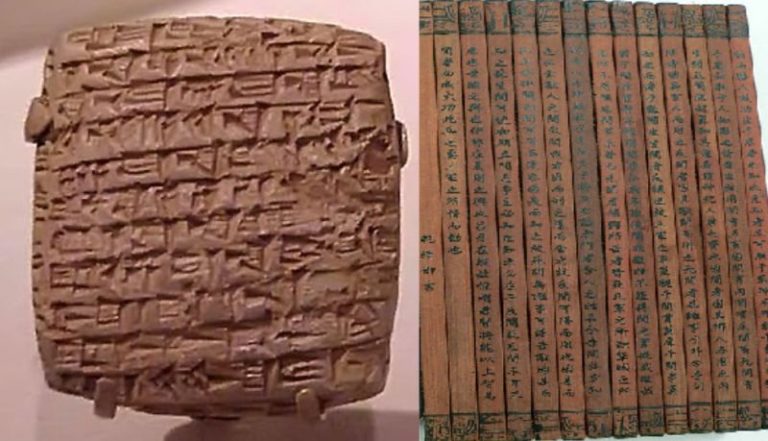
In the medieval world, copying and forgery were not deviations but strategies, revealing how authority, authenticity, and ownership were constructed before modern copyright existed.

By Matthew A. McIntosh
Public Historian
Brewminate
Introduction: Authenticity in a World Without Copyright
In medieval Europe, the absence of formal copyright law did not imply an absence of concern for authorship, authenticity, or intellectual ownership. Rather, these concepts operated within a framework grounded in authority, tradition, and recognition rather than legal codification. Texts, images, and objects derived their legitimacy not from individual ownership in a modern sense but from their association with established institutions, revered figures, or accepted narratives. A document attributed to a king, a saint, or a respected scholar carried weight because of its perceived origin, and this connection between authority and authenticity shaped how works were produced, transmitted, and evaluated. In such a system, the question was not simply who created something, but whether it could be recognized as belonging to a credible lineage of knowledge or power.
This fostered a complex relationship between imitation and originality. Copying was not only common but essential to the preservation and dissemination of knowledge, particularly in monastic and scholarly settings where manuscripts were reproduced by hand. Scribes were expected to replicate texts faithfully, and artistic workshops relied on the transmission of established styles and techniques across generations. The act of copying was rarely a purely mechanical process; scribes introduced variations, annotations, and occasional reinterpretations that reflected both practical necessity and intellectual engagement with the material. This fluidity meant that texts and images existed in multiple versions, each carrying traces of its transmission. Yet this normalization of imitation coexisted with an awareness of the importance of origin. When a work was falsely attributed to a more authoritative source, or when an individual claimed authorship to which they were not entitled, the issue was not the act of copying itself but the misrepresentation of identity and authority. Medieval concerns about plagiarism were less about originality as a creative ideal and more about the integrity of attribution and the preservation of trust within systems of knowledge. The tension between faithful transmission and the desire for authoritative association created conditions in which imitation could easily slide into appropriation, particularly when attribution itself carried tangible social or institutional benefits.
The stakes of authenticity extended beyond intellectual production into the realms of politics, religion, and economic life. Forged charters could secure land and privileges for monastic communities, while fabricated relics could attract pilgrims and generate revenue. Claims of identity, whether in the form of royal imposters or falsely attributed texts, had the potential to reshape power structures and influence public perception. In these cases, authenticity functioned as a form of capital, conferring legitimacy and enabling access to resources. The ability to manipulate or fabricate authenticity was not merely an act of deception but a strategic intervention within systems that depended on the recognition of authority. This dynamic reveals the extent to which medieval society was structured around the validation of origins, whether textual, material, or personal.
Plagiarism and forgery in the medieval world were not marginal or aberrant phenomena but integral to the ways in which authority and identity were constructed and contested. By examining practices ranging from monastic document fabrication to artistic imitation and political impersonation, it becomes clear that the boundaries between legitimate reproduction and deceptive appropriation were fluid and context-dependent. Medieval societies did not lack mechanisms for evaluating authenticity; rather, they relied on social, institutional, and intellectual processes that differed fundamentally from modern legal frameworks. These mechanisms included the authority of institutions such as monasteries and courts, the expertise of scholars trained in textual comparison, and the collective judgment of communities accustomed to evaluating claims of legitimacy. These systems were imperfect and subject to manipulation, creating opportunities for those willing to exploit ambiguities in attribution and verification. Understanding these practices on their own terms allows for a more nuanced appreciation of how authorship functioned in a world without copyright, where the control of the past and its representation was central to the exercise of power and where authenticity was continuously negotiated rather than definitively established.
Monastic Forgery: Rewriting the Past for Power
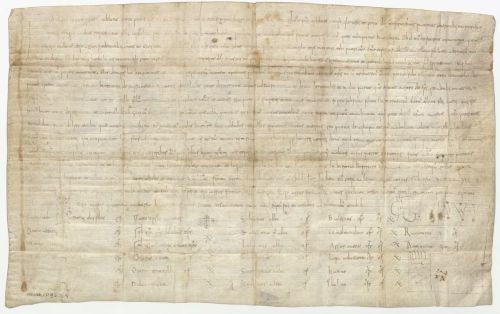
Monastic forgery represents one of the most widespread and consequential forms of deceptive authorship in the medieval world, operating at the intersection of institutional survival, legal ambiguity, and historical memory. Far from being isolated acts of fraud, forged charters and documents were often produced systematically within monastic communities seeking to secure or defend their material interests. Land ownership, tax exemptions, and jurisdictional privileges frequently depended on documentary proof, yet the archival record in many regions was incomplete, inconsistent, or vulnerable to loss through war, decay, or administrative neglect. Monasteries faced both opportunity and pressure: the absence of reliable documentation created space for fabrication, while competition with rival institutions made such practices appear not only advantageous but, in some cases, necessary. Disputes over land and rights were common, and the ability to produce a document that could assert precedence or legitimacy often determined the outcome. Forgery became embedded within broader strategies of institutional defense, reflecting a pragmatic response to the uncertainties of medieval record-keeping and the high stakes associated with property and privilege.
The production of forged documents was typically framed not as an act of deception in the modern moral sense but as a form of institutional correction or preservation. Monks who fabricated charters often justified their actions by appealing to a perceived historical truth that had been lost, obscured, or insufficiently recorded. A forged document might assert that a monastery had always possessed certain rights or lands, even if no surviving record confirmed this claim. Forgery functioned as a tool for reconstructing an idealized past, aligning documentary evidence with what communities believed to be legitimate tradition. This perspective complicates modern assumptions about authenticity, suggesting that medieval forgers operated within a conceptual framework in which the boundary between invention and restoration was often blurred.
The technical sophistication of monastic forgery further underscores its embeddedness within learned culture. Monks trained in scriptoria possessed the skills necessary to imitate handwriting styles, reproduce seals, and craft documents that conformed to recognized diplomatic formulas. Forgers carefully modeled their work on authentic charters, incorporating appropriate language, structure, and material features to enhance credibility. In many cases, forged documents were not crude fabrications but highly convincing artifacts that could withstand scrutiny, at least in the short term. This attention to detail reflects both the importance of documentary authority in medieval society and the intellectual resources available within monastic institutions, where literacy and textual expertise were concentrated. The ability to replicate not only the appearance but also the rhetorical conventions of authoritative documents required a deep familiarity with legal and administrative practices, indicating that forgery was often carried out by individuals well-versed in the very systems they sought to manipulate. This paradox, in which expertise enabled deception, highlights the dual role of monastic scholars as both preservers and potential re-creators of the documentary past.
The circulation and acceptance of forged documents depended on broader social and institutional dynamics. Charters were rarely evaluated in isolation; their validity was reinforced through networks of recognition that included witnesses, local elites, and ecclesiastical authorities. A document’s authority derived as much from its reception as from its content, meaning that successful forgeries often relied on the willingness of others to accept or at least not challenge their claims. This collective dimension of authenticity created a context in which forgery could function effectively, particularly when it aligned with existing power structures or resolved practical disputes. Conversely, when conflicts arose, the same networks could expose inconsistencies, leading to disputes over legitimacy that reveal the contested nature of documentary authority.
Monastic forgery illustrates how deeply intertwined memory, power, and textual production were in the medieval world. By fabricating documents that asserted rights and privileges, monastic communities did more than manipulate records; they actively shaped historical narratives to support their present needs. These practices highlight the fluidity of the past as a resource, one that could be constructed, adapted, and mobilized in the service of institutional goals. Rather than viewing forgery solely as deception, it is more productive to understand it as a strategy embedded within the structures of medieval society, reflecting both the possibilities and limitations of a world in which authority depended on the credibility of written evidence.
Scriptoria and Manuscript Culture: Copying, Authority, and Identity

The culture of manuscript production in the medieval world was fundamentally shaped by the practice of copying, which served as the primary means through which texts were preserved, transmitted, and disseminated. Scriptoria, often located within monasteries or cathedral schools, functioned as centers of intellectual labor where scribes reproduced religious, legal, and classical works by hand. Copying was not only accepted but essential, forming the backbone of literary culture. Without reproduction, texts would simply vanish through material decay or loss. The act of copying carried no inherent stigma; instead, it was regarded as a necessary and often virtuous activity, particularly when associated with the preservation of sacred or authoritative knowledge.
The process of copying was rarely neutral or purely mechanical. Scribes engaged actively with the texts they reproduced, introducing variations that ranged from minor errors to deliberate alterations. Marginal notes, glosses, and interpolations reflected the intellectual engagement of copyists, who sometimes clarified, expanded, or even reshaped the material they transmitted. Over successive generations of copying, these changes could accumulate, producing multiple versions of a single text that differed in meaningful ways. This fluidity complicates modern notions of a fixed “original,” as medieval works often existed as evolving textual traditions rather than stable, singular compositions.
Authorship was both diffuse and hierarchical. While certain figures, such as Church Fathers or classical authorities, were recognized as the originators of texts, the individuals responsible for their transmission often remained anonymous. Scribes did not typically claim ownership over the works they copied, and in many cases, anonymity itself reinforced the authority of the text by subordinating the individual to the tradition. Yet this anonymity was not absolute. Some scribes left colophons identifying themselves, occasionally expressing pride in their work or frustration with the labor involved. These moments of self-identification reveal a tension between the collective nature of manuscript culture and the emerging awareness of individual contribution within it. In certain cases, scribes used these colophons to assert a form of presence within the manuscript, inserting themselves into the chain of transmission without claiming authorship of the text itself. This practice suggests that while medieval culture did not prioritize originality in the modern sense, it did allow space for personal acknowledgment, creating a layered sense of identity in which the roles of author, copyist, and commentator could coexist without collapsing into one another.
Illuminated manuscripts further complicate the relationship between copying and identity, particularly in cases where distinctive artistic styles became associated with specific individuals or workshops. Figures such as Maius, linked to the Beatus manuscripts, developed recognizable visual languages that were subsequently imitated by others. In these cases, copying extended beyond textual reproduction into the realm of artistic identity, where style itself functioned as a marker of authority. The replication of such styles could both honor and appropriate the original creator, blurring the boundary between legitimate transmission and the merging of artistic identities. This dynamic highlights how visual elements, like textual ones, participated in broader systems of attribution and recognition.
The tension between faithful reproduction and the assertion of authority becomes particularly evident when imitation intersects with claims of authorship. While copying a text or style was generally acceptable, presenting that work as one’s own creation introduced a different set of ethical and social concerns. Attribution mattered because it was tied to credibility, especially in theological and scholarly contexts where the authority of a text depended heavily on its perceived origin. Misattribution could undermine trust, not only in the individual responsible but also in the knowledge systems that relied on accurate transmission. This distinction underscores the importance of intent and presentation in shaping medieval attitudes toward copying. The difficulty of verifying authorship in a manuscript culture created persistent ambiguity, as audiences often relied on reputation, institutional backing, or internal textual cues to assess credibility. This reliance on indirect forms of validation meant that the boundaries between acceptable imitation and deceptive appropriation were not always clearly defined, allowing for a range of practices that could be interpreted differently depending on context. Authorship was not a fixed attribute but a negotiated status, contingent on how a work was received and understood within its cultural environment.
Manuscript culture reveals a world in which identity, authority, and originality were negotiated through practices of reproduction rather than defined in opposition to them. Copying was both a means of preservation and a site of transformation, allowing texts and images to circulate while simultaneously evolving. The boundaries between imitation and appropriation were fluid, shaped by context, intention, and reception. Authorship was less a fixed claim than a position within a chain of transmission, where authority derived from participation in a recognized tradition. Understanding this dynamic is essential to grasping how medieval societies conceptualized intellectual ownership, not as exclusive possession but as a relationship between creator, copyist, and audience.
Artistic Imitation and Innovation: Between Learning and Theft

In the medieval and early Renaissance worlds, artistic imitation was not merely accepted but foundational to the process of learning and production. Workshops functioned as centers of apprenticeship in which aspiring artists developed their skills by copying the works of established masters. This practice extended across media, from manuscript illumination to panel painting and sculpture, reinforcing a shared visual vocabulary that could be recognized across regions and generations. Rather than privileging originality as a defining criterion of artistic value, medieval culture emphasized mastery of established forms, technical proficiency, and fidelity to authoritative models. Imitation served as both pedagogy and continuity, ensuring the preservation and transmission of artistic knowledge.
The structure of workshop production further blurred the boundaries between individual authorship and collective creation. Master artists often oversaw teams of assistants who contributed to various stages of a work, from preparatory sketches to final execution. Many works traditionally attributed to a single figure were practically collaborative efforts shaped by multiple hands. This system complicates modern assumptions about ownership and originality, as the identity of the “author” was often less important than the reputation of the workshop itself. Attribution could function as a form of branding, with the master’s name signifying quality and authority even when the physical labor was distributed among apprentices. In many cases, assistants were trained to replicate the master’s style so precisely that distinguishing between their contributions and those of the master becomes difficult, even for modern scholars. This intentional consistency reinforced the workshop’s identity as a unified artistic entity, prioritizing coherence over individual distinction. It provided apprentices with a pathway to develop their skills within an established framework, gradually acquiring the ability to contribute more independently while still operating under the authority of the master. The result was a system in which artistic identity was both collective and hierarchical, structured around shared production but anchored by recognized figures whose reputations extended beyond any single work.
Imitation was not a static process but one that allowed for variation, adaptation, and innovation within established frameworks. Artists absorbed and reinterpreted the styles of their predecessors, introducing subtle modifications that reflected both personal inclination and local influences. These variations could gradually accumulate, contributing to the evolution of artistic traditions and the emergence of regional styles. Imitation and innovation were not opposing forces but interdependent processes, with creativity operating through the transformation of inherited forms rather than their rejection. The ability to navigate this balance between adherence and deviation became a marker of artistic skill, distinguishing those who could merely replicate from those who could reinterpret.
The transition from the medieval to the Renaissance period intensified these dynamics by placing greater emphasis on individual achievement and intellectual authorship. Figures such as Leonardo da Vinci exemplify this shift, as artists increasingly sought recognition not only for their technical abilities but also for their inventive capacities. Yet imitation remained central to artistic practice. Leonardo’s engagement with the work of contemporaries such as Giacomo Andrea de Ferrara suggests a complex interplay between influence and appropriation, where the boundaries between learning, borrowing, and competing were often difficult to define. The persistence of imitation within a culture that increasingly valued originality highlights the continuity between medieval and Renaissance approaches to artistic production.
The relationship between imitation and innovation in medieval art reveals a nuanced understanding of creativity that resists simple categorization. Copying was not inherently deceptive, nor was originality an absolute ideal; instead, both existed within a spectrum shaped by context, intention, and reception. What distinguished legitimate imitation from problematic appropriation was not the act of copying itself but the way in which it was framed and understood. By examining these practices, it becomes clear that medieval artistic culture operated according to principles that differ significantly from modern conceptions of intellectual property, emphasizing continuity, adaptation, and the collective nature of creative work.
Royal Imposters: Identity as Political Performance
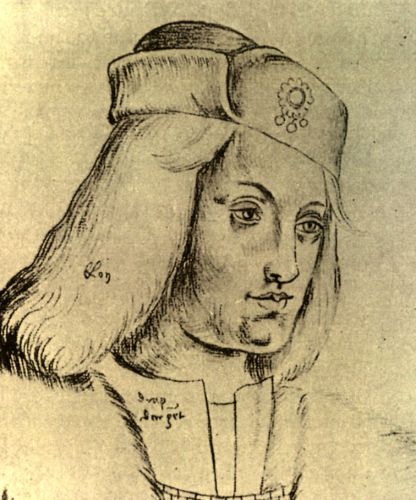
In the medieval and early Tudor worlds, the phenomenon of royal imposters reveals the extent to which political authority depended not solely on lineage but on recognition, narrative, and performance. The absence of modern systems of identification, combined with limited means of communication, created conditions in which identity could be contested and, in some cases, convincingly reinvented. Individuals who claimed to be displaced or deceased members of ruling dynasties were not simply engaging in deception for personal gain; they were entering into a political arena in which legitimacy itself was unstable and often negotiated. The success of such imposters depended less on incontrovertible proof and more on their ability to persuade others, particularly elites, that their claims were plausible within the existing framework of dynastic uncertainty.
The cases of Lambert Simnel and Perkin Warbeck illustrate how these dynamics operated in practice during the late fifteenth century. Simnel, presented as Edward Plantagenet, Earl of Warwick, and Warbeck, who claimed to be Richard of Shrewsbury, one of the so-called Princes in the Tower, both attracted significant support despite the fragility of their claims. Their credibility was not derived from verifiable evidence but from the willingness of influential backers to endorse them, often for their own political purposes. In Simnel’s case, his coronation in Ireland as “King Edward VI” demonstrates how ritual and ceremony could transform a contested identity into a publicly recognized reality, at least temporarily. Warbeck’s prolonged campaign, supported by foreign courts, further underscores the role of international politics in sustaining such claims, as rival powers found it advantageous to legitimize a challenger to the English throne.
These episodes highlight the performative nature of kingship in the medieval political imagination. Royal identity was not simply an intrinsic quality but a role that could be enacted through appearance, behavior, and adherence to expected forms of conduct. Imposters were often carefully coached to embody the mannerisms, speech, and bearing associated with royalty, reinforcing their claims through performance as much as through narrative. Public displays, including formal ceremonies, audiences, and proclamations, provided opportunities to enact legitimacy in ways that could persuade observers, particularly in contexts where direct knowledge of the true individual was limited. Identity functioned as a social construct, dependent on recognition and acceptance rather than purely on biological fact.
The phenomenon of royal imposters exposes the vulnerabilities inherent in medieval systems of authority. Dynastic conflict, succession crises, and the circulation of rumor created an environment in which alternative claims to legitimacy could gain traction. The very existence of imposters reflects the degree to which political order relied on fragile foundations, including trust in lineage, documentation, and collective memory. When these elements were called into question, even implausible claims could become viable under the right conditions. In many cases, supporters of imposters were less concerned with the absolute truth of the claim than with the political opportunities it presented, using the figure of the pretender as a focal point for opposition to existing regimes. This instrumentalization of identity highlights the extent to which legitimacy could be strategically constructed, with narratives of rightful rule shaped to serve contemporary interests. The responses of established authorities, including public denunciations, trials, and executions, reveal the perceived threat posed by such figures, as rulers sought not only to eliminate challengers but also to control the narratives that allowed those challengers to emerge in the first place.
Royal imposters demonstrate that identity in the medieval political sphere was not fixed but contingent, shaped by a complex interplay of belief, performance, and power. Their temporary successes, however fleeting, reveal the extent to which authority depended on the ability to command recognition and sustain a credible narrative. By examining these figures, it becomes clear that medieval notions of legitimacy were both deeply rooted and inherently unstable, capable of being challenged and reconfigured through acts of imitation that blurred the line between deception and political possibility.
Relic Fraud and Sacred Authority: Manufacturing the Divine

The medieval economy of belief granted extraordinary power to physical objects claimed to embody the sacred. Relics, whether bones of saints, fragments of the True Cross, or garments associated with holy figures, operated as conduits between the earthly and the divine. Their presence sanctified churches, attracted pilgrims, and generated immense economic and spiritual capital. In such a context, authenticity was less a matter of empirical verification than of communal acceptance and ecclesiastical endorsement. Yet this very system created fertile ground for deception, as the demand for relics far outpaced any plausible supply. Fraud, fabrication, and creative invention became embedded within the religious landscape, blurring the boundary between devotion and opportunism.
The proliferation of relics in medieval Europe reflects both the intensity of popular piety and the structural incentives that encouraged their multiplication. Pilgrimage routes, such as those leading to Santiago de Compostela or Canterbury, depended heavily on the attraction of relics to sustain steady flows of visitors, each bringing offerings, donations, and local economic stimulation. Monasteries and churches operated within a competitive devotional environment in which the possession of a relic could determine institutional survival or decline. This pressure led not only to the acquisition of relics through legitimate means such as translation, but also to their sudden “discovery” in locations that conveniently elevated a site’s importance. Often, these discoveries were accompanied by visionary accounts or miracle stories that reinforced their credibility, embedding the relic within a narrative framework that was difficult to challenge. Such narratives became self-reinforcing, as pilgrims reported miracles and healings associated with the relic, further legitimizing its status regardless of its origin.
Forgery did not always present itself as cynical deceit; rather, it often functioned within a theological framework that permitted or even justified the creation of relics under certain conditions. Medieval religious culture placed enormous emphasis on the power of belief and the capacity of divine grace to operate through material objects, even when their provenance was uncertain. Some theologians and clerics argued, implicitly or explicitly, that the efficacy of a relic depended less on its historical authenticity than on the devotion it inspired. This perspective allowed for a kind of moral flexibility in which the fabrication or embellishment of relics could be rationalized as serving a higher spiritual purpose. There were unmistakable instances of deliberate fraud, where individuals knowingly manufactured relics or falsely attributed them to saints to attract wealth, prestige, or influence. These cases reveal a spectrum of intent, ranging from pious creativity to calculated exploitation, all operating within a system that made such actions both possible and, at times, rewarding.
The issue of relic authenticity drew increasing scrutiny from both ecclesiastical authorities and skeptical observers, particularly as the sheer number of purported sacred objects became difficult to reconcile with historical plausibility. Critics noted, for example, the implausible abundance of relics associated with singular events or figures, such as multiple “true” fragments of the same object. Church officials occasionally intervened to regulate relic veneration, establishing procedures for authentication and discouraging the circulation of dubious items. Enforcement was inconsistent, and local practices often continued with little oversight. The tension between institutional control and popular devotion ensured that relic fraud remained a persistent feature of medieval religious life.
Beyond the question of authenticity, relics played a crucial role in shaping communal identity and reinforcing social hierarchies. Possession of a significant relic could transform a modest church into a major pilgrimage destination, redistributing wealth and influence within a region. This dynamic incentivized not only the acquisition but also the invention of relics, as communities sought to assert their place within the broader sacred geography of Christendom. Fraudulent relics were not merely acts of individual deception but elements within a larger system of competition and aspiration, reflecting the intertwined nature of faith, economy, and power.
Relic fraud reveals the complexities of medieval belief, where the boundaries between the authentic and the fabricated were negotiated through narrative, authority, and communal practice rather than empirical proof. The persistence of such practices underscores the extent to which sacred meaning could be constructed and maintained even in the absence of verifiable origins. The phenomenon of relic fraud was less an aberration than a reflection of the underlying structures of medieval religiosity, in which the desire for tangible connections to the divine often outweighed concerns about material authenticity.
Motivations: Land, Prestige, Authority, and Survival

At the heart of medieval practices of imitation, forgery, and impersonation lay a set of powerful and often overlapping motivations rooted in the structures of the society itself. Land, prestige, authority, and institutional survival were not abstract goals but concrete necessities in a world defined by hierarchy and scarcity. The production of forged documents, the imitation of artistic or textual forms, and the assumption of false identities must be understood not simply as acts of deception but as strategies deployed within a competitive environment. These actions reflected the pressures placed upon individuals and institutions to secure their place within systems of power that were both rigid and unstable.
Land was perhaps the most immediate and material motivation behind many acts of forgery, particularly in monastic contexts. Monasteries relied on charters and legal documents to establish and defend their claims to property, rights, and privileges, often against rival institutions or secular authorities. In an era when documentation was both scarce and authoritative, the creation or alteration of such records could decisively shape outcomes in disputes. Forged charters were not merely opportunistic fabrications; they were tools used to assert continuity with a constructed past, embedding present claims within a narrative of longstanding legitimacy. This practice reveals how deeply intertwined legal authority and historical memory were in the medieval world, where the past could be rewritten to secure the present.
Prestige operated alongside land as a critical driver of imitation and invention, particularly within cultural and intellectual spheres. Manuscripts, artworks, and scholarly texts carried not only informational value but also symbolic capital, marking their creators and possessors as participants in learned or sacred traditions. The act of copying could serve as a means of aligning oneself with authoritative figures or revered traditions, enhancing personal or institutional standing. In some cases, imitation blurred into appropriation, as individuals adopted styles, signatures, or identities associated with recognized masters. This process extended beyond mere aesthetic borrowing, shaping how knowledge itself was transmitted and validated within medieval culture. To imitate successfully was often to demonstrate mastery, signaling both competence and affiliation with a respected lineage of creators. Yet this same dynamic could obscure the boundaries between homage and appropriation, raising implicit tensions about originality in a world where authority was often derived from tradition rather than innovation.
Authority, both spiritual and political, provided another powerful incentive for acts of fabrication and impersonation. Claims to authority often depended on lineage, divine sanction, or institutional continuity, all of which could be reinforced or constructed through textual and material means. Royal imposters, for example, exploited uncertainties surrounding succession and identity to assert claims that might otherwise have been impossible. Similarly, forged ecclesiastical documents could bolster the authority of a monastery or bishopric by linking it to apostolic or royal origins. In these cases, the creation of false evidence was not merely deceptive but constitutive, actively producing the authority it claimed to represent.
Survival, in both an institutional and individual sense, underpinned many of these practices, particularly in periods of crisis or competition. Monasteries facing economic decline, political marginalization, or external threats often turned to forgery as a means of preserving their assets and autonomy. Individuals, too, might adopt false identities or engage in imitation to navigate systems that offered limited opportunities for advancement. These actions were responses to structural constraints, revealing how the boundaries between necessity and deception could become blurred in contexts where survival itself was at stake. In many cases, such strategies were not undertaken lightly but emerged from sustained pressures that left few viable alternatives. A struggling monastery, for instance, might justify the production of a forged charter as a means of safeguarding its community and religious mission, framing the act as protective rather than fraudulent. Likewise, individuals operating on the margins of power could view impersonation or imitation as the only available route to agency within a system that otherwise excluded them.
These motivations illustrate the complexity of medieval practices of copying and falsification, challenging modern assumptions about intent and morality. Rather than viewing such acts solely through the lens of fraud, it is more productive to understand them as embedded within the economic, social, and cultural realities of the time. The pursuit of land, prestige, authority, and survival shaped not only individual behavior but also broader institutional practices, creating a landscape in which the manipulation of texts, objects, and identities became both possible and, at times, necessary. These motivations provide a unifying framework for understanding the diverse phenomena explored here, revealing the underlying forces that drove the creation and circulation of the medieval “fake.”
Detection and Response: How Medieval Society Judged Authenticity

The question of authenticity in the medieval world was not ignored, even in a culture that tolerated or normalized certain forms of imitation and fabrication. Rather, mechanisms existed, both formal and informal, through which claims could be evaluated, challenged, and sometimes rejected. These mechanisms did not rely on modern standards of forensic evidence or documentary verification, but instead drew upon a combination of textual authority, institutional endorsement, communal memory, and practical judgment. Authenticity was not a fixed category but a negotiated outcome, shaped by context, credibility, and the interests of those involved.
Ecclesiastical institutions played a central role in the evaluation of authenticity, particularly in matters involving relics, charters, and doctrinal texts. Bishops, abbots, and, in some cases, papal authorities could be called upon to assess the legitimacy of disputed objects or documents. Procedures for authentication often included the examination of provenance, the consistency of a document’s language and form, and its alignment with known traditions or records. In the case of relics, inquiries might involve the collection of testimony regarding miracles or the circumstances of discovery. These investigations could take the form of formal visitations or synodal inquiries, in which clerical authorities gathered evidence and weighed competing claims within a structured, if imperfect, process. While these procedures could lend an appearance of rigor, they were also deeply influenced by political considerations, local alliances, and the authority of the institutions conducting them. Decisions about authenticity often reflected not only evidentiary concerns but also broader struggles for influence within the Church and between ecclesiastical and secular powers.
Textual analysis, though less formalized than in modern scholarship, nonetheless played a significant role in identifying forgeries and inconsistencies. Learned clerics and scribes, familiar with established styles of writing, legal formulas, and scriptural language, were often capable of detecting anomalies that suggested fabrication. Unusual phrasing, anachronistic terminology, or deviations from expected formats could raise suspicion and prompt further scrutiny. Such expertise contributed to a growing awareness of the possibility of forgery, particularly within educated circles. The effectiveness of these methods depended heavily on the knowledge and attentiveness of individuals, and many forged documents continued to circulate undetected or unchallenged.
Communal memory and reputation also functioned as important tools in the assessment of authenticity. In societies where oral tradition and local knowledge carried significant weight, claims could be evaluated against what communities collectively remembered or believed to be true. A relic or document that aligned with local traditions was more likely to be accepted, while one that contradicted established narratives might face skepticism. Reputation, both of individuals and institutions, further shaped these judgments. A monastery known for piety and integrity might be granted the benefit of the doubt, whereas one with a history of disputes or opportunistic behavior could find its claims more readily questioned. These social dynamics meant that authenticity was not determined in isolation but emerged from ongoing interactions within communities, where trust, familiarity, and shared belief systems played decisive roles. Communal validation could be as influential as formal investigation, reinforcing or undermining claims through collective acceptance or doubt.
Legal contexts provided another arena in which questions of authenticity were contested and adjudicated. Disputes over land, rights, and privileges often hinged on the validity of charters and other documentary evidence, bringing issues of forgery into formal proceedings. Courts, whether ecclesiastical or secular, could examine documents, hear testimony, and render judgments regarding their legitimacy. Yet these processes were not immune to manipulation, as powerful actors could influence outcomes or introduce competing claims supported by their own fabricated evidence. The legal system both exposed and reproduced the challenges of determining authenticity, reflecting the broader ambiguities of medieval evidentiary practices.
Medieval responses to forgery and imitation reveal a society that was neither wholly credulous nor consistently skeptical but rather engaged in an ongoing process of evaluation shaped by its own epistemological limits and social structures. Authenticity was not simply discovered; it was constructed through interactions between authority, expertise, and communal belief. The persistence of forgery despite these mechanisms underscores both their limitations and their adaptability, illustrating how medieval society navigated a world in which truth and fabrication were often difficult to disentangle. Even when falsehoods were exposed, they did not always lose their influence, as established traditions and institutional interests could sustain belief in contested objects or texts. This enduring ambiguity highlights the fundamentally interpretive nature of authenticity in the medieval period, where the line between genuine and fabricated was continually negotiated rather than definitively drawn.
Imitation vs. Deception: Cultural Boundaries
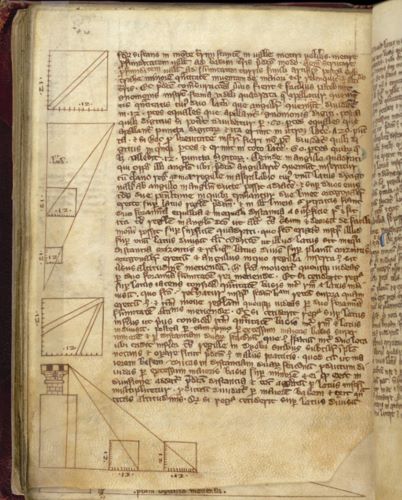
The distinction between imitation and deception in the medieval world was neither fixed nor universally agreed upon, but instead emerged from a complex interplay of intention, context, and reception. Copying was fundamental to medieval intellectual and artistic life, forming the basis of education, transmission, and preservation. Scribes reproduced texts, artists echoed established forms, and scholars built upon authoritative sources as a matter of course. Imitation was not inherently suspect; it was often a marker of skill and legitimacy. Indeed, the very survival of classical and religious texts depended upon a culture that valued faithful reproduction over originality in the modern sense. Yet the same practices could, under different circumstances, be interpreted as deceptive, particularly when imitation obscured origins or claimed authority improperly. What appears to modern observers as plagiarism often operated within a different conceptual system, one that prioritized continuity and fidelity over innovation.
At the core of this tension lay the question of intent, though medieval observers did not always define or assess it in the same way modern audiences might. An act of copying could be understood as homage, pedagogy, or preservation when it acknowledged its sources or operated within accepted conventions. When imitation crossed into the assertion of false authorship or fabricated authority, it risked being labeled as deceit. The boundaries between these categories were fluid, shaped by expectations within specific communities and genres. A scribe reproducing a theological text might not be expected to claim originality, whereas a forged charter asserting ancient privileges carried far more serious implications.
Cultural norms played a decisive role in shaping how imitation was perceived and judged. Medieval society placed a high value on tradition and continuity, often privileging the authority of the past over the novelty of the present. In such a context, aligning oneself with established figures or forms could enhance credibility rather than diminish it. Artistic and textual imitation frequently functioned as a means of situating one’s work within a recognized lineage. This was particularly evident in monastic and scholastic environments, where the authority of a text was closely tied to its perceived connection to earlier, trusted sources. This emphasis on tradition created opportunities for manipulation, as individuals could exploit familiar forms and authoritative styles to lend plausibility to fabricated works. The very conventions that facilitated transmission also enabled deception, making the distinction between the two inherently unstable and contingent upon context.
The role of audience reception further complicates the boundary between imitation and deception. A work’s status as legitimate or fraudulent often depended not solely on its creator’s intentions but on how it was received and interpreted by its audience. If a copied or adapted work was accepted as authentic or authoritative, it could effectively function as such, regardless of its origins. Conversely, skepticism or challenge could recast an otherwise accepted practice as deceptive. This dynamic underscores the social nature of authenticity, highlighting how communal validation or rejection played a central role in determining the meaning of imitation. The same object or text could be viewed differently across contexts, reflecting the variability of medieval judgments.
The distinction between imitation and deception reveals the flexibility of medieval cultural boundaries, where practices that might appear fraudulent by modern standards were often integrated into accepted systems of knowledge and authority. Rather than drawing a clear line between the two, medieval society operated within a spectrum, where imitation could shift into deception depending on circumstance and perception. This ambiguity was not simply a limitation but a defining feature of the period’s intellectual and cultural life, allowing for both the preservation of tradition and the creative negotiation of authority. Understanding this fluid boundary is essential for interpreting the practices explored here, as it illuminates the underlying assumptions that shaped medieval approaches to authenticity and originality.
Historiography: Interpreting Medieval Plagiarism
The following video discusses medieval illuminated manuscripts:
Modern interpretations of medieval plagiarism, forgery, and imitation have undergone significant transformation over the past century, reflecting broader shifts in historical methodology and intellectual priorities. Earlier scholarship often approached these practices through a moralizing lens, framing them as evidence of deception, corruption, or intellectual inferiority when compared to modern standards of authorship and originality. Such interpretations tended to impose contemporary legal and ethical frameworks onto medieval contexts, producing judgments that obscured the distinct cultural logic of the period. More recent historiography has sought to situate these practices within their own historical environment, emphasizing the structural, institutional, and epistemological conditions that shaped them.
One of the most influential developments in this historiographical shift has been the recognition that medieval concepts of authorship differed fundamentally from modern ones. Scholars have demonstrated that medieval intellectual culture was deeply rooted in memory, transmission, and the authority of tradition, rather than in individual originality. Texts were often understood as part of a continuum of knowledge, in which copying and adaptation were not only accepted but expected. What modern readers might label as plagiarism could function as a legitimate and even necessary practice, enabling the preservation and dissemination of authoritative material. This perspective has encouraged historians to reconsider the assumptions underlying earlier critiques of medieval intellectual life, moving away from judgments based on modern legal definitions of intellectual property. It also highlights how medieval education itself was structured around imitation, with students trained to absorb, reproduce, and reinterpret authoritative texts as a demonstration of mastery rather than innovation.
Historians have increasingly emphasized the role of forgery and fabrication as active forces in the construction of medieval institutions and identities. Studies on relic theft and monastic practices, for example, highlight how acts of appropriation and invention were embedded within broader systems of competition and legitimacy. Rather than viewing forgeries as aberrations, scholars have begun to interpret them as tools through which individuals and communities negotiated power, authority, and memory. This approach aligns with a wider historiographical trend that focuses on the performative and constructed nature of social and political realities, recognizing that documents, objects, and narratives could actively shape the worlds they purported to describe.
Debates within the historiography have also addressed the extent to which medieval actors were aware of, or concerned by, issues of authenticity and deception. While some scholars emphasize the flexibility of medieval attitudes toward copying and imitation, others point to evidence of skepticism, critique, and regulatory efforts aimed at curbing fraudulent practices. Analysis of forgery in Western scholarship underscores the continuity of concerns about authenticity across periods, suggesting that medieval and early modern observers were more attuned to the problem than is sometimes assumed. These debates reveal a more complex intellectual landscape in which awareness of forgery coexisted with practices that enabled it, creating a tension between acceptance and critique. Rather than a binary distinction between credulity and skepticism, the historiography now points to a spectrum of responses, shaped by context, education, and institutional interest, in which different actors could simultaneously tolerate, exploit, and challenge acts of imitation and deception.
The historiography of medieval plagiarism reflects a broader effort to move beyond anachronistic judgments and toward a more nuanced understanding of past intellectual practices. By examining imitation and forgery within their historical contexts, scholars have illuminated the ways in which these practices were intertwined with systems of knowledge, authority, and belief. This shift has not only enriched our understanding of the medieval world but also challenged modern assumptions about the nature of authorship and authenticity. It invites a reconsideration of the boundaries between creativity and duplication, suggesting that these categories are themselves historically contingent rather than universally fixed.
Conclusion: Ownership Before Copyright
The medieval world operated within a fundamentally different conceptual framework of ownership, one in which ideas, texts, and identities were not bounded by the legal and moral structures that define modern intellectual property. What we now describe as plagiarism, forgery, or impersonation existed within a cultural system that prioritized continuity, authority, and function over originality and individual ownership. Copying was not merely tolerated but essential, enabling the preservation and transmission of knowledge across generations. The manipulation of texts, objects, and identities allowed individuals and institutions to navigate systems of power that demanded legitimacy but often lacked stable mechanisms for establishing it.
The practices of monastic forgery, manuscript copying, artistic imitation, royal impersonation, and relic fabrication have revealed a society in which authenticity was negotiated rather than fixed. Authority could be constructed through narrative, reinforced through tradition, and accepted through communal belief, even when its material foundations were uncertain or fabricated. These practices were not isolated anomalies but integral components of medieval social, political, and religious life, reflecting the pressures and incentives that shaped behavior across different contexts. The medieval “plagiarist” was not simply a deceiver but a participant in a broader system that blurred the boundaries between preservation, adaptation, and invention.
The absence of formal copyright structures did not mean the absence of concern for authenticity or legitimacy; rather, it meant that these concerns were addressed through different mechanisms, including institutional authority, textual familiarity, and communal validation. Medieval society developed its own methods of evaluating claims, even if those methods differed significantly from modern standards. The persistence of forgery and imitation alongside efforts to detect and regulate them underscores the dynamic tension between acceptance and skepticism, revealing a culture that was both creative and cautious in its engagement with questions of truth and authority.
Understanding medieval practices of imitation and deception challenges modern assumptions about intellectual ownership and originality, inviting a reconsideration of the historical contingency of these concepts. The medieval experience demonstrates that the boundaries between copying and creation, authenticity and fabrication, are not universal but shaped by specific cultural and institutional contexts. In recognizing this, we gain not only a deeper appreciation of the medieval world but also a more critical perspective on our own, where debates over intellectual property, authorship, and authenticity continue to evolve. The medieval past, far from being alien or irrelevant, offers a lens through which to examine the enduring complexities of ownership in a world still grappling with its meaning.
Bibliography
- Alexander, Jonathan J. G. Medieval Illuminators and Their Methods of Work. New Haven: Yale University Press, 1992.
- Alvarez, Lourdes María. “Beastly Colloquies: Of Plagiarism and Pluralism in Two Medieval Disputations between Animals and Men.” Comparative Literature Studies 39:3 (2002), 179-200.
- Angenendt, Arnold. Heilige und Reliquien: Die Geschichte ihres Kultes vom frühen Christentum bis zur Gegenwart. Munich: C.H. Beck, 1994.
- Arthurson, Ian. The Perkin Warbeck Conspiracy 1491–1499. Stroud: Sutton Publishing, 1994.
- Bambach, Carmen C. Leonardo da Vinci Rediscovered. New Haven: Yale University Press, 2019.
- Bedos-Rezak, Brigitte Miriam. When Ego Was Imago: Signs of Identity in the Middle Ages. Leiden: Brill, 2011.
- Bloch, Marc. Feudal Society. Translated by L. A. Manyon. Chicago: University of Chicago Press, 1961.
- Brown, Peter. The Cult of the Saints: Its Rise and Function in Latin Christianity. Chicago: University of Chicago Press, 1981.
- Bynum, Caroline Walker. Christian Materiality: An Essay on Religion in Late Medieval Europe. New York: Zone Books, 2011.
- Calvin, John. A Treatise on Relics. Translated by Valerian Krasinski. Edinburgh: Johnstone and Hunter, 1844.
- Camille, Michael. Image on the Edge: The Margins of Medieval Art. Cambridge, MA: Harvard University Press, 1992.
- Carpenter, Christine. The Wars of the Roses: Politics and the Constitution in England, c.1437–1509. Cambridge: Cambridge University Press, 1997.
- Carruthers, Mary. The Book of Memory: A Study of Memory in Medieval Culture. 2nd ed. Cambridge: Cambridge University Press, 2008.
- Clanchy, M. T. From Memory to Written Record: England 1066–1307. 3rd ed. Oxford: Wiley-Blackwell, 2012.
- Cole, Bruce. Italian Art, 1250–1550: The Relation of Renaissance Art to Life and Society. New York: Harper & Row, 1987.
- Constable, Giles. “Forgery and Plagiarism in the Middle Ages.” Archiv für Diplomatik 29 (1983): 1–41.
- Eisenstein, Elizabeth L. The Printing Press as an Agent of Change: Communications and Cultural Transformations in Early-Modern Europe. Cambridge: Cambridge University Press, 1979.
- Geary, Patrick J. Forgery and Memory at the End of the First Millennium. Princeton: Princeton University Press, 1994.
- —-. Furta Sacra: Thefts of Relics in the Central Middle Ages. Princeton: Princeton University Press, 1978.
- Ginzburg, Carlo. The Cheese and the Worms: The Cosmos of a Sixteenth-Century Miller. Baltimore: Johns Hopkins University Press, 1976.
- Grafton, Anthony. Forgers and Critics: Creativity and Duplicity in Western Scholarship. Princeton: Princeton University Press, 1990.
- Kantorowicz, Ernst H. The King’s Two Bodies: A Study in Mediaeval Political Theology. Princeton: Princeton University Press, 1957.
- Kemp, Martin. Leonardo da Vinci: The Marvellous Works of Nature and Man. Oxford: Oxford University Press, 1981.
- Parkes, M. B. Their Hands before Our Eyes: A Closer Look at Scribes. Aldershot: Ashgate, 2008.
- Wroe, Ann. Perkin: A Story of Deception. London: Jonathan Cape, 2003.
Originally published by Brewminate, 04.08.2026, under the terms of a Creative Commons Attribution-NonCommercial-NoDerivatives 4.0 International license.
About the Author