
By Dr. David J. Wasserstein
Professor of History and Jewish Studies
Vanderbilt University
Be careful of the company you keep.
In a threat delivered over Twitter on Jan. 4, U.S. President Donald Trump said that he is prepared to “HIT VERY FAST AND VERY HARD” culturally important targets in Iran should the country retaliate for the American killing of its top general.
As a historian who has written about the medieval Islamic roots of the Islamic State group, I can tell you that by threatening Iran’s cultural heritage, Trump puts himself in the company of some repugnant characters.
Wonders lost
History’s club of barbarians includes Romanian dictator Nicolae Ceauşescu, who planned the destruction of hundreds of his country’s picturesque villages and churches before he was deposed and executed in 1989.
Just days after the outbreak of war in 1914, German soldiers burned down the centuries-old Leuven library in neutral Belgium, along with its unique collection of books and manuscripts. The Belgians, with American help, rebuilt the library – only for it to be burned down for a second time 26 years later by the Nazis.
Nazi leader Adolf Hitler wanted to demolish the landmarks of Paris as World War II neared an end – a fate that was only avoided because his soldiers refused to carry out the orders.
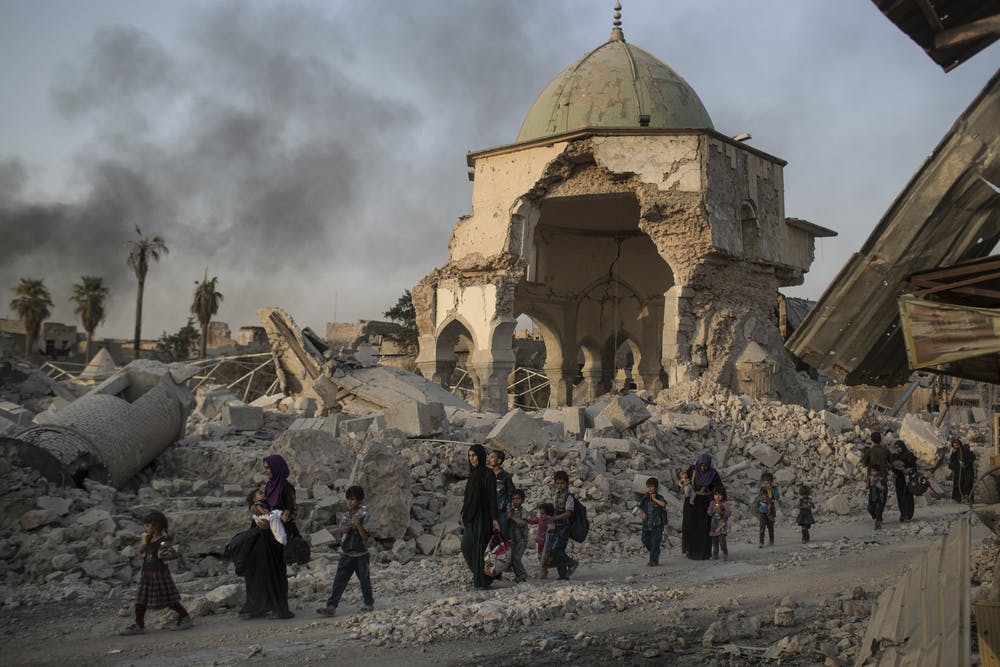
More recently, the Taliban blew up Afghanistan’s famed Bamiyan Buddhas and the Islamic State group destroyed the ancient cities of Hatra and Palmyra, along with much of Mosul, including the 900-year-old Nuri mosque.
None of those sites were targeted for military reasons. All of the attacks were wanton, aimed at destruction of the cultural and artistic heritage of humanity.
A rich history
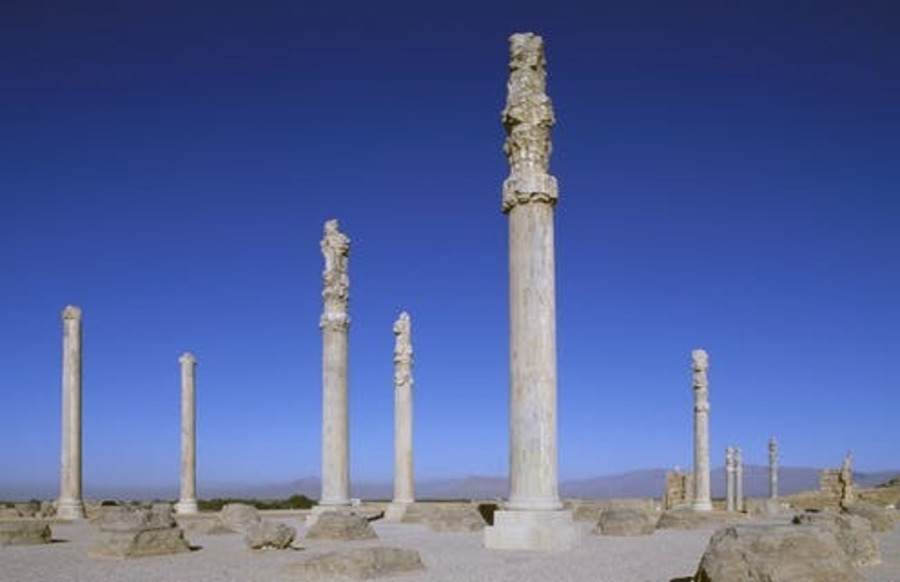
Iran is home to more than 20 World Heritage sites as designated by the UN cultural body UNESCO, including the ruins of Persepolis that date back to the sixth century B.C.
Trump did not specify what locations he was targeting, other than to say in a tweet that 52 Iranian sites had been identified including “some at a very high level & important to Iran & the Iranian culture.”
He has since doubled down on the threat, telling reporters: “They’re allowed to kill our people. They’re allowed to torture and maim our people. They’re allowed to use roadside bombs and blow up our people. And we’re not allowed to touch their cultural sites? It doesn’t work that way.”
UNESCO responded by reminding the U.S. that it is bound by two conventions, one of which stipulates that signatories must not embark on “deliberate measures which might damage directly or indirectly the cultural and natural heritage” of another party. The U.K., a traditional Washington ally, likewise distanced itself from Trump’s comments by pointing toward international conventions. On Jan. 6, Trump’s Defense Secretary Mark Esper issued a statement at odds with the president, saying the U.S. would “follow the laws of armed conflict.” Pressed on whether that meant no attacks on cultural sites, Esper reiterated: “That’s the laws of armed conflict.”
Iranian Foreign Minister Javad Zarif suggested that such bombing would amount to a war crime.
After the Iranian Revolution of 1979, some feared that the new regime would be hostile to the study of the country’s pre-Islamic, even pre-revolutionary, past. Such concerns were not necessary. Iranian scholarship continued under the new regime and thrives to this day.
Two years ago, when Notre Dame burned, Zarif tweeted: “Saddened that Notre Dame – that iconic monument dedicated to the worship of our one God & that brought all of us closer through Hugo’s literary masterpiece – is partially destroyed after standing through wars & revolution for 800 yrs.”
Two thousand years ago, the great Roman historian Tacitus put the following words in the mouth of a heroic leader of British resistance to the might of imperial Rome: “They make a desert and they call it peace.”
The world has come to expect barbarism from Trump’s tweets, but barbarism in action is another thing. Ugly speech is hurtful, but at least it leaves the monuments of the past untouched.
Originally published by The Conversation, 01.06.2020, under the terms of a Creative Commons Attribution/No derivatives license.