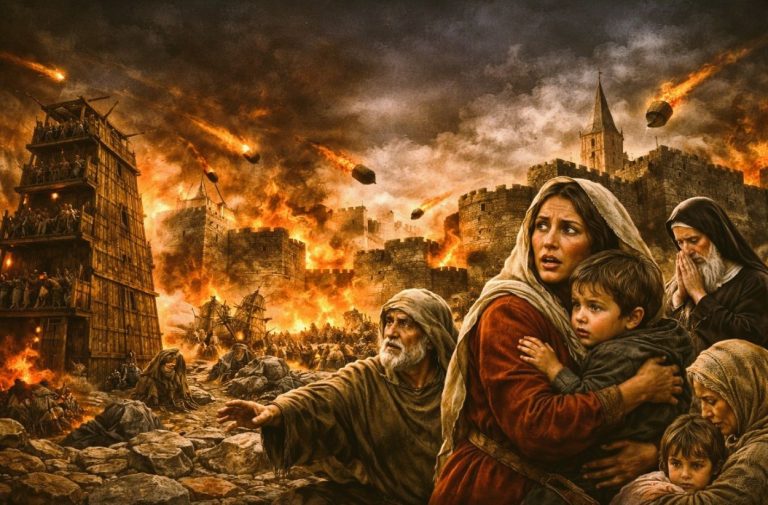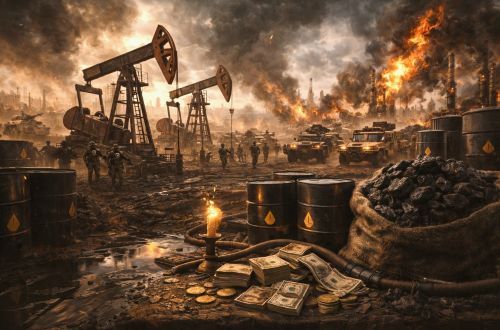
Modern wars repeatedly trigger sharp energy price shocks as supply disruptions, sanctions, and shipping threats collide with fragile global oil and natural gas markets.

By Matthew A. McIntosh
Public Historian
Brewminate
Introduction: War and the Fragility of Global Energy Markets
Modern industrial civilization rests upon energy systems that are both vast in scale and highly vulnerable to geopolitical disruption. Since the twentieth century, oil and natural gas have become the foundational fuels of transportation, military logistics, industrial production, and electrical generation. Unlike earlier organic energy regimes centered on wood, charcoal, or animal power, fossil fuel economies depend on geographically concentrated resources that must be extracted, transported, refined, and distributed through complex international networks. Oil fields, pipelines, tanker routes, and refining facilities form an interconnected global infrastructure whose stability depends heavily on political order. When warfare erupts in regions tied to these systems, the effects ripple rapidly across global markets, often producing sudden price shocks that extend far beyond the battlefield.
Energy markets are particularly sensitive to conflict because supply chains are long, capital-intensive, and geographically constrained. A relatively small number of regions account for a disproportionate share of global oil production, most notably the Persian Gulf. Likewise, critical maritime chokepoints such as the Strait of Hormuz, the Suez Canal, and the Bab el-Mandeb serve as narrow corridors through which enormous volumes of global energy trade must pass. Even limited military actions in these areas can disrupt shipping, threaten infrastructure, or generate fears of supply interruption. Financial markets respond to such risks immediately. Energy prices often rise not only in response to actual production losses but also in anticipation of potential disruption, reflecting the uncertainty created by war.
The twentieth and early twenty-first centuries provide numerous examples of this pattern. The 1973 Arab oil embargo demonstrated how geopolitical conflict could transform energy supplies into strategic weapons capable of destabilizing global economies. Subsequent crises, including the Iranian Revolution of 1979, the Iran–Iraq War, Iraq’s invasion of Kuwait in 1990, and the disruptions associated with the Arab Spring in 2011, repeatedly revealed the sensitivity of oil markets to political instability in producing regions. In the present decade, the Russia–Ukraine war has further illustrated how energy can function simultaneously as a strategic resource and a tool of geopolitical leverage, particularly through the manipulation of natural gas exports and sanctions targeting petroleum production and transport.
These episodes reveal a consistent historical dynamic: warfare amplifies the inherent fragility of modern energy markets. Production facilities may be damaged, shipping routes threatened, and trade networks disrupted, but equally important is the psychological dimension of markets reacting to uncertainty. Investors, governments, and energy companies all attempt to anticipate potential shortages, often driving prices upward even before supply is physically interrupted. The result is a recurring pattern in which war acts as a catalyst for energy price shocks, exposing the structural vulnerabilities of a global system built upon concentrated resources and politically sensitive supply chains.
Oil as a Weapon: The Yom Kippur War and the 1973 Energy Crisis
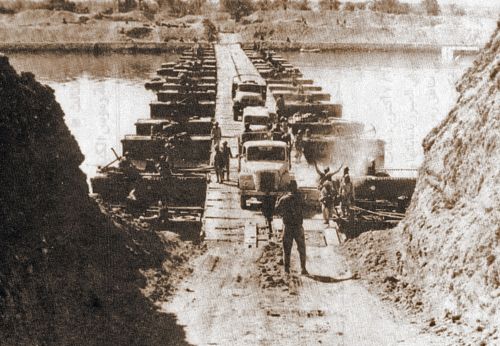
The 1973 energy crisis emerged from the geopolitical upheaval surrounding the Yom Kippur War, a conflict that began in October 1973 when Egypt and Syria launched coordinated attacks against Israel in an attempt to reclaim territory lost during the Six-Day War of 1967. The military confrontation rapidly expanded beyond the battlefield as global powers became diplomatically and materially involved. The United States provided substantial support to Israel, while several Arab states sought ways to leverage their strategic resources to influence the outcome of the conflict. Petroleum became not merely an economic commodity but a geopolitical instrument capable of shaping international political behavior.
Arab members of the Organization of the Petroleum Exporting Countries (OPEC), particularly those organized within the Organization of Arab Petroleum Exporting Countries (OAPEC), responded to Western support for Israel by imposing an oil embargo against the United States and several European allies. Production cuts accompanied the embargo, reducing the overall volume of oil entering global markets. Because industrial economies had grown deeply dependent on Middle Eastern oil supplies by the early 1970s, the sudden restriction of exports created an immediate shock to global energy systems. The coordinated reduction in supply dramatically altered the balance between production and consumption across international markets.
The consequences were swift and profound. Within months, global oil prices increased roughly fourfold, marking one of the most dramatic commodity price shocks in modern economic history. Governments across the industrialized world struggled to respond to rapidly escalating fuel costs. Long lines formed at gasoline stations in the United States, and many countries introduced emergency measures such as fuel rationing, reduced highway speed limits, and restrictions on gasoline purchases. The crisis also accelerated inflation in many Western economies, contributing to the broader economic turbulence of the 1970s.
Beyond the immediate economic disruption, the embargo revealed the extraordinary geopolitical leverage possessed by oil-producing states. For the first time, energy exporters demonstrated their ability to use resource control as a strategic weapon within international politics. The embargo transformed perceptions of global power by illustrating that industrial economies were vulnerable to coordinated action by resource-producing nations. Energy security rapidly became a central concern of national policy, prompting governments to reassess their dependence on imported petroleum.
In response to the crisis, Western governments pursued a range of long-term policy changes designed to reduce vulnerability to future supply disruptions. Strategic petroleum reserves were created to cushion against sudden shortages, most notably the United States Strategic Petroleum Reserve established later in the decade. Energy conservation policies were promoted to reduce overall demand, including improved fuel efficiency standards, public campaigns encouraging reduced consumption, and the restructuring of transportation policy in several industrial countries. Governments also began investing heavily in research aimed at diversifying national energy portfolios. Nuclear energy programs expanded rapidly in Europe and Japan, while new exploration efforts sought to increase oil production outside the Middle East in regions such as the North Sea, Alaska, and the Gulf of Mexico. These measures reflected a broader recognition that dependence on a narrow set of politically sensitive oil suppliers represented a structural vulnerability within the global economy. The crisis reshaped both domestic energy policy and international cooperation, ultimately contributing to the creation of the International Energy Agency in 1974, an institution designed to coordinate energy security policies among industrialized nations and provide mechanisms for collective responses to future supply disruptions.
The 1973 crisis marked a turning point in the history of global energy markets. It demonstrated that warfare in strategically important regions could produce far-reaching economic consequences by disrupting access to critical resources. The episode also revealed that the effects of conflict extended beyond physical damage to infrastructure; political decisions regarding production and exports could reshape markets just as dramatically as battlefield destruction. The oil embargo transformed petroleum from a simple commodity into a powerful geopolitical instrument, establishing a pattern in which energy and warfare became tightly intertwined within the modern global economy.
Revolution and Regional War: The Iranian Oil Shock of 1979–1988
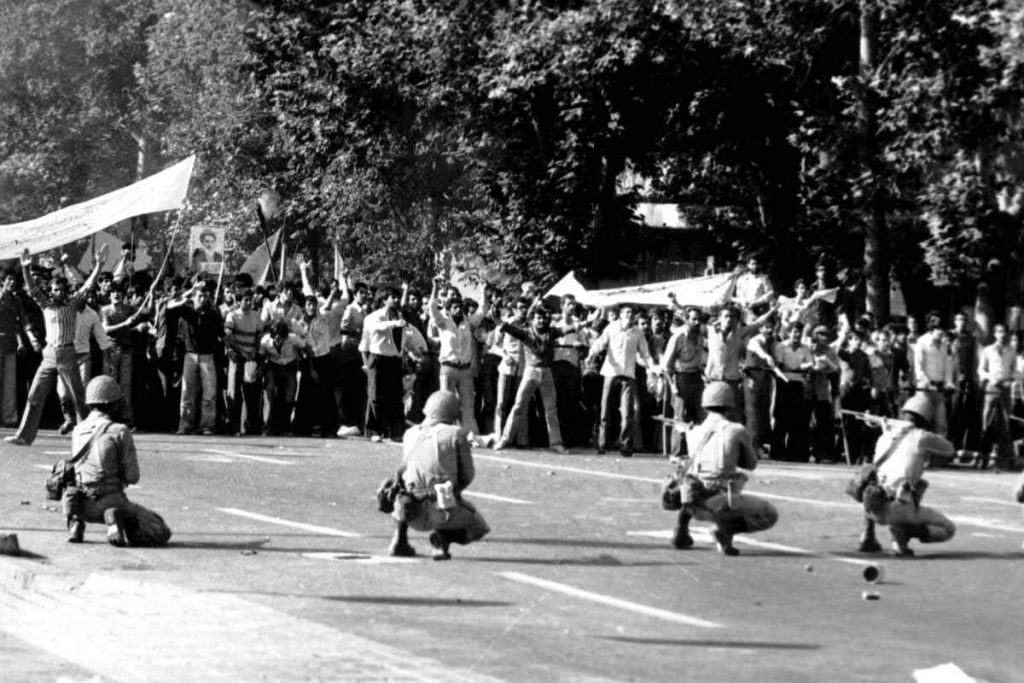
The second great oil shock of the twentieth century emerged from the political upheaval that accompanied the Iranian Revolution of 1979. Iran had been one of the world’s largest oil exporters during the 1970s, supplying a substantial portion of global petroleum markets. The collapse of the monarchy of Mohammad Reza Shah Pahlavi and the establishment of the Islamic Republic under Ayatollah Ruhollah Khomeini disrupted this production network almost immediately. Strikes within the oil industry, political purges of technical personnel, and the broader instability of revolutionary transformation sharply reduced Iranian output. Because global oil markets had not yet fully recovered from the structural vulnerabilities exposed in 1973, even a temporary decline in production produced immediate price volatility.
The disruption of Iranian exports removed millions of barrels of oil per day from global supply at a time when industrial economies remained heavily dependent on imported petroleum. Markets reacted rapidly as buyers competed for limited available supplies, and the resulting scramble for replacement oil intensified volatility across international exchanges. Oil prices roughly doubled between 1979 and 1980, triggering a second wave of inflation across many industrialized economies and contributing to the broader phenomenon of stagflation that already troubled Western economies during the late 1970s. Governments that had only recently begun adapting to the aftermath of the 1973 crisis now faced renewed economic turbulence as energy costs surged. Industries reliant on petroleum, including transportation, manufacturing, and electricity generation in oil-dependent regions, experienced immediate cost increases that filtered throughout national economies. Policymakers were forced to confront once again the fragility of global energy systems, as the Iranian upheaval underscored the degree to which political events within a single major producing state could destabilize worldwide supply networks.
The crisis deepened dramatically when Iraq invaded Iran in September 1980, initiating one of the longest and most destructive interstate wars of the twentieth century. The Iran–Iraq War quickly transformed into a struggle that directly threatened the infrastructure of global oil production. Both countries possessed major petroleum reserves and export facilities located near the Persian Gulf. As the conflict intensified, oil refineries, pipelines, and loading terminals became strategic targets. Attacks on these installations periodically reduced output and reinforced the uncertainty already present in global markets.
During the mid-1980s the war expanded into what became known as the “Tanker War,” a phase of the conflict in which both sides attempted to disrupt the maritime export routes of the opposing economy. Oil tankers traveling through the Persian Gulf were attacked with missiles, aircraft, and naval mines, turning one of the world’s busiest commercial shipping corridors into an active war zone. These actions threatened the security of shipping through the Strait of Hormuz, a narrow maritime passage through which a large share of the world’s oil exports passed. Insurance costs for tanker voyages rose dramatically as shipping companies attempted to compensate for the heightened risk of attack, and freight rates increased accordingly. The danger to maritime traffic eventually prompted the intervention of international naval forces, particularly from the United States and its allies, which organized escort operations to protect commercial vessels. These measures were intended to stabilize the flow of petroleum from the Persian Gulf, yet they also illustrated how regional warfare could draw outside powers into direct involvement when global energy supplies were threatened.
Despite these disruptions, global oil markets gradually adapted to the instability. Increased production from other regions, including the North Sea, Mexico, and Alaska, partially offset the loss of Iranian and Iraqi output. Energy conservation policies adopted after the 1973 crisis began to reduce overall oil consumption in industrialized economies. These structural adjustments softened the long-term impact of the conflict on global supply, although the early years of the crisis had already reshaped expectations regarding the vulnerability of energy markets to geopolitical shocks.
The Iranian oil shock illustrated a different mechanism through which warfare could destabilize global energy systems. Whereas the 1973 crisis had been driven primarily by coordinated political decisions to restrict exports, the turmoil beginning in 1979 combined revolutionary political collapse with prolonged interstate war in one of the world’s most important producing regions. The result was a decade of persistent uncertainty surrounding Persian Gulf oil production. This episode reinforced the emerging understanding that modern energy markets were deeply entangled with geopolitical stability, and that political transformation within major producing states could reverberate through the global economy for years.
The Gulf War and Market Panic: Iraq’s Invasion of Kuwait
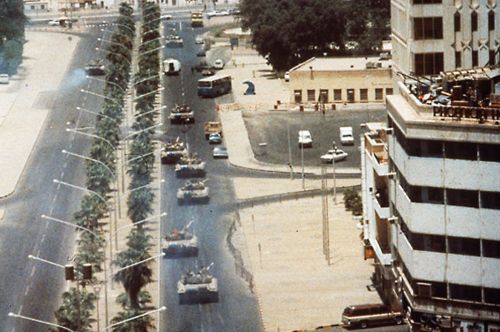
The next major energy shock linked to warfare emerged in 1990 when Iraq, under the leadership of President Saddam Hussein, invaded neighboring Kuwait. The invasion was driven by a complex mixture of geopolitical rivalry, economic pressures, and disputes over oil production and debt following the costly Iran–Iraq War of the 1980s. Kuwait possessed some of the world’s largest proven oil reserves, and its occupation immediately raised concerns that Iraq would gain control of a substantial portion of global petroleum supply. At the time, both Iraq and Kuwait were major oil exporters, meaning that the conflict directly threatened a large share of global production. Within days of the invasion, energy markets reacted with intense volatility as traders attempted to anticipate the consequences of a potential disruption across the Persian Gulf.
The immediate concern for global markets was the sudden removal of Iraqi and Kuwaiti oil exports from international supply. Sanctions imposed by the United Nations halted Iraqi petroleum sales, while the invasion itself shut down Kuwaiti production. Together these losses removed several million barrels of oil per day from global markets. Oil prices surged rapidly as traders anticipated a prolonged disruption in supply, with benchmark crude prices more than doubling in a matter of weeks. The spike reflected not only the physical loss of oil exports but also fears that the conflict might expand to other Gulf producers such as Saudi Arabia, whose oil fields represented a critical foundation of global energy supply.
Beyond the immediate loss of production, the invasion generated deep uncertainty regarding the security of the entire Persian Gulf region. Iraq’s occupation of Kuwait placed its military forces near the borders of Saudi Arabia, raising fears that the conflict might spread to the world’s largest oil exporter. The possibility that Iraqi forces could threaten Saudi oil infrastructure, including the massive fields of the Eastern Province such as Ghawar, Abqaiq, and other key facilities, intensified anxiety in global markets. These installations represented not merely regional assets but critical pillars of the global petroleum supply system, and any threat to their operation carried the potential to produce a severe international energy shortage. Governments and energy companies recognized that a wider regional war could remove an even larger share of petroleum supply from the global economy, potentially destabilizing energy markets for years. The perception that Iraq might attempt to extend its control over additional Gulf territories further amplified market fears, reinforcing the idea that the conflict could escalate into a broader struggle over control of the world’s most important oil-producing region.
The international response to the invasion also shaped energy market dynamics. A broad coalition led by the United States assembled to expel Iraqi forces from Kuwait, deploying large military formations to Saudi Arabia in what became known as Operation Desert Shield. This buildup was designed both to deter further Iraqi expansion and to prepare for the eventual liberation of Kuwait. The deployment of coalition forces reassured some market observers that the security of Saudi oil fields could be protected, yet it also underscored the central role of military power in maintaining the stability of global energy supplies. The Persian Gulf had become not merely an economic region but a strategic zone whose security was increasingly tied to international military commitments.
When coalition forces launched Operation Desert Storm in January 1991, the rapid military campaign quickly expelled Iraqi forces from Kuwait and restored control of the country’s oil infrastructure. Although Iraqi troops set fire to hundreds of Kuwaiti oil wells during their retreat, producing one of the largest environmental disasters associated with modern warfare, the conflict ended far more quickly than many observers had feared. The fires themselves temporarily disrupted production and released enormous quantities of smoke and pollutants into the atmosphere, yet international firefighting teams eventually managed to extinguish the burning wells and restore Kuwait’s oil output. As the threat to Persian Gulf oil supplies diminished and the scale of long-term damage became clearer, global energy markets gradually stabilized. Oil prices, which had spiked dramatically during the early months of the crisis, began to decline as confidence returned to the international energy system and supply expectations improved.
The Gulf War revealed another dimension of wartime energy volatility: the powerful role of anticipation and market psychology. Prices surged not only because of actual production losses but also because traders feared the possibility of a much larger regional crisis that could cripple global oil supplies. The conflict highlighted how energy markets respond to perceived risk as much as to physical disruption. Even limited wars in key producing regions can trigger dramatic price movements when markets attempt to anticipate the potential consequences for global supply networks.
The Arab Spring and the Libyan Supply Shock in 2011
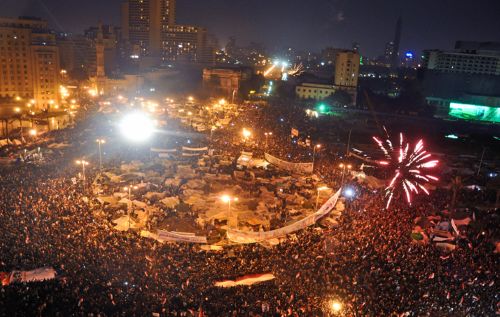
The next major energy disruption connected to warfare occurred during the wave of political upheavals known collectively as the Arab Spring. Beginning in late 2010 and spreading rapidly across North Africa and the Middle East, these uprisings challenged long-standing political regimes and generated widespread instability in several energy-producing regions. Among the countries most directly affected was Libya, a significant oil exporter whose petroleum sector had become deeply integrated into global markets. When protests against the government of Muammar Gaddafi escalated into civil war in early 2011, Libya’s oil production and export infrastructure quickly became entangled in the conflict.
Prior to the uprising, Libya produced roughly 1.6 million barrels of oil per day, most of which was exported to European markets, particularly to Italy, France, Germany, and Spain. The country’s crude oil was particularly valued for its high quality and relatively low sulfur content, characteristics that made it especially suitable for refining into gasoline and other petroleum products with relatively lower processing costs. Much of Libya’s production came from fields located in the Sirte Basin, connected by pipelines to major export terminals along the Mediterranean coast such as Ras Lanuf, Es Sider, and Zawiya. When the uprising intensified and armed conflict spread across the country, these production and transportation systems rapidly deteriorated. Oil companies evacuated personnel, infrastructure maintenance ceased, and pipelines and terminals fell under the control of competing armed groups. Within months Libyan oil output collapsed to a fraction of its previous levels, removing a substantial and highly valued stream of crude oil from international markets.
The loss of Libyan exports coincided with broader regional uncertainty generated by the Arab Spring. Political unrest affected several other energy-producing states, including Egypt, Bahrain, and Yemen, while observers worried about potential instability in larger producers such as Saudi Arabia and Algeria. Although most of these countries did not experience the same level of supply disruption as Libya, the cumulative effect of regional turmoil heightened market anxiety. Traders increasingly factored geopolitical risk into oil prices, anticipating the possibility that political unrest might spread to other producing regions.
International intervention further complicated the situation. In March 2011 a coalition of NATO countries launched military operations in Libya under a United Nations mandate intended to protect civilian populations following escalating violence between government forces and rebel groups. The campaign included airstrikes against Libyan military installations, armored units, and command structures, weakening the regime’s ability to suppress the rebellion. The intervention contributed to the collapse of the Gaddafi government and the eventual capture and death of the Libyan leader in October 2011. However, the removal of the central regime did not immediately stabilize the country. Instead, Libya fragmented into a landscape of rival militias, competing political authorities, and shifting alliances that struggled to control oil facilities. Production sites, pipelines, and export terminals frequently became bargaining chips in local power struggles, producing repeated interruptions in oil output even after the main phase of the civil war had ended.
Energy markets responded to these developments with significant price volatility. Brent crude prices rose sharply during the early months of the Libyan conflict, reflecting both the physical loss of supply and the broader uncertainty surrounding the Arab Spring. Because Libyan oil was an important source of light sweet crude for European refiners, the sudden disappearance of these exports forced buyers to seek replacement supplies from other producers. This shift increased competition for similar grades of oil, pushing prices upward across multiple markets. Although other producers, particularly Saudi Arabia, increased production in an effort to offset the disruption, the adjustment process took time and could not immediately replace the specialized crude that Libya had supplied. As a result, global markets remained highly sensitive to political developments throughout North Africa and the Middle East during 2011.
The Libyan supply shock of 2011 illustrated another pattern linking warfare and energy markets. Unlike earlier crises centered on interstate conflict or coordinated embargoes, the disruption emerged from internal political collapse and civil war. Yet the economic consequences proved similar. The removal of production from a key exporting state, combined with fears of wider regional instability, produced rapid price increases and renewed concerns about the vulnerability of global energy systems. The episode reinforced the lesson that modern energy markets remain deeply exposed to political instability within producing regions, particularly when conflicts arise in areas already central to global oil supply.
Sanctions and Energy Weaponization: Russia and the Ukraine War since 2022
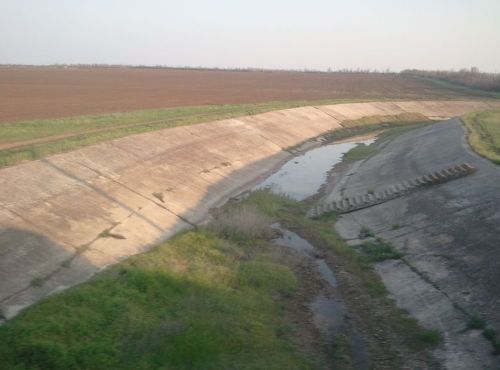
The Russian invasion of Ukraine in February 2022 produced one of the most significant energy disruptions of the early twenty-first century. Unlike earlier crises centered primarily on oil production, the conflict exposed the strategic importance of natural gas pipelines and energy trade networks linking Russia and Europe. For decades prior to the invasion, many European countries had relied heavily on Russian natural gas delivered through an extensive pipeline system stretching across Eastern Europe. This dependence created a complex economic relationship in which Russian energy exports supplied European industry and households while providing the Russian state with substantial revenue. When the invasion triggered sweeping Western sanctions, the energy trade that had long bound these economies together became a central arena of geopolitical confrontation.
Sanctions imposed by the United States, the European Union, and other allied states targeted Russian financial institutions, technology exports, and segments of the energy sector. Although many European governments initially hesitated to impose full restrictions on Russian natural gas imports due to their reliance on those supplies, the broader sanctions regime nonetheless disrupted energy markets. Russia responded by progressively reducing natural gas flows through major pipelines such as Nord Stream and other transit routes. These reductions were presented by Russian authorities as technical or contractual disputes, yet many observers interpreted them as deliberate attempts to pressure European governments by manipulating energy supply.
The reduction of Russian gas exports produced an immediate crisis across Europe. Natural gas prices surged to unprecedented levels as governments and energy companies scrambled to secure alternative supplies. Countries that had previously depended heavily on Russian pipelines were forced to purchase liquefied natural gas (LNG) from global markets, often at dramatically higher prices. The sudden shift toward LNG imports required the rapid expansion of regasification infrastructure in several European countries, including Germany and the Netherlands, which had previously relied almost entirely on pipeline gas. Industrial sectors reliant on affordable energy, including chemical production, metallurgy, and manufacturing, faced severe cost increases that threatened the competitiveness of European industry. Energy-intensive companies curtailed production, temporarily closed facilities, or passed rising costs on to consumers, contributing to broader inflationary pressures across European economies. Governments introduced emergency subsidies, consumer protections, and price caps in an effort to shield households and businesses from the worst effects of the crisis while attempting to maintain political stability during the period of acute energy scarcity.
The war accelerated structural changes within the global energy system. European states moved rapidly to diversify their sources of energy, expanding LNG import terminals, increasing renewable energy investment, and securing new pipeline agreements with producers in Norway, North Africa, and the Middle East. Several countries accelerated plans to deploy wind and solar energy as part of long-term strategies aimed at reducing dependence on imported fossil fuels. Governments also promoted energy conservation measures designed to reduce overall demand during periods of high prices. The European Union adopted policies aimed at reducing long-term dependence on Russian energy exports, framing the transition not only as an environmental priority but also as a strategic necessity for geopolitical security. These initiatives represented one of the most rapid transformations of European energy policy since the oil crises of the 1970s, demonstrating how warfare could catalyze large-scale structural changes in energy systems.
Energy markets also reacted to the conflict through increased volatility in global oil prices. Although Russian oil continued to reach international markets through alternative trade channels, Western sanctions and price caps introduced uncertainty regarding future supply. Traders and investors closely monitored the evolving sanctions regime, anticipating potential disruptions in the production, transportation, or financing of Russian energy exports. These uncertainties contributed to periodic price spikes and fluctuations across global energy markets during the early years of the war.
The Russia–Ukraine war demonstrated a new form of energy conflict characterized less by the physical destruction of infrastructure than by the strategic manipulation of supply networks. Pipelines, sanctions, and financial restrictions became tools through which states attempted to exert pressure on one another without necessarily interrupting production directly. The conflict illustrated how modern energy markets could be weaponized through economic policy and geopolitical leverage. The resulting crisis revealed the extent to which global energy systems remained intertwined with international politics, reinforcing the broader historical pattern in which warfare and energy prices remain closely connected.
The Strait of Hormuz and the New Gulf Crisis: The U.S.–Iran Conflict
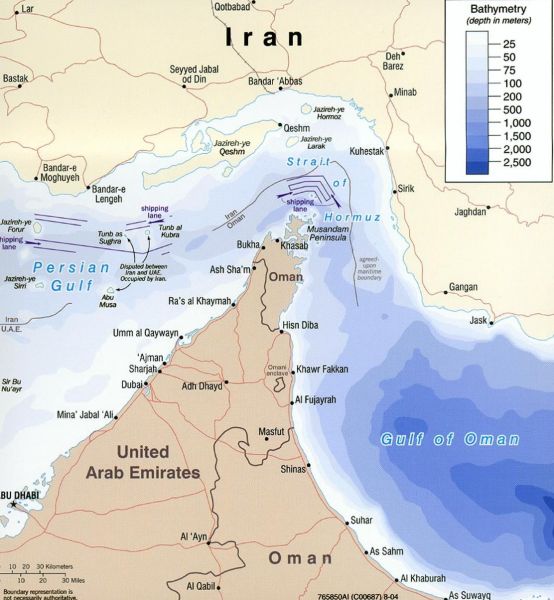
The most recent energy shock associated with warfare has emerged from the escalating confrontation between the United States and Iran in the Persian Gulf. The conflict has drawn particular attention because it centers on the Strait of Hormuz, one of the most strategically important maritime chokepoints in the global energy system. This narrow waterway connects the oil-producing states of the Persian Gulf with the open waters of the Indian Ocean, making it the primary export route for petroleum produced by countries such as Saudi Arabia, Iraq, Kuwait, the United Arab Emirates, and Qatar. Because modern energy markets depend heavily on uninterrupted maritime transport, any military activity in this region immediately generates concern among traders, governments, and energy companies.
The strategic importance of the Strait of Hormuz derives from the enormous volume of energy that passes through it each day. Roughly one-fifth of the world’s oil consumption and a similarly significant share of global liquefied natural gas trade move through this corridor, making it one of the most critical arteries of the global energy economy. Oil tankers leaving the Persian Gulf must pass through the strait in order to reach international markets, and alternative routes capable of carrying comparable volumes are limited. This concentration of energy transport within a single narrow passage means that even temporary disruptions can have immediate consequences for global supply expectations.
The outbreak of hostilities between the United States and Iran has produced rapid reactions in energy markets. Military strikes, threats against shipping, and the deployment of naval forces in the region have raised fears that commercial tanker traffic could be interrupted or restricted. Reports of attacks on vessels and the placement of naval mines have already slowed maritime traffic through the area, increasing insurance costs and driving up freight rates for oil shipments. Shipping companies operating in the Persian Gulf must now factor the possibility of military confrontation into their logistical planning, while insurance markets have responded by raising risk premiums for vessels entering the region. Even limited disruptions to tanker traffic can have cascading effects across global energy markets because oil deliveries operate on tightly scheduled shipping cycles. Delays in transit can reduce the immediate availability of petroleum supplies in importing countries, intensifying price volatility as buyers compete for alternative shipments.
Recent developments have intensified these concerns. Iranian authorities have warned that shipping through the strait could be blocked entirely if attacks on Iranian territory continue, while military actions have targeted facilities connected to Iran’s oil export infrastructure. News of attacks, counterattacks, and escalating military deployments has produced rapid fluctuations in global oil markets as traders attempt to assess the likelihood of broader regional conflict. Financial institutions and energy analysts have begun revising price forecasts upward as the risk of prolonged disruption in Gulf shipping increases.
The economic consequences of such disruptions could be severe because the Persian Gulf remains the central hub of global petroleum production. Countries surrounding the Gulf collectively account for a large share of internationally traded crude oil, and much of that supply must pass through the Strait of Hormuz. If tanker traffic were halted or significantly reduced for an extended period, global markets would face a sudden loss of millions of barrels per day in available supply. Even partial disruption could create substantial price increases, as global inventories are not always sufficient to offset major interruptions in maritime transport. Strategic petroleum reserves held by industrialized countries could provide temporary relief, yet these reserves are designed primarily for short-term emergencies rather than sustained supply losses. Consequently, prolonged instability in the Persian Gulf could produce far-reaching economic consequences, affecting transportation costs, industrial production, and consumer prices across multiple regions of the global economy.
The emerging U.S.–Iran conflict illustrates the continuing vulnerability of modern energy systems to geopolitical confrontation. Unlike earlier crises driven by embargoes or internal political upheaval, this episode centers on the security of a single maritime chokepoint through which an enormous portion of the world’s energy trade flows. The resulting market reactions demonstrate how tightly interconnected global energy systems have become. When warfare threatens the infrastructure or transit routes of fossil fuels, the effects extend rapidly beyond the immediate battlefield, producing price shocks that reverberate throughout the international economy.
Conclusion: War, Uncertainty, and the Structure of Modern Energy Price Shocks
Modern energy markets have repeatedly demonstrated their vulnerability to geopolitical conflict. From the oil embargo of 1973 to the ongoing tensions surrounding the Persian Gulf, warfare has repeatedly produced sharp price increases and prolonged volatility in global energy systems. These disruptions arise not simply from the destruction of infrastructure or the direct loss of production, but from the deeper structural characteristics of modern energy markets. Fossil fuel production remains geographically concentrated, transportation networks depend on fragile chokepoints, and global demand operates within tightly balanced supply systems. When warfare threatens any part of this structure, even temporarily, markets respond rapidly.
A recurring pattern across modern energy crises is the powerful role of uncertainty. Markets rarely wait for actual supply losses before reacting to geopolitical events. Instead, traders, governments, and energy companies attempt to anticipate the possible consequences of conflict. The mere possibility that oil fields, pipelines, or shipping lanes might be disrupted can trigger immediate price spikes as buyers compete to secure future supply. This dynamic amplifies the economic effects of war, transforming localized conflicts into global financial shocks that reverberate across multiple sectors of the international economy.
The historical cases examined in this study reveal that energy price shocks during wartime emerge through several interconnected mechanisms. Physical supply disruptions may remove production from global markets, as occurred during the Iranian Revolution and the Libyan civil war. Strategic embargoes or sanctions can weaponize energy exports, as seen during the 1973 oil crisis and the Russia–Ukraine conflict. Finally, threats to transportation routes, particularly maritime chokepoints such as the Strait of Hormuz, can generate powerful market reactions even when production itself remains largely intact. Each of these mechanisms reflects the structural dependence of modern economies on continuous flows of energy across politically sensitive regions.
These patterns suggest that energy price volatility is not merely a temporary byproduct of warfare but an inherent feature of the modern global energy system. As long as industrial economies depend heavily on concentrated fossil fuel resources transported through vulnerable infrastructure, geopolitical conflict will continue to produce economic shocks. War magnifies the fragility of these systems by exposing the tension between global demand for energy and the political instability of the regions that supply it. Modern energy crises reveal a persistent structural reality: the stability of global markets remains deeply intertwined with the uncertain geography of power, resources, and conflict.
Bibliography
- Amuzegar, Jahangir. Iran’s Economy under the Islamic Republic. London: I.B. Tauris, 1993.
- British Petroleum. BP Statistical Review of World Energy. London: BP, 2023.
- European Commission. REPowerEU Plan. Brussels: European Commission, 2022.
- Freedman, Lawrence, and Efraim Karsh. The Gulf Conflict, 1990–1991: Diplomacy and War in the New World Order. Princeton: Princeton University Press, 1993.
- Gause, F. Gregory. The International Relations of the Persian Gulf. Cambridge: Cambridge University Press, 2009.
- Gustafson, Thane. The Bridge: Natural Gas in a Redivided Europe. Cambridge, MA: Harvard University Press, 2020.
- Hiro, Dilip. The Longest War: The Iran–Iraq Military Conflict. London: Routledge, 1991.
- International Energy Agency. World Energy Outlook 2023. Paris: International Energy Agency, 2023.
- Mabro, Robert, ed. Oil in the 21st Century: Issues, Challenges and Opportunities. Oxford: Oxford University Press, 2006.
- Pack, Jason. Libya and the Global Enduring Disorder. New York: Columbia University Press, 2021.
- Painter, David S. Oil and the American Century: The Political Economy of U.S. Foreign Oil Policy, 1941–1954. Baltimore: Johns Hopkins University Press, 1986.
- Smil, Vaclav. Energy and Civilization: A History. Cambridge, MA: MIT Press, 2017.
- Yergin, Daniel. The New Map: Energy, Climate, and the Clash of Nations. New York: Penguin Press, 2020.
- —-. The Prize: The Epic Quest for Oil, Money, and Power. New York: Free Press, 1990.
Originally published by Brewminate, 03.16.2026, under the terms of a Creative Commons Attribution-NonCommercial-NoDerivatives 4.0 International license.
About the Author