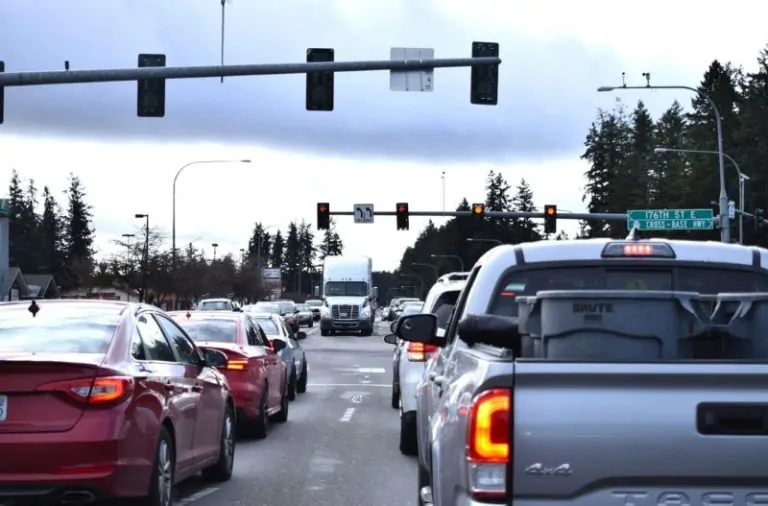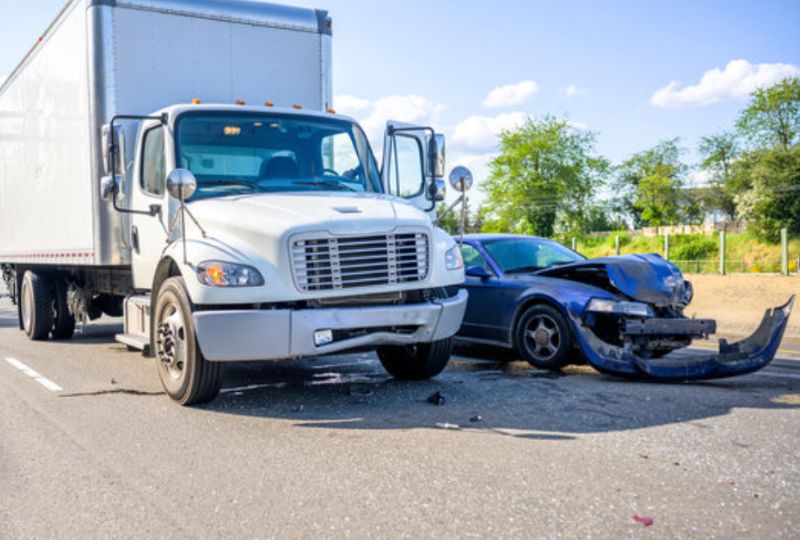
Commercial trucks are harder to correct once a driver makes a navigation mistake. A wrong turn, missed ramp, restricted route, or sudden lane change can create danger because a large truck needs more space to stop, turn, and recover. When the mistake happens near traffic, pedestrians, parked vehicles, or narrow streets, the result can be serious.
Navigation errors do not always mean a driver was simply “lost.” A crash investigation may look at GPS use, route planning, traffic-control signs, delivery pressure, road restrictions, and whether the driver had enough time to make a safe decision. In Illinois, drivers are generally required to obey official traffic-control devices, and that can include signs controlling turns, lanes, weight limits, and restricted routes.
1. Relying Too Much on GPS Instead of Road Signs
GPS can help truck drivers plan a route, but it should not replace attention to posted signs. Some navigation apps may send a driver toward roads that are not safe or appropriate for large commercial vehicles. A route that works for a passenger car may not work for a tractor-trailer, box truck, or delivery truck.
Illinois law requires drivers to obey official traffic-control devices unless directed otherwise by a police officer. That matters when a truck driver follows GPS instructions but ignores a posted sign. If a sign warned against a turn, restricted a lane, or directed trucks away from a certain road, the investigation may ask why the driver continued anyway.
2. Taking a Turn That Is Too Tight for the Truck
Commercial trucks often need extra room to turn. A driver may swing wide, use part of another lane, or slow traffic while completing the movement. If the driver misjudges the turn, the truck may strike another vehicle, a curb, a pole, a pedestrian area, or a parked car.
These crashes can happen near intersections, loading areas, alleys, and business districts. Evidence may include tire marks, curb damage, vehicle damage, camera footage, and photos of the intersection layout. When a Cicero truck accident lawyer reviews this type of crash, the turning path can help show whether the truck had enough space and whether the driver made the movement safely.
3. Entering a Road With Truck Restrictions
Some roads may have limits based on vehicle size, weight, height, or type. A truck driver who enters the wrong road may face narrow lanes, low clearances, weak bridges, tight turns, or areas with more pedestrians and parked cars. These conditions can increase the risk of a crash.
The issue is often whether the restriction was visible and whether the driver should have known the route was unsafe. Investigators may review posted signs, delivery instructions, route plans, dispatch messages, GPS records, and company policies. If a trucking company failed to provide a safe route or pressured the driver to meet a difficult schedule, the review may go beyond the driver’s decision alone.
4. Making a Sudden Lane Change After Missing a Turn or Exit
A missed turn or exit can become dangerous when a truck driver tries to correct the mistake too quickly. A large truck cannot move like a small car. Sudden lane changes may cause sideswipe crashes, rear-end collisions, or forced evasive movements by nearby drivers.
A safer response may be to continue forward and reroute, rather than cutting across lanes at the last second. Crash evidence may include dashcam video, turn-signal use, lane markings, blind-spot issues, witness statements, and damage locations. These details can help show whether the truck driver made a controlled maneuver or created a preventable hazard.
5. Stopping or Backing Up in an Unsafe Location
Navigation mistakes sometimes lead truck drivers to stop suddenly, block a lane, reverse, or attempt a difficult turnaround. These movements can be especially dangerous on busy roads or near intersections. Drivers approaching from behind may not expect a commercial truck to stop or back up in traffic.
Useful evidence may include:
- Dashcam or surveillance footage
- Brake-light and turn-signal observations
- Witness statements
- Police diagrams
- Delivery route records
- GPS history
- Dispatch communications
- Vehicle damage patterns
This evidence can help explain whether the truck driver had a safe place to stop or whether the driver created a new roadway hazard. It can also show whether the mistake came from poor planning, unclear directions, or an unsafe attempt to recover from a missed route.
Comparative Fault Can Still Affect the Case
Truck crashes involving navigation errors may still involve more than one driver’s conduct. Under 735 ILCS 5/2-1116, a plaintiff whose contributory fault is more than 50% of the proximate cause cannot recover damages. If the plaintiff’s fault is 50% or less, damages are reduced in proportion to that percentage.
That rule may matter if another driver was speeding, distracted, following too closely, or trying to pass the truck unsafely. A navigation mistake by the truck driver may be serious, but the full claim may still require a careful review of timing, visibility, lane position, signals, and reaction time.
When a Wrong Route Creates a Serious Truck Crash
A navigation error can become dangerous when a commercial truck is forced into a road, turn, or maneuver that its size does not safely allow. GPS mistakes, missed exits, tight turns, restricted roads, sudden lane changes, and unsafe backing can all play a role. The larger the vehicle, the more important route planning and safe decision-making become.
After a commercial truck crash, it can help to preserve photos, police reports, medical records, witness names, dashcam footage, delivery records, and any available video from nearby homes or businesses. The route the truck took before the crash may be just as important as the moment of impact. A clear timeline can help show whether the crash came from driver error, poor route planning, company pressure, or another preventable mistake.
About the Author