
The earliest followers of Jesus formed a diverse movement shaped by ethical teaching and expectation of God’s kingdom. Paul’s letters kidnapped that message, transforming memory into theology.

By Matthew A. McIntosh
Public Historian
Brewminate
Introduction: A Movement and Its Interpreter
The origins of Christianity lie in the teachings and memory of Jesus of Nazareth, a Jewish teacher whose message centered on repentance, ethical transformation, and the anticipated arrival of the Kingdom of God. The earliest traditions preserved in the Synoptic Gospels portray Jesus speaking primarily in parables and moral exhortations, urging humility, compassion toward the marginalized, and devotion to God expressed through love of neighbor. These teachings were rooted firmly within the intellectual and religious world of Second Temple Judaism, where prophetic reform movements and apocalyptic expectations were familiar features of religious life. The initial community of Jesus’ followers appears to have understood itself not as the founder of a new religion but as a reformist movement within Judaism, awaiting divine intervention that would transform the world.
Yet the survival and expansion of this movement depended not only on the memory of Jesus but also on the interpretations offered by those who followed him. Religious movements rarely remain fixed in the precise form associated with their founders. As communities spread geographically and encounter new cultural contexts, interpreters inevitably reshape the original message in order to address new audiences and circumstances. In the case of Christianity, one of the most influential interpreters was Paul of Tarsus. Writing roughly two decades after the death of Jesus, Paul composed letters to emerging Christian communities across the eastern Mediterranean that sought to explain the meaning of Jesus’ life, death, and resurrection within a broader theological framework. These writings represent the earliest surviving Christian texts and provide crucial insight into how the movement evolved during its formative years.
Paul’s role in this process has long been a subject of historical debate. While the Gospels present narratives about Jesus’ ministry, Paul’s letters focus less on the ethical sayings attributed to Jesus and more on the theological significance of his crucifixion and resurrection. In Paul’s writings, Jesus becomes the central figure in a cosmic drama of salvation, one whose death and resurrection inaugurate a new relationship between humanity and God. Paul articulated arguments about faith, grace, and the status of Jewish law that would become foundational to later Christian doctrine, especially in his epistles to the Romans and Galatians. These texts present a sophisticated theological vision that extends beyond the narrative traditions about Jesus’ ministry and attempts to explain the meaning of his death within the broader framework of Jewish scripture and divine redemption. Paul’s letters also reveal the tensions inherent in this interpretive project. He repeatedly defends his authority as an apostle and argues vigorously against alternative interpretations of the gospel circulating among early Christian communities. Such disputes illustrate that Christianity in its earliest decades was not a unified doctrinal system but a contested intellectual and religious movement in which competing visions of Jesus’ significance were debated and refined. For many historians, these developments demonstrate how the theological architecture of Christianity began to take shape through interpretation and argument rather than through the direct preservation of Jesus’ teachings alone.
What follows examines the relationship between the message attributed to Jesus and the theological system articulated by Paul, asking how a movement centered on a Galilean preacher evolved into a religion defined by complex doctrinal claims. By comparing the ethical teachings associated with Jesus with the theological arguments found in Paul’s letters, the discussion explores the ways in which early Christian thought was shaped through interpretation, debate, and institutional development. The contrast sometimes captured in the rhetorical question “What Would Jesus Do?” versus “What Would Paul Do?” reflects a broader historiographical issue: whether the foundations of Christianity lie primarily in the remembered teachings of Jesus or in the theological framework constructed by those who sought to explain his meaning to the world.
The Ethical Message Attributed to Jesus
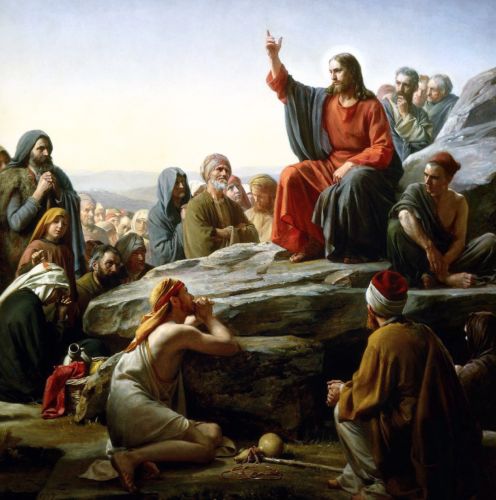
The teachings attributed to Jesus in the earliest Gospel traditions center primarily on ethical transformation rather than systematic theology. In the Synoptic Gospels, Jesus appears less as a doctrinal architect and more as a teacher whose authority derives from moral instruction, prophetic critique, and parabolic storytelling. His message is framed within the apocalyptic expectations common in Second Temple Judaism, particularly the anticipation of the coming Kingdom of God. Within this framework, Jesus calls his listeners to repentance and to a radical reorientation of personal conduct in preparation for divine judgment and renewal.
Many of the ethical themes associated with Jesus emphasize compassion and reconciliation. Teachings such as the command to love one’s neighbor and the admonition to forgive enemies reflect a moral vision that challenges conventional social hierarchies and retaliatory norms. In several Gospel passages, Jesus explicitly rejects the logic of reciprocal violence, urging followers instead to respond to hostility with patience and generosity. This approach appears in sayings that encourage turning the other cheek, blessing those who persecute, and extending mercy even to those regarded as adversaries. Such teachings present ethical conduct not merely as adherence to external rules but as a transformation of one’s inner disposition toward others. Jesus’ interactions with individuals on the margins of society, including tax collectors, sinners, and the poor, reinforce the message that moral transformation is accessible to those excluded from traditional religious prestige. These encounters often involve acts of forgiveness or social inclusion that challenge prevailing assumptions about purity and status within the religious culture of the time. The ethical orientation of Jesus’ teaching frequently appears directed toward restoring relationships within the community rather than constructing rigid institutional boundaries or doctrinal categories that separate insiders from outsiders.
The Sermon on the Mount, preserved most fully in the Gospel of Matthew, illustrates this ethical emphasis. In these teachings, Jesus presents a series of moral instructions that intensify traditional Jewish commandments by focusing on the internal disposition of the believer. Anger becomes morally analogous to violence, lust to adultery, and generosity to the poor a fundamental expression of righteousness. The emphasis consistently falls on humility, mercy, and sincerity rather than on public displays of religious authority. This ethical approach reflects a vision of religious life centered on personal transformation and the cultivation of virtues aligned with divine justice.
Another prominent feature of Jesus’ message is the recurring use of parables to communicate moral insight. These narratives, often drawn from ordinary agricultural and social experiences, invite listeners to reconsider familiar assumptions about power, wealth, and status. Parables such as the Good Samaritan and the Prodigal Son challenge conventional expectations by presenting compassion and forgiveness as defining characteristics of the Kingdom of God. Rather than offering a detailed theological system, these stories encourage reflection on ethical responsibility and the possibility of moral renewal.
The teachings attributed to Jesus also display a strong emphasis on humility and service. In several passages, Jesus warns against the pursuit of status and authority, instead presenting leadership as a form of service to others. This inversion of social expectations appears most clearly in sayings that describe the first becoming last and the last becoming first. Such teachings reinforce the idea that moral authority arises not from domination or institutional power but from acts of compassion and self-sacrifice.
The ethical message attributed to Jesus portrays a religious vision focused on repentance, mercy, and the transformation of everyday conduct. Although later Christian theology would develop complex doctrines concerning salvation and divine nature, the earliest traditions about Jesus emphasize the practical demands of moral life within a community awaiting the fulfillment of God’s kingdom. This ethical orientation provides an important point of comparison for understanding how subsequent interpreters, including Paul, sought to explain the significance of Jesus’ life and death within broader theological frameworks.
The Diversity of the Earliest Jesus Movement
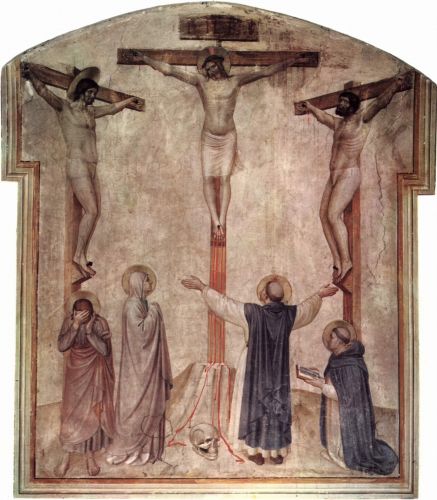
In the years immediately following the death of Jesus, the movement associated with his followers did not exist as a single unified institution with a fixed set of doctrines. Instead, the earliest communities appear to have developed in several locations across the eastern Mediterranean, each interpreting the significance of Jesus’ life and message within its own cultural and religious context. These communities were shaped by local circumstances and leadership, producing a variety of beliefs and practices that reflected different understandings of Jesus’ role within Jewish tradition. The absence of a centralized authority in these early decades allowed considerable interpretive flexibility as the movement spread.
One of the most important centers of the earliest Jesus movement was Jerusalem, where figures such as James, traditionally identified as the brother of Jesus, played a prominent leadership role. According to both the Acts of the Apostles and later Christian traditions, this Jerusalem community maintained strong connections to Jewish religious practice, including continued participation in the Temple and adherence to elements of Jewish law. Early Christian sources portray James as a respected authority within the movement, known for his piety and for his continued observance of Jewish traditions. This leadership structure suggests that the earliest followers of Jesus did not initially conceive of their community as separate from Judaism but as part of a broader Jewish reform movement centered on the belief that Jesus had a special role in God’s unfolding plan. Participation in Temple worship, observance of dietary customs, and engagement with the wider Jewish community appear to have remained common practices among many early believers. The followers of Jesus appear to have understood their beliefs as part of a reformist current within Judaism rather than as a separate religious identity. The early movement retained many features of Jewish communal life even as it developed new interpretations of Jesus’ significance.
As the message associated with Jesus began to reach communities beyond Judea, new questions emerged concerning the relationship between Jewish law and the growing number of Gentile converts. Different leaders and groups within the movement proposed varying answers to these questions, leading to debates about circumcision, dietary regulations, and the broader role of the Mosaic law in defining membership within the community. These disagreements reveal the degree to which the early Jesus movement was characterized by internal discussion and negotiation rather than uniformity. The diversity of these early perspectives demonstrates that the shape of Christianity had not yet been firmly established.
This early pluralism also suggests that the eventual theological structure of Christianity emerged gradually through a process of interpretation and debate. Competing understandings of Jesus’ message circulated simultaneously, and different communities emphasized different aspects of his teachings and significance. Some groups appear to have focused on maintaining Jewish law while accepting Jesus as a prophetic or messianic figure, while others increasingly emphasized the universal implications of his life and death. These differing perspectives created ongoing tensions as leaders sought to define the boundaries of belief and practice within the movement. The surviving texts of the New Testament reflect traces of these debates, revealing communities grappling with questions of authority, identity, and theological interpretation. The presence of multiple perspectives during these formative decades highlights how the movement that later became Christianity developed through interaction among various leaders, traditions, and cultural settings. Recognizing this diversity provides an essential context for understanding the influence of later interpreters, particularly Paul, whose writings would play a major role in shaping the theological direction of the expanding movement.
Paul’s Conversion and Mission
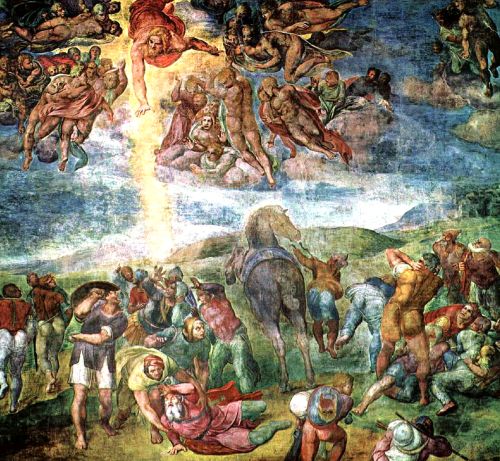
Paul occupies a central place in the development of early Christianity, yet his role within the movement began in opposition rather than support. According to his own writings, Paul had initially participated in efforts to suppress the early followers of Jesus. In his letter to the Galatians, Paul describes how he had once persecuted the church and attempted to destroy it, portraying his earlier life as one defined by zeal for the traditions of his ancestors. This background places Paul firmly within the intellectual world of Second Temple Judaism and highlights the dramatic shift that his later mission would represent. His transformation from persecutor to missionary became one of the defining narratives of early Christian history.
Paul attributed this change to a revelatory experience that convinced him that Jesus had been raised from the dead and exalted by God. In his letters, Paul speaks of having received a direct revelation of Christ that altered the direction of his life and mission. In Galatians, he describes this experience as a divine disclosure in which God revealed his Son to him and commissioned him to proclaim the message among the Gentiles. Later Christian texts, particularly the Acts of the Apostles, recount this event through a dramatic narrative describing Paul’s encounter with a heavenly voice on the road to Damascus. Although Paul’s own letters offer fewer narrative details than the account found in Acts, they confirm that he understood his transformation as the result of a direct divine calling rather than a gradual change of opinion. This conviction became central to his authority as an apostle. Paul repeatedly defended the legitimacy of his mission by insisting that his message did not originate from human instruction but from a revelation of Christ himself. From that point forward, he presented his role not simply as a teacher within the existing movement but as a divinely commissioned messenger responsible for extending the significance of Jesus’ life and death to audiences far beyond the original circles of his followers.
Following this experience, Paul began a series of missionary journeys across the eastern Mediterranean. Traveling through regions such as Syria, Anatolia, and Greece, he established small communities of believers in major urban centers of the Roman world. Cities such as Corinth, Philippi, and Ephesus became focal points for the spread of the Christian message among Gentile populations. These communities were often composed of individuals from diverse social backgrounds, including artisans, merchants, and members of local households who were drawn to the new movement. Paul maintained contact with these congregations through letters that addressed theological questions, community disputes, and practical concerns about maintaining unity.
The letters that Paul wrote to these communities reveal the complexity of his mission. In addition to proclaiming the significance of Jesus’ death and resurrection, Paul frequently addressed conflicts within the churches he had helped establish. His epistles discuss issues ranging from moral conduct to questions about authority, discipline, and communal identity. In several cases, Paul responded to disputes involving rival teachers who promoted alternative interpretations of the Christian message or who challenged his authority as an apostle. These controversies appear clearly in letters such as Galatians and 2 Corinthians, where Paul defends the legitimacy of his message and warns communities against adopting teachings that he regarded as distortions of the gospel. The tone of these passages often reveals the intensity of the debates that surrounded the early Christian movement. Paul sometimes employed strong rhetorical language when addressing those he considered opponents, reflecting both the seriousness with which he regarded doctrinal disagreements and the fragile cohesion of the communities he was attempting to guide. These writings provide insight not only into Paul’s theology but also into the social dynamics, internal conflicts, and competing claims of authority that shaped the earliest Christian congregations across the Roman world.
Through his missionary work and extensive correspondence, Paul became one of the most influential interpreters of Jesus’ significance in the earliest decades of the movement. His letters circulated among different communities and were preserved by later generations as authoritative texts. As a result, Paul’s theological reflections played a major role in shaping the developing identity of Christianity as it expanded beyond its original Jewish context. The missionary activity of Paul and the communities he established ensured that the interpretation of Jesus associated with his teachings would become one of the dominant strands in the emerging Christian tradition.
Theological Innovation in the Letters of Paul

The letters attributed to Paul represent the earliest surviving Christian writings and provide the first extended attempts to explain the significance of Jesus within a coherent theological framework. While the teachings attributed to Jesus in the Gospel traditions often emphasize ethical conduct and the expectation of the Kingdom of God, Paul’s epistles focus on interpreting the meaning of Jesus’ crucifixion and resurrection for the salvation of humanity. In these writings, the life and death of Jesus become central elements in a theological narrative that seeks to explain the relationship between God, humanity, and redemption. Paul’s reflections mark an important stage in the development of Christian doctrine, transforming the memory of a teacher and preacher into the foundation of a broader theological system.
One of the most significant themes in Paul’s letters is the concept of salvation through faith rather than through adherence to the Mosaic law. In several epistles, particularly Romans and Galatians, Paul argues that the redemptive act of Christ has created a new covenant in which righteousness is granted through faith rather than through strict observance of Jewish legal requirements. This argument reflects the challenges faced by early Christian communities as they incorporated Gentile converts who were not raised within Jewish traditions. By presenting faith in Christ as the decisive factor in salvation, Paul provided a theological framework that allowed the movement to expand beyond its original cultural and religious boundaries.
Paul’s writings also introduce a powerful interpretation of the crucifixion as a redemptive event with universal significance. Rather than viewing the death of Jesus solely as the tragic execution of a teacher, Paul interprets the crucifixion as a sacrificial act that reconciles humanity with God. In passages such as those found in Romans and 1 Corinthians, Paul describes Christ’s death as an atoning event that addresses the problem of human sin and restores the possibility of a renewed relationship between humanity and the divine. This interpretation reflects the ways in which Paul drew upon concepts familiar within Jewish sacrificial traditions while simultaneously reinterpreting them in light of the experience of the early Christian communities. By framing the crucifixion as a transformative event within God’s plan for humanity, Paul shifted the focus of Christian reflection from the historical circumstances of Jesus’ execution to the theological meaning of his death. The cross becomes, in Paul’s letters, not merely a symbol of suffering but the central mechanism through which reconciliation between God and humanity is achieved. This interpretation would become one of the defining theological foundations of later Christian doctrine.
Another important feature of Pauline theology is the idea that believers become part of a spiritual community united in Christ. Paul frequently uses the metaphor of the body to describe the Christian community, portraying individual believers as members of a single organism whose unity is grounded in their relationship to Christ. This imagery emphasizes interdependence and mutual responsibility among members of the community. It reinforces the authority of the message that Paul claims to represent, since unity within the body depends on shared commitment to the theological vision he articulates. Paul’s letters often address conflicts within these communities, urging believers to overcome divisions related to social status, cultural background, or personal rivalry. By presenting the community as a single body animated by a shared spiritual identity, Paul provided a conceptual model that encouraged cohesion among believers who came from widely different social and cultural environments. This metaphor also helped define the emerging identity of the Christian community as something distinct from both traditional Jewish structures and the broader religious practices of the Greco-Roman world.
Paul’s letters also reflect a cosmic understanding of Christ’s role in the transformation of the world. In several passages, Paul presents Christ not merely as a teacher or prophet but as a figure whose death and resurrection inaugurate a new phase in the history of creation. The resurrection is described as the beginning of a broader transformation that will ultimately overcome sin and death. This perspective situates the events associated with Jesus within a universal narrative of divine redemption that extends beyond the immediate circumstances of his life and ministry.
The theological innovations found in Paul’s letters represent a decisive moment in the intellectual development of early Christianity. By interpreting the significance of Jesus’ death and resurrection in terms of faith, redemption, and cosmic transformation, Paul provided a conceptual framework that helped unify diverse communities across the Roman world. His writings addressed not only theological questions but also the practical challenges faced by early Christian congregations as they attempted to define their identity in relation to both Jewish tradition and the wider Greco-Roman society. The doctrinal ideas articulated in these letters would continue to influence Christian thought for centuries, shaping debates about salvation, authority, and the nature of the church. Paul’s theological reflections did more than interpret the meaning of Jesus’ life and death. They helped establish the intellectual structure within which later generations of Christians would understand the foundations of their faith.
Boundaries and Exclusion in Pauline Communities

As the Christian movement expanded into new regions of the Roman world, the question of communal boundaries became increasingly important. Paul’s letters repeatedly address the problem of defining who properly belonged within the community of believers and how that community should distinguish itself from surrounding religious and social environments. These concerns were not purely theological. They were also practical responses to the realities of building cohesive communities among people who came from different cultural backgrounds and who lived within a pluralistic religious landscape. The cities in which Paul’s communities emerged were religiously diverse spaces where multiple traditions coexisted, including traditional Greco-Roman cults, philosophical schools, and various Jewish communities. The followers of Jesus needed to establish a recognizable identity that would distinguish their practices and beliefs from those of neighboring groups. The language Paul uses in his letters often reflects the need to create a clear sense of identity among believers who were navigating unfamiliar forms of religious affiliation and social belonging. Establishing these boundaries was central to the process of transforming loosely connected assemblies of converts into more stable and self-conscious religious communities.
One way Paul defined these boundaries was through a sharp contrast between believers and those outside the community. In several passages, Paul employs language that frames the Christian community as inhabiting a new moral and spiritual condition distinct from the world around it. Believers are described as having moved from darkness into light, from sin into righteousness, and from death into life. These contrasts function rhetorically to reinforce the idea that joining the community involves a decisive transformation of identity and conduct. The imagery also helped members understand their new commitments within a symbolic framework that emphasized separation from prior patterns of life.
Paul also confronted internal challenges from individuals or groups who promoted alternative interpretations of the Christian message. Several letters reflect disputes with rival teachers who claimed authority or advocated practices that Paul believed threatened the unity of the community. In Galatians, for example, Paul criticizes those who argued that Gentile believers should adopt elements of Jewish law such as circumcision. His response is unusually forceful, warning his readers that accepting these requirements would undermine the message he had originally preached. Such passages reveal the degree to which early Christian communities were arenas of debate in which different leaders attempted to shape the direction of the movement. These disputes were not merely personal disagreements but reflected deeper tensions about how the movement should relate to its Jewish origins and to the broader Gentile world in which it was spreading. Paul’s defense of his position often involved appeals to his own authority as an apostle and to the revelation that he claimed to have received. In this way, the controversies described in his letters illustrate how questions of doctrine, leadership, and communal identity were deeply intertwined during the formative decades of the Christian movement.
In addition to theological disagreements, Paul addressed questions of discipline and moral behavior within the community. His letters sometimes call for the exclusion of individuals whose conduct he believed endangered the integrity of the group. In 1 Corinthians, for instance, Paul instructs the community to remove a member whose behavior he regards as incompatible with the moral standards expected of believers. The language surrounding these instructions demonstrates how communal identity was reinforced not only through shared beliefs but also through the enforcement of behavioral norms. Maintaining the moral reputation of the group was essential for communities that existed within a broader society often skeptical of new religious movements.
Paul’s letters also emphasize the importance of loyalty to the teachings he claimed to have delivered. In several passages he urges believers to avoid associations with teachings that diverge from what he presents as the authentic gospel. This emphasis reflects the fragile position of early Christian communities, which could easily fragment if competing interpretations gained influence. By stressing adherence to a specific message, Paul sought to protect what he regarded as the theological foundation of the communities he had established.
The boundary-setting language found throughout Paul’s letters illustrates how early Christian communities attempted to define their identity within a complex social environment. While these boundaries helped create solidarity among believers, they also introduced distinctions that separated the community from those outside it. The patterns of inclusion and exclusion articulated in these early writings contributed to the formation of a religious tradition that increasingly understood itself as distinct from both Judaism and the surrounding cultural world. The development of these communal boundaries played a significant role in shaping the trajectory of Christianity as it evolved from a loosely connected movement into a more clearly defined religious identity.
Conflict and Authority in the Early Church

The expansion of the early Christian movement inevitably produced disputes about authority, doctrine, and communal identity. As communities formed across the eastern Mediterranean, questions emerged concerning who possessed legitimate authority to interpret the significance of Jesus’ life and teachings. The absence of a centralized leadership structure meant that different figures within the movement asserted influence in different regions. Apostles, missionaries, and local leaders each played roles in shaping how communities understood the developing Christian message. These circumstances created an environment in which disagreements about interpretation and leadership were both common and consequential.
One of the most visible areas of conflict concerned the relationship between Jewish law and the growing number of Gentile converts entering the movement. Some leaders believed that adherence to traditional Jewish practices, including circumcision and dietary regulations, remained essential for members of the community. Others argued that faith in Christ alone defined membership. These debates appear clearly in the writings of Paul as well as in the narrative presented in the Acts of the Apostles. The so-called Council of Jerusalem is often interpreted as an attempt to resolve these tensions by establishing guidelines for Gentile believers while preserving unity among different factions within the movement. Even so, the evidence from early Christian texts suggests that these disagreements continued to shape interactions between communities long after any formal decisions were reached. The debate over law and identity was not simply a technical question of ritual observance. It represented a deeper disagreement about the nature of the movement itself and whether it should remain fundamentally rooted in Jewish religious tradition or evolve into a broader, more inclusive religious identity open to diverse populations across the Roman world.
Paul’s own letters reveal that these conflicts were not always easily resolved. In Galatians, Paul recounts a dispute with the apostle Peter concerning the treatment of Gentile believers in shared meals. According to Paul’s account, Peter initially associated freely with Gentile members of the community but later withdrew under pressure from individuals connected to the Jerusalem leadership. Paul presents this incident as a moment in which the implications of the Christian message were being tested in everyday social practice. The disagreement illustrates how theological debates about law and inclusion could become visible in the social interactions of early Christian communities.
Beyond specific disputes, the early Christian movement also faced the broader challenge of establishing structures of authority that could guide expanding communities. Apostolic authority became an important concept in this process. Individuals who claimed direct association with Jesus or who were recognized as leaders in the earliest communities often held significant influence. The circulation of letters and teachings attributed to prominent figures such as Paul contributed to the development of textual authority. Written correspondence became a means of maintaining influence across geographic distances and of reinforcing particular interpretations of the Christian message.
These struggles over authority were not merely organizational matters. They also shaped the theological development of the movement. Competing interpretations of Jesus’ significance required communities to consider how doctrinal differences should be addressed and which voices should carry decisive weight. In many cases, debates about theology overlapped with questions about leadership, loyalty, and the legitimacy of particular teachers. The process of negotiating these issues gradually contributed to the formation of a more defined structure within the early church.
The conflicts that characterized these formative decades demonstrate that early Christianity developed through a process of debate rather than through immediate consensus. Communities navigated disagreements about law, authority, and doctrine while attempting to preserve a sense of shared identity. The surviving texts from this period reveal a movement still defining its boundaries and internal hierarchy. In different regions, communities often followed the guidance of particular teachers whose interpretations of the Christian message shaped local practice and belief. As these communities interacted with one another through travel, correspondence, and the circulation of texts, certain interpretations gradually gained broader acceptance. The outcomes of these conflicts helped shape the emerging structure of the church and influenced which interpretations of Jesus’ message would ultimately become dominant within the Christian tradition.
From Movement to Religion: Institutional Christianity
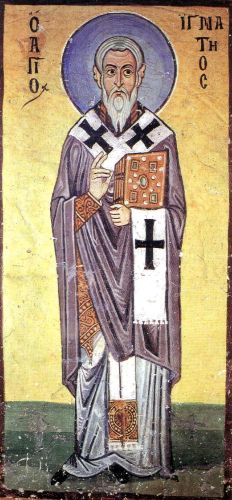
During the late first and early second centuries, the communities that followed the teachings of Jesus gradually began to develop more stable institutional structures. What had initially emerged as loosely connected groups of believers spread across the eastern Mediterranean slowly evolved into organized communities with identifiable leadership and shared practices. This transition was shaped by practical concerns about maintaining unity, preserving teachings, and providing guidance to congregations that were geographically dispersed. As the movement expanded, the need for clearer forms of authority and organization became increasingly evident.
One important aspect of this institutional development was the emergence of recognized leadership roles within local communities. Figures such as bishops, elders, and deacons appear in early Christian writings as individuals responsible for guiding congregations and maintaining order within the community. These positions did not arise instantly but developed gradually as communities sought reliable structures through which teachings could be transmitted and disputes resolved. By the early second century, some Christian writers emphasized the importance of hierarchical leadership as a safeguard against division and doctrinal confusion. The letters of Ignatius of Antioch, written in the early second century, strongly advocate the authority of a single bishop within each community, supported by a council of elders and assisted by deacons. Ignatius argued that unity within the church depended on obedience to recognized leadership, presenting the bishop as a focal point of communal stability. This emerging structure reflected broader social patterns in the Roman world, where organized associations often relied on identifiable leaders to maintain cohesion. As these leadership roles became more widely accepted, they helped transform Christian gatherings from informal assemblies into communities with clearer lines of authority and responsibility.
The formation of authoritative texts also played a critical role in the transformation of the movement into a more structured religious tradition. The circulation of letters attributed to apostles, including those of Paul, helped create a shared body of writings that could be consulted across different communities. These texts acquired a level of authority that allowed them to serve as references for teaching and theological reflection. The preservation and transmission of these writings contributed to the development of what would eventually become the Christian scriptural canon.
Christian communities increasingly defined themselves in contrast to both Judaism and the religious traditions of the Greco-Roman world. As the movement expanded among Gentile populations, its leaders sought to articulate beliefs and practices that distinguished Christian identity from other forms of religious life. This process involved the gradual development of theological language, liturgical practices, and communal rituals that reinforced a sense of belonging among believers. Such distinctions helped establish Christianity as a recognizable religious community within the diverse religious landscape of the Roman Empire.
The consolidation of authority within the church also involved the evaluation of competing interpretations of Christian teaching. Various groups advanced different theological perspectives during the first two centuries of the movement’s development. Some emphasized alternative interpretations of Jesus’ nature, while others proposed distinct understandings of salvation, scripture, or spiritual knowledge. Church leaders increasingly responded to these disagreements by articulating standards of belief and by identifying certain teachings as incompatible with the emerging consensus of the broader community. Writers such as Irenaeus of Lyons argued that authentic Christian teaching could be traced through lines of apostolic succession, linking contemporary leaders to the earliest followers of Jesus. By appealing to continuity with apostolic authority, these leaders sought to stabilize doctrinal boundaries and limit the influence of competing interpretations. Through this process, the boundaries of orthodox belief began to take shape, and the authority of certain texts and leaders became more firmly established within the developing institutional framework of the church.
By the second and third centuries, these developments had transformed the early Christian movement into a more recognizable religious institution. Networks of communities shared common texts, recognized leadership structures, and broadly similar theological commitments. Although disagreements and regional variations persisted, the foundations of institutional Christianity had been established. The ideas articulated in the writings of influential early figures, including Paul, continued to shape the intellectual and organizational framework of the emerging church as it expanded throughout the Roman world.
Conclusion: Interpreting the Legacy of Paul
The development of Christianity in the first centuries after Jesus illustrates how religious traditions often emerge through interpretation as much as through original teaching. The earliest followers of Jesus preserved memories of a teacher whose message emphasized repentance, mercy, and preparation for the coming Kingdom of God. Yet as the movement expanded into new cultural environments and confronted new questions, those teachings required explanation and reinterpretation. The writings of Paul represent one of the earliest and most influential efforts to provide such an interpretation, translating the significance of Jesus’ life and death into theological language that could address the concerns of diverse communities across the Roman world.
Paul’s role in this process has long been a subject of scholarly debate. Some historians emphasize the continuity between the message attributed to Jesus and the theological reflections found in Paul’s letters, arguing that Paul sought to articulate the deeper implications of Jesus’ mission within a rapidly changing social environment. Others note the degree to which Pauline theology introduces concepts and emphases that are less visible in the earliest Gospel traditions, particularly in its focus on salvation through faith, the cosmic significance of Christ’s death and resurrection, and the formation of communities defined by allegiance to that message. These differing interpretations reflect the complexity of assessing how the ideas associated with Jesus were transmitted and transformed during the earliest decades of the Christian movement.
Regardless of how one evaluates the relationship between Jesus and Paul, the historical influence of Paul’s writings is unmistakable. His letters became some of the most widely circulated texts among early Christian communities and were eventually incorporated into the emerging New Testament canon. Through these writings, Paul’s interpretations of faith, redemption, and communal identity helped shape the intellectual foundations of Christianity as it evolved from a Jewish reform movement into a religion with global reach. The theological categories he developed provided later generations of Christian thinkers with a framework through which the significance of Jesus could be understood and debated.
The legacy of Paul lies not only in the specific arguments contained in his letters but also in the interpretive trajectory they helped establish. By framing the life and death of Jesus within a comprehensive theological narrative, Paul played a central role in defining how the movement would understand itself and its mission in the centuries that followed. The history of Christianity can be understood, in part, as an ongoing effort to interpret and negotiate the relationship between the ethical teachings attributed to Jesus and the theological vision articulated by one of his most influential interpreters.
Bibliography
Affiliate disclosure: Amazon links on this site are paid links. As an Amazon Associate I earn from qualifying purchases.
- Barclay, John M. G. Paul and the Gift. Grand Rapids, MI: William B. Eerdmans Publishing Company, 2015.
- Crossan, John Dominic. The Historical Jesus: The Life of a Mediterranean Jewish Peasant. San Francisco: HarperSanFrancisco, 1991.
- Dunn, James D. G. Jesus Remembered: Christianity in the Making, Volume 1. Grand Rapids, MI: William B. Eerdmans Publishing Company, 2003.
- —-. The Theology of Paul the Apostle. Grand Rapids, MI: William B. Eerdmans Publishing Company, 1998.
- —-. Unity and Diversity in the New Testament: An Inquiry into the Character of Earliest Christianity. 3rd ed. London: SCM Press, 2006.
- Ehrman, Bart D. Lost Christianities: The Battles for Scripture and the Faiths We Never Knew. New York: Oxford University Press, 2003.
- —-. The New Testament: A Historical Introduction to the Early Christian Writings. 7th ed. New York: Oxford University Press, 2020.
- Ellis, James W. “Apostle Paul in Ephesus: Christianity’s Clash with the Cult of Artemis.” European Journal of Theology and Philosophy 3:1 (2023), 22-34.
- —-. “The Apostle Paul in Philippi: Genesis of the European Church.” International Journal of Arts and Social Science 7:9 (2024), 91-107.
- Fredriksen, Paula. From Jesus to Christ: The Origins of the New Testament Images of Jesus. 2nd ed. New Haven, CT: Yale University Press, 2000.
- —-. Paul: The Pagans’ Apostle. New Haven: Yale University Press, 2017.
- Holmes, Michael W., ed. The Apostolic Fathers: Greek Texts and English Translations. 3rd ed. Grand Rapids, MI: Baker Academic, 2007.
- Hurtado, Larry W. Lord Jesus Christ: Devotion to Jesus in Earliest Christianity. Grand Rapids, MI: William B. Eerdmans Publishing Company, 2003.
- Levine, Amy-Jill. The Misunderstood Jew: The Church and the Scandal of the Jewish Jesus. New York: HarperOne, 2006.
- McGiffert, Arthur Cushman. “Was Jesus or Paul the Founder of Christianity?” The American Journal of Theology 13:1 (1909), 1-20.
- Meeks, Wayne A. The First Urban Christians: The Social World of the Apostle Paul. 2nd ed. New Haven: Yale University Press, 2003.
- Meier, John P. A Marginal Jew: Rethinking the Historical Jesus. Vol. 2. New Haven, CT: Yale University Press, 1994.
- Pagels, Elaine. The Gnostic Gospels. New York: Random House, 1979.
- Punt, Jeremy. “Paul, a Stranger in Africa?” HTS Theological Studies 79:4 (2023).
- Sanders, E. P. The Historical Figure of Jesus. London: Penguin Books, 1993.
- —-. Paul: The Apostle’s Life, Letters, and Thought. Minneapolis: Fortress Press, 2010.
- —-. Paul and Palestinian Judaism: A Comparison of Patterns of Religion. Philadelphia: Fortress Press, 1977.
- Vermes, Geza. Christian Beginnings: From Nazareth to Nicaea, AD 30–325. London: Allen Lane, 2014.
- Wright, N. T. Jesus and the Victory of God. Minneapolis: Fortress Press, 1992.
- —-. Paul and the Faithfulness of God. Minneapolis: Fortress Press, 2013.
Originally published by Brewminate, 03.13.2026, under the terms of a Creative Commons Attribution-NonCommercial-NoDerivatives 4.0 International license.
About the Author