Saparmurat Niyazov built one of the modern world’s strangest personality cults, turning symbolism, propaganda, and state power into a system of manufactured devotion.

By Matthew A. McIntosh
Public Historian
Brewminate
Introduction: Power, Symbolism, and Personal Rule
The collapse of the Soviet Union in 1991 created a moment of political uncertainty across Central Asia, where newly independent states confronted the challenge of constructing national governments and political identities after decades of Soviet rule. In Turkmenistan, this transition produced one of the most unusual political systems of the post-Soviet world. Saparmurat Niyazov, a former Communist Party official who had already held the republic’s highest party office, moved quickly to consolidate power after independence. His rule evolved into an extraordinary example of personalist authority in which political legitimacy became closely associated with the image and mythology of a single leader.
Niyazov’s leadership was distinguished not merely by the concentration of political power but by the extensive use of symbolism to shape public life. He adopted the title Turkmenbashi, meaning “Leader of the Turkmen,” and presented himself as a paternal figure responsible for guiding the nation through the uncertainties of independence. Public monuments, state media, and official ceremonies promoted this image relentlessly, embedding his presence into the visual and symbolic landscape of the country. Through these practices, the authority of the state increasingly became intertwined with the identity of the leader himself.
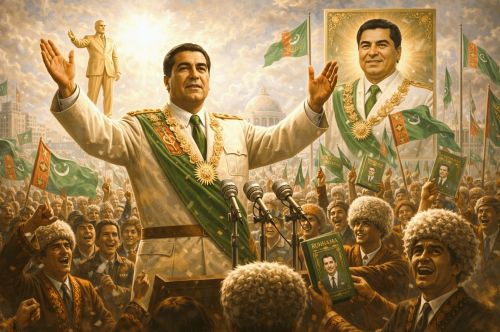
One of the most distinctive elements of this system was the ideological framework constructed around Niyazov’s own writings and pronouncements. His book Ruhnama, presented as a spiritual and historical guide for the Turkmen people, became a central component of public education and political culture. Schools, universities, and government institutions incorporated the text into their curricula and public ceremonies, elevating it to a position that blurred the boundaries between political ideology, national history, and moral instruction. Students were required to study passages from the text, and examinations on its themes became part of educational and professional advancement. Government officials frequently invoked the Ruhnama in speeches and public rituals, presenting it as a source of wisdom and national guidance. Through these practices, the book functioned not simply as a political document but as an instrument of ideological authority, encouraging citizens to interpret Turkmen identity and national destiny through the narrative constructed by the regime.
The regime that emerged under Niyazov illustrates how modern authoritarian governments can attempt to manufacture political devotion through the coordinated use of ideology, spectacle, and symbolic control. Statues, renamed cities and institutions, and the ritualized display of loyalty transformed public space into a stage on which the leader’s authority was constantly reaffirmed. Understanding the political system of Turkmenbashi requires more than a description of authoritarian governance. It also requires an examination of the ways power can be reinforced through narrative, symbolism, and the construction of myth in modern political life.
From Soviet Republic to Personal Rule: Turkmenistan after 1991
The political system that emerged in Turkmenistan after 1991 cannot be understood without examining the institutional legacy of the Soviet period. For decades, Turkmenistan had functioned as one of the Soviet Union’s constituent republics, governed through a hierarchical party structure in which authority flowed from Moscow through the Communist Party apparatus. Political participation outside this structure was extremely limited, and administrative leadership was concentrated within a relatively small elite of party officials. This system discouraged independent political organization and reinforced habits of centralized authority that shaped how governance was understood within the republic. When the Soviet Union collapsed, the institutional habits of centralized governance remained deeply embedded in the political culture of Turkmenistan. The structures of administration, the networks of political elites, and the expectations surrounding leadership all reflected decades of Soviet political practice, making rapid institutional transformation unlikely.
Niyazov was a product of this system. Having risen through the ranks of the Communist Party, he became First Secretary of the Turkmen Communist Party in 1985, the highest political position in the republic under Soviet rule. Like many regional leaders across the Soviet Union during the late 1980s, Niyazov navigated the reforms associated with Mikhail Gorbachev’s policies of perestroika and glasnost while maintaining his position within the party hierarchy. These reforms weakened the authority of the Soviet center, but they did not immediately dismantle the power structures within individual republics. As a result, local leaders such as Niyazov were well positioned to retain influence during the transition to independence.
When the Soviet Union dissolved in December 1991, Turkmenistan suddenly faced the task of constructing an independent state. In theory, independence created the opportunity for the development of new political institutions and pluralist governance. In practice, however, many of the individuals who had governed the republic under the Soviet system remained in positions of authority. Niyazov, already serving as president of the Turkmen Soviet Socialist Republic since 1990, continued in office as the leader of the newly independent state. This continuity allowed the political structures of the Soviet era to be adapted rather than dismantled.
Early constitutional and political reforms further consolidated presidential authority. The new state formally established a presidential system in which the executive branch exercised broad influence over the political process. Elections were held, but they offered limited competition and produced overwhelming victories for the incumbent leadership. Additional measures strengthened the president’s position, including constitutional changes that extended his term in office and concentrated decision-making within the executive branch. In 1999, Turkmenistan’s legislature declared Niyazov president for life, eliminating any formal expectation of political succession through elections. Such measures reflected the gradual transformation of the political system from a nominally republican structure into a regime defined by the dominance of a single leader.
The political leadership sought to construct a new national identity separate from the Soviet past. The government promoted narratives emphasizing Turkmen history, culture, and independence while reducing the symbolic presence of Soviet institutions. National symbols, historical references, and cultural themes were incorporated into public ceremonies and state messaging. This process of nation-building was closely connected to the authority of Niyazov himself, who increasingly presented his leadership as essential to the preservation and development of Turkmen identity.
By the mid-1990s, these developments had produced a political system in which authority was concentrated around the presidency and the personal leadership of Niyazov. Political opposition was minimal, and the institutions that might have provided independent checks on executive power remained weak. Political parties other than the ruling Democratic Party of Turkmenistan were effectively absent from public life, and independent media organizations faced severe restrictions. Under these conditions, the presidency became the central institution through which political authority was exercised. This environment created the conditions under which Niyazov could begin transforming his leadership into a broader system of personal rule, laying the foundation for the elaborate personality cult that would later become one of the most distinctive features of Turkmenistan’s political life.
The Rise of Saparmurat Niyazov
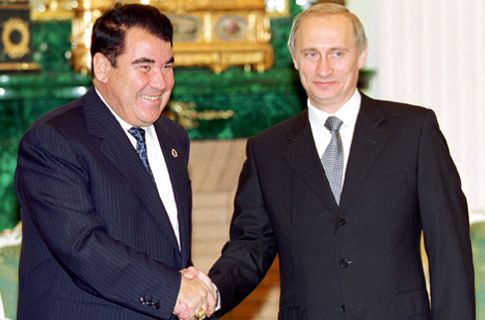
Niyazov’s rise to power was rooted in the political structures of the Soviet system that governed Central Asia for most of the twentieth century. Born in 1940 in Ashgabat, Niyazov grew up during a period marked by both personal hardship and broader social transformation within the Soviet Union. His early life was shaped by the devastating Ashgabat earthquake of 1948, which destroyed much of the city and reportedly killed several members of his family. These experiences became part of the personal narrative later promoted by the Turkmen state, portraying Niyazov as a figure who had endured adversity and emerged as a strong leader for the nation.
Niyazov entered political life through the Communist Party, the primary avenue for political advancement in the Soviet Union. Like many officials in the Soviet republics, he progressed through administrative and party positions that required loyalty to the centralized political structure of Moscow. After studying engineering at the Leningrad Polytechnic Institute, he returned to Turkmenistan and began working within the Soviet administrative system, gaining experience in both technical and party institutions. He established a reputation as a reliable party administrator capable of maintaining stability within the republic’s political institutions. His career reflected the typical pathway of regional leadership in the Soviet system, where advancement depended upon maintaining close ties to the party hierarchy while demonstrating competence in managing local affairs. These qualities made him an acceptable and predictable figure to Soviet authorities, who often preferred regional leaders who would reinforce the political status quo rather than challenge it.
A significant turning point in Niyazov’s political career came in 1985, when he was appointed First Secretary of the Communist Party of Turkmenistan. This position placed him at the head of the republic’s political structure, making him the most powerful political figure within the Turkmen Soviet Socialist Republic. The appointment occurred during a period of political reform within the Soviet Union under Mikhail Gorbachev, whose policies of perestroika and glasnost attempted to revitalize the Soviet system through economic restructuring and limited political openness. While these reforms introduced new uncertainties into Soviet political life, they also strengthened the position of regional leaders who were able to maintain stability within their republics. Niyazov navigated this changing environment cautiously, avoiding direct confrontation with Moscow while maintaining firm control over local party institutions. In doing so, he positioned himself as a dependable administrator capable of guiding the republic through the uncertainties of reform.
As the Soviet Union moved toward dissolution in the late 1980s and early 1990s, Niyazov adapted quickly to the changing political landscape. In 1990 he was elected president of the Turkmen Soviet Socialist Republic, a position that anticipated the shift toward stronger executive leadership in the republic. When Turkmenistan declared independence in 1991, Niyazov remained at the center of political authority, transitioning from a Soviet-era party leader into the president of a newly independent state. The continuity of leadership during this period allowed him to maintain control over the political apparatus while other post-Soviet states struggled with more turbulent transitions.
Following independence, Niyazov consolidated his authority through a series of political measures that reinforced the power of the presidency. Elections held in the early years of independence produced overwhelming support for his leadership, often with little or no meaningful political opposition. Political institutions that might have served as counterbalances to presidential authority remained weak or closely aligned with the executive branch. Through these mechanisms, Niyazov gradually established a political system in which his leadership became the central organizing principle of the state.
By the mid-1990s, Niyazov had begun to move beyond conventional presidential authority toward a form of rule that emphasized personal leadership and symbolic legitimacy. Political rhetoric increasingly portrayed him as the guiding figure of the Turkmen nation, and state institutions promoted narratives highlighting his role in securing independence and stability. Government media presented him not merely as a political administrator but as a figure whose leadership embodied the historical destiny of the Turkmen people. This shift marked the beginning of a transformation in which the authority of the state became intertwined with the personal identity of the leader. As this process unfolded, Niyazov’s image would become increasingly central to national symbolism, eventually evolving into one of the most elaborate personality cults of the modern era.
Turkmenbashi: Creating the Father of the Nation
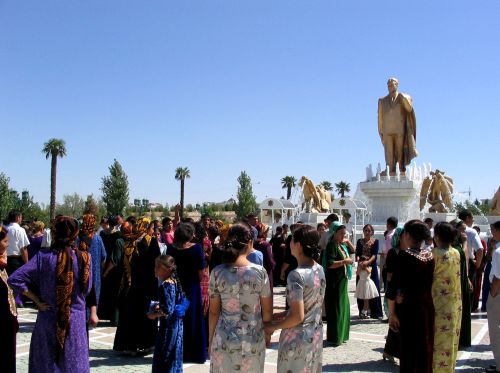
During the 1990s, Niyazov began transforming his political authority into a symbolic system centered on personal leadership. The consolidation of executive power in Turkmenistan provided the institutional foundation for this transformation, but it was the deliberate construction of public imagery and narrative that allowed Niyazov’s rule to take on a distinctive ideological character. State media, public ceremonies, and official rhetoric increasingly presented him not simply as president but as the central figure guiding the destiny of the Turkmen nation. Through these practices, the authority of the state became closely associated with the personal identity of its leader.
One of the most significant steps in this symbolic transformation was Niyazov’s adoption of the title Turkmenbashi, meaning “Leader of the Turkmen.” The title carried strong cultural and historical resonance, invoking the image of a paternal figure responsible for protecting and guiding the people. By adopting this designation, Niyazov positioned himself as more than a political official. He became the symbolic father of the nation, a figure whose leadership was portrayed as essential to the unity and survival of the state.
State propaganda reinforced this image through a wide range of visual and ceremonial practices. Portraits of Niyazov appeared in government offices, schools, and public buildings across the country. Public events frequently featured speeches praising his leadership and celebrating his role in securing the independence and stability of Turkmenistan. Media coverage emphasized his wisdom, patriotism, and dedication to the well-being of the Turkmen people. Through constant repetition, these messages encouraged citizens to associate national progress with the personal authority of Turkmenbashi.
Symbolic gestures further strengthened the connection between the leader and the nation. Cities, institutions, and public spaces were renamed in ways that reflected Niyazov’s prominence within national life. Streets, airports, schools, and government buildings carried titles that honored the leader or reinforced the symbolic framework of his rule. Even elements of the calendar were altered to incorporate references to Niyazov and his family, including the renaming of months and days in ways that embedded the leader’s identity into everyday life. These changes were not merely ceremonial. They reshaped the language and routines through which citizens experienced public life, ensuring that references to Turkmenbashi appeared in daily communication, official documents, and educational materials. By inserting the leader’s name into these basic structures of time and space, the regime expanded the symbolic presence of Niyazov far beyond political institutions and into the rhythms of ordinary life.
Monumental architecture and public sculpture also played a central role in this process. Among the most striking examples was the construction of massive statues of Niyazov in prominent public spaces, including the famous golden statue in Ashgabat designed to rotate so that it continually faced the sun. These monuments served both as symbols of political authority and as visual reminders of the leader’s omnipresent role within the national narrative. By shaping the physical environment of the capital and other cities, the regime ensured that representations of Turkmenbashi remained visible in everyday public life.
The creation of this paternal image was not merely a matter of personal vanity but a deliberate strategy of political legitimacy. By presenting himself as the father of the nation, Niyazov sought to anchor his authority in narratives of cultural continuity, protection, and national renewal. In a country navigating the uncertainties of post-Soviet independence, the symbolism of paternal leadership offered a powerful message of stability. These symbolic practices evolved into one of the most elaborate personality cults in the modern world, transforming the political identity of Turkmenistan around the figure of Turkmenbashi.
The Ruhnama and the Construction of Ideological Authority

One of the most distinctive elements of Niyazov’s political system was the elevation of his own writings into a central component of national ideology. The Ruhnama, first published in the early 2000s, was presented as a spiritual, moral, and historical guide for the Turkmen people. Official narratives described the text as a work that preserved the wisdom of Turkmen culture while providing guidance for the country’s future. In practice, the book became a key instrument through which the regime attempted to link national identity, moral instruction, and loyalty to the leadership of Turkmenbashi.
The Ruhnama blended multiple themes that reinforced this ideological framework. Portions of the text offered interpretations of Turkmen history and cultural traditions, presenting the nation as a community bound together by shared moral values and historical destiny. These historical narratives often drew on legendary figures, epic traditions, and heroic imagery that portrayed the Turkmen past as a source of moral strength for the modern nation. Other sections contained reflections attributed to Niyazov on ethics, patriotism, and the responsibilities of citizenship, frequently presented in the form of moral guidance intended to shape the behavior of individuals and communities. Through this combination of historical narrative, cultural symbolism, and moral instruction, the text attempted to create a comprehensive ideological framework that connected the nation’s past, present, and future under the guidance of Turkmenbashi.
The role of the Ruhnama expanded rapidly after its publication. Schools and universities incorporated the book into their curricula, requiring students to study its contents as part of their education. Examinations based on the text became a component of academic evaluation, and familiarity with its themes was often necessary for advancement within educational and professional institutions. In many cases, students were required to memorize passages and demonstrate knowledge of the text during examinations or public events. The book’s presence extended beyond the classroom into civic life, where public officials and professionals were expected to display familiarity with its teachings. By embedding the Ruhnama within the national education system and broader administrative culture, the state ensured that younger generations encountered the ideological message of the regime as a routine part of their schooling and professional development.
Government institutions also promoted the Ruhnama as a central reference point for public life. Copies of the text appeared in government offices, libraries, and public buildings, and officials frequently cited its passages during speeches and ceremonies. Public readings and commemorative events reinforced the idea that the book held a special place within the intellectual and moral life of the nation. These practices elevated the Ruhnama beyond the status of a political document and framed it instead as a foundational cultural text.
The symbolic importance of the Ruhnama extended even into the design of public monuments and national ceremonies. Large monuments dedicated to the book were constructed in the capital, Ashgabat, including structures that displayed passages from the text in prominent public spaces. One of the most notable examples was a monumental mechanical display that opened to reveal pages from the Ruhnama, accompanied by recorded narration recounting its themes. Such displays transformed the text into a physical presence within the urban environment, ensuring that its message was not confined to classrooms or official documents. State media presented the work as a source of wisdom capable of guiding both personal conduct and national development, further reinforcing the impression that the teachings of Turkmenbashi occupied a unique position within the cultural life of the nation.
In this way, the Ruhnama functioned as an ideological pillar of Niyazov’s political system. By linking national identity to the teachings of the leader, the regime sought to strengthen the symbolic legitimacy of personal rule. The book’s presence in education, public institutions, and ceremonial life transformed it into a powerful instrument of political narrative. Through the authority attributed to the Ruhnama, the state attempted to create a shared framework in which devotion to Turkmen culture, national unity, and loyalty to the leadership of Turkmenbashi were presented as inseparable elements of public life.
Monumental Propaganda: Statues, Architecture, and Public Space
One of the most visible expressions of Niyazov’s authority appeared in the transformation of Turkmenistan’s public spaces. Architecture, monuments, and urban design became central tools through which the state communicated political messages and reinforced the image of Turkmenbashi. In the capital city of Ashgabat, government construction projects reshaped the visual landscape, replacing many Soviet-era symbols with new structures that reflected the narratives of national independence and personal leadership promoted by the regime. Public space was redesigned not simply for aesthetic purposes but as a medium through which political authority could be displayed and reaffirmed.
Monuments dedicated to Niyazov were among the most striking features of this new symbolic space. The most famous example was the Arch of Neutrality in Ashgabat, a towering structure crowned by a large golden statue of the president. The statue was engineered to rotate slowly throughout the day so that it constantly faced the sun, an architectural gesture that reinforced the symbolic centrality of Turkmenbashi within the national narrative. Such monuments were intended to project permanence and grandeur, presenting the leader as a guiding presence within the physical landscape of the nation.
Beyond individual monuments, the broader architectural development of Ashgabat reflected the regime’s desire to create a capital city that embodied the ideals of the state. Large government buildings, expansive plazas, and monumental avenues were constructed in white marble, producing a distinctive urban aesthetic that emphasized scale, symmetry, and visual uniformity. This architectural transformation was part of an extensive state-led development effort that reshaped the capital during the 1990s and early 2000s. Government planners sought to create a city that would symbolize the independence and prosperity of Turkmenistan while simultaneously projecting the authority of the regime. The extensive use of white marble became a defining feature of Ashgabat’s architecture, contributing to the city’s reputation as one of the most visually distinctive capitals in the region. Architecture functioned not merely as infrastructure but as a visual expression of national ambition and political power.
Public buildings and institutions also incorporated symbolic elements associated with the leadership of Turkmenbashi. Government offices, cultural centers, and educational institutions frequently displayed portraits and inscriptions praising the president’s role in the nation’s development. Such imagery reinforced the connection between the functioning of the state and the authority of the leader. By embedding these symbols within the everyday environments of work, education, and public administration, the regime ensured that representations of Niyazov remained a constant presence in the daily lives of citizens.
Urban design itself became a vehicle for political messaging. Major public squares and ceremonial spaces were designed to accommodate national celebrations and state-organized gatherings that celebrated the achievements of the government. These large-scale spaces allowed authorities to stage highly visible public ceremonies that emphasized the unity of the nation under its leadership. Parades, commemorative events, and official celebrations often took place in these locations, where the scale of the architecture amplified the visual impact of the gatherings. The arrangement of monuments, plazas, and government buildings created a spatial hierarchy that placed state authority at the center of public life. Through these carefully planned environments, political ritual and architectural spectacle worked together to reinforce the symbolic dominance of the regime.
Through these architectural and monumental strategies, the government transformed Turkmenistan’s public landscape into a symbolic representation of the regime’s authority. Statues, buildings, and ceremonial spaces worked together to produce a visual narrative in which the nation’s identity appeared inseparable from the leadership of Turkmenbashi. The prominence of these symbols demonstrated how authoritarian governments can employ architecture and urban design as instruments of political communication, shaping the environment itself into a stage upon which the legitimacy of the regime is continuously performed.
Control of Information and the Performance of Loyalty
The consolidation of Niyazov’s authority depended not only on symbolism and monumental architecture but also on the careful management of information within Turkmenistan. Control over media and communication channels allowed the government to shape the narratives through which citizens understood political life. State institutions regulated newspapers, television broadcasts, and radio programming, ensuring that public information reflected the perspectives and priorities of the regime. Independent journalism and critical political commentary were largely absent from the national media environment, creating a public sphere dominated by official messaging.
State media consistently presented Niyazov as the central figure guiding the nation’s development and stability. News broadcasts frequently highlighted his speeches, meetings, and policy initiatives, often framing them as decisive moments in the country’s progress. Government publications emphasized the achievements of Turkmenistan under his leadership, portraying economic development, social programs, and national projects as direct results of his vision. Through this steady stream of positive coverage, the state cultivated an informational environment in which criticism of leadership was rarely visible.
Education also played a significant role in reinforcing the political narratives promoted by the regime. Schools and universities incorporated official interpretations of history, national identity, and political leadership into their curricula. The study of the Ruhnama became one of the most visible examples of this approach, linking educational advancement with familiarity with the ideological framework promoted by the government. By embedding these ideas within the education system, the state ensured that younger generations encountered political narratives that emphasized loyalty, unity, and respect for national leadership.
Public ceremonies and institutional rituals provided additional opportunities for demonstrating loyalty to the regime. National holidays, commemorative events, and official celebrations often included speeches praising the leadership of Turkmenbashi and highlighting the achievements of the state. These events were frequently organized on a large scale, bringing together government officials, students, workers, and members of civic organizations in highly visible displays of national unity. Participation in such ceremonies reinforced the perception that loyalty to the leadership was not merely a political preference but a shared civic responsibility. In many cases, schools and workplaces organized attendance at these events, ensuring that large segments of the population were physically present during public celebrations. Through repetition and visibility, these rituals helped normalize the language of devotion that surrounded the leadership, embedding expressions of loyalty into the routine rhythms of public life.
Within government institutions and workplaces, expressions of loyalty often took on a more formal character. Officials and employees frequently participated in meetings, public readings, and ceremonial gatherings that emphasized the values promoted by the leadership. These activities reinforced a culture in which public expressions of support for the regime became part of routine professional life. In many cases, such displays of loyalty were less about personal belief than about demonstrating conformity with the expectations of the political environment.
Together, these mechanisms of media control, education, and public ritual created a system in which loyalty to the leadership was continually performed in everyday life. By shaping the information available to citizens and encouraging visible expressions of support, the regime strengthened the symbolic authority of Turkmenbashi. The result was a political culture in which devotion to the leader was reinforced through both institutional structures and repeated public performance.
Society under Turkmenbashi: Devotion, Compliance, and Adaptation
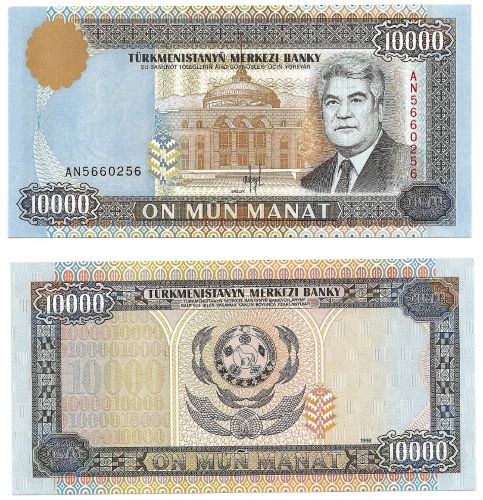
Life in Turkmenistan under the rule of Niyazov unfolded within a political structure dominated by symbolic authority, controlled information, and highly visible rituals of loyalty. Yet the experience of this system among ordinary citizens was complex and varied. While official narratives emphasized widespread devotion to Turkmenbashi, the daily realities of life in Turkmen society reflected a mixture of genuine admiration, pragmatic compliance, and quiet adaptation to the expectations of an authoritarian political order. Understanding the social dimension of Niyazov’s rule requires attention not only to state propaganda but also to the ways individuals navigated the political structures surrounding them.
For some citizens, particularly those who benefited from the stability and state support provided during the early years of independence, Niyazov’s leadership appeared as a source of national continuity in a period of regional uncertainty. Turkmenistan avoided many of the violent conflicts and economic crises that affected other parts of the former Soviet Union during the 1990s. Government policies subsidizing basic utilities such as gas, water, and electricity contributed to the perception that the state was capable of protecting the welfare of its population. These subsidies, which provided free or extremely inexpensive access to essential household services, were widely publicized by the government as evidence of the leadership’s commitment to the well-being of ordinary citizens. For families navigating the economic uncertainty that followed the collapse of the Soviet Union, such policies helped reinforce the impression that political stability under Niyazov offered tangible benefits in daily life. Expressions of loyalty toward Turkmenbashi could reflect genuine approval among segments of the population who associated his leadership with stability, social order, and material security.
Many public demonstrations of devotion were shaped by the political culture in which dissent was limited and expressions of loyalty were strongly encouraged. Participation in public ceremonies, workplace meetings, and civic events often required individuals to display visible support for the regime. In such circumstances, outward displays of admiration for the leader could function as practical responses to institutional expectations rather than expressions of deeply held belief. This dynamic illustrates a common feature of authoritarian political cultures, where public conformity does not always correspond to private conviction.
Economic conditions also influenced how citizens experienced the political system. Turkmenistan possessed significant natural gas resources, and state revenues from these exports provided the government with a degree of financial independence that helped sustain the regime. Economic opportunities outside state-controlled sectors remained limited, and access to resources often depended upon connections within government institutions. For many citizens, adapting to the political environment meant navigating bureaucratic structures and maintaining relationships that allowed them to manage everyday challenges.
Social and cultural life also reflected the broader influence of the political system. Schools, cultural institutions, and public organizations frequently incorporated themes associated with the leadership of Turkmenbashi into their activities. Students encountered official narratives of national identity and leadership throughout their education, while public celebrations and youth programs often included readings from the Ruhnama or references to the president’s guidance. Cultural institutions organized exhibitions, performances, and commemorative events that reinforced the symbolic centrality of the leader within national life. These activities helped shape a public environment in which political authority was intertwined with cultural identity, encouraging citizens to associate loyalty to the state with respect for the figure of Turkmenbashi.
Despite the pervasive presence of state ideology, individuals and communities often developed subtle ways of adapting to the political expectations surrounding them. Citizens learned how to navigate the boundaries of acceptable expression, participating in official rituals while maintaining private perspectives that were not always visible in public life. Such patterns of adaptation were common in many authoritarian societies, where the distinction between public performance and private belief became an important feature of social behavior. The society that existed under Turkmenbashi was not defined solely by devotion to the leader but also by the diverse ways in which individuals responded to the structures of power that shaped their daily lives.
The Death of Niyazov and the Fate of the Cult
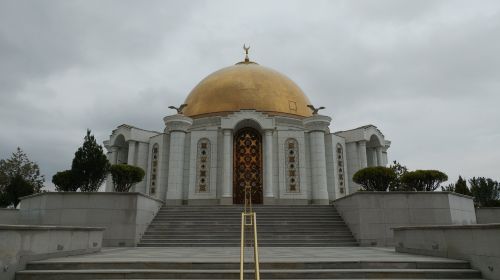
Niyazov died unexpectedly on December 21, 2006, ending more than fifteen years of personal rule in Turkmenistan. His death created a moment of uncertainty in a political system that had been structured so completely around the authority of a single individual. Because Niyazov had cultivated an image of near-absolute leadership and had not clearly designated a successor, the transition raised questions about whether the political order built around the cult of Turkmenbashi could survive without its central figure. In the immediate aftermath, state institutions moved quickly to maintain stability and continuity.
Political leadership soon passed to Gurbanguly Berdimuhamedov, a deputy prime minister who emerged as the central figure in the transition process. The new administration initially preserved many of the symbolic structures created during Niyazov’s rule. Public monuments remained in place, official media continued to reference the legacy of Turkmenbashi, and elements of the political culture surrounding the previous regime persisted. In the short term, maintaining these symbols helped reassure both domestic audiences and state institutions that the transition would not produce abrupt political disruption.
The new leadership gradually modified aspects of the personality cult associated with Niyazov. Some of the most visible symbols of Turkmenbashi’s authority were reduced or reinterpreted. References to the Ruhnama in education and public administration became less central, and certain ceremonial practices connected to the earlier cult lost prominence. Educational requirements tied to memorization of the text were relaxed, and government institutions placed less emphasis on the book as a central ideological guide. These adjustments were carried out gradually, allowing the leadership to signal a degree of change without openly repudiating the symbolic legacy of the former president. The process reflected a careful balancing act: preserving the appearance of respect for Turkmenbashi while simultaneously establishing the authority of a new political figure at the center of the state.
Despite these adjustments, many structural features of the political environment established during Niyazov’s rule remained intact. Turkmenistan continued to operate within a highly centralized political framework, with limited independent media and restricted political opposition. The persistence of these institutional patterns reflected the durability of the governing structures that had developed during the first years of independence. The legacy of Turkmenbashi extended beyond his personal image and into the broader organization of political power within the state.
The fate of Niyazov’s personality cult illustrates both the fragility and the resilience of authoritarian symbolic systems. Personal devotion centered on a single leader may weaken once that individual is gone, yet the institutions and political habits formed under such leadership often persist. In Turkmenistan, the passing of Turkmenbashi marked the end of one of the most elaborate personality cults of the modern era, but the broader political framework that enabled it remained a defining feature of the country’s governance.
Historical Interpretation: Manufactured Devotion in Modern Authoritarianism
The personality cult surrounding Niyazov has attracted significant attention among historians and political scientists seeking to understand how modern authoritarian regimes construct legitimacy. Unlike traditional monarchies or revolutionary regimes built upon ideological movements, Niyazov’s authority rested heavily on the deliberate construction of symbolic devotion. Titles such as Turkmenbashi, the pervasive display of his image, and the central role of the Ruhnama created a political culture in which loyalty to the leader was framed as an essential component of national identity. Scholars have interpreted the Turkmen experience as an example of how modern states can manufacture political reverence through institutional control and symbolic messaging.
Many analysts emphasize the structural conditions that made such a system possible in post-Soviet Turkmenistan. The collapse of the Soviet Union left newly independent states with fragile institutions, limited political pluralism, and administrative structures that had long been accustomed to centralized authority. Leaders such as Niyazov were able to consolidate power by adapting Soviet political practices to the realities of independent statehood. Rather than abandoning the culture of centralized leadership, the new regime reconfigured it around a personal figure whose authority was reinforced through public rituals, education, and media control.
Other interpretations focus on the role of political symbolism and cultural narrative in sustaining such systems. Niyazov’s government sought to merge the image of the leader with broader ideas of national revival and historical identity. By presenting Turkmenbashi as both a political ruler and a symbolic father of the nation, the regime attempted to fuse personal loyalty with patriotic sentiment. This strategy allowed the state to frame devotion to the leader as part of a broader narrative of national unity and cultural renewal, strengthening the emotional foundations of the political order.
Historians caution against interpreting the public displays of loyalty in Turkmenistan as evidence of universal or sincere devotion. As with many authoritarian systems, the visible performance of loyalty often reflected the institutional expectations placed upon citizens rather than their private convictions. The study of Niyazov’s rule highlights a broader analytical challenge in the history of authoritarianism: distinguishing between genuine belief and the public rituals that political systems encourage or require. The cult of Turkmenbashi provides a revealing example of how modern regimes attempt to manufacture devotion while navigating the complex realities of social compliance and political control.
Conclusion: Power, Myth, and the Politics of Personality
The political system constructed by Niyazov in Turkmenistan represents one of the most striking modern examples of a state built around personal authority. Through symbolism, ritual, and control over information, Niyazov transformed political leadership into a highly visible form of personal rule. Titles such as Turkmenbashi, the elevation of the Ruhnama, and the widespread presence of monuments and portraits were not merely decorative elements of the regime. They functioned as instruments through which political authority was continually reinforced and displayed.
The creation of this symbolic political order illustrates how modern authoritarian systems often rely on narratives that blend nationalism, historical identity, and personal leadership. By presenting himself as both a guardian of the nation and a visionary guide for its future, Niyazov attempted to merge the identity of the state with the authority of a single individual. In doing so, the regime constructed a political culture in which loyalty to the leader appeared inseparable from loyalty to the nation itself. Public education, media messaging, and national ceremonies repeatedly reinforced the image of Turkmenbashi as the embodiment of Turkmen history and destiny. By linking personal leadership with broader narratives of cultural revival and independence after the Soviet collapse, the regime sought to position Niyazov not simply as a political ruler but as the central symbol of the nation’s renewal. In this way, personal authority was woven into the language of patriotism and national pride, making political loyalty appear as a natural expression of civic identity.
The experience of Turkmenistan under Turkmenbashi reveals the limits of personality-centered political systems. While the symbols and rituals surrounding the leader may appear powerful, their durability often depends on the continued presence of the individual who embodies them. The transition following Niyazov’s death illustrated how quickly elements of the cult could be modified once a new leadership sought to establish its own authority. The structures of political control remained largely intact, yet the symbolic system that had once revolved around Turkmenbashi proved more fragile than the institutions that supported it.
The legacy of Niyazov’s rule offers important insight into the relationship between power, mythmaking, and political legitimacy. Authoritarian leaders frequently attempt to transform political authority into personal devotion, using cultural symbols and institutional mechanisms to cultivate loyalty. Yet the historical record suggests that such efforts often produce a complex mixture of genuine belief, pragmatic compliance, and carefully managed public performance. The story of Turkmenbashi provides a revealing case study in how modern regimes attempt to manufacture political reverence while navigating the enduring tension between symbolic authority and the realities of political power.
Bibliography
Affiliate disclosure: Amazon links on this site are paid links. As an Amazon Associate I earn from qualifying purchases.
- Anceschi, Luca. “After Personalism: Rethinking Power Transfers in Turkmenistan and Uzbekistan.” Journal of Contemporary Asia 51:4 (2021), 660-680.
- Atkin, Muriel. “Turkmenistan: Reform, Reaction, and Nationalism.” In New States, New Politics: Building the Post-Soviet Nations, edited by Ian Bremmer and Ray Taras. Cambridge: Cambridge University Press, 1997.
- Bohr, Annette. Turkmenistan: Power, Politics and Petro-Authoritarianism. London: Routledge, 2016.
- Cummings, Sally N. Power and Change in Central Asia. London: Routledge, 2001.
- Gore, Hayden. “Totalitarianism: The Case of Turkmenistan.” Human Rights & Human Welfare 7:1-48 (2007), 107-116.
- Kuru, Ahmet T., and Alfred Stepan, eds. Democracy, Islam, and Secularism in Turkey. New York: Columbia University Press, 2012.
- Peyrouse, Sébastien. Turkmenistan: Strategies of Power, Dilemmas of Development. Armonk, NY: M.E. Sharpe, 2011.
- Pomfret, Richard. The Economies of Central Asia. Princeton: Princeton University Press, 1995.
- Rashid, Ahmed. Taliban: Islam, Oil and the New Great Game in Central Asia. London: I.B. Tauris, 2002.
- Schatz, Edward. Modern Clan Politics: The Power of “Blood” in Kazakhstan and Beyond. Seattle: University of Washington Press, 2004.
- Sullivan, Charles J. “Halk, Watan, Berdymukhammedov! Political Transition and Regime Continuity in Turkmenistan.” Region 5:1 (2016), 35-51.
Originally published by Brewminate, 03.13.2026, under the terms of a Creative Commons Attribution-NonCommercial-NoDerivatives 4.0 International license.
About the Author