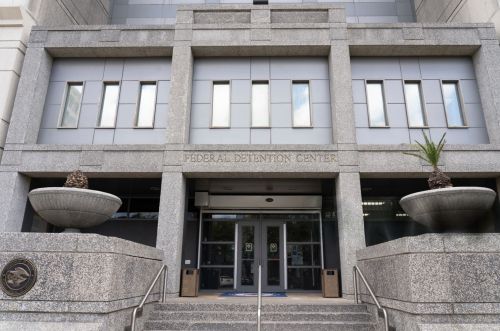
Detainees in the Federal Detention Center have access to medical attention, legal resources, education, mental health support, and more, all while their cases work through the federal court system. Men and women are both housed here, across different security levels, under one administrative roof.
FDC Houston is positioned deliberately close to the federal courts in the Southern District of Texas, which makes the logistics of court appearances far more manageable for everyone involved.
What Form of Support Is Available for Federal Detainees in FDC Houston?
Here are some of the services offered to federal detainees in FDC Houston:
Medical Care
Medical access is one of the core services the facility provides. Detainees can request care through a sick call process; they fill out a form, staff review the request, and appointments are scheduled based on the level of need.
Emergency care is available around the clock, and in situations that require more than the facility can handle, on-site, outside hospital transport is arranged.
Beyond basic medical care, the facility also has dental services available. Routine exams and cleanings happen on a scheduled basis, and emergency dental care gets prioritized.
For those on chronic care medications, such as blood pressure, insulin, and psychiatric drugs, there is a scheduled pill line system that ensures they receive what they need consistently.
Educational and Vocational Opportunities
One of the things families do not always know going in is that federal detainees are not just sitting idle. FDC Houston offers GED preparation and other educational programs.
Work assignments are also part of the picture. Most able-bodied detainees are assigned to jobs within the facility. They can take on food service, laundry, groundskeeping, library aide work, and similar roles.
The pay is modest, but the assignments count as productive activity under the First Step Act, which means they contribute to time credit accumulation.
Support for Mental Health and Substance Abuse
The psychology staff runs ongoing counseling and group therapy, and there are drug education classes available for detainees with substance abuse histories. The facility does not offer the Residential Drug Abuse Program, known as RDAP, so individuals specifically seeking that intensive treatment option would need to factor that into their planning.
Mental health medications are monitored on a regular basis for detainees already on psychiatric prescriptions, and detainees can self-refer to psychology services without waiting for a referral from another staff member.
Recreational Activities
Recreation is structured but available. The facility has both indoor and outdoor options. Outside, there is a track, basketball courts, handball courts, and field space for softball and soccer.
Inside, there are cable weight machines, stationary bikes, and elliptical equipment. Free weights have not been part of federal facilities for decades, so that is not something to expect.
Beyond physical fitness, there are hobby craft programs, arts and crafts, board games, table tennis, and weekend movie nights. Intramural sports leagues and holiday tournaments also run periodically.
These might sound minor, but for someone spending months in a detention facility, structured activity matters for mental health as much as anything else.
Legal Support

The facility is required by federal law to give detainees access to a law library. Electronic legal research tools are available on terminals in the housing units, generally accessible from early morning through late evening.
Detainees working on legal matters or preparing for court appearances solo can use these resources, and if they need additional time due to an approaching deadline, they can request it through their unit team.
Attorneys can visit during designated legal visitation hours, which are weekdays and weekends, and the facility has private rooms available for attorney-client meetings.
Legal mail is handled with confidentiality protections, and attorneys can also arrange phone calls through an unmonitored line.
Key Takeaways
- FDC Houston houses both men and women across multiple security classifications in one facility.
- Its downtown Houston location keeps detainees within reach of the Southern District federal courts.
- Sick call, emergency coverage, dental care, and mental health services are all available on-site.
- Drug education is offered, but RDAP is not available at this location.
- Recreation options cover both outdoor yard time and indoor activities.
- Family members can deposit money into commissary accounts to help with day-to-day needs.
- The law library and private legal visiting rooms give detainees the tools to support their cases.
About the Author