A home’s appearance is often judged long before anyone steps inside. In places like Boulder, CO, where seasonal shifts are visible and design preferences lean toward clean yet character-filled structures, exterior upgrades are often treated as a serious investment. That quiet-but-powerful first glance matters more than many expect. A dated facade can make even a well-kept interior feel overlooked. On the other hand, a refreshed exterior can instantly signal care, intention and pride. Yes, this is true – the outside sets the tone for everything else.
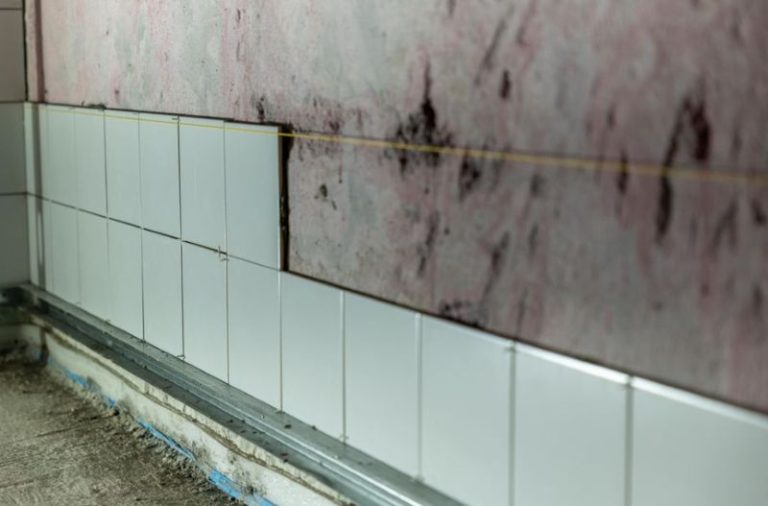
Homeowners often overlook how small details shape perception. A faded wall surface, worn trim or outdated finishes can slowly pull down the entire look. Even if everything else feels updated, that one neglected element stands out. There is also a strong emotional response tied to appearances. A well-maintained exterior feels welcoming and grounded. A neglected one feels unfinished and forgotten – so the question is simple: what story is being told before the door even opens?
First impressions hit harder than expected
The outside of a home sets the tone in seconds, whether anyone likes it or not. Crisp finishes, intentional color choices and visible upkeep immediately communicate quality. On the flip side, faded surfaces and uneven details signal neglect just as fast. There is no middle ground here.
Every element either adds to the impression or takes away from it.
It is not just siding – it is identity
Exterior upgrades are often reduced to surface-level changes, but they carry deeper meaning. A home’s outer layer reflects personal taste and long-term priorities. It shows whether maintenance is valued or ignored. It tells a story without saying a word.
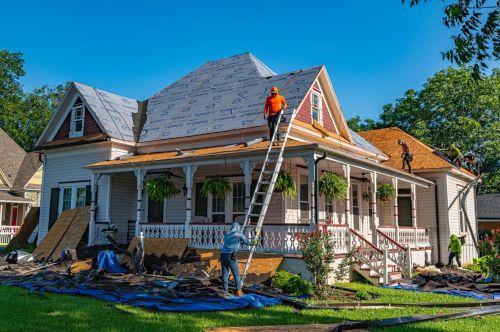
In many cases, professional help is sought to bring these ideas to life. For homeowners in need of guidance, working with a reliable Boulder siding installation company becomes a practical step toward achieving a cohesive look. The process is not only about replacing materials. It is about aligning design with structure and climate.
Different materials serve different purposes. Wood offers warmth but requires upkeep. Vinyl is low-maintenance but must be chosen carefully to avoid a generic feel. Fiber cement provides durability and a modern finish. Each option carries its own visual and functional impact.
There is also the matter of consistency. A home with mixed styles often feels disjointed. When materials, colors and finishes are aligned, the result feels intentional. That sense of cohesion is what transforms a house into a well-designed space.
Have you ever noticed how some homes feel complete while others feel unfinished? That difference is rarely accidental.
Small changes can do a lot of heavy lifting
Not every transformation requires a full overhaul. Some of the most noticeable improvements come from targeted updates. These changes are often budget-friendly and quick to implement. Yet they deliver a strong visual payoff.
- Replacing outdated fixtures with modern designs can refresh the overall look
- Updating the front door with a bold color creates a focal point
- Adding shutters or trim enhances depth and dimension
- Refreshing paint on key areas instantly brightens the exterior
- Cleaning or replacing gutters improves both function and appearance
Each of these updates works together to build a stronger visual identity. When combined thoughtfully, they create a polished finish. It is not about doing everything at once. It is about choosing the right elements to update.
There is also a psychological effect at play. A home that looks cared for feels more comfortable to live in. That sense of pride extends beyond appearance. It influences how spaces are used and maintained over time.
So why wait for major damage before making changes?
Design choices that actually make sense
Aesthetic decisions should always be supported by practical considerations. Climate, maintenance and durability all play a role. In areas with fluctuating weather, materials must withstand temperature changes. Poor choices can lead to frequent repairs and added costs.
Energy efficiency is another factor that cannot be ignored. Certain exterior materials help regulate indoor temperatures. This reduces reliance on heating and cooling systems. Over time, those savings add up.
There is also the matter of resale value. Homes with updated exteriors are often more appealing to buyers. They suggest that the property has been maintained properly – that perception can influence decisions during the buying process.
It is also worth noting that trends come and go. What looks modern today may feel outdated in a few years. That is why timeless design choices are often preferred. Neutral palettes and classic materials tend to hold their appeal longer.
Does it make sense to follow every trend, or is it better to focus on lasting value?
When the outside finally matches the inside
Many homes go through interior upgrades while the exterior remains unchanged. This creates a disconnect. The inside feels modern and comfortable, while the outside tells a different story. That mismatch can feel frustrating.
When exterior improvements are made, that gap is closed. The home begins to feel complete. Every part of the property reflects the same level of care. This alignment creates a stronger sense of satisfaction.
There is also a ripple effect. Neighbors notice changes. The overall look of the area improves. Property values can benefit as a result. It becomes a shared experience rather than an isolated one.
Think about a home that has been renovated inside and out. The difference is not subtle. It feels balanced and intentional. That balance is what many homeowners aim for.
And is it not worth creating a space that feels consistent from every angle?
A home’s exterior is more than a protective layer. It is a visual statement. It shapes perception. It shapes experience. Thoughtful improvements shift that perception. In real, noticeable ways. An ordinary structure starts to feel different.
Care shows. Style shows. Purpose shows – and all without saying a single word.
The transformation does not have to be overwhelming or all-encompassing – it can start with small changes and build over time. What matters is the intention behind each decision. When choices are made with clarity and purpose, the results speak for themselves.
About the Author