Severe dementia appears strikingly rare in ancient sources, raising questions about how aging, environment, and medical understanding shaped cognitive decline across the ancient world.

By Matthew A. McIntosh
Public Historian
Brewminate
Introduction: Rethinking Dementia as a Historical Phenomenon
Modern societies increasingly regard dementia as one of the defining medical challenges of aging, a condition so widespread that it shapes public health policy, caregiving systems, and cultural anxieties about longevity. The rapid growth in diagnosed cases has encouraged the assumption that cognitive decline in its severe forms is an inevitable feature of human aging, one that has always existed at comparable levels across time. Yet this assumption raises a critical historical question: if dementia is as universal and prevalent as it now appears, why does it seem so faintly represented in the surviving textual and medical records of the ancient world?
The relative silence of early sources, particularly in the Greek tradition, complicates any straightforward answer. Classical authors, including physicians associated with the Hippocratic corpus and philosophers such as Aristotle, acknowledged the cognitive changes associated with aging, but they did not clearly isolate or describe a condition equivalent to modern severe dementia. Instead, mental decline was typically folded into broader discussions of senescence, temperament, and bodily imbalance, often framed through humoral theory rather than neurological dysfunction. Hippocratic writings, for example, note diminished mental sharpness and memory in old age, yet they stop short of describing the profound disorientation, personality change, and loss of identity that characterize advanced dementia today. Aristotle similarly linked aging to a general weakening of bodily and cognitive faculties, emphasizing gradual decline rather than acute pathological transformation. This pattern suggests that while cognitive impairment was recognized, it was interpreted as a natural and expected component of aging rather than a discrete disease entity. The absence of detailed case descriptions raises methodological concerns: ancient authors may not have encountered severe dementia frequently, may not have distinguished it from other forms of decline, or may have lacked the conceptual framework to describe it in ways that would be recognizable to modern observers. The silence of Greek sources must be read cautiously, as both a potential indicator of rarity and a reflection of differing medical and cultural categories.
By the Roman period, references to more pronounced cognitive impairment begin to appear with greater frequency, though still sporadically. Writers such as Pliny the Elder recorded cases that resemble severe memory loss, including the striking anecdote of an individual who forgot his own name. Whether this shift reflects an actual increase in prevalence, improved observational detail, or changing cultural frameworks for understanding mental decline remains an open question. What is clear is that the historical record does not present dementia as a consistently visible or widely discussed phenomenon across antiquity, inviting reconsideration of its long-term trajectory.
The apparent rarity of severe dementia in ancient sources, when compared with its prominence in the modern world, is best understood through a combination of demographic, environmental, and conceptual factors. Shorter lifespans, lower proportions of the elderly population, and the absence of industrial pollutants likely limited both the incidence and visibility of advanced cognitive decline, while differing medical frameworks shaped how such conditions were interpreted and recorded. By integrating textual analysis, environmental history, and comparative anthropology, the following study seeks to reframe dementia not as a timeless constant, but as a condition whose prevalence and meaning have been profoundly shaped by historical context.
Cognitive Aging in Ancient Greece: Absence, Interpretation, and Limits
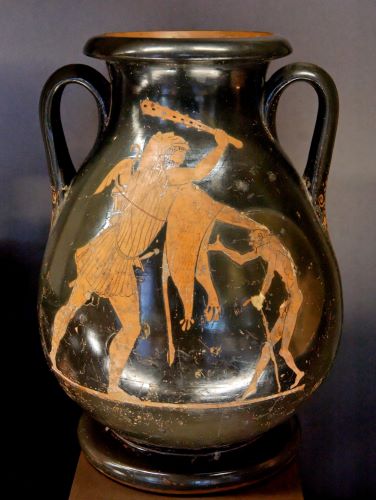
The Greek medical and philosophical traditions provide the earliest sustained discussions of aging and cognition in the Western intellectual record, yet they offer remarkably little that corresponds to modern descriptions of severe dementia. Authors associated with the Hippocratic corpus, writing between the fifth and fourth centuries BCE, acknowledged that advancing age brought physical and mental decline, but they did so within a broader framework that emphasized balance, temperament, and the gradual weakening of bodily systems. Memory loss, diminished acuity, and reduced responsiveness appear in these texts as expected features of senescence rather than as symptoms of a distinct disease process. This conceptualization reflects a medical worldview in which aging itself, rather than discrete neurological pathology, served as the primary explanatory category.
Aristotle’s treatment of memory and aging further reinforces this pattern. In On Memory and Reminiscence, he associates cognitive function with physiological processes, particularly the condition of bodily organs and the movement of sensory impressions, yet he does not identify any form of catastrophic cognitive collapse akin to modern dementia. Instead, he presents aging as a gradual deterioration, in which the mechanisms of perception and recall become less reliable. The elderly are described as slower, less precise, and more prone to confusion, but these changes are framed as natural consequences of bodily decline rather than as markers of a specific pathological condition. Aristotle’s emphasis on continuity, rather than rupture, in cognitive aging is particularly striking when contrasted with modern clinical descriptions of severe neurodegenerative disease.
The absence of detailed case histories in Greek sources further complicates the picture. Hippocratic texts occasionally refer to patients experiencing confusion, delirium, or impaired awareness, especially in the context of acute illness, but these episodes are typically transient and associated with fever, trauma, or imbalance of the humors. They do not resemble the prolonged and progressive deterioration characteristic of Alzheimer’s disease or other forms of dementia. Moreover, Greek physicians did not consistently distinguish between different types of cognitive impairment, often grouping mental disturbances under broader categories that included both physical and psychological symptoms. Terms that might be translated as “madness” or “derangement” encompassed a wide spectrum of conditions, from temporary disorientation to chronic behavioral disturbance, without the diagnostic precision that modern neurology would demand. This broad categorization reflects both the limitations of ancient medical knowledge and the priorities of Greek physicians, who were more concerned with restoring bodily balance than with isolating discrete disease entities. Even if cases of severe, progressive cognitive decline did occur, they may have been subsumed within these broader categories, leaving little trace that can be clearly identified in the surviving texts.
Philosophical literature similarly treats cognitive decline as part of the natural order rather than as a medical anomaly. Discussions of old age in Greek thought frequently emphasize ethical and social implications, focusing on the roles, limitations, and expectations of the elderly within the polis. While diminished memory and reasoning are acknowledged, they are often presented as predictable aspects of life’s final stage, not as conditions requiring specialized treatment or explanation. In works such as Plato’s Republic and other dialogues that touch on aging indirectly, the emphasis falls on the moral and intellectual capacities that can be maintained or cultivated despite physical decline, rather than on the possibility of irreversible cognitive collapse. This orientation reflects a broader cultural tendency to interpret aging through philosophical and ethical lenses, where the central concern is not pathology but the proper ordering of the soul and the maintenance of virtue. Consequently, even significant cognitive impairment might be framed in terms of character, discipline, or the natural waning of faculties, rather than as evidence of a distinct and devastating neurological condition.
The silence of Greek sources must be approached with caution. The absence of explicit references to severe dementia does not necessarily prove that such conditions were nonexistent. Several factors may account for their limited visibility, including shorter average lifespans, lower proportions of individuals reaching advanced old age, and the possibility that severely impaired individuals were less likely to be documented in elite literary and medical texts. Additionally, the conceptual tools available to Greek authors may have constrained how they perceived and recorded cognitive decline, leading them to interpret even severe impairment as an extension of normal aging rather than as a distinct pathological state.
The Greek evidence suggests a world in which cognitive aging was recognized but not sharply differentiated into the categories familiar to modern medicine. The combination of demographic limitations, environmental conditions, and interpretive frameworks likely contributed to both the rarity and the underrepresentation of severe dementia in the historical record. Rather than revealing a complete absence of advanced cognitive decline, Greek sources instead highlight the limits of ancient observation and classification, underscoring the need to interpret their silence not as definitive proof, but as a clue to the complex relationship between biology, culture, and medical knowledge in antiquity.
Roman Evidence: Emerging Descriptions of Severe Cognitive Decline
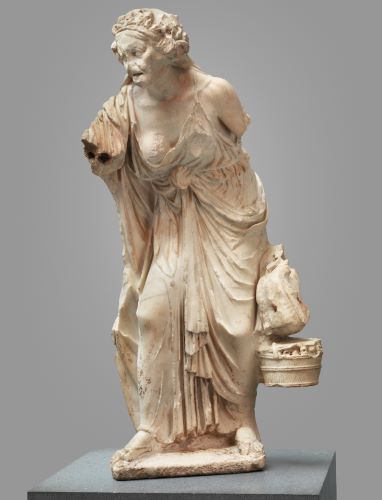
The transition from Greek to Roman literary and medical traditions reveals a subtle but significant shift in the visibility of severe cognitive impairment. While Greek authors tended to subsume mental decline within the general framework of aging, Roman writers, particularly those of the late Republic and early Empire, provide more explicit, if still scattered, references to profound memory loss and disorientation. This change does not amount to a systematic recognition of dementia as a distinct disease, but it does suggest that cases of more advanced cognitive decline were either becoming more noticeable or more worthy of comment within Roman intellectual culture.
One of the most frequently cited examples appears in Pliny the Elder’s Natural History, where he recounts a man who forgot his own name, a striking detail that resonates with modern descriptions of severe cognitive deterioration. Although anecdotal and lacking clinical context, such a report stands out precisely because of its extremity. Unlike the gradual and generalized decline described in Greek sources, this case suggests a level of impairment that disrupts personal identity itself, marking a qualitative difference rather than a simple intensification of normal aging. Pliny presents the story within a broader catalog of unusual and noteworthy phenomena, which underscores the fact that such cases were still perceived as exceptional rather than commonplace. The inclusion of this example indicates a willingness to recognize and record forms of cognitive breakdown that went beyond the expected boundaries of senescence. The loss of one’s own name would have carried profound social and cultural implications in Roman society, where identity, status, and lineage were tightly bound to personal nomenclature. Forgetting one’s name was not merely a lapse in memory; it represented a collapse of the social self, making the anecdote all the more striking and memorable to Roman readers. Pliny’s account offers a rare glimpse into how severe cognitive impairment might have been perceived when it did occur, even if it stops short of providing a systematic medical description.
Other Roman authors contribute to this emerging pattern, though often indirectly. Cicero’s De Senectute emphasizes the dignity and potential vitality of old age, yet its arguments are framed in part as a rebuttal to the common perception that aging inevitably brings significant mental decline. The very need to defend the intellectual capacities of the elderly implies that more severe forms of impairment were recognized, even if they were not systematically described. Similarly, Seneca’s letters and essays occasionally allude to the frailties of the mind in old age, including lapses of memory and judgment, though he, like Cicero, tends to interpret these changes within a moral and philosophical framework rather than as manifestations of disease.
The Roman medical tradition, influenced by Greek precedents but increasingly empirical in orientation, also begins to hint at more differentiated understandings of cognitive impairment. Galen, writing in the second century CE, discusses memory loss and confusion among the elderly in ways that suggest closer clinical observation, even if he does not isolate a condition equivalent to modern dementia. His emphasis on the physical basis of mental function, particularly the role of the brain and the balance of humors, provided a conceptual foundation for linking cognitive decline to bodily processes. Yet even in Galen’s work, severe and progressive deterioration remains embedded within broader discussions of aging and pathology, rather than being treated as a distinct and named disorder.
Several factors may help explain why Roman sources appear to contain more references to advanced cognitive decline than their Greek counterparts. The expansion of urban centers, particularly in Rome itself, brought larger and more diverse populations into close proximity, increasing the likelihood that unusual or extreme cases would be observed and recorded. Greater literacy and the proliferation of written works also contributed to a richer documentary record, preserving anecdotes and observations that might otherwise have been lost. In addition, the Roman elite’s interest in cataloging natural and human phenomena, evident in encyclopedic works like Pliny’s, created a cultural environment in which exceptional cases of mental impairment could be noted as curiosities or warnings.
Caution is necessary in interpreting this apparent increase in evidence. The Roman record remains fragmentary and unsystematic, and the examples that survive are often anecdotal rather than diagnostic. It is difficult to determine whether the frequency of such cases was actually higher, or whether Roman authors were simply more inclined to record them. The emerging visibility of severe cognitive decline in Roman texts may reflect a combination of demographic change, environmental factors, and evolving intellectual interests, rather than a straightforward rise in prevalence. What can be said with greater confidence is that the Roman period marks a point at which the limits of normal aging were more clearly tested in the written record, offering a crucial, if incomplete, window into the historical experience of dementia-like conditions.
Environment and Empire: Lead, Urbanization, and Cognitive Health
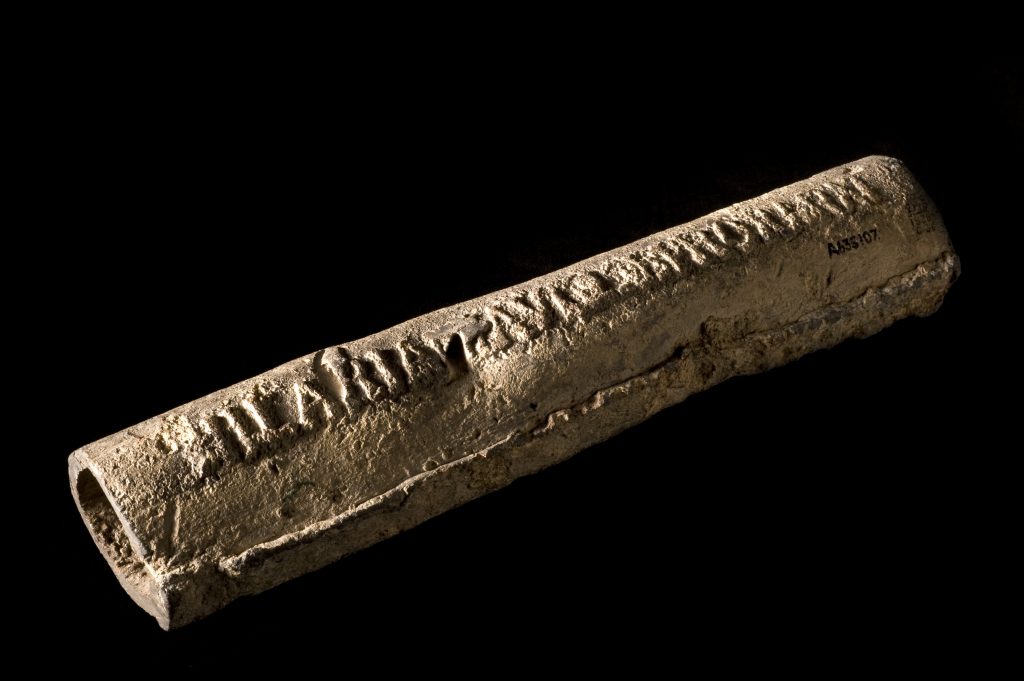
The growth of the Roman Empire brought with it profound environmental changes that may have shaped patterns of health in ways not experienced in earlier Greek contexts. Expanding cities, dense populations, and increasingly complex systems of production introduced new forms of exposure to pollutants, particularly in urban centers such as Rome. While ancient observers did not conceptualize environmental toxicity in modern terms, the scale of urbanization and technological development in the Roman world created conditions under which chronic exposure to harmful substances became more likely. These changes raise the possibility that the apparent increase in severe cognitive decline in Roman sources may have been influenced, at least in part, by environmental factors tied to imperial expansion.
Among these factors, lead exposure has attracted the most sustained scholarly attention. The Romans made extensive use of lead in plumbing systems, storage vessels, and food preparation, including the production of saba, a concentrated grape syrup often boiled in lead containers. Modern toxicology has established that chronic lead exposure can produce neurological damage, including cognitive impairment, memory loss, and behavioral changes that, in severe cases, resemble forms of dementia. This has led some historians and scientists to propose that widespread lead use in Roman society contributed to declines in cognitive health, particularly among the elite who had greater access to processed foods and wine. The hypothesis, while controversial, remains an important avenue for understanding how environmental conditions might have intersected with patterns of mental decline.
The “lead poisoning hypothesis” must be treated with caution. Critics have argued that the extent of lead exposure in the Roman world has been overstated, and that the biological effects, while real, were unlikely to have produced widespread or systematically severe cognitive impairment across the population. Archaeological and chemical analyses suggest variability in exposure levels, with rural populations and lower-status individuals experiencing significantly less contact with lead-contaminated materials. Moreover, the symptoms of lead poisoning do not align perfectly with the progressive and age-related patterns of dementia observed in modern populations. While lead may have contributed to certain cases of neurological dysfunction, it is unlikely to serve as a comprehensive explanation for changes in cognitive health across the Roman Empire.
Beyond lead, the broader environmental conditions of Roman urban life also warrant consideration. Large cities generated significant air pollution from fires, metalworking, and other industrial activities, exposing inhabitants to particulate matter and toxins that could affect respiratory and neurological health. Water quality, sanitation challenges, and dietary changes associated with urban living may have further influenced long-term health outcomes. Although the precise neurological impact of these factors remains difficult to quantify, the cumulative burden of environmental stressors in densely populated areas likely differed markedly from the conditions of earlier Greek societies and from preindustrial communities with more dispersed populations.
The environmental transformations associated with Roman imperial expansion suggest a complex relationship between urbanization and cognitive health. While no single factor can fully account for the emergence or increased visibility of severe cognitive decline, the combination of lead exposure, pollution, and changing patterns of daily life provides a plausible context in which such conditions might have become more pronounced. Rather than attributing shifts in cognitive impairment to a single cause, it is more productive to view the Roman environment as a multifaceted system in which technological innovation and social development carried unintended consequences for human health, including the potential amplification of neurological decline.
Lifespan and Demographics: Who Lived Long Enough to Decline?

Any assessment of dementia in antiquity must begin with a fundamental demographic constraint: relatively few individuals lived long enough to experience the advanced stages of cognitive decline associated with modern dementia. While average life expectancy figures for ancient populations are often cited as low, these averages are heavily skewed by high infant and childhood mortality. The more relevant measure is not average lifespan at birth, but the proportion of individuals who survived into advanced old age. Even when accounting for those who reached adulthood, the number of people living into their seventies or beyond, the age range in which dementia risk rises sharply, was comparatively small in ancient societies.
This demographic reality had significant implications for the visibility of severe cognitive impairment. Dementia is primarily a disease of aging, with prevalence increasing exponentially in later decades of life. In populations where relatively few individuals reached such ages, the absolute number of dementia cases would have been correspondingly limited. This does not mean that dementia did not exist, but rather that it would have been statistically rare, reducing the likelihood that it would be widely observed, documented, or conceptualized as a distinct condition. Moreover, the structure of ancient societies meant that the elderly often occupied more constrained social roles, limiting the range of activities through which cognitive impairment might become publicly visible. Unlike modern societies, where extended lifespans and complex social systems bring cognitive decline into sharper relief, ancient communities may have absorbed mild to moderate impairment into the broader fabric of daily life. Severe cases, when they did occur, would have been exceptional events rather than common experiences, further diminishing their presence in written sources.
Roman demographic data, though fragmentary, supports this interpretation. Epigraphic evidence, census records, and skeletal analyses suggest that while some individuals did reach old age, they constituted a small minority of the population. Estimates indicate that only a modest percentage of adults survived beyond sixty, and an even smaller fraction reached the ages most strongly associated with severe dementia in modern populations. The pool of individuals at risk for advanced cognitive decline was limited, constraining both the incidence of such conditions and their representation in the historical record.
Survival to old age was unevenly distributed across social classes and geographic regions. Elite individuals, who benefited from better nutrition, living conditions, and access to care, were more likely to reach advanced ages than the general population. This creates a paradox in the sources: those most likely to experience dementia were also those most likely to be recorded in literary and historical texts. Yet even within this group, references to severe cognitive decline remain sparse, suggesting that while demographic limitations are a crucial factor, they do not fully account for the relative absence of detailed descriptions. Other variables, including cultural interpretation and environmental conditions, must also be considered.
Comparative perspectives from modern and preindustrial populations further illuminate the importance of demographic structure. Studies of contemporary groups with limited access to modern medicine and shorter overall lifespans, such as the Tsimane of Bolivia, show markedly lower prevalence of dementia, even when individuals reach older ages. These findings suggest that both the proportion of elderly individuals and the broader conditions of life influence the expression of cognitive decline. The Tsimane maintain high levels of physical activity, consume diets low in processed foods, and experience minimal exposure to industrial pollutants, factors that are associated with lower rates of cardiovascular disease and, by extension, reduced risk of dementia. Their experience provides a valuable point of comparison, indicating that low prevalence is not solely a function of mortality patterns but also reflects environmental and lifestyle conditions that differ significantly from those of industrialized societies. The Tsimane offer a living model that helps contextualize the ancient world, suggesting that the rarity of dementia-like conditions in antiquity may have been reinforced by both demographic and ecological factors.
Demographic constraints provide a critical framework for understanding the historical pattern of dementia. The combination of high early mortality, limited survival into advanced old age, and uneven distribution of longevity across social groups reduced the overall prevalence of severe cognitive decline in ancient societies. While this does not eliminate the possibility that dementia existed in forms recognizable today, it strongly suggests that the condition operated within a fundamentally different demographic context. Recognizing this context helps to explain not only the scarcity of references in ancient sources but also the profound differences between ancient and modern experiences of cognitive aging.
Comparative Anthropology: The Tsimane and Preindustrial Cognition
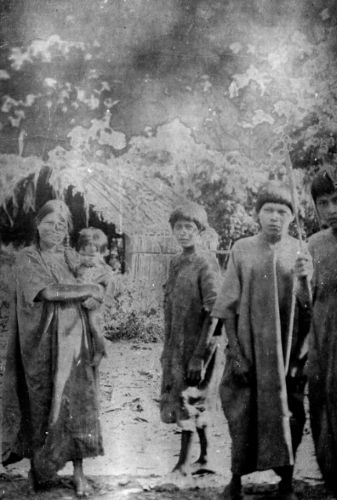
Comparative anthropology offers a valuable lens through which to reassess the historical prevalence of dementia by examining contemporary populations that live under conditions more closely resembling those of the ancient world. Among the most frequently cited examples are the Tsimane, an Indigenous forager-farmer population in the Bolivian Amazon, whose lifestyle is characterized by high physical activity, limited industrial exposure, and subsistence-based nutrition. Studies of the Tsimane have revealed remarkably low rates of dementia, even among older individuals, prompting scholars to consider whether their cognitive health may reflect patterns more typical of preindustrial human societies, including those of ancient Greece and Rome.
Research on the Tsimane consistently demonstrates that age-related cognitive decline does occur, but it tends to follow a different trajectory than that observed in industrialized populations. While some reductions in memory and processing speed are evident, these changes are generally modest and do not often progress to the severe disorientation, identity loss, and functional incapacity associated with modern dementia diagnoses. Longitudinal and cross-sectional studies indicate that although cognitive performance may gradually decrease with age, the rate and severity of decline remain comparatively limited, suggesting that the processes leading to advanced neurodegenerative disease are either delayed or less frequently triggered. This pattern suggests that the underlying biological mechanisms of aging are present, but that the escalation into pathological states may be mitigated by environmental and lifestyle factors. Cognitive aging appears less as a pathological rupture and more as a gradual, manageable process, one that allows individuals to maintain functional independence and social participation well into later life. The distinction between normal cognitive aging and neurodegenerative disease, so central to modern clinical frameworks, becomes less pronounced, raising important questions about how much of what is now classified as dementia is contingent upon modern conditions rather than universal biological inevitability.
Several key features of Tsimane life have been identified as protective against cognitive decline. High levels of daily physical activity contribute to cardiovascular health, which is closely linked to brain function and the prevention of neurodegenerative disease. Diets rich in unprocessed foods, including fiber, lean protein, and naturally occurring fats, contrast sharply with the high-sugar, high-fat diets common in industrial societies. In addition, the near absence of chronic exposure to industrial pollutants, such as airborne particulates and heavy metals, reduces the risk of long-term neurological damage. Together, these factors create a physiological environment that appears to support sustained cognitive function into older age.
It is important to recognize the limits of direct comparison between the Tsimane and ancient populations. Differences in genetics, disease exposure, social organization, and medical care complicate any attempt to draw simple parallels. The Tsimane experience high rates of infectious disease and other health challenges that differ significantly from those of both ancient Mediterranean societies and modern industrial populations. Moreover, the cognitive demands and social structures of Tsimane communities differ in important ways from those of classical antiquity, influencing how cognitive decline is experienced, interpreted, and accommodated. The absence of formal diagnostic frameworks also means that mild or moderate impairment may not be categorized in ways comparable to modern clinical standards. Nevertheless, the broader pattern, low prevalence of severe dementia in a physically active, low-pollution environment, provides a compelling point of reference for understanding how lifestyle and ecological conditions may influence cognitive aging across time. Rather than offering a direct equivalence, the comparison highlights the variability of cognitive outcomes under different conditions, reinforcing the importance of context in shaping both the incidence and perception of decline.
The Tsimane case serves not as a direct analogue, but as a heuristic model that helps illuminate the relationship between environment, behavior, and cognitive health. By demonstrating that severe dementia is not an inevitable outcome of aging under all conditions, it challenges assumptions about the universality of modern prevalence rates. When placed alongside the sparse evidence from ancient sources, these findings support the argument that the high incidence of dementia in contemporary societies is not simply a function of biological aging, but is also shaped by the distinctive environmental and demographic conditions of the modern world.
Medical Recognition vs. Cultural Interpretation
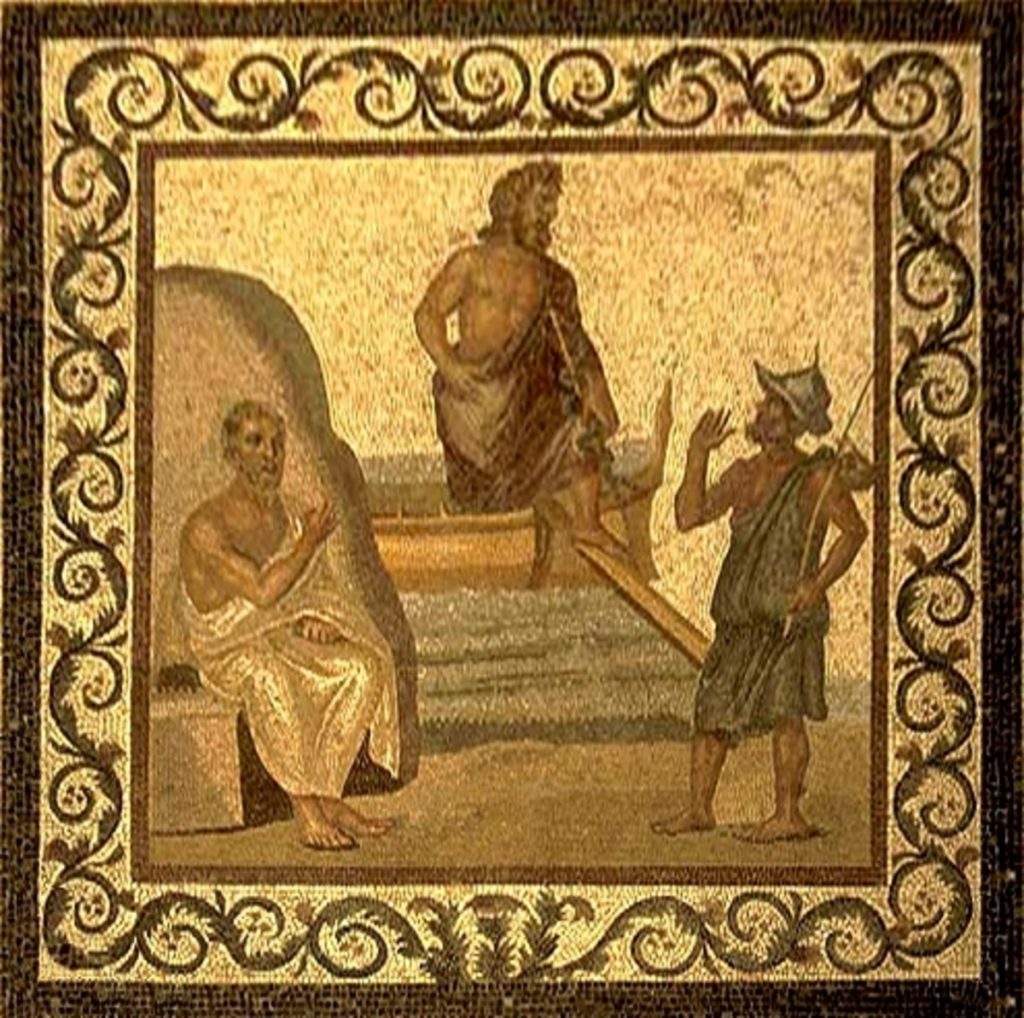
Understanding the historical presence of dementia requires more than identifying biological symptoms; it demands attention to how societies recognized, categorized, and interpreted cognitive decline. In antiquity, the absence of a clearly defined concept of dementia did not necessarily indicate the absence of the condition itself. Rather, it reflects a fundamentally different framework of medical knowledge in which diseases were not always isolated as discrete entities, and where mental and physical states were often understood as part of a continuous spectrum. What modern medicine classifies as dementia may have been perceived in the ancient world through a variety of overlapping lenses, including aging, temperament, and imbalance.
Greek and Roman medical writers operated within explanatory systems that emphasized humoral balance and the interdependence of bodily systems. Cognitive decline was not typically singled out as a distinct neurological disorder but was instead interpreted as a consequence of broader physiological changes. Galen, for example, discussed memory loss and confusion in elderly patients, linking these symptoms to alterations in bodily fluids and the condition of the brain. Yet he did not identify a specific disease corresponding to modern dementia, nor did he propose a diagnostic category that would separate severe cognitive impairment from other manifestations of aging or illness. This integration of mental decline into a holistic medical model limited the extent to which it could be isolated, named, or systematically studied.
Cultural interpretation further shaped how cognitive impairment was perceived and recorded. Mental decline in the elderly was often accepted as a natural and even expected part of life, reducing the perceived need for detailed description or intervention. More severe disturbances of thought and behavior could be framed in moral, philosophical, or even supernatural terms, particularly in non-medical contexts. Individuals exhibiting significant cognitive impairment might be seen as having lost rational control, deviated from proper conduct, or, in some cases, fallen under the influence of forces beyond ordinary explanation. Such interpretations were deeply embedded in broader cultural and religious beliefs, where deviations from normative behavior were often read as reflections of character, virtue, or divine favor rather than as symptoms of disease. In literary and philosophical texts, this tendency is evident in the way mental instability is frequently moralized, with impaired reasoning linked to excess, lack of discipline, or the erosion of self-control. Even when physical explanations were offered, they coexisted with these moral and cultural frameworks, creating a layered understanding of cognitive decline that did not lend itself to clear clinical categorization. Consequently, behaviors that might today be recognized as symptoms of advanced dementia could be interpreted in multiple, overlapping ways, none of which required the identification of a distinct neurological disorder.
The lack of a stable diagnostic category also complicates retrospective analysis. Modern scholars must grapple with the challenge of identifying dementia-like conditions in texts that were not written with contemporary medical concepts in mind. Terms used in antiquity to describe mental disturbance are often broad and ambiguous, encompassing a range of conditions that would now be distinguished as psychiatric, neurological, or systemic. This ambiguity makes it difficult to determine whether references to confusion, forgetfulness, or irrational behavior correspond to what would now be classified as dementia, or whether they reflect entirely different phenomena. The risk of presentism, projecting modern categories onto ancient sources, is a constant concern in the historiography of disease.
The interplay between medical recognition and cultural interpretation helps explain why severe cognitive decline appears so faintly in the ancient record. It is not simply that dementia was absent or rare, but that it was understood in ways that did not produce clear, consistent descriptions aligned with modern expectations. The conceptual tools available to ancient observers shaped both their perception of cognitive impairment and their willingness to record it as a distinct condition. Recognizing these limits allows for a more nuanced interpretation of the evidence, one that accounts for the gap between biological reality and historical representation.
Modern Explosion: Environment, Longevity, and Diagnosis

The modern world has witnessed a dramatic increase in the prevalence of dementia, transforming what appears in ancient sources as a rare or marginal condition into a major public health concern. This shift is most immediately explained by demographic change. Advances in medicine, sanitation, and nutrition have extended human lifespans, allowing far greater proportions of the population to reach ages at which neurodegenerative diseases become common. In many industrialized societies, life expectancy now exceeds seventy or eighty years, and the proportion of individuals over sixty-five continues to grow. Conditions that were once statistically rare have become widespread, not necessarily because they have become more biologically frequent, but because the population at risk has expanded so significantly. The sheer scale of aging populations has altered the social and medical landscape, making dementia not only more visible but also more consequential, as families, healthcare systems, and governments confront its long-term implications.
Longevity alone does not fully account for the scale of modern dementia. The relationship between aging and neurodegeneration is complex, and while increased lifespan raises the probability of cognitive decline, it does not determine its severity or inevitability. Comparative studies suggest that populations with similar age structures can exhibit markedly different rates of dementia, indicating that additional factors are at work. This has led researchers to consider the role of environmental influences, particularly those associated with industrialization, in shaping patterns of cognitive health.
Among these influences, exposure to pollutants and toxins has emerged as a significant area of concern. Industrial societies have introduced a wide array of substances, ranging from airborne particulates to heavy metals and synthetic chemicals, that have been linked to neurological damage. Long-term exposure to such agents can contribute to inflammation, vascular disease, and direct neurotoxicity, all of which are associated with increased risk of dementia. While the precise contribution of each factor remains under investigation, the cumulative burden of environmental stressors in modern settings represents a stark contrast to the conditions of preindustrial societies.
Diet and lifestyle also play a critical role in the modern landscape of cognitive decline. High-calorie, processed diets, combined with sedentary patterns of behavior, have contributed to the rise of cardiovascular disease, diabetes, and obesity, conditions that are closely linked to increased risk of dementia. The vascular system is deeply interconnected with brain health, and impairments in circulation can accelerate cognitive deterioration. Dementia emerges not only as a neurological condition but as part of a broader constellation of chronic diseases associated with modern ways of living.
The apparent “explosion” of dementia is partly a product of changing diagnostic practices. Modern medicine has developed increasingly precise tools for identifying and categorizing cognitive disorders, distinguishing between different forms of dementia and recognizing stages of decline that might previously have gone unnoticed or unclassified. The evolution of diagnostic criteria, from broad and often vague descriptions of senility to highly specific clinical definitions, has expanded the range of conditions that fall under the umbrella of dementia. Public awareness has also increased, leading to more frequent reporting and diagnosis, as individuals and families are more likely to seek medical evaluation for cognitive changes that might once have been accepted as normal aging. In addition, the growth of institutional care and medical record-keeping has made it easier to track and quantify cases. What was once dismissed as an inevitable aspect of growing old is now more likely to be recognized, labeled, and recorded as a medical condition, contributing to higher recorded prevalence without necessarily indicating a proportional increase in underlying cases.
The modern prevalence of dementia reflects the convergence of demographic expansion, environmental exposure, lifestyle change, and diagnostic refinement. It is not the result of a single cause, but of multiple interacting factors that have transformed both the incidence and the visibility of cognitive decline. In contrast to the ancient world, where severe dementia appears limited by demographic and environmental constraints, the modern environment has created conditions in which such decline is both more common and more clearly recognized, reshaping the historical experience of aging in profound ways.
Historiography: Interpreting Silence, Evidence, and Projection
The following video from Gresham College covers the cultural history of dementia:
The question of dementia in antiquity turns on a historiographical problem: how to interpret the relative silence of ancient sources without imposing modern expectations upon them. Historians of medicine have long cautioned that the absence of explicit descriptions of a disease does not necessarily indicate its absence in lived experience. Instead, it may reflect the limits of observation, recording practices, or conceptual frameworks. In the case of dementia, this problem is particularly acute, as the condition is defined today through clinical categories that did not exist in the ancient world. Any attempt to identify it retrospectively must navigate the tension between biological continuity and historical difference.
One line of interpretation emphasizes demographic and environmental explanations, arguing that severe dementia was genuinely less common in antiquity due to shorter lifespans and different living conditions. From this perspective, the scarcity of references in Greek and Roman texts is taken as broadly consistent with what would be expected in populations with limited numbers of very elderly individuals and lower exposure to industrial pollutants. This view aligns with comparative evidence from preindustrial societies, suggesting that the modern prevalence of dementia reflects historically specific conditions rather than a timeless baseline. Yet even proponents of this interpretation acknowledge that the evidence remains indirect and that caution is required in drawing firm conclusions.
A competing approach focuses on the interpretive frameworks of ancient authors, arguing that dementia-like conditions may have been present but were understood and described in ways that do not map neatly onto modern categories. According to this view, the silence of the sources is less a reflection of rarity than of classification. Cognitive decline might have been subsumed under broader notions of aging, madness, or moral decline, leaving few descriptions that can be clearly identified as dementia. In many ancient texts, terms associated with mental disturbance are polyvalent, encompassing a wide range of behaviors and conditions without the diagnostic precision that modern medicine demands. What might today be recognized as progressive neurodegeneration could have been interpreted as a loss of rational balance, a weakening of the faculties, or even a deviation from proper ethical conduct. Furthermore, the narrative priorities of ancient authors often shaped what was recorded; literary and philosophical works were more concerned with moral lessons, social norms, or rhetorical effect than with clinical accuracy. Even when severe cognitive impairment was observed, it may have been described in ways that emphasized its ethical or symbolic significance rather than its physiological characteristics. This interpretive layering complicates efforts to extract clear medical meaning from ancient texts, reinforcing the idea that the historical visibility of dementia is inseparable from the conceptual lenses through which it was viewed.
The challenge of presentism complicates both approaches. Modern scholars, equipped with detailed knowledge of neurological disease, may be tempted to read ancient texts through a diagnostic lens, identifying cases of dementia where none were explicitly recognized. Yet this practice risks distorting the evidence by imposing contemporary categories on fundamentally different intellectual contexts. An overly cautious refusal to engage in retrospective diagnosis can obscure genuine continuities in human experience. The task of historiography is to balance these competing risks, acknowledging both the limits of the sources and the possibility that they reflect real patterns of disease.
These historiographical debates underscore the complexity of reconstructing the history of dementia. The available evidence does not support a simple narrative of either absence or continuity, but instead points to a shifting interplay between biology, environment, and interpretation. The silence of ancient sources must be read neither as definitive proof nor as meaningless omission, but as a clue that requires careful contextualization. By situating ancient evidence within broader demographic and environmental frameworks, while remaining attentive to the limits of historical interpretation, scholars can move toward a more nuanced understanding of how cognitive decline has been experienced and understood across time.
Conclusion: Ancient Minds and Modern Environments
The evidence surveyed across ancient texts, environmental conditions, and demographic structures suggests that severe dementia, while not absent in antiquity, occupied a far less visible and likely less prevalent position than it does in the modern world. Greek and early Roman sources acknowledge cognitive decline as a feature of aging, yet they rarely describe the profound and progressive deterioration that defines modern understandings of dementia. Where more extreme cases do appear, they are sporadic and anecdotal, reinforcing the impression that such conditions were exceptional rather than commonplace. This pattern invites a reconsideration of dementia not as a constant across human history, but as a phenomenon whose expression is deeply conditioned by context.
The contrast with modern societies highlights the extent to which environmental and demographic transformations have reshaped the experience of cognitive aging. Longer lifespans have expanded the population at risk, while industrialization has introduced new exposures and lifestyle patterns that may exacerbate neurological decline. Advances in medical knowledge and diagnostic precision have made dementia more visible, more clearly defined, and more frequently recorded. What emerges is not a simple narrative of increase, but a complex interplay of factors that amplify both the incidence and the recognition of cognitive impairment in contemporary settings.
The limitations of the historical record must remain central to any interpretation. The silence of ancient sources cannot be taken at face value, nor can it be dismissed entirely. Instead, it must be understood as the product of specific intellectual frameworks, cultural priorities, and observational constraints. Ancient authors did not possess the conceptual tools to isolate dementia as a distinct disease, and their accounts reflect this limitation. Medical knowledge in antiquity was shaped by theories of humoral balance and philosophical understandings of the body and mind, frameworks that did not encourage the separation of neurological conditions into discrete categories. Literary conventions further influenced what was recorded, privileging moral, rhetorical, or illustrative narratives over systematic clinical observation. Even when severe cognitive impairment was encountered, it may have been described in ways that obscured its underlying nature, blending it into broader discussions of aging, character, or social behavior. This layered context complicates any attempt to draw direct comparisons between ancient and modern evidence, underscoring the need for careful interpretation that accounts for both what is said and what remains unsaid.
The study of dementia across time underscores the dynamic relationship between biology, environment, and interpretation. Cognitive decline is a universal aspect of human aging, but the forms it takes, the frequency with which it occurs, and the meanings assigned to it are historically contingent. By situating ancient evidence within its proper context and comparing it with modern and preindustrial patterns, it becomes possible to see dementia not as a static condition, but as one whose prominence and significance have evolved alongside human societies themselves.
Bibliography
- Aristotle. On Memory and Reminiscence. Translated by J. I. Beare. In The Complete Works of Aristotle, edited by Jonathan Barnes. Princeton, NJ: Princeton University Press, 1984.
- Arrizabalaga, Jon. “Problematizing Retrospective Diagnosis in the History of Disease.” Asclepio 54, no. 1 (2002), 51–70.
- Brookmeyer, Ron, et al. “Forecasting the Global Burden of Alzheimer’s Disease.” Alzheimer’s & Dementia 3, no. 3 (2007), 186–191.
- Cicero. De Senectute. Translated by W. A. Falconer. Loeb Classical Library. Cambridge, MA: Harvard University Press, 1923.
- Cunningham, Andrew. “Transforming Plague: The Laboratory and the Identity of Infectious Disease.” In The Laboratory Revolution in Medicine, edited by Andrew Cunningham and Perry Williams. Cambridge: Cambridge University Press (1992), 209-244.
- Finch, Caleb E. Longevity, Senescence, and the Genome. Chicago: University of Chicago Press, 1990.
- Finch, Caleb E. and Stanley M. Burstein. “Dementia in the Ancient Greco-Roman World Was Minimally Mentioned.” Journal of Alzheimer’s Disease 97:4 (2024), 1581-1588.
- Frier, Bruce W. “Roman Life Expectancy: Ulpian’s Evidence.” Harvard Studies in Classical Philology 86 (1982), 213–251.
- Galen. On the Affected Parts. Translated by Rudolph E. Siegel. Basel: S. Karger, 1976.
- Grmek, Mirko D. Diseases in the Ancient Greek World. Baltimore: Johns Hopkins University Press, 1989.
- Gurven, Michael, et al. “Cognitive Performance Across the Life Course of Bolivian Forager-Farmers with Limited Schooling.” Developmental Psychology 49, no. 10 (2013), 1977–1990.
- Gurven, Michael, and Hillard Kaplan. “Longevity Among Hunter-Gatherers: A Cross-Cultural Examination.” Population and Development Review 33, no. 2 (2007): 321–365.
- Hippocrates. Aphorisms. In Hippocrates, vol. 4, translated by W. H. S. Jones. Loeb Classical Library. Cambridge, MA: Harvard University Press, 1931.
- —-. On the Sacred Disease. Translated by W. H. S. Jones. Cambridge, MA: Harvard University Press (Loeb Classical Library), 1923.
- Kaplan, Hillard, et al. “Coronary Atherosclerosis in Indigenous South American Tsimane: A Cross-Sectional Cohort Study.” The Lancet 389, no. 10080 (2017), 1730–1739.
- Livingston, Gill, et al. “Dementia Prevention, Intervention, and Care: 2020 Report of the Lancet Commission.” The Lancet 396, no. 10248 (2020), 413–446.
- Needleman, Herbert L. “The Removal of Lead from Gasoline: Historical and Personal Reflections.” Environmental Research 84, no. 1 (2000), 20–35.
- Nriagu, Jerome O. “Saturnine Gout Among Roman Aristocrats: Did Lead Poisoning Contribute to the Fall of the Empire?” New England Journal of Medicine 308, no. 11 (1983), 660–663.
- Nutton, Vivian. Ancient Medicine. 2nd ed. London: Routledge, 2012.
- Parkin, Tim G. Demography and Roman Society. Baltimore: Johns Hopkins University Press, 1992.
- Pliny the Elder. Natural History. Translated by H. Rackham et al. Cambridge, MA: Harvard University Press, 1938–1962.
- Porter, Roy. The Greatest Benefit to Mankind: A Medical History of Humanity. New York: W. W. Norton, 1997.
- Prince, Martin, et al. World Alzheimer Report 2015: The Global Impact of Dementia. London: Alzheimer’s Disease International, 2015.
- Retief, François P., and Louise Cilliers. “Lead Poisoning in Ancient Rome.” Acta Theologica 26, no. 2 (2006), 147–164.
- Saller, Richard P. Patriarchy, Property and Death in the Roman Family. Cambridge: Cambridge University Press, 1994.
- Scarborough, John. “The Myth of Lead Poisoning Among the Romans: An Essay Review.” Journal of the History of Medicine and Allied Sciences 39, no. 4 (1984), 469–475.
- Scheidel, Walter. Death on the Nile: Disease and the Demography of Roman Egypt. Leiden: Brill, 2001.
- Seneca. Epistulae Morales ad Lucilium. Richard M. Gummere, trans. London: William Heinemann, 1917.
- Temkin, Owsei. The Falling Sickness: A History of Epilepsy from the Greeks to the Beginnings of Modern Neurology. Baltimore: Johns Hopkins University Press, 1971.
- Vatanabe, I. P., P. R. Manzine, and M.R. Cominetti. “Historic Concepts of Dementia and Alzheimer’s Disease: From Ancient Time to the Present.” Revue Neurologique 176:3 (2020), 140-147.
- World Health Organization. Dementia: A Public Health Priority. Geneva: World Health Organization, 2012.
- Yang, Hyun Duk, Do Han Kim, Sang Bong Lee, and Linn Derg Young. “History of Alzheimer’s Disease.” Dementia and Neurocognitive Disorders 15:4 (2016), 115-121.
Originally published by Brewminate, 04.27.2026, under the terms of a Creative Commons Attribution-NonCommercial-NoDerivatives 4.0 International license.
About the Author