
Schizophrenia has long existed in human experience, but its meaning has shifted across time, from divine madness to clinical disorder, revealing the power of culture, science, and diagnosis.

By Matthew A. McIntosh
Public Historian
Brewminate
Introduction: Defining a Disorder Through Time
Schizophrenia is today understood as a complex psychiatric disorder characterized by disruptions in thought, perception, and emotional regulation, yet this definition is the product of relatively recent clinical development. The behaviors now associated with schizophrenia (hallucinations, delusions, disorganized thinking) have appeared across human history, but they were not always interpreted within a medical framework. Instead, they were embedded in cultural, religious, and philosophical systems that shaped how such experiences were understood and responded to. In many early societies, altered perception or irrational behavior could be seen as evidence of divine influence, spiritual possession, or moral failing, rather than as symptoms of disease. Even as medical traditions developed, these interpretations persisted alongside naturalistic explanations, creating a layered understanding of mental disturbance that resisted simple categorization. The modern category of schizophrenia represents not simply the discovery of a disease, but the culmination of a long process of classification in which meaning has shifted alongside knowledge, reflecting broader changes in how human cognition and behavior are understood.
Before the late nineteenth century, no unified concept existed that corresponds directly to schizophrenia as it is now defined. Individuals exhibiting severe disturbances of thought and perception were described in a variety of ways, often grouped under broad and ambiguous categories such as madness, insanity, or melancholia. These terms encompassed a wide range of conditions, blurring distinctions that modern psychiatry would treat as fundamental. The absence of diagnostic precision did not reflect a lack of observation, but rather the limits of the conceptual frameworks available to earlier physicians and scholars. Without a coherent model linking symptoms into a single disorder, cases remained scattered across texts and traditions, resisting systematic classification.
The emergence of schizophrenia as a clinical entity in the late nineteenth and early twentieth centuries marked a turning point in the history of psychiatry. Emil Kraepelin’s formulation of dementia praecox in 1887 represented the first sustained attempt to isolate a specific pattern of early-onset cognitive and emotional deterioration, distinguishing it from other forms of mental illness such as manic-depressive disorder. Eugen Bleuler’s subsequent redefinition of the condition as “schizophrenia” in 1911 shifted the emphasis from inevitable decline to the fragmentation of mental processes, expanding the scope of the diagnosis and reshaping its theoretical foundations. These developments did not simply refine existing knowledge; they created a new conceptual framework through which earlier cases could be reinterpreted and future ones identified.
Schizophrenia is best understood not as a timeless and unchanging disease, but as a historically constructed category that reflects evolving medical, cultural, and scientific perspectives. While the underlying experiences associated with the disorder may have deep historical roots, their classification, explanation, and treatment have been profoundly shaped by the contexts in which they were observed. By tracing the development of schizophrenia from ancient interpretations of mental disturbance to modern biological and psychiatric models, it becomes possible to see how the boundaries of the disorder have been drawn and redrawn over time, revealing as much about the history of knowledge as about the condition itself.
Ancient and Pre-Modern Interpretations: Spirit, Madness, and the Body

Long before the emergence of modern psychiatric categories, behaviors now associated with schizophrenia were interpreted through a complex interplay of spiritual, natural, and philosophical frameworks. In ancient Near Eastern and Egyptian contexts, disturbances of thought, perception, and behavior were often attributed to supernatural forces, including divine intervention, malevolent spirits, or disruptions in the cosmic order. The Ebers Papyrus, dating to around 1500 BCE, contains references to conditions involving confusion and altered mental states, though these are not differentiated in ways that align with modern diagnostic categories. Instead, they are embedded within broader discussions of bodily and spiritual imbalance, reflecting a worldview in which the mind was not clearly separated from the body or the divine.
Greek medicine introduced an important shift toward naturalistic explanations, particularly through the Hippocratic tradition. In texts such as On the Sacred Disease, mental disturbances were explicitly rejected as divine punishment and instead attributed to physical causes, including imbalances in the humors and dysfunction of bodily organs. This framework allowed for a more systematic approach to understanding cognitive and behavioral abnormalities, but it did not produce a discrete category equivalent to schizophrenia. Rather, symptoms that might today be associated with psychosis were dispersed across various conditions, including forms of mania, melancholia, and delirium. The emphasis remained on restoring balance within the body, rather than isolating and defining specific mental disorders. Hippocratic physicians approached such disturbances through observation of bodily signs, environmental factors, and lifestyle influences, seeking correlations between physical states and mental symptoms. Treatments were accordingly directed toward restoring equilibrium through diet, regimen, and, in some cases, purgative measures. While this approach marked a significant departure from purely supernatural explanations, it still lacked the conceptual tools necessary to unify diverse symptoms into a single diagnostic entity. What modern observers might recognize as manifestations of schizophrenia were interpreted within a broader and more fluid framework of bodily disorder, limiting their visibility as a distinct condition.
Philosophical interpretations of madness in the Greek world retained elements of ambiguity and ambivalence. Plato, for example, distinguished between harmful madness and forms of divine inspiration, suggesting that altered mental states could, in certain contexts, be a source of insight or creativity. This dual perspective complicated efforts to categorize mental disturbance strictly as pathology, allowing for a broader range of meanings to coexist. The experience of hallucination or disordered thought might be seen as either a sign of imbalance or a manifestation of divine influence, depending on the circumstances and the interpretive lens applied.
In the Roman world, these traditions continued to evolve, combining Greek medical theory with practical observation and administrative concerns. Mental disturbance was still often interpreted through the lens of humoral imbalance, but Roman authors also displayed an increasing interest in cataloging and describing unusual behaviors. Legal frameworks began to address questions of responsibility and capacity, distinguishing between those who could be held accountable for their actions and those whose mental state rendered them incapable of rational judgment. While these developments did not produce a modern concept of schizophrenia, they indicate a growing recognition of the social and legal implications of severe mental disturbance.
During the medieval period, spiritual interpretations regained prominence, particularly within Christian contexts. Mental disturbances were frequently associated with demonic possession, sin, or moral failing, and treatment often involved religious rituals such as prayer, exorcism, and penance. Elements of classical medical knowledge persisted, creating a hybrid framework in which natural and supernatural explanations coexisted. Individuals exhibiting behaviors that might now be identified as psychotic were often marginalized or confined, though the extent and nature of their treatment varied widely across regions and institutions. Monastic infirmaries and early charitable hospitals sometimes provided care, but their resources were limited and their approaches shaped by theological assumptions rather than medical theory. The rise of early asylums in the later medieval and early modern periods marked a shift toward institutional responses, though these were primarily custodial rather than therapeutic, focusing on containment and management rather than cure. This period reflects both continuity and transformation, as older spiritual interpretations were reinforced even as new forms of social control emerged.
Across these ancient and pre-modern contexts, the absence of a unified concept of schizophrenia reflects the broader limits of medical and cultural classification. Symptoms that modern psychiatry groups under a single diagnostic label were distributed across multiple explanatory systems, each shaped by its own assumptions about the nature of mind, body, and society. Rather than indicating a lack of recognition, this diversity of interpretations reveals how deeply the understanding of mental disturbance is embedded in historical context. The experiences themselves may have been consistent across time, but the meanings assigned to them, and the responses they elicited, varied profoundly.
Medieval and Early Modern Worlds: Moral Failure and Institutionalization

In the medieval world, interpretations of severe mental disturbance shifted decisively toward moral and theological frameworks, even as remnants of classical medical thought persisted. Within Christian Europe, behaviors that might today be associated with schizophrenia were frequently understood as manifestations of sin, spiritual weakness, or demonic possession. The human mind was not conceived as an autonomous biological system but as a battleground between divine and malevolent forces, and deviations from rational conduct were often interpreted accordingly. This perspective did not entirely exclude naturalistic explanations, but it subordinated them to a broader religious worldview in which the ultimate causes of disorder were moral or spiritual in nature.
Religious institutions played a central role in responding to such conditions. Monasteries, churches, and pilgrimage sites offered forms of care that combined spiritual intervention with basic physical support. Prayer, confession, fasting, and exorcism were common treatments, reflecting the belief that restoration of mental order required reconciliation with divine authority. In some cases, individuals experiencing severe disturbances were integrated into religious communities or cared for within charitable frameworks. In others, they were subject to suspicion, fear, or marginalization, particularly when their behavior disrupted social norms or was interpreted as evidence of malevolent influence.
By the late medieval period, the growth of urban centers and the increasing complexity of social life contributed to new approaches to managing mental disturbance. As populations expanded, so too did the visibility of individuals whose behavior fell outside accepted boundaries. This visibility, combined with concerns about public order, encouraged the development of more structured forms of confinement. Early institutions such as the Hospital of St. Mary of Bethlehem in London, later known as Bedlam, began to house individuals deemed incapable of managing themselves or conforming to social expectations. These institutions emerged not from a unified medical theory, but from a convergence of charitable, civic, and administrative impulses, reflecting a growing need to manage those who could not easily be integrated into everyday life. Admission to such facilities was often informal and inconsistent, shaped by family decisions, local authorities, and social pressures rather than standardized criteria. Conditions within these early institutions varied widely, but they were generally rudimentary, with limited provision for treatment and a primary emphasis on containment. The institutionalization of the mentally disturbed marked a significant shift, not toward therapeutic care, but toward the segregation of individuals whose behavior challenged emerging norms of order and productivity.
The early modern period witnessed the expansion and consolidation of these institutional responses. Across Europe, asylums and houses of confinement became more common, reflecting both practical and ideological shifts. Mental disturbance was increasingly framed as a social problem requiring organized management, even as explanations for its causes remained rooted in a mixture of moral, spiritual, and emerging medical ideas. Conditions within these institutions were often harsh, with limited resources and little understanding of effective treatment. Confinement frequently prioritized control over care, reinforcing the marginalization of those labeled as mad.
The period also saw the gradual emergence of more humane approaches, particularly in the late eighteenth and early nineteenth centuries. Reform movements associated with figures such as Philippe Pinel in France and William Tuke in England advocated for “moral treatment,” emphasizing kindness, structured environments, and the possibility of recovery. These reforms challenged earlier assumptions that the mentally ill were beyond help or inherently dangerous, introducing a more optimistic and therapeutic perspective. Pinel’s symbolic act of removing chains from patients at the Bicêtre Hospital and Tuke’s establishment of the York Retreat became emblematic of this shift, reflecting a growing belief that environment and humane care could influence mental health outcomes. These institutions sought to create orderly, calm settings in which patients could regain a sense of stability, often emphasizing routine, work, and social interaction as therapeutic tools. Yet even within these improved settings, the underlying understanding of severe mental disturbance remained limited, and the conditions that would later be identified as schizophrenia were not yet clearly distinguished from other forms of mental illness, remaining embedded within a broad and still imprecise category of insanity.
The medieval and early modern worlds represent a transitional phase in the history of mental disorder, in which spiritual and moral interpretations coexisted with the beginnings of institutional and medical frameworks. The movement toward confinement reflected changing social priorities as much as evolving theories of the mind, while early reform efforts hinted at the possibility of more systematic care. Yet the absence of precise diagnostic categories meant that individuals with schizophrenia-like symptoms remained part of a broader and often undifferentiated population of the “mad,” their experiences shaped as much by social and cultural forces as by any emerging medical understanding.
The Birth of Classification: Morel, Kraepelin, and Dementia Praecox

The nineteenth century marked a decisive turning point in the history of mental illness, as physicians began to move from broad, descriptive categories toward more systematic classification. This shift was driven by the broader development of modern medicine, which increasingly sought to identify distinct diseases based on patterns of symptoms, course, and outcome. Within psychiatry, this effort reflected a growing desire to impose order on a field long characterized by ambiguity and overlap. The emergence of schizophrenia as a recognizable diagnostic entity must be understood as part of a larger movement to define and categorize mental disorders with greater precision.
One of the earliest steps in this process came from the French psychiatrist Benedict Morel, who in the mid-nineteenth century introduced the term démence précoce to describe a condition characterized by early mental decline. Morel’s formulation was shaped by his broader theory of degeneration, which held that mental and physical disorders were the result of hereditary decline across generations. Early-onset cognitive deterioration was seen not as an isolated phenomenon, but as part of a larger pattern of biological and moral decay, reflecting anxieties about social disorder, heredity, and the perceived fragility of civilization itself. Degeneration theory posited that defects accumulated over generations, leading to increasingly severe manifestations of physical and mental pathology, and Morel’s work must be understood within this intellectual climate. His observations were based on clinical encounters with patients whose symptoms appeared to worsen, often beginning in adolescence or early adulthood. Although his descriptions lacked the clinical precision and systematic categorization of later psychiatric models, they nonetheless represented a significant attempt to link age of onset, symptom progression, and hereditary factors into a coherent explanatory framework. Morel provided an important conceptual bridge between earlier, more diffuse notions of madness and the emerging effort to define distinct psychiatric diseases.
It was the German psychiatrist Kraepelin who transformed these preliminary ideas into a coherent diagnostic category. In his Psychiatrie, first published in the late nineteenth century and refined through multiple editions, Kraepelin identified dementia praecox as a distinct mental disorder characterized by early onset and progressive deterioration. Crucially, he distinguished it from manic-depressive illness, which he viewed as episodic and potentially reversible. This distinction was based not only on symptoms, but on the course and outcome of the illness, reflecting Kraepelin’s emphasis on longitudinal observation as the key to psychiatric classification. By focusing on patterns, he was able to group a range of previously disparate conditions under a single diagnostic label.
Kraepelin’s concept of dementia praecox encompassed a variety of clinical presentations, including what he described as paranoid, catatonic, and hebephrenic forms. Despite their differences, these subtypes were unified by a common trajectory of decline, which Kraepelin believed inevitably led to cognitive and functional deterioration. This emphasis on prognosis was central to his framework, distinguishing his approach from earlier, more descriptive systems. It also imposed a degree of rigidity, as patients whose conditions did not follow this expected course were difficult to accommodate within the model. Nevertheless, Kraepelin’s classification represented a major advance, providing a structured way to understand and diagnose severe mental illness.
The introduction of dementia praecox also had broader implications for the practice of psychiatry. By defining a specific disorder with a characteristic course, Kraepelin helped to shift the field toward a more scientific and medical orientation. His work encouraged clinicians to observe patients systematically, to record patterns of symptoms and progression, and to distinguish between different forms of mental illness based on empirical evidence. This approach laid the foundation for modern psychiatric diagnosis, even as it remained limited by the knowledge and assumptions of its time, particularly the belief in inevitable deterioration.
Despite its influence, Kraepelin’s model was not without its critics and limitations. The assumption that dementia praecox invariably led to decline proved too restrictive, as later observations revealed a more variable course for many patients. Moreover, the focus on deterioration did not fully capture the complexity of symptoms associated with what would later be called schizophrenia. These limitations set the stage for further refinement in the early twentieth century, most notably in the work of Bleuler, who would redefine the disorder in ways that challenged and expanded Kraepelin’s original framework.
Bleuler and the Fragmented Mind: Redefining Schizophrenia
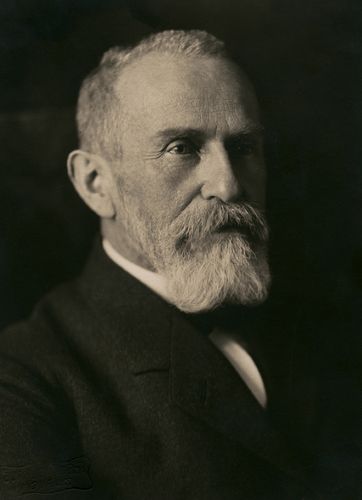
Bleuler’s reformulation of dementia praecox in the early twentieth century marked a decisive shift in the conceptualization of severe mental illness. Writing in 1911, Bleuler rejected the inevitability of decline implied in Kraepelin’s model and introduced the term “schizophrenia” to capture what he viewed as the disorder’s defining feature: a fragmentation of mental processes. Rather than emphasizing early onset and deterioration, Bleuler focused on the disintegration of thought, emotion, and behavior into loosely connected or conflicting elements. This reconceptualization broadened the scope of the diagnosis and allowed for a more flexible understanding of its course and manifestations. Bleuler’s work emerged within a rapidly evolving intellectual environment in which psychiatry was beginning to engage more directly with psychological theory, particularly the growing influence of psychoanalysis. Although he did not adopt a strictly Freudian framework, Bleuler was attentive to the complexity of mental life and the interplay between conscious and unconscious processes. His redefinition of the disorder reflected this broader orientation, seeking to capture not only observable symptoms but also the underlying dynamics that produced them. Bleuler shifted the focus of psychiatric inquiry from external description to internal structure, opening new avenues for both diagnosis and interpretation.
Central to Bleuler’s framework was his identification of what he termed the “four A’s” of schizophrenia: disturbances of association, affect, ambivalence, and autism. These core features were intended to describe the fundamental disruptions underlying the disorder, distinguishing them from more visible but secondary symptoms such as hallucinations and delusions. By prioritizing these underlying processes, Bleuler shifted attention away from surface manifestations and toward the structural organization of the mind itself. This emphasis allowed for a more nuanced understanding of the condition, recognizing that its presentation could vary widely while still reflecting a common underlying pathology.
Bleuler’s approach also challenged the rigid boundaries established by Kraepelin. Whereas dementia praecox had been defined in part by its progressive and deteriorating course, schizophrenia, as Bleuler conceived it, could follow a more variable trajectory. Some patients might experience chronic impairment, while others could show periods of stability or even partial recovery. This recognition of variability expanded the diagnostic category, making it more inclusive but also more difficult to define with precision. The broadened scope of schizophrenia would later contribute to ongoing debates about its boundaries and heterogeneity.
Bleuler’s emphasis on psychological processes reflected the growing influence of psychoanalytic and psychodynamic thought in early twentieth-century psychiatry. Although he did not fully align with Freudian theory, Bleuler was open to the idea that unconscious processes played a role in mental illness. His concept of “autism,” for example, referred to a withdrawal into an inner world of thought and fantasy, a notion that resonated with broader discussions of the unconscious. This integration of psychological insight with clinical observation marked an important development, even as it introduced additional layers of interpretation that would later be contested. Bleuler’s willingness to engage with these emerging ideas illustrates the transitional nature of psychiatry during this period, as it moved between strictly biological models and more interpretive approaches that sought to account for the subjective dimensions of mental illness. This openness contributed to the expanding and sometimes ambiguous boundaries of schizophrenia, as psychological constructs were incorporated into an already broad and evolving diagnostic category.
Bleuler’s redefinition of schizophrenia represented both an advance and a complication in the history of psychiatric classification. By moving beyond the narrow framework of dementia praecox, he created a more flexible and encompassing concept that better captured the diversity of patient experiences. This flexibility made the disorder more difficult to delimit, contributing to the enduring challenges of diagnosis and classification. The tension between Kraepelin’s structured approach and Bleuler’s broader, more interpretive model continues to shape psychiatric thought, underscoring the complexity of defining mental illness in a way that is both precise and responsive to lived experience.
Asylums and the Limits of Custodial Care (18th–19th Century)

The eighteenth and nineteenth centuries witnessed the rapid expansion of asylums across Europe and North America, marking a decisive institutional turn in the management of mental illness. What had once been addressed through a mixture of family care, religious intervention, and informal confinement increasingly became the responsibility of purpose-built institutions. This transformation reflected broader social and political changes, including urbanization, population growth, and the rise of centralized state authority. As societies became more complex, the need to manage individuals whose behavior disrupted social order led to the development of systems designed to contain and regulate the “insane” on a large scale.
Early asylums were shaped by competing impulses of care and control. On one hand, they were often founded with humanitarian intentions, aiming to provide refuge for individuals who could not care for themselves. On the other, they functioned as mechanisms of social regulation, removing those deemed disruptive or unproductive from public life. Admission criteria were frequently broad and inconsistently applied, encompassing not only individuals with severe mental disturbances but also those considered socially deviant or inconvenient. This ambiguity reflected the absence of precise diagnostic categories, as well as the broader social anxieties surrounding poverty, disorder, and nonconformity. Families, local authorities, and courts all played roles in committing individuals, often based on subjective judgments rather than standardized medical evaluation. The asylum population was heterogeneous, and conditions that might now be identified as schizophrenia were not distinguished from other forms of mental illness, instead being absorbed into a broad and undifferentiated category of insanity.
The conditions within these institutions varied widely but were often harsh, particularly as patient populations grew beyond their intended capacity. Overcrowding, inadequate staffing, and limited resources made it difficult to provide meaningful care, and many asylums became little more than custodial warehouses. Treatment, in the modern sense, was minimal, and the primary goal was often containment rather than recovery. Patients could be subjected to physical restraints, isolation, and regimens intended to enforce discipline rather than address underlying conditions. These environments frequently exacerbated the very symptoms they were meant to manage, contributing to cycles of chronic institutionalization.
Despite these limitations, the late eighteenth and early nineteenth centuries also saw the emergence of reform movements that sought to humanize the treatment of the mentally ill. Pinel and Tuke in England advocated for what became known as “moral treatment,” an approach that emphasized compassion, structured routines, and the therapeutic value of a calm environment. These reforms challenged earlier practices of restraint and neglect, promoting the idea that patients could improve under the right conditions. Pinel’s symbolic removal of chains from patients at institutions like Bicêtre and Salpêtrière became emblematic of a broader shift toward humane care, while Tuke’s York Retreat offered a practical model of how such principles could be implemented. These institutions emphasized order, predictability, and respectful interaction, seeking to restore a sense of stability and dignity to patients’ lives. Moral treatment was not simply a rejection of control; it also involved structured discipline and expectations of appropriate behavior, reflecting a belief that environment and routine could reshape the disordered mind. Reform represented both a genuine humanitarian advance and a new form of social regulation, one that sought to guide behavior through gentler but still structured means.
The promise of moral treatment proved difficult to sustain as asylum systems expanded. What began as small-scale, reform-oriented institutions gradually evolved into large, bureaucratic systems that struggled to maintain their original ideals. Increasing patient numbers, financial constraints, and administrative pressures led to a decline in the quality of care, and many asylums reverted to more custodial practices. The tension between therapeutic ambition and institutional reality became a defining feature of nineteenth-century psychiatry, limiting the effectiveness of even well-intentioned reforms.
The asylum era reveals both the possibilities and the limitations of institutional care in the absence of effective medical treatments. While the development of asylums represented an important step toward recognizing mental illness as a social and medical concern, it did not provide a clear path to understanding or curing conditions like schizophrenia. Instead, it highlighted the challenges of managing complex mental disorders within systems that were often ill-equipped to address them. The legacy of this period continues to shape modern debates about psychiatric care, institutionalization, and the balance between treatment and control.
Early 20th Century Somatic Therapies: Risk and Experimentation
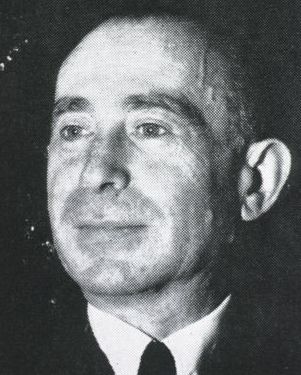
The early twentieth century marked a period of intense experimentation in psychiatric treatment, driven by frustration with the limitations of asylum care and the absence of effective therapies for severe mental illness. As confidence in purely custodial approaches waned, physicians increasingly turned toward somatic interventions, seeking to treat mental disorders through direct manipulation of the body. These efforts were shaped by a growing belief that psychiatric conditions had biological underpinnings, even if the precise mechanisms remained poorly understood. Schizophrenia became a central target for intervention, as clinicians attempted to develop treatments that could alter its course or alleviate its most severe symptoms.
Among the most widely adopted of these interventions was insulin shock therapy, introduced in the 1930s by Manfred Sakel. This treatment involved administering large doses of insulin to induce hypoglycemic comas, based on the belief that such states could “reset” the brain and improve psychiatric symptoms. While some patients appeared to show temporary improvement, the procedure was extremely risky, with significant rates of complications and mortality. Despite these dangers, insulin therapy was widely used for several decades, reflecting both the desperation of clinicians and the limited alternatives available at the time.
Another controversial approach was the use of surgical intervention, most notably the lobotomy. Developed in the 1930s by António Egas Moniz and later popularized in modified forms, the procedure involved severing connections in the frontal lobes of the brain. Lobotomy was intended to reduce agitation and stabilize behavior, and in some cases it did succeed in diminishing severe symptoms. It often produced profound and irreversible side effects, including emotional blunting, cognitive impairment, and loss of personality. The widespread adoption of lobotomy, particularly in the 1940s and early 1950s, stands as one of the most troubling episodes in the history of psychiatry, illustrating the risks of aggressive intervention in the absence of adequate understanding.
Electroconvulsive therapy (ECT), introduced in the late 1930s, represented a different form of somatic treatment that would prove more enduring. By inducing controlled seizures through electrical stimulation, ECT was found to produce significant improvements in certain psychiatric conditions, particularly severe depression. Its effects on schizophrenia were more variable, but it was nonetheless employed as part of the broader therapeutic arsenal. Early applications of ECT were often conducted without anesthesia or muscle relaxants, making the procedure physically taxing and, at times, traumatic for patients. Refinements in technique (including the use of anesthesia, improved dosing protocols, and greater attention to patient safety) have transformed ECT into a more controlled and clinically acceptable intervention. Despite its controversial reputation, ECT has demonstrated consistent efficacy in specific contexts, particularly where other treatments have failed, and it remains in use today under carefully regulated conditions. Its persistence highlights a key distinction from other somatic therapies of the period: while many early interventions were abandoned due to their risks and limited effectiveness, ECT adapted and evolved, reflecting a gradual shift toward more evidence-based and ethically informed psychiatric practice.
These therapies reflect a period in which psychiatry sought to establish itself as a medical discipline through direct intervention in the body, often at considerable risk to patients. The drive to find effective treatments for schizophrenia and related conditions led to bold and sometimes reckless experimentation, shaped by both scientific ambition and clinical necessity. While many of these approaches were later abandoned or revised, they played a crucial role in the evolution of psychiatric practice, paving the way for the more targeted and pharmacologically based treatments that would emerge in the mid-twentieth century.
The Pharmacological Revolution: Chlorpromazine and Beyond
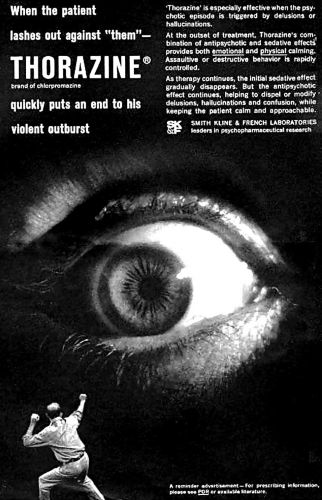
The mid-twentieth century marked a transformative moment in the treatment of schizophrenia with the introduction of pharmacological therapies. Unlike earlier somatic interventions, which often relied on drastic physical procedures, the development of antipsychotic drugs offered a less invasive and more targeted approach to managing symptoms. The discovery of chlorpromazine in the early 1950s is widely regarded as the beginning of this revolution, fundamentally altering both clinical practice and the broader landscape of psychiatric care. For the first time, physicians possessed a medication capable of significantly reducing hallucinations, delusions, and agitation in many patients.
Chlorpromazine was initially developed as an anesthetic adjunct, but its calming effects on psychiatric patients quickly attracted attention. Clinical use demonstrated that the drug could reduce psychotic symptoms without inducing the extreme physical states associated with earlier treatments such as insulin shock therapy. This breakthrough allowed for greater stability among patients and facilitated new approaches to care that emphasized management rather than mere containment. The widespread adoption of chlorpromazine led to a dramatic shift in psychiatric institutions, as patients who had previously required long-term confinement could now be treated with medication.
The impact of antipsychotic drugs extended beyond symptom control to the structure of mental health systems themselves. The ability to manage symptoms pharmacologically contributed to the process of deinstitutionalization, as large numbers of patients were discharged from asylums and treated in community settings. This shift reflected both optimism about the effectiveness of new medications and a growing critique of institutional care. It also exposed new challenges, including the need for adequate outpatient services and the difficulties of maintaining treatment adherence outside controlled environments.
As pharmacological research advanced, new generations of antipsychotic drugs were developed, each with distinct profiles of effectiveness and side effects. First-generation, or “typical,” antipsychotics such as chlorpromazine and haloperidol were effective in reducing positive symptoms like hallucinations and delusions, but they were often associated with significant side effects, including movement disorders such as tardive dyskinesia. These limitations prompted the development of second-generation, or “atypical,” antipsychotics, which aimed to provide similar therapeutic benefits with fewer neurological complications. While these newer drugs represented an important improvement, they introduced their own challenges, including metabolic side effects and variability in patient response.
Despite their transformative impact, antipsychotic medications did not provide a cure for schizophrenia. While they could manage certain symptoms, particularly those associated with psychosis, they were less effective in addressing negative symptoms such as social withdrawal and cognitive impairment. This limitation underscored the complexity of the disorder and the need for a broader therapeutic approach that included psychological, social, and rehabilitative interventions. The pharmacological revolution reshaped expectations, shifting the goal from cure to long-term management and integration.
The introduction of antipsychotic drugs represents one of the most significant developments in the history of psychiatry, redefining both the treatment of schizophrenia and the experience of those diagnosed with it. By providing a means of controlling symptoms, these medications enabled new forms of care and contributed to the decline of large-scale institutionalization. They highlighted the limits of purely biological approaches, as ongoing challenges in treatment effectiveness and side effects revealed the need for continued research and a more comprehensive understanding of mental illness. The legacy of this period remains central to contemporary psychiatry, shaping both clinical practice and the ongoing search for more effective therapies.
The Dopamine Hypothesis and Biological Psychiatry

By the latter half of the twentieth century, the success of antipsychotic medications prompted a shift in psychiatric research toward identifying the biological mechanisms underlying schizophrenia. Among the most influential developments was the emergence of the dopamine hypothesis, which proposed that the disorder is linked to dysregulation of dopamine, a neurotransmitter involved in reward, motivation, and cognitive processing. This hypothesis arose from observations that drugs effective in reducing psychotic symptoms tended to block dopamine receptors, while substances that increased dopamine activity could induce or exacerbate psychosis. These findings provided a biochemical framework that seemed to explain both the symptoms of schizophrenia and the action of its primary treatments.
The formulation of the dopamine hypothesis was closely associated with advances in neuropharmacology during the 1960s and 1970s. Researchers demonstrated that antipsychotic drugs exert their effects by binding to specific dopamine receptors in the brain, particularly the D2 subtype. This discovery marked a significant step toward understanding schizophrenia as a disorder rooted in neurochemical imbalance rather than purely behavioral or psychological disturbance. It also reinforced the growing influence of biological psychiatry, which sought to ground mental illness in measurable physiological processes and align psychiatric practice more closely with other branches of medicine. As receptor-binding studies became more refined, scientists were able to correlate drug potency with affinity for dopamine receptors, lending empirical support to the hypothesis and strengthening its acceptance within the field. Research into amphetamines and other dopamine-enhancing substances demonstrated that artificially increasing dopamine activity could produce psychosis-like symptoms in otherwise healthy individuals, further reinforcing the link between dopamine dysregulation and schizophrenia. These converging lines of evidence gave the hypothesis both explanatory and predictive power, allowing it to shape not only theoretical understanding but also the development of new pharmacological treatments.
Despite its explanatory power, the dopamine hypothesis has always been an incomplete account of schizophrenia. While it helps to explain the positive symptoms of the disorder, such as hallucinations and delusions, it does not fully account for negative symptoms or cognitive deficits, which are often more resistant to treatment. Moreover, not all patients respond to dopamine-blocking medications, and the relationship between dopamine activity and symptom expression is more complex than initially assumed. These limitations have led to refinements of the hypothesis, including models that incorporate multiple neurotransmitter systems and emphasize the role of neural circuitry rather than isolated chemical imbalance.
The rise of biological psychiatry, supported in part by the dopamine hypothesis, also had broader implications for how schizophrenia was conceptualized and treated. By framing the disorder in terms of brain function and neurochemistry, it contributed to a shift away from earlier models that emphasized moral, social, or purely psychological explanations. This shift helped to reduce some forms of stigma by presenting schizophrenia as a medical condition rather than a personal failing, but it also introduced new challenges, including the risk of oversimplifying complex human experiences into biochemical terms. The focus on biological mechanisms sometimes overshadowed the social and environmental factors that also play a critical role in the development and course of the disorder.
The dopamine hypothesis remains a foundational concept in the study of schizophrenia, even as it has been modified and expanded in light of new evidence. It represents a key moment in the history of psychiatry, when advances in neuroscience began to reshape the understanding of mental illness at a fundamental level. Its limitations underscore the ongoing need for integrative models that can account for the full range of symptoms and experiences associated with schizophrenia. The continued evolution of biological psychiatry reflects both the progress achieved and the challenges that remain in explaining and treating this complex disorder.
Modern Perspectives: Genetics, Development, and Complexity

Contemporary understandings of schizophrenia have moved beyond single-cause explanations toward a multifactorial model that integrates genetics, neurodevelopment, and environmental influence. While earlier frameworks emphasized either psychological interpretation or neurochemical imbalance, modern research increasingly situates the disorder within a complex interplay of biological predisposition and life experience. This shift reflects advances in neuroscience, genetics, and imaging technologies, all of which have revealed that schizophrenia cannot be reduced to a single pathway or mechanism. Instead, it is now understood as a heterogeneous condition with multiple contributing factors that vary across individuals.
Genetic research has played a central role in this transformation. Family, twin, and adoption studies have consistently demonstrated a heritable component to schizophrenia, with higher concordance rates among genetically related individuals. More recent genomic studies have identified a range of genetic variations associated with increased risk, including rare mutations and more common polymorphisms that contribute small effects. One of the most widely discussed findings involves variation in the complement component 4 (C4) gene, which has been linked to synaptic pruning processes in the brain. Abnormal pruning during adolescence, a critical period of neural development, has been proposed as a mechanism through which genetic risk may translate into the structural and functional changes associated with schizophrenia. Importantly, these genetic influences do not operate in isolation but interact in complex ways, often involving hundreds or even thousands of loci that collectively shape susceptibility. This polygenic model has shifted the field away from the search for a single “schizophrenia gene” toward an understanding of distributed risk across the genome. Moreover, genetic expression itself can be influenced by environmental conditions through epigenetic mechanisms, further complicating the relationship between inherited predisposition and clinical outcome.
Genetic predisposition alone does not determine the onset of the disorder. The neurodevelopmental model of schizophrenia emphasizes the role of early brain development and the cumulative impact of environmental factors across the lifespan. Prenatal influences such as maternal infection, malnutrition, or stress have been associated with increased risk, as have complications during birth and early childhood adversity. These factors are thought to interact with underlying genetic vulnerabilities, shaping neural development in ways that may not become apparent until adolescence or early adulthood, when symptoms typically emerge. This delayed manifestation underscores the importance of viewing schizophrenia as a developmental condition rather than a sudden or isolated illness.
Environmental and social factors continue to play a significant role in shaping both the risk and course of schizophrenia. Urban living, migration, and chronic stress have all been linked to higher incidence rates, suggesting that the social environment can influence vulnerability as well as expression. Substance use, particularly cannabis during adolescence, has also been associated with increased risk in susceptible individuals. These findings highlight the importance of context, demonstrating that biological predisposition operates within a broader ecological framework that can either exacerbate or mitigate the development of symptoms.
Advances in brain imaging and cognitive science have further expanded understanding of schizophrenia, revealing alterations in brain structure, connectivity, and function. Studies have identified differences in regions associated with memory, attention, and executive function, as well as disruptions in the networks that coordinate these processes. These findings support the view that schizophrenia involves not only localized abnormalities but also broader disruptions in the integration of neural systems. Functional imaging has shown irregular patterns of activity across cortical and subcortical regions, suggesting difficulties in coordinating information processing across the brain. Structural studies have identified variations in gray matter volume and white matter connectivity, pointing to differences in both brain architecture and communication pathways. Yet these findings are not uniform across all patients, and significant variability persists, reinforcing the idea that schizophrenia encompasses a spectrum of related conditions rather than a single, uniform disorder. This diversity complicates efforts to identify universal biomarkers, underscoring the need for models that can accommodate multiple pathways and outcomes.
Modern perspectives on schizophrenia emphasize complexity, variability, and interaction. The disorder is no longer seen as the product of a single cause, but as the outcome of dynamic processes that unfold across time and context. This shift has important implications for both research and treatment, encouraging approaches that are individualized and multifaceted. While significant progress has been made in identifying contributing factors, the challenge of fully understanding schizophrenia remains, reflecting the broader difficulty of mapping the relationship between brain, behavior, and experience.
Historiography: Constructing Schizophrenia
The following video from Midnight Historian covers the history of schizophrenia:
The history of schizophrenia raises a fundamental historiographical question: is the disorder a timeless biological reality, or a modern construct shaped by changing systems of knowledge? Historians of psychiatry have long debated whether schizophrenia, as currently defined, can be meaningfully identified in earlier periods or whether it emerged only with the classificatory frameworks of the nineteenth and twentieth centuries. This debate reflects broader tensions in the history of medicine between continuity and discontinuity, between the assumption of stable disease entities and the recognition that diagnostic categories are historically contingent.
One approach emphasizes continuity, arguing that schizophrenia has always existed as a human condition, even if it was described differently in the past. Proponents of this view point to recurring accounts of hallucinations, delusions, and disorganized behavior across historical sources, suggesting that these experiences represent the same underlying disorder recognized today. From this perspective, the work of Kraepelin and Bleuler did not create schizophrenia but rather identified and organized a preexisting set of symptoms into a coherent diagnostic category. The apparent absence of detailed descriptions in earlier periods is attributed to limitations in observation, terminology, and recording practices rather than to the nonexistence of the disorder itself. Advocates of this position often draw on comparative evidence from anthropology and cross-cultural psychiatry, noting that similar clusters of symptoms appear in diverse societies with very different explanatory frameworks. These parallels are taken to suggest that the core features of schizophrenia are rooted in shared aspects of human neurobiology, even if their interpretation varies widely. This approach must contend with the fragmentary nature of historical evidence, which rarely provides the sustained, detailed observations necessary to confirm a modern diagnosis. Claims of continuity rely heavily on inference, highlighting both the appeal and the limitations of reading the past through the lens of present knowledge.
A contrasting interpretation stresses discontinuity, arguing that schizophrenia is inseparable from the modern frameworks that define it. Scholars have emphasized the role of social and institutional forces in shaping concepts of madness, suggesting that what counts as mental illness is determined as much by cultural norms and power structures as by biological reality. From this perspective, schizophrenia emerges not simply as a discovery but as a product of modern psychiatry, reflecting new ways of categorizing and managing human behavior. The diagnostic boundaries of the disorder, along with its associated meanings, are seen as historically specific rather than universal.
The challenge of retrospective diagnosis lies at the heart of this debate. Applying modern categories to historical sources risks anachronism, as it imposes contemporary definitions onto texts that were produced within entirely different conceptual frameworks. Refusing to make any connections across time can obscure genuine continuities in human experience. Historians must navigate a careful path, recognizing that while the symptoms associated with schizophrenia may have existed in the past, their interpretation and classification have been shaped by the intellectual and cultural contexts in which they were observed. This tension underscores the methodological difficulty of writing a history of a disorder that is itself defined by shifting criteria.
The historiography of schizophrenia reveals that the disorder cannot be understood solely in terms of biology or solely in terms of social construction. Instead, it occupies a space at the intersection of these domains, where biological processes are interpreted through cultural frameworks and institutional practices. The concept of schizophrenia has evolved alongside changes in medical knowledge, social organization, and scientific method, reflecting the dynamic relationship between observation and interpretation. Recognizing this complexity allows for a more nuanced account, one that acknowledges both the continuity of human experience and the historical specificity of the categories used to describe it.
Conclusion: Disorder, Diagnosis, and Historical Context
The historical trajectory of schizophrenia reveals a condition that has been continuously observed but never consistently understood. From ancient interpretations rooted in spirituality and imbalance, through medieval moral frameworks, to modern biological models, the meanings attached to severe disturbances of thought and perception have shifted dramatically. What unites these perspectives is not a stable definition, but a shared attempt to make sense of behaviors that challenge prevailing assumptions about reason, identity, and control. In each period, observers interpreted these behaviors through the intellectual tools available to them, whether theological, philosophical, or scientific, producing explanations that reflected broader cultural priorities as much as empirical observation. The same underlying experiences could be understood as divine inspiration, moral failure, or neurological dysfunction, depending on the context. Schizophrenia, as it is now defined, is less a timeless entity than a convergence point where evolving knowledge systems intersect with enduring human experiences, revealing the extent to which disorder and meaning are historically intertwined.
The development of classification systems in the nineteenth and twentieth centuries marked a critical turning point, transforming scattered observations into a structured diagnostic category. Figures such as Morel, Kraepelin, and Bleuler did not simply name a disorder; they shaped the framework through which it would be recognized, studied, and treated. Their work established the foundations of modern psychiatry, even as it introduced new complexities and ambiguities. The subsequent evolution of treatment, from custodial care to somatic experimentation and pharmacological intervention, reflects an ongoing effort to translate understanding into effective practice, often with uneven and contested results.
Modern advances in genetics, neuroscience, and developmental theory have expanded the understanding of schizophrenia while also revealing its complexity. The disorder now appears as a multifaceted condition involving interacting biological, environmental, and social factors, resisting reduction to any single explanatory model. This recognition has encouraged more nuanced approaches to treatment and research, but it has also underscored the limits of current knowledge. Despite significant progress, schizophrenia remains only partially understood, its causes and mechanisms still the subject of active investigation.
The history of schizophrenia underscores the importance of context in shaping both the recognition and interpretation of mental illness. Diagnostic categories are not merely reflections of biological reality, but products of historical processes that influence how symptoms are perceived and addressed. By examining schizophrenia across time, it becomes possible to see how medical knowledge, cultural assumptions, and institutional practices have combined to produce the modern understanding of the disorder. This perspective not only deepens historical insight but also invites continued reflection on how current frameworks may evolve in the future.
Bibliography
Affiliate disclosure: Amazon links on this site are paid links. As an Amazon Associate I earn from qualifying purchases.
- American Psychiatric Association. Diagnostic and Statistical Manual of Mental Disorders. 5th ed., text rev. Washington, DC: American Psychiatric Association, 2022.
- Andrews, Jonathan, Asa Briggs, Roy Porter, Penny Tucker, and Keir Waddington. The History of Bethlem. London: Routledge, 1997.
- Angane, Amey Yeshwant. “The Divine Madness: A History of Schizophrenia.” Annals of Indian Psychiatry 1:2 (2017), 133-135.
- Berrios, German E. The History of Mental Symptoms: Descriptive Psychopathology since the Nineteenth Century. Cambridge: Cambridge University Press, 1996.
- Bleuler, Eugen. Dementia Praecox or the Group of Schizophrenias. Translated by Joseph Zinkin. New York: International Universities Press, 1950.
- Delay, Jean, and Pierre Deniker. “Neuroleptic Effects of Chlorpromazine in Therapeutic Applications.” Annales Médico-Psychologiques 110 (1952), 112–117.
- Ebbell, Bendix, trans. The Papyrus Ebers: The Greatest Egyptian Medical Document. Copenhagen: Levin & Munksgaard, 1937.
- Foucault, Michel. Madness and Civilization: A History of Insanity in the Age of Reason. Translated by Richard Howard. New York: Vintage Books, 1961.
- Healy, David. The Creation of Psychopharmacology. Cambridge, MA: Harvard University Press, 2002.
- Hippocrates. On the Sacred Disease. Translated by W. H. S. Jones. Cambridge, MA: Harvard University Press (Loeb Classical Library), 1923.
- Howes, Oliver D., and Robin M. Murray. “Schizophrenia: An Integrated Sociodevelopmental-Cognitive Model.” The Lancet 383, no. 9929 (2014), 1677–1687.
- Howes, Oliver D., and Shitij Kapur. “The Dopamine Hypothesis of Schizophrenia: Version III—The Final Common Pathway.” Schizophrenia Bulletin 35, no. 3 (2009), 549–562.
- Insel, Thomas R. “Rethinking Schizophrenia.” Nature 468, no. 7321 (2010), 187–193.
- Jablensky, Assen. “The Diagnostic Concept of Schizophrenia: Its History, Evolution, and Future Prospects.” Dialogues in Clinical Neuroscience 12:3 (2010), 271-287.
- Kraepelin, Emil. Psychiatrie: Ein Lehrbuch für Studierende und Ärzte. Leipzig: Barth, 1887.
- Lieberman, Jeffrey Alan and Gabriella Dishy. “Milestones in the History of Schizophrenia. A Comprehensive Chronology of Schizophrenia Research: What Do We Know and When Did We Know It.” Psychiatric News 56:01 (2021).
- Morel, Benedict Augustin. Traité des Dégénérescences Physiques, Intellectuelles et Morales de l’Espèce Humaine. Paris: Baillière, 1857.
- Nutton, Vivian. Ancient Medicine. 2nd ed. London: Routledge, 2012.
- Plato. Phaedo. In Plato: Complete Works, edited by John M. Cooper. Indianapolis: Hackett Publishing, 1997.
- Porter, Roy. Madness: A Brief History. Oxford: Oxford University Press, 2002.
- Pressman, Jack D. Last Resort: Psychosurgery and the Limits of Medicine. Cambridge: Cambridge University Press, 1998.
- Scull, Andrew. Madness in Civilization: A Cultural History of Insanity. Princeton, NJ: Princeton University Press, 2015.
- Sekar, Aswin, et al. “Schizophrenia Risk from Complex Variation of Complement Component 4.” Nature 530, no. 7589 (2016), 177–183.
- Shorter, Edward. A History of Psychiatry: From the Era of the Asylum to the Age of Prozac. New York: John Wiley & Sons, 1997.
- Snyder, Solomon H. Drugs and the Brain. New York: Scientific American Library, 1986.
- Stahl, Stephen M. Essential Psychopharmacology: Neuroscientific Basis and Practical Applications. Cambridge: Cambridge University Press, 1996.
- Valenstein, Elliot S. Great and Desperate Cures: The Rise and Decline of Psychosurgery and Other Radical Treatments for Mental Illness. New York: Basic Books, 1986.
Originally published by Brewminate, 04.27.2026, under the terms of a Creative Commons Attribution-NonCommercial-NoDerivatives 4.0 International license.
About the Author