A warm home sounds simple, but it can make a huge difference in how your whole place feels. When your heating works well, mornings are easier, rooms feel more inviting, and your energy bill is less likely to make you gasp like you just stepped on a cold tile floor. Good heating is not only about temperature. It also connects to layout, insulation, and everyday comfort. If you want your home to feel cozy instead of cranky, it helps to know what actually matters.
Start with the basics
Your heating system does more than blow warm air around. It shapes how comfortable each room feels, how much you spend each month, and even how often you argue with the thermostat. If your home never seems evenly warm, it may be time to look at the whole picture instead of just turning the heat higher.
A reliable heating company can help you figure out whether the issue is your furnace, boiler, airflow, or an older setup that no longer matches your home. That matters because heating is not one-size-fits-all. A compact ranch home and a drafty older colonial usually have very different needs.
Start by thinking about your daily comfort. Do certain rooms stay cold? Does the heat kick on too often? Those little annoyances often point to bigger problems that can be fixed before they turn into costly repairs.
Notice comfort warning signs
Your house usually gives you clues when the heating is struggling. The trick is not ignoring them until you are wrapped in three blankets and bargaining with the weather. One common sign is uneven warmth. If your bedroom feels fine but the living room feels like a fridge with furniture, something is off.
You might also hear banging, rattling, or whooshing sounds. Heating systems are allowed to make some noise, but they should not sound like they are rehearsing for a drum solo. A sudden jump in energy bills is another red flag, especially if your habits have not changed.
Watch for these signs:
– Rooms that heat at different speeds
– Dusty or dry indoor air
– Short cycling, where the system turns on and off often
– A thermostat reading that does not match how the room feels
These issues can come from blocked vents, dirty filters, leaks in ductwork, or a system that is simply getting old.
Match heat to layout
Home design plays a bigger role in heating than many people realize. A tall ceiling may look dramatic, but warm air rises, which means your feet can still feel like ice cubes. Large windows can bring in lovely light, yet they can also let heat slip out faster than you expect.
Older homes often have charm and character, but they may also have weak insulation, hidden drafts, or room additions that changed the way heat moves through the space. Even the placement of staircases can affect how warmth travels from one floor to another.
That is why heating choices should match your layout. An open-plan home may need a different approach than a house with many small rooms and narrow hallways. You do not need to become an engineer to understand this. Just pay attention to where warmth collects and where it disappears.
When heating works with your home’s design instead of fighting it, comfort feels steadier and your system does not have to work overtime.
Choose efficient upgrades
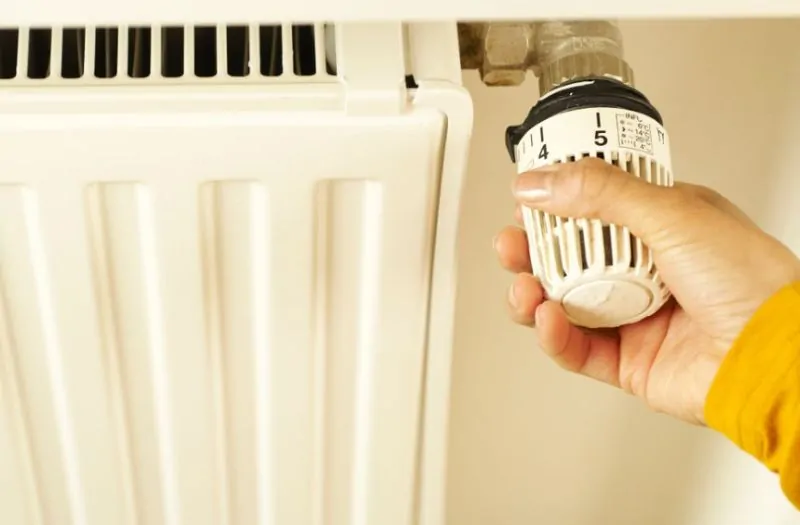
You do not always need a full replacement to make your home feel better. Sometimes small upgrades do a lot of heavy lifting. A smart thermostat, for example, helps you control temperature more accurately and can cut waste when nobody is home. It is like giving your heating system a better memory.
Sealing drafts around windows and doors is another easy win. If warm air keeps escaping, your system has to keep chasing the right temperature. That gets expensive fast. Replacing filters on schedule also matters more than people think. A dirty filter can restrict airflow and make your system work harder for no good reason.
Useful upgrades to consider include:
– Smart thermostat installation
– Weatherstripping and caulking
– Regular filter replacement
– Duct sealing or balancing
– Replacing an aging unit before it fails
If your system is old, frequent repairs may be a clue that replacement makes more sense than patching it again and again.
Plan for colder months
Heating problems love bad timing. They tend to show up during the first real cold snap, right when everyone else is calling for help too. That is why a little prep before winter can save you stress later.
Schedule a seasonal checkup before temperatures drop hard. A professional can inspect the system, clean parts, and spot wear before it turns into a breakdown. If you use a furnace or boiler, basic safety checks are important too. You want heat, not surprises.
You can also do a few things yourself:
– Clear furniture away from vents
– Test your thermostat settings
– Change the filter
– Check for drafts near windows and doors
– Make sure carbon monoxide detectors work
These steps are simple, but they help your system breathe and run more smoothly. Think of it as stretching before a workout. Your heater is about to have a busy season, and it deserves a fair shot.
Make comfort last
The best heating decisions are not only about staying warm today. They are about making comfort easier to maintain over time. That means balancing upfront costs, repair history, energy use, and how your home actually functions day to day.
If you are always adjusting vents, piling on sweaters, or dreading utility bills, your current setup may not be doing its job well enough. Paying attention to those patterns can help you decide whether you need maintenance, a few upgrades, or a more serious change.
Try to think of heating as part of your home’s overall design, not just a machine hidden in a basement or closet. When insulation, airflow, layout, and equipment work together, your home feels calmer and more comfortable.
You do not need the fanciest system on the block. You just need one that fits your space, runs efficiently, and keeps your household cozy without drama. Warm toes, quieter nights, and fewer thermostat battles are a pretty nice reward.
About the Author