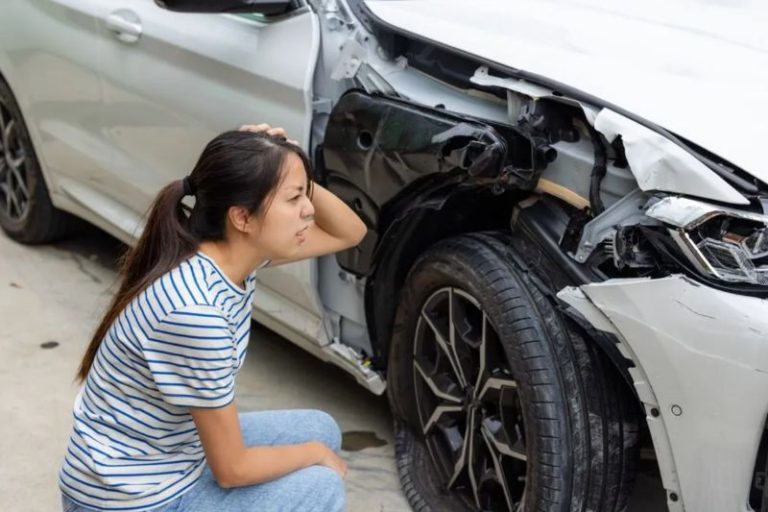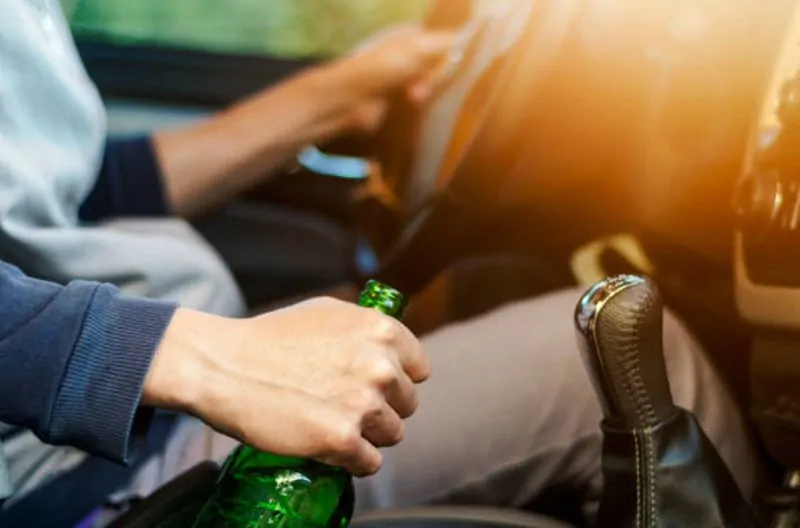
When an intoxicated driver causes a serious crash, two things happen at the same time. The state moves to prosecute the driver, and the injured victim gains the right to seek compensation.
How serious the injuries are shapes both outcomes. Greater harm usually means tougher criminal penalties and a larger possible recovery for the victim. Understanding what happens after a drunk driving accident helps victims and families know what to expect. The events that follow decide both the criminal case and the value of any claim.
The First Moments at the Scene
A serious impaired-driving crash sets off an immediate emergency response. Police and paramedics arrive to treat the injured and secure the road. The road is often closed for hours while they work.
Officers test the driver for alcohol using a breath or blood sample. An impaired driver is usually arrested at the scene, and that arrest starts the criminal case. Investigators may also record skid marks, debris, and witness accounts.
Criminal Charges the Driver Faces
The driver faces criminal charges brought by the state, not by the victim. How serious those charges are depends on the harm the crash caused.
- Minor injuries: often a misdemeanor DUI
- Serious or lasting injuries: a felony such as vehicular assault
- A resulting death: a vehicular manslaughter charge
A conviction can bring jail time, heavy fines, and the loss of a driver’s license. A prior record can push these penalties even higher. The driver may also face years of probation and required treatment programs.
The Victim’s Path to Compensation
The criminal case punishes the driver but does not pay the victim. To recover money, the injured person files a separate civil claim on their own timeline. The two cases can even reach different results.
Driving drunk usually counts as negligence per se, which treats breaking the impaired-driving law as proof of fault. Because the conduct is reckless, the victim may also seek punitive damages on top of normal compensation.
A civil claim can seek payment for several different kinds of losses:
- Medical bills, both current and future
- Lost wages and reduced earning power
- Pain, suffering, and emotional harm
How the Case Moves Forward
Neither of these cases ends quickly. The criminal charge and the civil claim can each take months, and sometimes more than a year, to resolve.
On the criminal side, the driver is arraigned, and the case heads toward a plea deal or trial. On the civil side, the victim’s lawyer gathers records, deals with the insurer, and files a lawsuit if no fair offer arrives.
The two cases run on separate tracks, so one can finish long before the other one.
Who Else Can Be Held Responsible?
The drunk driver may not be the only party at fault. Others who helped create the danger can also share responsibility for the harm.
Under dram shop laws, a bar or restaurant that overserved a visibly drunk customer may be liable. Employers can be responsible when the driver was working, and party hosts may face claims in some states. Adding these parties can raise the total compensation available.
What an Injured Victim Should Do
The steps taken early on can protect both your health and any future claim. Acting quickly keeps more of your options open, and the first days often matter most.
- Get medical care right away, even if you feel fine at first
- Report the crash to the police and to your own insurer
- Save every record, from medical bills to the police report
- Avoid giving recorded statements until you understand your rights
- Speak with a personal injury attorney about your options
Key Takeaways
- A serious DUI crash triggers a criminal case and a civil claim at once.
- The state charges the driver, while the victim pursues money separately.
- Charges grow from a misdemeanor to a felony as injuries become worse.
- Driving drunk often counts as negligence per se, which helps prove fault.
- Bars, employers, or hosts may share blame under dram shop and related laws.
- Prompt medical care and good records help protect a victim’s recovery.
About the Author