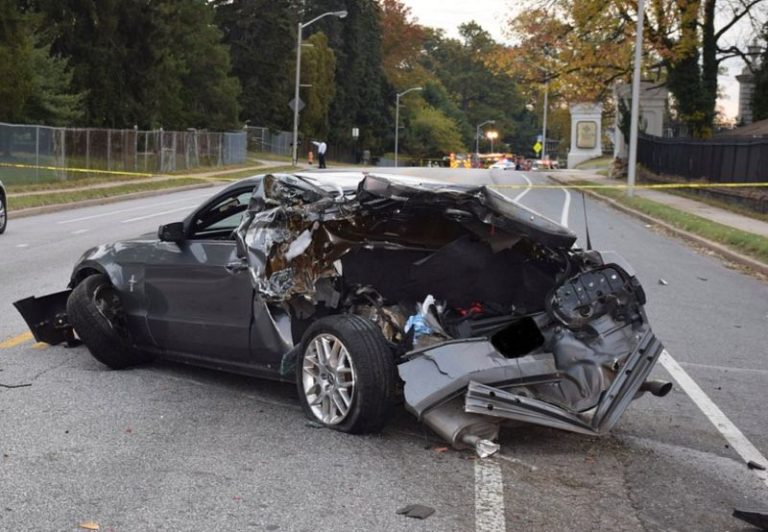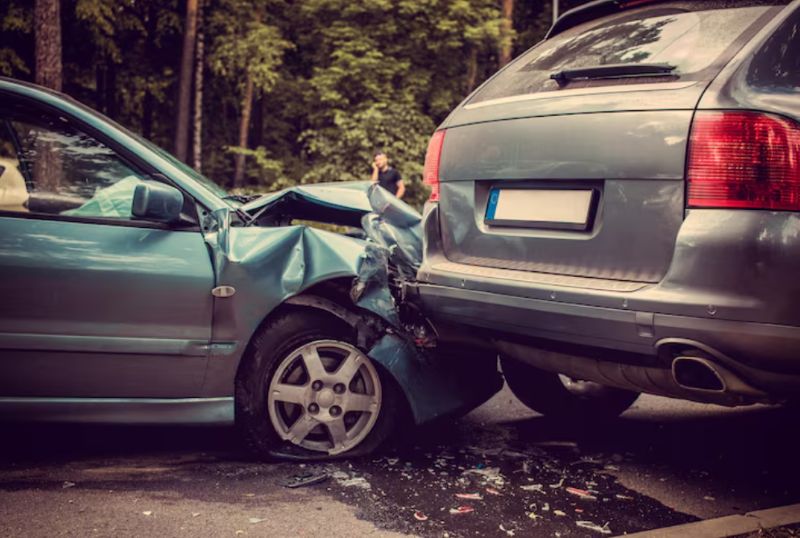
Finding out the other driver has no insurance can make a crash feel even more frustrating. You may already be dealing with a damaged car, medical bills, missed work, and transportation problems. Then you learn there may not be an insurance company on the other side to pay for any of it.
So, what if at fault driver has no insurance? The answer is not always simple, but it also does not mean you are completely out of options. The important thing is to slow down, confirm the facts, and look at every possible source of recovery before assuming nothing can be done. Here are some steps you can take to protect your best interests.
1. Confirm the Insurance Situation First
Do not take the other driver’s word for it on the scene. Others claim to be uninsured because they failed to locate their card, are driving a borrowed car, or don’t understand who the policy applies to.
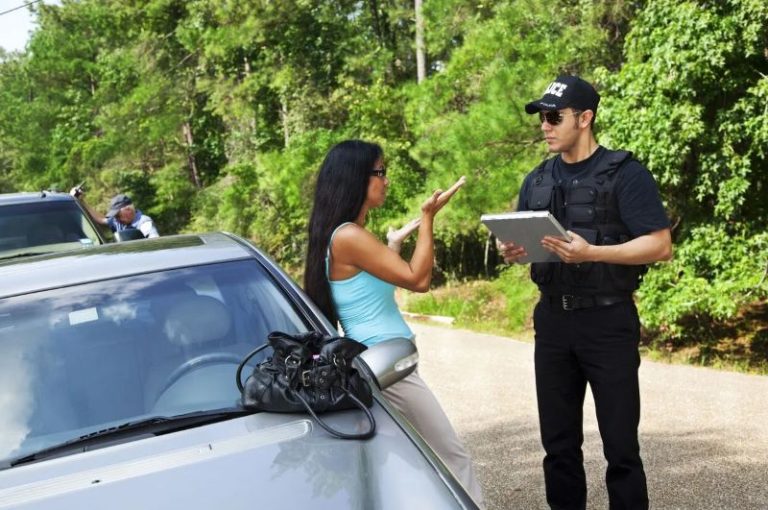
Try to gather basic information, including the driver’s name, license plate, vehicle owner, and police report number. If police respond, the report may include insurance details or confirm that none were provided.
This step matters because the car may be insured even if the driver is not. The owner’s policy, a household policy, or even an employer’s policy may still need to be checked.
2. Look Closely At Your Own Policy
Many people forget about their own insurance because they did not cause the crash. But when the other driver is uninsured, your policy may become one of the most important parts of the claim.
Coverage that may help includes:
- uninsured motorist coverage
- collision coverage
- medical payments coverage
- rental reimbursement
- towing coverage
Uninsured motorist coverage may help with injury-related losses. Collision coverage may help repair or replace your vehicle, though a deductible may apply. The details depend on your policy, so it is worth reviewing the actual language instead of guessing.
3. Keep Records From the Beginning
When there is no clear insurer on the other side, documentation becomes even more important. You need a clean record of what happened, what it cost, and how the crash affected your life.
Save photos of the vehicles, repair estimates, medical records, receipts, towing bills, rental car costs, and proof of missed work. It also helps to keep notes about pain, sleep problems, driving anxiety, or limits on normal activities.
These details may seem small at first. Later, they can help show the real impact of the accident.
4. Be Careful About Suing the Driver Personally
You may be able to sue the uninsured driver, but that does not always mean collecting money will be easy. If the person had no insurance because they could not afford it, they may not have enough assets to pay for compensation either.
That does not mean suing is never worth considering. It just means the decision should be practical. A judgment is only useful if there is a realistic way to collect on it.
Before going down that road, it helps to ask whether there are better sources of recovery, such as your own policy or another responsible party.
5. Check Whether Someone Else May Be Responsible
Sometimes the uninsured driver is not the only person connected to the crash. If they were driving someone else’s vehicle, working at the time, using a company car, or driving a poorly maintained vehicle, there may be more to investigate.
This does not apply to every case. But it is a mistake to stop looking as soon as you hear “no insurance.” The driver may not have coverage, but another person, business, or policy might still be involved.
6. Do Not Rush the Injury Side
Quickly writing off everything after a crash is understandable. But injuries aren’t always set in stone. Backache, neck ache, headache, and shoulder problems may get worse days later. The phone calls from collection agencies might also come years after the initial appointment.
Understand that once you have settled, you cannot demand extra compensation. If your recovery takes longer than anticipated, that can pose serious issues.
Conclusion
When the at-fault driver has no insurance, the situation is harder, but it is not always hopeless. First, confirm whether there truly is no coverage. Then review your own policy, keep detailed records, and consider whether another person or business may share responsibility. The goal is not to panic or give up too quickly. The goal is to understand where recovery may still come from before making final decisions.
About the Author