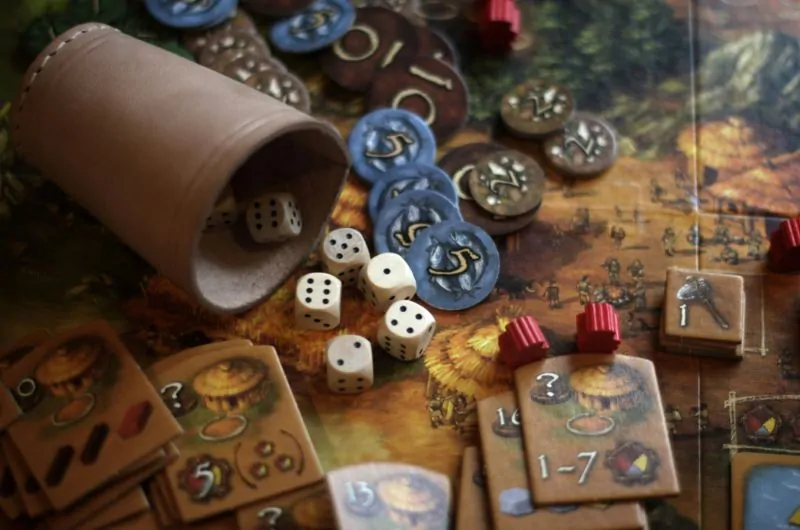
Around 2600 BCE, people in Ur were already placing board games among grave goods. Ancient Egypt had senet, a race game played with pieces and throwing sticks. The attraction feels surprisingly modern. There were rules, uncertainty, rivalry and the urge to make one more move. Technology changed the tools, but not the basic pleasure of play.
Chance has always added tension because nobody fully controls the result. Early players used bones, sticks and other simple objects to decide movement. Later societies developed cards, dice games and organized wagering. Today much of that activity sits on screens, where users compare rules and formats before choosing a platform. Searches built around phrases such as online casino legit reflect the same concern in a new setting because people still want clear conditions and a reliable environment. The medium is digital, but trust remains part of the decision.
Ancient Boards Already Had Modern Ideas
Senet dates back to around 3100 BCE. Players moved pieces across a grid and used throwing sticks or bones to determine progress. The Royal Game of Ur appeared in Mesopotamia centuries later and also mixed racing with chance. These were active contests with turns, choices and opponents. They already contained ideas that still define many games.
A player had a goal, limited information and no guarantee about the next move. Progress could be helped or blocked. Luck mattered, but decisions still influenced the outcome. That balance keeps a contest interesting because neither skill nor chance controls everything. Modern design often uses the same formula with faster feedback.
Competition Made Play Public
Ancient Olympic contests were recorded from 776 BCE, though festivals at Olympia were older. Running and wrestling turned competition into public spectacle. Spectators could not control the result, but they still cared about it. Shared rules made comparison possible. Modern sport expanded the same idea through leagues, broadcasts and statistics.
Prediction Became Part of the Experience
Once competition had clear rules and visible results, prediction became natural. Modern betting adds statistics, live prices and digital markets to that habit. Fans can study injuries, form, pace and player availability before making a choice. The uncertainty is old, but the amount of information is new.
Basketball shows this well because one fixture can create several markets. A modern NBA betting site may organize spreads, totals and moneylines around the same game. Knowing what each option measures is more useful than simply choosing a favorite team. Any stake should come from a fixed entertainment budget. Prediction remains more enjoyable when it does not become a financial chase.
Portable Games Changed Where People Played
Dice were small and easy to carry. Playing cards later allowed many activities to share one compact object. The same deck could support memory, bluffing, strategy or chance. Portability helped entertainment move between homes, journeys and social gatherings. Convenience became one reason a format survived.
Smartphones follow the same principle. One device now holds many forms of play. The hardware is different, but the advantage is familiar. Easy access keeps a format useful.
Computers Made Feedback Immediate
Electronic games added a new kind of response. In 1958, Tennis for Two used an analog computer and oscilloscope for a simple interactive tennis display. Spacewar! followed on the PDP-1 in the early 1960s. A screen could now react directly to an input. Software also began enforcing rules automatically.
Computers can track scores, generate random events and update scenes without manual work. Animation shows what happened after an action. Sound can signal success or danger. Much of the administration once handled by people around a table moved into the machine. Faster feedback made more complex systems practical.
Demo Play Continues an Old Habit
People rarely want to study every rule before trying something. Board games are often learned through a practice round. Sports use drills before formal competition. Digital products follow the same idea with tutorials and trial modes. The first session can be about understanding rather than winning.
Slot demos fit that stage well. Opening a demo Super Ace version lets a user examine symbols, pace and basic mechanics without treating the first minutes as a real-money session. If paid play follows, a separate spending limit should already be set. Practice and wagering serve different purposes even when the screen looks identical.
The Same Elements Keep Returning
Across thousands of years, equipment has moved from carved boards to cards, stadiums, consoles and phones. Human motives have changed much less. People enjoy learning rules, testing skill and facing uncertain outcomes. They also like comparing results with friends or strangers. Digital platforms mainly make those experiences faster to access.
Several elements appear again and again:
- clear rules that define success;
- uncertainty that keeps the outcome open;
- skill that gives choices weight;
- feedback after an important action;
- competition or comparison;
- a reason to try again.
The technology behind these features keeps improving. Their appeal is far older than the screen.
About the Author