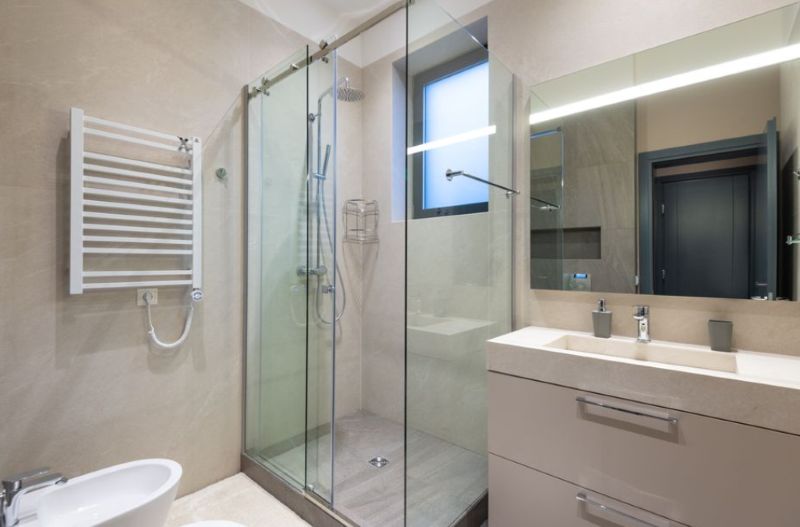
Your shower is one of the hardest-working spots in your home, and it usually doesn’t get much appreciation until something starts going wrong. In a humid city like New Orleans, bathrooms deal with extra moisture, which can speed up wear, mold growth, and material damage.
If you’ve been ignoring cracks, stains, or leaks, your shower may be sending very clear signals that it’s ready for an upgrade.
Cracks, Chips, and Surface Damage Aren’t Just Cosmetic
A small crack in your shower wall or base might seem harmless at first. It’s easy to shrug it off, especially if everything still works. The problem is that damaged surfaces can let water seep underneath, where it starts causing trouble you can’t see.
Once moisture gets behind the surround or under the pan, you may end up dealing with mold, rot, or weakened subflooring. That turns a simple update into a much bigger repair job.
Watch for these common warning signs:
– Hairline cracks in fiberglass or acrylic
– Chipped tile or missing grout
– Soft spots under your feet
Repairs Keep Adding Up Without Solving the Problem
A little maintenance is normal. Constant maintenance is a red flag. If you’re re-caulking every few months, replacing tiles, treating mildew, and calling plumbers for recurring issues, your shower may be past the point of cost-effective repair.
This is where many homeowners start comparing the long-term value of ongoing fixes versus starting fresh. In many cases, a replacement delivers better performance, cleaner installation, and fewer surprise expenses.
Once repair costs stop making sense, the next step is to look at what a full replacement would involve. Newer systems are built around durability, low-maintenance materials, and improved design, which is exactly where repeated patchwork falls short.
If you want that done properly the first time, hire a company that specializes in New Orleans shower replacement and knows how these systems are meant to be installed.
A good replacement isn’t only about appearances. It can reduce upkeep, improve water control, and make the space easier to live with every single day.
Persistent Mold and Mildew Mean Moisture Is Winning
Bathrooms are naturally damp, but your shower shouldn’t feel like a science experiment. If mold or mildew keeps returning no matter how often you clean, trapped moisture may be the real issue.
This often happens when older materials become porous, grout begins to fail, or ventilation isn’t enough to keep surfaces dry. New Orleans homes are especially familiar with humidity doing its worst work in tight spaces.
A shower that holds onto moisture can create:
– Musty smells that never fully go away
– Dark spots in corners or along seams
– Discoloration in grout lines
– Allergy irritation for sensitive family members
At a certain point, bleach and elbow grease stop being a real solution. If the moisture problem keeps coming back, replacing the shower may be the cleaner and smarter move.
Leaks Can Spread Damage Beyond the Bathroom
One leaking shower can quietly cause damage far beyond the bathroom itself. Water has a talent for traveling where you don’t want it, including behind walls, into flooring, and down to lower levels.
You might notice the clues outside the shower before you spot the source. Peeling paint, stained ceilings, warped trim, or loose tiles nearby can all point to a leak hiding in plain sight.
Keep an eye out for:
– Water stains on walls outside the shower
– Damp baseboards or flooring
– Bubbling paint or soft drywall
– An unexplained increase in your water bill
If you’re seeing these issues, a full replacement may be more practical than repeated repairs. A well-built modern system can help you avoid the drip-by-drip budget sabotage that leaks tend to cause.
Outdated Design Can Make Daily Use Frustrating
Sometimes the issue isn’t major damage. Sometimes your shower is just old, awkward, and annoying to use. A cramped layout, high step-in, slippery floor, or poor storage can make your daily routine more frustrating than it needs to be.
Older shower designs often weren’t built with comfort, accessibility, or easy cleaning in mind. If you’re planning to stay in your home for years, function matters just as much as looks.
You may be ready for a replacement if your shower has:
– A high threshold that’s harder to step over
– Shelves that don’t hold what you need
– Grimy grout lines that are hard to maintain
– Dated finishes that make the whole bathroom feel tired
Your Shower Should Match How You Live Now
Your needs can change long before your bathroom does. Maybe your household is busier, someone needs more accessible features, or you simply want a shower that feels cleaner and easier to maintain. Your current setup may have worked years ago, but that doesn’t mean it still fits your life.
Modern replacement showers often include practical upgrades such as:
– Low-threshold or barrier-free entry
– Built-in shelving and seating
– Non-slip flooring
– Wall surrounds that are easier to clean than tile
These aren’t flashy extras for the sake of it. They can make a genuine difference in comfort and usability.
When your shower no longer supports your routine, replacement becomes less of a luxury project and more of a quality-of-life improvement. That’s a much better category than “thing you keep meaning to deal with.”
Timing Your Replacement Can Save Stress and Money
Waiting until a shower fully fails usually leads to more mess, more expense, and more disruption. Planning ahead gives you room to compare materials, choose features that matter, and schedule the work before hidden damage gets worse.
If you’re already noticing multiple warning signs, it’s worth acting before the problem expands behind the walls. A failing shower rarely gets better with wishful thinking.
A smart replacement plan can help you:
– Prevent structural water damage
– Cut back on repeated repair costs
– Improve bathroom safety
– Refresh the look of your space
– Boost day-to-day comfort
Your shower doesn’t need to be fancy. It does need to be functional, reliable, and built to handle daily use without creating new problems. If it’s falling short in several ways, replacement may be the most sensible next step.
About the Author