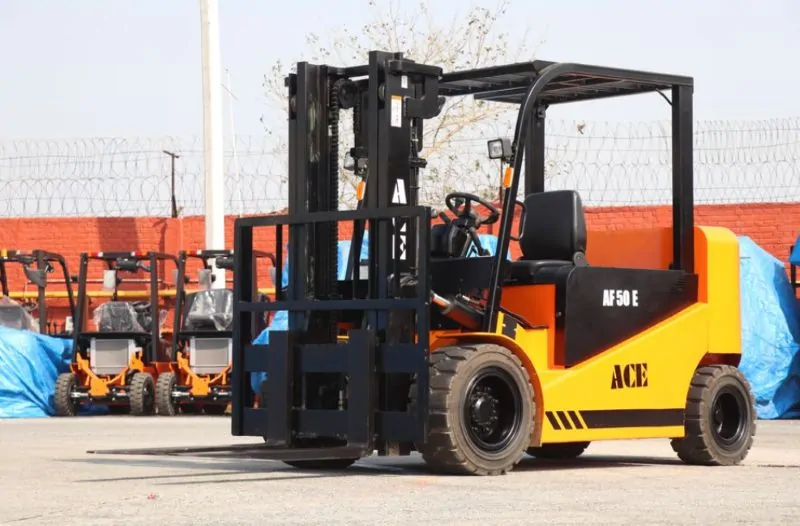
A forklift can disappear into the rhythm of a busy warehouse. It moves pallets, supports production, and keeps orders flowing. You notice it when it stops. The cost may begin weeks earlier, with a missed inspection or an untracked replacement need.
Forklift parts management is more than a maintenance task. It affects equipment availability, workplace safety, labor efficiency, and operating costs.
Downtime Often Begins Before the Breakdown
Most equipment failures develop gradually. Heat, vibration, contamination, and heavy loads stress components. A hydraulic system may become slower. Steering may feel less responsive. A chain may show visible wear, or an operator may hear an unfamiliar noise.
Delaying inspection or replacement can turn a manageable repair into an unexpected shutdown. Operators wait, supervisors reorganize tasks, and shipments fall behind.
A reliable parts program starts with understanding each truck’s operating conditions. Record its model, serial number, hours, duty cycle, service history, and recurring repairs. These records help teams plan replacements before failure interrupts work.
Reliable Parts Support Protects Productivity
When a forklift is unavailable, the repair bill is only part of the cost. Work may be reassigned, travel distances may increase, picking can slow down, and loading schedules may become harder to meet.
For businesses maintaining Clark equipment, sourcing dependable Clark forklift parts helps support timely repairs and consistent maintenance. Always verify compatibility against the truck’s model and serial number, and use parts that meet the equipment’s safety and performance requirements.
Start with an accurate fleet list, clear inspection routines, reliable service records, and sensible stock levels. Coordinate maintenance and purchasing, and act on warning signs early.
The real cost of poor parts management is rarely limited to the price of a component. It appears in downtime, wasted labor, avoidable risk, and missed commitments. Treat parts planning as part of daily operations, and your forklifts are far more likely to keep the business moving.
Parts Availability Is a Safety Issue
Forklift safety depends on more than operator training and traffic rules. Equipment condition matters just as much. Worn brakes, damaged forks, faulty steering, leaking hydraulic lines, or problems with the mast can put operators and nearby workers at risk.
A truck with a known defect should not remain in service simply because the replacement part has not arrived. Taking unsafe equipment out of service may affect short-term productivity, but continuing to use it can expose people to far greater consequences. Repairs should be completed by qualified personnel, using components appropriate to the truck and its original design.
The OSHA guidance on forklift pre-operation checks and maintenance is a useful reference for building inspection and maintenance procedures. Operators also need a clear process for reporting defects.
Older Trucks Need a Clear Parts Strategy
An older forklift is not automatically an uneconomical one. A well-maintained truck may continue to suit a facility’s needs for years, particularly when replacement would require a substantial capital investment. The question is whether it remains safe and cost-effective to maintain.
That requires a realistic view of its parts needs. Filters, belts, electrical components, hydraulic seals, mast hardware, brake components, and other wear items may need attention at different intervals. A truck operating several shifts in a dusty loading area will not experience the same demands as one used occasionally in a clean indoor space.
Track operating hours, repeat failures, repair costs, and the availability of suitable components. If the same system repeatedly needs expensive work, compare the cost of continued repairs with the cost of replacement.
Incorrect Orders Create Avoidable Delays
Ordering a replacement part can become complicated when model variations, serial-number ranges, and previous modifications are overlooked. Similar-looking components may differ in dimensions, fittings, or specifications. A wrong order means extra shipping, additional labor, and more time with equipment unavailable.
Build a verification process before any purchase. Confirm the truck’s make, model, serial number, power source, and relevant configuration. Check the parts manual or manufacturer information, and document any modifications. Keep these records accessible to both technicians and purchasing staff.
Maintenance teams should also communicate clearly with procurement. A request that says only “hydraulic hose” or “brake part” leaves too much room for error. Include the part number, equipment details, quantity, and urgency.
A simple dashboard makes this information easier to review. Track downtime by truck, average repair turnaround, emergency freight costs, and repeat component failures. These measures show whether the parts process is improving or merely shifting costs elsewhere across your active fleet.
Inventory Control Should Balance Risk and Cost
Keeping every possible component on a shelf is expensive. Keeping nothing is risky. Excess stock ties up cash and may become obsolete when equipment is retired or specifications change. Too little stock can leave a critical truck idle while a supplier processes an order.
Classify parts according to their operational importance and replacement patterns. Frequently used service items can be aligned with planned maintenance. Components that could take a truck out of service may justify a small reserve, depending on lead time and the cost of downtime. Rare or expensive parts may be better sourced when required, provided a dependable supply route exists.
Set minimum stock levels for essential items, identify approved alternatives where appropriate, and remove obsolete inventory through a controlled process. The goal is having the right component available when needed.
Maintenance Records Make Better Decisions Possible
A parts strategy works only when information is accurate. Keep a record of inspections, defects, repairs, parts used, supplier details, and equipment hours. These records reveal costly trucks and recurring failures.
The NIOSH daily inspection resource provides practical guidance for checking powered industrial trucks before use. Use an equipment-specific checklist and follow up on reported defects.
Managers can identify recurring costs, anticipate demand, and decide when to stock or replace components. This makes maintenance spending easier to forecast and explain.
About the Author