
When exploring the history of architecture and interior design, attention usually falls on grand buildings, elaborate furniture, and changing decorative styles. Yet some of the most revealing objects are those we barely notice today. Door handles, locks, hinges, and other household fittings tell fascinating stories about craftsmanship, technological development, and the changing expectations of everyday life.
These ordinary objects have evolved alongside the homes they occupy, reflecting everything from social status to industrial innovation.
When Household Hardware Was a Luxury
In medieval Europe, doors and their fittings were primarily functional, providing security and separating different areas of a building. Blacksmiths produced iron hinges, latches, and other hardware using traditional forging techniques, often creating pieces designed to withstand years of use.
However, decorative metalwork also became a way for wealthy households to display their status. Elaborate hinges, engraved locks, and ornamental fittings appeared in castles, churches, and prosperous homes.
These details demonstrated the skill of individual craftspeople while contributing to the architectural character of a building.
The Georgian and Victorian Influence
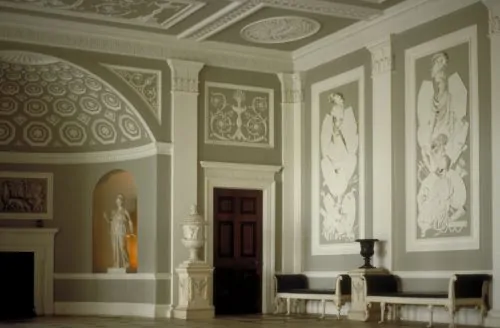
By the eighteenth century, changes in architecture and interior decoration encouraged greater attention to household fittings. Georgian interiors favored symmetry, proportion, and restrained ornamentation, with brass becoming a popular material for decorative hardware.
The Victorian period introduced more elaborate designs, influenced by industrial manufacturing and changing decorative tastes.
Advances in metalworking made it possible to produce household fittings in greater quantities, gradually expanding access to designs that had previously been expensive or difficult to obtain.
Door handles, locks, and hinges became increasingly important elements of interior decoration rather than purely practical necessities.
How Industrialization Changed Everyday Design
The Industrial Revolution transformed the manufacture of household objects. Mechanized production allowed factories to create standardized components, making replacement parts and decorative fittings more widely available.
This development influenced the appearance of ordinary homes as well as larger architectural projects.
Hardware manufacturers could offer different designs and finishes, allowing homeowners to select fittings that complemented their preferred interior styles.
The relationship between practicality and appearance remains evident today. Collections such as Carlisle Brass door hardware at Trade Door Handles demonstrate how traditional and contemporary designs continue to coexist in modern interiors.
The Rise of Modern Household Convenience
During the twentieth century, changing lifestyles and architectural preferences encouraged simpler, more practical household designs.
Modernist interiors often favored clean lines, minimal decoration, and materials suited to mass production. Stainless steel, chrome, and other finishes became familiar features of residential buildings.
Improvements in manufacturing also helped make household hardware more consistent and accessible.
Nevertheless, traditional designs never disappeared entirely. Period properties continued to require sympathetic fittings, while homeowners increasingly appreciated the character of older architectural details.
Why These Objects Still Matter
Household hardware provides a surprisingly detailed record of social and technological change. A simple door handle can reveal something about the materials available, the manufacturing techniques used, and the decorative preferences of its time.
Today, restoring original fittings or selecting historically appropriate replacements can help preserve the character of older buildings.
Although these objects are easily overlooked, their history demonstrates that even the smallest architectural details have played a meaningful role in shaping the homes we recognize today.
About the Author