
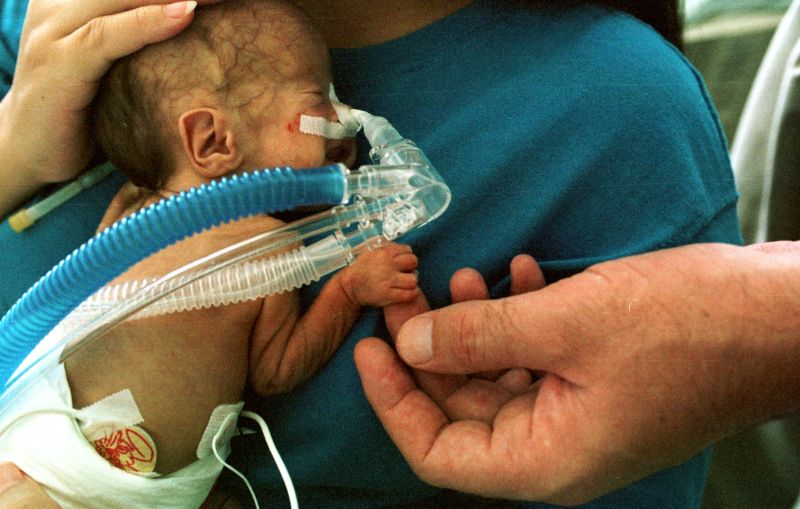
Labor can change quickly, and medical teams must respond to signs that a mother or baby is in danger. A delay, missed warning, or unsafe delivery decision can cause serious harm, including oxygen deprivation or physical injury. But an injury alone does not prove negligence. A claim generally requires evidence that a provider failed to meet the applicable standard of care and that failure caused harm. Understanding what happened during labor is the first step toward assessing a possible claim.
When Labor Care May Fall Below the Standard
A labor complication does not automatically mean that a doctor or nurse acted negligently. The central question is whether the care met the professional standard under the circumstances and whether a departure caused an injury. Medical records and expert review can help clarify what the team knew, when it knew it, and how it responded.
For families in South Carolina, a South Carolina birth injury attorney can assess how the care relates to the injury and applicable legal requirements. Labor records may show when fetal heart-rate changes appeared, how staff responded, and whether they escalated concerns. A review can also consider whether the mother’s condition or the baby’s position called for a different plan. These details help distinguish an unavoidable complication from a preventable failure.
Examples of Potentially Negligent Care
Medical negligence during labor can take several forms. A provider might fail to monitor the mother or baby, overlook signs of fetal distress, or delay an emergency delivery. Other concerns include failure to diagnose a serious maternal condition, such as placental abruption, or unsafe use of labor-inducing drugs.
The significance of any decision depends on the full clinical picture. A record of a slow response, for example, matters only when evidence shows what information was available and what action the standard of care required. A qualified medical expert can review that context.
Connecting the Care to the Injury
A birth injury claim must establish more than a poor outcome. Evidence must connect a provider’s action or omission to a specific injury. If a baby experienced oxygen deprivation, the review may examine fetal monitoring, delivery timing, resuscitation records, and relevant neonatal findings.
Some injuries, including cerebral palsy, can have multiple possible causes. A diagnosis alone does not establish that negligence during labor caused it. Medical experts assess the timeline and records to determine whether the alleged lapse contributed to the condition. The same careful analysis applies to nerve damage, head trauma, or other injuries sustained during delivery.
Records and Evidence That Matter
Promptly preserving records can help clarify what happened. Relevant material can include prenatal and labor records, fetal monitoring strips, medication charts, delivery notes, and neonatal intensive care records. Families can also write down their recollections while events remain fresh, including conversations with staff and the timing of important developments.
An attorney and medical experts can compare that evidence with the care provided. That review may identify unanswered questions, such as whether staff recognized a warning sign or communicated a change in the baby’s condition. Families should avoid altering original documents and keep copies of related bills and care plans.
Damages and Filing Deadlines
A serious birth injury can require rehabilitation, long-term medical care, specialized equipment, or educational support. A claim may seek compensation for qualifying medical expenses and other losses, including pain and suffering. The damages available depend on the facts, the evidence, and applicable law.
In South Carolina, the inspected law firm page describes a general three-year filing period for certain medical malpractice claims, subject to a discovery rule and an outside limit. Government-owned institutions can involve different deadlines. Because timing depends on the parties and circumstances, families should seek case-specific legal advice promptly and preserve relevant records.
Conclusion
A labor-related injury deserves a careful review, but the outcome alone cannot establish medical negligence. The practical next step is to secure available medical records, document the timeline, and have qualified professionals assess whether care fell below the applicable standard and caused harm. Families in South Carolina should also ask a lawyer how filing deadlines apply to their specific circumstances, especially if a public facility was involved. Early review can help preserve evidence and clarify available options.