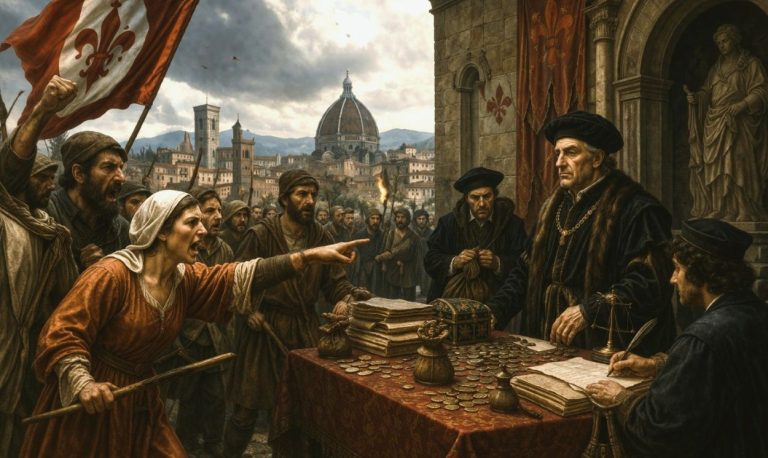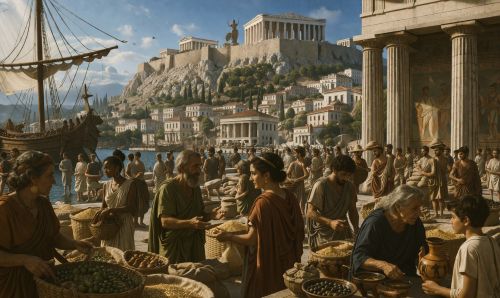
Athens depended on imported grain, forcing the state to regulate markets, punish manipulation, and assert democratic control over survival in a fragile economic system.

By Matthew A. McIntosh
Public Historian
Brewminate
Introduction: Grain, Survival, and the Athenian State
In classical Athens, grain was not merely a commodity but a matter of survival, shaping the city’s economic structures, legal systems, and political priorities. Unlike many agrarian societies that could rely primarily on local production, Athens faced a persistent imbalance between population and agricultural capacity. The rocky terrain of Attica limited large-scale grain cultivation, forcing the polis to depend heavily on imported supplies from regions such as the Black Sea and, at times, Egypt. This dependence transformed grain into a strategic resource, one whose availability could determine not only the well-being of individual citizens but also the stability of the democratic state itself. Economic behavior surrounding grain could not be left entirely to private interests without risking collective disaster.
The vulnerability inherent in this dependence created conditions in which market actors occupied a position of both necessity and suspicion. Grain importers and retailers, known respectively as sitopolai and kapiloi, functioned as intermediaries between distant producers and the Athenian populace. Their role was indispensable, yet it also granted them opportunities to influence supply and price in ways that could harm the community. As the speech of Lysias against the grain dealers vividly illustrates, Athenians were acutely aware of the potential for abuse within this system, particularly in the form of hoarding and price manipulation. Such practices were not viewed as ordinary market behavior but as threats to the collective survival of the polis, capable of provoking unrest and undermining trust in both economic and political institutions.
In response, Athens developed a legal and administrative framework that sought to regulate the grain trade with a level of intensity rarely seen in other sectors of the ancient economy. Laws limited the quantities that dealers could purchase, controlled permissible price markups, and imposed severe penalties for violations, including the possibility of capital punishment. Officials such as the sitophylakes were appointed specifically to oversee the grain supply, monitoring transactions, enforcing price regulations, and ensuring that imports reached the market in a timely manner. These officials operated within a broader network of magistrates and civic institutions that collectively supervised the movement of grain from importation to retail sale. The courts, staffed by large citizen juries, provided a mechanism through which accusations of misconduct could be publicly prosecuted, reinforcing the idea that economic crimes against the food supply were offenses against the entire community. This integration of administrative oversight and judicial enforcement reveals a system in which regulation was not merely reactive but proactive, designed to prevent crisis rather than simply punish it. The regulation of grain was not an isolated policy but a sustained and institutionalized effort to align economic behavior with the needs of the polis.
Athenian grain regulation reveals an early and sophisticated form of state intervention driven not by abstract economic theory but by the practical demands of survival. The actions of the sitopolai, whether compliant or exploitative, must be understood within a system that simultaneously relied upon and distrusted them. By examining the structure of the grain economy, the behavior of market participants, and the legal mechanisms designed to control them, this study situates Athens within a broader history of societies grappling with the tension between market freedom and public necessity. It highlights how the management of essential resources has long been inseparable from questions of power, justice, and collective security.
The Grain Economy of Athens: Imports, Dependency, and Risk
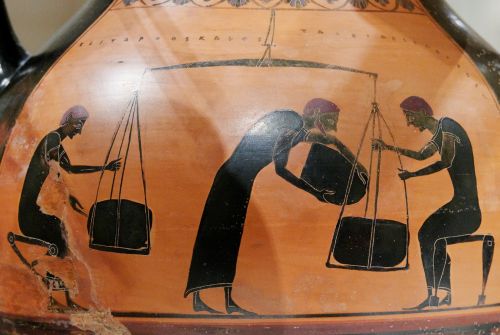
Athens in the classical period was structurally dependent on imported grain, a condition that shaped nearly every aspect of its economic and political life. The agricultural limitations of Attica, characterized by thin soils and an environment better suited to olives and vines than large-scale cereal production, meant that local output could not sustain the city’s population. Athens became one of the most import-dependent societies in the ancient Mediterranean, relying heavily on external sources to meet basic nutritional needs. This dependency was not incidental but systemic, embedding the grain trade within the core functioning of the polis.
The primary sources of imported grain were regions surrounding the Black Sea, particularly areas such as the Bosporan Kingdom, as well as parts of Egypt and Sicily at different times. These regions offered fertile land and surplus production capable of supporting large-scale export, making them indispensable to Athenian food security. The Athenian state actively cultivated relationships with these suppliers, often granting trading privileges or forming diplomatic ties to ensure a steady flow of grain. Trade routes, especially through the Hellespont, became critical arteries of supply, and their protection was often a priority in Athenian foreign policy. Naval strength was not merely a tool of imperial ambition but a necessity for safeguarding essential imports. Control or influence over these routes could mean the difference between abundance and scarcity, making grain supply a geopolitical concern as much as an economic one, deeply intertwined with the broader strategic interests of the polis.
This reliance on long-distance trade introduced significant risks, exposing Athens to disruptions that could arise from war, piracy, weather conditions, or political instability in supplier regions. Naval conflict posed a constant threat to grain shipments, as enemy forces could intercept or blockade vessels carrying essential supplies. Even in times of relative peace, storms and seasonal variability could delay or reduce deliveries, creating uncertainty in the market. These vulnerabilities meant that the grain supply was perpetually precarious, requiring careful management and, at times, rapid intervention to prevent shortages.
Within this fragile system, intermediaries played a crucial role in facilitating the movement of grain from producers to consumers. Merchants, importers, and retailers formed a chain that connected distant agricultural regions to the urban population of Athens. While these actors were essential to the functioning of the grain economy, their position also granted them considerable influence over supply and pricing. The concentration of grain in the hands of a limited number of dealers created opportunities for manipulation, particularly in moments of scarcity when demand was high and supply uncertain. These intermediaries did not operate in a vacuum but within a system where information asymmetry and control over storage could be leveraged for advantage. Their ability to anticipate shortages or delays allowed them to act strategically, sometimes withholding grain or coordinating behavior in ways that amplified their market power. This structural feature of the market made regulation not only desirable but, in the eyes of Athenian lawmakers, necessary to prevent exploitation.
The seasonal nature of grain supply further intensified these dynamics, as periods of abundance alternated with moments of scarcity. Grain imports tended to arrive in cycles, and the management of stored supplies became a critical factor in maintaining price stability. Dealers who controlled storage could choose when to release grain into the market, potentially withholding it to drive up prices and maximize profits. This capacity to manipulate timing transformed storage from a logistical necessity into a powerful economic tool, one that could significantly affect the daily lives of ordinary Athenians. In a society where many citizens lived close to subsistence levels, even small fluctuations in price could have immediate and severe consequences. The temptation to exploit these conditions was substantial, and the risks to the broader community were equally profound, heightening the urgency of effective oversight.
These factors reveal a grain economy defined by dependency, vulnerability, and the constant potential for crisis. Athens’ reliance on imported grain created a system in which economic activity could not be fully separated from political oversight or social responsibility. The risks inherent in long-distance supply, combined with the opportunities for market manipulation, ensured that the grain trade remained a focal point of concern for both policymakers and citizens. Understanding this economic context is essential for interpreting the legal and institutional responses that sought to regulate the behavior of those who controlled the flow of grain into the city.
Sitopolai and Kapiloi: Roles Within the Grain Market

Within the Athenian grain economy, the sitopolai and kapiloi occupied essential yet carefully scrutinized positions as intermediaries between imported supply and urban consumption. Sitopolai, broadly understood as grain dealers or wholesalers, were responsible for acquiring grain, often in bulk, from importers or directly from arriving shipments. Kapiloi, by contrast, functioned as retailers, selling smaller quantities to consumers in local markets. This division of labor reflects a structured supply chain in which grain moved through multiple hands before reaching the populace. While necessary for distribution in a large and densely populated city, this system also created layers of separation between producer and consumer, increasing both the complexity of the market and the opportunities for manipulation.
The sitopolai were positioned at a critical juncture within this chain, where control over bulk quantities of grain translated into significant economic power. Their ability to purchase and store large amounts of grain allowed them to influence not only availability but also price, especially during periods of uncertainty or shortage. Although Athenian law imposed limits on how much grain a dealer could acquire at one time, these restrictions did not eliminate the potential for accumulation or coordination among dealers. As suggested by Lysias, such actors could operate collectively, forming informal networks that enabled them to circumvent legal constraints and amplify their control over the market. This meant that even formally regulated transactions could be shaped by tacit agreements, shared expectations, or mutual advantage, allowing dealers to behave in ways that approached cartel-like coordination. This capacity for coordinated behavior highlights the structural vulnerabilities inherent in a system dependent on intermediaries, where enforcement lagged behind ingenuity and where collective action could magnify individual influence far beyond what any single dealer could achieve alone.
Kapiloi, while operating on a smaller scale, were no less significant in shaping the everyday experience of the grain market for ordinary Athenians. As the final point of sale, they interacted directly with consumers and played a visible role in determining prices and accessibility. Their margins were typically narrow, and their activities were closely regulated, yet they were often perceived as opportunistic or untrustworthy. This perception was partly a function of their proximity to the consumer, as any increase in price or reduction in supply was most immediately felt at the retail level. The kapiloi bore the brunt of public suspicion, even when broader market conditions or upstream actors were responsible for fluctuations.
The relationship between sitopolai and kapiloi was not merely transactional but also shaped by shared incentives and overlapping interests. While formally distinct, these groups could engage in practices that blurred the boundaries between wholesale and retail activity, particularly when seeking to maximize profit or navigate regulatory constraints. Cooperation, whether explicit or implicit, could allow them to coordinate pricing strategies or manage the timing of grain release in ways that benefited both parties. Tensions likely existed, as each group sought to protect its own position within the market. This dynamic underscores the complexity of the grain trade, in which competition and collaboration coexisted within a tightly regulated environment.
The roles of the sitopolai and kapiloi illustrate the central paradox of the Athenian grain market: the city depended on intermediaries to function, yet it remained deeply wary of their potential for exploitation. Their activities were indispensable to the distribution of grain, but their capacity to influence supply and price made them subjects of legal restriction and public suspicion. This tension was not easily resolved, as efforts to limit their power risked disrupting the very mechanisms that ensured the flow of grain into the city. Regulation had to balance constraint with necessity, attempting to curb abuses without undermining the system itself. By examining their roles within the broader economic system, it becomes clear that the challenges of regulating the grain trade were not simply a matter of enforcing rules but of managing the inherent tensions created by reliance on market actors in a context where the stakes were nothing less than survival.
Market Manipulation: Hoarding, Price Control, and Cartel Behavior
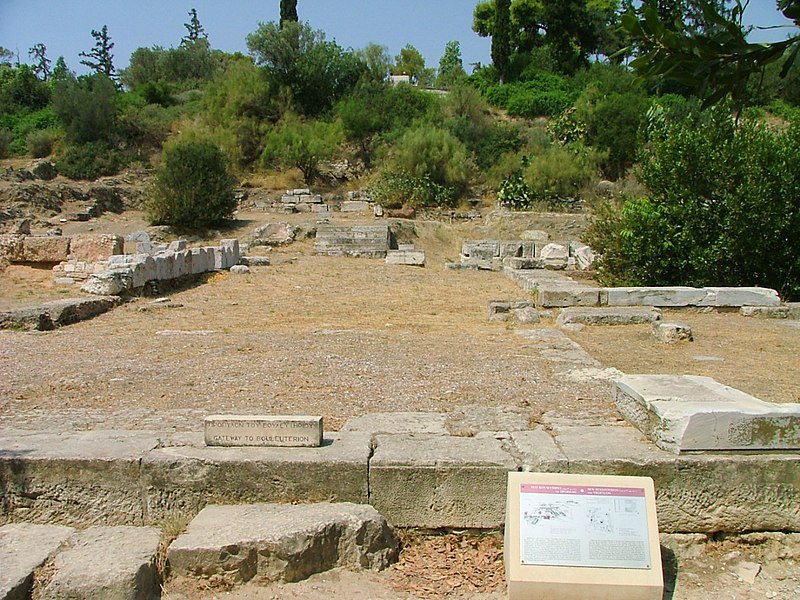
The vulnerability of Athens’ grain supply created conditions in which market manipulation was not merely possible but structurally tempting. Grain was not a luxury commodity subject to fluctuating tastes, but a staple essential to daily survival. This meant that even minor distortions in availability could produce sharp price increases, disproportionately affecting the urban poor. Merchants operating within this environment possessed both opportunity and incentive to manipulate supply through coordinated action. The concentration of imported grain in relatively few hands, especially during peak trading seasons, allowed for practices that modern observers would readily identify as cartel behavior, even if ancient terminology framed them differently.
One of the most common forms of manipulation involved the deliberate withholding of grain from the market. Merchants would purchase large quantities upon arrival at Piraeus and then store them rather than immediately selling, creating an artificial scarcity. This practice is described explicitly in Lysias’s speech Against the Grain Dealers, where the defendants are accused of buying up grain collectively and releasing it in limited amounts to drive up prices. Such behavior relied on the predictable rhythm of supply and demand in a port city dependent on maritime imports. When shipments were delayed or seasonal shortages loomed, hoarding could yield substantial profit. The strategy was simple but effective: control supply, elevate price, and exploit necessity. Yet this behavior also depended on physical infrastructure and logistical planning, including access to storage facilities, warehouses, and secure transport networks that could keep grain off the market without spoilage or theft. The ability to hold inventory safely for extended periods was itself a form of economic power, privileging wealthier merchants and reinforcing inequalities within the trade. Hoarding was not merely a tactic but a structural advantage embedded within the organization of the grain economy.
Price control mechanisms within these informal networks further demonstrate the sophistication of such practices. Rather than competing freely, merchants could agree to maintain prices above a certain threshold, ensuring that no individual undercut the group for short-term gain. This required a level of coordination and mutual trust that suggests repeated interaction among traders and possibly shared social or commercial ties. While the Athenian state imposed legal limits, such as restricting price increases to a narrow margin above cost, enforcement depended on detection and prosecution. In the absence of immediate oversight, price-fixing arrangements could persist, particularly if participants believed they could avoid scrutiny or if demand pressures limited consumer resistance.
Cartel-like behavior in the grain market also reveals the blurred line between legitimate commerce and criminal exploitation in the ancient world. Merchants could justify their actions as rational responses to risk, especially given the uncertainties of maritime trade, piracy, and fluctuating supply conditions. From their perspective, holding grain for higher prices might be seen as compensation for potential losses elsewhere. Yet from the standpoint of the Athenian polis, such reasoning was unacceptable when it threatened collective survival. The moral economy of Athens prioritized access and fairness over profit maximization, especially in essential goods. This tension between private gain and public necessity lay at the heart of legal interventions against grain dealers.
The collective dimension of these practices is particularly significant. Individual hoarding could be disruptive, but coordinated action magnified its impact exponentially. By acting together, merchants could effectively control the market, limiting the availability of grain across the city and ensuring that price increases were sustained rather than temporary. This form of economic collusion resembles later historical examples of guild manipulation or early modern merchant monopolies. In Athens the stakes were arguably higher, as the consequences of manipulation were immediate and potentially catastrophic for a population heavily reliant on imported food. The existence of such coordinated behavior underscores the need for regulatory frameworks capable of addressing not just individual misconduct but systemic economic strategies. It also suggests that these networks were socially embedded, potentially reinforced through kinship ties, shared origins, or long-standing business relationships that enabled trust and secrecy. Such cohesion would have made detection more difficult and enforcement more complex, as authorities were not simply confronting isolated offenders but interconnected groups capable of adapting their practices in response to legal pressure.
The phenomenon of hoarding and cartel behavior in the Athenian grain market illustrates both the adaptability of economic actors and the fragility of supply-dependent systems. It demonstrates that even in a society with strong civic institutions and legal oversight, market participants could exploit structural weaknesses for personal gain. The prominence of such cases in forensic oratory suggests that these practices were contested and publicly condemned, forming part of a broader discourse on justice, fairness, and the responsibilities of economic actors within the polis. The struggle between regulation and manipulation was not merely economic but deeply political, reflecting fundamental questions about the balance between private enterprise and public welfare.
Legal Framework: Regulation of Grain Trade in Athens

The Athenian state did not leave the grain market to operate according to purely private interests. Recognizing the existential importance of stable food supplies, the polis developed a legal framework that sought to regulate trade, constrain profiteering, and ensure equitable access. These regulations were not abstract economic policies but practical interventions grounded in the realities of a city dependent on imported grain. Law functioned as both a protective mechanism and a moral statement, asserting that certain forms of economic behavior were incompatible with civic responsibility. The grain trade became one of the most closely supervised sectors of the Athenian economy.
Central to this regulatory system were specific legal limits placed on merchants, particularly regarding the quantity of grain they could purchase and the prices they could charge. Athenian law restricted dealers to buying no more than fifty medimni at a time, a measure designed to prevent accumulation on a scale that would enable hoarding and market manipulation. Similarly, profit margins were tightly controlled, with laws prohibiting sellers from charging more than a small increment above cost, often cited as one obol. These constraints reveal a deliberate attempt to balance commercial activity with public welfare, allowing trade to function while limiting its potential for abuse. The law did not abolish profit but sought to contain it within socially acceptable boundaries.
Oversight of these regulations fell to a combination of magistrates and market officials, most notably the agoranomoi and sitophylakes. The agoranomoi were responsible for supervising market transactions more broadly, ensuring that goods were sold fairly and according to established rules. The sitophylakes, or grain wardens, held more specialized authority over the grain supply, monitoring imports, inspecting quality, and enforcing pricing regulations. Their presence within the marketplace embodied the state’s commitment to active intervention, transforming the agora from a site of purely private exchange into a regulated civic space. Enforcement depended not only on formal authority but also on visibility, as officials operated within the public eye, reinforcing norms through both oversight and example. This visibility carried a performative dimension, signaling to both merchants and consumers that the state remained actively engaged in safeguarding the grain supply. Moreover, these officials operated within a broader administrative framework that included record-keeping, inspections, and reporting mechanisms, all of which contributed to a more systematic approach to economic oversight. While modern bureaucratic structures were absent, the combination of roles and responsibilities assigned to these magistrates suggests a surprisingly sophisticated attempt to institutionalize regulatory practices within a democratic context.
Legal enforcement in Athens relied heavily on citizen participation, particularly through the mechanism of public prosecution. Individuals could bring charges against merchants accused of violating grain laws, as seen in speeches such as Lysias’s Against the Grain Dealers. These cases were tried before large citizen juries, whose verdicts carried significant consequences, including fines, confiscation of goods, and in extreme cases, death. The reliance on public suits reflects the democratic character of Athenian law, where enforcement was not monopolized by the state but distributed among the citizen body. This system encouraged vigilance and collective responsibility, making economic regulation a shared civic duty rather than a purely administrative function.
The severity of penalties associated with grain law violations underscores the seriousness with which Athens approached food security. Unlike other commercial disputes, offenses in the grain market were treated as threats to the community as a whole. This elevated status justified harsh punishments, intended both to deter misconduct and to signal the moral boundaries of acceptable economic behavior. The existence of such laws and prosecutions suggests an ongoing struggle between regulation and evasion, as merchants continually tested the limits of the system. The legal framework was not a static solution but part of a dynamic process in which the polis sought to assert control over a vital and contested domain of economic life. This dynamic was shaped not only by formal statutes but also by shifting political priorities, public opinion, and the practical realities of enforcement in a busy commercial environment. Periods of scarcity or crisis likely intensified scrutiny and punishment, while times of relative abundance may have allowed more leniency or reduced vigilance. The legal framework must be understood not as a rigid system but as an adaptive one, responsive to both economic pressures and the broader rhythms of Athenian political life.
Enforcement and Punishment: Courts, Prosecution, and Deterrence
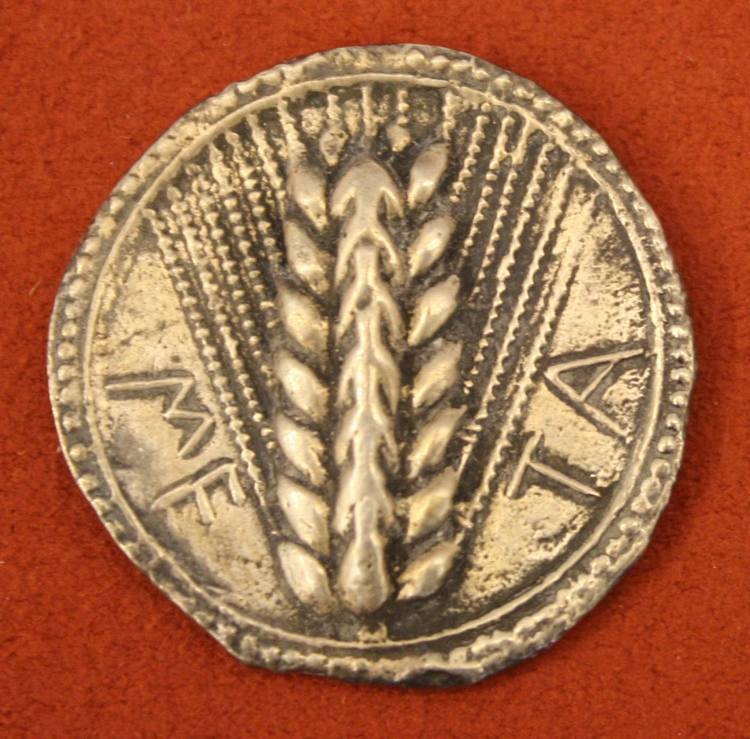
The effectiveness of Athenian grain laws depended not merely on their existence but on the mechanisms through which they were enforced. In a democratic system without a centralized policing apparatus in the modern sense, enforcement relied on a combination of magistrates, public officials, and ordinary citizens. The courts became the primary arena in which violations of grain regulations were adjudicated, transforming economic misconduct into a matter of public justice. This judicialization of the grain trade reflects the broader Athenian tendency to resolve disputes through litigation, but in this case the stakes were elevated by the essential nature of the commodity involved. Grain was not simply another item of commerce but the foundation of urban survival, and its regulation demanded a level of vigilance that permeated both legal and civic life. Enforcement mechanisms were deeply embedded within the institutional fabric of the polis, linking economic behavior to political accountability and reinforcing the idea that access to food was a matter of collective concern rather than private negotiation.
Public prosecution played a central role in this system. Any citizen could bring a graphe, or public lawsuit, against individuals suspected of violating grain laws, including hoarding, price manipulation, or exceeding legal purchase limits. This openness lowered barriers to enforcement and encouraged active participation in safeguarding the food supply. It also created a culture in which economic behavior was subject to constant scrutiny, not only by officials but by the broader community. The courtroom became an extension of the marketplace, a space where commercial practices were examined, contested, and judged according to civic standards.
The speeches delivered in such cases provide valuable insight into how enforcement practically functioned. In Lysias’s Against the Grain Dealers, the prosecution presents detailed accusations of collusion and artificial scarcity, framing the defendants not merely as dishonest traders but as threats to the welfare of the entire polis. The rhetorical strategy emphasizes collective harm, appealing to jurors’ sense of shared vulnerability and moral responsibility. Similarly, Demosthenes refers to grain laws in ways that underscore their importance to public order and survival. These speeches reveal that legal enforcement was as much about persuasion as it was about evidence, relying on the ability of litigants to align their arguments with widely held civic values.
Punishments for violations of grain laws were notably severe, reflecting the seriousness with which Athens treated threats to its food supply. Convicted individuals could face heavy fines, confiscation of property, and, in extreme cases, capital punishment. The possibility of death as a penalty for economic misconduct may seem disproportionate by modern standards, but within the Athenian context it signaled that manipulating the grain market was equivalent to endangering the community itself. Such penalties were intended not only to punish offenders but to deter others, reinforcing the boundaries of acceptable behavior through the visible consequences of transgression. The severity of these punishments also carried a symbolic dimension, communicating to the citizen body that the polis would not tolerate actions that jeopardized its stability. In a society where legal and moral norms were closely intertwined, the harshness of sentencing reinforced the ethical expectations placed upon economic actors, reminding them that participation in the market was inseparable from their obligations as members of the civic community.
Deterrence operated on both legal and social levels. The public nature of trials meant that accusations and verdicts were widely known, contributing to reputational consequences that extended beyond formal punishment. Merchants found guilty of misconduct risked losing not only their wealth but their standing within the community, a significant cost in a society where social and economic relationships were deeply intertwined. This combination of legal sanction and social stigma strengthened the overall effectiveness of enforcement, creating multiple layers of accountability that discouraged violations even in the absence of constant surveillance.
The reliance on citizen-driven prosecution introduced elements of unpredictability and potential abuse. Accusations could be motivated by genuine concern for the public good, but also by personal rivalries or opportunism. The Athenian legal system, with its large juries and emphasis on rhetorical persuasion, was designed to balance these risks, yet it could not eliminate them entirely. Enforcement of grain laws existed within a dynamic and sometimes contentious environment, where the pursuit of justice intersected with the realities of democratic politics. Despite these complexities, the system as a whole demonstrates a sustained effort to align economic behavior with the needs and values of the polis, using the courts as a central instrument of regulation and deterrence.
Democratic Control of the Economy: Ideology and Practice

The regulation of the grain trade in Athens cannot be understood solely in terms of practical necessity; it was also deeply rooted in democratic ideology. The Athenian polis conceived of itself as a community of citizens bound by mutual obligations, where political participation extended into economic life. This framework rejected the notion that essential resources could be governed exclusively by private interests. Instead, it asserted that the survival of the community justified collective oversight and intervention. Grain, as the foundation of subsistence, became a focal point through which democratic principles were enacted in material form, linking political equality to economic accessibility.
This ideological commitment manifested in the expectation that citizens would actively participate in monitoring and regulating economic behavior. The openness of public prosecution and the visibility of market officials reinforced the idea that safeguarding the grain supply was a shared responsibility. Economic activity was not insulated from civic judgment but embedded within it, subject to the same norms of accountability that governed political conduct. Democracy in Athens extended beyond the assembly and the courts into the everyday transactions of the marketplace. The regulation of grain was both a practical policy and a performative expression of democratic values, demonstrating that the welfare of the many took precedence over the ambitions of the few. This participatory dimension also fostered a sense of collective ownership over the economic system itself, as citizens were not merely passive beneficiaries but active enforcers of its principles. The constant potential for scrutiny, whether through formal prosecution or informal observation, created an environment in which economic actors had to remain aware of public perception as much as legal constraints.
The implementation of these ideals revealed inherent tensions within the system. Athens remained a society in which wealth disparities existed, and merchants played a necessary role in sustaining the grain supply through long-distance trade. The state depended on these economic actors even as it sought to constrain them. This created a delicate balance between cooperation and control, where the polis had to ensure that merchants remained willing to import grain while preventing them from exploiting their position. The resulting legal framework reflects this tension, combining incentives for participation with strict penalties for misconduct, and illustrating the challenges of aligning democratic ideals with economic realities.
The concept of a “moral economy” is particularly useful for understanding this dynamic. Athenian regulation of the grain trade was not based on abstract economic theory but on a set of normative expectations about fairness, access, and responsibility. Prices were expected to remain within reasonable bounds, and the availability of grain was treated as a collective good rather than a commodity to be manipulated for maximum profit. When merchants violated these expectations, they were not only breaking the law but also transgressing deeply held social norms. This fusion of legal and moral reasoning strengthened the legitimacy of enforcement measures, as jurors and officials could frame their actions as defending both the law and the ethical fabric of the community. Moreover, this moral framework was reinforced through public discourse, including courtroom speeches, political debate, and everyday conversation within the agora. It shaped not only how violations were judged but how economic behavior was understood more broadly, embedding expectations of fairness into the cultural consciousness of the polis. The moral economy functioned as both a guiding principle and a mechanism of social regulation, extending beyond formal law into the shared values that defined Athenian civic identity.
The democratic control of the grain economy was an ongoing process rather than a fixed achievement. It required constant vigilance, adaptation, and negotiation between the state and economic actors. External pressures, such as war, trade disruptions, or poor harvests, could strain the system and expose its limitations. Yet the persistence of regulatory efforts and the prominence of grain-related litigation suggest that Athens remained committed to this model of economic governance. The integration of ideology and practice in the regulation of grain illustrates the broader ambition of Athenian democracy: to extend the principles of collective responsibility and shared authority into all aspects of civic life, including the vital domain of economic survival.
Comparative Perspective: Ancient and Modern Market Regulation

The regulation of the grain trade in classical Athens invites comparison with modern systems of market oversight, particularly in areas involving essential goods and public welfare. While separated by vast differences in institutional complexity and economic theory, both ancient and modern societies confront similar challenges when markets fail to allocate critical resources equitably. In Athens, the dependence on imported grain created vulnerabilities that demanded intervention, much as modern states regulate sectors such as food, energy, and healthcare to prevent exploitation and ensure access. These parallels suggest that the tension between free markets and public necessity is not a modern invention but a recurring feature of complex societies.
One key point of comparison lies in the mechanisms of regulation themselves. Athenian law relied on direct limits, such as caps on purchase quantities and profit margins, enforced through public prosecution and official oversight. Modern systems, by contrast, tend to operate through more indirect means, including antitrust legislation, price controls in exceptional circumstances, and regulatory agencies tasked with monitoring market behavior. Institutions such as competition authorities and consumer protection bodies fulfill roles analogous to those of the agoranomoi and sitophylakes, though within a far more bureaucratized framework. Despite these differences, the underlying goal remains consistent: to prevent concentration of power that could distort markets and harm the public. Modern regulatory regimes also employ investigative tools, data analysis, and enforcement mechanisms that allow for the identification of collusion and monopolistic practices on a scale unimaginable in antiquity. Yet even with these advanced capabilities, regulators often struggle to detect and prove coordinated behavior, suggesting that the fundamental challenges of oversight persist despite technological progress. The contrast between Athens and the modern world is not one of simplicity versus sophistication, but of differing strategies applied to a shared problem.
Another important distinction concerns the scale and scope of enforcement. In Athens, enforcement was localized and highly visible, embedded within the daily life of the polis. Citizens participated directly in the legal process, and market regulation was a matter of immediate communal concern. In modern states, enforcement is typically delegated to specialized institutions, often operating at national or even international levels. This shift reflects both the increased complexity of modern economies and the challenges of regulating markets that extend far beyond local boundaries. Yet it also introduces a degree of distance between the public and the mechanisms of control, raising questions about accountability and transparency that were less pronounced in the Athenian context. Large regulatory bodies must navigate layers of bureaucracy, legal procedure, and political influence, which can slow response times and dilute the immediacy of enforcement. Globalization has created interconnected markets in which actions taken in one region can have far-reaching consequences elsewhere, complicating the task of regulation further. These factors highlight how scale transforms not only the tools of enforcement but also the nature of the problems regulators must address.
The concept of a moral economy provides a useful bridge between ancient and modern perspectives. In both cases, regulation is justified not only on technical grounds but also through appeals to fairness and social responsibility. During periods of crisis, such as wartime shortages or economic downturns, modern governments have implemented price controls, rationing systems, and anti-hoarding measures that echo Athenian practices. These interventions reveal that even in market-oriented societies, there remains an implicit recognition that certain goods cannot be left entirely to the forces of supply and demand. The persistence of such measures underscores the enduring relevance of the principles that guided Athenian regulation.
Modern economic thought has introduced frameworks that differ significantly from those of the ancient world. Concepts such as market efficiency, competition theory, and global trade dynamics shape contemporary approaches to regulation in ways that would have been foreign to Athenian policymakers. Modern systems often seek to balance intervention with the preservation of market incentives, avoiding excessive control that might stifle innovation or supply. In contrast, the Athenian approach prioritized immediate stability and access, even at the cost of restricting profit and autonomy. This divergence highlights the influence of historical context on economic policy, while also reinforcing the idea that the fundamental problem, how to reconcile private interest with public need, remains unresolved across time.
Historiography: Interpreting Athenian Economic Regulation
Following is a video about trade in ancient Greece:
Modern interpretations of Athenian economic regulation have evolved significantly, reflecting broader shifts in how historians understand ancient economies. Early scholarship, particularly in the nineteenth and early twentieth centuries, often portrayed Athens as a relatively primitive economy governed more by custom than by formal institutions. In this view, regulations on the grain trade were seen as ad hoc responses to crisis rather than components of a coherent system. Such interpretations tended to minimize the role of the state and emphasized the limitations of ancient economic thought, framing Athenian practices as fundamentally distinct from, and inferior to, modern economic organization.
This perspective was challenged in the later twentieth century by scholars such as Moses I. Finley, who emphasized the embedded nature of ancient economies within social and political structures. Finley argued that economic activity in Athens could not be understood in isolation from the values and institutions of the polis, particularly its democratic framework. From this standpoint, grain regulations were not anomalous interventions but expressions of a broader system in which economic behavior was subordinated to civic priorities. Finley’s work shifted the focus away from measuring Athens against modern standards and toward understanding it on its own terms, highlighting the importance of status, reciprocity, and public obligation in shaping economic practices.
Subsequent scholarship has both built upon and revised Finley’s approach, offering more nuanced interpretations of Athenian economic life. Historians have emphasized the practical realities of food supply and the structural vulnerabilities faced by Athens as an import-dependent city. Their work underscores the rationality of regulatory measures, framing them as necessary responses to recurring risks rather than purely ideological constructs. Economic historians have explored the extent to which market mechanisms operated alongside state intervention, suggesting that Athens possessed a more complex and dynamic economy than earlier models allowed. This has led to a reassessment of the balance between state control and private enterprise, with increasing recognition that both elements were integral to the functioning of the grain market.
Another important line of historiographical debate concerns the concept of the “moral economy.” Some scholars argue that Athenian regulation reflects deeply ingrained ethical expectations about fairness and communal responsibility, aligning the polis with other premodern societies in which markets were constrained by social norms. Others caution against overstating this framework, pointing out that profit-seeking behavior and competitive practices were clearly present and often sophisticated. The tension between these interpretations highlights the difficulty of disentangling ideology from practice, as the same evidence can support both views depending on how it is contextualized. This debate continues to shape discussions of Athenian economic regulation, encouraging historians to consider both the normative and practical dimensions of the system.
More recent approaches have integrated insights from institutional economics and comparative history, situating Athens within a broader spectrum of economic systems across time and place. These studies often emphasize the adaptability of Athenian institutions, noting how legal frameworks, public oversight, and citizen participation combined to address specific challenges posed by the grain trade. Rather than viewing Athenian regulation as either primitive or uniquely ideological, this perspective recognizes it as a pragmatic and evolving response to structural constraints. The historiography of Athenian economic regulation reflects a gradual movement toward complexity, acknowledging that the interaction between law, market, and society in classical Athens was neither static nor easily categorized, but instead a dynamic process shaped by both necessity and principle.
Conclusion: Law, Grain, and the Limits of Market Freedom
The Athenian regulation of the grain trade reveals a society acutely aware of the dangers posed by unrestrained markets in essential goods. Faced with the constant risk of shortage and the structural realities of import dependence, the polis chose not to rely on market forces alone but to intervene directly through law, oversight, and public participation. This approach reflects a fundamental recognition that certain commodities, particularly those tied to survival, cannot be treated as ordinary objects of exchange. In Athens, grain was not simply a product to be bought and sold; it was a matter of collective security, demanding a framework that prioritized stability and access over profit.
The Athenian system demonstrates the inherent tensions involved in regulating economic activity. Merchants were indispensable to the functioning of the grain supply, yet their capacity for profit-making also posed risks to the broader community. The legal structures developed by the polis sought to navigate this tension, permitting trade while imposing limits designed to prevent exploitation. These measures were neither wholly restrictive nor entirely permissive, but instead represented an ongoing negotiation between private interest and public necessity. The persistence of litigation and enforcement suggests that this balance was never fully resolved, requiring constant adjustment in response to changing conditions.
The integration of democratic ideology into economic regulation further distinguishes the Athenian experience. By involving citizens directly in the enforcement of grain laws, the polis transformed economic oversight into a collective responsibility. This participatory model reinforced the idea that access to essential resources was a shared concern, not merely an administrative issue. It also underscored the moral dimension of economic behavior, framing violations not only as legal infractions but as breaches of civic duty. The regulation of the grain market became a tangible expression of democratic values, linking the principles of equality and accountability to the material conditions of daily life.
The Athenian case highlights the enduring challenge of reconciling market freedom with the demands of social welfare. While modern economies operate on a vastly different scale and within more complex institutional frameworks, the underlying problem remains familiar. How can societies ensure that essential goods are distributed fairly without stifling the mechanisms that produce and deliver them? Athens did not provide a definitive answer, but it offers a compelling example of how law, ideology, and practice can be combined in an effort to address this question. Its experience serves as a reminder that markets are not self-contained systems but social constructs, shaped and constrained by the values and priorities of the communities they serve.
Bibliography
- Aristotle. Aristotle on the Athenian Constitution. Translated by F. G. Kenyon. London: G. Bell and Sons, Ltd., 1912.
- Bresson, Alain. The Making of the Ancient Greek Economy: Institutions, Markets, and Growth in the City-States. Princeton, NJ: Princeton University Press, 2015.
- Casson, Lionel. “The Grain Trade of the Hellenistic World.” Transactions and Proceedings of the American Philological Association 85 (1954), 168-187.
- Demosthenes. Demosthenes, Speeches 20–22. Translated by Edward M. Harris. Austin: University of Texas Press, 2008.
- Engen, Darel Tai. The Economy of Ancient Greece. London: Routledge, 2010.
- Figueira, T. “”Sitopolai” and “Sitophylakes” in Lysias’ “Against the Graindealers”: Governmental Intervention in the Athenian Economy.” Phoenix 40:2 (1986), 149-171.
- Finley, M. I. The Ancient Economy. Updated edition. Berkeley: University of California Press, 1973.
- Garnsey, Peter. Famine and Food Supply in the Graeco-Roman World: Responses to Risk and Crisis. Cambridge: Cambridge University Press, 1988.
- Hansen, Mogens Herman. The Athenian Democracy in the Age of Demosthenes. Norman: University of Oklahoma Press, 1991.
- Lysias. Against the Grain Dealers. In Lysias, translated by W. R. M. Lamb. Cambridge, MA: Harvard University Press, 1930.
- —-. Lysias I–XII. Translated by W. R. M. Lamb. Cambridge, MA: Harvard University Press, 1930.
- MacDowell, Douglas M. The Law in Classical Athens. Ithaca, NY: Cornell University Press, 1978.
- Moreno, Alfonso. Feeding the Democracy: The Athenian Grain Supply in the Fifth and Fourth Centuries BC. Oxford: Oxford University Press, 2007.
- Ober, Josiah. Mass and Elite in Democratic Athens: Rhetoric, Ideology, and the Power of the People. Princeton: Princeton University Press, 1989.
- Seager, Robin. “Lysias against the Corndealers.” Historia: Zeitschrift für Alte Geschichte 15:2 (1966), 172-184.
- Stanton, G. R. “Retail Pricing of Grain in Athens.” Hermes 113:1 (1985), 121-123.
- Stiglitz, Joseph E. Economics of the Public Sector. 3rd ed. New York: W. W. Norton, 2000.
- Todd, S. C. The Shape of Athenian Law. Oxford: Clarendon Press, 1993.
- Vogel, Steven K. Marketcraft: How Governments Make Markets Work. Oxford: Oxford University Press, 2018.
- Whitby, Michael. “The Grain Trade of Athens in the Fourth Century B.C.” In Trade in the Ancient Economy, edited by Peter Garnsey, Keith Hopkins, and C. R. Whittaker, 102–128. Berkeley: University of California Press, 1983.
Originally published by Brewminate, 04.09.2026, under the terms of a Creative Commons Attribution-NonCommercial-NoDerivatives 4.0 International license.
About the Author