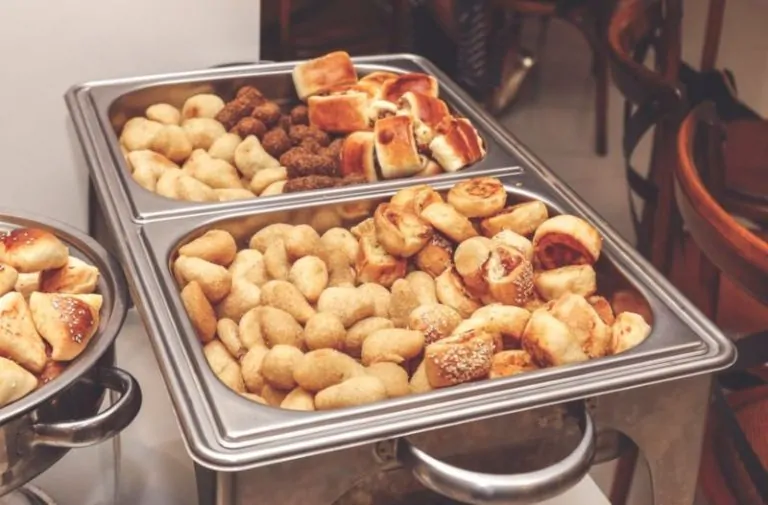
If you have opened a dorm fridge to find wilted spinach, mystery leftovers, or milk past its date, you have seen how easily food waste starts. Busy schedules, limited storage, meal plans, and impulse grocery runs make it easy to buy more than you can eat. The answer is not a zero-waste lifestyle, but a few practical habits that fit student life.
Where Student Food Waste Begins
Food waste rarely starts with laziness. It starts with friction. You shop while hungry after class, buy too much produce, then forget what is in the mini fridge. With a meal plan, the pattern may involve oversized portions, food chosen because it is available, or a schedule that changes before you use what you bought.
A useful students guide to food waste can help you recognize these patterns while balancing convenience, cost, and nutrition.
Why Wasted Food Matters
Throwing away one yogurt or half a bag of salad may seem insignificant. Over a semester, those losses become real money. For students managing textbooks, transport, rent, and other expenses, wasted groceries quietly compete with essentials. A few forgotten items each week can add up to a frustrating monthly cost.
There is an environmental cost, too. Producing food uses water, land, energy, labor, packaging, and transport. When edible food is discarded, those resources are wasted as well. Food decomposing in landfills can also produce methane, a potent greenhouse gas. The U.S. Environmental Protection Agency explains the environmental impact of wasted food and ways to prevent it in its food waste overview.
Store Food So You Remember to Eat It
Food waste often happens after shopping because storage becomes an afterthought. Milk kept in the refrigerator door may face more temperature changes than milk stored on an interior shelf. Herbs dry out, cooked rice gets buried, and opened snacks go stale when packaging is not sealed.
Use clear containers so leftovers stay visible, and label them with the date. Place ready-to-eat food where you can see it, while keeping raw ingredients stored safely below foods that will not be cooked. Freeze bread or extra portions early if you know you will not use them soon. Visibility matters: food that is easy to spot and quick to prepare is more likely to be eaten between classes.
Follow safe storage practices rather than relying only on smell or appearance. The U.S. Food and Drug Administration offers practical food safety tips for storing and handling food. When you are unsure whether leftovers have been stored safely, do not take risks just to avoid waste.
Make Meal Plans and Takeout Work for You
If most meals come from a dining hall, begin with a smaller serving. You can return for more, but you cannot undo a tray of food you do not finish. Notice which stations encourage you to take items you do not particularly enjoy. Choose what you genuinely want, and treat seconds as an option rather than a default.
Takeout creates a similar problem. Combo deals can make extra food feel like a bargain, but the discount disappears if the leftovers are never eaten. Order a realistic portion, especially during exam periods when your routine is unpredictable. If you do bring food back, refrigerate it promptly and decide when you will eat it rather than leaving it as an undefined future meal.
Give Leftovers a Clear Next Job
Leftovers are easier to ignore when nobody knows what to do with them. Instead of storing a container of “something with sauce,” decide on its next use. Roasted vegetables can fill a wrap, top pasta, or go into a grain bowl. Extra chicken can become quesadillas or fried rice. Leftover rice can make a quick lunch with an egg and vegetables.
Make Your Shared Kitchen Easier to Manage
Food waste is shaped by roommates and routines as well as individual choices. If everyone buys the same milk or sauces, items may expire before the household finishes them. Agree on a shared shelf for food that should be used soon, and keep a simple note of shared purchases. Decide which foods are communal and which belong to specific people to prevent confusion.
Talk about practical habits without turning the kitchen into a source of blame. Agree on labeling leftovers, clearing old containers, and checking shared supplies before shopping. Learn the difference between quality dates and signs that food may be unsafe, but follow reliable safety guidance for storage and handling. Guilt rarely creates a lasting system; visible information and clear agreements are more useful.
Build a Low-Waste Routine You Can Repeat
You do not need to eliminate every scrap of waste. Start with three habits: check what you already own, shop for the next few days, and reserve one meal for leftovers. Add a small storage improvement, such as reusable containers, freezer bags, or a marker for dates.
Pay attention to your own patterns. Maybe you waste leafy greens, forget sauces, or overestimate how often you will cook. Adjust your shopping list to match those realities. Buy smaller quantities, choose longer-lasting alternatives, and keep quick meals available for busy days.
Food waste is easier to manage when food becomes part of your weekly routine. The best system is one you can maintain through exams, work shifts, shared kitchens, and changing plans.
About the Author