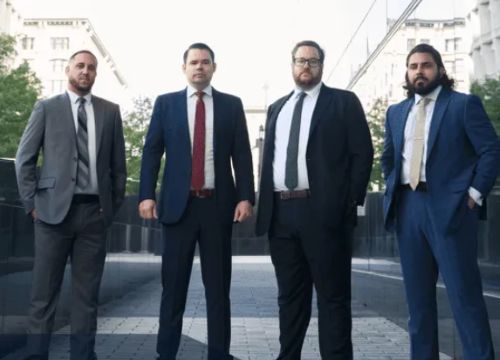
Most people hear the word trial and instantly imagine the final moments. What all things come to your mind? Is it opening and closing statements? Cross-examination? Witness testimony? Or a lawyer speaking to a jury? Most defendants get intimidated by these high-stakes procedures. Well, these are indeed part of the trial process, but they don’t make up the full picture. Trial preparation begins much earlier, before anyone even sets foot in the courtroom.
That is one reason people start looking for a criminal defense lawyer in Houston as soon as charges are filed or an arrest happens. A strong defense is not something a lawyer throws together the night before court. It is built piece by piece, with a lot of careful thinking behind it.
A good criminal defense attorney is always asking the same basic question: What is the best way to protect the client and create reasonable doubt? Everything else grows from that.
It Starts With the Facts
Before a lawyer can build a strategy, they need to know exactly what happened. That sounds obvious, but it takes time. Police reports, witness statements, video, phone records, and other evidence do not always line up the way people expect.
The attorney will go through the details closely and look for things that matter, including:
- What the police say happened.
- What the client says happened.
- What witnesses claim they saw
- What evidence supports or weakens those stories
Sometimes the problem in a case is clear right away. Other times, it takes a while to spot the weak point. A strong trial strategy usually comes from finding that weak point and building around it.
What Do Lawyers Look For? Gaps!
How do you think a case fails? It isn’t necessary that something dramatic would happen. Even the slightest of shifts can crack the case wide open. Maybe there is an inconsistency in a witness testimony, or an officer left something out in an otherwise well-documented report. A sharp lawyer banks on these things.
Small Details Can Shape the Whole Defense
A criminal defense attorney may focus on questions like:
- Does the evidence tell one clear story?
- Are there missing facts?
- Did the police make assumptions?
- Is the witness credible?
Wondering if the lawyer works to perfect all the circumstances? The answer is no! They simply try to shift the focus to arguments that can plant doubts in the jury’s mind. They already know where their case might be slightly shaky. This is why they divert the focus from there and give the jury something to ponder that goes against the plaintiff.
The Client’s Side Matters Too
A defense attorney is not only studying the prosecution. They are also learning how the client comes across and what facts may help explain the situation better.
That means talking through the case in plain language. It means asking questions more than once. It means making sure the lawyer understands not only the legal side but also the human side.
This part can include:
- going over the client’s timeline
- clearing up confusing facts
- talking about prior history if it matters
- preparing the client for possible testimony
In some cases, the client will testify. In others, they will not. That decision is part of the strategy, too. A good lawyer will think carefully about whether testimony helps the case or creates more risk.
Trial Strategy Is Also About Simplicity
One mistake people make is assuming a winning strategy has to be complicated. Usually, the opposite is true. The strongest defense is often the one the jury can follow without effort.
A criminal defense attorney wants the jury to understand one clear idea. Maybe the police moved too fast. Maybe the witness is not reliable. Maybe the state cannot prove an important part of the charge. Whatever the point is, it needs to be clear from beginning to end.
And how exactly does he achieve that, you ask? Through precise opening statements, witness questions, closing arguments, and by ensuring no contradictions are found in their arguments.
If the defense feels scattered, the jury feels it too. A simple strategy keeps the case focused.
Preparation Makes the Difference
A lot of trial work happens before the trial even starts. A lawyer may prepare by reviewing evidence again, organizing exhibits, planning witness questions, and thinking through how the prosecutor is likely to present the case.
They also prepare for problems. What if a witness says something unexpected? What if a ruling goes against the defense? What if the jury seems to respond badly to one argument?
That kind of preparation matters because trials rarely go exactly as planned.
Conclusion
When you think of a winning strategy, do you think of chaos, drama, and more? Well, that is not the case. A solid strategy is all about preparation, getting the facts right, and presenting them sharply. Lawyers must be fully aware of where their case is weak and shift the focus from those areas. Good lawyers take things step by step. This is exactly what helps them get results and help their clients.
About the Author