The so-called Mesoamerican “Dark Ages” were not true collapse, but periods of environmental stress and transformation that reshaped societies without erasing them.

By Matthew A. McIntosh
Public Historian
Brewminate
Introduction: Defining a Different Kind of “Dark Age”
The application of the term “Dark Ages” to Mesoamerican history presents a fundamentally different problem from its use in the European context. In the case of early medieval Europe, the label has been largely abandoned because it reflects historiographical bias rather than historical reality. In Mesoamerica, references to periods of “darkness” or decline are rooted not in interpretive distortion but in observable disruptions within the archaeological and environmental record. These interruptions, particularly during the Classic Maya period, are marked by measurable declines in monument construction, population density, and political activity. Yet even here, the term remains problematic, as it risks oversimplifying complex processes of transformation and adaptation by framing them as episodes of collapse or disappearance.
The so-called “Maya Gap” of approximately 540 to 640 CE provides a striking example of such disruption. During this period, epigraphic evidence reveals a noticeable reduction in dated inscriptions, suggesting a decline in elite political expression and monument building. This interruption coincides with broader patterns of instability, including shifts in settlement and evidence of environmental stress. While earlier interpretations attributed these changes primarily to internal social or political factors, more recent interdisciplinary research has emphasized the role of external forces, particularly climatic fluctuations and volcanic activity. The convergence of these factors created conditions that challenged existing political and economic systems, leading to a temporary contraction in visible cultural production.
Unlike the European “Dark Ages,” which were defined largely by the perceived loss of classical learning and written records, Mesoamerican interruptions were closely tied to ecological pressures that directly affected subsistence and settlement. Paleoclimatic data, including lake sediment cores and cave formations, indicate that prolonged droughts played a significant role in destabilizing agricultural systems, particularly in the Maya lowlands. These droughts were not isolated events but often part of broader climatic patterns that reduced rainfall over extended periods, placing sustained pressure on food production and water availability. In regions dependent on seasonal rains and limited water storage, even modest shifts in climate could have cascading effects on population stability and political organization. These environmental stresses were compounded by human factors such as deforestation, soil depletion, and population growth, which reduced the resilience of local societies and increased their vulnerability to ecological change. As agricultural yields declined and resources became more scarce, competition intensified, potentially contributing to conflict and political fragmentation. Periods of decline were not the result of intellectual or cultural regression, but of systemic strain on the material foundations of society, where environmental limits intersected with social complexity to produce instability.
Despite these disruptions, it is essential to emphasize that Mesoamerican societies did not simply vanish. The evidence points instead to patterns of reorganization, migration, and cultural continuity that complicate any narrative of total collapse. Urban centers were abandoned in some regions while new ones emerged elsewhere, and cultural practices persisted even as political structures shifted. The use of the term “Dark Ages” obscures as much as it reveals, masking processes of adaptation beneath a language of decline. A more accurate interpretation recognizes these periods as moments of transformation shaped by environmental and social pressures, rather than as episodes of irreversible cultural loss.
The Maya Gap (c. 540–640 CE): Interruption and Instability
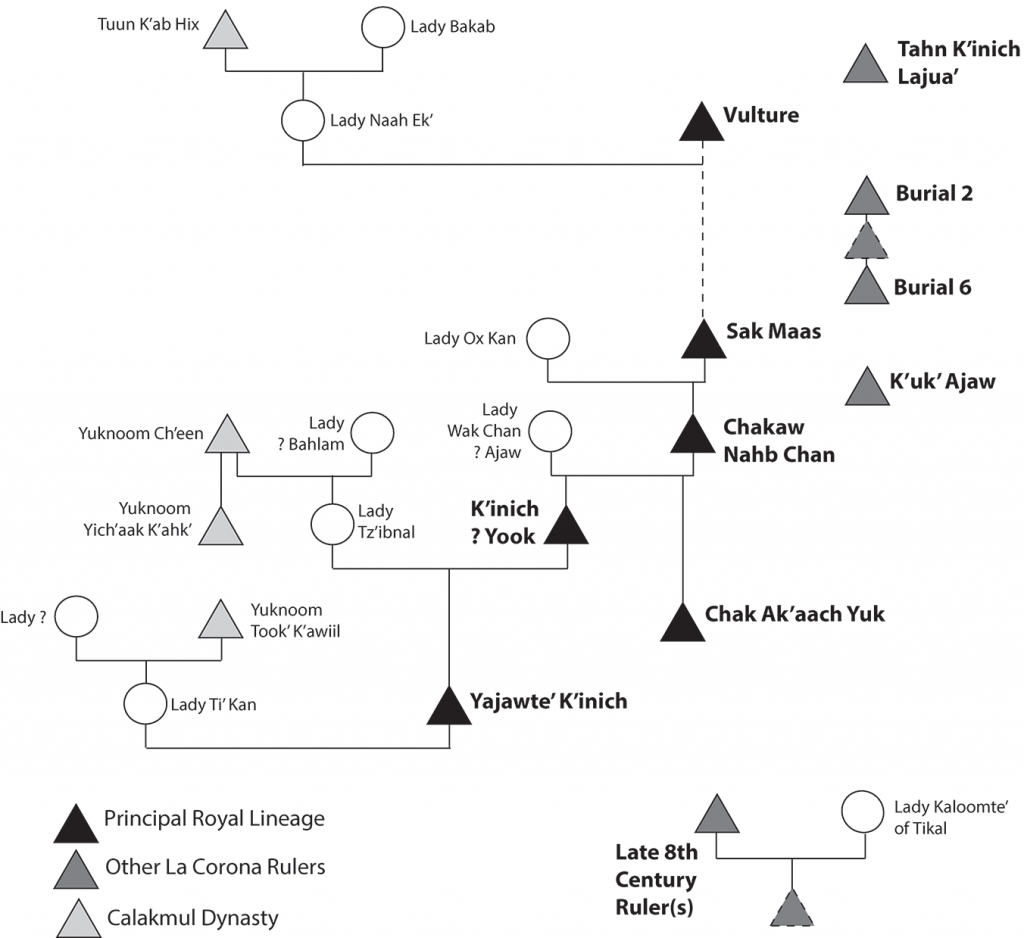
The period commonly referred to as the “Maya Gap,” spanning roughly from 540 to 640 CE, represents one of the most striking interruptions in the otherwise continuous trajectory of Classic Maya political and cultural expression. Unlike gradual patterns of decline observed in later centuries, this interval is characterized by a noticeable and relatively abrupt reduction in epigraphic activity, particularly the erection of dated monuments. Stelae inscriptions, which served as key instruments of elite self-representation and dynastic legitimacy, become markedly scarce across several major lowland sites. This absence is not uniform across the entire Maya region, but it is sufficiently widespread to indicate a systemic disruption affecting the mechanisms of political authority and public display.
The decline in monument production during this period has significant implications for understanding the nature of Maya political organization. Monumental inscriptions were closely tied to the activities of ruling elites, commemorating accessions, victories, and ritual events that reinforced dynastic continuity. The reduction in such inscriptions suggests that these elite structures were either weakened or temporarily unable to sustain the level of ceremonial and political activity that had previously defined Classic Maya governance. In some cases, there is evidence of interrupted dynastic sequences, where the succession of rulers becomes unclear or disappears entirely from the record, indicating not simply a pause in activity but a deeper disruption in political continuity. This pattern points not merely to a decline in artistic output, but to instability within the institutional frameworks that maintained authority, as ruling lineages may have lost legitimacy, faced internal challenges, or struggled to assert control over their territories. The diminished production of monuments reflects a broader contraction in the visibility and coherence of elite power, revealing how closely cultural expression was tied to the stability of political structures.
Environmental factors have increasingly been identified as a critical component of this instability. Paleoclimatic research has revealed evidence of significant climatic disturbances in the mid-sixth century, including a series of volcanic eruptions that may have contributed to global cooling and reduced agricultural productivity. These events are often associated with the broader climatic anomaly beginning around 536 CE, which affected multiple regions across the world. In the Maya lowlands, where agricultural systems were highly dependent on predictable rainfall patterns, even modest disruptions in climate could have had profound consequences. Reduced crop yields, water scarcity, and increased vulnerability to famine would have placed considerable strain on both local communities and the elite structures that depended on agricultural surplus.
The relationship between environmental stress and political instability is further complicated by the social dynamics of Maya city-states. As resources became more limited, competition among neighboring polities may have intensified, leading to increased conflict and warfare. While direct evidence of warfare during the Maya Gap is less abundant than in later periods, the broader pattern of instability suggests that political fragmentation was accompanied by heightened tensions between rival centers. The breakdown of established alliances and trade networks would have exacerbated these pressures, creating a feedback loop in which environmental and political factors reinforced one another.
Despite the apparent decline in monumental activity, it is important to recognize that the Maya Gap does not represent a complete cessation of cultural or social life. Archaeological evidence indicates continued occupation at many sites, even as public expressions of elite power diminished. Everyday activities, including subsistence practices, local exchange, and domestic life, persisted beneath the level of visibility provided by monumental inscriptions, suggesting that the foundations of society remained intact even as elite structures faltered. This distinction highlights the limitations of relying solely on elite-produced sources to assess the vitality of a society, as the absence of inscriptions may reflect changes in political expression rather than the disappearance of communities themselves. In some regions, there is even evidence of localized adaptation, with populations adjusting settlement patterns or resource use in response to environmental pressures. What appears as a “gap” in the historical record may, in part, reflect a shift in the forms of expression that were preserved rather than a total breakdown of social organization.
By the mid-seventh century, many Maya centers resumed monument production and renewed their participation in the broader system of Classic Maya political culture. This recovery suggests that the disruptions of the Maya Gap, while significant, were not irreversible. Instead, they represent a period of adjustment in which existing systems were strained, reconfigured, and eventually reestablished. The Maya Gap provides a valuable case study in the resilience of complex societies, illustrating how environmental and political challenges can produce temporary instability without leading to permanent collapse. It also underscores the importance of interpreting such interruptions within a broader context of continuity and transformation, rather than as isolated moments of decline.
Environmental Shock: Drought, Volcanism, and Climate Systems
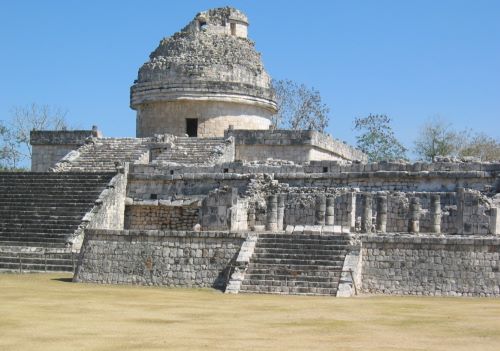
Environmental change stands at the center of current explanations for periods of disruption in ancient Mesoamerica, particularly during the Classic Maya era. Unlike earlier interpretations that emphasized purely political or cultural decline, modern scholarship has increasingly demonstrated that climatic instability played a decisive role in shaping historical outcomes. The Maya lowlands, characterized by seasonal rainfall and limited permanent water sources, were especially vulnerable to shifts in precipitation patterns. Even relatively short periods of reduced rainfall could have significant consequences for agricultural productivity, food security, and the stability of urban populations.
One of the most important lines of evidence for environmental stress comes from paleoclimatic data, including lake sediment cores, speleothems, and other geological proxies. These sources provide long-term records of rainfall variability, revealing periods of sustained drought that correspond closely with moments of political and cultural disruption in the archaeological record. Speleothem records from cave systems offer highly precise chronological data, allowing researchers to reconstruct rainfall patterns over centuries with remarkable accuracy. These findings have been corroborated by sediment analyses from lakes such as Chichancanab and Punta Laguna, where changes in mineral composition and isotopic signatures indicate prolonged episodes of reduced precipitation. Studies of lake beds in the Yucatán Peninsula, for example, have shown clear evidence of declining water levels during the sixth century, suggesting that the Maya Gap occurred within a broader context of reduced precipitation. By aligning these environmental records with epigraphic and archaeological data, scholars have been able to draw increasingly robust connections between climatic conditions and societal change, strengthening the argument that environmental stress played a central role in shaping historical trajectories.
Volcanic activity has also been identified as a potential contributing factor to climatic instability during this period. The mid-sixth century is associated with a series of major volcanic eruptions, most notably around 536 CE, which are believed to have released large quantities of ash and aerosols into the atmosphere. These particles would have reduced incoming solar radiation, leading to short-term global cooling and disruptions in weather patterns. Ice core data from Greenland and Antarctica provide evidence of increased sulfate concentrations during this period, supporting the occurrence of large-scale volcanic events with global climatic effects. Such eruptions are thought to have produced a “volcanic winter” scenario, in which reduced sunlight led to cooler temperatures and altered precipitation cycles. While the precise impact of these eruptions on the Maya region remains a subject of ongoing research, their potential to alter rainfall patterns, shorten growing seasons, and disrupt established climatic rhythms adds an important dimension to our understanding of environmental stress during this time. When combined with existing vulnerabilities in agricultural systems, these volcanic effects may have acted as catalysts that intensified already developing ecological pressures.
The effects of drought and climatic disruption were not uniform across Mesoamerica, but their cumulative impact could be severe in regions heavily dependent on rainfall agriculture. In the Maya lowlands, where rivers were scarce and water storage systems were limited, prolonged drought would have placed immense strain on both rural and urban communities. Reduced crop yields would have led to food shortages, while declining water availability could have affected not only agriculture but also daily life and ritual practices. These pressures would have been particularly acute in densely populated centers, where the demand for resources was highest and the margin for environmental fluctuation was relatively small.
Human activity itself likely intensified the effects of environmental change. Deforestation for agriculture and construction, combined with the expansion of urban centers, may have contributed to soil degradation and reduced the ability of local ecosystems to retain moisture. As populations grew, the balance between resource availability and consumption became increasingly precarious, leaving societies more vulnerable to climatic fluctuations. Environmental shock was not an isolated external force but part of a broader system in which human practices and natural processes interacted to produce instability.
The evidence for drought, volcanic activity, and ecological stress underscores the importance of environmental factors in shaping the trajectory of Mesoamerican societies. These forces did not act in isolation, but in conjunction with social, political, and economic dynamics that determined how communities responded to crisis. By situating periods of disruption within this broader environmental framework, historians and archaeologists can move beyond simplistic narratives of collapse and instead examine the complex interplay between climate and society. The result is a more nuanced understanding of how ancient civilizations adapted, struggled, and transformed in the face of environmental change.
Warfare, Fragmentation, and Political Breakdown
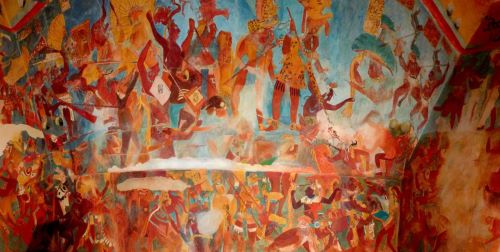
While environmental stress placed increasing pressure on Mesoamerican societies, it was often the political response to these pressures that determined the trajectory of collapse or transformation. In the Classic Maya world, political organization was highly decentralized, consisting of competing city-states ruled by dynastic elites who derived legitimacy from both lineage and ritual performance. Under stable conditions, this system allowed for a dynamic balance of rivalry and alliance. As resources became more constrained, this balance began to erode, and the competitive nature of Maya politics intensified into more sustained and destructive conflict.
Epigraphic evidence from the Late Classic period reveals a marked increase in recorded warfare, including references to battles, captures of rival rulers, and the subjugation of neighboring polities. Monuments that once emphasized ritual and dynastic continuity increasingly depicted scenes of conflict and domination, suggesting a shift in the priorities of ruling elites. The capture and humiliation of enemy kings became a central element of political propaganda, reinforcing the authority of victors while destabilizing defeated lineages. Inscriptions detail not only victories but also the ritualized display of captives, indicating that warfare was deeply embedded in the ideological framework of Maya rulership. This escalation in warfare reflects not only political ambition but also the growing importance of controlling limited resources in an environment under stress, where access to land, labor, and tribute became increasingly contested. As rival polities sought to assert dominance, cycles of retaliation and alliance formation contributed to an atmosphere of persistent instability.
The fragmentation of political authority was both a cause and a consequence of this intensifying conflict. As rival polities competed for dominance, established hierarchies broke down, and smaller centers gained temporary prominence while others declined. In some regions, long-standing dynasties disappeared from the historical record, replaced by new or short-lived regimes that struggled to maintain stability. This pattern suggests that political fragmentation was not a uniform process but varied across different parts of the Maya world, producing a mosaic of shifting alliances and rivalries rather than a single, coherent collapse.
Warfare also had direct economic and demographic consequences that further destabilized Maya society. Conflict disrupted trade networks that connected different regions, limiting the exchange of goods such as obsidian, jade, and other valuable materials. These networks were essential not only for economic prosperity but also for maintaining political relationships, and their disruption would have weakened the interconnected structure of Maya polities. Agricultural production may have been affected as well, particularly if fields were abandoned, damaged, or rendered unsafe during periods of conflict. In areas experiencing repeated warfare, the ability to cultivate crops consistently would have declined, contributing to food shortages and economic strain. Populations could have been displaced by warfare, leading to migrations that placed additional pressure on neighboring regions and resources. Such movements may have resulted in overcrowding in certain areas, further exacerbating environmental stress and social tension. Warfare acted as both a symptom of underlying instability and a force that amplified its effects, extending the reach of crisis beyond the battlefield into everyday life.
The interaction between environmental stress and political fragmentation created a feedback loop that accelerated the process of decline in certain regions. As drought reduced agricultural output, competition for resources intensified, leading to increased conflict among rival polities seeking to secure access to food, water, and labor. In turn, warfare further disrupted production systems, damaged infrastructure, and weakened political institutions, making societies less capable of responding effectively to environmental challenges. This cyclical relationship meant that each crisis reinforced the next, gradually eroding the resilience of affected regions. The cumulative impact of these pressures could lead to the abandonment of urban centers, the collapse of dynastic authority, and the reorganization of populations into new configurations. This dynamic helps to explain why some Maya centers experienced rapid and seemingly irreversible decline, as multiple destabilizing forces converged to undermine the foundations of political and economic life.
Despite these patterns of conflict and fragmentation, it is important to avoid interpreting this period solely through the lens of collapse. In many cases, political reorganization accompanied the breakdown of older structures, leading to the emergence of new centers and forms of authority. The shifting landscape of Maya politics reflects both the vulnerabilities and the adaptability of complex societies facing environmental and social stress. Rather than signaling the end of Maya civilization, the processes of warfare and fragmentation reveal how political systems were reshaped in response to changing conditions.
The Classic Maya Collapse (c. 750–900 CE): Systemic Failure

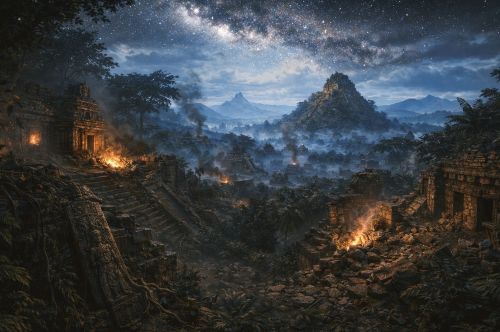
The Classic Maya collapse, occurring roughly between 750 and 900 CE, represents one of the most profound transformations in the history of ancient Mesoamerica. Unlike the earlier Maya Gap, which was characterized by a temporary interruption in political and cultural expression, this later period witnessed a widespread and sustained decline across much of the southern lowlands. Major urban centers that had flourished for centuries, including Tikal, Copán, Palenque, and Calakmul, experienced significant depopulation or were abandoned altogether. Monumental construction ceased, dynastic inscriptions disappeared, and the elaborate systems of political authority that had defined the Classic period came to an end in many regions. The disappearance of dated monuments is particularly striking, as it signals not only a halt in artistic production but also the breakdown of the ideological framework that sustained elite rule. Without these public affirmations of power, the cohesion of political systems weakened, contributing to the broader unraveling of urban life. The scale and visibility of these changes have made the Classic Maya collapse one of the most intensively studied episodes of societal transformation in the ancient world.
The collapse was not a single, uniform event but a complex and regionally varied process that unfolded over several generations. Some cities declined rapidly, while others persisted longer before eventually succumbing to similar pressures. Archaeological evidence suggests that the sequence of collapse often followed a recognizable pattern, beginning with reduced monument production, followed by the weakening of political institutions, and culminating in population decline and site abandonment. This variability highlights the importance of local conditions in shaping outcomes, as different communities experienced and responded to stress in distinct ways.
Environmental factors played a central role in this systemic failure, particularly the occurrence of prolonged and severe droughts during the Terminal Classic period. Paleoclimatic studies have identified multiple episodes of reduced rainfall between the eighth and tenth centuries, with some droughts lasting for decades. These conditions would have severely affected agricultural productivity, especially in regions dependent on rain-fed maize cultivation. As food production declined, the capacity of elites to sustain large urban populations and support complex political systems was undermined. Water management systems, including reservoirs and canals, may have mitigated these effects to some extent, but they were insufficient to counter prolonged climatic stress.
Human factors compounded the impact of environmental change, contributing to a situation of systemic vulnerability. Population growth during the Classic period had increased pressure on available resources, leading to intensified agricultural practices that may have degraded soil quality and reduced long-term sustainability. Deforestation for construction and fuel further altered local ecosystems, potentially exacerbating the effects of drought by reducing moisture retention and increasing erosion. These environmental modifications, while initially supporting urban expansion and population growth, created long-term fragilities that became apparent under conditions of climatic stress. As environmental conditions worsened, these preexisting pressures limited the ability of Maya societies to adapt, making them more susceptible to collapse. The combination of ecological degradation and demographic strain meant that even moderate disruptions could trigger cascading failures across interconnected systems.
Political fragmentation and warfare, already evident during earlier periods, intensified during the Terminal Classic and played a crucial role in accelerating decline. As central authority weakened, rival polities competed more aggressively for diminishing resources, leading to increased conflict and instability. The breakdown of long-distance trade networks further isolated communities, reducing access to essential goods and weakening economic resilience. Inscriptions from the late eighth century document a rise in warfare and the capture of rulers, indicating that political systems were under severe strain. These developments created a cascading effect in which political, economic, and environmental crises reinforced one another.
Despite the dramatic nature of these changes, the term “collapse” must be used with caution. While many southern lowland cities were abandoned, Maya civilization as a whole did not disappear. Populations migrated to other regions, particularly the northern Yucatán, where new centers such as Chichén Itzá rose to prominence. Cultural traditions, including language, religion, and social organization, persisted and adapted to new conditions, demonstrating continuity beneath apparent disruption. In many cases, the knowledge systems and practices developed during the Classic period were carried forward and reinterpreted in new political contexts. This continuity challenges simplistic narratives of sudden disappearance and instead emphasizes the resilience and adaptability of Maya societies. The Classic Maya collapse represents not an end, but a transformation in the structure and distribution of Maya society, illustrating both the fragility and resilience of complex civilizations in the face of systemic stress.
Earlier Precedent: Olmec Decline and Environmental Change (c. 400 BCE)

Long before the disruptions of the Classic Maya period, Mesoamerica had already experienced episodes of decline and transformation that reveal the deep historical roots of environmental vulnerability. The decline of the Olmec civilization, often considered the earliest major complex society in Mesoamerica, provides a crucial precedent for understanding later patterns of instability. Centered in the Gulf Coast region of present-day Veracruz and Tabasco, Olmec civilization reached its peak between approximately 1200 and 400 BCE, with major centers such as San Lorenzo and La Venta serving as political, religious, and economic hubs. By around 400 BCE, these centers had been largely abandoned or significantly reduced in importance, marking a major shift in the region’s cultural landscape.
The causes of Olmec decline remain a subject of scholarly debate, but environmental change has emerged as a leading explanation. Geological and archaeological evidence suggests that shifting river systems played a critical role in destabilizing the agricultural foundations of Olmec society. The region’s rivers, which were essential for irrigation, transportation, and trade, appear to have altered their courses, potentially due to natural processes such as sediment buildup, flooding, or tectonic activity. Such changes could have dramatically reshaped the landscape, transforming fertile floodplains into less productive environments or isolating previously connected areas. In some cases, river avulsion may have redirected water flow away from established agricultural zones, depriving communities of reliable water sources and forcing adjustments in subsistence strategies. These disruptions would not only have affected crop yields but also undermined transportation networks that facilitated trade and communication between centers. In a society so closely tied to its riverine environment, even gradual hydrological shifts could have had cascading effects on settlement patterns, economic stability, and political organization, making long-term sustainability increasingly difficult.
The impact of environmental disruption on Olmec society was likely compounded by the structure of its political and economic systems. Major centers such as La Venta were not only administrative hubs but also focal points of ritual and symbolic authority, featuring monumental architecture and large-scale sculptural programs. The construction and maintenance of these sites required significant labor and resources, which in turn depended on stable agricultural production. As environmental conditions became less predictable, the ability of elites to mobilize labor and sustain these centers may have diminished, leading to a gradual decline in their prominence. This process would not necessarily have been sudden or uniform, but rather a protracted transformation in which existing structures lost their viability.
Despite the apparent decline of major Olmec centers, the broader cultural traditions associated with the Olmec did not disappear. Elements of Olmec iconography, religious practice, and artistic style persisted and were incorporated into later Mesoamerican cultures, including the Maya and the civilizations of the central highlands. This continuity suggests that the decline of specific urban centers did not equate to the collapse of an entire cultural system, but rather to its reconfiguration across different regions and contexts. The Olmec experience parallels later patterns observed in the Maya world, where decline at one set of sites was accompanied by the emergence of new centers elsewhere.
The Olmec case provides an important comparative framework for understanding the dynamics of collapse and transformation in Mesoamerican history. It demonstrates that environmental instability, particularly changes in water systems, could have profound effects on the sustainability of complex societies. It highlights the resilience of cultural traditions that persisted beyond the decline of individual centers. By examining these earlier precedents, it becomes clear that the patterns observed in the Classic Maya collapse were not unprecedented, but part of a longer history of adaptation to environmental change. This perspective reinforces the need to interpret periods of decline not as endpoints, but as moments within an ongoing process of cultural and ecological negotiation.
Resilience and Continuity: The Myth of Total Collapse
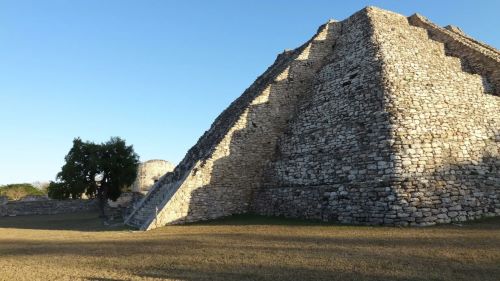
The narrative of collapse in Mesoamerican history has often been framed in absolute terms, suggesting sudden disappearance or civilizational failure. Yet archaeological and historical evidence increasingly demonstrates that these periods of disruption were marked as much by continuity as by decline. Rather than vanishing, populations adapted to changing conditions, reorganizing settlement patterns and maintaining cultural traditions even as political structures shifted. The concept of total collapse obscures these processes, reducing complex transformations to simplified endings that do not accurately reflect the resilience of Mesoamerican societies.
One of the clearest indicators of continuity is the persistence of population across regions affected by political decline. While major urban centers in the southern Maya lowlands were abandoned during the Terminal Classic period, surrounding rural areas often remained inhabited. In some cases, populations dispersed into smaller, more sustainable communities that were better suited to the environmental conditions of the time, allowing them to maintain subsistence practices without the pressures associated with large urban centers. This decentralization may have reduced vulnerability to both environmental stress and political instability, as smaller communities could adapt more flexibly to local conditions. Archaeological surveys have revealed continued occupation in peripheral zones, indicating that population decline was uneven rather than universal. Such evidence suggests that the apparent disappearance of urban life was accompanied by a redistribution of people rather than a dramatic demographic collapse. This pattern challenges the assumption that urban abandonment necessarily equates to societal collapse, instead pointing to a reorganization of human settlement in response to changing circumstances.
Cultural continuity is equally evident in the persistence of language, religious practice, and social organization. The Maya language family, for example, has endured for millennia and remains in use among millions of people today. Religious beliefs and ritual practices, while evolving over time, retained core elements that can be traced back to earlier periods. Iconographic motifs, cosmological concepts, and ceremonial traditions continued to shape daily life even as political systems were reconfigured. This continuity underscores the distinction between the decline of specific institutions and the endurance of broader cultural frameworks.
The emergence of new political and urban centers further illustrates the adaptive capacity of Mesoamerican societies. Following the decline of southern lowland cities, regions such as the northern Yucatán experienced significant growth, with sites like Chichén Itzá and later Mayapán becoming major centers of power. These developments were not mere replacements for earlier cities but reflected new forms of political organization and economic interaction. Trade networks were reestablished, often with different configurations, and new alliances emerged that reshaped the political landscape. These northern centers also demonstrate architectural and cultural continuities with earlier traditions, even as they incorporated new influences and innovations. The rise of such sites indicates that political authority was not extinguished but relocated and restructured, adapting to new environmental and social realities. This process of reorganization demonstrates that collapse in one area could coincide with expansion and innovation in another, revealing a dynamic system capable of renewal rather than a civilization in terminal decline.
Economic adaptation also played a critical role in sustaining continuity during periods of disruption. Changes in agricultural practices, resource management, and trade strategies allowed communities to cope with shifting environmental conditions. In some regions, diversification of subsistence strategies may have reduced dependence on vulnerable crops, while adjustments in land use helped to mitigate the effects of drought and soil depletion. These responses were not uniform, but they reveal a capacity for innovation that complicates narratives of decline. Rather than passive victims of environmental change, Mesoamerican societies actively engaged with their surroundings, seeking ways to maintain stability under challenging conditions.
The persistence of Mesoamerican civilization beyond periods of apparent collapse calls into question the usefulness of the term itself. What appears in the archaeological record as abandonment or decline often represents a transformation in scale, organization, or location rather than an end to cultural life. By focusing on resilience and continuity, historians and archaeologists can better understand how societies navigate crisis and adapt to changing circumstances. The so-called “Mesoamerican Dark Ages” emerge not as periods of disappearance, but as chapters in a longer history of endurance, adaptation, and renewal.
Comparative Perspective: Mesoamerica vs. Europe

The comparison between Mesoamerican periods of disruption and the so-called “Dark Ages” of early medieval Europe reveals fundamental differences in both cause and interpretation. In Europe, the term has largely been rejected by modern historians because it reflects a historiographical construct rooted in Renaissance and Enlightenment biases. By contrast, Mesoamerican “dark ages,” though still an imperfect label, correspond to observable material disruptions documented through archaeology and environmental data. This distinction is critical, as it highlights the importance of separating interpretive frameworks from empirical evidence when assessing periods of historical change.
In early medieval Europe, the perception of darkness was closely tied to the relative scarcity of written sources and the decline of centralized Roman authority. Renaissance humanists such as Francesco Petrarca framed the post-Roman centuries as a period of cultural regression, largely because they measured intellectual life against classical standards. Modern scholarship has demonstrated that this period was marked by continuity and transformation rather than collapse. Monastic institutions preserved and transmitted knowledge, new political structures emerged, and cultural production continued in forms that were not always immediately visible in the surviving record. The “darkness” of Europe was more a function of later perception than of historical reality.
In Mesoamerica, by contrast, the evidence for disruption is grounded in material changes that affected both elite and non-elite populations. Declines in monument construction, population shifts, and the abandonment of major urban centers are well documented through archaeological research. These changes were closely linked to environmental factors such as drought and ecological stress, which directly impacted agricultural systems and subsistence strategies. Unlike in Europe, where intellectual life persisted despite political fragmentation, Mesoamerican disruptions were tied to the material conditions that sustained society, making them more immediate and tangible in their effects.
Another key difference lies in the nature of political organization and its relationship to resilience. European societies after the fall of the Western Roman Empire developed new forms of political authority that, while fragmented, maintained continuity through institutions such as the Church and emerging kingdoms. These institutions provided a degree of ideological and administrative cohesion, allowing for the preservation of legal traditions, literacy, and systems of governance even in the absence of imperial unity. In Mesoamerica, political systems were already decentralized, consisting of competing city-states without a single overarching authority. This structure allowed for flexibility but also made the system more vulnerable to cascading failures when environmental stress intensified. As individual centers declined, there was no centralized framework to stabilize the broader system, leading to more visible patterns of fragmentation and reorganization. The contrast highlights how differing political structures shaped the capacity of societies to absorb and respond to crisis, with European systems relying on institutional continuity and Mesoamerican systems depending on localized adaptation.
The role of documentation also shapes how these periods are understood. Europe’s early medieval period, though less well documented than classical antiquity, still produced a substantial body of written material that has informed modern historical interpretation. Chronicles, legal texts, religious writings, and administrative records provide insight into social, political, and intellectual life, even if they are unevenly distributed. In Mesoamerica, written records were more limited in scope and were often tied to elite activities, such as monumental inscriptions and codices that have only partially survived. When these inscriptions declined, the historical record appears to “darken,” not necessarily because society ceased to function, but because the forms of expression that survive archaeologically became less prominent. This creates an interpretive challenge, as the absence of visible records can be mistaken for absence of activity. Historians must rely more heavily on material evidence, including settlement patterns, environmental data, and artifacts, to reconstruct the past. This difference underscores the importance of considering the nature and limitations of available evidence when comparing historical experiences across regions, as perceptions of decline are often shaped as much by what survives as by what actually occurred.
The comparison between Mesoamerica and Europe demonstrates that the concept of a “Dark Age” cannot be applied uniformly across different historical contexts. In Europe, the term has been discarded as misleading, while in Mesoamerica it requires careful qualification to avoid oversimplification. Both cases reveal the limitations of narratives that emphasize decline over transformation, but they do so in different ways. By examining these regions side by side, it becomes clear that periods of disruption are best understood not as universal patterns of collapse, but as context-specific processes shaped by environmental, political, and cultural factors.
Historiography: Interpreting Collapse and Complexity
The following video discusses the Maya collapse:
The interpretation of societal collapse in Mesoamerica has undergone significant transformation over the past century, reflecting broader shifts in archaeological theory and historical methodology. Early explanations often framed the decline of civilizations such as the Classic Maya in stark and deterministic terms, emphasizing sudden catastrophe, moral decay, or external invasion. These interpretations were shaped in part by limited data and a tendency to project linear models of rise and fall onto complex societies. As archaeological evidence expanded and interdisciplinary approaches developed, scholars began to question these simplified narratives, seeking explanations that accounted for both the diversity of evidence and the variability of outcomes across different regions.
A major turning point in this historiographical evolution has been the increasing emphasis on environmental and systemic factors. Rather than attributing collapse to a single cause, modern scholarship has highlighted the interplay between climate change, resource management, population dynamics, and political organization. This approach recognizes that complex societies are shaped by multiple, interacting variables that can produce instability when they converge. The concept of “systems collapse,” influenced by theoretical models, has encouraged scholars to view decline as a process arising from the cumulative pressures placed on social, economic, and ecological systems, rather than as a singular event. Increasing complexity itself can become a source of vulnerability, as the costs of maintaining political and economic structures rise in relation to the benefits they provide. When environmental stress or resource scarcity reduces those benefits, the system may reach a tipping point where existing institutions can no longer be sustained. This perspective has shifted scholarly attention toward long-term processes and feedback mechanisms, offering a more dynamic understanding of how societies respond to mounting pressures.
There has been a growing critique of the very concept of “collapse” as an analytical framework. Scholars have argued that the term carries implicit assumptions of failure and finality that do not accurately reflect the archaeological record. Instead, they advocate for approaches that emphasize resilience, adaptation, and transformation, focusing on how societies reorganize in response to changing conditions. This perspective shifts attention away from the disappearance of elite institutions toward the experiences of broader populations, whose continuity often remains visible even when political structures decline.
Interdisciplinary research has played a crucial role in reshaping these interpretations, particularly through the integration of environmental science, archaeology, and epigraphy. Advances in paleoclimatology have provided increasingly precise data on historical climate patterns, allowing scholars to correlate environmental changes with archaeological evidence of societal disruption. Improved methods of excavation and analysis have expanded the range of available data, revealing patterns of settlement, subsistence, and material culture that were previously overlooked. These developments have enabled a more nuanced understanding of how environmental and social factors interacted over time, moving beyond earlier models that relied on limited or indirect evidence.
The historiography of Mesoamerican collapse reflects a broader shift toward complexity in historical interpretation. Rather than seeking a single explanatory framework, contemporary scholarship embraces the multiplicity of factors that shape societal change, recognizing that collapse is rarely uniform or absolute. This approach also highlights the importance of scale, as processes that appear as collapse at the level of urban centers may represent continuity or adaptation at the level of local communities. By incorporating insights from multiple disciplines and focusing on long-term dynamics, historians and archaeologists are better equipped to reconstruct the layered realities of past societies. This perspective not only provides a more accurate account of the past but also challenges the assumptions embedded in earlier narratives of decline. By reframing collapse as a process of transformation within dynamic systems, scholars can more effectively capture the resilience and adaptability of Mesoamerican societies, offering a richer and more comprehensive understanding of their history.
Conclusion: Collapse without Darkness
The concept of a “Mesoamerican Dark Age” obscures more than it clarifies. While the archaeological record reveals clear episodes of disruption, including the Maya Gap and the broader Classic Maya collapse, these events were not characterized by the disappearance of culture or the cessation of human activity. Instead, they represent moments of systemic strain in which environmental pressures, political fragmentation, and economic challenges converged to reshape existing structures. By moving beyond the language of darkness, it becomes possible to recognize these periods as integral phases within a longer continuum of development rather than as abrupt endings.
Across Mesoamerica, the evidence consistently points to patterns of adaptation and reorganization in the face of crisis. Populations shifted, urban centers rose and fell, and political authority was reconstituted in new forms. Environmental challenges, particularly prolonged drought and ecological change, played a central role in driving these transformations, but they did not act in isolation. Social and political dynamics determined how communities responded to these pressures, producing a wide range of outcomes across different regions. This variability underscores the importance of viewing collapse as a process rather than a singular event, shaped by the interaction of multiple factors.
The comparison with early medieval Europe further reinforces the need for conceptual precision. Whereas the European “Dark Ages” has been largely abandoned as a misleading historiographical construct, Mesoamerican periods of disruption are grounded in material evidence but still require careful interpretation. In both cases, the language of darkness simplifies complex realities and imposes narratives of decline that fail to capture the dynamism of historical change. In Europe, the apparent “darkness” often reflects the uneven survival of sources and the interpretive biases of later scholars, rather than an actual cessation of cultural or intellectual activity. In Mesoamerica, by contrast, the evidence for disruption is more materially grounded, yet it still requires careful contextualization to avoid overstating the extent of decline. The juxtaposition of these cases highlights how the same conceptual language can obscure different kinds of historical processes, whether by exaggerating decline where continuity existed or by flattening transformation into narratives of collapse. Recognizing these distinctions allows historians to move beyond inherited terminology and develop more precise frameworks that better reflect the complexity of past societies and the diverse ways they experienced change.
The history of Mesoamerican “collapse” is not one of disappearance but of resilience. Cultural traditions persisted, populations endured, and new forms of social and political organization emerged from the challenges of environmental and systemic stress. By reframing these periods as moments of transformation rather than decline, historians can better appreciate the adaptability of Mesoamerican societies and the enduring legacy of their cultural achievements. The notion of a “Dark Age” gives way to a more accurate and compelling narrative of continuity within change, where collapse becomes not an endpoint, but a stage in the ongoing evolution of complex human societies.
Bibliography
- Brown, Peter. The Rise of Western Christendom: Triumph and Diversity, AD 200–1000. 2nd ed. Malden, MA: Blackwell, 1996.
- Demarest, Arthur A. Ancient Maya: The Rise and Fall of a Rainforest Civilization. Cambridge: Cambridge University Press, 2004.
- Diehl, Richard A. The Olmecs: America’s First Civilization. London: Thames & Hudson, 2004.
- Dunning, Nicholas P., et al. “Arising from the Bajos: The Evolution of a Neotropical Landscape and the Rise of Maya Civilization.” Annals of the Association of American Geographers 102, no. 2 (2012): 300–317.
- Gill, Richardson B. The Great Maya Droughts: Water, Life, and Death. Albuquerque: University of New Mexico Press, 2000.
- Kennett, Douglas J., et al. “Development and Disintegration of Maya Political Systems in Response to Climate Change.” Science 338:6108 (2012), 788–791.
- Lucero, Lisa J. Water and Ritual: The Rise and Fall of Classic Maya Rulers. Austin: University of Texas Press, 2006.
- Martin, Simon, and Nikolai Grube. Chronicle of the Maya Kings and Queens: Deciphering the Dynasties of the Ancient Maya. 2nd ed. London: Thames & Hudson, 2008.
- McAnany, Patricia A., and Norman Yoffee, eds. Questioning Collapse: Human Resilience, Ecological Vulnerability, and the Aftermath of Empire. Cambridge: Cambridge University Press, 2010.
- Medina-Elizalde, Martín, and Eelco J. Rohling. “Collapse of Classic Maya Civilization Related to Modest Reduction in Precipitation.” Science 335:6071 (2012), 956–959.
- Pool, Christopher A. Olmec Archaeology and Early Mesoamerica. Cambridge: Cambridge University Press, 2007.
- Sabloff, Jeremy A. Archaeology Matters: Action Archaeology in the Modern World. Walnut Creek, CA: Left Coast Press, 2008.
- Sharer, Robert J., and Loa P. Traxler. The Ancient Maya. 6th ed. Stanford: Stanford University Press, 2006.
- Tainter, Joseph A. The Collapse of Complex Societies. Cambridge: Cambridge University Press, 1988.
- Webster, David. The Fall of the Ancient Maya: Solving the Mystery of the Maya Collapse. London: Thames & Hudson, 2002.
- Wickham, Chris. The Inheritance of Rome: A History of Europe from 400 to 1000. New York: Penguin, 2009.
Originally published by Brewminate, 04.13.2026, under the terms of a Creative Commons Attribution-NonCommercial-NoDerivatives 4.0 International license.
About the Author