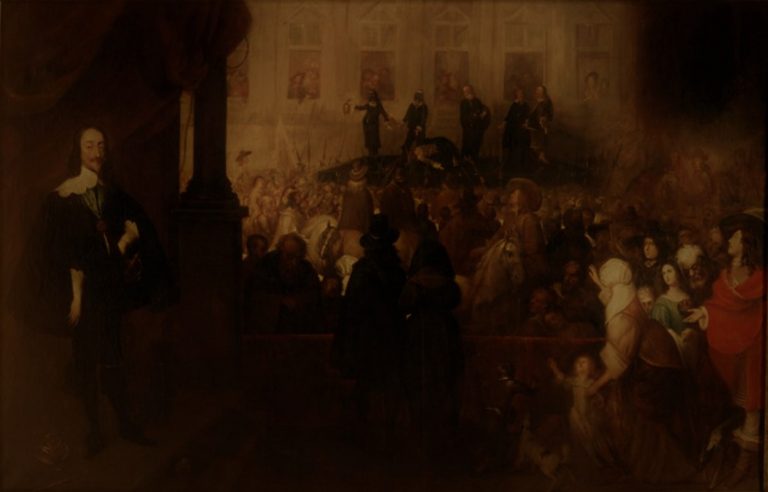
The Purge cleared the way for the execution of Charles in January 1649 and the establishment of...
History
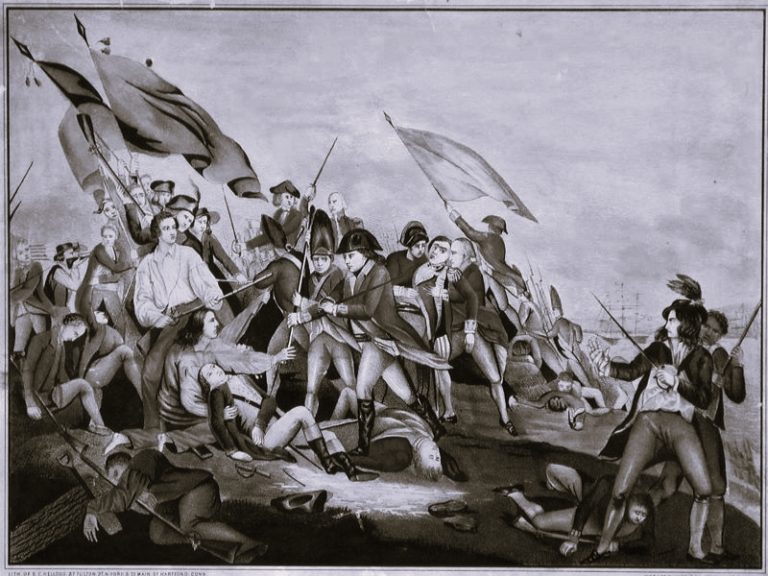
The departure of royal officials, rich merchants, and landed gentry destroyed the hierarchical networks that thrived in...
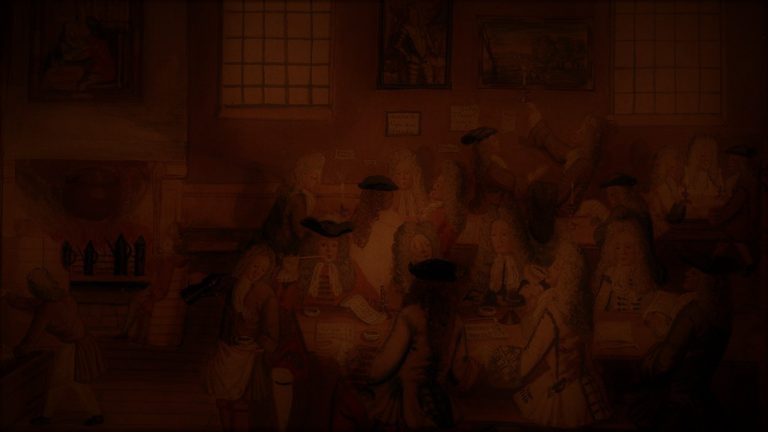
The prerequisites for the emergence of a public sphere were increasing levels of literacy which was spurred...
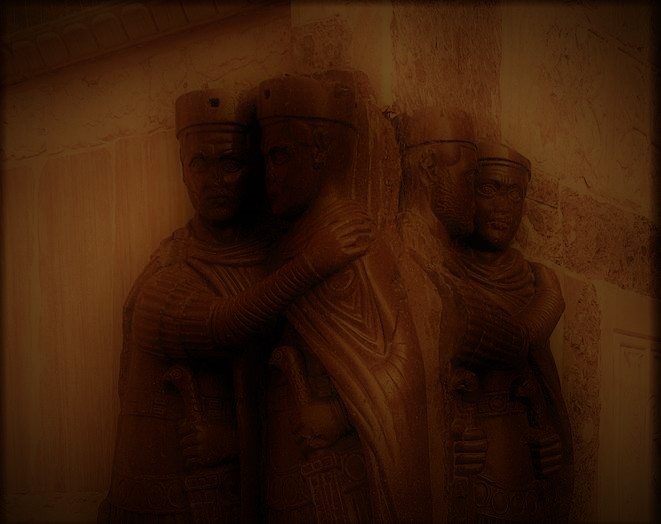
The usurpation mania of the third century had profound effects in the empire’s bureaucratic and military organization....
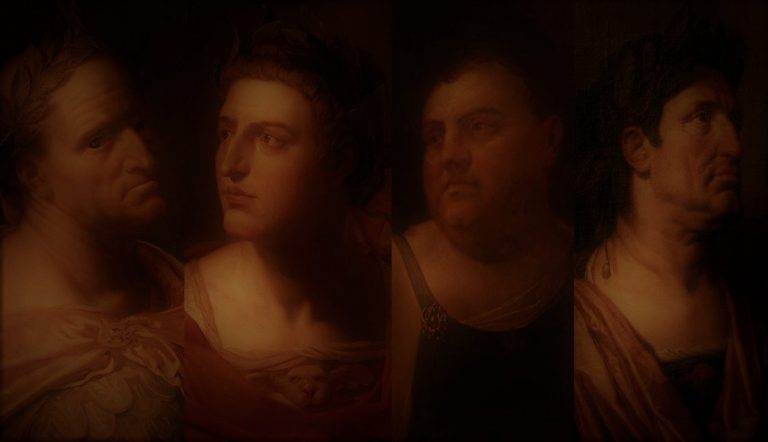
Nero’s death marked a definitive end to the Julio-Claudian Dynasty, and a series of civil wars began...
Thanks to the trend of publishing daily horoscopes in newspapers and magazines, every person in America knows...

Hitler used the referendum to legitimize his move to take the title Führer und Reichskanzler (Führer and...
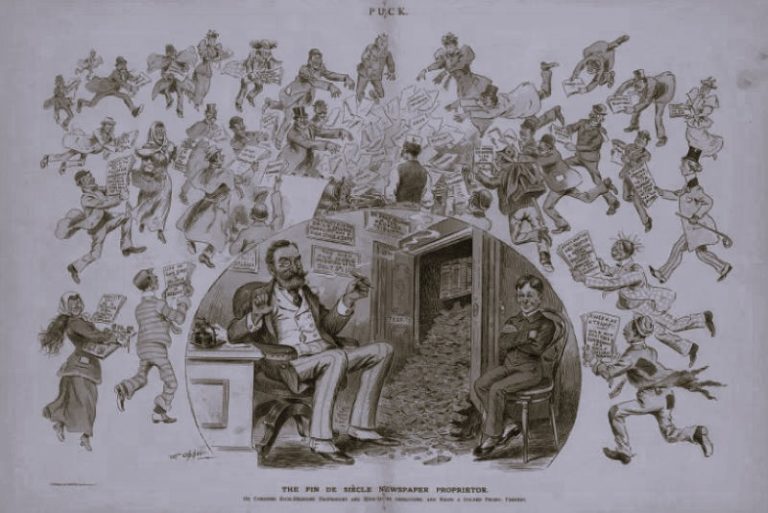
The fin-de-siècle generation condemned the rationalistic individualism of liberal society and the dissolution of social links in...
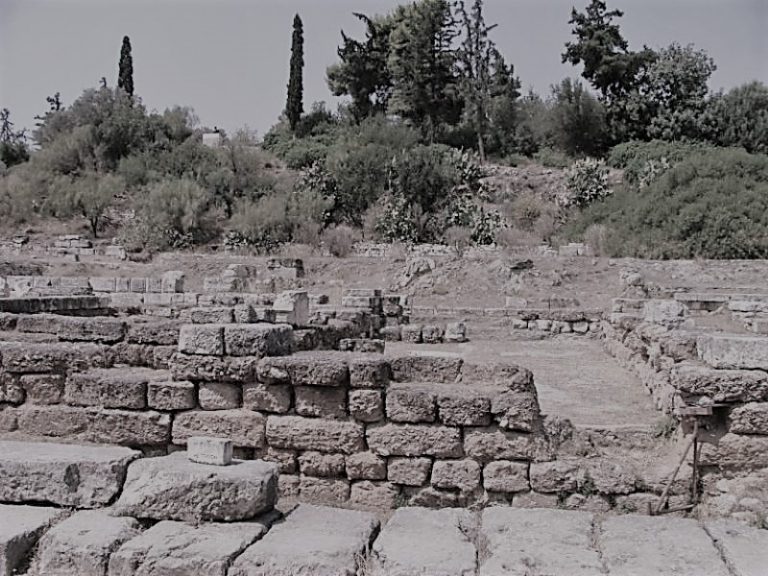
The Agora was the central gathering place for all of Athens, where social and commercial dealings took...
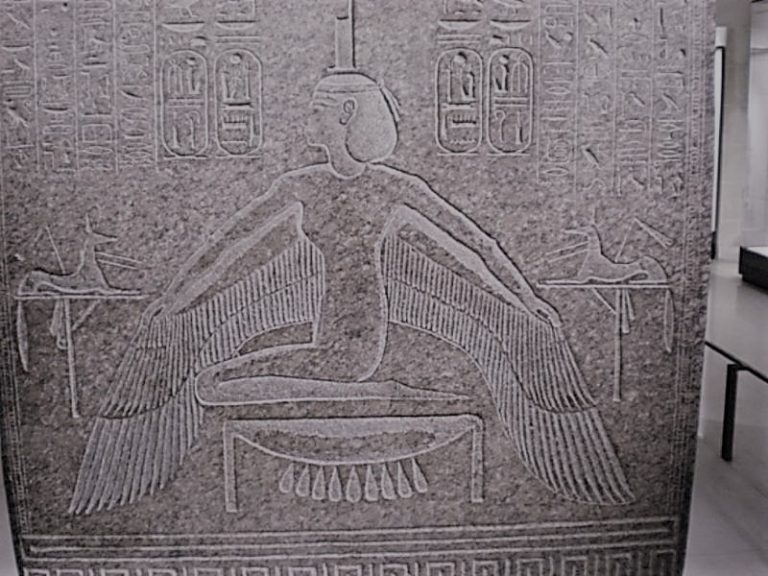
What made a judgment legal and binding was how closely a legal decision aligned with ma’at. Introduction...
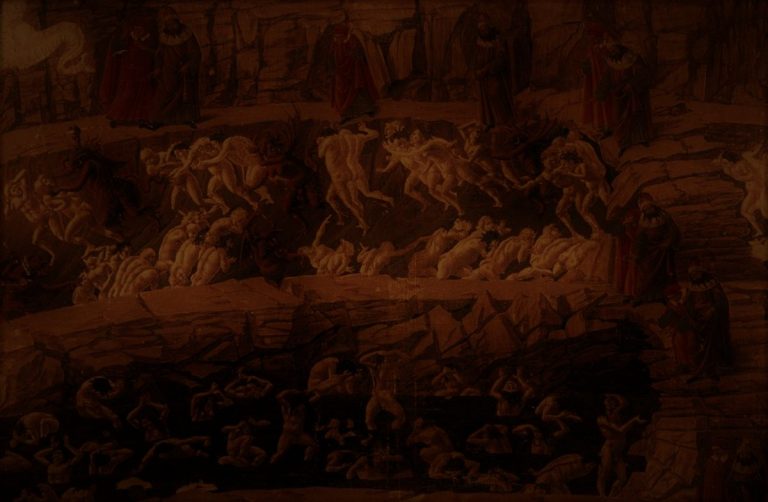
Dante primarily intended to explain biblical justice through his contrapasso. By Joseph KameenArtist and Educator Contrapasso is...
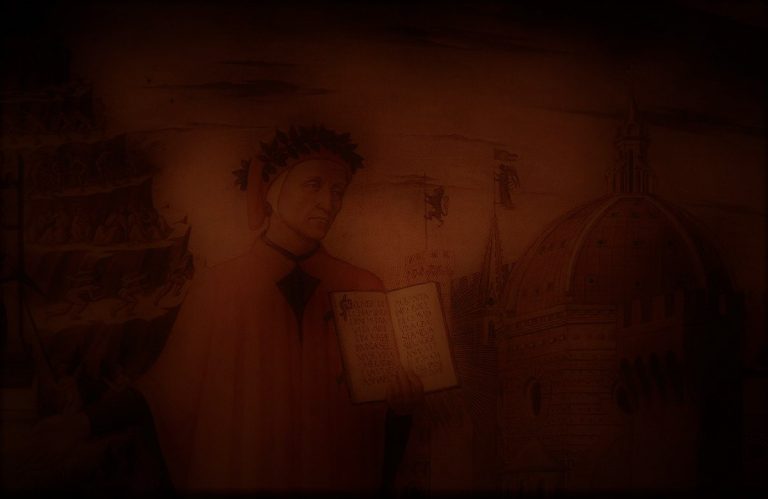
Dante’s written works are a heady mix of philosophy, politics, and literature. Introduction Dante Alighieri (1265-1321 CE)...
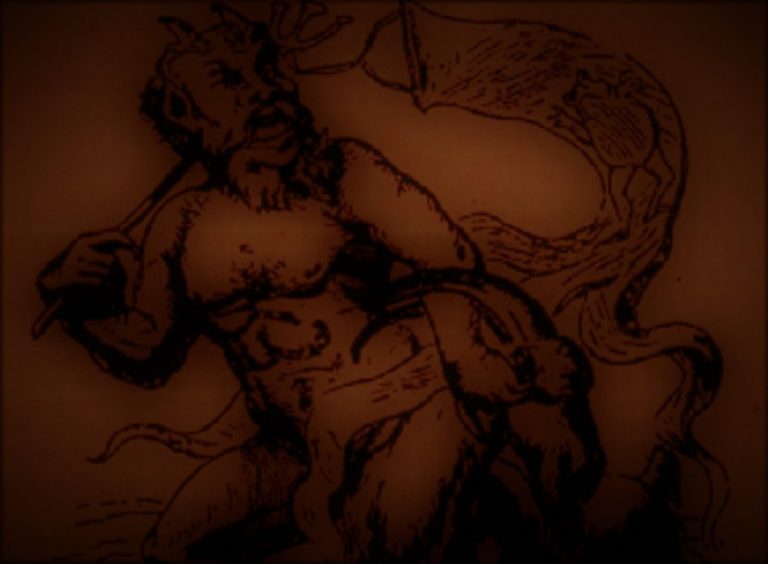
The Book of Enoch brings Azazel as a fallen angel onto Mount Hermon, a gathering-place of demons...
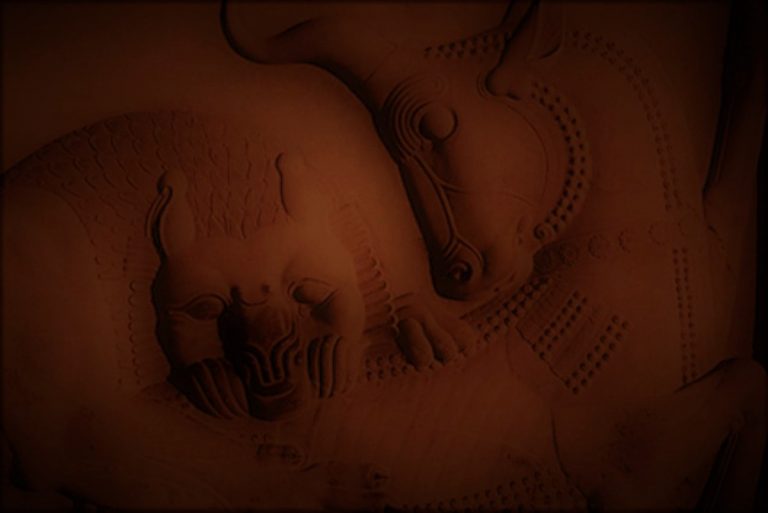
Ahriman was the “Evil spirit, … whose religion is evil [and] who ever ridiculed and mocked the...
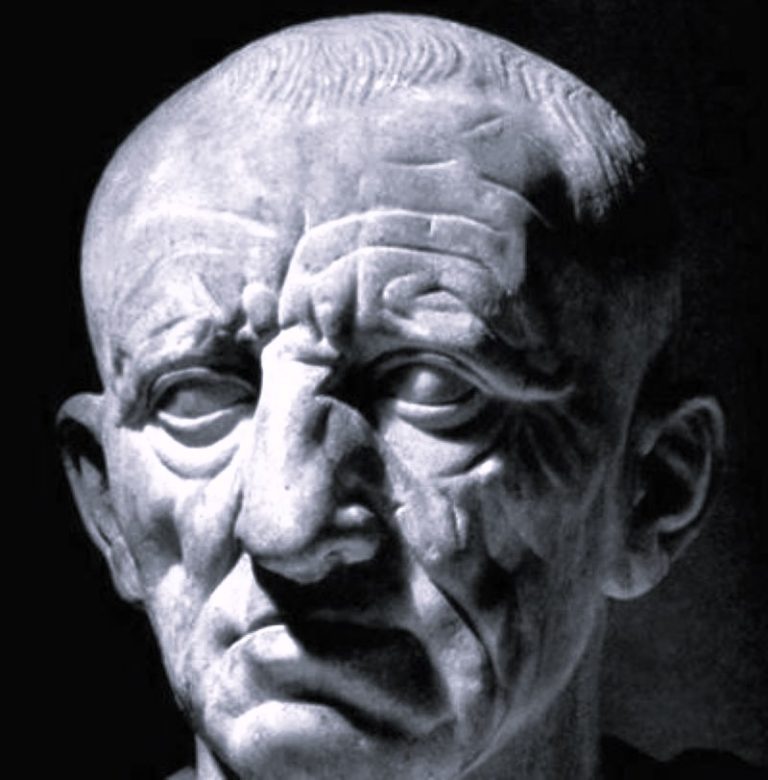
The old were often portrayed as avaricious, cowardly, quarrelsome and irritable, and they always complained about the...
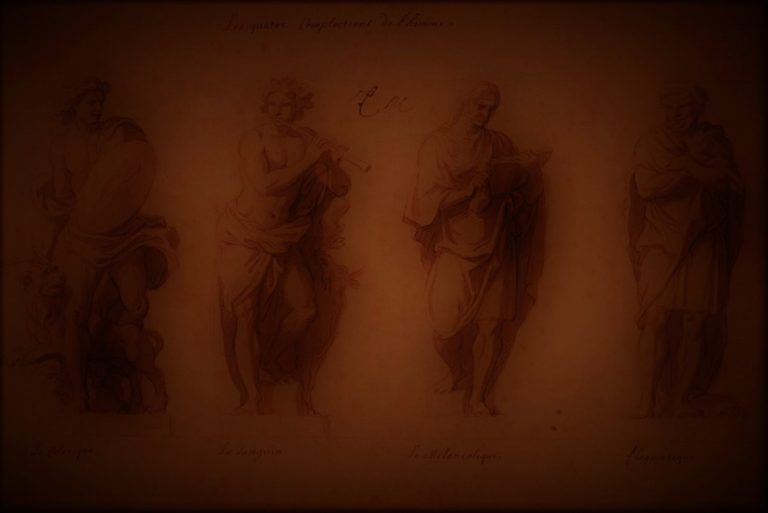
The Greek physician Hippocrates (460–370 BCE) who developed it into a medical theory. Introduction The four temperament...
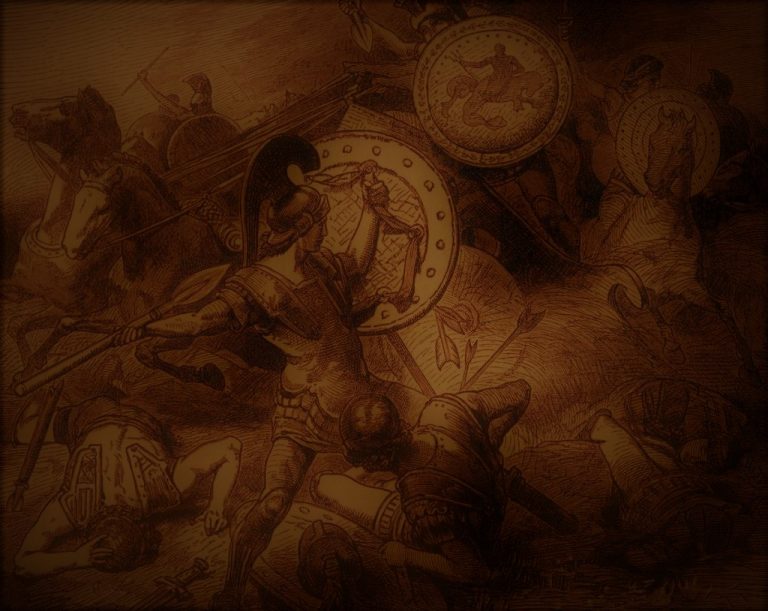
The Spartan Eurypontid king Agesilaus led two expeditions against Thebes but achieved little. Introduction and Background The...
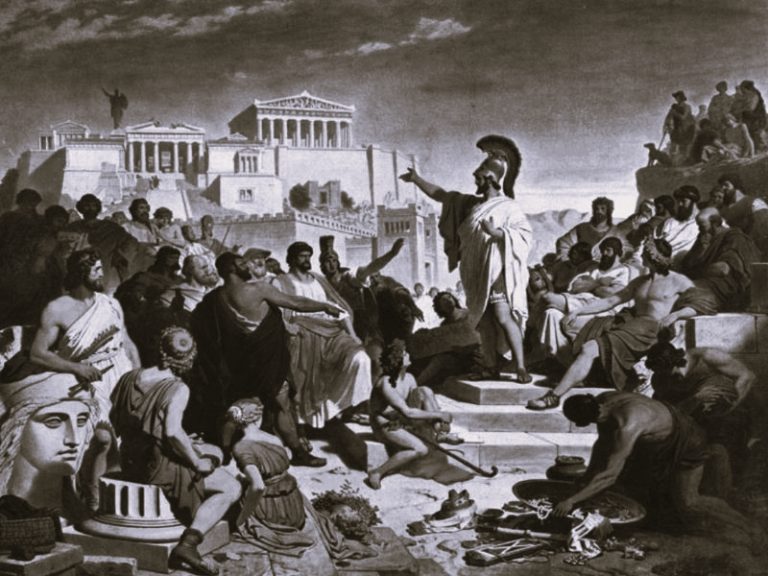
Athens had the largest and wealthiest city-state, but they also had a larger class of people excluded...
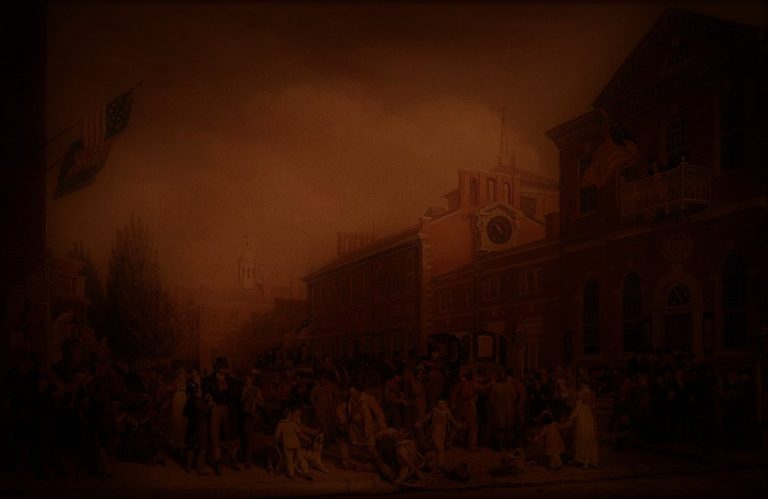
Political parties in the 19th century thought of themselves as armies – disciplined, hierarchical fighting organizations. Introduction...
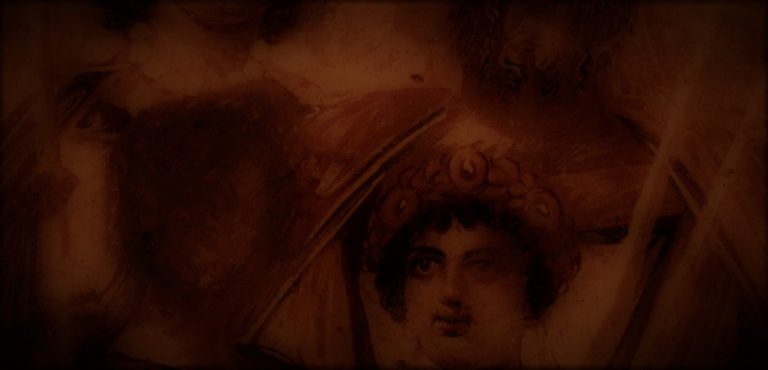
Around half of all Roman emperors received some form of the condemnation. By Mati Davis and Sara...

Meant to protect citizens from demagogues and tyrants, it became a tool to use against political enemies....
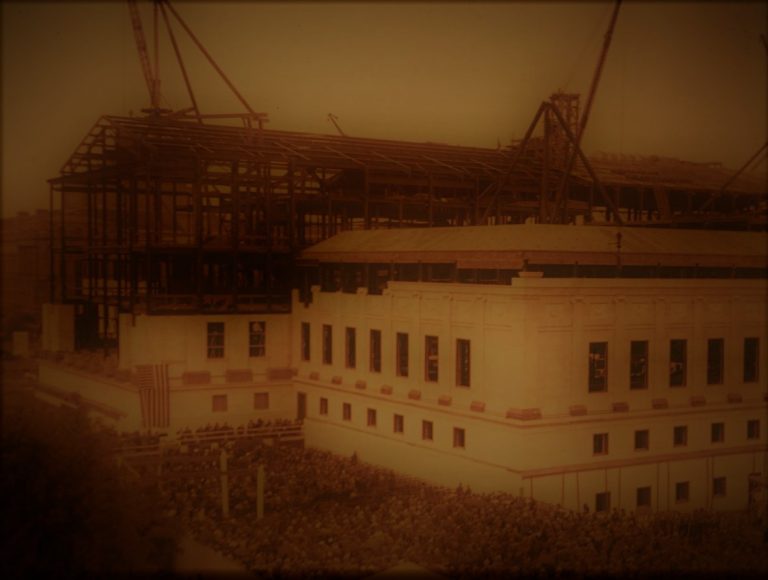
The architecture of the United States Supreme Court reveals how space, symbolism, marble, and classical design helped...
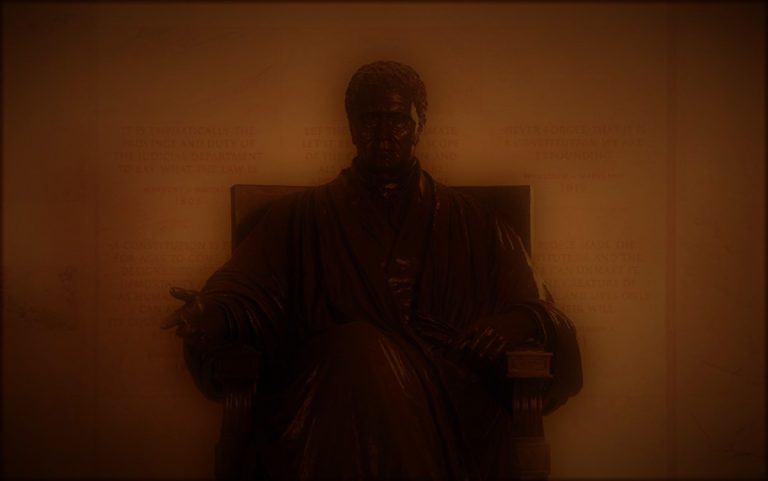
The Supreme Court is deeply tied to its traditions. Introduction Established by the United States Constitution, the...
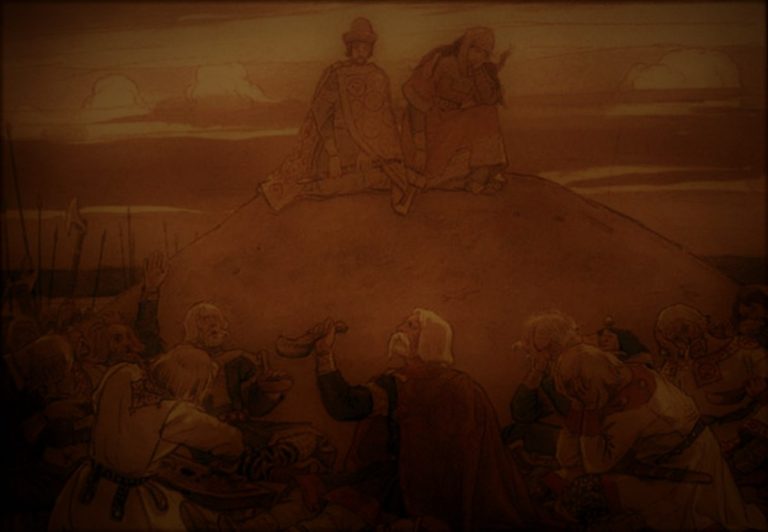
According to East Slavic chronicles, Oleg was supreme ruler of the Rus’ from 879 to 912. Introduction...
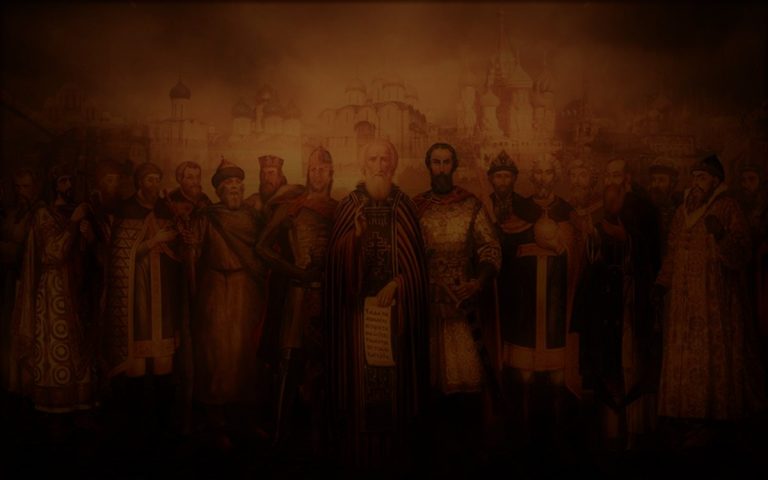
The Rurik dynasty (or Rurikids) went on to rule the Kievan Rus’, and ultimately the Tsardom of...
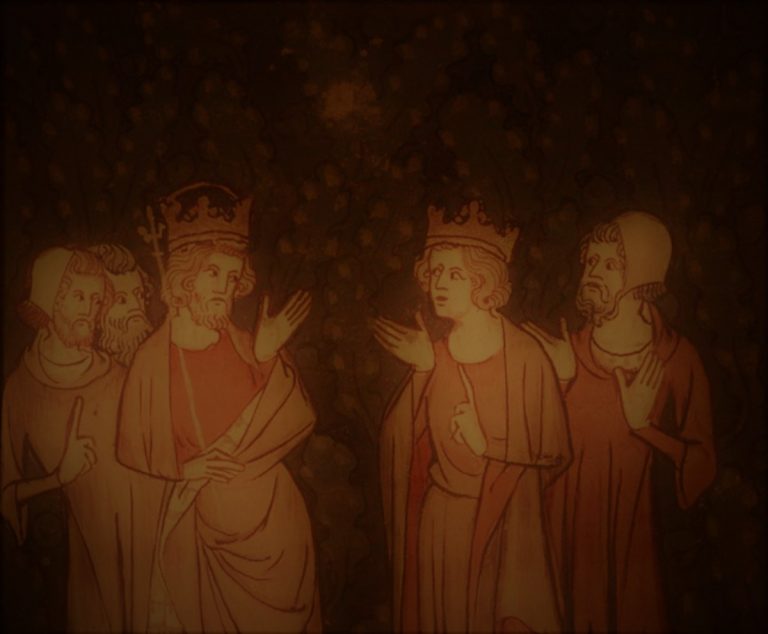
Monarchs and prime ministers have spent centuries working out which decisions need to be made in public....
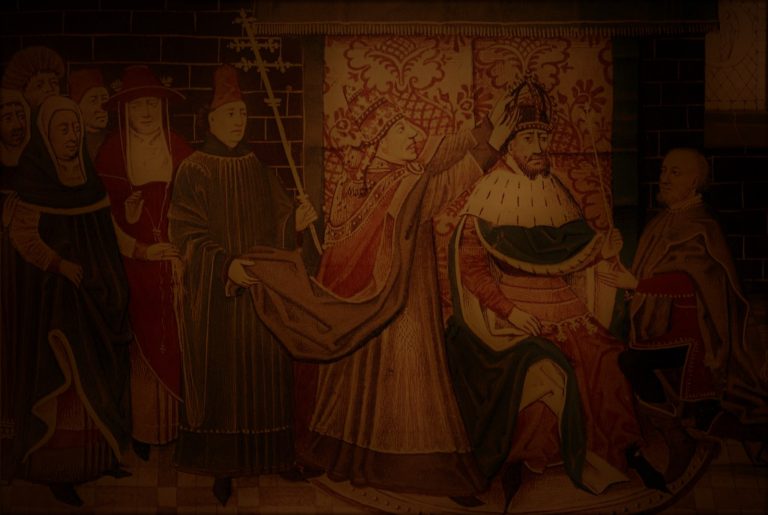
Monarchs were demolishing the medieval feudal political system and building strong central government in its place. Introduction...

The earliest humans had and passed on knowledge about plants and animals to increase their chances of...
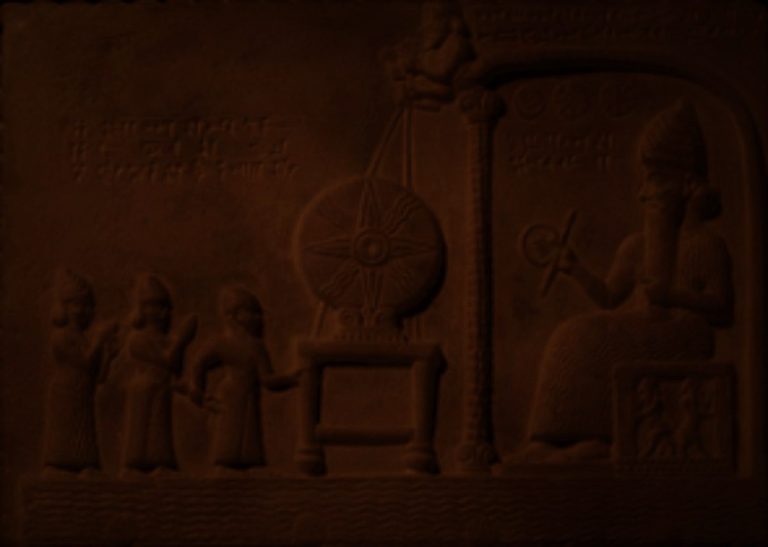
Exploring scientific work and thought in ancient Mesopotamia, Egypt, Persia, Greece, Rome, India, and China. Introduction The...
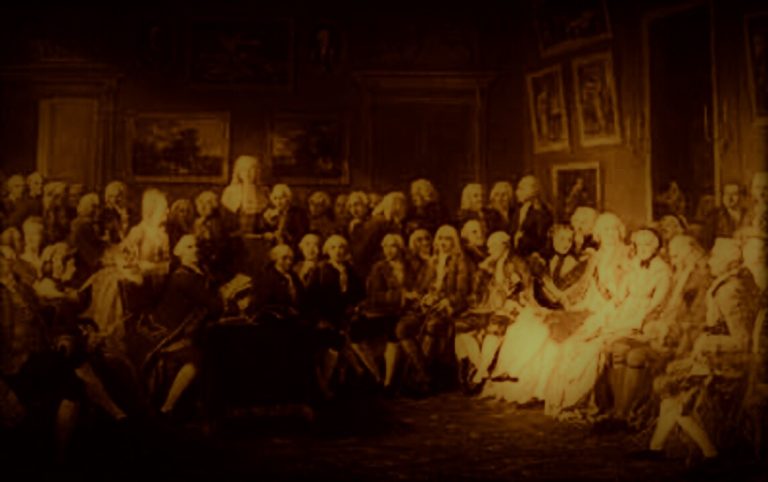
The Enlightenment of 17th-century Europe had the most immediate impact on the framers of the United States...