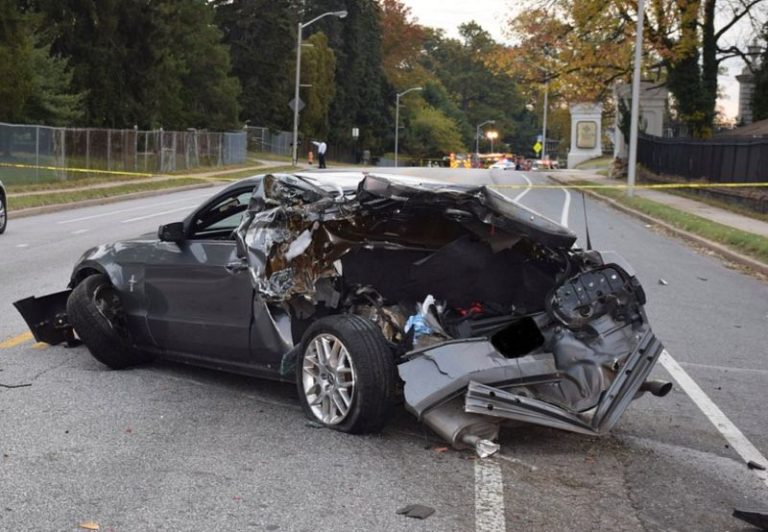
Accidents are never part of the plan. Knowing when to call a personal injury attorney can make a massive difference if you’re in Joliet, IL, and find yourself in this tough spot. Let’s break down the essentials with handy advice so you know when to pick up the phone.
First Things First: What Does a Personal Injury Attorney Do?
In Georgia, settlements for moderate injuries average around $26,079, but they can range from as low as $5,229 to as high as $420,816, depending on the complexity and impact of the injuries. Most of these settlements are adjusted by attorneys.
These legal pros handle cases where someone gets hurt because somebody else dropped the ball. Their job is to patch things up for you financially and ensure the other party plays by the rules.
Key Moments to Call an Attorney
After an accident, it’s generally advisable to consult a personal injury attorney as soon as possible, especially if serious injuries are involved. Here are some primary instances to call an attorney
Straight After Medical Checks
Always look after yourself first. Once you’re taken care of, it’s time to think about legal stuff. If your injuries are severe, an attorney can handle the claims and the maze of paperwork. This lets you focus on getting back on your feet.
Navigating the Legal Maze
Legal jargon can be tricky, and Athens has its quirks. If the accident left you scratching your head over who’s to blame or how to proceed, a lawyer can clear up the confusion and set things straight.
Dealing with Stingy Insurance Offers
Did you know many insurers settle fast to avoid paying big? If you get an offer that doesn’t cover your bills or lost wages, that’s your cue. An attorney can push back and make sure you get what you deserve.
Watching the Clock
Georgia law gives you two years to file a personal injury claim, but this can fly by when dealing with injuries or other post-accident hassles. Missing this deadline means waving goodbye to any legal claims. A local attorney can make sure everything is filed on time.
Why Go Local?
Hiring someone from your neighborhood who knows the local laws and how the Athens courts tick can give you an edge. They’re familiar with the local scene, which can help tailor your case for better results. We suggest going for a Joliet truck accident attorney for the best results!
Indicators Of Making the Call
Are you still wondering when to give your personal injury attorney a call? Here are a few indicators to help you make an informed decision faster:
- Serious injuries: If your injuries need long-term care or have left you unable to work, get an attorney.
- Confusing circumstances: Can’t tell who’s at fault? Lawyer up right away!
- Lowball offers: If you got a laughable offer from insurance, that’s a lawyer’s cue.
- Time’s ticking: If you’re nearing the two-year mark since the accident, it’s time to get legal help fast.
Friendly Advice
Remember, a quick chat with a personal injury attorney often costs nothing. Most offer free initial consultations to figure out if you have a case. For instance, Athens’s truck accident attorney has a free case evaluation program. They usually work on a “no win, no fee” basis, so they’re motivated to get you the best outcome.
Comparative Fault in Georgia
In Georgia, understanding the concept of comparative fault is crucial if you’re involved in a personal injury case after an accident. This legal doctrine affects how damages are awarded based on the degree of fault of each party involved in the incident.
Basics of Comparative Fault
Georgia follows a modified comparative fault rule, sometimes called the “50% Bar Rule.” Under this rule, you can recover damages in an accident if you are less responsible than the other party. In simpler terms, your level of fault must be less than 50%. If you are 50% or more responsible, you are barred from receiving any compensation from the other involved parties.
Calculating Fault and Its Impact on Damages
Here’s how comparative fault works in practice: suppose you are involved in a car accident where damages amount to $100,000, and you are found to be 30% at fault because you were speeding. In this scenario, you would be eligible to recover 70% of the total damages, which amounts to $70,000. This reduction reflects your share of the responsibility for the accident.
A jury typically determines fault after evaluating evidence such as accident reports, eyewitness testimonies, and inputs from accident reconstruction experts. Each party’s degree of fault is assessed. In the end, the compensation each party can receive is adjusted according to their percentage of fault.
Implications of Comparative Fault in Settlement Negotiations
Understanding comparative fault is also essential during settlement negotiations. Insurance companies often calculate potential fault percentages to determine how much they will offer in a settlement.
Knowing how comparative fault works can help you during these negotiations, especially if the insurance adjuster tries to attribute a higher level of fault to you to reduce the payout.
Conclusion:
After an accident, knowing when to get a lawyer on your side is critical. Grasping Illinois’ comparative fault might sound complex, but it’s about learning how blame is shared. You can navigate this with a reasonable attorney and aim for a fair settlement!
About the Author