Ancient Egyptian chronology rests on dynasties, kingdoms, regnal years, king lists, artifacts, astronomy, and scientific dating, revealing how historians organize Egypt’s long past.

By Dr. Amy Calvert
Egyptologist and Archaeologist
Beginnings
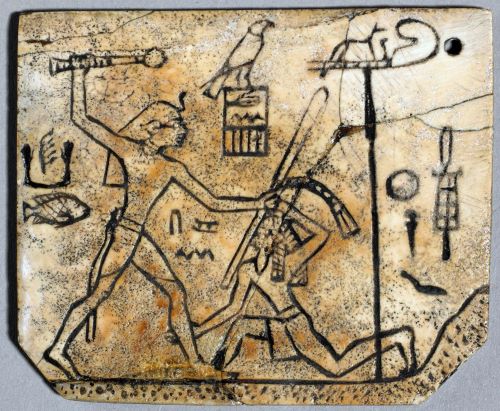
The civilization of ancient Egypt obviously did not spring fully formed from the Nile mud; although the massive pyramids at Giza may appear to the uninitiated to have appeared out of nowhere, they were founded on thousands of years of cultural and technological development and experimentation. “Dynastic” Egypt—sometimes referred to as “Pharaonic” (after “pharaoh”, the Greek title of the Egyptian kings derived from the Egyptian title “Great House,” which was used from the New Kingdom on)—which was the time when the country was largely unified under a single ruler, begins around 3000 B.C.E.
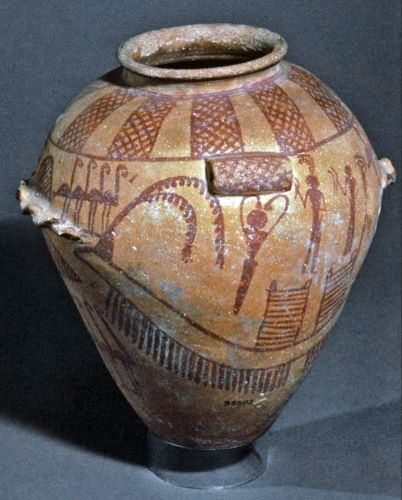
The period before this, lasting from about 5,000 B.C.E. until the unification of Upper and Lower Egypt under one ruler, is referred to as Predynastic by modern scholars. Prior to this were thriving Paleolithic and Neolithic groups, stretching back hundreds of thousands of years, descended from northward migrating homo erectus who settled along the Nile Valley. During the Predynastic period, ceramics, figurines, mace heads, and other artifacts such as slate palettes used for grinding pigments, begin to appear, as does imagery that will become iconic during the Pharaonic era and we can see the first hints of what is to come.
Dynasties, Periods, and Reigns
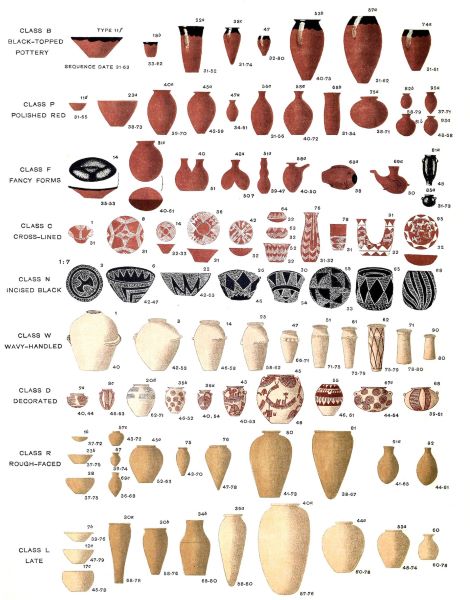
It is important to recognize that the dynastic divisions modern scholars use were not used by the ancients themselves. These divisions were created in the first chronological history of Egypt, written by an Egyptian priest named Manetho in the 3rd century B.C.E. Each of the 30 dynasties included a series of rulers usually related by family connections or the location of their seat of power. Egyptian history is also divided into larger chunks, known as “kingdoms” and “periods,” to distinguish times of strength and unity (kingdoms) from those of change, foreign rule, or disunity (periods).
Like many other ancient cultures, the Egyptians themselves referred to their history in relation to the ruler of the time. Years were recorded as the regnal dates of the ruling king, so that with each new reign, the numbers began anew. The usual dating format included the day of the month and season, along with the regnal year of the king—for example, “day 4 of the second month of the season peret in the third year of Khafre.” This ancient practice creates challenges for modern historians, making it difficult to determine exact dating for many events and reigns; this is the reason that different resource books on ancient Egypt may provide slightly different dates for the same object. Generally, dates are provided here as “circa,” (c.) or approximate, for this reason.
Determining Chronology
We do have some absolute dates based on recorded astronomical observations, such as the rising of the star Sirius, that have greatly aided the pursuit of a reliable chronology. However, these set points are few and far between. Much of the chronology modern scholars use is built around those anchored, calendrical and astronomical events. This is combined with relative dating methods based on the sequence of recognized changes in artifact characteristics over time (especially ceramics) and scientific dating methods, such as radiocarbon dating and thermoluminescence, that can be applied to organic materials but offer a date range, rather than a date.
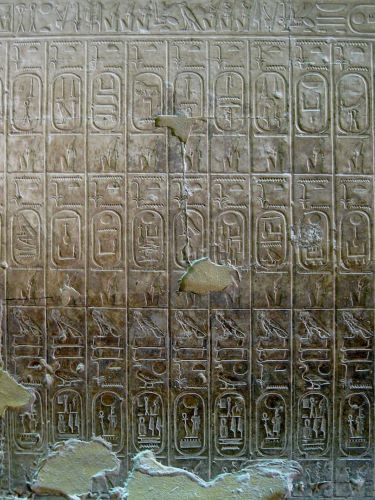
Manetho’s sources for his history are largely unknown. However, they would certainly have included annals, “day-books,” and ‘king-lists.’ These were records of the events that occurred during each king’s reign; unfortunately, few examples survive. Annals were concise historical records, briefly written with events arranged chronologically, year by year for an individual reign. Day-books were sets of official records of historical events written in a more narrative form. The Egyptian word used for these types of records can also mean “journal,” and was derived from the word for “day.” ‘King-lists’ were lists of royal names, mainly recorded on temple walls. These were not truly history but rather a form of ancestor worship, where the current ruler was showing reverence for those kings who came before them. Often highly selective, they leave out any mention of contentious rulers.
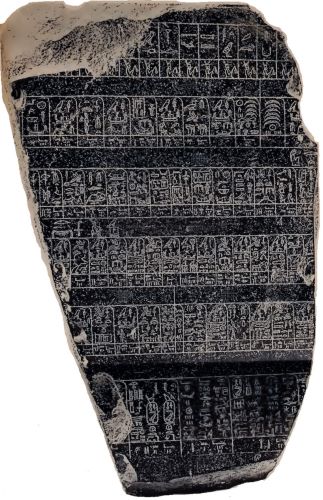
One of the most important surviving sources for the Early Dynastic and Old Kingdom eras is a basalt stela fragment inscribed on both sides with royal annals stretching from the 5th Dynasty back to the mythical rulers of the Predynastic period. Known as the Palermo Stone, this slab was discovered in 1866 and records major cult ceremonies, building projects, details of Nile inundations, taxation reports, and warfare events.
King-lists were also inscribed on the walls of some temples—one of the best-known being from the temple of Seti I at Abydos—and were written on papyri, although only one such example survives (the so-called Turin Canon from the thirteenth century B.C.E.).
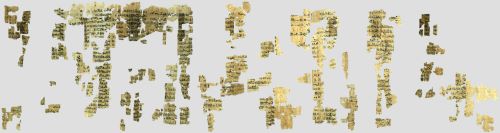
This valuable, but fragmentary, document records the list of kings and the length of their reigns stretching from the Second Intermediate Period back to the earliest kings from the 1st Dynasty. These lists were not necessarily focused on recording “history.” Instead, they were a form of ancestor worship, where the current ruler celebrated the consistency of kingship and presented their predecessors as a combination of the general, eternal concept of divine kingship and the individual, human ruler who held power at that specific moment.
Periods and Main Characteristics
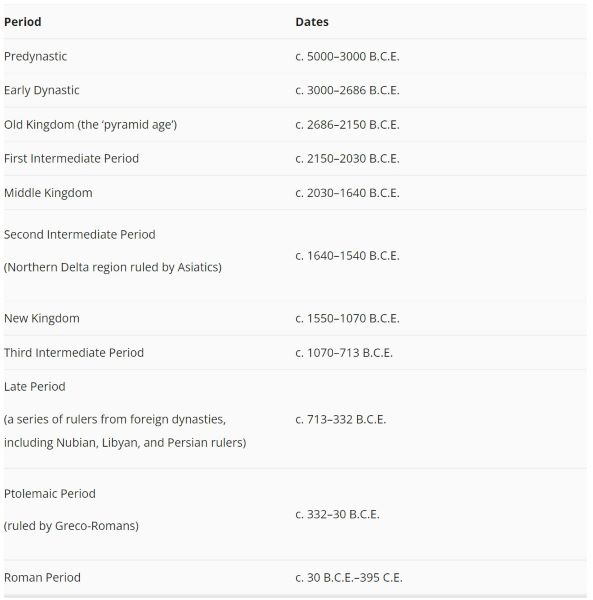
Egypt went through many waves of cultural development. Although its early development of beliefs, social structures, and imagery remained stable and iconic for millennia to come, later periods introduced new ideas that required adjustment. The Egyptians were extremely flexible because of their core stability, based on central beliefs that were set very early in their history. The following time periods, with their major events and unique characteristics, are the chapters in a story that stretches back to 5000 B.C.E.
Originally published by Smarthistory, 02.04.2022, under a Creative Commons Attribution-NonCommercial-ShareAlike 4.0 International license.
About the Author