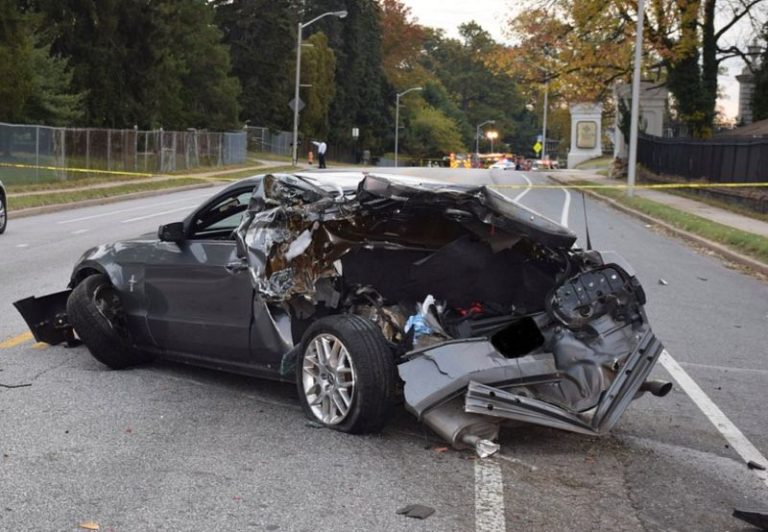
Some situations after a rideshare crash look calm on the outside, but move fast behind the scenes. Messages are exchanged, app notifications appear, and small decisions begin stacking up without warning. A few choices made in those early hours often decide how the rest of the case unfolds. That is where many people unknowingly lose their strongest position.
One of the most common steps people take too lightly is filing a rideshare accident claim. It may look simple inside an app or a quick form online, but each detail carries weight that can affect the entire outcome later. This is where early mistakes start shaping results in ways most people do not expect.
Mistake One: Not Collecting Enough Scene Details
Many people leave the accident spot quickly without gathering basic information. Photos, vehicle positions, and driver details often fade from memory faster than expected. Once that moment passes, rebuilding the same clarity becomes difficult.
Even small missing details can weaken a claim because insurance reviews rely heavily on early evidence.
Mistake Two: Relying Only on App Reports
Rideshare platforms generate their own trip records, but those records do not always tell the full story. People often assume the company’s data will speak for itself, yet important context may be missing. Small but meaningful details like sudden braking, road conditions, passenger movement, or timing differences in app updates are often not fully captured. What appears clear on a screen can leave out what actually happened in real time.
This is where gaps begin to form between what happened and what is officially recorded, and those gaps can quietly shape how the entire incident is later understood.
Mistake Three: Delaying Medical Attention
Some injuries do not show immediate pain. A delayed check-up is one of the most common errors after a crash. Medical records created early often carry more weight than those created later.
When treatment is postponed, it becomes harder to connect injuries directly to the accident, which affects the strength of a claim.
Mistake Four: Speaking Too Freely With Insurance Adjusters
Insurance representatives may sound helpful, but early conversations can shape how the entire claim is viewed. Casual statements sometimes get interpreted in ways people did not intend.
Keeping communication structured matters because every word may be documented and reviewed later.
Mistake Five: Ignoring Small Injuries or Discomfort
Minor pain is often dismissed at first. Many victims focus only on major injuries and overlook stiffness, headaches, or soreness. These symptoms may seem small, but they can slowly develop into more serious conditions over time. What feels manageable in the beginning can change as the body responds days or even weeks later.
When these early signs are not documented properly, it becomes much harder to connect them to the accident during the claim process, which can weaken the overall case and reduce clarity later on.
Mistake Six: Not Understanding Shared Liability in Rideshare Cases
Rideshare accidents are rarely simple one-driver cases. Responsibility can involve the driver, the rideshare company, or even other vehicles or third parties.
When people do not fully understand how fault is shared, they may accept incomplete explanations or early assumptions. This can reduce the strength of their claim and limit the outcome they are able to pursue later.
Mistake Seven: Rushing the Process Without Full Documentation
Many people try to close the matter quickly once initial expenses are covered. However, long-term costs such as ongoing treatment, missed work, or delayed symptoms often appear later.
This is where properly structured filing of a rideshare accident claim becomes important, because incomplete documentation can reduce the ability to account for future needs and losses.
Closing Thoughts
Rideshare accident cases often move through a structured process where early decisions shape everything that follows. Once important details are missed or communicated poorly, rebuilding a complete picture later becomes difficult. That is why careful attention at the start matters so much in how the situation develops over time, especially when filing a rideshare accident claim.
Clear documentation, accurate communication, and proper medical records all work together to support a more complete understanding of the incident. Recognizing how easily small mistakes can happen is often what helps people stay more prepared and avoid weakening their position later in the process.
About the Author