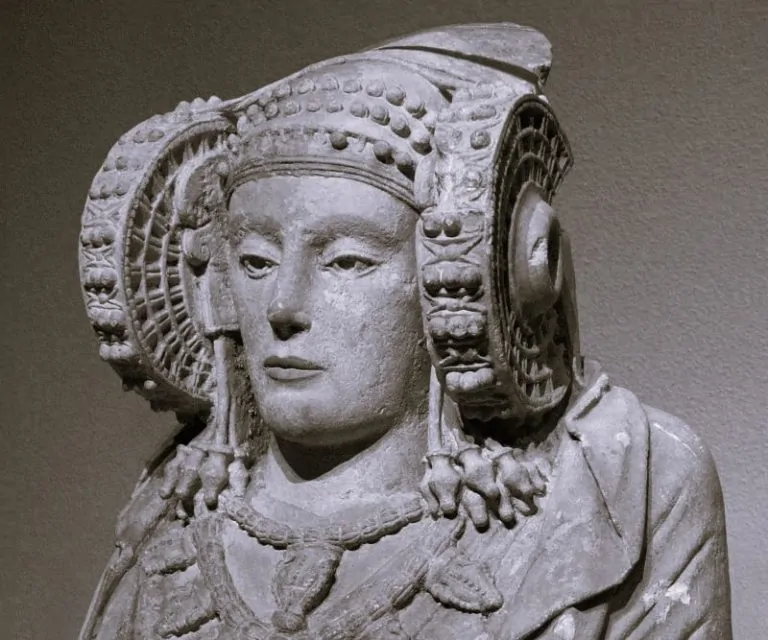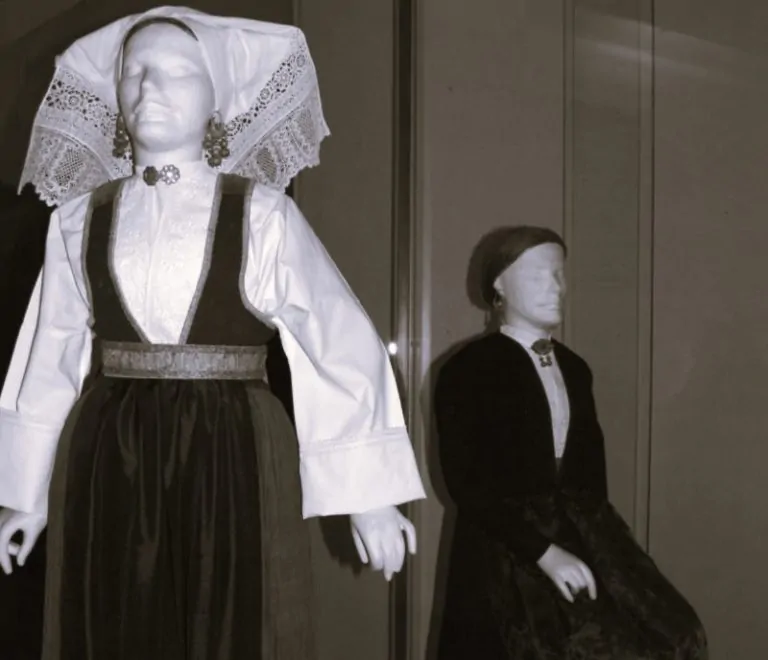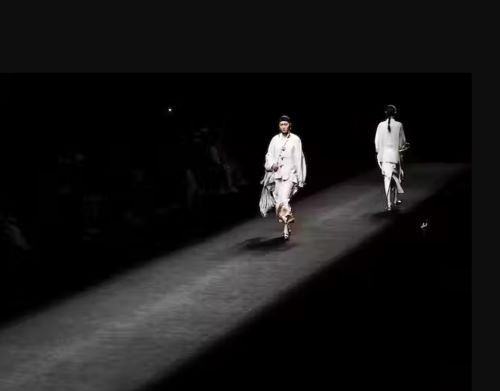
Contemporary beauty culture in China blends traditional Chinese culture with modern aesthetics and global influences.

By Qingyue Sun
Ph.D. Candidate in Communication, Culture and Media
Drexel University
Introduction
Over the course of the last century, Western beauty ideals – thinness, light skin, large breasts, large eyes, a small nose and high cheekbones – have seeped into countries and cultures around the world.
But cracks are starting to emerge in these hegemonic beauty standards.
In my work as a social media scholar, I started to notice significant changes in beauty standards on Chinese social media over the past few years.
China’s economic success has enabled it to emerge as a major player in the global beauty market, and the country’s own beauty industry is starting to redefine the concept of feminine beauty.
From ‘Iron Women’ to Western Civilization
Around the world, the beauty industry has long been, as feminist scholar Meeta Jha writes, a site of “ongoing struggles for economic development and mobility, modernity, social prestige, and power.”
As early as the 1920s, Chinese calendar posters began featuring Westernized women as symbols of “Shanghai modernity.”
However, after the Chinese Communist Party took power in 1949, Mao Zedong rejected Western beauty ideals as “bourgeois vanity.” His regime aimed to eliminate gender differences by promoting a more masculine-looking female image, such as “iron women” who drove tractors and operated welding machines.
But this started to shift in the 1980s after China’s Open Door Policy went into effect.
During this period, the “Meinv Jingji,” or Chinese beauty economy, emerged. Completely subverting the previous communist beauty ideology, it legitimized beauty consumption through capitalist enterprises.
This shift led to an obsession with mimicking Western features, such as whiter skin, higher-bridged noses and double eyelids, which is also known as “Asian blepharoplasty,” a surgical procedure that produces a crease in the eyelid, resulting in a larger, more symmetrical eye shape.
Split Femininity
In recent years, however, a unique beauty culture has emerged on Chinese social media. To me, the different iterations represent the tensions and contradictions of various cultural forces.
One look that’s become immensely popular is what I call “split femininity.” I use the word “split” because this look oscillates between hypersexuality and infantilization.
In split femininity, qualities such as purity and innocence coexist with sultry, erotic imagery. There’s even a Chinese term for this seeming contradiction – “chun yu,” or “purity and desire.” Another related term, “ke tian ke yan,” metaphorically links beauty to tastes, such as sweetness and saltiness.
Together, these terms – and their accompanying looks – imply a flexible femininity that can switch between dominant and submissive, sexy and cute.
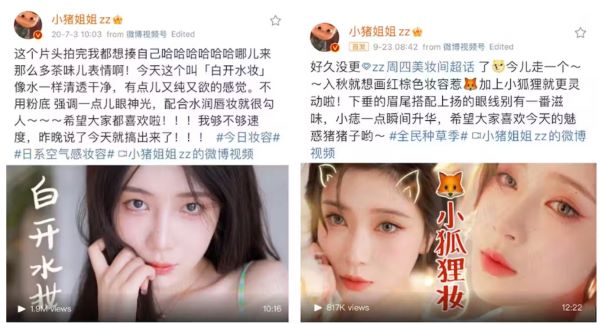
Split femininity is often customized for particular occasions, such as dates. Another popular makeup style under the split femininity umbrella is called “xian nv luo lei,” which translates into “the fairy wept, and the man knelt.” This particular look seeks to capture and celebrate feminine vulnerability. Many of its promoters say it’s the best look for women who are arguing with men.
In essence, split femininity fuses a form of passive femininity that’s redolent of China’s traditional patriarchal values with the commodification of female sexuality.
Globalized Femininity
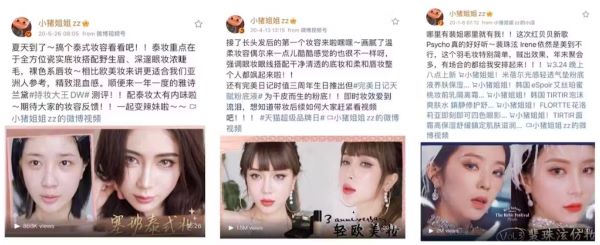
Another beauty trend, “globalized femininity,” centers on transnational, cross-cultural beauty themes.
Chinese beauty influencers pull from the looks of international celebrities, historical periods and popular media coverage to craft diverse forms of femininity that span cultural boundaries.
For example, Thai beauty norms often showcase bold eyebrows and warm skin tones, whereas Western beauty ideals generally emphasize a sexualized, provocative look with dramatic facial contours. Chinese beauty bloggers will combine these various influences to craft new models of femininity.
Korean culture has also influenced many beauty trends that are currently in vogue, with K-pop female idols serving as a significant source of inspiration. Jennie Kim, a member of the K-pop group Blackpink, has become known for her edgy streetwear, coupled with a soft and feminine facial appearance. Her unique style has inspired the emergence of the “baby fierce” look.
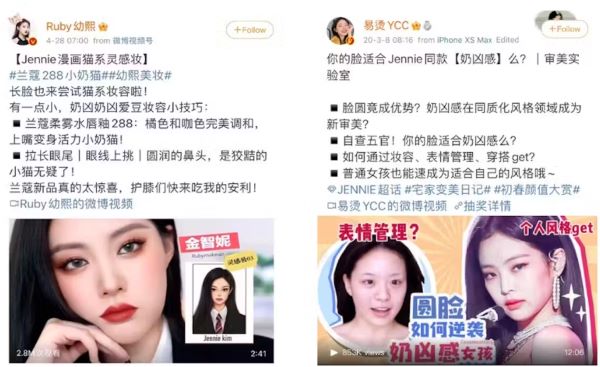
The rise of globalized femininity might appear to indicate a shift away from Western-centric beauty ideals. But it is important to recognize that many of these global sources of inspiration have already been Westernized or are a product of Western beauty assimilation.
In China, the trend of globalized femininity can simply be seen as a re-imagination of established Westernized beauty standards adapted to a Chinese context.
Nationalist Femininity
Nationalist femininity, referred to as “China beauty,” has also become increasingly popular on Chinese social media.
This form of femininity appeals to national pride by integrating Chinese aesthetics and modernity through inspiration from traditional Chinese culture, tropes and imagery. Classic Chinese myths such as “A Hundred Birds Paying Homage to The Phoenix” and Chinese literature like the novel “Journey to the West” inspire extravagant looks imbued with symbolism.
One illustration of the fusion of traditional and modern beauty practices is the adoption of the Peking Opera’s makeup techniques, which are characterized by ceramic white skin, red lips and finely arched eyebrows.
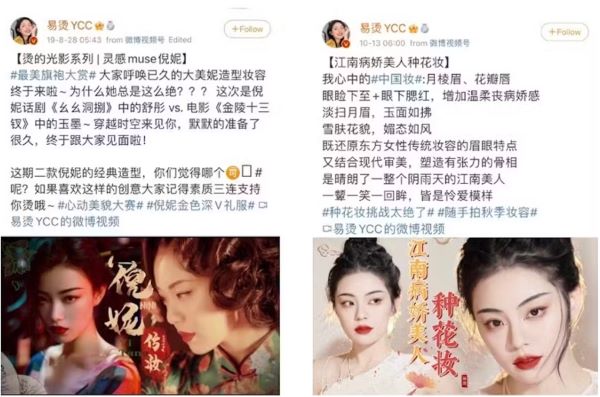
Nationalist beauty trends have become a means for China’s homegrown brands to expand their market share and reverse the negative connotations of “Made in China.”
While Western capitalism and consumerism have long driven the global beauty industry, the evolution of Chinese beauty culture is not simply a history of assimilation or suppression.
Instead, it is a complex process that involves compromise, integration and resistance against the dominance of Western beauty ideals. The emergence of nationalist femininity, the popularity of split femininity and the trend of globalized femininity are all manifestations of this dynamic nature.
As contemporary Chinese beauty culture encompasses a blending of traditional Chinese culture, modern aesthetics and global influences, it promises to create a unique identity that is distinctively Chinese.
Originally published by The Conversation, 04.10.2023, under the terms of a Creative Commons Attribution/No derivatives license.
About the Author