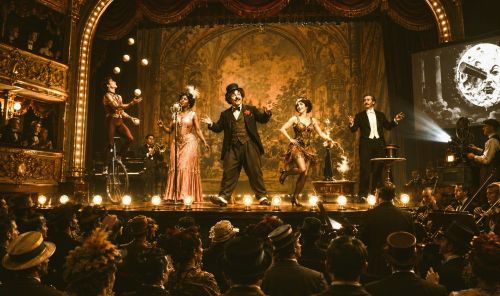
American vaudeville transformed comedy, celebrity, censorship, touring, film, and radio into the foundations of modern mass entertainment.

By Matthew A. McIntosh
Public Historian
Brewminate
Introduction: The Variety Stage That Organized Modern Entertainment
American vaudeville was never merely a procession of singers, dancers, comedians, jugglers, magicians, animal acts, acrobats, impersonators, ventriloquists, athletes, and novelty performers. It was a system for organizing attention. From the 1880s through the early 1930s, vaudeville transformed older traditions of variety performance into a disciplined, repeatable, nationally distributed form of commercial entertainment. Its programs were built from unrelated acts, usually moving briskly from one attraction to the next, yet that apparent miscellany concealed a highly organized theatrical economy. Managers arranged audiences, performers, theaters, touring circuits, publicity, moral standards, and stage time into a structure that could move across cities and regions with remarkable efficiency. What looked spontaneous from the seats was often the product of tight scheduling, managerial surveillance, and a new understanding of entertainment as a mass-market business.
The importance of vaudeville lies partly in its inheritance. It drew from minstrel shows, burlesque, circus, dime museums, concert saloons, music halls, ethnic comedy, physical farce, popular song, magic, and street performance, but it did not simply preserve those forms. It refashioned them for a broader public that included women, children, immigrants, clerks, workers, and middle-class families, giving audiences a theatrical environment that felt lively without seeming socially dangerous. Vaudeville’s great innovation was not variety itself, but respectably packaged variety. The same culture that had once made popular entertainment appear morally suspect, masculine, bawdy, alcohol-adjacent, or disorderly was gradually recast as “clean” amusement fit for afternoon matinees and family attendance. That transformation was neither innocent nor merely aesthetic. It required censorship, policing, exclusion, racial caricature, gender discipline, and managerial control. Minstrel-derived humor did not disappear simply because theaters became more respectable; ethnic and racial stereotypes often survived under the new polish, now framed as harmless comedy for mixed audiences. Female performers gained new visibility, but they also worked within a system that judged their bodies, voices, clothing, gestures, and reputations with particular intensity. Immigrant performers could use dialect, song, and comic persona to enter the entertainment marketplace, but the price of admission often involved converting real cultural difference into instantly legible stage types. Vaudeville widened access to public entertainment, but it also taught performers and audiences what kinds of bodies, jokes, songs, accents, and gestures could safely circulate in a commercial theater.
Chronologically, vaudeville belongs to the age of railroads, urbanization, immigration, corporate consolidation, and mass spectatorship. Its rise coincided with the expansion of national transportation networks and the growth of cities whose residents wanted amusement that was cheap, regular, recognizable, and socially legible. Entrepreneurs such as Tony Pastor, Benjamin Franklin Keith, and Edward Franklin Albee did not invent popular performance, but they helped standardize it. By developing theaters, circuits, booking offices, and rules of conduct, they converted scattered acts into a national entertainment machine. This machine created opportunities for performers who might otherwise have remained local curiosities, but it also subjected them to brutal travel, uncertain pay, sudden cancellation, censorship notices, blacklisting, and constant competition. Vaudeville’s history is not only the story of jokes and applause. It is also the story of labor, discipline, mobility, ambition, fatigue, and the commercial manufacture of charm.
The irony is that vaudeville disappeared as a dominant live form by becoming foundational to nearly everything that followed. Film first entered variety programs as a novelty attraction before absorbing vaudeville’s performers, rhythms, comic grammar, star personas, and short-form structure. Radio borrowed its timing and variety format. Television later revived its sequence of sketches, songs, monologues, guest stars, and specialty turns. Modern stand-up comedy, sketch comedy, talent competitions, celebrity branding, sports-entertainment crossover, and family-friendly corporate entertainment all carry traces of the vaudeville stage. To study vaudeville, then, is not to wander into a quaint theatrical attic. It is to examine one of the central laboratories of American modernity, where entertainment became mobile, managed, censored, branded, repeatable, and profitable.
Before Respectability: Variety, Saloons, Minstrelsy, and the Problem Vaudeville Claimed to Solve
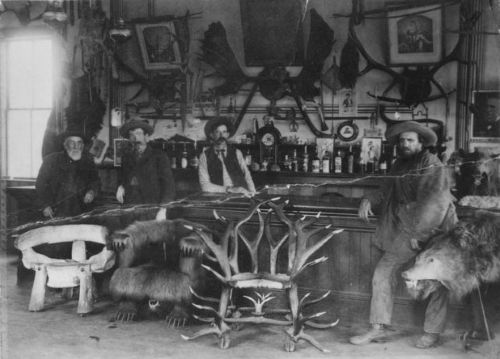
Before vaudeville became a respectable national entertainment system, American popular performance belonged to a rougher and more unstable theatrical world. Mid-nineteenth-century audiences encountered variety entertainment in concert saloons, minstrel halls, dime museums, circuses, lecture rooms, music halls, and neighborhood theaters where the boundaries between amusement, drinking, sexual display, racial caricature, and public disorder were often deliberately blurred. These venues did not represent one coherent genre so much as a crowded marketplace of sensation. A single evening might include comic songs, blackface sketches, acrobatics, sentimental ballads, dancers, animal acts, comic lectures, magicians, burlesque turns, and topical jokes that depended on local politics or ethnic mockery. Vaudeville later claimed to have cleaned up this world, but it first had to inherit it.
The concert saloon was one of the most important ancestors of vaudeville because it joined performance to alcohol, sociability, flirtation, and masculine leisure. In many cities, especially before the Civil War and in the decades immediately after it, the saloon stage offered short acts to patrons who were drinking, talking, smoking, heckling, and moving in and out of the room rather than sitting in disciplined silence. The atmosphere encouraged interruption and improvisation because the audience was not yet trained into the later habits of quiet theatrical consumption. Performers learned to seize attention quickly because attention was not guaranteed. Songs had to be direct, jokes had to land fast, and physical comedy had to carry across noisy rooms where conversation, glasses, laughter, and movement competed with the stage. This mattered enormously for the later development of vaudeville. The vaudeville act, with its compressed structure, immediate hook, polished opening, and fast exit, preserved something of the saloon performer’s battle for command. Later managers would try to remove liquor, stabilize the audience, brighten the theater, advertise respectability, and present the stage as morally safe, but they kept the saloon’s demand for speed. Even as vaudeville distanced itself from the saloon’s reputation, it retained the practical lesson that a performer had only moments to win the room. The brisk pacing of vaudeville was not born in quiet refinement. It came partly from environments where performers had to fight the room.
Minstrelsy supplied another major foundation, and it gave vaudeville one of its deepest moral contradictions. Blackface minstrelsy was among the most popular theatrical forms in the nineteenth-century United States, and its influence moved directly into later variety programs through comic songs, dialect routines, plantation nostalgia, grotesque racial caricature, and the segmented “olio” structure that allowed unrelated specialty acts to appear within the same evening. Vaudeville would later advertise itself as cleaner and more family-friendly than earlier amusement forms, but it did not cleanse American entertainment of racist performance. It often repackaged that racism for mixed audiences. Black performers could sometimes use vaudeville to reach national visibility, but they did so inside a theatrical world shaped by blackface convention, segregated booking practices, white expectations, and the pressure to make Blackness legible through inherited stereotypes. The modernity of vaudeville rested partly on an old racial grammar.
Burlesque posed a different but related problem for reform-minded managers. It unsettled middle-class critics because it mocked high culture, inverted gender expectations, and foregrounded female display in ways that seemed to challenge respectable femininity. When Lydia Thompson and the British Blondes helped popularize modern burlesque in the United States after 1868, they brought with them a theatrical style that mixed parody, spectacle, topicality, and the provocative visibility of women’s bodies. Burlesque exposed the fragility of cultural hierarchy by making elite forms look ridiculous and by allowing women to occupy the stage with a confidence that critics often described as dangerous. Vaudeville’s later respectability campaign absorbed some of burlesque’s energy, comic inversion, and theatrical brightness, but it also worked to contain the sexual and gendered threat that burlesque represented. The family vaudeville house wanted novelty without scandal, women performers without too much autonomy, and laughter without open disorder.
Dime museums and circus traditions added still another layer to the world from which vaudeville emerged. They taught audiences to value novelty, oddity, bodily skill, danger, and spectacle. Magicians, strongmen, contortionists, animal trainers, trapeze artists, ventriloquists, jugglers, “freak” exhibitions, mechanical wonders, trained birds, dancing dogs, and demonstrations of scientific marvel all circulated through nineteenth-century amusement culture before many of those acts found a place on vaudeville bills. This inheritance matters because vaudeville was never only a comic form. It was an encyclopedia of popular wonder, compressing older exhibition cultures into a timed program that could shift from sentiment to danger, from music to animal tricks, from ethnic jokes to technological novelty. The variety bill could make the stage feel like a condensed fairground, museum, circus ring, lecture platform, and comic theater all at once. Its audiences did not come merely to laugh. They came to see what could be done with the body, the voice, machinery, trained animals, illusion, and timing. That hunger for novelty helps explain why vaudeville could later absorb motion pictures so easily. Film first appeared less as a rival than as one more wonder, one more attraction, one more proof that modern entertainment could keep manufacturing surprise.
The problem for later vaudeville entrepreneurs was that these inherited forms carried both commercial power and social stigma. Popular entertainment made money, but it also smelled, to reformers and middle-class patrons, of saloons, prostitution, drunkenness, vulgarity, racial degradation, working-class rowdiness, and male disorder. The challenge was not to invent an entirely new entertainment form, but to change the meaning of attendance. A man entering a concert saloon might be read as participating in a morally suspect urban nightlife. A family entering a vaudeville theater could be read as purchasing harmless amusement. That shift required architecture, advertising, rules, ticket prices, scheduling, censorship, and the careful cultivation of female respectability. The stage changed, but so did the social meaning of the audience.
Pastor’s importance lies in this transition. His reputation as a founder of American vaudeville rests less on inventing variety than on reframing it as legitimate amusement for women and children as well as men. At Tony Pastor’s Opera House and through his touring companies, he helped demonstrate that variety entertainment could be profitable if it was separated from the most obvious signs of saloon culture and presented as decent, patriotic, mixed-gender entertainment. This required more than a change in advertising. It meant disciplining the bill, softening or removing material that threatened respectability, cultivating an atmosphere in which women could attend without the stigma attached to saloon entertainment, and proving that commercial popular culture could be domesticated without losing its energy. Pastor’s model did not erase the rougher traditions behind variety, nor did it make the content pure. It made the package commercially safer. That distinction is crucial. The old materials remained visible in song, comedy, ethnic impersonation, sentimental display, and topical humor, but they were framed by a new promise of order. Pastor’s model suggested that the future of variety lay not in abandoning popular taste, but in disciplining it just enough to attract a broader paying public. Respectability, in other words, was not the opposite of commercialism. It was one of commercialism’s most effective tools.
The prehistory of vaudeville reveals the central tension that would shape the genre from the 1880s through the 1930s. Vaudeville claimed to solve the problem of disorderly amusement by creating a cleaner, faster, more organized, more respectable theatrical experience. Yet the entertainment it offered remained indebted to the very worlds it claimed to supersede: saloon informality, minstrel structure, burlesque irreverence, circus spectacle, dime museum curiosity, ethnic caricature, and working-class appetite. Its genius was not purity. Its genius was conversion. Vaudeville took forms associated with unruly urban pleasure and remade them as modern mass entertainment, polished enough for families, flexible enough for touring circuits, and lively enough to preserve the energy of the rougher culture from which it came.
1880s–1890s: Tony Pastor, Keith-Albee, and the Invention of “Clean” Mass Entertainment
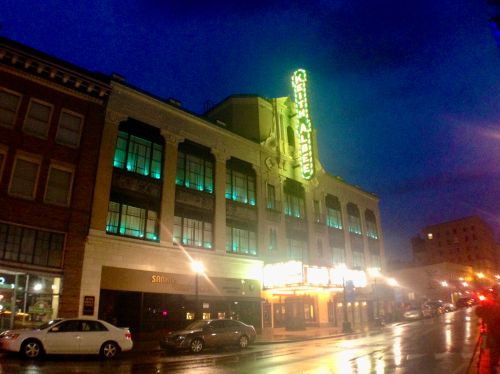
By the 1880s and 1890s, the crucial transformation was no longer simply the existence of variety entertainment, but the deliberate rebranding of variety as respectable mass culture. Pastor had already shown that popular performance could attract broader audiences if it was separated from the obvious taint of the concert saloon, stripped of some of its rougher associations, and advertised as suitable for women and families. His model did not eliminate the older energies of variety. It redirected them. Comic songs, ethnic sketches, topical humor, sentimental numbers, and specialty acts remained central, but the promise surrounding them changed. The theater could now present itself not as a morally questionable nightspot, but as a place where modern urban amusement had been cleaned, organized, and made socially acceptable.
This change mattered because respectability was not simply a moral achievement. It was a business strategy. Managers understood that the audience for popular entertainment could be dramatically enlarged if theatergoing no longer seemed to belong only to men, drinkers, gamblers, prostitutes, rowdies, or working-class night crowds. The presence of women and children became part of the commercial logic of vaudeville because their attendance publicly marked the theater as safer, cleaner, and more socially legitimate. If a theater could claim to be safe for families, it could sell more tickets, schedule more performances, attract middle-class patrons, and defend itself against reformers who associated popular amusement with vice. Respectability functioned as a kind of theatrical currency. It allowed managers to turn morality into market expansion, making “clean” entertainment a profitable category rather than merely a reformist slogan. The language of decency also softened the class anxieties surrounding urban amusement. A clerk, shopgirl, factory worker, immigrant parent, or middle-class couple could enter a vaudeville house without feeling that attendance itself marked them as disreputable. That shift was central to vaudeville’s growth. It did not require audiences to abandon popular pleasure. It reassured them that popular pleasure could now be purchased in a setting that looked orderly, supervised, and respectable. In that sense, vaudeville helped teach Americans that mass entertainment could be commercial, democratic, and morally presentable all at once.
Benjamin Franklin Keith and Edward Franklin Albee pushed this transformation further by making cleanliness, order, and standardization central to the business structure of vaudeville. Keith’s theaters, especially in Boston, became associated with the doctrine of “polite” entertainment, a phrase that carried both moral and commercial meaning. The shows were meant to be lively but not obscene, diverse but not disorderly, amusing but not socially threatening. Performers were expected to obey rules about language, costume, gestures, timing, and audience address. The stage became a place where spontaneity was carefully managed. What the audience saw as effortless amusement depended on a backstage world of surveillance, correction, and discipline.
The Keith-Albee model also changed the physical and social atmosphere of variety theater. Respectable vaudeville houses were designed to feel safer, brighter, cleaner, and more orderly than the older saloon environment. Their architecture and advertising invited audiences to imagine themselves as participants in legitimate public culture rather than illicit nightlife. This did not mean that vaudeville became elite culture. On the contrary, its power came from remaining accessible, popular, and fast-moving. But it borrowed some of the signs of middle-class propriety: controlled seating, regular schedules, careful publicity, posted standards, and managerial oversight. The theater itself became part of the performance. Before the curtain rose, the building announced that popular pleasure had been domesticated.
Yet the invention of “clean” mass entertainment depended on exclusion as much as inclusion. Material judged sexually suggestive, politically dangerous, religiously offensive, or locally improper could be revised or removed, not because it failed to amuse, but because it threatened the commercial identity managers were trying to protect. Performers who had developed their skills in rougher venues now had to adapt to the expectations of circuit managers and mixed audiences. Female performers were welcomed as essential attractions, but they were also watched closely because women’s bodies were central to both the appeal and anxiety of public theater. A woman could be marketed as charming, sentimental, comic, athletic, glamorous, or eccentric, but the line between novelty and scandal remained thin and heavily policed. Ethnic comedians could succeed by turning immigrant speech, dress, and behavior into comic types, but success often required self-caricature, simplifying complex communities into instantly recognizable stage shorthand. Black performers faced even sharper constraints, entering a stage world still shaped by minstrelsy, segregation, and white control over booking and representation. The new respectability did not erase older hierarchies. It often made them more commercially efficient by presenting stereotype, discipline, and exclusion as harmless family amusement. Vaudeville widened the market, but it did not make the market equal.
The emerging circuit system gave this respectability national reach. A successful act no longer depended only on one city or one manager. It could be booked across a chain of theaters, moving from town to town as part of a broader entertainment network. This created new opportunities for performers who could master the compact, repeatable vaudeville act: a song, a dance, a comic routine, a magic turn, an acrobatic display, or a novelty performance refined until it could survive different houses and audiences. But the same system also strengthened managerial power. Booking offices could elevate, discipline, delay, or destroy careers. The performer became mobile, but also vulnerable. A national circuit promised exposure, yet it demanded obedience to the commercial rules that made such exposure possible.
By the end of the 1890s, vaudeville had begun to look less like a loose descendant of variety and more like a modern entertainment industry. Pastor’s earlier respectability campaign had helped demonstrate the commercial value of family audiences, while Keith and Albee developed the managerial machinery that could reproduce that model across theaters and cities. The result was not purity, despite the rhetoric of cleanliness. It was controlled mixture: popular culture disciplined enough for middle-class consumption, varied enough to satisfy urban appetite, and standardized enough to become a national business. Vaudeville’s “clean” entertainment was one of its most surprising historical contributions. It did not merely sanitize the stage. It helped invent the modern idea that mass entertainment could be naughty in memory, harmless in presentation, profitable in operation, and respectable enough to sell to everyone.
The Blue Envelope: Backstage Censorship and the Commercial Policing of Morality
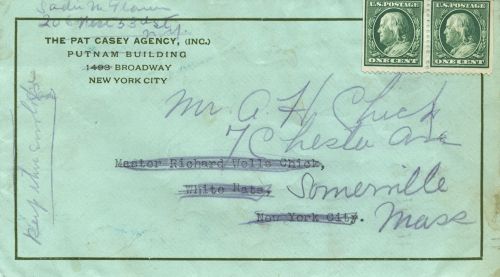
The “blue envelope” was one of the clearest signs that vaudeville’s respectability was not simply an atmosphere, but a system of enforcement. In the polished public image of the Keith-Albee world, audiences encountered bright theaters, mixed programs, family attendance, and a promise of amusement without open indecency. Behind that image stood a backstage machinery that watched performers closely and corrected them when their jokes, gestures, songs, costumes, or double meanings threatened the theater’s commercial identity. A performer who crossed the line could find a warning waiting in the theater mailbox, often in a blue envelope, identifying material judged too suggestive, offensive, or dangerous for the house. The envelope was small, but its meaning was large. It turned morality into paperwork.
The logic behind this censorship was practical as much as moral. Vaudeville managers did not merely object to sexual humor because it violated private standards of decency. They feared that “dirty” or controversial material could damage the family audience they had worked so carefully to cultivate. A risqué joke that amused one crowd might offend another, especially when acts moved across cities, regions, and local moral climates. The same routine that survived in a rougher urban house might provoke complaints in a more conservative town, while a line tolerated at a late performance might seem unacceptable at a matinee filled with women, children, and middle-class patrons. This made censorship a tool of standardization, not simply suppression. Managers needed acts that could travel, repeat, and fit into a recognizable brand of respectable amusement, and material that produced uncertainty threatened that brand. The blue envelope gave management a way to regulate this problem quickly. It allowed national entertainment to remain flexible without giving performers full control over their own material. It also shifted authority away from the performer’s instinct and toward the theater office, where laughter could be judged after the fact by its commercial risk. In that sense, censorship was not the opposite of commercial modernity. It was one of the tools that made commercial modernity portable.
The blue envelope also reveals how vaudeville transformed performance into a managed commodity. Earlier variety performers had often learned to read rooms directly, adjusting to noise, heckling, drunkenness, flirtation, applause, or hostility in the moment. Vaudeville did not eliminate that performer’s skill, but it subordinated it to the larger authority of the circuit. The successful act had to please the audience and satisfy the manager. These were not always the same thing. A performer might get laughs from a line that management still considered too “blue” for the theater’s advertised respectability. The system disciplined not only failure, but also success when success arrived by the wrong means. Laughter itself had to be made safe.
This system of backstage correction had particular consequences for women performers. Vaudeville depended on female presence, both onstage and in the audience, because women helped mark the theater as respectable. Yet women performers were also among the most closely scrutinized because their bodies were central to the anxieties surrounding public amusement. A song, costume, dance step, pose, or comic persona could be interpreted as charming, vulgar, athletic, flirtatious, or obscene depending on context and managerial judgment. The boundary was unstable, and performers learned to work along its edge. Stars such as Eva Tanguay and other “personality” performers could profit from boldness, eccentricity, and suggestive energy, but their freedom remained conditional. Vaudeville sold controlled excitement. The blue envelope existed to make sure the excitement did not appear uncontrolled.
The phrase “blue” itself became part of the cultural afterlife of this policing. Later associations of “blue” humor with risqué, adult, or off-color material have often been linked to the vaudeville warning envelope, though the history of slang rarely offers the clean certainty that popular origin stories prefer. What matters historically is less whether one envelope created an entire phrase than what the phrase came to represent: the recognition that commercial entertainment required a boundary between acceptable naughtiness and unacceptable obscenity. Vaudeville thrived on that boundary. It needed audiences to sense that performers might approach the forbidden, but it also needed managers to promise that the forbidden would not fully arrive. The theater sold the thrill of danger while keeping danger under administrative control.
The blue envelope belongs at the center of vaudeville history, not at the edge as colorful backstage trivia. It shows how the genre helped invent a modern form of mass entertainment that was popular, profitable, and morally supervised at once. The same system that opened theaters to families also narrowed what performers could say. The same managerial discipline that made national touring possible also reduced artistic autonomy. The same promise of “clean” amusement that distinguished vaudeville from saloon culture also preserved older hierarchies by deciding whose jokes, bodies, accents, and desires could be safely displayed. Vaudeville’s censorship was not merely repression. It was commercial design. The blue envelope was the shadow side of the family theater: a quiet reminder that modern entertainment did not become respectable by accident, but by being watched, edited, and sold as safe.
1890s–1910s: The Circuit System, the One-Night Stand, and the “Death Trail”
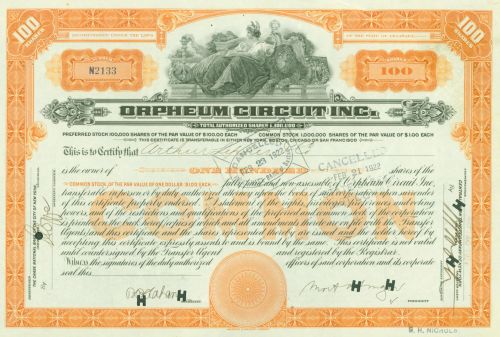
By the 1890s, vaudeville was no longer simply a theatrical style or a promise of respectable amusement. It was becoming a transportation system, a booking system, and a geography of labor. The rise of circuits allowed managers to move acts from theater to theater in organized sequence, linking cities, regions, and local playhouses into a commercial network. A performer who pleased managers and audiences could be routed through multiple houses without having to negotiate every engagement independently. This gave vaudeville much of its national reach. It also changed the meaning of performance itself. The successful act had to be portable, repeatable, compact, and adaptable enough to survive different theaters, local expectations, travel delays, poor accommodations, and uneven audiences. Vaudeville’s modernity rested on movement.
The distinction between “big-time” and “small-time” vaudeville shaped nearly every performer’s life. Big-time houses offered better pay, more prestigious audiences, stronger orchestras, cleaner dressing rooms, and the possibility of advancement. Small-time routes, by contrast, often meant short engagements, thin wages, inferior facilities, uncertain musicians, and towns where the theater was barely a theater at all. The same performer might dream of the Palace in New York or a major Keith-Albee or Orpheum booking while surviving a chain of small towns, rough stages, late trains, and one-night appearances. This hierarchy created aspiration and humiliation in equal measure. Vaudeville presented itself to audiences as variety, but to performers it often felt like ranking: where one played, how long one stayed, where one appeared on the bill, and whether one was moving up or merely moving.
The one-night stand became the most grueling expression of this system. A performer might arrive in a town after an exhausting train trip, rehearse quickly with local musicians, play one or more shows, sleep briefly, and leave for the next town before the body had caught up with the schedule. The act had to work immediately because there was no time to build a relationship with the audience. Props had to be packed, unpacked, repaired, and repacked. Costumes had to survive travel as well as performance. Comedy depended on timing, but travel destroyed the conditions that made timing easy: rest, familiarity, confidence, and rehearsal. The glamorous fiction of show business hid a repetitive physical routine of trunks, stations, boardinghouses, cold dressing rooms, bad food, missed connections, and professional cheerfulness.
Performers remembered the “Death Trail,” a phrase associated with small-time one-nighters in remote or punishing territories, especially the western routes. The phrase should not be treated as a precise official circuit name so much as an occupational memory, a performer’s name for the brutal edge of the system. Accounts of small-time vaudeville describe stops in places where the “theater” might be a converted store, benches might replace proper seats, and the local band might be assembled from whoever in town could be pulled away from work long enough to play. The phrase captured more than distance. It suggested bad roads between depots, thin audiences, indifferent managers, freezing or overheated halls, inadequate stagehands, and the constant fear that an act would spend more money getting to the engagement than it could earn from the booking. The performer’s professional identity was tested against the raw limits of infrastructure. A comic still had to be funny when the pianist could not follow the routine. A singer still had to project when the acoustics swallowed the voice. An acrobat still had to trust the stage floor. The humor of such stories is inseparable from their misery. The performer was expected to deliver polish in places where the conditions for polish barely existed. Vaudeville’s national reach did not mean uniform elegance. It meant that professional entertainment could be pushed into spaces that were only temporarily theatrical.
Western circuits reveal how deeply vaudeville depended on railroads and regional hubs. Major cities such as San Francisco, Seattle, Denver, and Butte helped anchor western entertainment traffic, while smaller towns caught acts moving through on the way to larger destinations. A theater in a place like Montana might receive performers for a single night because the train route made that stop possible, not because the local market could sustain long engagements. This pattern gave remote audiences access to national entertainment, but it also intensified the performer’s exhaustion. Each stop demanded the illusion of freshness. The audience did not care that the act had been performed hundreds of times, hauled across states, and repaired after rough travel. It wanted the same sparkle promised by the poster. The circuit system distributed not only entertainment, but also discipline. It required performers to manufacture novelty through repetition.
The circuit system also concentrated power in the hands of managers, bookers, and theater chains. A performer’s livelihood depended on being routed, and being routed depended on reputation, compliance, connections, reviews, and the judgments of men who controlled access to desirable houses. Booking offices could transform a local act into a national attraction, but they could also leave performers stranded in undesirable territory or deny them advancement. The expansion of circuits such as Keith-Albee and Orpheum made vaudeville more efficient but also more coercive. Centralization reduced chaos for managers and audiences, but it made performers increasingly dependent on systems they did not control. A missed train, a poor review, a quarrel with a manager, a joke judged too blue, or a rumor of unreliability could follow a performer through the network with punishing speed. The same interconnection that allowed a good act to circulate widely allowed bad news, managerial displeasure, and informal blacklisting to circulate as well. For performers, the circuit was both ladder and cage. It created the possibility of national recognition while narrowing the terms on which that recognition could be obtained. The promise of mobility came with the threat of invisibility: to be left off the route was to disappear from the marketplace.
The one-night stand and the “Death Trail” expose a truth hidden beneath vaudeville’s bright surface. This was not only an art of timing, song, laughter, novelty, and charm. It was an art shaped by rail schedules, baggage handlers, hotel rooms, local orchestras, theater managers, booking offices, and the endurance of performers whose bodies absorbed the cost of national entertainment. Vaudeville helped make American show business modern because it solved a logistical problem: how to move live performance across a vast country and make it feel immediate wherever it landed. But that achievement came at a human cost. Behind the laughter was a road system. Behind the road system was labor. Behind the labor was the strange discipline of making exhaustion look effortless.
Vaudeville Labor: Booking Offices, Blacklists, Unions, and the Performer as Worker
Vaudeville liked to present the performer as a creature of charm, eccentricity, talent, and personal magic, but behind the stage personality stood a worker negotiating one of the most centralized entertainment economies in the United States. The singer, comic, dancer, magician, juggler, acrobat, animal trainer, or monologist did not simply step into applause by force of talent alone. Access to audiences depended on managers, bookers, theater owners, circuit offices, and reputation networks that could make or break a career. The same system that allowed an act to move from a local stage to a national route also placed performers inside a hierarchy of control. Vaudeville modernized show business by making performance mobile and repeatable, but it also made performers dependent on institutions that treated personality as inventory.
Booking offices were the heart of this labor regime. They decided where performers appeared, how often they worked, what kind of houses they played, and whether they remained trapped in small-time territory or advanced toward more prestigious engagements. The United Booking Office and related managerial structures gave powerful circuits the ability to organize talent on a national scale, but that organization favored management far more than the individual act. A performer who seemed independent onstage might be economically fragile offstage, waiting for telegrams, contracts, routing decisions, and the approval of men who controlled access to the most desirable theaters. The office could make talent visible by placing it on better bills, but it could also bury talent in poor routes, weak time slots, or houses where the audience was wrong for the act. The structure turned artistic opportunity into administrative permission. It also encouraged performers to think strategically about compliance, relationships, and reputation, because success depended not only on applause but on remaining acceptable to the men who translated applause into future bookings. In theory, the circuit promised opportunity. It often made opportunity conditional on obedience.
This mattered because vaudeville labor was irregular, exposed, and physically demanding. Performers bore many of the risks that the audience never saw: transportation costs, costume maintenance, prop damage, illness, missed trains, bad hotels, unfamiliar orchestras, and the constant need to keep an act fresh while repeating it almost mechanically. A week without bookings could threaten survival. A poor placement on the bill could damage an act’s reception. A hostile manager could make work scarce. Performers sold delight, but they lived with uncertainty. The cheerful public face of vaudeville depended on private discipline, financial anxiety, and the emotional labor of appearing relaxed under conditions that were anything but secure.
Blacklisting made managerial power especially dangerous. In a decentralized theatrical world, a performer who offended one manager might find work elsewhere. In a circuit system, displeasure could travel. A quarrel over pay, a refusal to change material, a reputation for unreliability, a union affiliation, or a conflict with a powerful office could follow an act across the network. This did not require a single formal blacklist to be effective. The informal circulation of warnings, suspicions, and managerial preferences could operate as punishment. The performer’s dependence on routing made reputation a form of discipline. Even silence could be punitive: a letter unanswered, a booking delayed, a route withdrawn, or an act suddenly passed over could signal that a performer had fallen out of favor. Because the system was built on access rather than ownership, punishment often appeared as absence rather than open confrontation. The performer might not be publicly fired; they might simply stop being called. This made resistance risky, especially for acts without savings, powerful allies, or established star status. To be denied access to the better houses was not simply to lose prestige. It was to lose income, visibility, and the possibility of advancement.
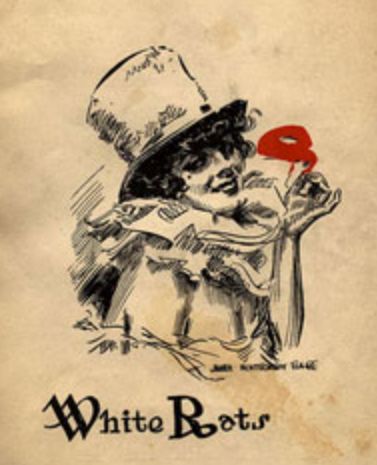
The White Rats emerged from this world as one of the most important attempts to organize vaudeville performers as workers. Founded around 1900 and led by figures such as George Fuller Golden, the group sought to resist managerial domination, especially the monopolistic power of booking offices and theater circuits. Its very existence challenged the romantic idea that performers were individual artists floating freely through show business. They were laborers in an industry, and they understood that collective pressure might be necessary if they were to bargain with managers who controlled routes, salaries, and access to audiences. Yet the White Rats also reflected the exclusions of its own age. It was an all-male and racially exclusive organization, which meant that its challenge to managerial power did not amount to a democratic labor movement for all performers. Its struggle exposed both the urgency of entertainment labor politics and the limits of solidarity within a racially and gendered theatrical marketplace.
The conflict between performers and managers reached beyond wages. It concerned dignity, artistic control, scheduling, treatment, and the right to resist arbitrary authority. Managers viewed centralized booking as efficiency; performers often experienced it as dependence. Managers defended rules as necessary to protect audiences and profits; performers saw many of those same rules as mechanisms for silencing, underpaying, or disciplining them. The struggle over vaudeville labor was also a struggle over what kind of work performance was. Was the performer an artist whose personality deserved autonomy, or a contracted supplier of amusement whose body, words, and time could be managed like any other commercial resource? Vaudeville never resolved that question. It simply made it visible.
The labor history of vaudeville complicates any nostalgic picture of the form as a lost world of innocent entertainment. Its bright surface was built on contracts, routing, surveillance, exclusion, ambition, and fear. The performer who stepped into the spotlight carried not only jokes, songs, gestures, and timing, but also the burden of a system that could reward brilliance while punishing resistance. The comic’s pause, the singer’s smile, the magician’s flourish, and the dancer’s energy all belonged to an economy that demanded visible ease from people who often worked under invisible strain. That contradiction became one of vaudeville’s most important legacies. Later film studios, radio networks, television variety programs, and talent agencies would inherit the same tension between star personality and institutional control. Vaudeville helped create modern show business not only by developing comic forms, celebrity styles, and touring networks, but by clarifying the unequal relationship between talent and the institutions that sell it. The vaudevillian was not merely a personality. The vaudevillian was a worker in greasepaint, and the laughter of the audience often depended on labor conditions the audience was never meant to see.
Slang, Superstition, and Stage Language: What Vaudeville Did and Did Not Give Us
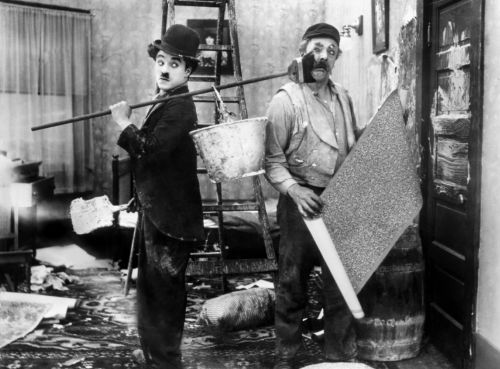
Vaudeville has often been treated as a birthplace of American theatrical slang, but the better historical claim is more precise: vaudeville collected, intensified, circulated, and popularized stage language that came from many older performance worlds. Its performers inherited words, gestures, superstitions, props, and occupational jokes from minstrelsy, circus, burlesque, melodrama, commedia dell’arte, saloon variety, and touring theater. The vaudeville stage then gave those expressions a national workplace in which they could be repeated across houses, cities, and circuits. Slang moved as performers moved. A phrase heard backstage in New York might reappear in Chicago, Denver, Butte, San Francisco, or a small-time house along a one-night route. Vaudeville did not need to invent every saying in order to matter. Its historical power lay in making performance language portable.
This distinction is important because popular memory loves tidy origin stories. Vaudeville offers especially tempting ones because the form itself was built on quickness, personality, and anecdote. A phrase sounds as if it must have come from the stage, so later storytellers attach it to a backstage custom, a curtain line, a prop, a manager’s rule, or a comic’s misfortune. Some of these stories may preserve real occupational memory. Others are theatrical folklore, useful less for their factual certainty than for what they reveal about how performers imagined their world. The historian’s task is not to drain the life out of these stories, but to separate firm evidence from attractive legend. Vaudeville’s language should be studied as a historical archive of work culture, superstition, anxiety, and comic self-mythology.
“Slapstick” is the safest example because its deeper history can be traced before vaudeville. The word comes from an actual comic device: a hinged wooden paddle that produced a loud crack when used in mock violence. Its roots reach back to commedia dell’arte, the Italian professional comic theater whose stock characters, improvised scenarios, and physical lazzi shaped later European and American comedy. By the time slapstick entered American popular entertainment, the device had already become more than a prop. It named a style of comedy built around impact without injury, violence without consequence, and pain transformed into rhythm. Vaudeville did not invent slapstick, but it helped make slapstick one of the central languages of modern American humor. Its comics, acrobats, knockabout teams, and physical comedians carried old comic techniques into a new national marketplace, where the pratfall, the chase, the kick, the tumble, and the fake blow became disciplined forms of mass laughter.
“Break a leg” is much less secure, and that uncertainty should be preserved rather than hidden. The familiar explanation that vaudeville performers were paid only if they crossed the “legs” of the stage curtains is often repeated, but the documentary evidence for that origin is weak. The phrase appears to belong to theatrical superstition more broadly, especially the habit of avoiding direct wishes of “good luck” because such a wish might tempt misfortune. Some etymological discussions point to early twentieth-century theatrical usage, possible German or Yiddish connections, or the wider logic of inverted good wishes. What matters is not whether the vaudeville explanation can be proven, because it probably cannot be proven in the simple form often repeated. What matters is that the explanation feels plausible because it fits the vaudeville world: a precarious profession in which success depended on getting onstage, being seen, earning pay, surviving managers, and turning risk into ritual. The story is historically useful even when it is not etymologically secure. It reminds us that theatrical speech often arises from anxiety disguised as humor. Performers lived with missed cues, hostile audiences, bad placements on the bill, censorship warnings, injured bodies, and the constant possibility that a promising act might fail before strangers. In that world, a backward wish was more than a joke. It was a small ritual of control in a profession built on uncertainty.
The same caution applies to “getting the hook.” The image of a bad act being pulled offstage by a long shepherd’s crook belongs deeply to American performance memory, especially amateur nights, variety houses, and later radio, film, and cartoon culture. It captures the brutal economy of attention that vaudeville sharpened: an act either held the room or disappeared from it. Whether the phrase began in vaudeville in a narrow, provable sense is less important than the fact that vaudeville made the logic of the hook culturally intelligible. The hook symbolized instant judgment, public failure, and the manager’s authority to end a performance before the performer was ready to leave. It also turned cruelty into comedy. Audiences could laugh at removal because the stage had already trained them to see failure as part of the show.
Other stage terms carried the marks of vaudeville’s working culture. “Blue” material identified jokes, songs, gestures, or implications considered too sexually suggestive or indecent for respectable houses. The blue envelope system made this language concrete by turning managerial censorship into written warning. A performer who “worked blue” risked both laughter and discipline. Words such as “bit,” “gag,” “turn,” “business,” “headliner,” “small-time,” and “big-time” likewise reflected the occupational grammar of performers who thought in units of effect, placement, rank, and repetition. This language reveals vaudeville’s deeper structure. It was not only an entertainment form, but a workplace in which humor had to be broken into transferable parts, polished through repetition, and judged by its position in the bill as much as by its intrinsic cleverness.
Vaudeville’s contribution to slang and superstition lies less in clean invention than in cultural transmission. It gathered older theatrical materials, stamped them with the conditions of modern show business, and pushed them into the wider American vocabulary. Some expressions can be traced with confidence; others remain charmingly uncertain; still others survive because they dramatize the emotional truth of performance even when their literal origin is doubtful. That distinction makes vaudeville more interesting, not less. Its language was born from anxiety as much as wit, from labor as much as invention, from superstition as much as documentation. The vaudeville stage was a place where words had to work quickly, where a phrase could travel faster than a performer’s reputation, and where professional speech carried the marks of exhaustion, competition, hierarchy, and hope. Even uncertain origin stories deserve careful attention because they show how performers and later audiences remembered the stage: as a place of danger, discipline, embarrassment, improvisation, and sudden triumph. Vaudeville gave American culture not only jokes and stars, but a vocabulary for risk, failure, timing, censorship, bodily comedy, and the strange occupational faith that the show must go on even when the origin story does not.
The Multi-Hyphenate Stage: Singers, Dancers, Comics, Acrobats, Magicians, Animals, Athletes, and Celebrities
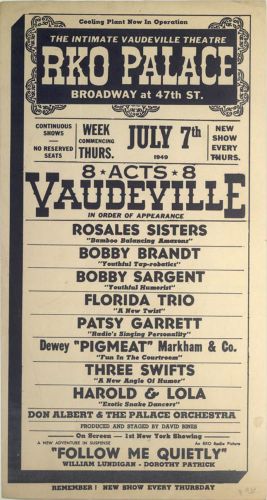
Vaudeville’s variety bill made versatility one of the defining values of modern American entertainment. A theater program might include singers, dancers, comedians, jugglers, magicians, acrobats, ventriloquists, trained animals, musicians, impersonators, strongmen, trick cyclists, illustrated songs, dramatic sketches, novelty lectures, and short films, all arranged into a single evening of rapid contrast. The point was not narrative continuity, but managed surprise. Audiences came expecting difference: a sentimental song followed by a comic turn, a magician followed by a dancer, an animal act followed by a monologist, a physical comedian followed by a celebrity guest. Vaudeville trained Americans to consume entertainment as sequence, variety, pace, and personality. Britannica summarizes the form as a program of unrelated acts including magicians, acrobats, comedians, trained animals, jugglers, singers, and dancers, while PBS describes it even more broadly as a stage for “anyone who could keep an audience’s interest for more than three minutes.”
This structure made the vaudeville performer a kind of early multi-hyphenate. A singer who could dance, a dancer who could tell jokes, a comic who could play an instrument, a magician who could banter, or an acrobat who could add comic business had an advantage over a narrower specialist. The system rewarded acts that could be described quickly, remembered easily, and adjusted to different audiences. A performer did not need to do everything, but the pressure of novelty encouraged combinations: singing comedians, eccentric dancers, comedy jugglers, animal trainers with patter, musical clowns, blackface teams, dialect comics, trick ropers, fast-change artists, and dramatic performers who condensed theatrical emotion into a few minutes. Vaudeville did not invent versatile performers, but it made versatility a commercial principle. Talent had to become packageable.
The variety bill also altered the meaning of excellence. In legitimate theater, a performer’s success might depend on sustaining a role across an evening, slowly building character, emotional continuity, and dramatic relation to other actors. In vaudeville, success often depended on creating an immediate impression within a tightly limited time. The act had to announce itself, establish its rhythm, reach its strongest effect, and leave before the audience’s attention began to cool. That demand produced a different kind of artistry, one based less on narrative development than on concentration, economy, and impact. Vaudevillians learned compression, timing, self-editing, and audience reading with extraordinary precision. The smallest gesture could become a signature. A pause, costume, catchphrase, fall, look, song fragment, or comic accent might define an act more effectively than an elaborate plot. This helped make the vaudeville performer unusually sensitive to audience temperature. A laugh that came half a beat late, a song that failed to settle, or a trick that took too long could require revision by the next performance. Later film shorts, radio routines, television sketches, and stand-up sets would inherit this logic of condensed identity. They too would depend on performers who could establish persona quickly, hold attention under pressure, and make a few minutes feel complete.
Physical performers made this compression visible in the body. Acrobats, jugglers, strongmen, dancers, trick cyclists, contortionists, and slapstick teams offered audiences not merely entertainment, but disciplined risk. Their acts turned bodily skill into spectacle, often balancing danger against comic control. A fall had to look disastrous without being destructive. A juggling pattern had to seem miraculous while remaining repeatable. An acrobatic routine had to compress years of training into a few minutes of apparent ease. These acts remind us that vaudeville was never only verbal comedy or musical lightness. It was also a theater of trained bodies, where labor appeared as wonder. Audiences saw agility, danger, grace, and absurdity; they were not meant to see injury, rehearsal, fatigue, or the bodily cost of repetition.
Magicians, illusionists, ventriloquists, animal trainers, and novelty performers extended vaudeville’s reach into wonder and the uncanny. Their presence connected vaudeville to older exhibition cultures: the circus, dime museum, sideshow, magic theater, and scientific demonstration. Trained dogs, birds, horses, monkeys, seals, and other animal acts turned the stage into a miniature circus ring, while magicians and mentalists exploited an age fascinated by technology, perception, fraud, and invisible forces. The novelty act mattered because vaudeville audiences were not looking only for jokes. They wanted astonishment organized into a schedule. The same bill could offer sentiment, mock violence, technical skill, animal intelligence, mechanical trickery, and human eccentricity. That range made the theater feel like a controlled cabinet of curiosities, one in which the strange could be encountered without leaving the rules of respectable amusement. It also allowed managers to refresh programs without abandoning the basic format. If audiences tired of one kind of act, another kind could be inserted, promoted, and circulated. That mixture made vaudeville one of the laboratories in which modern entertainment learned to turn almost anything into an act.
Celebrity itself became one of those acts. Vaudeville could absorb people whose fame came from outside the theater and convert their public recognition into ticket sales. Athletes, boxers, wrestlers, baseball players, famous lecturers, political personalities, and public curiosities could appear onstage because audiences wanted proximity to names they already knew. Babe Ruth’s vaudeville appearances in the 1920s are especially revealing. The National Baseball Hall of Fame notes Ruth’s movement between baseball fame, vaudeville touring, and film work, while other accounts describe his 1926 tour with the Pantages circuit after the World Series. Ruth did not need vaudeville to prove he was a great performer in the theatrical sense. His value lay in the spectacle of presence. He showed that modern celebrity could travel across platforms, turning athletic fame into stage attraction, film interest, advertising value, and public mythology.
This crossover mattered because it anticipated a major feature of twentieth- and twenty-first-century entertainment: the celebrity as a transferable brand. Vaudeville helped teach audiences that talent could be secondary to recognizability, or at least that recognizability could itself become a form of talent. A baseball player might sing badly, a boxer might deliver awkward patter, or a public figure might offer little more than a greeting and a story, yet the audience had still purchased contact with fame. That did not make vaudeville shallow. It made it modern. The stage became a marketplace where skill, novelty, persona, gossip, athletic reputation, racial typecasting, gender performance, and media attention could all be converted into applause. The vaudeville bill anticipated the talk-show couch, the guest-star cameo, the celebrity endorsement, the reality competition, and the sports-entertainment crossover long before those forms had their later names.
The multi-hyphenate stage finally reveals why vaudeville could both flourish and disappear into later media. It produced performers who were trained to adapt: to sing, dance, joke, fall, banter, pose, improvise, repeat, compress, and sell themselves in a few decisive minutes. When film, radio, and later television needed personalities who could survive close attention and rapid formats, vaudeville supplied them. Its greatest contribution was not that every performer could do everything. Its contribution was the creation of an entertainment culture in which identity itself became an act assembled from multiple skills, marketable traits, and repeatable effects. That culture fit perfectly with the new media that followed. The camera favored performers who could register personality quickly; radio favored voices, timing, and recognizable verbal business; television revived the variety format almost openly through hosts, guest stars, sketches, songs, novelty acts, and comic turns. Vaudeville’s individual acts vanished from many stages, but the logic behind them migrated almost intact. The vaudeville performer was not simply a singer, dancer, comic, acrobat, magician, animal trainer, athlete, or celebrity. The vaudeville performer was a portable attraction, and that idea sits at the heart of modern show business.
Race, Ethnicity, Gender, and Assimilation: The Democratic Promise and the Cruel Limits of Vaudeville
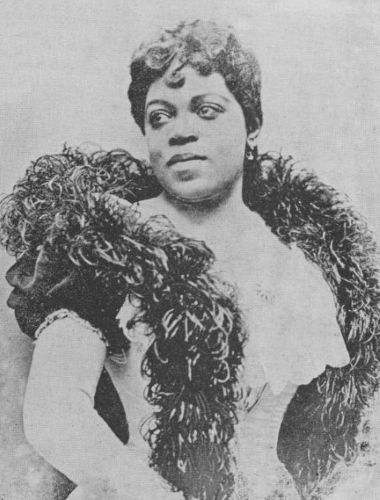
Vaudeville’s democratic promise was real, but it was never pure. The variety bill could place many kinds of performers before many kinds of audiences: Jewish comics, Irish singers, Italian impersonators, Black dancers, female headliners, immigrant musicians, working-class acrobats, child performers, ethnic sketch teams, and novelty acts that would have had little place in elite theater. This made vaudeville one of the great public meeting grounds of American popular culture. It did not demand the solemnity of legitimate drama or the refinement of opera. It offered a stage on which urban America could see versions of itself, exaggerated, sentimentalized, mocked, disciplined, and sold back as entertainment. Yet this very openness depended on harsh conditions. Vaudeville welcomed difference most easily when difference could be turned into a type.
Ethnic comedy became one of vaudeville’s most powerful tools for translating immigration into laughter. Irish, German, Jewish, Italian, Chinese, and other ethnic identities appeared through dialect, costume, gesture, music, posture, and comic misunderstanding. For immigrant performers and their children, this could create opportunity. The stage allowed them to enter public culture, earn money, build recognizable personas, and sometimes speak from within communities rather than only about them. But the same mechanism also flattened complexity. A Jewish comic might find success through “Hebrew” dialect, an Irish performer through drunken bluster or sentimental song, an Italian character through exaggerated passion, or a German comic through heavy accent and stubborn literalism. Ethnic performance could be a strategy of assimilation, but it was assimilation under pressure: the performer became legible by offering audiences a simplified version of identity.
This was one of vaudeville’s cruelest paradoxes. It gave immigrant and working-class performers a path into American mass culture while requiring many of them to participate in their own caricature. The laughter could be affectionate, hostile, self-protective, or all three at once. A performer from inside an ethnic community might use stereotype knowingly, bending it toward satire or insider recognition. But a mixed audience did not always hear such nuance. What one group recognized as self-mockery, another might receive as confirmation of prejudice. Vaudeville’s speed intensified the problem. A performer had only minutes to establish character, which meant that shorthand often replaced depth. Dialect, costume, and gesture became tools of instant recognition, and instant recognition too easily became social reduction.
Black performers faced an even more violent version of this bargain. The vaudeville stage emerged from a nineteenth-century entertainment culture saturated with blackface minstrelsy, and those conventions continued to shape audience expectations well into the modern era. Black artists such as Bert Williams and George Walker navigated a world in which white-controlled booking systems, segregated audiences, racist publicity, and inherited minstrel tropes constrained what could be performed and how Black talent could be recognized. Some Black performers used the stage with extraordinary intelligence, irony, discipline, and ambition, creating moments of artistry within hostile structures. But the terms of access were never equal. The national vaudeville marketplace often demanded that Black performers appear through comic distortion before it would grant them visibility. Karen Sotiropoulos’s work on turn-of-the-century Black performers is especially important here because it shows how artists used and contested racial convention at a time when Jim Crow segregation and mass entertainment expanded together.
Segregated circuits later formalized some of these constraints even as they created crucial opportunities. The Theater Owners Booking Association, active in the 1920s, became a major Black vaudeville circuit, especially across the Midwest, South, and East Coast. Michelle R. Scott’s work frames the association as both a business and social history of Black entertainment in the Jazz Age, and summaries of the book emphasize that the circuit provided a training ground for artists such as Bessie Smith, Ethel Waters, Cab Calloway, the Nicholas Brothers, Count Basie, Butterbeans and Susie, and others. Yet Black entertainers also joked bitterly that T.O.B.A. stood for “Tough on Black Artists,” a phrase that captured the punishing travel, low pay, unequal treatment, and exploitation built into the system. Black vaudeville could nurture brilliance, but it did so inside a segregated economy that made opportunity inseparable from hardship.
Gender created another boundary between vaudeville’s promise and its limits. Women could become some of vaudeville’s most visible and best-paid stars, and the variety stage offered forms of independence that respectable middle-class ideology often denied. Female performers could sing loudly, move boldly, command applause, cultivate eccentricity, travel, earn wages, and create public identities outside domestic confinement. Eva Tanguay’s “I Don’t Care” persona, Sophie Tucker’s bold comic-singing style, Fanny Brice’s blend of ethnic humor and musical performance, and many other women’s acts showed how vaudeville could make female personality commercially powerful. These women did not merely decorate the bill; they helped define what vaudeville meant as a theater of energy, defiance, sentiment, glamour, and comic self-invention. Their stage personas could unsettle expectations by making women noisy, strange, aggressive, funny, grotesque, or openly ambitious in public. But this freedom was carefully watched. Women’s success depended on navigating the unstable line between confidence and vulgarity, sexuality and scandal, eccentricity and pathology. A male performer might be praised for roughness, boldness, or comic excess, while a woman using similar energy could be marked as dangerous, indecent, or socially threatening. The same stage that made female independence visible also made it available for inspection, censorship, and commodification.
Vaudeville’s gender politics were not simply liberating or oppressive. They were transactional. A woman performer might use theatrical boldness to escape some of the constraints placed on ordinary women, but she usually did so by entering a marketplace that consumed her body, voice, costume, age, sexuality, and reputation. Female spectators mattered too. Their presence helped make vaudeville respectable, but it also justified the policing of performers. Managers could claim to be protecting women in the audience while controlling women on the stage. This tension gave vaudeville its peculiar mixture of permission and surveillance. It allowed women to be funny, strange, athletic, glamorous, sentimental, grotesque, or commanding, but rarely without also making them answerable to a moral economy that men largely controlled. The family audience could open the door to women’s public presence while narrowing the acceptable meanings of that presence. A woman could be celebrated for power if that power was packaged as charm, eccentricity, patriotism, maternal warmth, comic excess, or carefully contained sexual display. She could bend the rules, but she could not escape the fact that the rules were written by managers, critics, booking offices, and audiences who treated female visibility as both attraction and problem. Vaudeville made women central to modern entertainment while also teaching the industry how to profit from watching, judging, and regulating them.
The larger history of race, ethnicity, gender, and assimilation reveals why vaudeville cannot be remembered only as a lost paradise of popular entertainment. It was inclusive in form, but unequal in practice. It gathered different peoples, voices, bodies, accents, and talents into the same commercial frame, yet it often made them acceptable by turning them into consumable signs. Its democratic promise lay in access: a broader range of performers and audiences entered American entertainment through its doors. Its cruelty lay in the terms of that access. Vaudeville helped build modern popular culture by making difference visible, funny, profitable, and mobile. But visibility was not the same as justice, laughter was not the same as equality, and applause could coexist easily with caricature, segregation, censorship, and control.
1895–1915: Film Enters Vaudeville as a Novelty Act
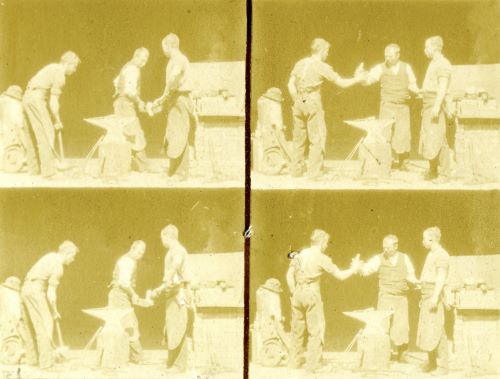
Film did not arrive in American entertainment as vaudeville’s obvious enemy. It entered first as one more novelty, another technological wonder to be placed among singers, comedians, magicians, trained animals, acrobats, and illustrated songs. In the 1890s, moving pictures were short, astonishing, and still uncertain in their cultural meaning. They could be shown as attractions rather than full programs, brief interruptions in a larger evening built around live performance. This made vaudeville an ideal host. Its variety structure did not require continuity, narrative unity, or artistic hierarchy. A projected moving image could appear between a comic turn and a song because vaudeville had already trained audiences to expect surprise, change, and novelty as the logic of the evening.
The early appearance of motion pictures in vaudeville houses reveals how deeply the new medium depended on older entertainment habits. Audiences did not immediately understand film as cinema in the later sense of feature-length storytelling, movie stars, studios, and dedicated theaters. They encountered it as spectacle: bodies moving on a screen, trains rushing forward, dancers performing, comic accidents unfolding, scenes of everyday life made strange by mechanical reproduction. Film’s first power lay in its ability to make motion itself theatrical. Vaudeville managers could market this quality easily because their audiences already valued wonder, illusion, bodily skill, and visual surprise. A moving picture could be advertised as a marvel without needing to explain itself as a new art form. It belonged to a culture already fascinated by electricity, photography, mechanical display, scientific demonstration, and the promise that technology could turn ordinary perception into astonishment. The projection apparatus, the darkened room, and the flickering image all became part of the attraction. The motion picture was not yet a replacement for the magician or novelty act. It belonged beside them, as another demonstration that modern amusement could keep producing the unexpected.
This relationship helps explain why early film borrowed so readily from vaudeville’s performance grammar. Short films did not need elaborate plots to hold attention. They needed clear gestures, visual rhythm, immediate situations, recognizable types, and quick payoffs. These were vaudeville strengths. Comic chases, pratfalls, physical collisions, flirtations, tricks, transformations, and exaggerated reactions all translated well to the screen because they had already been refined for audiences that expected rapid comprehension. The film camera changed the frame, but it did not erase the theatrical habits behind the action. Early screen comedy especially depended on performers and routines shaped by the variety stage, where a bit had to land quickly and where personality could be established through posture, costume, timing, and movement before a word was spoken.
Yet film’s status as a novelty concealed its disruptive potential. Unlike a live act, a film could be reproduced, shipped, shown repeatedly, and consumed without moving the performer from city to city. This gave motion pictures an economic advantage that became more significant as production, distribution, projection, and audience expectation developed. A vaudeville act required bodies, travel, rehearsal, housing, orchestras, stagehands, and constant physical presence. A film required machinery, a print, and a place to project it. It could appear fresh to each new audience even though the performance itself had already been fixed. This altered the economics of entertainment at a fundamental level. The performer no longer had to be physically present for the act to circulate, and managers could fill time with a reproducible attraction that did not need salary negotiation, dressing rooms, local rehearsal, or rest. At first, that difference made film useful to vaudeville managers as filler, attraction, or schedule control. Yet the same reproducibility threatened the live variety system itself as time passed. Film could preserve the pleasures of spectacle, comedy, sentiment, and celebrity while escaping many of the costs of live touring.
Between 1895 and 1915, film’s relationship to vaudeville changed from dependence to competition without fully breaking the connection. Vaudeville gave early film audiences, theaters, performers, comic forms, exhibition habits, and a marketplace for novelty. Film then began to absorb vaudeville’s most portable qualities: speed, visual clarity, physical comedy, star personality, and repeatable bits. The transition was not a simple murder in which cinema killed live entertainment overnight. It was more intimate than that. Film grew inside vaudeville before it outgrew it, carrying away pieces of the stage that had helped make it visible. The screen did not replace vaudeville by rejecting its logic. It replaced vaudeville partly because it learned that logic so well.
1910s–1920s: Vaudeville Becomes Film Comedy, Radio Timing, and Modern Celebrity
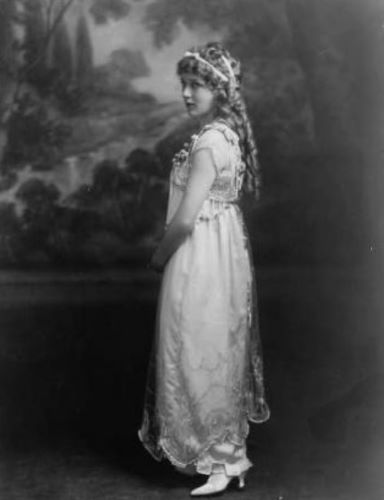
By the 1910s and 1920s, vaudeville was no longer merely hosting film as a novelty. It was feeding the new media that would inherit much of its cultural power. The transition was not sudden, and it was not simply a matter of performers abandoning one stage for another. Vaudeville had trained a generation of entertainers to think in compact effects, quick characterization, physical clarity, comic timing, and repeatable bits. Those skills were especially valuable in silent film, where the absence of spoken dialogue placed extraordinary pressure on gesture, posture, rhythm, and visual intelligibility. A vaudeville act that could establish a comic world in five or ten minutes already possessed many of the habits early screen comedy required.
Silent film comedy drew deeply from vaudeville’s physical vocabulary. Pratfalls, chases, mistaken identities, comic violence, prop business, eccentric walks, and exaggerated reactions all moved easily from the variety stage to the screen. Charlie Chaplin, Buster Keaton, Harold Lloyd, and many other performers did not merely perform jokes; they organized bodies in space with the precision of stage-trained entertainers who knew how to make action read quickly. A hat, cane, ladder, doorway, collapsing wall, banana peel, speeding vehicle, or stubborn machine could become the center of a comic universe because vaudeville had already taught performers how to build meaning around objects, bodies, and timing. The camera altered the relation between performer and audience, but it did not erase the older discipline of the act. In some ways, film intensified it. The close-up could magnify a look; editing could sharpen a gag; repeated exhibition could carry one performance to audiences no vaudeville route could reach. Screen comedy turned vaudeville’s portable bit into a reproducible image. It also preserved the vaudevillian demand that comedy be legible across class, language, and region. A fall, chase, panic, flirtation, or collision could be understood by audiences who did not share the same spoken language, which made physical comedy one of the first truly international inheritances of the variety stage.
The migration of vaudeville talent into film also changed the meaning of stardom. Onstage, the performer’s fame depended on presence: appearing in a particular theater, on a particular bill, before a particular audience. Film detached personality from the body’s immediate location. Once photographed, a comic face, dance step, gesture, or character could circulate nationally and internationally without the performer boarding another train. This did not make performance less personal. It made personality more scalable. The vaudeville star had already been a branded attraction, but film made the brand reproducible on a far larger scale. The audience no longer had to encounter the star as a live body in a theater. It could encounter the star as an image, repeatedly, in many places at once.
Radio drew from vaudeville in a different way. Where silent film absorbed the visual grammar of physical comedy, radio inherited the timing, pacing, recurring characters, musical interruptions, comic partnerships, and variety structure of the stage. Radio could not show the pratfall, costume, or gesture, so it leaned on voice, pause, rhythm, catchphrase, and personality. These too were vaudeville habits. Comics who had learned to control a room now learned to control an unseen audience. Singers, sketch teams, announcers, orchestras, and comic hosts created programs that echoed the variety bill without needing scenery or touring circuits. Radio did not merely broadcast entertainment. It reorganized vaudeville’s sequence of acts into sound, making timing itself the central spectacle.
The rise of modern celebrity depended on this movement across media. A performer could begin in vaudeville, appear in film, record songs, perform on radio, lend a name to advertising, and later reappear in sound cinema or television. The public no longer consumed only an act; it consumed continuity across platforms. The Marx Brothers, Eddie Cantor, Al Jolson, Fanny Brice, W. C. Fields, Mae West, Burns and Allen, and many others demonstrated how vaudeville identities could be adapted, revised, and sold through new technologies. Some performers translated smoothly; others struggled when their timing, voice, or physical scale no longer fit the medium. The arrival of sound film made this even more complicated. A silent performer’s body might have been perfectly readable, but a voice, accent, rhythm, or line delivery could either complete the persona or expose its limits. Conversely, vaudevillians who had mastered patter, song, comic exchange, and audience address suddenly possessed skills that screen studios urgently needed. The talkies did not simply demand actors who could speak. They needed performers who could make speech theatrical without making it stiff, musical without making it artificial, and comic without losing pace. Vaudeville had trained exactly that kind of performer. The larger pattern was unmistakable. Vaudeville had trained entertainers to become recognizable units of attention, and new media discovered how profitable such recognition could be.
This transformation did not mean that vaudeville survived unchanged. It survived by being broken apart. Its sketches became screen scenes. Its physical comedy became film grammar. Its patter became radio rhythm. Its novelty logic became programming strategy. Its headliners became stars whose fame moved beyond the theater. The live variety bill declined, but its habits entered the bloodstream of American popular culture. By the end of the 1920s, especially with the coming of synchronized sound, the irony was clear. The media that weakened vaudeville also depended on vaudeville’s performers, structures, and disciplines. Film and radio did not bury vaudeville in untouched ground. They built on its stage.
1920s–1930s: Why Vaudeville Declined

Vaudeville did not collapse because audiences suddenly stopped liking variety. It declined because the economic and technological conditions that had made live variety powerful began to shift against it. For decades, vaudeville’s strength had rested on its ability to move performers through circuits, fill theaters with changing bills, and offer audiences a sequence of songs, jokes, dances, novelty acts, sketches, and sensations that felt fresh even when the structure was familiar. By the 1920s, newer media could offer many of those pleasures with fewer logistical burdens. Motion pictures supplied comedy, drama, spectacle, music, stars, and eventually synchronized speech without requiring a full roster of live performers to travel from city to city. Radio delivered voices, songs, jokes, and personalities directly into homes. Vaudeville remained beloved, but it no longer controlled the machinery of mass attention.
Film’s advantage was not simply artistic. It was industrial. A motion picture could be produced once and exhibited repeatedly in many places, while a vaudeville bill required the constant movement of bodies, props, costumes, musicians, managers, and stage crews. Even before sound, silent film had become increasingly sophisticated, offering feature-length narratives, polished stars, elaborate publicity, and theaters built around the experience of moviegoing. The economics of exhibition favored this reproducibility. A theater owner could advertise a film star whose image had already been made familiar through national publicity, show the same feature to multiple audiences, and avoid many of the uncertainties that came with live acts: illness, missed trains, salary disputes, weak local musicians, damaged props, uneven performances, and the risk that a performer who succeeded in one city might fail in another. Film also gave audiences a new kind of spectacle, one that could move beyond the physical limits of the stage through location shooting, editing, camera movement, elaborate sets, crowd scenes, and visual effects. Once synchronized sound arrived in the late 1920s, the threat became sharper. The screen could now offer songs, voices, comic dialogue, musical numbers, and celebrity personality, all of which had been central to vaudeville’s appeal. The talkies did not merely compete with vaudeville; they absorbed some of its strongest attractions and reproduced them at scale. For theater owners, films could be more predictable, more controllable, and often more profitable than assembling and paying a live variety bill.
Radio deepened the problem by changing the location of entertainment. Vaudeville required audiences to leave home, buy tickets, and participate in a public theater culture. Radio made variety domestic. Comedy teams, singers, orchestras, announcers, serial performers, and celebrity guests could reach listeners without the expenses and uncertainties of touring. This did not mean radio simply copied vaudeville. It reorganized vaudeville’s habits for sound: rhythm, repetition, recurring characters, catchphrases, musical interruption, and carefully timed banter. The variety format survived, but the theater was no longer necessary as its primary container. Audiences could still enjoy the logic of vaudeville while sitting in their kitchens and parlors. That was devastating for a live form whose business model depended on filling seats night after night.
Corporate consolidation also weakened vaudeville’s older ecology. The creation of Radio-Keith-Orpheum in 1928 symbolized the merger of vaudeville interests with film and radio ambitions. The very companies and circuits that had once expanded live variety increasingly found stronger incentives in motion pictures and broadcasting. Vaudeville theaters could be converted into movie houses, and performers could be redirected toward screen or radio work if they had the right skills. This was not merely a story of external attack. The institutions that had built big-time vaudeville helped reorganize themselves around the media that would displace it. The managerial logic of vaudeville survived, but it no longer needed vaudeville as its main form. Booking, publicity, star-making, theater ownership, and audience management migrated toward larger entertainment corporations.
The Great Depression accelerated a decline already underway. In hard economic times, audiences still wanted escape, perhaps more than ever, but cheaper and more reproducible entertainment had a powerful advantage. A movie ticket could offer a polished feature, short subjects, newsreels, cartoons, and stars whose fame had been amplified by national publicity. Live vaudeville, by contrast, carried the costs of performers, travel, rehearsal, salaries, and scheduling uncertainty. By the early 1930s, the old live variety circuit had lost the central place it once held in American amusement. Yet its decline should not be mistaken for disappearance. Vaudeville’s performers, formats, timing, jokes, songs, celebrity logic, and variety structure continued inside film, radio, and later television. The form died most visibly where it had once lived, on the touring stage, but it survived almost everywhere modern entertainment learned to move faster, sell personalities, and turn variety into mass culture.
Was Vaudeville Democratic Popular Culture or Corporate Control in Greasepaint?
The following video from Northeast Georgia History Center discusses the history of American vaudeville:
Vaudeville has often been remembered as one of the most democratic forms of American entertainment, and there is truth in that memory. Its variety structure made room for performers who might have been excluded from elite theater: immigrants, working-class entertainers, women, ethnic comics, Black artists, circus-trained bodies, magicians, novelty acts, athletes, musicians, and eccentric personalities who did not fit easily into legitimate drama. It also welcomed audiences that crossed lines of class, gender, age, and ethnicity more readily than many older theatrical forms. A vaudeville bill could make the theater feel like a civic marketplace of amusements, a place where difference appeared in quick sequence and where no single style claimed full authority. In that sense, vaudeville did help democratize public entertainment. It widened the stage, broadened the audience, and made popular pleasure a central feature of modern urban life.
Yet that democratic appearance depended on a machinery of control. The same circuits that moved performers across the country also disciplined them through booking offices, contracts, blacklists, censorship, and managerial surveillance. The same theaters that welcomed women and families also used their presence to justify the policing of jokes, bodies, costumes, songs, and gestures. The same variety bill that displayed ethnic and racial difference often reduced that difference to caricature, dialect, blackface convention, sentimental type, or comic shorthand. Vaudeville could seem open because so many kinds of people appeared on its stages, but appearance was not the same as freedom. The question was always who controlled the terms under which visibility became possible.
This is why vaudeville is best understood not as either democratic popular culture or corporate control, but as both at once. Its cultural power came from the tension between access and discipline. It allowed performers to reach publics they could not have reached alone, but it also taught them to package themselves according to the demands of managers, audiences, and circuits. It gave working-class and immigrant entertainers routes into national fame, but often through self-caricature or repetition of familiar types. It made women central to mass entertainment but watched them closely and punished them when boldness seemed to cross into impropriety. It gave Black performers opportunities for visibility yet did so inside a larger racial order shaped by minstrelsy, segregation, and white-controlled markets. Even its promise of variety carried a hidden discipline: difference could appear, but it had to appear quickly, legibly, and profitably. The stage could hold many kinds of performers, but the bill converted them into timed units of amusement, each expected to produce a recognizable effect before giving way to the next act. That structure created a powerful image of pluralism while also limiting how much complexity any performer could bring before the audience. Vaudeville’s promise was real, but conditional.
The debate also turns on how one understands standardization. From one angle, standardization made vaudeville more accessible. It created predictable theaters, regular schedules, affordable amusements, safer public spaces, and touring systems that brought nationally recognized acts to audiences far beyond New York, Chicago, Boston, or San Francisco. From another angle, standardization narrowed performance by making spontaneity answerable to commercial format. The act had to fit the bill. The joke had to pass the manager. The body had to suit the audience. The performer’s identity had to become legible quickly, and quick legibility often rewarded stereotype. Vaudeville organized American variety into a mass public language, but organization always came with loss. What could not be routed, repeated, classified, censored, or sold was pushed toward the margins.
The strongest interpretation, then, is not nostalgic celebration or easy condemnation. Vaudeville mattered because it reveals how modern popular culture often works: by simultaneously opening doors and narrowing the hallway. It democratized amusement while commercializing it, diversified the stage while disciplining difference, elevated performers while making them dependent on powerful institutions, and preserved older theatrical energies while translating them into standardized mass entertainment. That contradiction was not incidental. It was the form’s engine. Vaudeville was popular culture in greasepaint, but it was also corporate control with a smile, a song, a gag, a cue sheet, a booking contract, and a blue envelope waiting backstage.
Conclusion: The Stage That Disappeared by Becoming Everything Else
Vaudeville’s disappearance was real, but it was also deceptive. The old circuits weakened, the theaters changed hands or converted to film exhibition, the one-night stands faded, and the mixed live bill lost its central place in American entertainment. By the early 1930s, the world that had made vaudeville dominant had largely given way to motion pictures, radio, corporate broadcasting, and new habits of spectatorship. Yet the decline of the vaudeville stage did not mean the disappearance of vaudeville as a cultural force. Its visible form collapsed, but its methods survived: speed, variety, comic compression, novelty, celebrity branding, audience management, repeatable bits, and the ability to turn personality into a portable attraction.
This is the deeper irony of vaudeville’s history. The genre helped create the very media that displaced it. Film entered vaudeville as a novelty act before absorbing its performers, gags, physical comedy, comic types, and visual timing. Radio inherited its rhythms, recurring characters, musical interruptions, host-driven structure, and reliance on voice as personality. Later television would revive the variety bill almost openly through sketch comedy, guest stars, stand-up routines, musical numbers, novelty acts, talent competitions, and celebrity appearances. Even modern entertainment forms that seem far removed from vaudeville still bear its imprint. The talk-show couch, the sketch-comedy stage, the reality talent show, the stand-up special, the sports celebrity cameo, the variety special, and the short viral performance all preserve something of vaudeville’s logic: capture attention quickly, establish persona immediately, deliver the effect, and move on.
That legacy should not be romanticized. Vaudeville’s gifts came with exclusions, coercions, and cruelties that also migrated into modern entertainment. Its racial caricatures, gender surveillance, ethnic simplifications, managerial censorship, labor hierarchies, and commercial discipline did not simply vanish when the theater lights dimmed. They were transformed by film studios, radio networks, advertising agencies, television producers, and celebrity industries that inherited vaudeville’s habit of turning difference, talent, body, voice, and personality into marketable signs. The blue envelope, the blacklist, the booking office, the one-night stand, and the stereotype all belong to the same history as the pratfall, the song, the magic act, the comic bit, and the headliner. Vaudeville helped democratize entertainment, but it also taught American mass culture how to control democracy once it reached the stage.
The surprising contribution of American vaudeville, then, was not merely that it produced famous comedians, popular slang, novelty acts, or future film stars. Its larger contribution was structural. It organized modern entertainment before modern media had fully learned how to organize themselves. It made performance mobile, standardized, family-marketable, censorable, repeatable, brandable, and transferable across platforms. It turned the stage into a laboratory for the twentieth century’s entertainment economy. Vaudeville vanished in one sense because the live variety system could not compete with the scale of film and radio. But in another sense, it never left. It became the grammar of American show business, the hidden architecture behind the laugh, the entrance, the catchphrase, the cameo, the celebrity turn, and the endlessly renewed promise that something surprising is always waiting next on the bill.
Bibliography
Affiliate disclosure: Amazon links on this site are paid links. As an Amazon Associate I earn from qualifying purchases.
- Allen, Robert C. Horrible Prettiness: Burlesque and American Culture. Chapel Hill: University of North Carolina Press, 1991.
- Bean, Annemarie, James V. Hatch, and Brooks McNamara, eds. Inside the Minstrel Mask: Readings in Nineteenth-Century Blackface Minstrelsy. Hanover, NH: Wesleyan University Press, 1996.
- Bowser, Eileen. The Transformation of Cinema, 1907–1915. Berkeley: University of California Press, 1990.
- Burns, George. I Love Her, That’s Why: An Autobiography. New York: Simon and Schuster, 1955.
- Butsch, Richard. The Making of American Audiences: From Stage to Television, 1750–1990. Cambridge: Cambridge University Press, 2000.
- Casey, Kathleen B. “Sex, Savagery, and the Woman Who Made Vaudeville Famous.” Frontiers: A Journal of Women Studies 36:1 (2015), 87-112.
- Chaplin, Charles. My Autobiography. New York: Simon and Schuster, 1964.
- Crafton, Donald. The Talkies: American Cinema’s Transition to Sound, 1926–1931. Berkeley: University of California Press, 1997.
- Cullen, Frank. “White Rats: A Vaudeville Revolt.” American Vaudeville Museum / University of Arizona Special Collections.
- Erdman, Andrew L. Blue Vaudeville: Sex, Morals and the Mass Marketing of Amusement, 1895–1915. Jefferson, NC: McFarland, 2004.
- Gilbert, Douglas. American Vaudeville: Its Life and Times. New York: McGraw-Hill, 1940.
- Golden, George Fuller. My Lady Vaudeville and Her White Rats. New York: Broadway Publishing Company, 1909.
- Gomery, Douglas. Shared Pleasures: A History of Movie Presentation in the United States. Madison: University of Wisconsin Press, 1992.
- Hilmes, Michele. Radio Voices: American Broadcasting, 1922–1952. Minneapolis: University of Minnesota Press, 1997.
- Howland Kenney, William III. “The Influence of Black Vaudeville on Early Jazz.” The Black Perspective in Music 14:3 (1986), 233-248.
- Jenkins, Henry. What Made Pistachio Nuts? Early Sound Comedy and the Vaudeville Aesthetic. New York: Columbia University Press, 1992.
- Keaton, Buster, with Charles Samuels. My Wonderful World of Slapstick. Garden City, NY: Doubleday, 1960.
- Kenrick, John. “Vaudeville I.” Musicals101.
- Kibler, M. Alison. “The Keith/Albee Collection: The Vaudeville Industry, 1894–1935.” Books at Iowa 56 (1992).
- —-. Rank Ladies: Gender and Cultural Hierarchy in American Vaudeville. Chapel Hill: University of North Carolina Press, 1999.
- —-. “Rank Ladies, Ladies of Rank: The Elinore Sisters in Vaudeville.” American Studies 38:1 (1997), 97-115.
- Levine, Lawrence W. Highbrow/Lowbrow: The Emergence of Cultural Hierarchy in America. Cambridge, MA: Harvard University Press, 1988.
- Lloyd, A. B. Vaudeville Trails Thru the West. New York: A. B. Lloyd, 1919.
- Lott, Eric. Love and Theft: Blackface Minstrelsy and the American Working Class. New York: Oxford University Press, 1993.
- Mast, Gerald. The Comic Mind: Comedy and the Movies. Chicago: University of Chicago Press, 1973.
- McLean, Albert F., Jr. American Vaudeville as Ritual. Lexington: University of Kentucky Press, 1965.
- Mercer, Patricia M., and Amy Black. “Inspired Filth: Working Blue in Vaudeville America.” University of Memphis Law Review 53:2 (2023), 347–420.
- Mintz, Lawrence E. “Humor and Ethnic Stereotypes in Vaudeville and Burlesque.” MELUS 21:4 (1996), 19-28.
- Monod, David. The Soul of Pleasure: Sentiment and Sensation in Nineteenth-Century American Mass Entertainment. Ithaca, NY: Cornell University Press, 2016.
- Musser, Charles. The Emergence of Cinema: The American Screen to 1907. Berkeley: University of California Press, 1990.
- Scott, Michelle R. T.O.B.A. Time: Black Vaudeville and the Theater Owners’ Booking Association in Jazz-Age America. Urbana: University of Illinois Press, 2023.
- Segrave, Kerry. Actors Organize: A History of Union Formation Efforts in America, 1880–1919. Jefferson, NC: McFarland, 2007.
- Slide, Anthony. The Encyclopedia of Vaudeville. Westport, CT: Greenwood Press, 1994.
- Snyder, Robert W. The Voice of the City: Vaudeville and Popular Culture in New York. New York: Oxford University Press, 1989.
- Sotiropoulos, Karen. Staging Race: Black Performers in Turn of the Century America. Cambridge, MA: Harvard University Press, 2006.
- Stein, Charles W., ed. American Vaudeville as Seen by Its Contemporaries. New York: Alfred A. Knopf, 1984.
- Toll, Robert C. Blacking Up: The Minstrel Show in Nineteenth-Century America. New York: Oxford University Press, 1974.
- —-. On With the Show!: The First Century of Show Business in America. New York: Oxford University Press, 1976.
- Trav S. D. No Applause, Just Throw Money: The Book That Made Vaudeville Famous. New York: Faber and Faber, 2005.
- Waller, Gregory A. Main Street Amusements: Movies and Commercial Entertainment in a Southern City, 1896–1930. Washington, DC: Smithsonian Institution Press, 1995.
- Wertheim, Arthur Frank. Vaudeville Wars: How the Keith-Albee and Orpheum Circuits Controlled the Big-Time and Its Performers. New York: Palgrave Macmillan, 2006.
- Wilmeth, Don B., and Christopher Bigsby, eds. The Cambridge History of American Theatre, Volume Two: 1870–1945. Cambridge: Cambridge University Press, 1999.
- Woll, Allen. Black Musical Theatre: From Coontown to Dreamgirls. Baton Rouge: Louisiana State University Press, 1989.
- Ziegelman, Jane. 97 Orchard: An Edible History of Five Immigrant Families in One New York Tenement. New York: Smithsonian Books, 2010.
Originally published by Brewminate, 06.02.2026, under the terms of a Creative Commons Attribution-NonCommercial-NoDerivatives 4.0 International license.
About the Author