Baseball grew from European bat-and-ball games into a defining American institution. Its history encompasses professional teams, racial exclusion and integration, and modern analytics.

Curated/Reviewed by Matthew A. McIntosh
Public Historian
Brewminate
Introduction
Americans had been playing baseball long before they agreed on the rules or even settled on how to spell it.
- Base-Ball (1787)
- base-ball (1799)
- base ball (1818)
- Base Ball (1845)
- baseball (1899)
They didn’t always call it baseball either—in some places it was known simply as “town ball” or, more generically, “round ball.” No matter what form it has taken, baseball—and its close fraternal twin, softball—has endured. But it hasn’t stayed the same in anyone’s lifetime. Former major leaguer and announcer Bob Uecker, on hearing the phrase “emotional distress” to describe poor hitting, observed, “When I played, they didn’t use fancy words like that. They just said I couldn’t hit.”
This features items to consider the game then and now—as it relates to players, teams, and the communities it creates. Although baseball has stayed true to many of its customs, it has also broken with tradition through the invention, competition, and financial interests that still make it the most played sport in the country.
Origins and Early Days
“I think there are only three things America will be known for 2,000 years from now . . . the Constitution, jazz music, and baseball.”
Gerald Early, writer
In the beginning there were whittled bats and woolen balls, medieval monks and nuns in the as yet unnamed outfield, a single base, then rectangles rather than diamonds. Over time, a motley family of English and European bat-and-ball games, including “Base-Ball,” migrated to America. In the early twentieth century, patriotic sportsmen would erroneously report that baseball was a wholly American invention.
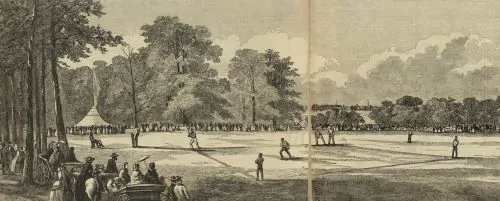
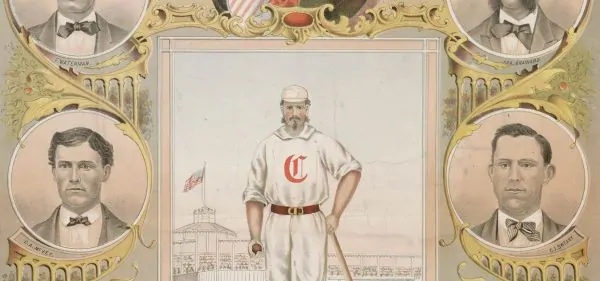
Instead, Americans had transformed a folk game into a complex, organized, and increasingly competitive endeavor. Amateur teams flourished in the northeastern United States, prompting the New York Mercury, in 1856, to declare baseball the “National Pastime.” During and after the Civil War, soldiers spread the sport in every direction. By 1869, the earliest team card had been produced, uniformed clubs operated on the West Coast, and the Cincinnati Red Stockings were the first openly professional team. Baseball could now wear a “Made in America” label on its sleeve.
Who’s Playing?
“They invented the All-Star Game for Willie Mays.”
Ted Williams, Boston Red Sox outfielder, regarding Mays’s 24 All-Star game appearances
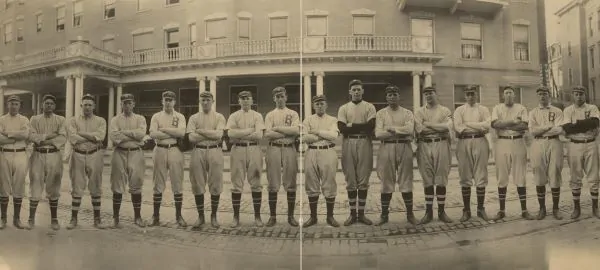
After the Civil War, cannon blasts gave way to the crack of the bat as major leagues formed with teams stationed from Hartford to St. Louis. Pro players, immortalized on baseball cards, were among the first athletes enshrined in the temple of American sports celebrity. The biggest name belonged to Chicago White Stocking right fielder Michael “King” Kelly, who popularized both the practice of signing autographs and athletes developing acting careers.
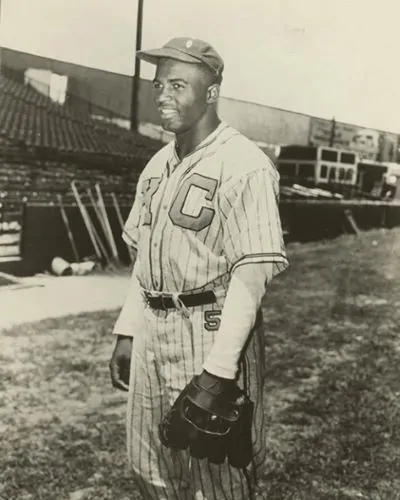
In the 1880s, major league team owners agreed to an unwritten policy that they would sign only white men, thus creating baseball’s color line. Even so, all sorts of Americans played baseball, as schools, churches, factories, and businesses sponsored teams. Bloomer Girls and African American all-star teams barnstormed the country, racking up stellar records against local clubs that accepted their challenge; their successors would include the All-American Girls Professional Baseball League and various Negro leagues.
At the Ballpark
“On a clear day I can see the sun, and that sucker is 93 million miles away!”
Umpire Dick Stello, to a manager who questioned his eyesight
From sandlots to stadiums, social bonds, collective memories, and shared familiarity unite fans and spectators whether they are seated in beach chairs on the sidelines, in the bleachers, or in club-level cushioned seats. Major League Baseball dramatically altered the game’s natural rhythms on the evening of May 24, 1935, when President Franklin Roosevelt symbolically flipped a switch in Washington, D.C., that lit up Ohio’s Crosley Field, home of the Cincinnati Reds. Since then, for many teams, baseball’s day games gradually dwindled and nine innings filled its nights.
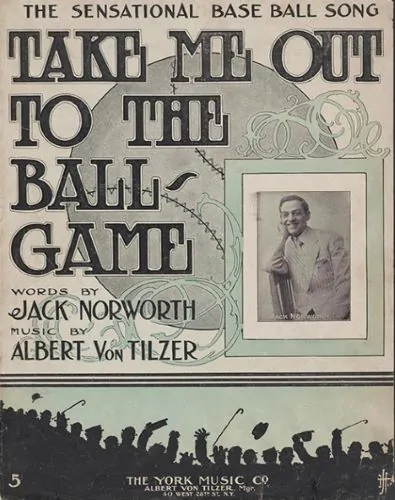
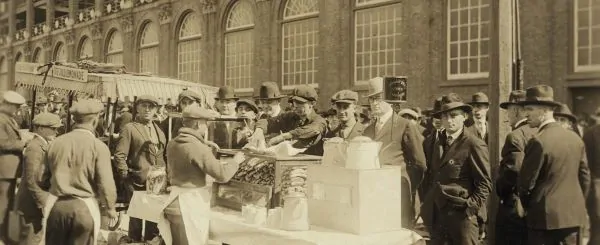
Meanwhile, the ballpark experience is a balance of the classic and the current. Traditional live organ music succumbed to the batter’s customized walk-up song. Gourmet and ethnic cuisine now join hot dogs and popcorn on the concession stand menu. And the $5 ticket is still available, though it once sat fans behind home plate rather than 500 feet away from it.
The Promise of Baseball
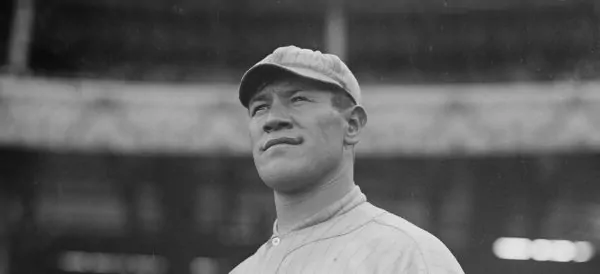
“There is one word in America that says it all, and that one word is ‘You never know.’”
Joaquín Andújar, Houston Astros pitcher
The United States and baseball, having grown up together, share a fundamental belief: anyone who works hard enough can achieve the American dream and play shortstop. And, for a nation of immigrants, learning to play or becoming a fan created a sense of belonging in the new land. As an industrial powerhouse, the United States mass-produced baseballs, invented mass sports media, and amassed a collection of grandstands. Organized baseball offered players more than healthful recreation: it could also be a path to a better life.
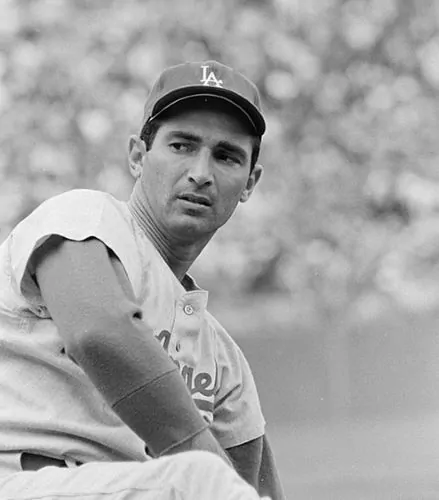
“A ballplayer’s got to be kept hungry to become a big-leaguer. That’s why no boy from a rich family ever made the big leagues,” said the son of a Sicilian fisherman, Joe DiMaggio. With the advent of free agency in the 1970s, successful players could start their own rich families. Not only did baseball generate healthy incomes, and eventually fortunes, but it has been used to forge profitable foreign relations and promote cultural diplomacy around the globe.
The Art and Science of Baseball
“I never wanted them to forget Babe Ruth. I just wanted them to remember Aaron.”
Hank Aaron, upon election to the Baseball Hall of Fame
Baseball requires both skill and luck, and players and coaches have spent decades learning to master the first and take advantage of the second. The mysterious alchemy of skill and luck, in which even the best major league teams seldom win two-thirds of their games, has led notable baseball figures to reach varying conclusions. Branch Rickey, a pioneering executive whose many innovations included statistical analysis, modern training, and player development, determined that “Luck is the residue of design,” while New York Yankees pitcher Lefty Gomez, a Hall of Famer, said simply, “I’d rather be lucky than good.”
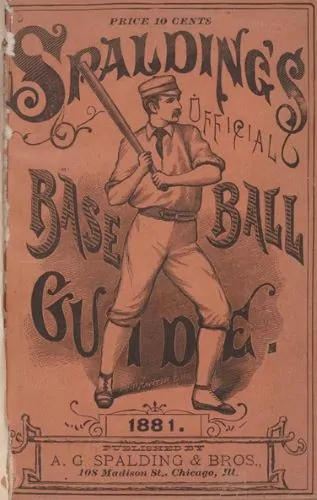
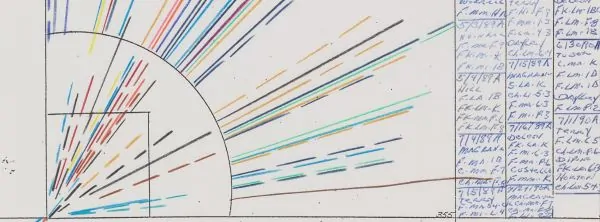
From the moment Henry Chadwick popularized baseball’s box score—the distilled result of art, science, skill, and luck at work—millions have studied and processed the tiny printed figures daily. Resourceful number crunchers moved on to sabermetrics, and the extensive interactive online box score continues to feed some fans’ insatiable quest for data.
Originally published by the United States Library of Congress to the public domain.
About the Author