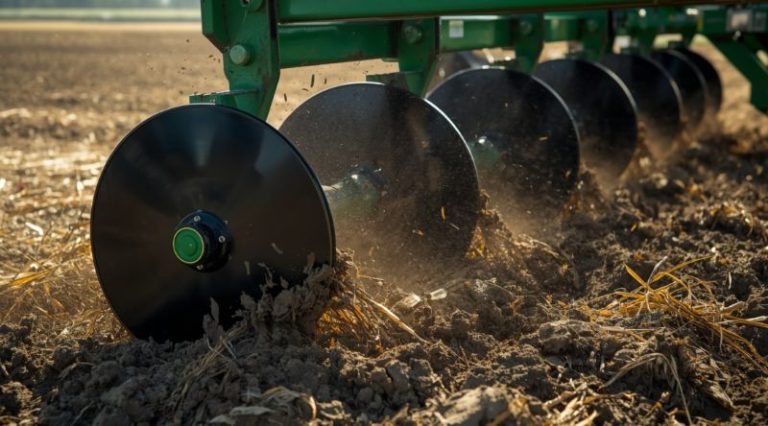
The equipment small farms use these days is lightyears beyond what was available even twenty years ago.
Running a small to mid-size farm has always come with unique challenges. For years, it didn’t make sense to have the same tech as huge commercial farms did. But that all changed…
Welcome to the age of modern farm equipment.
Farm equipment dealerships that used to only sell to large-scale operators now have compact and utility equipment specifically for smaller farms.
With that said, let’s dive into everything there is to know about modern farm equipment.
Table of Snapshot
- Why Modern Farm Equipment is Ideal for Small to Mid-Size Farms
- All the Modern Technology Involved
- How Precision Agriculture Fits Into the Picture
- Finding the Right Agricultural Equipment Dealership
- Putting Money into Smart Equipment Upgrades
Why Modern Farm Equipment is Ideal for Small to Mid-Size Farms
Operating a small farm isn’t like running a large agricultural enterprise.
You don’t have as many workers. You may not have as large of a budget. You might have less land under cultivation.
Modern farm equipment helps solve all of these problems.
Take a look at this chart from the USDA. Notice how guidance autosteering systems have gone from single-digit adoption by midsize farms in the early 2000s to 52% in 2023?.
Whoa.
That’s an overnight success story if I ever saw one. Small farm operations can finally take advantage of the same technology that larger operations have had for years. When you look at Case IH and Kubota equipment offers in Lewisburg, you’ll notice that same technologies are available from local farm equipment dealerships.
So what can modern farm equipment do for you?
- Increase productivity without hiring more workers
- Reduce operating costs with precision application
- Improve yields with smarter farming techniques
- Limit physical strain on yourself and farm employees
How great does that sound?
All the Modern Technology Involved
Honestly, farm equipment manufacturers must be reading a manual on “How to Wildly Succeed in Life.”
Farmers used to dream of autopilot steering systems and GPS guidance. Nowadays, they’re becoming standard features offered on tractors, combines, harvesters, and more.
Farmers are also seeing real benefits by adopting this new technology.
Studies have shown that precision agriculture can increase yields by up to 20-30% while reducing input waste by 40-60%. Farmers who upgrade their equipment can literally pay less for seed, fertilizer, and fuel while harvesting more crop than before.
Here are a few game-changing technologies found on modern farm equipment.
- GPS tractor systems help reduce overlap of planted fields
- Yield monitoring allows farmers to assess their operation in real-time
- Variable rate technology lets farmers apply inputs only where needed
- Smart irrigation tech conserves water on farms
- Auto steer drastically reduces operator fatigue
Precision agriculture weaves all these technologies together for a streamlined farming operation like never before.
How Precision Agriculture Changed the Game
If you had told a farmer 30 years ago that they wouldn’t treat their entire field equally, they would think you were crazy.
Put the same amount of fertilizer down everywhere? Check.
Plant at the same rate no matter the soil type? You bet.
Ignore differences in elevation by irrigating with the same schedule across your entire farm? Of course.
Sound familiar? That’s because up until recently, that’s exactly how the vast majority of farms operated.
It was extremely inefficient.
Instead of blanket-applying inputs everywhere, precision agriculture farms analyze their fields section by section. Tractors and equipment automatically apply the right amount of seed, fertilizer, and water based on the unique needs of each area.
The results have been outstanding.
Farmers who implemented precision agriculture techniques saw their input costs go down while maintaining or improving yields. Crops benefited because farmers weren’t unnecessarily dumping chemicals everywhere. Irrigation systems that used sensors saw water efficiency improve by up to 60%. Many farms in drought-stricken areas of the country would flat out fail if they didn’t use this technology.
Finding the Right Agricultural Equipment Dealership
Just like with equipment, not all ag dealers are created equal.
You want to find an agricultural equipment dealership that becomes a partner in your operation. That means they offer more than just machinery. They should provide:
- Expert advice on what equipment will best suit your needs
- Financing options that work with smaller budget
- Support after the sale with service and maintenance
- Easy access to parts when you need them
- Training on new technology
Dealerships get it. They know that small and mid-size farms have different needs than larger farms. That’s why many brands offer compact and utility tractors in addition to their full-size models. You should also be able to find smaller tillage implements and planting equipment suited for farm under 1,000 acres.
Partner with dealers who sell reputable brands that can stand behind their products. Ask about their warranty and how long it takes for service techs to respond if you need repairs. Don’t be afraid to ask if they offer rental or payment plans for equipment that you’ll only use seasonally.
You want your equipment dealership to know your operation inside and out. That way, they can make recommendations whenever your farm needs change.
Putting Money into Smart Equipment Upgrades
Farm equipment isn’t cheap. Those who buy it know that every piece of equipment should serve a purpose and improve your operation’s bottom line.
Ask yourself these questions when it comes time to upgrade.
- What tasks take up the most labor? Where can machines do the work of multiple employees?
- Where are bottlenecks during busy seasons? How can automation help?
- Where would technology have the biggest impact?
- What is your budget including financing options?
The USDA has plenty of programs available to farmers who are ready to invest in climate smart equipment. Many states also offer additional subsidies and incentives to get farmers thinking about sustainable farming technology.
Your dealership should offer financing as well. A lot of farm equipment financing programs were made with agriculture in mind. They offer seasonal payment options that work with your farm’s income flow. Harvesting several thousand dollars of crops makes it easier to purchase that new equipment you need.
Start with the low hanging fruit. What equipment will give you the biggest return on investment? If labor is an issue, a new GPS guided tractor may save you money immediately by allowing you to run solo. A new planter that improves yields can pay for itself by increasing your bottom line.
Wrapping Things Up
Small farms can’t afford to get left behind by technology.
Not only are more manufacturers creating equipment with smaller operations in mind, but dealerships are keeping compact and utility equipment in stock. Financing these days makes it possible for farms of all sizes to purchase big ticket items.
Let’s review.
- Modern farm equipment allows smaller farms to run efficiently and effectively.
- Precision agriculture has proven, measurable benefits.
- Buying used equipment from the right dealership can save you money.
- Spend your money on equipment that fixes the biggest problems in your operation.
- Take advantage of government programs and finance options to afford newer equipment.
Those who fail to invest in their farm equipment fall further behind. The farmers who embrace new technology will thrive moving forward.
Farm equipment has never had more variety than it does today. That means there’s never been a better time to embrace modern farm technology.
The question is, what do you upgrade first?
About the Author