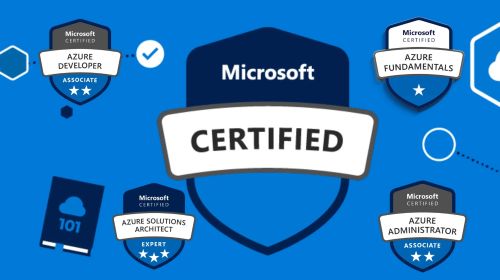
Microsoft professional certifications have become indispensable credentials in the modern digital landscape, offering individuals and organizations a standardized way to validate expertise in cloud computing, enterprise solutions, and data management. These certifications represent more than just credentials on a resume; they demonstrate a commitment to professional development and continuous learning. Whether you’re seeking career advancement, higher compensation, or validation of your existing skills, Microsoft certifications provide pathways that align with industry demands and organizational needs. With the rapid evolution of cloud infrastructure and digital transformation initiatives across all sectors, these certifications have become increasingly valuable to employers worldwide.
Understanding the Certification Landscape
The certification landscape offered by Microsoft spans multiple domains and proficiency levels, from foundational credentials to expert-level designations. Each certification pathway is meticulously designed to ensure that professionals possess practical knowledge and hands-on experience with Microsoft’s suite of products and services. The company regularly updates its certification requirements to reflect the latest industry standards and emerging practices. By pursuing these certifications, professionals signal their dedication to mastering complex systems and maintaining relevance in an increasingly competitive job market.
Types of Microsoft Certifications Available
Understanding the different types of certifications available is crucial for making informed decisions about your career path. Microsoft offers role-based certifications, fundamentals certifications, and specialty certifications that cater to different professional backgrounds and career objectives. Each certification category addresses specific job functions and required competencies. For comprehensive information on exam topics and detailed study materials, many professionals turn to resources such as ExamTopics to prepare effectively for their certification exams. These resources provide valuable insights into exam structures and question formats that candidates will encounter during their assessments.
Role-Based Certifications Explained
Role-based certifications are designed for professionals who work with specific Microsoft solutions and need to demonstrate competency in those areas. These certifications validate expertise in roles such as Azure administrators, data engineers, solutions architects, and security engineers. The role-based pathway ensures that certified professionals have practical knowledge applicable to real-world scenarios and business challenges. Employers particularly value these certifications because they directly correlate with job responsibilities and required skill sets. The certification requirements are regularly updated to keep pace with product evolution and market demands.
Preparing for Certification Exams
Preparing for Microsoft certification exams requires dedication, strategic planning, and access to quality study materials. Many candidates combine official Microsoft learning resources with third-party study guides and practice exams to ensure comprehensive preparation. Study materials are available in various formats including online courses, documentation, practice labs, and interactive tutorials. Platforms like Certkiller offer structured study paths and practice materials that help candidates identify knowledge gaps and strengthen weak areas before attempting official exams. A well-rounded preparation strategy typically combines theoretical learning with hands-on practical experience using actual Microsoft platforms and tools.
Azure Fundamentals Certification
The Azure fundamentals certification represents an excellent entry point for individuals new to cloud computing concepts and Microsoft’s cloud platform. This foundational credential validates understanding of core cloud concepts, essential Azure services, workloads, security, privacy, compliance, and pricing models. The fundamentals certification requires no prerequisite knowledge and serves as a stepping stone for more advanced certifications. Many professionals pursue this certification to establish a solid foundation before advancing to role-based or specialty certifications. The exam focuses on conceptual knowledge rather than deep technical expertise.
Importance of Practice Exams
Taking practice exams before attempting the official certification test is a critical component of successful preparation. These simulations help candidates become familiar with the exam interface, question formats, and time management requirements. Practice exams reveal knowledge gaps and allow candidates to focus study efforts on weak areas before the actual test. Multiple practice exam platforms are available, including Actualtests which provides realistic exam simulations and detailed explanations for each question. Regular practice testing significantly improves pass rates and ensures candidates feel confident and well-prepared when taking the official examination.
Career Advancement Through Certifications
Career advancement opportunities significantly expand with Microsoft certifications in your professional portfolio. Many organizations prioritize hiring certified professionals for key positions, recognizing that certifications validate specialized knowledge and commitment to professional development. Certified professionals often command higher salaries compared to non-certified peers in similar roles. Additionally, certifications enhance credibility with clients and stakeholders, demonstrating that you possess verified expertise. The certification advantage becomes particularly pronounced when pursuing senior roles such as solutions architect, cloud strategist, or principal engineer where deep expertise is essential for organizational success.
Organizational Benefits of Certified Staff
The value of Microsoft certifications extends beyond individual career benefits to organizational advantages. Companies with certified professionals are better equipped to implement robust cloud solutions, ensure security best practices, and optimize system performance. Certifications indicate that staff members understand industry best practices and can effectively troubleshoot complex issues. Organizations pursuing digital transformation initiatives benefit from having certified professionals who can guide strategy and implementation. Many enterprises establish certification requirements for specific roles as part of their hiring and staff development policies.
Maintaining and Renewing Certifications
Maintaining Microsoft certifications requires ongoing commitment as many credentials have validity periods and renewal requirements. Certification renewal typically involves either passing an updated exam or completing continuing education requirements. This renewal process ensures that certified professionals maintain current knowledge of evolving products and services. The commitment to renewal demonstrates a professional’s dedication to staying current with industry developments. Many professionals appreciate the renewal requirement as it prevents certifications from becoming stale and ensures that the market values current expertise.
Frequently Asked Questions
What are the prerequisites for Microsoft certification exams?
Most Microsoft certifications have no formal prerequisites, though some role-based certifications recommend prior experience with related products or concepts. Fundamentals certifications are specifically designed for individuals new to cloud computing. Role-based certifications assume familiarity with the relevant Microsoft services and typically recommend hands-on experience. It is important to assess your current skill level and choose appropriate starting certifications. Microsoft provides detailed exam guides that outline recommended experience and knowledge areas for each certification level.
How long does it take to prepare for a certification exam?
Preparation time varies significantly based on your existing experience, learning style, and study intensity. Fundamentals certifications typically require 20-30 hours of focused study. Role-based certifications may require 50-100 hours of preparation depending on complexity and your background. Individuals with relevant hands-on experience may require less study time than those learning entirely new concepts. A structured study plan, consistent practice, and quality materials accelerate the learning process. Many successful candidates recommend dedicating at least 3-4 weeks to intensive preparation before sitting for the exam.
What is the cost of Microsoft certification exams?
Microsoft certification exam costs typically range from $99 to $165 per exam depending on the specific certification and region. Some employers provide examination vouchers or reimbursement as part of professional development programs. Microsoft occasionally offers discount vouchers or special promotions that can reduce costs. When considering certification investment, compare the exam cost against potential salary increases and career advancement opportunities associated with the credential. Many professionals find the return on investment substantial over the course of their careers.
How are Microsoft certifications recognized internationally?
Microsoft certifications are recognized globally and hold significant value in the international job market. As organizations worldwide adopt Microsoft cloud solutions and enterprise services, demand for certified professionals continues to grow across all continents. The standardized nature of certifications ensures consistent recognition regardless of geographic location. International employers increasingly prefer or require Microsoft certifications for cloud-related positions. The certification transcripts and digital badges provided by Microsoft are recognized across industries and countries.
Can certifications be maintained indefinitely?
Most Microsoft certifications remain valid for one to three years, after which renewal is required. Renewal typically involves passing an updated exam or completing specific continuing education requirements. Some specialty certifications have different renewal schedules than role-based certifications. Microsoft provides clear guidance on renewal requirements for each certification level. Maintaining current certifications ensures that your credentials remain valuable and recognized by employers throughout your career.
What career paths benefit most from Microsoft certifications?
Cloud architects, database administrators, security engineers, Azure developers, and enterprise administrators benefit significantly from Microsoft certifications. Project managers overseeing cloud initiatives, business analysts evaluating cloud solutions, and IT managers responsible for infrastructure all gain credibility through certifications. Even professionals in supporting roles like sales engineers and consultant positions leverage certifications to build client confidence. Organizations across all industries value these credentials from finance to retail to government sectors. Career opportunities expand substantially across both private sector companies and public agencies with certified credentials.
Conclusion
Microsoft certifications represent a powerful investment in professional development and career advancement in an increasingly digital world. These credentials validate expertise, enhance credibility, and open doors to rewarding career opportunities. Whether you are just beginning your journey into cloud computing or seeking to advance your existing expertise, Microsoft offers certification pathways tailored to your professional objectives. The comprehensive preparation resources, diverse certification options, and global recognition make Microsoft certifications a strategic choice for professionals committed to excellence. By pursuing relevant certifications and maintaining current credentials, you position yourself as a valuable asset in the competitive job market and demonstrate your commitment to professional growth and excellence. Starting your certification journey today can lead to significant personal and professional achievements tomorrow.
About the Author