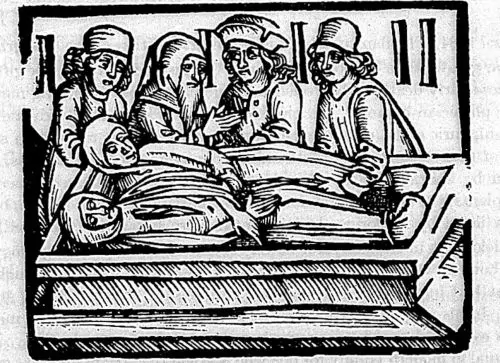
The English sweating sickness struck Tudor England with terrifying speed, killing within hours and defying explanation before vanishing as mysteriously as it appeared.

By Matthew A. McIntosh
Public Historian
Brewminate
Introduction: A Disease of Speed and Shock
The sweating sickness, known to contemporaries as sudor anglicus, emerged in late fifteenth-century England as one of the most alarming and poorly understood diseases of the premodern world. Unlike the more familiar and recurrent plague, which had established patterns and recognizable symptoms, the English Sweat struck with startling suddenness and progressed with terrifying speed. Victims could appear healthy in the morning and be dead by nightfall, often within a matter of hours after the first signs of illness. This rapid trajectory gave the disease a uniquely destabilizing character, as neither preparation nor intervention seemed capable of altering its course. In a society already conditioned by epidemic disease, the sweating sickness stood out not because of its scale alone, but because of the immediacy and unpredictability of its effects.
The symptoms of the disease contributed significantly to its fearful reputation. Contemporary accounts describe an initial sense of unease or apprehension, followed by violent chills, severe headache, and intense bodily pain. These early signs quickly gave way to a high fever and the profuse, often foul-smelling sweating that gave the illness its name. As the condition advanced, victims experienced extreme exhaustion, heart palpitations, and, in many cases, sudden collapse. What made the disease particularly terrifying was not only the severity of these symptoms but the speed with which they unfolded. There was little opportunity for recovery once the illness had fully taken hold, and the narrow window between onset and death left physicians and caregivers largely powerless.
Beyond its medical characteristics, the sweating sickness carried profound social implications. It appeared to strike with unusual intensity among the upper ranks of society, including courtiers, merchants, and members of the aristocracy, whose dense living conditions and constant interpersonal contact may have facilitated its spread. Reports of prominent individuals falling ill or dying in rapid succession circulated widely, amplifying fear and reinforcing the perception that no level of status or privilege could provide protection. This apparent pattern, whether statistically accurate or shaped by the visibility of elite suffering, disrupted established assumptions about disease as a condition primarily affecting the poor. At royal courts, where political power depended on proximity and presence, the illness introduced an element of instability that extended beyond health into governance itself. The concentration of power in such environments meant that outbreaks could quickly paralyze decision-making, force sudden relocations, and generate an atmosphere of suspicion and dread. The sweating sickness did more than kill. It exposed the vulnerability of the very structures that defined authority in late medieval England.
The emergence and recurrence of the sweating sickness between 1485 and 1551 reflect a broader tension within premodern medicine between observation and explanation. While physicians could describe the symptoms and progression of the disease with considerable precision, they lacked the theoretical framework necessary to understand its cause or to develop effective treatments. This gap between knowledge and control is central to the historical significance of the English Sweat. It illustrates the limits of medical practice in the face of novel disease and highlights the ways in which fear, uncertainty, and social disruption could amplify the impact of an epidemic beyond its immediate biological effects.
Origins and First Outbreak: 1485 and the Tudor Moment
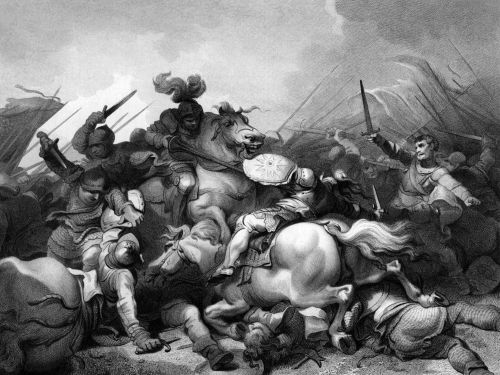
The first recorded outbreak of the sweating sickness coincided with one of the most significant political turning points in English history: the rise of Henry VII following the Battle of Bosworth in 1485. This convergence of epidemic disease and dynastic transition has long attracted the attention of historians, not only because of its timing but because of the uncertainty surrounding the disease’s origins. Contemporary observers noted that the illness appeared suddenly, with little precedent in earlier medical or chronicle traditions. Its emergence at the very moment of regime change contributed to a broader atmosphere of instability, in which political uncertainty and biological threat reinforced one another.
Some early accounts suggest that the disease may have been introduced by soldiers returning from the continent, particularly those associated with Henry Tudor’s campaign. Military movement has frequently been identified as a vector for disease transmission in premodern contexts, and the concentration of troops, combined with poor sanitation and exposure to unfamiliar environments, created ideal conditions for the spread of infection. The precise origins of the sweating sickness remain speculative, as no definitive source or pathway of transmission can be established with certainty. The lack of clear antecedents distinguishes it from other epidemic diseases, such as plague, which had a well-documented history in Europe.
The rapid spread of the disease in 1485 further intensified the sense of crisis. London, as the political and economic center of England, was particularly affected, with reports of widespread illness and sudden death among its inhabitants. The disease’s ability to move quickly through densely populated areas suggested a highly contagious nature, though contemporaries struggled to explain how it was transmitted. Unlike plague, which was often associated with visible signs such as buboes, the sweating sickness offered fewer external markers, making it more difficult to identify and contain. This ambiguity heightened fear, as individuals could not easily distinguish between the healthy and the infected, and rumors of invisible contagion circulated widely. The speed of transmission also meant that entire households or clusters of individuals could be struck within a short period, reinforcing the perception that the disease operated according to rules that defied known patterns. The outbreak not only spread physically through the population but also expanded psychologically, as uncertainty became a defining feature of the crisis.
The association of the outbreak with the Tudor court added another layer of significance. Henry VII himself appears to have taken the threat seriously, implementing measures to limit exposure and movement within his immediate circle. Court life, characterized by close quarters and constant interaction, created an environment in which the disease could spread rapidly among those in proximity to power. The presence of the illness at court not only endangered key political figures but also symbolized the fragility of the new regime. The sweating sickness became intertwined with the narrative of Tudor consolidation, serving as both a literal and symbolic challenge to stability.
Contemporary chroniclers attempted to make sense of the outbreak using the intellectual frameworks available to them. Many explanations drew on humoral theory, attributing the disease to imbalances in bodily fluids or to environmental factors such as corrupted air. Others interpreted the epidemic in moral or religious terms, viewing it as a form of divine punishment or warning. These interpretations reflect the broader limitations of late medieval medicine, in which observation could not easily be translated into causal understanding. The absence of a clear explanatory model led to a proliferation of competing theories, none of which could be definitively proven or disproven. This uncertainty encouraged both experimentation and resignation, as physicians and laypeople alike sought meaning in a phenomenon that resisted coherent interpretation. The intellectual struggle to explain the disease became part of its historical significance, illustrating the limits of contemporary knowledge systems.
The 1485 outbreak set the pattern for subsequent appearances of the sweating sickness, establishing its reputation as a disease that struck suddenly, spread rapidly, and defied explanation. Its emergence during a moment of political transformation ensured that it would be remembered not only as a medical phenomenon but also as a historical event embedded within the broader narrative of English history. The combination of uncertainty, fear, and high-profile impact made the first outbreak a defining moment, shaping both contemporary responses and later interpretations of the disease.
Symptoms and Progression: The 24-Hour Killer
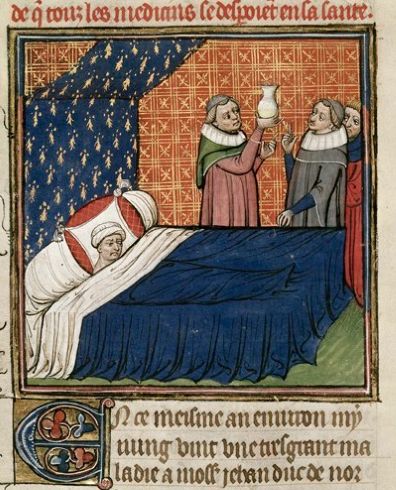
One of the most defining features of the sweating sickness was the extraordinary speed with which it progressed. Unlike many other epidemic diseases of the late medieval and early modern periods, which might unfold over several days or weeks, the English Sweat operated on a compressed timeline that left little room for intervention or recovery. Contemporary observers repeatedly emphasized that the illness could move from initial discomfort to death within a single day, often in less than twenty-four hours. This rapid progression contributed not only to its high mortality rate but also to the intense fear it inspired, as individuals could not rely on gradual warning signs or extended periods of illness to prepare themselves or seek assistance.
The onset of symptoms was typically sudden and unmistakable. Victims often reported an initial sense of anxiety or foreboding, followed by violent chills that marked the beginning of the disease’s acute phase. These chills were not mild discomforts but intense, shaking episodes that signaled a dramatic shift in bodily condition. They were quickly accompanied by severe headaches, dizziness, and pain in the limbs and shoulders, creating a sense of overwhelming physical distress that spread rapidly through the body. Within a short period, these symptoms gave way to a high fever and the profuse sweating that defined the illness. The sweat itself was frequently described as unusually heavy, persistent, and unpleasant, sometimes noted for its foul odor, which further reinforced the perception that the body was undergoing a violent and unnatural process. Contemporary observers often interpreted this sweating as either a purging mechanism or a dangerous excess, leading to conflicting ideas about whether it should be encouraged or restrained. This rapid escalation from mild unease to severe systemic symptoms, combined with the sensory intensity of the experience, made the disease both physically unbearable and deeply alarming to those who witnessed it.
As the illness progressed, the physiological effects became increasingly severe. Victims often experienced intense exhaustion, rapid heartbeat, and shortness of breath, symptoms that suggested a systemic collapse of bodily functions. In many cases, the combination of fever and cardiovascular strain led to sudden deterioration, with individuals losing consciousness or dying abruptly. The speed of this decline made it difficult for physicians to apply even the limited treatments available to them, as the window for intervention was extremely narrow. The disease’s progression exposed the practical limitations of premodern medicine, which relied heavily on observation and regimen but lacked the means to counteract such a rapidly advancing condition.
The brevity of the disease’s course also shaped how it was understood and managed. Because the illness typically resolved within a day, either through death or recovery, it was often described as a “kill-or-cure” condition. Survivors who endured the initial phase of symptoms had a reasonable chance of recovery, though this survival was often interpreted as a narrow escape rather than a predictable outcome. This perception influenced both medical advice and popular behavior, as patients were encouraged to remain still, avoid excessive covering, and endure the illness rather than attempt aggressive intervention. The absence of lasting immunity meant that even those who survived could not feel secure, as reinfection remained a real possibility during subsequent outbreaks. This cyclical vulnerability contributed to a persistent atmosphere of anxiety, in which recovery did not guarantee safety. The combination of rapid resolution and recurring risk made the sweating sickness particularly destabilizing, as individuals could never fully escape its reach.
The symptoms and progression of the sweating sickness defined its historical impact as much as its mortality rate. The combination of sudden onset, rapid escalation, and brief duration created a disease experience that was both physically overwhelming and psychologically destabilizing. For contemporaries, the English Sweat represented not just a medical condition but a temporal shock, compressing the experience of illness into a single, devastating day. This unique pattern ensured that the disease would be remembered as one of the most frightening epidemics of its time, leaving a lasting impression on both medical writing and cultural memory.
Transmission and Spread: Contagion without Clarity
The transmission of the sweating sickness remains one of its most enduring mysteries, both for contemporaries and modern scholars. Unlike plague, which was eventually associated with identifiable patterns of contagion and environmental factors, the English Sweat appeared to spread in ways that defied clear explanation. Observers recognized that the disease could pass rapidly from person to person, yet they struggled to identify the precise mechanism by which this occurred. The absence of visible signs of transmission, such as sores or lesions, made it difficult to determine how the illness moved through communities, contributing to an atmosphere of uncertainty and fear.
Contemporary accounts frequently noted the clustering of cases within households and close social networks. Entire families or groups of individuals living in proximity could be struck in quick succession, suggesting a form of direct or indirect contagion. Servants, attendants, and family members often fell ill after caring for or residing near an infected individual, reinforcing the belief that proximity played a crucial role in transmission. This pattern was particularly evident in urban environments, where population density and shared living spaces facilitated the rapid spread of illness. Not all individuals exposed to the disease became ill, creating inconsistencies that complicated efforts to understand its transmission. Some households experienced devastating losses, while neighboring households remained untouched, even when similar conditions prevailed. These irregularities reinforced the perception that the sweating sickness operated according to principles that were not fully accessible to human observation, blending recognizable contagion with baffling unpredictability.
Seasonality also played a significant role in the spread of the disease. Outbreaks of the sweating sickness tended to occur during the warmer months, particularly in late spring and summer, when environmental conditions may have favored its transmission. This seasonal pattern led some contemporaries to attribute the disease to corrupted air or miasma, a common explanatory framework in premodern medicine. While such theories lacked a scientific basis, they reflect an attempt to impose order on a phenomenon that appeared to follow certain temporal rhythms. The recurrence of outbreaks during specific times of year suggested that external factors, rather than purely individual susceptibility, played a role in the spread of the disease.
The social environments in which the sweating sickness flourished further shaped its transmission. Royal courts, merchant households, and urban centers provided ideal conditions for the disease to spread, as individuals in these settings were in constant close contact with one another. The mobility of elites, who frequently traveled between residences and regions, may have contributed to the geographic spread of the illness, carrying it from one center of population to another. The very structures of social and political life in late medieval England facilitated the movement of the disease, embedding it within networks of power and exchange.
Modern interpretations have sought to explain the transmission of the sweating sickness through the lens of epidemiology, though definitive conclusions remain elusive. One of the most widely discussed theories suggests that the disease may have been caused by a hantavirus, transmitted through contact with rodent excreta or contaminated environments. This hypothesis accounts for certain features of the disease, including its rapid progression and seasonal patterns, but it does not fully explain all aspects of its historical behavior. Other scholars have proposed alternative explanations, including unidentified viral pathogens or environmental triggers that no longer exist in the same form. The absence of surviving biological evidence has limited the ability of researchers to test such theories conclusively, leaving the question of transmission open to debate. The sweating sickness continues to occupy a space between historical documentation and scientific uncertainty, where interpretation must rely on incomplete evidence.
The spread of the sweating sickness illustrates the limits of both contemporary and modern attempts to understand disease in the absence of definitive evidence. For those who experienced it, the inability to identify how the illness moved from one person to another heightened its psychological impact, transforming it into a threat that seemed both invisible and unavoidable. The combination of rapid transmission, inconsistent patterns, and uncertain causes ensured that the disease would remain a source of fear and speculation long after its disappearance, underscoring the enduring challenge of interpreting epidemics that resist clear explanation.
Elite Mortality and Social Patterning
One of the most striking and widely discussed features of the sweating sickness was its apparent tendency to affect members of the social elite with unusual frequency. Contemporary observers repeatedly noted that the disease seemed to strike courtiers, merchants, and wealthy urban residents in disproportionate numbers, giving rise to the impression that it was, in some sense, a disease of status. This perception set the English Sweat apart from many other epidemic illnesses of the period, which were more commonly associated with poverty, overcrowding, and marginal living conditions. The visibility of elite suffering amplified the perceived severity of the disease, as the illness of prominent individuals attracted greater attention and was more frequently recorded in chronicles and correspondence. Reports of sudden deaths among those close to power circulated rapidly, reinforcing the sense that the disease operated unpredictably and without regard for traditional social hierarchies. In a society structured around rank and privilege, the apparent vulnerability of the elite carried symbolic weight, suggesting that even those at the top of the social order could be brought low with alarming speed.
The environments inhabited by the elite may help to explain, at least in part, this pattern of mortality. Royal courts and affluent households were characterized by close physical proximity, frequent social interaction, and a high degree of mobility, all of which created favorable conditions for the rapid spread of infectious disease. Courtiers lived, worked, and dined together in confined spaces, often traveling as a group between residences, thereby facilitating the transmission of illness across regions. Similarly, urban elites, particularly merchants, were deeply embedded in networks of trade and communication that brought them into contact with a wide range of individuals. These patterns of movement and interaction may have increased their exposure to the disease, even if it did not inherently “target” them in a biological sense.
The apparent concentration of cases among the elite may reflect biases in the historical record rather than the actual distribution of the disease. Chroniclers and early observers were more likely to document the illness and death of individuals of high status, whose lives were considered politically and socially significant. The suffering of the poor, by contrast, often went unrecorded or was noted only in general terms, resulting in a skewed evidentiary base. This imbalance complicates efforts to determine whether the disease truly affected elites more frequently or whether it simply appeared to do so because of the nature of surviving sources. Moreover, the prominence of elite cases in written records may have shaped contemporary perceptions as much as modern interpretations, reinforcing the idea that the disease was somehow linked to status. The interplay between lived experience and recorded history becomes central to understanding how the sweating sickness was perceived and remembered, highlighting the need for careful evaluation of both presence and absence in the sources.
Nevertheless, the perception that the sweating sickness struck the elite carried important social and cultural consequences. It undermined assumptions about the protective value of wealth and status, suggesting that even the most privileged members of society were vulnerable to sudden and uncontrollable illness. This realization contributed to a broader sense of anxiety and instability, particularly within political and economic centers where elite networks were concentrated. The social patterning of the disease, whether real or perceived, played a crucial role in shaping its historical impact, reinforcing its reputation as a uniquely disruptive and unsettling epidemic.
Royal Fear and Political Consequences

The sweating sickness exerted a profound influence on royal behavior, most notably in the reign of Henry VIII, whose intense fear of the disease became a defining feature of court life during outbreaks. Unlike many rulers who remained physically present during crises, Henry reacted with immediate and often dramatic withdrawal at the first sign of infection within his circle. Reports describe the king abruptly leaving residences, canceling engagements, and isolating himself from courtiers and even trusted advisors. This pattern of avoidance was not simply personal anxiety but a calculated response to a disease known for its speed and lethality, where proximity could mean death within hours. In a political culture built on visibility and proximity to power, the king’s absence itself became a powerful signal of crisis.
The structure of Tudor governance made such reactions particularly disruptive. Royal authority in early sixteenth-century England was highly centralized and dependent on the physical presence of the monarch, whose court functioned as both the symbolic and practical heart of government. Court was not merely a ceremonial space but the operational center of political decision-making, patronage, and administration, where access to the king determined influence and outcomes. When Henry VIII fled an outbreak, the machinery of governance often slowed or became fragmented, as officials were either left behind, dispersed, or forced to follow under uncertain and hurried conditions. This sudden displacement could interrupt ongoing diplomatic negotiations, delay legal decisions, and create confusion among those seeking royal approval for policies or appointments. Communication networks, already limited by the constraints of the period, became strained as messages had to follow the king’s unpredictable movements. In some cases, regional authorities were left without clear guidance, highlighting how dependent the system was on centralized, personal rule. The king’s physical withdrawal had cascading effects, transforming a medical crisis into an administrative one and revealing the fragility of governance structures built so heavily on the presence of a single individual.
The disease also influenced the social dynamics of the court, where fear of contagion altered patterns of interaction and trust. Courtiers who might otherwise seek proximity to the king for favor or advancement were suddenly faced with the risk that such closeness could be fatal. Suspicion could fall on those who showed signs of illness, and the rapid progression of the disease meant that individuals could move from apparent health to visible distress within a matter of hours. This fostered a culture of caution and distance, in which the usual rhythms of courtly life were replaced by vigilance and, at times, quiet panic. The presence of the sweating sickness reshaped not only political structures but also the interpersonal relationships that sustained them.
More broadly, the reaction of the monarchy to the sweating sickness underscores the vulnerability of even the most powerful figures to epidemic disease. The king’s fear, widely observed and recorded, challenged the traditional image of royal authority as stable and unshakable. Instead, it revealed a ruler subject to the same biological risks as his subjects, forced to navigate uncertainty without the benefit of effective medical protection. This exposure of royal fragility carried symbolic weight, reinforcing the broader cultural impact of the disease as one that ignored social boundaries and disrupted established hierarchies. The sweating sickness not only threatened lives but also reshaped perceptions of power and security in Tudor England.
Medical Response: Observation without Cure

The medical response to the sweating sickness reflects both the strengths and the profound limitations of late medieval and early modern medicine. Physicians were capable of observing and recording the symptoms of the disease with considerable detail, noting its rapid onset, characteristic sweating, and high mortality. These observations were often systematic and consistent across different outbreaks, suggesting a level of empirical attentiveness that should not be underestimated. Yet despite this capacity for careful description, medical practitioners were unable to identify the cause of the disease or to develop effective treatments, leaving them to operate within a framework that emphasized management rather than cure.
Humoral theory remained the dominant explanatory model for understanding the sweating sickness. Physicians interpreted the disease as the result of an imbalance in the body’s humors, often associated with excessive heat or corruption of bodily fluids. The profuse sweating that defined the illness was frequently seen as either a dangerous excess or a necessary purgation, depending on the practitioner’s interpretation. This ambiguity led to differing approaches in treatment, as some physicians sought to encourage sweating as a means of expelling harmful substances, while others attempted to moderate it to prevent further weakening of the patient. These conflicting interpretations highlight the absence of a unified medical response and underscore the uncertainty that surrounded the disease.
Treatment strategies were largely focused on regulating the patient’s environment and bodily state rather than directly combating the disease itself. Patients were typically advised to remain in bed, avoid excessive movement, and maintain a controlled temperature, neither too hot nor too cold. Covering the body too heavily was often discouraged, as it was believed to exacerbate the sweating and strain the heart. Patients were cautioned against sudden exposure to cold air, which was thought to disrupt the body’s balance. These recommendations reflect an attempt to stabilize the patient during the critical period of illness, though their effectiveness was limited by the rapid progression of the disease.
Physicians also relied on a range of medicinal substances, though these were generally of limited efficacy. Herbal remedies, cordials, and various compounds were administered in an effort to support the body or counteract perceived imbalances. These treatments could include mixtures of herbs believed to cool or strengthen the body, as well as preparations intended to calm the heart or regulate bodily heat. The speed with which the sweating sickness advanced often rendered such interventions ineffective, as there was little time for treatments to take effect before the disease reached its most critical phase. In many cases, physicians had to make rapid decisions based on incomplete information, applying remedies that were as much rooted in tradition as in observation. The limited success of these treatments sometimes led to a reliance on regimen and timing, with practitioners emphasizing the importance of managing the patient’s condition during the first crucial hours. Despite these efforts, outcomes remained largely unchanged, and the role of the physician was often reduced to one of observation and guidance, providing instructions and reassurance rather than active intervention. This reality contributed to a broader sense of medical inadequacy, as practitioners were forced to confront a disease that resisted their established methods and undermined confidence in their professional authority.
The medical response to the sweating sickness illustrates the gap between knowledge and capability in premodern medicine. Physicians could recognize the disease, describe its symptoms, and attempt to manage its effects, but they could not alter its outcome in any reliable way. This inability to cure or prevent the illness reinforced its reputation as a uniquely formidable disease, one that exposed the limits of contemporary medical practice. The sweating sickness serves as a powerful example of how observation alone, without a corresponding understanding of underlying mechanisms, was insufficient to overcome the challenges posed by epidemic disease.
Public Perception and Cultural Meaning

The sweating sickness quickly became more than a medical phenomenon. It entered the cultural and psychological landscape of late medieval and early modern England as a symbol of sudden and uncontrollable death. Unlike diseases that allowed time for preparation, confession, or ritual, the English Sweat disrupted the expected rhythms of illness and dying. Its rapid onset denied individuals the opportunity to make peace with their fate, contributing to a heightened sense of existential anxiety. The disease was not only feared for its physical effects but also for the way it unsettled deeply rooted expectations about life, death, and divine order.
Public perception of the disease was shaped by its unpredictability and its apparent disregard for social hierarchy. The nickname “Stoop Gallant” captured this dimension, suggesting that even the proud and powerful were forced to bow before the illness. This language reflects a broader cultural tendency to interpret disease as a leveling force, one that exposed the fragility of human status and ambition. The inclusion of terms like “knave” in some variations of the nickname indicates that the disease was understood to affect all levels of society, reinforcing its reputation as a universal threat. The widespread use of these labels in both formal and informal discourse suggests that the disease quickly became embedded in everyday language, serving as a shorthand for sudden misfortune and unavoidable decline. Such terminology did not merely describe the illness but actively shaped how people understood it, framing the sweating sickness as both a physical affliction and a social commentary on the limits of power and pride. Language became a key medium through which fear and meaning were constructed and shared.
Religious interpretation played a central role in shaping responses to the sweating sickness. Many contemporaries viewed the disease through the lens of divine judgment, interpreting its sudden and severe nature as a sign of God’s displeasure. Sermons and moral writings often framed the outbreak as a call to repentance, urging individuals to reflect on their behavior and seek spiritual correction. This perspective was consistent with broader patterns in premodern responses to epidemic disease, in which illness was frequently linked to moral or spiritual causes. The inability to explain the disease in naturalistic terms reinforced the appeal of such interpretations, as they provided a framework for understanding an otherwise inexplicable phenomenon.
Fear of the sweating sickness influenced everyday behavior and social interaction. Individuals became more cautious in their movements and contacts, particularly during outbreaks, as the risk of exposure seemed both immediate and unavoidable. Reports of sudden illness among acquaintances or neighbors could lead to rapid changes in routine, including withdrawal from public spaces and avoidance of gatherings. This behavioral shift reflects the broader social impact of the disease, as it altered patterns of interaction and contributed to a climate of vigilance and suspicion. The presence of the illness reshaped not only individual experiences but also the collective rhythms of community life.
The cultural meaning of the sweating sickness was also shaped by its relationship to other diseases, particularly plague. While plague remained the dominant epidemic threat of the period, the English Sweat distinguished itself through its speed and its concentration in specific outbreaks. Comparisons between the two diseases highlight differences in both medical understanding and cultural response. Plague, with its longer course and more visible symptoms, allowed for more established forms of intervention and ritual, even if these were often ineffective. The sweating sickness, by contrast, offered little time for such responses, intensifying its psychological impact and reinforcing its reputation as a uniquely terrifying illness. This contrast also influenced how communities prioritized their fears, as the familiar horror of plague was, in some ways, more manageable than the sudden and unpredictable nature of the English Sweat. The juxtaposition of these diseases reveals how cultural frameworks for understanding illness were shaped not only by mortality rates but by the temporal experience of suffering itself.
The sweating sickness functioned as a cultural event as much as a medical one. It shaped language, influenced behavior, and contributed to broader reflections on vulnerability and mortality. Its rapid and unpredictable nature challenged existing frameworks for understanding disease, forcing individuals and communities to confront the limits of their knowledge and control. It left a lasting imprint on the cultural memory of the period, remembered not only for its mortality but for the way it disrupted the social and psychological foundations of late medieval life.
Repeated Outbreaks: 1508, 1517, 1528, and 1551

Following its dramatic appearance in 1485, the sweating sickness did not disappear but returned in a series of subsequent outbreaks that reinforced its reputation as a recurring and unpredictable threat. Major waves occurred in 1508, 1517, 1528, and 1551, each outbreak varying in intensity, geographic reach, and social impact. These repeated episodes contributed to a growing sense of unease, as the disease demonstrated its ability to re-emerge without warning, often after years of apparent absence. Unlike endemic diseases that maintained a continuous presence, the sweating sickness appeared in sudden, concentrated bursts, making it difficult for contemporaries to anticipate or prepare for its return.
The 1508 and 1517 outbreaks largely remained confined to England, though they affected key urban centers and reinforced the disease’s association with densely populated and socially interconnected environments. The 1517 outbreak appears to have had a significant impact on London, where reports of rapid illness and death echoed earlier experiences. These early recurrences confirmed that the disease was not an isolated event but part of a broader pattern, prompting continued efforts by physicians and authorities to understand and respond to its presence. The lack of clear causation or effective treatment meant that each outbreak was met with a similar mixture of observation, anxiety, and limited intervention.
The outbreak of 1528 marked a turning point in the history of the sweating sickness, as it spread beyond England into continental Europe. Beginning in London, the disease moved rapidly across the country before crossing the Channel and affecting regions including the Low Countries, Germany, and parts of Scandinavia. This expansion challenged earlier assumptions that the disease was uniquely English and introduced it to populations that had not previously encountered it. Contemporary accounts from continental observers often emphasized the novelty and severity of the illness, highlighting both its rapid progression and its unfamiliar symptoms. The international spread of the disease underscored its capacity for mobility and further complicated efforts to identify its origins or mechanisms of transmission.
The final major outbreak in 1551 brought an end to the known history of the sweating sickness, though its disappearance remains as mysterious as its emergence. This last wave followed the established pattern of sudden onset and rapid mortality but did not lead to further recurrences in subsequent decades. Historians have proposed a range of explanations for this disappearance, including environmental changes, shifts in population dynamics, or the possible extinction or mutation of the causative agent. Whatever the reason, the cessation of outbreaks contributed to the enduring enigma of the disease, leaving behind a historical record marked by repeated crises and unresolved questions. The sequence of outbreaks between 1485 and 1551 defines the temporal boundaries of the sweating sickness, encapsulating its rise, spread, and eventual disappearance within a relatively short but intensely disruptive period.
Why Did It Disappear? Theories and Speculation

The sudden disappearance of the sweating sickness after the outbreak of 1551 has long puzzled historians and medical scholars alike. Unlike many epidemic diseases that gradually decline or evolve into endemic forms, the English Sweat seems to have vanished entirely, leaving no clear successor or identifiable continuation. This abrupt cessation has made the disease as enigmatic in its disappearance as it was in its emergence. Contemporary observers offered little explanation for this change, and the absence of further outbreaks created a historical silence that has invited extensive speculation.
One line of interpretation focuses on environmental and ecological change as a potential explanation for the disease’s disappearance. If the sweating sickness was indeed linked to a specific pathogen, such as a rodent-borne virus, shifts in climate, habitat, or human settlement patterns may have disrupted the conditions necessary for its transmission. Changes in land use, agricultural practices, or urban development in sixteenth-century England could have altered the relationship between human populations and animal carriers, reducing the likelihood of exposure. While this theory aligns with modern understandings of zoonotic disease, it remains difficult to verify in the absence of direct biological evidence from the period.
Another possibility is that the causative agent of the sweating sickness underwent mutation or extinction. Diseases are not static entities, and pathogens can evolve in ways that alter their virulence, transmissibility, or even their ability to infect human hosts. It is conceivable that the agent responsible for the English Sweat either became less dangerous or disappeared entirely due to changes in its ecological niche. This hypothesis offers a biological explanation for the disease’s disappearance, though it also highlights the limitations of retrospective diagnosis, as the precise nature of the illness remains unknown.
Historians have also considered the role of human factors in the disappearance of the disease. Improvements in living conditions, hygiene, or patterns of social interaction may have reduced the opportunities for transmission, even if these changes were not consciously implemented as public health measures. Additionally, shifts in population density or mobility could have altered the dynamics of outbreak formation, preventing the disease from reaching the critical threshold necessary for widespread انتشار. These explanations emphasize the interaction between human behavior and disease ecology, suggesting that even without understanding the disease, societies may have inadvertently contributed to its decline.
The disappearance of the sweating sickness underscores the challenges of interpreting historical epidemics with incomplete evidence. Each proposed explanation offers a plausible framework, yet none can be confirmed with certainty. The lack of definitive answers reflects both the limitations of contemporary documentation and the constraints faced by modern scholarship in reconstructing past diseases. The vanishing of the English Sweat remains one of its most defining features, reinforcing its status as a medical mystery and a reminder of the many questions that continue to surround the history of epidemic disease.
Historiography: Interpreting the English Sweat
The following video discusses the sweating sickness as a deadly Tudor plague:
The historiography of the sweating sickness reflects broader shifts in how historians approach epidemic disease, particularly in balancing medical, social, and cultural interpretations. Early scholarship tended to focus on the descriptive and clinical aspects of the illness, emphasizing its symptoms, mortality, and chronology of outbreaks. These studies often treated the English Sweat as a medical anomaly, seeking to classify it within known categories of disease or to identify it retrospectively through comparison with modern conditions. While valuable in establishing a factual foundation, this approach sometimes overlooked the broader social and cultural contexts in which the disease was experienced and understood.
Later historians expanded the scope of inquiry by situating the sweating sickness within the wider framework of early modern society. Rather than viewing it solely as a biological phenomenon, scholars began to examine how the disease interacted with social structures, political systems, and patterns of behavior. This shift allowed for a more nuanced understanding of the epidemic, highlighting its impact on court life, urban environments, and perceptions of social hierarchy. By integrating medical history with social and political analysis, historians were able to move beyond the question of what the disease was to explore what it meant within its historical context. This broader approach also encouraged the use of interdisciplinary methods, drawing on insights from anthropology, sociology, and environmental history to reconstruct the lived experience of the disease. Scholars have emphasized that the significance of the sweating sickness lies not only in its biological effects but also in the ways it shaped and was shaped by the societies it affected.
A key area of debate within the historiography concerns the nature of the disease itself. Scholars have proposed a range of possible identifications, including forms of influenza, relapsing fever, and, more recently, hantavirus infections. Each of these interpretations draws on different aspects of the historical record, such as symptom descriptions, patterns of spread, and environmental conditions. The absence of definitive biological evidence has prevented any single theory from achieving consensus. This ongoing uncertainty has made the sweating sickness a case study in the challenges of retrospective diagnosis, illustrating the difficulties of applying modern medical categories to premodern phenomena.
Another important historiographical development involves the reassessment of social patterning, particularly the question of whether the disease disproportionately affected the elite. Earlier interpretations often took contemporary accounts at face value, emphasizing the apparent concentration of cases among courtiers and wealthy individuals. More recent scholarship has questioned this assumption, pointing to the biases inherent in historical sources and the likelihood that the experiences of lower-status populations were underrepresented. This debate reflects a broader concern within historical methodology about the reliability of sources and the need to critically evaluate the perspectives they convey. It also highlights the importance of reading silence and absence within the historical record, as the lack of documentation for certain groups can distort the overall picture of an epidemic’s impact. By reexamining these assumptions, historians have developed a more cautious and critical approach to interpreting the social distribution of the disease, recognizing that visibility in sources does not necessarily equate to prevalence in reality.
The historiography of the sweating sickness underscores the complexity of interpreting a disease that resists clear classification. It reveals how historical understanding evolves, shaped by new questions, methods, and theoretical frameworks. The English Sweat remains a subject of ongoing interest not only because of its dramatic characteristics but also because of the interpretive challenges it presents. It continues to serve as a valuable lens through which historians can explore the intersections of medicine, society, and knowledge in the past.
Conclusion: A Disease That Defied Its Time
The sweating sickness stands as one of the most enigmatic diseases of the late medieval and early modern world, defined by its speed, unpredictability, and resistance to explanation. Unlike more familiar epidemic illnesses, it offered no gradual progression, no reliable pattern of recurrence, and no effective means of treatment. Its sudden appearance in 1485 and equally abrupt disappearance after 1551 frame it as a disease that seemed to operate outside the expected rhythms of historical disease experience. For contemporaries, it represented a form of biological shock, one that challenged not only the limits of medical knowledge but also the assumptions that structured everyday life.
The historical significance of the English Sweat lies not only in its mortality but in its ability to expose the vulnerabilities of the societies it affected. It disrupted political systems by destabilizing royal courts, altered social interactions through fear of contagion, and challenged cultural beliefs about hierarchy and protection. The apparent impact on elite populations, whether real or perceived, reinforced the idea that no social position could guarantee safety. The disease functioned as both a medical and a social crisis, revealing the fragility of structures that were often assumed to be stable and enduring.
The sweating sickness highlights the limitations of premodern medicine in confronting new and rapidly evolving threats. Physicians could observe and describe the disease with notable precision, yet they lacked the theoretical and practical tools necessary to understand or control it. This gap between observation and intervention is central to the history of the disease, illustrating a broader pattern in which knowledge did not necessarily translate into effective action. The inability to cure or prevent the illness reinforced its reputation as a uniquely formidable force, one that operated beyond the reach of established medical practice.
The English Sweat endures in historical memory as a disease that defied its time, resisting both contemporary understanding and modern classification. Its brief but intense presence left a lasting imprint on the societies it affected, shaping perceptions of disease, vulnerability, and uncertainty. Even today, the lack of a definitive explanation for its cause or disappearance continues to invite speculation and debate, ensuring its place as one of the most compelling medical mysteries of the past.
Bibliography
- Carlson, James R. and Peter W. Hammond. “The English Sweating Sickness (1485–c.1551): A New Perspective on Disease Etiology.” Journal of the History of Medicine and Allied Sciences 54:1 (1999), 23-54.
- Cunningham, Andrew. The Anatomist Anatomis’d: An Experimental Discipline in Enlightenment Europe. Farnham: Ashgate, 2010.
- Duncan, Christopher J., and Susan Scott. Biology of Plagues: Evidence from Historical Populations. Cambridge: Cambridge University Press, 2001.
- Editors, Charles Rivers. The English Sweating Sickness: The History and Legacy of the Mysterious Disease that Plagued Medieval London. Self-Published, 2020.
- Evans, E. W. “The Sweating Sickness.” Science 8:186 (1886), 190.
- Guy, John. Tudor England. Oxford: Oxford University Press, 1988.
- Hecker, J. F. C. The Epidemics of the Middle Ages. London: George Woodfall and Son, 1844.
- Loades, David. Henry VIII: Court, Church and Conflict. London: National Archives, 2007.
- Porter, Stephen. The Sweating Sickness Epidemic: Henry VIII’s Great Fear. Barnsley: Pen & Sword History, 2023.
- Slack, Paul. The Impact of Plague in Tudor and Stuart England. London: Routledge, 1985.
- Siraisi, Nancy G. Medieval and Early Renaissance Medicine: An Introduction to Knowledge and Practice. Chicago: University of Chicago Press, 1990.
- Wear, Andrew. Knowledge and Practice in English Medicine, 1550–1680. Cambridge: Cambridge University Press, 2000.
- Wylie, John A. and Leslie H. Collier. “The English Sweating Sickness (Sudor Anglicus): A Reappraisal.” Journal of the History of Medicine and Allied Sciences 36:4 (1981), 425-445.
Originally published by Brewminate, 04.03.2026, under the terms of a Creative Commons Attribution-NonCommercial-NoDerivatives 4.0 International license.
About the Author