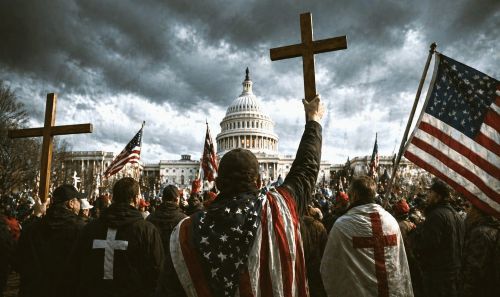
Christian nationalism in modern America blends religious identity with political power, shaping exclusionary narratives that, in some cases, correlate with support for coercion and violence.

By Matthew A. McIntosh
Public Historian
Brewminate
Introduction: Faith, Nation, and the Justification of Violence
The relationship between religion and political identity has long shaped the development of the United States, but the fusion of these elements into an ideology that justifies violence represents a more recent and deeply contested phenomenon. Christian nationalism, as defined by contemporary scholars, is not synonymous with Christianity itself, but rather an ideological framework that merges a particular interpretation of Christian identity with an exclusionary vision of American nationhood. The United States is imagined as a divinely favored nation whose political and cultural institutions must be defended against perceived internal and external threats. When this belief system becomes intertwined with narratives of decline, loss, and crisis, it can provide moral justification for actions that extend beyond democratic norms, including the endorsement or use of violence.
It is essential to distinguish between the broad and diverse traditions of American Christianity and the specific ideological construct of Christian nationalism. While many Americans identify with Christianity in ways that are compatible with pluralism and democratic governance, Christian nationalism operates by narrowing this identity into a rigid and often exclusionary form. Scholars have emphasized that this ideology is characterized less by personal religious devotion than by a desire to align national identity with a particular cultural and political order. This alignment frequently privileges white Protestant norms, elevates hierarchical social structures, and frames dissenting perspectives as threats to the nation’s moral foundation. It also tends to recast civic belonging in explicitly religious terms, suggesting that full participation in the national community is contingent upon adherence to a specific vision of Christianity. Such a framework not only marginalizes religious minorities and secular perspectives but also narrows the acceptable range of political discourse, transforming disagreement into perceived disloyalty. This process can foster an environment in which ideological conformity is equated with patriotism, and opposition is interpreted as a form of moral or existential threat. These dynamics create the conditions under which political disagreement can be recast as existential conflict.
The justification of violence within this ideological framework does not emerge in isolation but is shaped by broader historical and social processes. The language of sacred mission and divine mandate has deep roots in American history, from early colonial narratives to the rhetoric of Manifest Destiny. In its modern form, Christian nationalism often intersects with other ideological currents, including white nativism, anti-government extremism, and conspiracy-driven worldviews. These intersections amplify perceptions of threat and urgency, fostering an environment in which extraordinary measures may be seen as necessary to preserve a perceived “true” America. The resulting discourse can blur the boundaries between symbolic and physical conflict, making the transition from belief to action more conceivable for certain adherents.
Here I examine the development of violent expressions of Christian nationalism in modern America by situating them within their historical, ideological, and social contexts. It does not argue that such violence is an inevitable outcome of religious belief, nor that it represents the views of the majority of Christians, but rather that it emerges from a specific configuration of ideas and conditions that merit careful analysis. By exploring the interplay between faith, national identity, and political power, this study seeks to understand how certain interpretations of religion can be mobilized in ways that challenge democratic norms and legitimize coercion. It contributes to a broader effort to distinguish between religion as a source of meaning and religion as a tool of political exclusion and conflict.
Defining Christian Nationalism: Belief, Identity, and Power
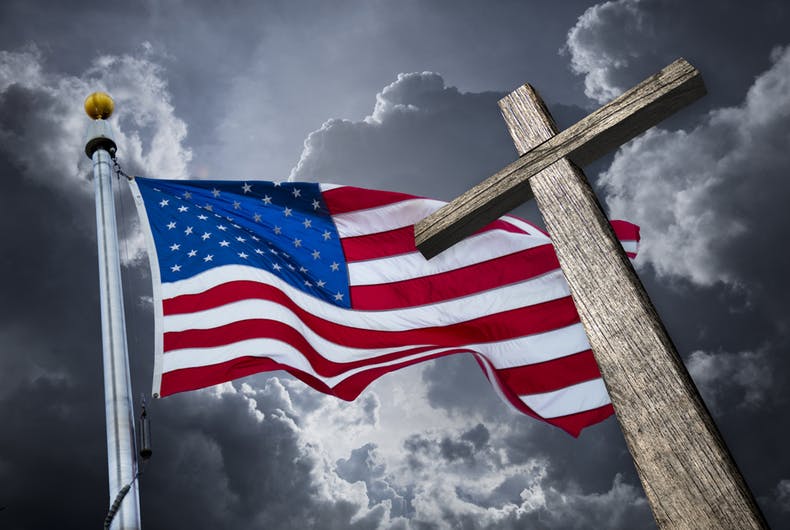
Christian nationalism, as a modern analytical category, refers to a specific ideological framework rather than a general expression of religious belief. At its core, it asserts that the United States was founded as, and should remain, a distinctly Christian nation whose laws, institutions, and cultural norms reflect a particular interpretation of Christianity. This claim is not merely descriptive but prescriptive, advocating for the alignment of political authority with religious identity. As scholars have emphasized, this ideology operates less as a theology and more as a form of cultural and political orientation, one that shapes how adherents understand both national belonging and the exercise of power within the state.
Central to this framework is the fusion of religious identity with national identity, producing a vision of citizenship that is implicitly exclusive. Christian nationalism often equates “true” American identity with a specific set of cultural and religious markers, frequently associated with white Protestant traditions. This conflation narrows the boundaries of belonging, positioning religious and cultural difference as deviations from an idealized norm. It transforms pluralism from a defining feature of American society into a perceived threat, recasting diversity as fragmentation rather than strength. The resulting narrative privileges uniformity and continuity, framing the preservation of a particular identity as essential to the nation’s survival. This process is reinforced through symbolic language, historical reinterpretation, and political rhetoric that emphasize a mythologized past in which religious and national unity were presumed to be intact. Such narratives often minimize or exclude the contributions of minority groups, presenting a selective vision of history that legitimizes present-day claims about identity and authority. This framing can cultivate a sense of grievance among adherents, who may come to view social and demographic change as evidence of cultural decline rather than as part of the nation’s ongoing development.
The ideological structure of Christian nationalism also incorporates assumptions about hierarchy and authority that extend beyond religious affiliation. It often reinforces traditional gender roles, emphasizing patriarchal leadership within both the family and the state, while simultaneously expressing skepticism toward institutions and practices associated with modern pluralistic democracy. This orientation can manifest in support for strong, centralized authority and a diminished tolerance for dissent, particularly when dissent is interpreted as undermining the moral or cultural order. Christian nationalism intersects with broader authoritarian tendencies, linking religious conviction to specific political preferences. These tendencies are not always explicit but can be embedded in broader calls for “order,” “restoration,” or “return,” which signal a desire to reestablish perceived hierarchies that have been disrupted by social change. The emphasis on authority and stability can also extend to attitudes toward law enforcement, governance, and civic participation, shaping how adherents engage with political institutions. The ideology functions not only as a statement of belief but as a framework for interpreting power, legitimacy, and the proper organization of society.
Importantly, scholars have distinguished between Christian nationalism as an ideology and the personal religiosity of individuals who may identify with it. Research indicates that adherence to Christian nationalist beliefs does not necessarily correlate with high levels of religious practice or theological engagement. Instead, it often reflects a cultural attachment to Christianity as a marker of identity and belonging, rather than as a system of doctrinal belief. This distinction underscores the extent to which Christian nationalism functions as a political ideology, drawing upon religious language and symbolism to articulate broader concerns about identity, power, and social change.
Understanding Christian nationalism in these terms allows for a more precise analysis of its role in contemporary political and social dynamics. Rather than treating it as a monolithic or static phenomenon, it can be examined as a set of interconnected beliefs that evolve in response to changing conditions. This perspective highlights the ways in which religion can be mobilized to support particular visions of national identity and political order, while also revealing the tensions that arise when such visions conflict with democratic principles of inclusion and pluralism. By clarifying the meaning and structure of Christian nationalism, it becomes possible to better assess its influence and implications within modern American society.
Historical Roots: Religion, Nativism, and American Identity

The ideological foundations of modern Christian nationalism in the United States can be traced to the earliest periods of European colonization, when religious identity was closely intertwined with concepts of community, authority, and purpose. English settlers in North America often understood their presence in providential terms, viewing the New World as a space in which they could establish a society aligned with their interpretation of Christian principles. Puritan settlers in New England articulated a vision of collective identity rooted in covenant theology, framing their community as bound by divine purpose and moral obligation. While these early expressions were complex and varied, they established a precedent for linking religious belief with territorial and political identity in ways that would persist and evolve over time.
These early communities were marked by patterns of exclusion that foreshadowed later forms of nativism. Religious dissenters, Indigenous peoples, and those outside the dominant Protestant framework were often marginalized or forcibly removed, reflecting an understanding of social cohesion that depended on shared belief and cultural conformity. The boundaries of belonging were defined not only by geography but by adherence to a particular religious and moral order. This dynamic laid the groundwork for later narratives that would equate American identity with specific religious and cultural characteristics, reinforcing the idea that national unity required ideological homogeneity.
In the nineteenth century, these themes were further developed through the rhetoric of Manifest Destiny, which framed American expansion as both inevitable and divinely sanctioned. Political leaders and cultural figures invoked religious language to justify territorial growth, presenting the nation’s westward movement as part of a larger providential plan. This narrative not only reinforced the connection between faith and national identity but also contributed to the marginalization and displacement of Indigenous populations, as well as the entrenchment of racial hierarchies. The fusion of religious justification with political ambition during this period illustrates how theological concepts could be mobilized to support broader social and territorial agendas.
The post-Civil War era introduced additional layers of complexity, particularly through the development of the “Lost Cause” ideology in the South. This narrative reinterpreted the Confederacy’s defeat as a moral and cultural struggle rather than a consequence of slavery and rebellion, often drawing upon religious symbolism to legitimize its claims. It contributed to the construction of a racialized vision of American identity that linked Christianity with white supremacy and regional heritage. Churches, memorial practices, and public rituals played a significant role in reinforcing this interpretation, embedding it within both religious and civic life. Sermons, commemorations, and educational materials frequently presented the Confederacy in terms of sacrifice and righteousness, creating a moral narrative that could be transmitted across generations. This fusion of religious imagery with historical reinterpretation did not merely justify the past but shaped contemporary social relations, particularly through the reinforcement of racial hierarchies in the Jim Crow era. The Lost Cause became more than a regional memory; it functioned as a cultural framework that linked faith, identity, and power in ways that would influence later nationalist ideologies.
The twentieth century saw the continued evolution of these themes, particularly in response to immigration, industrialization, and global conflict. Waves of new arrivals, many of whom were Catholic, Jewish, or otherwise outside the dominant Protestant framework, prompted renewed expressions of nativism that emphasized the preservation of a perceived American identity. Religious language was often employed to distinguish between insiders and outsiders, reinforcing the association between national belonging and specific cultural norms. The emergence of a more pluralistic society challenged these assumptions, creating tensions that would persist throughout the century.
By the late twentieth century, the historical strands of religious identity, nativism, and national purpose had converged in ways that set the stage for the development of modern Christian nationalism. While the specific forms and expressions of this ideology would continue to change, its roots in earlier patterns of exclusion, providential rhetoric, and cultural boundary-making remained evident. These historical continuities provided a framework through which contemporary actors could interpret social and political change, often framing it in terms of loss or decline. The perceived erosion of traditional values, shifts in demographic composition, and expansion of civil rights were frequently understood through narratives that drew upon these older ideas, reinforcing the sense that the nation was departing from its intended course. Understanding these historical foundations is essential for analyzing contemporary manifestations, as they reveal how longstanding narratives and assumptions can be reinterpreted and mobilized in new contexts. In this continuity, the past does not simply inform the present; it provides the conceptual vocabulary through which current debates are framed.
Late 20th Century: The Rise of Organized Religious-Political Movements

The late twentieth century marked a decisive shift in the relationship between religion and politics in the United States, as organized movements began to articulate a more explicit fusion of Christian identity and political action. While religious influence in public life was not new, the emergence of coordinated efforts to shape policy and electoral outcomes represented a new level of institutional engagement. This period saw the consolidation of networks that linked religious leaders, political strategists, and grassroots activists, creating a framework through which religious ideology could be translated into sustained political influence. The development of these movements reflected broader social changes, including reactions to cultural liberalization, judicial decisions, and shifting norms surrounding gender, family, and sexuality.
Central to this transformation was the rise of organizations such as the Moral Majority, founded by Jerry Falwell in 1979, which sought to mobilize conservative Christians as a unified political force. These groups framed their efforts in terms of restoring moral order and protecting religious freedom, but they also advanced a vision of national identity closely aligned with specific theological and cultural assumptions. Through media outreach, voter registration drives, and strategic alliances with political candidates, they helped to integrate religious concerns into the broader framework of partisan politics. Television ministries, radio programming, and later cable networks provided powerful platforms for disseminating messages that blended religious conviction with political advocacy, reaching audiences on an unprecedented scale. This media infrastructure not only amplified the movement’s visibility but also reinforced a sense of shared identity among supporters, linking local concerns to national narratives. These organizations contributed to the normalization of religiously framed political discourse, embedding it within the rhythms of electoral competition and policy debate. The process not only expanded the influence of religious actors but also reshaped the language of political engagement, ensuring that issues framed in moral and theological terms would remain central in subsequent decades.
More radical elements within this broader movement began to adopt confrontational and, in some cases, violent approaches to advancing their goals. Anti-abortion activism became a focal point for this shift, as certain individuals and groups moved beyond protest to direct action against clinics and medical providers. Incidents of arson, bombing, and assassination underscored the extent to which religious conviction could be interpreted as justification for violence when framed within a narrative of moral urgency and existential threat. While these actions were widely condemned, they revealed the potential for ideological frameworks to produce outcomes that extended beyond the boundaries of lawful political engagement.
The broader landscape of the late twentieth century also included the growth of militia movements and anti-government ideologies that often intersected with religious narratives. Events such as the standoff at Ruby Ridge in 1992 and the siege at Waco in 1993 became focal points for these movements, reinforcing perceptions of conflict between individuals and federal authority. In the case of Waco, the involvement of the Branch Davidians under David Koresh introduced a complex interplay of religious belief, apocalyptic expectation, and confrontation with state power. These events were interpreted in different ways by various audiences, but for some, they contributed to a narrative in which government actions were seen as hostile to religious freedom and traditional values. The aftermath of these incidents further intensified distrust in federal institutions, as they were incorporated into broader narratives of persecution and resistance that circulated within militia and extremist networks. These interpretations often reframed specific events as part of a larger pattern of oppression, reinforcing ideological commitments and justifying defensive or retaliatory postures. Episodes of conflict between the state and fringe religious or political groups were not isolated occurrences but became symbolic reference points within a wider discourse that linked religious identity with anti-government sentiment.
The convergence of these movements produced a political and cultural environment in which religious identity, political ideology, and perceptions of threat became increasingly intertwined. Media networks, both traditional and emerging, played a significant role in disseminating these ideas, amplifying messages that emphasized conflict and urgency. The resulting discourse often framed social and political issues in stark, binary terms, reinforcing a sense of division and heightening the perceived stakes of political engagement. The boundaries between legitimate political action and more extreme responses could become blurred, particularly for individuals already inclined toward radical interpretations.
By the end of the twentieth century, the foundations had been laid for the continued evolution of religiously inflected political movements in the United States. The institutional structures, communication networks, and ideological frameworks developed during this period would shape subsequent developments, including the ways in which religion and politics intersected in the early twenty-first century. While the majority of participants in these movements operated within the bounds of democratic engagement, the presence of more extreme elements highlighted the potential for escalation when deeply held beliefs were combined with narratives of crisis and confrontation. This period represents a critical stage in the development of modern Christian nationalism, as it established patterns and precedents that would influence its future trajectory.
Ideological Convergence: White Nationalism, Religion, and Authoritarianism
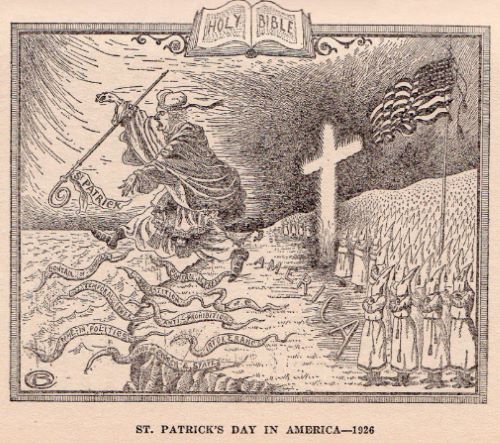
The contemporary landscape of Christian nationalism in the United States cannot be understood in isolation from its intersections with other ideological currents, particularly white nationalism and authoritarian political thought. While not all expressions of Christian nationalism are explicitly racialized, a significant body of scholarship has demonstrated that the ideology often overlaps with narratives that privilege white identity and cultural dominance. This convergence is not accidental but rooted in shared assumptions about hierarchy, belonging, and the preservation of a perceived social order. Religious language and symbolism can become vehicles through which broader political and racial anxieties are expressed and legitimized.
One of the most visible aspects of this convergence is the alignment between Christian nationalist rhetoric and white nativist concerns about immigration and demographic change. In these narratives, the nation is framed as under threat from external and internal forces that are depicted as culturally and religiously incompatible with an idealized American identity. This framing frequently draws upon selective interpretations of history, presenting the United States as fundamentally rooted in a homogeneous Christian tradition that must be defended against dilution. Such perspectives not only marginalize minority communities but also reinforce a sense of urgency and crisis that can intensify political polarization.
The intersection with white nationalism becomes particularly pronounced when religious identity is explicitly linked to racial hierarchy. In some cases, Christian symbolism and biblical language are used to justify or naturalize ideas of racial separation and superiority, creating a theological veneer for exclusionary beliefs. These interpretations often diverge sharply from mainstream Christian teachings, yet they persist within certain ideological spaces where religious authority is invoked to legitimize social stratification. Scriptural passages may be selectively interpreted or decontextualized to support claims about divinely ordained order, reinforcing the perception that existing hierarchies are both natural and sacred. The resulting synthesis of faith and race produces a powerful narrative in which the defense of one is seen as inseparable from the defense of the other, reinforcing both identities simultaneously. This dynamic also facilitates the transmission of such ideas across generations and communities, as religious language lends an air of permanence and legitimacy to otherwise contested social claims, embedding them within broader cultural and political discourse.
Authoritarian tendencies further complicate this convergence, as they shape how power and governance are understood within these frameworks. Christian nationalism, particularly in its more exclusionary forms, often expresses a preference for strong leadership and centralized authority, especially when such authority is perceived as aligned with religious and cultural values. This orientation can manifest in skepticism toward democratic institutions, which are sometimes portrayed as obstacles to the restoration of a moral order. The appeal of authoritarian solutions lies in their promise to bypass perceived inefficiencies and conflicts inherent in pluralistic governance, replacing them with decisive action grounded in a singular vision of the common good.
The integration of these ideological elements creates a feedback loop in which religious conviction, racial identity, and political preference reinforce one another. Media ecosystems, social networks, and political rhetoric all contribute to the circulation and normalization of these ideas, making them more accessible and influential. As individuals encounter and adopt these narratives, their perceptions of threat, legitimacy, and appropriate action are shaped accordingly, increasing the likelihood of support for policies or actions that prioritize exclusion and control. This process does not operate uniformly, but its cumulative effect is to strengthen the coherence and appeal of the broader ideological framework.
Understanding this convergence is essential for analyzing the relationship between belief and behavior in contemporary contexts. It highlights the ways in which complex and sometimes disparate ideas can coalesce into a unified worldview that influences both individual attitudes and collective dynamics. While not all adherents of Christian nationalism embrace its more extreme expressions, the overlap with white nationalism and authoritarianism underscores the potential for the ideology to support exclusionary and, at times, coercive outcomes. In examining these intersections, it becomes possible to better understand how religious language and identity can be mobilized in service of broader political and social agendas.
Post-9/11 Transformation: Security, Identity, and Islamophobia

The attacks of September 11, 2001, marked a turning point in the relationship between religion, national identity, and perceptions of threat in the United States. In the immediate aftermath, public discourse was shaped by a heightened sense of vulnerability and a renewed emphasis on national unity, as political leaders, religious figures, and media institutions sought to make sense of an event that appeared both unprecedented and deeply symbolic. Religious language and symbolism played a prominent role in framing the nation’s response, often drawing upon themes of moral struggle, sacrifice, and collective purpose. While many expressions of faith emphasized resilience and solidarity, other interpretations began to align more closely with narratives that cast the conflict in explicitly religious terms, contributing to the evolution of Christian nationalist discourse. The blending of national mourning with religious rhetoric created a context in which identity, belief, and political purpose became increasingly intertwined, shaping how Americans understood both the nature of the threat and the appropriate response to it.
One of the most significant developments during this period was the increased visibility of Islam as a focal point of national concern. Public and political rhetoric frequently associated Islam with extremism, despite the diversity of Muslim communities and the distinction between the religion and the actions of specific groups. This association contributed to the growth of Islamophobia, which manifested in both social attitudes and policy debates. Within certain ideological frameworks, including strands of Christian nationalism, Islam was portrayed not only as a security threat but as a cultural and religious adversary, reinforcing a binary understanding of identity that divided the world into opposing camps.
The framing of the post-9/11 environment as a struggle between civilizations provided fertile ground for the convergence of religious and political narratives. Concepts such as the “clash of civilizations” gained traction, influencing how events were interpreted and discussed in both academic and public spheres. For some, this framing resonated with existing beliefs about the United States as a nation with a distinct and divinely guided mission, now perceived to be under threat from external forces. The language of defense and protection became intertwined with religious identity, reinforcing the idea that safeguarding the nation required not only military action but also the preservation of cultural and spiritual boundaries. This perspective encouraged a worldview in which global conflict was understood through simplified oppositions, reducing complex geopolitical realities to moral binaries that were easier to communicate and mobilize. Existing narratives of national purpose were reinforced and intensified, contributing to a broader shift in how identity and conflict were conceptualized.
Media and political discourse played a central role in shaping these perceptions, amplifying messages that emphasized danger, difference, and the need for vigilance. News coverage, public statements, and popular commentary often highlighted instances of extremism while providing less visibility to the broader context of global and domestic diversity. This imbalance contributed to the normalization of suspicion and the reinforcement of stereotypes, which in turn influenced public attitudes and policy preferences. The repetition of these themes across multiple platforms created a feedback loop in which fear and uncertainty were continually reinforced, making it more difficult to distinguish between specific threats and generalized perceptions of risk. Narratives that linked national security with religious identity found a receptive audience, further embedding these ideas within the cultural landscape and shaping the terms of political debate.
The post-9/11 period saw the expansion of policies and practices aimed at addressing perceived security threats, some of which had implications for civil liberties and social cohesion. Measures such as increased surveillance, profiling, and immigration restrictions were justified in terms of national protection but also raised concerns about discrimination and the erosion of democratic norms. For those already inclined toward exclusionary interpretations of national identity, these developments could be understood as necessary steps in defending the nation, reinforcing the alignment between security and ideological belief.
The transformation of the post-9/11 environment had lasting effects on the ways in which religion, identity, and politics intersected in the United States. By intensifying perceptions of threat and framing global events in moral and civilizational terms, it contributed to the evolution of ideological frameworks that emphasized division and defense. While not the sole factor in the development of contemporary Christian nationalism, this period played a significant role in shaping its modern expression, particularly in its engagement with issues of security and cultural identity. Understanding this transformation is essential for analyzing how external events can influence internal dynamics, reshaping the contours of political and religious discourse.
January 6, 2021: Symbolism, Mobilization, and Insurrection

The events of January 6, 2021, represent a critical moment in the intersection of religion, nationalism, and political violence in modern American history. As a large crowd gathered in Washington, D.C., to contest the certification of the presidential election, the convergence of political grievance and symbolic expression became highly visible. Among the imagery present were explicitly religious symbols, including crosses, banners with biblical language, and slogans such as “Jesus is King.” These elements did not define the entire event, but their presence reflected the extent to which religious identity had become intertwined with political mobilization for a segment of participants. The day serves as a focal point for examining how ideological frameworks can manifest in public action.
The use of religious symbolism during the events was not incidental but functioned as a means of framing political action within a broader moral and spiritual narrative. For some participants, the gathering was understood not merely as a political protest but as part of a larger struggle over the nation’s identity and future. Public prayers, invocations, and the display of religious iconography contributed to an atmosphere in which political objectives were cast in terms of divine purpose and moral obligation. This framing allowed individuals to interpret their participation as aligned with a higher authority, reinforcing the legitimacy of their actions within their own belief systems.
Mobilization for January 6 was facilitated by a combination of traditional organizing methods and digital communication networks. Social media platforms, online forums, and messaging applications played a significant role in disseminating information, coordinating travel, and shaping narratives about the event. Within these spaces, religious language and imagery were often integrated with political messaging, creating a hybrid discourse that appealed to both identity and conviction. These digital environments functioned not only as logistical tools but as spaces of reinforcement, where shared beliefs could be affirmed and intensified through repetition and group interaction. Narratives of urgency, injustice, and moral responsibility circulated widely, contributing to a sense that participation was both necessary and meaningful. The blending of religious symbolism with political claims in these networks allowed for a powerful form of mobilization that linked personal belief with collective action. This process demonstrates how modern communication technologies can extend and amplify ideological frameworks, enabling them to operate at a scale and speed that was not previously possible.
The events themselves revealed the potential for symbolic language to transition into physical action. While many participants remained outside the Capitol or engaged in nonviolent protest, others entered the building, resulting in a breach of security and a disruption of governmental processes. The presence of religious symbols highlights the complexity of interpreting the role of ideology in such events, as it illustrates how belief systems can coexist with a range of behaviors. In some instances, participants appeared to draw upon religious language to interpret their actions in real time, framing them as part of a larger moral or historical struggle. This dynamic underscores the importance of examining how symbolic frameworks can influence perception and decision-making, particularly in moments of heightened emotion and uncertainty. It also reveals the fluid boundary between symbolic expression and concrete action, where the meanings attached to symbols can shape the trajectory of events in ways that are not always predictable.
In the aftermath of January 6, scholarly and public discussions have sought to assess the significance of religious elements within the broader context of the event. Some interpretations emphasize the role of Christian nationalism as a contributing factor, while others caution against overgeneralization, noting the diversity of participants and motivations. What remains clear is that the event provides a case study in the ways religious identity and political mobilization can intersect in contemporary society. By analyzing the symbolism, organization, and outcomes of January 6, it becomes possible to better understand how ideological frameworks operate in moments of crisis and how they can influence both perception and action.
Contemporary Violence and Case Studies
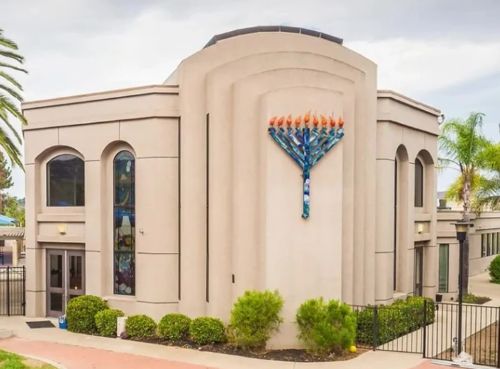
Contemporary instances of violence associated with Christian nationalist rhetoric are best understood not as a unified campaign but as a pattern of incidents in which individuals draw upon overlapping ideological frameworks. These events often reflect a convergence of religious language, political grievance, and broader extremist narratives, rather than a single, coherent organizational structure. Case studies must be approached with attention to both their specific contexts and the broader discourses in which they are embedded. This approach allows for a more precise understanding of how ideology can inform action without assuming uniformity across different actors or events.
The 2019 attack on the Chabad of Poway synagogue in California provides an example of how religious and racial ideologies can intersect in acts of violence. The perpetrator’s writings referenced both antisemitic beliefs and a broader sense of cultural and religious conflict, drawing upon narratives that framed minority communities as threats to a perceived national and moral order. While the attack targeted a Jewish institution, the ideological language used by the assailant reflected themes that have circulated within certain strands of Christian nationalist and white supremacist discourse. These themes included the perception of demographic change as a form of displacement and the portrayal of violence as a defensive response to perceived encroachment. The blending of these ideas demonstrates how individuals can draw selectively from multiple ideological sources, constructing a worldview that justifies extreme action. In this case, religious language functioned less as a direct motivator and more as part of a broader symbolic framework that lent moral weight to the act, illustrating the complex and often indirect ways in which ideology can shape behavior.
Similarly, the 2022 mass shooting in Buffalo, New York, illustrates the role of conspiracy-driven worldviews in shaping violent action. The perpetrator’s manifesto emphasized themes of demographic replacement and cultural decline, ideas that have gained traction in various extremist circles. Although the primary framework of the attack was rooted in white supremacist ideology, the broader narrative of defending a threatened civilization resonates with elements found in Christian nationalist rhetoric. The invocation of existential threat and the framing of violence as defensive highlight the ways in which different ideological strands can reinforce one another, creating a context in which extreme actions are perceived as justified.
Beyond high-profile acts of violence, contemporary dynamics also include patterns of intimidation and coercion at local levels. Incidents involving threats against public officials, school board members, and election workers have been documented in various regions, often accompanied by rhetoric that frames such actions as necessary to protect community values. In places such as Shasta County, California, these tensions have manifested in confrontations that blend political activism with moral and religious language. These situations frequently involve organized groups as well as individuals, reflecting a broader environment in which ideological commitment is expressed through sustained pressure rather than isolated acts. Public meetings, protests, and online campaigns can become arenas in which religious and political narratives are deployed to challenge institutional authority and influence decision-making. While not all such incidents escalate to physical violence, they contribute to a climate in which confrontation is normalized and the boundaries of acceptable civic behavior are tested. This pattern highlights the importance of examining not only dramatic acts of violence but also the cumulative impact of smaller-scale actions that shape the broader social and political landscape.
It is important to emphasize that the relationship between Christian nationalism and violence is neither direct nor uniform. Many individuals who express some form of Christian nationalist belief do not support or engage in violent behavior, and the majority of adherents operate within the bounds of lawful political activity. Yet research indicates that stronger adherence to this ideology can correlate with increased openness to the use of force under certain conditions, particularly when framed as necessary for national preservation. This correlation highlights the importance of examining not only actions but the beliefs and narratives that shape perceptions of legitimacy and necessity.
These case studies illustrate the complexity of analyzing contemporary violence in relation to ideological frameworks. Rather than pointing to a single cause, they reveal a network of influences that interact in varied and context-dependent ways. By examining specific incidents alongside broader patterns, it becomes possible to identify common themes while recognizing the diversity of motivations and circumstances involved. This nuanced approach is essential for understanding how ideas move from abstraction to action, and how they can be interpreted differently by individuals operating within similar cultural and political environments.
Measuring Support for Political Violence

Assessing the relationship between Christian nationalism and support for political violence requires careful attention to both empirical data and the limits of interpretation. Unlike discrete acts of violence, which can be documented through specific events, support for violence is often measured through surveys, opinion polls, and behavioral studies that capture attitudes rather than actions. These tools provide valuable insight into how individuals understand the legitimacy of force within a political context, but they also require nuanced analysis to avoid overgeneralization. The distinction between expressing conditional support for violence and engaging in it is significant, and any meaningful assessment must account for this gap between belief and behavior.
Recent research has sought to quantify the extent to which adherence to Christian nationalist beliefs correlates with openness to political violence. Studies conducted by organizations such as the Public Religion Research Institute (PRRI) and academic researchers have found that individuals who strongly identify with Christian nationalist ideas are more likely to agree with statements suggesting that violence may be justified under certain circumstances. In some surveys, respondents expressing high levels of agreement with Christian nationalist statements were several times more likely than others to affirm that “true patriots” might need to resort to force to preserve the nation. These findings do not imply causation, but they indicate a pattern in which ideological commitment is associated with a greater willingness to consider force as a legitimate option. The framing of such survey questions is critical, as responses can vary depending on how concepts like “patriotism,” “defense,” and “necessity” are presented. Additionally, respondents may interpret these terms differently based on personal experience, media exposure, and local political context, further complicating the analysis. These data should be understood as indicators of orientation and potential, rather than as direct predictors of behavior.
Interpreting these data requires attention to the broader social and political context in which they are collected. Periods of heightened polarization, perceived instability, or rapid social change can influence how individuals respond to questions about violence, shaping their answers in ways that reflect immediate concerns as well as long-standing beliefs. Survey results capture not only ideological orientation but also the emotional and situational factors that inform it. This complexity underscores the importance of situating quantitative findings within a qualitative framework that considers how individuals interpret both the questions posed to them and the circumstances in which they find themselves.
Another important consideration is the diversity of belief within the category of Christian nationalism itself. As scholars have noted, this ideology is not monolithic, and levels of adherence can vary widely across individuals and communities. Some may express mild or symbolic identification with the idea of a “Christian America,” while others hold more rigid and exclusionary views that are more closely associated with support for coercive measures. Aggregating these perspectives into a single category can obscure important distinctions, making it essential to analyze degrees of belief and their corresponding attitudes toward violence. This approach allows for a more precise understanding of how ideology operates across different segments of the population.
Measuring support for political violence highlights both the value and the limitations of quantitative analysis in understanding complex social phenomena. While survey data provide important indicators of trends and correlations, they cannot fully capture the processes through which beliefs are formed, reinforced, and translated into action. For this reason, such data must be integrated with historical, cultural, and ideological analysis to produce a comprehensive account. In the case of Christian nationalism, this integrated approach reveals a relationship between belief and the perceived legitimacy of violence that is contingent, variable, and deeply embedded within broader patterns of identity and political engagement.
Agency vs. Structure: Ideology, Environment, and Radicalization

Understanding the relationship between Christian nationalism and political violence requires careful attention to the interplay between individual agency and broader structural conditions. Acts of violence are ultimately carried out by individuals making choices, yet those choices are shaped by environments that influence perception, identity, and belief. Ideological frameworks do not operate in isolation but are embedded within social contexts that provide both reinforcement and constraint. The question is not whether individuals or structures are responsible, but how their interaction produces conditions in which radicalization becomes more likely.
From the perspective of agency, individuals interpret and internalize ideological narratives in ways that are shaped by personal experience, psychological disposition, and social relationships. Exposure to particular forms of rhetoric, whether through religious communities, political networks, or media sources, can influence how individuals understand their place within the nation and the nature of perceived threats. For some, these narratives remain abstract or symbolic, while for others they take on a more immediate and actionable quality. The process by which belief becomes motivation is neither uniform nor predictable, highlighting the importance of examining how individuals make sense of the ideas they encounter.
Structural factors play a critical role in shaping the conditions under which radicalization can occur. Political polarization, economic uncertainty, and rapid social change can contribute to a sense of instability that makes exclusionary or absolutist narratives more appealing. These conditions can foster feelings of dislocation or loss, particularly among individuals who perceive their social or cultural position as being undermined. Media ecosystems, especially those characterized by ideological segmentation and echo chambers, reinforce these perceptions by limiting exposure to alternative viewpoints and amplifying messages that emphasize conflict, grievance, and urgency. Repeated exposure to such narratives can normalize extreme interpretations of events, making them appear credible and widely shared. These environments do not determine individual behavior, but they shape the range of ideas that are considered legitimate, increasing the likelihood that certain interpretations will be adopted and acted upon.
The interaction between agency and structure is particularly evident in the role of digital communication technologies. Online platforms enable the rapid dissemination of ideas, allowing individuals to access and engage with content that aligns with their existing beliefs. These platforms facilitate the formation of communities in which those beliefs are validated and intensified through constant interaction and reinforcement. Algorithms designed to maximize engagement often prioritize emotionally charged or polarizing content, increasing its visibility and impact while sidelining more moderate perspectives. This dynamic can create a feedback loop in which individuals are continually exposed to messages that confirm and deepen their existing views, reducing opportunities for critical engagement or reconsideration. Digital environments can accelerate the process of radicalization by connecting individuals to networks that reinforce and legitimize their perspectives, transforming isolated beliefs into shared and socially supported convictions.
It is also important to consider the role of perceived legitimacy in the transition from belief to action. Individuals are more likely to support or engage in extreme measures when they view those measures as justified within their moral or ideological framework. Narratives that frame violence as defensive, necessary, or divinely sanctioned can lower the threshold for such actions by redefining them as acceptable responses to perceived threats. This process does not eliminate the role of individual choice, but it alters the context in which those choices are made, shaping how options are evaluated and decisions are justified.
The relationship between ideology, environment, and radicalization reflects a dynamic interplay rather than a linear progression. Neither agency nor structure alone can fully explain why some individuals move toward violence while others with similar beliefs do not. Instead, it is the interaction between personal interpretation and social context that determines how ideas are translated into action. By examining this interplay, it becomes possible to better understand the conditions under which radicalization occurs and to identify the factors that may mitigate or exacerbate its development within contemporary society.
Historiography and Scholarly Debate
Following is a video from Kat Abughhazeleh about white Christian nationalism:
The study of Christian nationalism and its relationship to political violence has developed rapidly in recent decades, reflecting both the growing visibility of the phenomenon and shifts in methodological approach within the social sciences and humanities. Early discussions often treated the intersection of religion and politics in broad or descriptive terms, focusing on the role of faith in shaping public life without isolating specific ideological configurations. More recent scholarship has sought to define Christian nationalism as a distinct analytical category, emphasizing its measurable characteristics, its ideological coherence, and its implications for democratic governance. This shift has enabled a more focused and systematic examination of the ways in which religious identity can be mobilized within political contexts.
One of the central contributions to this field has come from the work of Andrew L. Whitehead and Samuel L. Perry, who conceptualize Christian nationalism as a cultural framework that extends beyond individual religiosity. Their research, grounded in survey data and sociological analysis, has provided empirical evidence linking adherence to Christian nationalist beliefs with a range of political attitudes, including support for authoritarian leadership and openness to political violence under certain conditions. By operationalizing the concept in measurable terms, their work has allowed for more precise analysis and comparison, while also raising questions about the boundaries and internal diversity of the category itself.
Scholars such as Philip S. Gorski have approached the subject from a historical and theoretical perspective, situating Christian nationalism within the longer tradition of American civil religion. Gorski distinguishes between inclusive forms of civil religion, which emphasize shared civic values, and exclusionary forms that align more closely with nationalist ideology. This distinction has contributed to ongoing debates about how to interpret the relationship between religion and national identity, particularly in terms of whether contemporary developments represent a departure from or a continuation of earlier patterns. By tracing the evolution of civil religious ideas from the colonial period through the modern era, Gorski highlights the ways in which religious language has been used to both unify and divide the nation, depending on the context and the actors involved. His work also emphasizes that what is often labeled “Christian nationalism” may, in some cases, be better understood as a distortion or politicization of earlier civic traditions, rather than a direct extension of them. This perspective complicates attempts to draw clear lines between historical continuity and innovation, encouraging scholars to consider how older frameworks are reinterpreted in response to new political and social pressures.
Debate within the historiography also extends to questions of causation and interpretation. Some scholars emphasize the role of ideology in shaping behavior, arguing that Christian nationalist beliefs can directly influence support for coercive or exclusionary policies. Others caution against overly deterministic interpretations, noting that correlations between belief and behavior do not necessarily imply a straightforward causal relationship. This debate underscores the complexity of analyzing social phenomena that involve multiple interacting variables, including individual agency, structural conditions, and cultural narratives. It also reflects broader methodological differences between quantitative and qualitative approaches, each of which offers distinct insights and limitations.
These scholarly debates reveal a field that is both dynamic and contested, characterized by ongoing efforts to refine concepts, test hypotheses, and integrate diverse forms of evidence. Rather than converging on a single explanatory model, the historiography of Christian nationalism and political violence continues to evolve, incorporating new data and perspectives as they emerge. This ongoing process is essential for developing a nuanced understanding of the subject, as it encourages critical engagement with assumptions and fosters a more comprehensive analysis of the interplay between religion, identity, and power in modern society.
Conclusion: Democracy, Pluralism, and the Limits of Sacred Politics
The relationship between Christian nationalism and political violence in modern America reveals a broader tension between sacred identity and democratic pluralism. At its core, the issue is not the presence of religion in public life, which has long been a defining feature of American history, but the transformation of religious identity into an exclusionary political framework. When national belonging is defined in narrowly religious terms, the principles of inclusion, equality, and shared citizenship that underpin democratic systems become more difficult to sustain. The resulting friction is not merely theoretical but manifests in concrete debates over policy, identity, and legitimacy.
The historical and contemporary evidence examined here demonstrates that violent expressions associated with Christian nationalism do not arise in isolation but emerge from a complex interplay of ideology, social conditions, and individual interpretation. These expressions are shaped by narratives that frame the nation as under threat and position certain forms of action as necessary for its preservation. While such narratives do not inevitably lead to violence, they can lower the threshold for its justification by redefining it as defensive or even righteous. This process highlights the importance of understanding how belief systems interact with broader environments, influencing both perception and behavior in ways that are contingent and variable.
It is essential to recognize the diversity of religious experience and expression within the United States. The vast majority of religious individuals and communities engage with public life in ways that are compatible with democratic norms and pluralistic values. Distinguishing between these forms of engagement and the more exclusionary frameworks associated with Christian nationalism is crucial for maintaining analytical clarity and avoiding overgeneralization. Such distinctions also underscore the importance of preserving space for religious expression within a democratic society, even as certain interpretations of that expression are critically examined.
The challenge posed by Christian nationalism lies in its capacity to sacralize political authority and to frame civic conflict in absolute terms. When political goals are presented as divinely mandated, compromise becomes more difficult and opposition can be cast as illegitimate. This dynamic places strain on the institutions and norms that support democratic governance, raising questions about how societies can balance deeply held beliefs with the requirements of pluralism. Addressing this challenge requires not only empirical analysis but also a broader commitment to the principles that enable diverse communities to coexist, ensuring that the boundaries between faith and power remain open to critical reflection rather than fixed by ideology.
Bibliography
Affiliate disclosure: Amazon links on this site are paid links. As an Amazon Associate I earn from qualifying purchases.
- Bail, Christopher A. Terrified: How Anti-Muslim Fringe Organizations Became Mainstream. Princeton: Princeton University Press, 2014.
- Belew, Kathleen. Bring the War Home: The White Power Movement and Paramilitary America. Cambridge, MA: Harvard University Press, 2018.
- Bjork-James, Sophie. “Christian Nationalism and LGBTQ Structural Violence in the United States.” Journal of Religion and Violence 7:3 (2019), 278-302.
- Braunstein, Ruth. Prophets and Patriots: Faith in Democracy across the Political Divide. Berkeley: University of California Press, 2017.
- Cainkar, Louise A. Homeland Insecurity: The Arab American and Muslim American Experience after 9/11. New York: Russell Sage Foundation, 2009.
- Gorski, Philip S. American Covenant: A History of Civil Religion from the Puritans to the Present. Princeton: Princeton University Press, 2017.
- Gorski, Philip S. and Gülay Türkmen-Dervişoğlu. “Religion, Nationalism, and Violence: An Integrated Approach.” Annual Review of Sociology 39 (2013), 193-210.
- Gorski, Philip S., and Samuel L. Perry. The Flag and the Cross: White Christian Nationalism and the Threat to American Democracy. New York: Oxford University Press, 2022.
- Juergensmeyer, Mark. “Christian Violence in America.” The Annals of the American Academy of Political and Social Science 558 (1998), 88-100.
- Miller, Daniel D. “American Christian Nationalism and the Meaning of ‘Religion’.” Method and Theory in the Study of Religion 34:1/2 (2022), 64-85.
- Noll, Mark A. America’s God: From Jonathan Edwards to Abraham Lincoln. Oxford: Oxford University Press, 2002.
- Pape, Robert A. “Not Just Oath Keepers and Proud Boys: Meet the ‘Ordinary’ Violent Offenders of January 6, 2021.” Chicago Project on Security and Threats, University of Chicago (January 15, 2025).
- Perry, Samuel L., and Andrew L. Whitehead. “Christian Nationalism and White Racial Boundaries: Examining Whites’ Opposition to Interracial Marriage.” Ethnic and Racial Studies 42, no. 15 (2019): 2630–2648.
- Public Religion Research Institute (PRRI). American Values Survey. Washington, DC, various years.
- Stewart, Katherine. The Power Worshippers: Inside the Dangerous Rise of Religious Nationalism. New York: Bloomsbury, 2020.
- U.S. House of Representatives, Select Committee to Investigate the January 6th Attack on the United States Capitol. Final Report. Washington, DC, 2022.
- Wessinger, Catherine. How the Millennium Comes Violently: From Jonestown to Heaven’s Gate. New York: Seven Bridges Press, 1999.
- Whitehead, Andrew L., and Samuel L. Perry. Taking America Back for God: Christian Nationalism in the United States. Oxford: Oxford University Press, 2020.
- Wilcox, Clyde, and Carin Robinson. Onward Christian Soldiers? The Religious Right in American Politics. Boulder, CO: Westview Press, 2010.
- Wilson, Charles Reagan. Baptized in Blood: The Religion of the Lost Cause, 1865–1920. Athens: University of Georgia Press, 1980.
Originally published by Brewminate, 04.24.2026, under the terms of a Creative Commons Attribution-NonCommercial-NoDerivatives 4.0 International license.
About the Author